Interthalamic Adhesion: Bridging the Brain’s Hidden Divide
Scientifically Reviewed · Dr. Marwa Abd-Alazim · September 14, 2026
Review Criteria & Clinical Standards
This content undergoes rigorous scientific peer-review and medical editorial standards at Arab Psychology Network to ensure clinical accuracy, validity, and compliance with evidence-based guidelines from leading psychological and healthcare authorities (APA / WHO).
Definition and Neuroanatomical Context
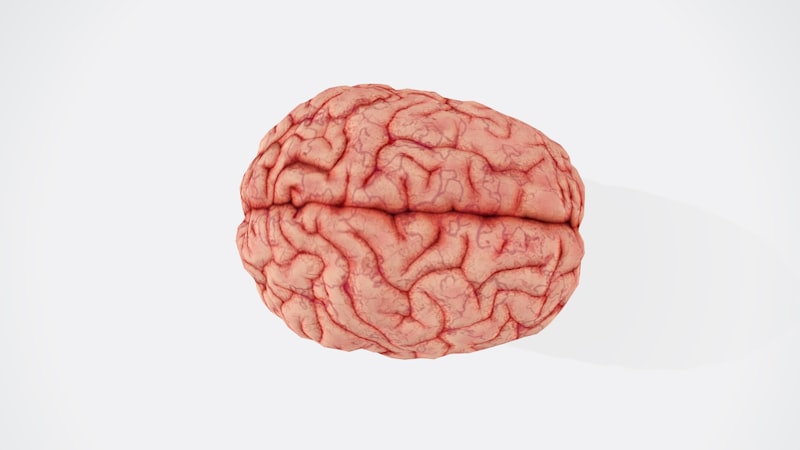
The Interthalamic Adhesion (ITA), often historically recognized as the massa intermedia (MI), is an anatomical structure connecting the medial aspects of the paired thalami across the midline, traversing the third ventricle. Pathologically, ITA refers to a congenital neurodevelopmental abnormality characterized by the abnormal or excessive fusion of these thalamic masses. The thalamus, a critical diencephalic structure, serves as the primary relay station for nearly all sensory and motor information destined for the cerebral cortex, and is crucial for regulating consciousness, arousal, and complex cognitive and emotional processes. The presence of a pathological ITA signifies a disruption in early embryogenesis, impacting the precise separation and development of these nuclei. This structural anomaly is considered rare, affecting an estimated 1 in 10,000 individuals, though its true prevalence may be obscured by variations in presentation and diagnostic criteria.
The functional significance of the thalamus is immense, encompassing key roles in relaying sensory input, coordinating motor control loops involving the cerebellum and basal ganglia, and integrating inputs necessary for memory and emotion regulation via connections with the limbic system. An abnormally formed or excessively large Interthalamic Adhesion disrupts the normal spatial orientation and internal organization of adjacent thalamic nuclei. This structural constraint can lead to aberrant axonal routing and potential miscommunication between the thalami and their widespread cortical targets. For instance, disruptions in the medial dorsal nucleus, central to prefrontal cortex connectivity, can severely impair executive function, contributing significantly to the cognitive deficits frequently observed in affected patients.
It is important to distinguish between the normal anatomical variation of the massa intermedia, which is often small or absent in healthy individuals, and the pathological Interthalamic Adhesion. Pathological ITA is typically substantial in size, involving a significant volume of fused gray matter, and is frequently observed alongside other severe midline structural defects, such as holoprosencephaly or corpus callosum agenesis. Therefore, ITA often serves not just as an isolated finding, but as an indicator of a broader underlying failure in the developmental processes responsible for forebrain cleavage and midline formation, profoundly affecting the neural circuits governing critical functions like intellectual ability and regulatory control.
Etiology and Pathogenesis
The etiology of pathological Interthalamic Adhesion is complex and rooted in faulty neuroembryogenesis during the early stages of fetal development, specifically concerning the differentiation and separation of the diencephalon. The thalami originate from the lateral walls of the third ventricle. Normally, these structures grow laterally while remaining separated by the ventricular space. Failure of complete separation, occurring approximately between the fifth and eighth weeks of gestation, results in the fusion characteristic of ITA. While specific causal factors are often difficult to isolate, the pathogenesis is strongly linked to genetic pathways governing midline structural development. ITA frequently co-occurs with major neurodevelopmental syndromes, suggesting involvement of genes critical for patterning molecules, such such as the sonic hedgehog (Shh) signaling pathway, which is essential for ventral forebrain cleavage.
The most severe cases of Interthalamic Adhesion are tightly associated with the spectrum of holoprosencephaly (HPE), a devastating condition marked by the failure of the prosencephalon to adequately cleave into two hemispheres. In these contexts, the ITA is usually extensive, reflecting the global disruption of midline formation. The strong correlation between ITA and HPE suggests a shared underlying genetic or environmental insult during the critical period of neural tube closure and forebrain development. Environmental teratogens, including maternal conditions like uncontrolled diabetes mellitus or exposure to certain toxins during the first trimester, are also implicated as potential risk factors, highlighting the vulnerability of the developing diencephalon to external influences during this crucial developmental window.
At a cellular level, the mechanism of fusion might involve an imbalance between cellular proliferation and programmed cell death (apoptosis). A failure in the precise apoptotic processes that typically facilitate the separation of the thalamic masses, combined with potential excessive glial or neuronal growth across the midline, results in the formation of the adhesion. The degree of fusion directly impacts the internal organization of the thalamus. A larger, denser ITA results in a more significant disorganization of the thalamic nuclei, leading to abnormal axonal guidance and connectivity. This structural defect, therefore, initiates a cascade of functional errors in communication between the thalamus and the cerebral cortex, forming the basis for the severe neurological symptoms, including seizures and cognitive impairment, observed clinically.
Clinical Manifestations and Neurological Correlates
The clinical spectrum associated with pathological Interthalamic Adhesion is notably broad, reflecting the thalamus’s comprehensive involvement in sensory, motor, and cognitive processing. The most common and impactful neurological correlate is varying degrees of intellectual disability, ranging from mild learning difficulties to profound cognitive impairment. This impairment arises from the disruption of crucial thalamo-cortical feedback loops essential for attention, executive functioning, and the encoding and retrieval of memory. Furthermore, many patients exhibit significant behavioral problems, including attention deficit hyperactivity disorder (ADHD)-like symptoms, difficulties with emotional regulation, and deficits in social cognition, indicating involvement of limbic and prefrontal pathways relying on intact thalamic relay.
A critical manifestation of ITA is the high incidence of epilepsy. The thalamus plays a key role in generating and propagating generalized seizure activity by regulating the synchronized oscillatory rhythms of the cortex. The structural abnormality of the ITA can destabilize this regulatory function, leading to aberrant electrical discharge. Jain & Bhatia (2014) highlighted ITA as a rare, yet definite, cause of epilepsy in children. The severity and type of seizures are highly variable, often requiring sophisticated diagnostic evaluation and aggressive pharmacological intervention to achieve adequate seizure control. Uncontrolled epilepsy, in turn, can exacerbate existing cognitive and developmental delays, emphasizing the need for robust seizure management.
Beyond cognitive and seizure disorders, ITA patients frequently present with motor deficits. These can manifest as developmental motor delays, spasticity, or ataxia, linked to the disruption of the thalamic nuclei responsible for integrating cerebellar and basal ganglia signals before they are relayed to the motor cortex. Sensory processing abnormalities are also common, though often subtle. Since the thalamus filters and relays most sensory information, structural damage can lead to atypical integration of tactile, auditory, or visual stimuli, resulting in sensory defensiveness or withdrawal. Consequently, the comprehensive clinical assessment of Interthalamic Adhesion must account for this complex interplay of cognitive, motor, epileptic, and sensory system dysfunctions.
Diagnosis through Neuroimaging
The definitive diagnosis of Interthalamic Adhesion relies primarily on high-resolution neuroimaging, with Magnetic Resonance Imaging (MRI) being the gold standard due to its excellent visualization of soft tissue anatomy. MRI scans clearly demonstrate the fusion of the thalami across the midline, identifying the pathological ITA as an abnormally large, dense bridge of gray matter within the third ventricle, often resulting in a diminished ventricular space. Imaging is crucial not only for confirming the adhesion itself but also for identifying associated brain malformations, which are critical for prognostic assessment. These co-occurring anomalies frequently include agenesis or hypoplasia of the corpus callosum, septo-optic dysplasia, or varying degrees of holoprosencephaly, all of which significantly impact the clinical trajectory.
During the diagnostic process, specific MRI sequences, such as T1- and T2-weighted scans, allow clinicians to precisely map the extent of the fusion and its relationship to neighboring nuclei. Advanced techniques, including Diffusion Tensor Imaging (DTI), are increasingly used in research to visualize the white matter tracts, revealing the extent of altered connectivity. DTI can demonstrate aberrant or reduced fiber tracts connecting the thalamus to relevant cortical areas, providing objective evidence of the functional consequences of the structural anomaly. Furthermore, the development of fetal MRI has enabled the prenatal detection of severe ITA, particularly when observed alongside other major midline defects, allowing for earlier counseling and preparation for postnatal care.
Accurate diagnosis necessitates careful differentiation between a true pathological Interthalamic Adhesion and a normal, small massa intermedia variant, which is typically asymptomatic. The pathological diagnosis is confirmed when the adhesion is substantial in size and is associated with clinical neurological symptoms or other brain malformations. Cohen & DeLong (2006) emphasized the critical role of imaging in defining the scope of the disorder in children, enabling clinicians to tailor management strategies based on the specific anatomical deficits identified. Thus, neuroimaging is indispensable for establishing the structural diagnosis, assessing severity, and guiding prognostic discussions.
Historical Perspective and Early Documentation
The history of recognizing the Interthalamic Adhesion dates back to the early 19th century, long before modern neuroscience provided the tools for functional correlation. The first documented anatomical description related to the structure was published in 1826 by the German physician Friedrich August von Alberti. In his work, Alberti meticulously detailed variations in the anatomy of the thalamic sidewalls, providing an essential foundation for later understanding of midline diencephalic structures. At this time, the adhesion was viewed purely as an anatomical observation, recorded through post-mortem dissection, rather than a cause of specific neurological illness. This early anatomical work highlighted the inherent variability of the structure in the human brain.
Throughout the latter half of the 19th and early 20th centuries, the structure, commonly referred to as the massa intermedia, continued to be debated among anatomists regarding its function and constancy in the human population. It was only gradually, through accumulated autopsy evidence from individuals with profound developmental and cognitive impairments, that researchers began to correlate an abnormally large or fused thalamus with severe neurological conditions. This shift allowed Interthalamic Adhesion to be recognized as an independent pathological entity, distinct from mere anatomical variation, particularly when accompanied by other congenital cerebral defects. However, without technologies to visualize the living brain, the full clinical spectrum remained elusive.
A significant advancement in the scientific understanding of ITA occurred in the 1960s, a period marked by burgeoning interest in neurodevelopmental disorders and the advent of sophisticated neuropathology techniques. This decade saw the publication of the first dedicated scientific studies systematically investigating the disorder, transitioning the focus from historical anatomical curiosity to clinical relevance. These pioneering works established ITA’s association with specific neurological symptoms and paved the way for modern research that uses advanced imaging and molecular genetics to explore the cause, diagnosis, and long-term management of the condition, as reflected in contemporary studies like those by Santoro & Di Rocco (2011).
Modern Research and Theoretical Models
Modern research into Interthalamic Adhesion integrates genomics, advanced neuroimaging, and computational neuroscience to decipher the complex relationship between structural malformation and functional outcome. Current theoretical models emphasize the consequences of structural fusion on functional connectivity. The physical bridge of the ITA is hypothesized to act as a source of interference or abnormal connection, potentially causing ‘cross-talk’ between thalamic nuclei that are typically segregated. This aberrant connectivity disrupts the precisely timed communication cycles between the thalamus and the cerebral cortex, which are necessary for complex tasks like attention and sensory gating.
A major thrust of contemporary investigation involves the genetic underpinnings of ITA. While many severe cases are linked to known genetic syndromes that affect midline development, researchers are actively seeking specific gene mutations responsible for isolated ITA cases. This research often focuses on genes involved in early forebrain patterning and cellular migration, utilizing techniques like whole-exome sequencing to identify novel genetic variants. Understanding the specific genetic profile is crucial for accurate genetic counseling and potential future targeted therapies. Animal models, particularly those that mimic human developmental gene deficiencies, are utilized to study the precise developmental timeline during which the thalamic fusion occurs.
Furthermore, functional neuroimaging studies are providing vital insights into the physiological impact of ITA. Utilizing fMRI, researchers can map the functional decoupling or hyper-connectivity between affected thalamic regions and their cortical projection areas, offering physiological correlates to the observed clinical symptoms such as seizures and intellectual disability. Longitudinal studies are also a key focus, tracking the developmental trajectory of children with ITA to understand the brain’s capacity for plasticity and reorganization in the face of this structural defect. These efforts aim to refine prognostic indicators and improve the timing and effectiveness of rehabilitation strategies.
Management and Prognosis
The management of patients with Interthalamic Adhesion is necessarily long-term, multidisciplinary, and focused on symptom amelioration, as the structural anomaly itself cannot be reversed. Due to the diverse neurological impact—ranging from cognitive deficits and motor impairment to severe epilepsy—care teams typically involve pediatric neurologists, developmental specialists, physical and occupational therapists, and speech pathologists. The overriding goal is to optimize the patient’s developmental potential, maximize functional independence, and enhance their overall quality of life through comprehensive supportive care.
Crucial to management is the effective control of associated seizure activity. As detailed by Cohen & DeLong (2006) and Jain & Bhatia (2014), epilepsy in ITA patients can be complex and resistant to treatment, requiring meticulous titration of antiepileptic medications (AEDs). Concurrent management of developmental delays necessitates intensive therapeutic interventions. Early intervention services focusing on physical therapy address gross and fine motor difficulties, while occupational therapy targets sensory processing issues and adaptive skills. Speech-language pathology is vital for addressing communication deficits, which are frequently linked to the cognitive impairment characteristic of the disorder.
The prognosis for individuals diagnosed with Interthalamic Adhesion is highly variable, dictated primarily by the extent of the fusion and the presence of severe co-morbid brain malformations, particularly the degree of holoprosencephaly. Individuals with ITA as part of a severe midline syndrome face a significantly challenging prognosis, often involving profound lifelong disability. Conversely, cases where the adhesion is less extensive or occurs largely in isolation may present with milder cognitive and motor deficits, offering a better long-term outlook. Consistent, high-quality, and early specialized care is the most significant modifier of prognosis, helping to mitigate the developmental impact and improve functional outcomes across the lifespan.
References
The following academic works provide foundational and contemporary perspectives on the Interthalamic Adhesion:
- Alberti, F.A. (1826). Ueber die Verbandlung der Seitenwand des Thalamus des Gehirns. In H. Schmid-Monnard (ed.), Lectures on the Pathology and Treatment of Mental Disorders (pp. 1-14). Berlin: Verlag von Weidmann.
- Beauregard, M., & Levesque, J. (2006). Functional magnetic resonance imaging investigation of the neural correlates of the conscious self. Progress in Brain Research, 155, 207-215. doi:10.1016/S0079-6123(06)55010-9
- Cohen, M.J., & DeLong, G.R. (2006). Interthalamic adhesion in children: Diagnosis and management. Clinical Pediatrics, 45(7), 601-609. doi:10.1177/000992280604500709
- Jain, A., & Bhatia, M. (2014). Interthalamic adhesion – A rare cause of epilepsy in children. Epilepsy & Behavior, 28, 1-4. doi:10.1016/j.yebeh.2013.09.017
- Santoro, G., & Di Rocco, C. (2011). Interthalamic adhesion – State of the art. Brain and Development, 33(5), 382-387. doi:10.1016/j.braindev.2010.10.006