School Readiness: Building Foundations for Future Success
Scientifically Reviewed · Dr. Marwa Abd-Alazim · September 11, 2026
Review Criteria & Clinical Standards
This content undergoes rigorous scientific peer-review and medical editorial standards at Arab Psychology Network to ensure clinical accuracy, validity, and compliance with evidence-based guidelines from leading psychological and healthcare authorities (APA / WHO).
Defining School Readiness: A Multifaceted Construct
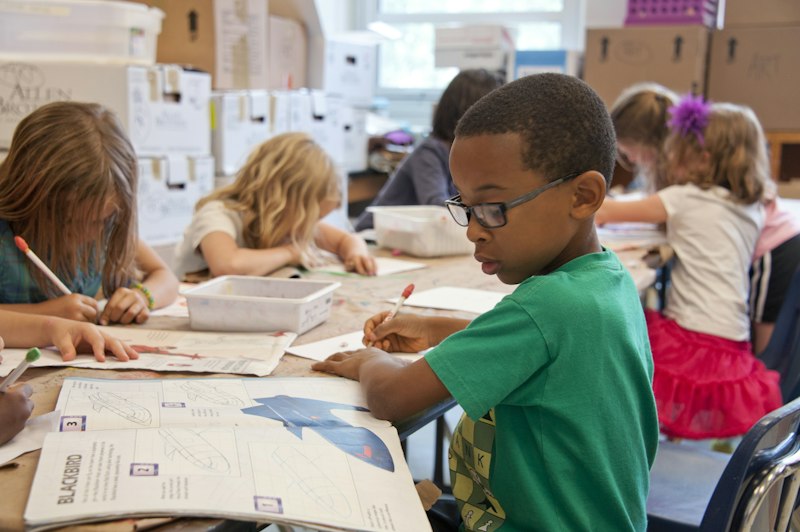
School readiness constitutes a vital area of psychological and educational research, representing the state of preparedness required for young children, typically those of below-kindergarten age, to successfully transition into and participate fully in the demands of traditional elementary school settings. This concept moves far beyond simple chronological age or basic academic knowledge, encompassing a comprehensive array of developmental domains crucial for adapting to a structured learning environment. Programs designed to facilitate this transition are often formalized as various courses frequently labeled as prekindergarten or nursery school, signifying their dedicated role in bridging the gap between home-based learning and institutional education. True readiness requires the alignment of the child’s cognitive, social, emotional, and physical capabilities with the expectations of the receiving school environment, necessitating systemic support both within the family unit and the broader community infrastructure to ensure optimal outcomes for all learners entering the formal educational pipeline.
The core challenge in defining school readiness lies in its inherent complexity, recognizing that it is not a monolithic or static state but rather a dynamic continuum of development influenced heavily by environmental inputs. Early initiatives focused primarily on preparing the child for school; however, modern perspectives emphasize a reciprocal relationship, requiring schools themselves to be ready for the diversity of children they admit. This holistic view necessitates initiatives to assist local communities in making available the most beneficial settings for children, focusing intensely on aspects of overall health, robust early learning opportunities, and seamless elementary school admission processes. The goal is systematic intervention aimed at minimizing elements which might detract from children’s preparedness, ensuring that factors such as poverty, lack of healthcare access, or inadequate early stimulation do not prematurely impede a child’s educational trajectory before they even step into the classroom.
Psychologically, school readiness relies heavily on the child’s development of executive functions, which include the ability to focus attention, follow complex instructions, regulate emotions, and manage impulses—skills fundamentally necessary for successful group learning. These non-academic skills often predict long-term academic success more reliably than rote memorization or early reading ability alone. Consequently, comprehensive school readiness programs prioritize the development of self-regulation and social competence alongside foundational academic knowledge. By focusing on the integrated growth across all developmental areas, these programs aim to ensure that children possess the intrinsic resources needed to engage effectively with teachers and peers, manage the routines of the school day, and sustain effort in challenging tasks, thereby maximizing their potential for productive participation in the mandatory educational setting from the very start.
Domains of School Readiness
To facilitate standardized measurement and targeted intervention, school readiness is typically categorized into five core developmental domains, reflecting a consensus among educators and child development experts regarding the essential capabilities a child should possess upon school entry. These domains are interdependent, meaning strengths or weaknesses in one area inevitably impact performance in others. The primary domains include physical well-being and motor development; social and emotional development; approaches to learning; language and communication skills; and general knowledge and cognitive development. Focusing on these specific areas allows educators to assess individual needs accurately and tailor early childhood education curricula to address identified deficits, thereby enhancing the overall effectiveness of preparation efforts designed for children of below-kindergarten age.
The domain of Physical Well-being and Motor Development is foundational, directly addressing the child’s overall health status and minimizing elements that might detract from their preparedness. This includes ensuring adequate nutrition, necessary immunizations, and access to regular healthcare—critical components emphasized in community initiatives supporting school readiness. Furthermore, it encompasses both gross motor skills (such as running and balancing, important for playground interaction and physical education) and fine motor skills (such as holding a pencil and manipulating small objects, essential for writing and classroom tasks). A healthy child who is physically comfortable and capable is far better equipped to attend to instruction and manage the physical demands of the school day than one struggling with illness or motor coordination difficulties.
Crucially important are the domains of Social and Emotional Development and Approaches to Learning, which pertain directly to the child’s ability to navigate the social landscape of the classroom and adopt a positive disposition toward education. Social-emotional readiness involves the capacity to form relationships with adults and peers, understand and manage emotions, and resolve conflicts peacefully. Approaches to Learning relate to the child’s curiosity, persistence, creativity, and ability to follow rules and routines—the psychological mindset necessary for successful learning participation. Similarly, Cognitive and Language Readiness covers foundational literacy and numeracy skills, the ability to communicate needs and ideas effectively, and the capacity to engage in problem-solving. Success in these academic areas relies heavily on the underlying social and emotional maturity fostered through high-quality prekindergarten or nursery school settings.
The Role of Early Childhood Education Programs
Early Childhood Education (ECE) programs, frequently packaged as prekindergarten or nursery school, serve as the primary institutional mechanism for delivering structured school readiness interventions to children of below-kindergarten age. These programs are intentionally designed environments that expose children to routines, expectations, and pedagogical methods analogous to those they will encounter in elementary school, thereby significantly reducing the shock and behavioral challenges often associated with the transition. High-quality ECE shifts the focus from purely custodial care to intentional instruction, employing curricula that systematically promote growth across all readiness domains. For instance, structured play activities are utilized not merely for entertainment but as opportunities to develop social negotiation skills, problem-solving abilities, and language usage in context, all vital components of successful elementary school participation.
The efficacy of these courses hinges upon their ability to provide consistently rich, stimulating, and supportive interactions. Unlike informal home environments, ECE programs provide opportunities for children to interact with a diverse group of peers and trained professionals, accelerating the development of social competence and foundational academic skills. These settings are crucial for establishing patterns of behavior necessary for participation in a group setting, such as waiting one’s turn, listening attentively to teacher instructions, and managing transitions between activities. By embedding these behavioral expectations within a nurturing framework, these programs actively minimize the elements that might detract from a child’s subsequent success in school, ensuring that the focus remains on learning rather than adaptation to unfamiliar structures.
Furthermore, effective ECE settings are essential for identifying developmental delays or special needs early. Trained educators in prekindergarten and nursery school environments are often the first professionals outside the health system to observe consistent patterns that suggest a child might require specialized support. This early identification is critical, as timely intervention services are vastly more effective than those initiated later in elementary school. The integration of diagnostic screening and individualized support plans within the ECE structure underscores the comprehensive nature of modern school readiness programs, emphasizing that preparation is not a one-size-fits-all approach but rather a tailored process aimed at maximizing every child’s potential for successful elementary school admission and sustained academic achievement.
Parental and Community Involvement in Fostering Readiness
While formal ECE programs provide structured learning, the home and community environments remain the most powerful determinants of a child’s school readiness. Parental involvement is paramount, encompassing everything from providing a language-rich environment where reading aloud is a daily routine, to ensuring adequate rest, nutrition, and emotional security. These parental actions lay the neurobiological and psychological groundwork upon which formal education builds. When parents are actively engaged in their child’s early learning—understanding the goals of the prekindergarten or nursery school and reinforcing those lessons at home—the child’s preparedness is exponentially strengthened. This collaborative model recognizes that sustained educational success begins with the primary caregivers, making parent education and support a non-negotiable component of any successful school readiness initiative.
Community support systems play an equally critical role, extending the resources available beyond the immediate family unit. Initiatives to assist local communities in making available the most beneficial settings for children focus heavily on public health services, housing stability, and access to nutritional resources. A child cannot focus on early learning if they are hungry, ill, or experiencing chronic stress due to unstable housing. Therefore, comprehensive school readiness strategies must necessarily address the environmental factors that minimize elements which might detract from children’s preparedness. This holistic approach ensures access to pediatric care, mental health services, and quality childcare options for working parents, creating an ecosystem where the child’s fundamental needs are met, thereby freeing cognitive resources for educational development.
The synergy between educational institutions and community stakeholders is essential for achieving truly equitable school readiness outcomes. Local libraries, community centers, and non-profit organizations often provide informal learning opportunities that complement formal schooling, such as literacy programs, physical activity classes, and parenting workshops. When these community resources are aligned with the goals of elementary school admission and early learning standards, they create a seamless support network. This integrated approach ensures that children receive consistent messaging and opportunities for growth, regardless of socioeconomic background, reinforcing the concept that school readiness is a collective societal responsibility, not solely the burden of the child or the school system.
Assessment and Measurement of School Readiness
The formal assessment and measurement of school readiness serve several critical functions, primarily guiding instructional decisions, evaluating program effectiveness, and facilitating smooth elementary school admission processes. However, assessing young children of below-kindergarten age presents unique psychometric challenges, as development is rapid and performance can be highly inconsistent due to factors like mood, fatigue, or unfamiliarity with the testing situation. Consequently, readiness assessment relies less on high-stakes, standardized testing and more on observational tools, developmental checklists, and portfolio reviews that gather information across multiple contexts and over extended periods. The goal of assessment should always be to identify specific needs and strengths, enabling educators in prekindergarten and subsequent grades to adjust their teaching methods accordingly, rather than using scores for exclusion or labeling.
Various types of instruments are employed, ranging from broad screening tools administered at the community level to identify potential delays in large populations, to more in-depth diagnostic measures used within ECE settings to pinpoint specific learning gaps. For instance, many states and local districts utilize measures that track progress across the five key readiness domains, often employing teacher reports based on systematic observation of the child’s behavior and engagement in daily activities. These tools are crucial for evaluating the effectiveness of early learning interventions and ensuring that the courses labeled as nursery school or prekindergarten are successfully preparing children for the cognitive and social demands of elementary school. Ethical administration dictates that data must be used to provide support and resources, especially those designed to minimize elements which might detract from a child’s preparedness, rather than to deny access to education.
A significant shift in modern educational philosophy advocates for assessing not just the child’s readiness for school, but also the school’s readiness for the child. This measurement perspective focuses on the alignment between the incoming students’ current developmental levels and the curriculum, environment, and support services offered by the elementary school. Measures of institutional readiness might evaluate teacher training in differentiating instruction, the availability of resources for diverse learners, and the school’s capacity to partner effectively with families and community services. This dual assessment approach recognizes that successful elementary school admission requires a dynamic interaction: the child must be prepared to learn, and the institution must be prepared to teach them effectively, regardless of their starting point.
Policy Implications and Large-Scale Initiatives
Policy surrounding school readiness reflects a growing understanding that early childhood development is a critical public investment with substantial long-term economic and social returns. Government policy aims to standardize the quality of early learning experiences and ensure equitable access to beneficial settings for all children, particularly those from disadvantaged backgrounds. These large-scale initiatives often focus on securing funding for universal or targeted prekindergarten programs and implementing quality standards for curriculum, teacher qualifications, and facility safety. The overarching policy goal is to minimize elements which might detract from children’s preparedness by addressing systemic inequalities in health, nutrition, and early educational opportunities before children reach elementary school age.
The U.S. Federal Head Start Program stands as a preeminent example of a comprehensive, large-scale school readiness initiative. Established in 1965, Head Start provides early learning education, health, nutrition, and social services to children from birth to age five from low-income families. Unlike typical prekindergarten courses which might focus solely on academics, Head Start embodies the holistic definition of readiness by mandating comprehensive services aimed at the child, the family, and the community. By treating overall health, early learning, and parental engagement as integrated parts of school preparation, Head Start explicitly aims to counteract the environmental disadvantages that threaten a child’s ability to succeed, providing a robust model for how public policy can ensure successful elementary school admission for the most vulnerable populations.
Beyond targeted interventions like Head Start, many jurisdictions have implemented or are considering policies mandating universal access to high-quality Pre-K programs for all children of below-kindergarten age. The argument for universal access centers on the societal benefits of a highly prepared workforce and reduced costs associated with remedial education and special services later in life. Effective policies must also mandate strong connections between these early learning centers and the receiving elementary schools to ensure curricular continuity and shared expectations, thereby maximizing the return on investment in early childhood courses and guaranteeing that the preparatory work done in nursery school successfully translates into sustained achievement throughout the elementary school years.
Challenges and Future Directions in School Readiness Research
Despite decades of research and policy implementation, significant challenges persist in achieving universal school readiness. One major hurdle is the persistent achievement gap driven by socioeconomic disparity, where children from low-income families often enter school with significantly fewer foundational skills than their more affluent peers, despite the availability of programs like Head Start. Furthermore, defining readiness across diverse cultural and linguistic backgrounds presents a complex challenge, as expectations for child behavior and learning vary widely. What constitutes appropriate social behavior or academic preparedness in one cultural context may differ substantially in another. Future research must dedicate itself to developing culturally sensitive assessment tools and culturally responsive curricula that acknowledge and validate the diverse experiences children bring into the classroom, moving beyond a standardized, one-size-fits-all definition of what it means to be ready for elementary school.
Future directions in school readiness research are increasingly leveraging longitudinal studies to track the long-term impact of early interventions, aiming to determine which program components—be they focused on health, cognitive stimulation, or social-emotional training—yield the greatest sustained benefits through high school and into adulthood. There is also growing interest in the role of neuroscientific insights, particularly how early experiences shape brain architecture related to executive function and self-regulation. Understanding the neurobiological underpinnings of learning can inform the design of even more effective prekindergarten and nursery school courses, focusing on critical windows of development to minimize elements which might detract from children’s preparedness. Research is also examining the impact of technology, ensuring that digital tools are integrated into early learning in ways that are developmentally appropriate and supportive of, rather than distracting from, core readiness skills.
Ultimately, the goal of the school readiness movement is to ensure that every child, regardless of background, is fully equipped to participate and succeed in formal education from the moment of elementary school admission. Achieving this requires continuous investment, rigorous program evaluation, and a commitment to refining both the definition of readiness and the mechanisms used to support it. Policymakers, educators, parents, and community members must collaborate to create a robust and equitable system of early learning and support, guaranteeing that the vital years below kindergarten age are used maximally to prepare the next generation for lifelong learning and meaningful societal contribution.