Articles

NMDA Receptors: The Architects of Your Memory
Introduction to the NMDA Receptor and Its Neurobiological Significance The N-methyl-D-aspartate (NMDA) receptor represents a...
Introduction to the NMDA Receptor and Its Neurobiological Significance The N-methyl-D-aspartate (NMDA) receptor represents a...

Historical Development and Clinical Introduction of Olanzapine Olanzapine represents a significant milestone in the evolution...

Overview of Depakote and Valproic Acid Depakote, a pharmacological agent known generically as valproic acid,...

Psychopharmacological Drugs: A Review Psychopharmacological drugs are a class of medications used to treat mental...
Pharmacological Classification and Mechanism of Action Risperidone is a potent second-generation antipsychotic (SGA), commonly referred...
Introduction to Ziprasidone and Its Pharmacological Classification Ziprasidone, commonly known by its brand name Geodon,...

Etymological and Clinical Foundations of Logorrhea The term logorrhea is derived from the Greek words...
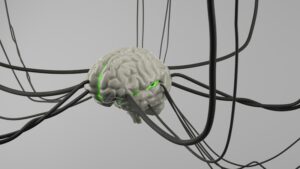
Introduction and Definition of Electroconvulsive Therapy (ECT) Electroconvulsive therapy (ECT), frequently referred to historically as...

Cerea Flexibilitas (Waxy Flexibility): An Introduction Cerea flexibilitas, often translated as waxy flexibility, represents one...

Introduction and Definition of Unipolar Mania Unipolar mania represents a unique and often clinically challenging...

Abstract and Definition Thought broadcasting represents a profound and highly disruptive psychopathological phenomenon, characterized fundamentally...

Mood is a psychological state that affects an individual’s thoughts, feelings, and behaviors. Elevated mood,...