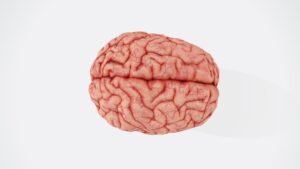
Tag: Brain Evolution


EVOLUTION OF THE BRAIN

Evolution of the Brain: A Comprehensive Definition The evolution of the brain is defined as the multi-millennial, cumulative process through which the nervous systems of living organisms, particularly vertebrates and primates, have undergone structural and functional transformations to reach higher levels of complexity. Spanning hundreds of millions of years, this biological odyssey has transitioned life […]

Read More

NEURAL DARWINISM

Introduction to Neural Darwinism and the Selectional Paradigm Neural Darwinism, more formally referred to as the Theory of Neuronal Group Selection (NGS), represents a transformative theoretical framework in the fields of neuroscience and psychology. Developed by the Nobel Prize-winning biologist Gerald Edelman, the theory posits that the development and functional organization of the brain are […]

Read More

TRIUNE BRAIN

Introduction and Definition The Triune Brain model, a framework posited by the American doctor and neurophysiologist Paul D. MacLean in the mid-20th century, describes the human brain as having evolved sequentially in three distinct, layered structures. This view suggests that the architecture of the brain reflects three major evolutionary epochs, corresponding to the dominant vertebrate […]

Read More

ENCEPHALIZATION

ENCEPHALIZATION: Definition and Core Principles The concept of encephalization defines the evolutionary process characterized by the transfer of sophisticated cognitive functions from phylogenetically older, more primitive brain areas to the expansive, highly developed cerebral centers, predominantly the neocortex. This phenomenon represents a fundamental mechanism driving the increase in complexity and flexibility of behavior across mammalian, […]

Read More