Articles
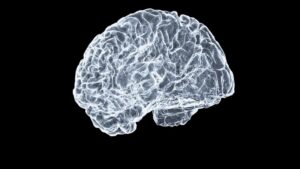
Callosal Apraxia: When Brain Hemispheres Lose Connection
Introduction and Definition Callosal apraxia represents a highly specific and often profound neurological disorder characterized...
Introduction and Definition Callosal apraxia represents a highly specific and often profound neurological disorder characterized...
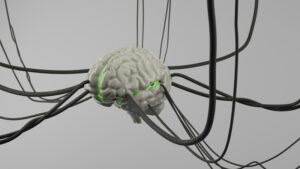
Overview of Thalamic Lesions A thalamic lesion refers to any injury, damage, or abnormal disruption...
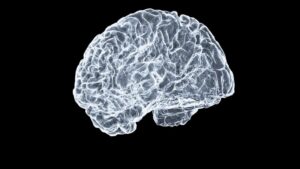
Introduction to Bilateral Lesions in the Central Nervous System (CNS) A bilateral lesion refers to...
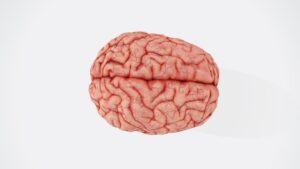
Introduction to Unilateral Neglect Unilateral neglect, often simply termed neglect, is a profoundly debilitating neuropsychological...

Introduction and Definition Aphasia refers to the acquired impairment or complete loss of the ability...
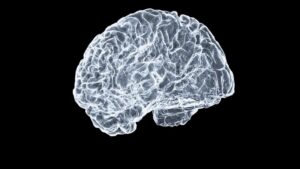
Definition and Overview A stroke, medically termed a Cerebrovascular Accident (CVA), represents a critical medical...
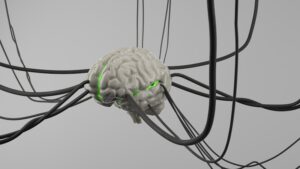
Definition and Core Characteristics of Transient Ischemic Attack (TIA) A Transient Ischemic Attack (TIA) is...
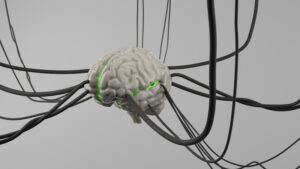
Introduction and Definition Embolic stroke represents a distinct and severe subtype of ischemic stroke, characterized...

Definition and Scope of Brain Damage Brain damage, formally defined as injury to the central...

Defining Paralysis and Its Clinical Manifestations Paralysis, clinically defined as the complete loss of operation...

Introduction and Definition of Mental Claudication The concept of Mental Claudication describes a critical, transient...
Multi-Infarct Dementia The Core Definition of Multi-Infarct Dementia Multi-Infarct Dementia (MID) is a specific type...