Organizational Ethics: Aligning Values with Human Needs
Scientifically Reviewed · Dr. Marwa Abd-Alazim · September 30, 2026
Review Criteria & Clinical Standards
This content undergoes rigorous scientific peer-review and medical editorial standards at Arab Psychology Network to ensure clinical accuracy, validity, and compliance with evidence-based guidelines from leading psychological and healthcare authorities (APA / WHO).
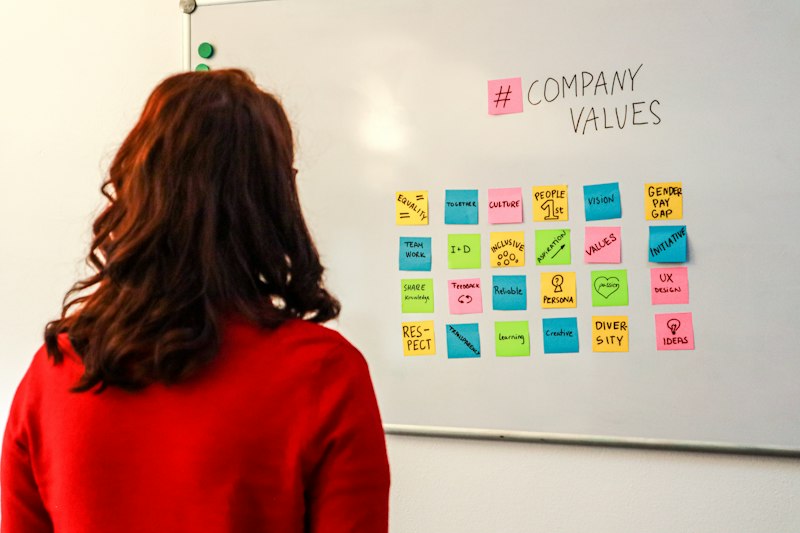
The Conceptual Framework of the Corporate Responsibility Platform (CORP-)
In the contemporary landscape of global commerce, the emergence of the Corporate Responsibility Platform, commonly abbreviated as CORP-, represents a significant paradigm shift in how organizations conceptualize their role within society. This technological innovation is designed to bridge the gap between traditional profit-seeking activities and the increasingly urgent demands for social and environmental stewardship. By providing a centralized digital infrastructure, CORP- enables enterprises to move beyond superficial philanthropic gestures toward a more integrated, data-driven approach to corporate social responsibility (CSR). The platform functions as a comprehensive ecosystem that facilitates the identification, assessment, and continuous monitoring of an organization’s multifaceted impacts on the world around it.
The core philosophy of the CORP- system is rooted in the belief that transparency and accountability are not merely ethical choices but are essential components of long-term business viability. As stakeholders—including investors, consumers, and regulatory bodies—demand greater clarity regarding corporate behavior, CORP- provides the necessary tools to quantify intangible assets and liabilities. This includes the systematic evaluation of how a company’s operations affect the environment, the well-being of the society in which it operates, and the broader economy. By digitizing these metrics, the platform allows for a level of precision in management that was previously unattainable, fostering a culture of continuous improvement and ethical rigor.
Furthermore, the implementation of CORP- serves as a strategic catalyst for organizational transformation. It encourages leaders to develop and implement responsible strategies that are not only reactive to external pressures but are proactively designed to enhance the company’s positive contributions to global sustainability. This involves a deep dive into the supply chain, energy consumption patterns, and labor practices, ensuring that every facet of the business aligns with a holistic vision of responsibility. Through this rigorous framework, companies can effectively mitigate their negative impacts while simultaneously unlocking new opportunities for innovation and community engagement.
Historical Origins and the WBCSD Initiative
The Corporate Responsibility Platform did not emerge in a vacuum; rather, it was the result of a concerted effort by global leaders to standardize the metrics of sustainability. The platform was officially introduced in 2015 by the World Business Council for Sustainable Development (WBCSD), a premier global, CEO-led organization of over 200 leading businesses working together to accelerate the transition to a sustainable world. The launch of CORP- marked a pivotal moment in the history of sustainable development, as it provided a unified framework for companies to report and manage their environmental and social footprints in a way that was comparable across different industries.
The development of CORP- was a highly collaborative process, involving a diverse coalition of leading companies and prominent non-profit organizations. This multi-stakeholder approach ensured that the platform was grounded in practical business realities while remaining true to the highest standards of ethical conduct and scientific accuracy. By drawing on the expertise of environmental scientists, social activists, and business strategists, the WBCSD was able to create a tool that addresses the complexities of corporate responsibility. This collaborative spirit continues to define the platform today, as it evolves to meet new challenges such as climate change, social inequality, and digital ethics.
The primary purpose behind the creation of CORP- was to demystify the often-abstract concepts of sustainability and corporate citizenship. Before its inception, many companies struggled to understand how to translate high-level goals into actionable operational strategies. The WBCSD recognized that without a standardized platform, efforts toward responsibility would remain fragmented and difficult to measure. Consequently, CORP- was designed to provide a comprehensive set of tools and resources that guide users through the intricate process of measuring and managing their impact on the environment, society, and the economy, thereby ensuring that operations are conducted with a high degree of integrity.
Core Functional Components of the CORP- Ecosystem
The CORP- platform is structured around several key functional areas that allow for a holistic management of corporate responsibility. At its heart, the platform provides a robust data-gathering mechanism that allows companies to identify the specific areas where their operations intersect with social and environmental concerns. This involves mapping out the entire value chain, from the sourcing of raw materials to the final disposal of products by consumers. By identifying these touchpoints, companies can gain a clearer understanding of their ecological footprint and their social influence, providing a foundation for informed decision-making.
Following the identification phase, CORP- offers sophisticated analytical tools to assess the severity and scope of these impacts. Using a combination of qualitative and quantitative data, the platform helps organizations prioritize their responsibilities based on factors such as materiality, stakeholder concern, and potential risk. This assessment process is crucial for helping companies allocate resources effectively, focusing on the areas where they can achieve the most significant positive impact. The platform’s ability to synthesize complex data into actionable insights is one of its most valuable features, enabling managers to see the “big picture” of their organization’s sustainability profile.
The final and perhaps most critical component of the CORP- ecosystem is the monitoring and reporting module. This feature allows for the continuous tracking of progress against established sustainability goals and key performance indicators (KPIs). By providing real-time data on performance, the platform ensures that corporate responsibility is not a one-time report but an ongoing commitment. This level of monitoring is essential for maintaining accountability and for making necessary adjustments to strategies as external conditions change. It also provides the transparency required to build trust with stakeholders, as companies can provide verifiable evidence of their responsible operations.
Strategic Implementation in the Technology Sector
The technology sector has been at the forefront of adopting the Corporate Responsibility Platform, recognizing its potential to manage the unique challenges of the digital age. Companies like Microsoft and Google have integrated CORP- into their core business models, using it to navigate the complexities of energy consumption in data centers, ethical AI development, and global supply chain management. For these organizations, CORP- serves as a central nervous system for their sustainability initiatives, allowing them to coordinate efforts across multiple departments and geographic regions with unprecedented efficiency.
Microsoft, in particular, has utilized CORP- to undertake a massive assessment of its operational impacts. By leveraging the platform’s resources, Microsoft has been able to pinpoint specific areas within its global infrastructure where environmental impacts could be reduced. This has led to the implementation of aggressive strategies aimed at achieving carbon negativity and water positivity. The platform’s ability to track these metrics in real-time allows Microsoft to adjust its responsible strategies dynamically, ensuring that the company remains on track to meet its ambitious 2030 sustainability targets.
Similarly, Google has employed the CORP- framework to enhance its sustainability reporting and to drive innovation in clean energy. The platform helps Google manage the social impacts of its global workforce and its influence on information accessibility. By using the comprehensive suite of tools provided by CORP-, Google can ensure that its growth does not come at the expense of environmental health or social equity. These technology giants demonstrate that when CORP- is used effectively, it becomes more than just a reporting tool; it becomes a driver of corporate innovation and a cornerstone of ethical leadership.
Retail and Supply Chain Management via CORP-
In the retail sector, the adoption of the Corporate Responsibility Platform has revolutionized how companies manage vast and complex supply chains. Walmart, as one of the world’s largest retailers, has utilized CORP- to gain greater visibility into the environmental and social practices of its thousands of suppliers. This transparency is vital for ensuring that products are sourced responsibly and that labor standards are upheld across the globe. By using the platform to monitor supplier performance, Walmart can incentivize sustainable practices and hold partners accountable for their social and environmental impacts.
The use of CORP- in retail also extends to waste reduction and resource efficiency. Retailers use the platform to track the lifecycle of products, identifying opportunities to reduce packaging waste and improve the circularity of their operations. This data-driven approach allows companies to implement strategies that reduce their negative impacts while also lowering costs through increased efficiency. The platform provides a comprehensive suite of resources that help retailers navigate the logistical challenges of sustainability, from energy-efficient logistics to responsible sourcing of raw materials like cotton and palm oil.
Furthermore, CORP- assists retail companies in communicating their sustainability journey to consumers. In an era where consumer psychology is increasingly influenced by a brand’s ethical reputation, the ability to provide clear, verifiable data on responsibility is a competitive advantage. Retailers use the platform to generate reports that highlight their positive contributions to society, such as community development programs and environmental restoration projects. This helps build brand loyalty and ensures that the company’s operations are perceived as socially responsible by an increasingly discerning public.
Technological Tools and Resource Availability
The efficacy of the Corporate Responsibility Platform is largely due to the comprehensive set of tools it offers to its users. These resources are designed to be user-friendly yet powerful enough to handle the data intensive requirements of modern multinational corporations. The platform includes impact calculators, risk assessment modules, and benchmarking tools that allow companies to compare their performance against industry standards and global best practices. This helps organizations identify gaps in their performance and develop targeted interventions to improve their responsibility profile.
Key resources provided by the platform include:
- Environmental Impact Assessment Tools: These help in measuring carbon emissions, water usage, and biodiversity impact across all business units.
- Social Responsibility Metrics: Tools designed to evaluate labor practices, diversity and inclusion, and human rights within the supply chain.
- Economic Contribution Frameworks: Resources to track the economic value distributed to stakeholders, including taxes, wages, and community investments.
- Strategic Planning Templates: Step-by-step guides to developing long-term sustainability strategies that align with the United Nations Sustainable Development Goals (SDGs).
- Reporting and Visualization Dashboards: Advanced data visualization tools that transform raw CSR data into clear, communicable reports for stakeholders.
By providing these resources, CORP- lowers the barrier to entry for companies that may not have extensive internal expertise in sustainability. The platform acts as a knowledge hub, offering access to the latest research, regulatory updates, and case studies from leading practitioners. This ensures that all users, regardless of their size or industry, have the information they need to conduct their operations in a socially responsible manner and to contribute meaningfully to the global economy.
The Psychological and Organizational Impact of CORP-
From an organizational psychology perspective, the implementation of CORP- can significantly alter the corporate culture and the mindset of employees. When a company commits to a platform that demands transparency and accountability, it sends a powerful signal to its workforce about the organization’s core values. This can lead to increased employee engagement and a greater sense of purpose among staff, as they see their daily work contributing to positive global outcomes. The CORP- framework fosters a culture where ethical considerations are integrated into every decision, rather than being treated as an afterthought.
Moreover, the monitoring and feedback loops inherent in CORP- create a system of behavioral reinforcement. As departments and teams see the positive results of their sustainability efforts reflected in the platform’s data, they are motivated to continue and expand those efforts. This creates a virtuous cycle of improvement, where responsible behavior is recognized and rewarded. The platform also helps to identify internal champions of sustainability, empowering them with the data they need to advocate for more ambitious strategies and to influence their peers toward more responsible conduct.
On an executive level, CORP- influences leadership psychology by shifting the focus from short-term financial gains to long-term value creation. The platform’s emphasis on risk management and impact assessment encourages leaders to consider the broader consequences of their strategic choices. This leads to more resilient leadership, as executives become better equipped to anticipate and respond to social and environmental crises. By providing a comprehensive suite of tools for managing these complexities, CORP- ensures that leaders can navigate the challenges of the 21st-century business environment with confidence and integrity.
Future Outlook: Evolution of the Corporate Responsibility Platform
As we look toward the future, the Corporate Responsibility Platform is poised to become an even more integral part of the global business infrastructure. The ongoing advancements in artificial intelligence and blockchain technology are expected to be integrated into CORP-, providing even greater accuracy and traceability in sustainability reporting. These technological enhancements will allow for automated monitoring of environmental conditions and unalterable records of social compliance, further strengthening the trust between companies and their stakeholders.
The global adoption of CORP- is also expected to expand beyond large multinationals to include small and medium-sized enterprises (SMEs). As the platform becomes more accessible and the regulatory requirements for sustainability reporting increase, SMEs will find CORP- to be an essential tool for maintaining competitiveness in a market that increasingly values responsibility. This democratization of sustainability tools will ensure that the positive contributions of the business world are felt at every level of the economy, from local communities to global markets.
Ultimately, the continued evolution of CORP- will play a decisive role in the transition to a sustainable global economy. By providing a comprehensive framework for measuring and managing impacts, the platform empowers companies to be a force for good in the world. As more businesses adopt CORP- and commit to responsible operations, the collective impact will be a significant reduction in global negative impacts and a substantial increase in the well-being of society and the health of our environment. The Corporate Responsibility Platform is not just a tool for today; it is the foundation for a responsible and sustainable future.
References
To ensure the accuracy and credibility of the information regarding the Corporate Responsibility Platform, the following sources provide further contextual data and official documentation:
- International Business Council for Sustainable Development (WBCSD). (2015). Corporate Responsibility Platform. Retrieved from https://www.wbcsd.org/Programs/Corporate-Responsibility-Platform
- Microsoft. (2020). Responsible Business. Retrieved from https://www.microsoft.com/en-us/responsible-business
- Google. (2020). Sustainability. Retrieved from https://www.google.com/about/sustainability/
- Walmart. (2020). Sustainability. Retrieved from https://corporate.walmart.com/sustainability