Physiological Recovery: The Science of Subsiding Swelling
Scientifically Reviewed · Dr. Marwa Abd-Alazim · August 21, 2026
Review Criteria & Clinical Standards
This content undergoes rigorous scientific peer-review and medical editorial standards at Arab Psychology Network to ensure clinical accuracy, validity, and compliance with evidence-based guidelines from leading psychological and healthcare authorities (APA / WHO).
The Core Definition of Detumescence
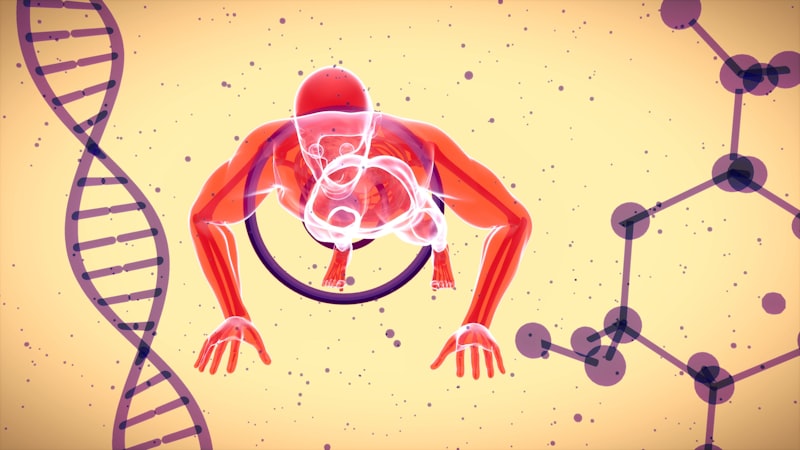
Detumescence is defined formally as the process of lessening or subsiding of swelling, particularly referring to the reduction in size and rigidity of erectile tissue following a state of engorgement. This term is most frequently utilized within the context of human physiology, specifically describing the resolution phase of the sexual response cycle when the genitals return to their flaccid, resting state. It is a critical, passive physiological event that naturally follows and contrasts with tumescence, which is the initial swelling or hardening caused by increased blood flow and vascular congestion. Understanding detumescence requires recognizing it not merely as a reversal, but as an active regulatory process managed by the autonomic nervous system to restore normal circulatory equilibrium within the affected tissues, ensuring the health and integrity of the organ systems involved.
The fundamental mechanism driving detumescence involves a profound shift in the vascular dynamics governing the erectile bodies. During tumescence, arterial inflow significantly overwhelms venous outflow, trapping blood within specialized vascular spaces known as sinusoids. Detumescence initiates when this balance is reversed. The key idea is the relaxation of the arterial supply and, crucially, the contraction of the smooth muscles surrounding the venous drainage pathways. This muscular action effectively “opens the gates,” allowing the previously trapped blood to exit the erectile tissue rapidly and efficiently, thereby reducing hydrostatic pressure and volume. This shift is rapid and essential for concluding the physiological responses associated with arousal and orgasm, marking the body’s return to homeostasis.
While often discussed in relation to sexual anatomy, the principle of detumescence can be applied broadly to any biological process where tissue engorgement (due to inflammation, fluid retention, or blood pooling) subsequently resolves. However, the complexity and precise neurological control involved in genital detumescence make it a distinct and highly specialized physiological event. The entire process is meticulously managed by neural signals originating primarily from the spinal cord and lower brain centers, which coordinate the cessation of vasodilation and the initiation of vasoconstriction necessary for tissue deflation.
Physiological Mechanism and Vascular Control
The transition from the rigid state of tumescence to the flaccid state of detumescence is orchestrated by a precise switch within the autonomic nervous system, moving from parasympathetic dominance to strong sympathetic nervous system activation. During arousal, parasympathetic fibers signal the release of nitric oxide (NO), which is a potent vasodilator, relaxing the smooth muscle walls of the arterioles supplying the erectile tissue. To initiate detumescence, the sympathetic nervous system releases neurotransmitters, primarily norepinephrine, which acts on alpha-1 adrenergic receptors located on the cavernous smooth muscles and the muscular walls of the supplying arteries.
The resultant smooth muscle contraction achieves two primary objectives simultaneously. First, the constriction of the arteries reduces the rate of blood inflow dramatically, effectively cutting off the primary source of engorgement. Second, and perhaps more critical, the contraction of the trabecular smooth muscles within the erectile tissue itself compresses the subtunical venules. This compression, paradoxical as it may seem, facilitates the expulsion of trapped blood by increasing the pressure gradient across the venous outflow channels once the arterial inflow has ceased. As the pressure dissipates and the tissue volume decreases, the organ rapidly loses its rigidity, signaling the completion of the resolution phase. This intricate interplay between inflow reduction and outflow facilitation ensures a controlled and timely return to the flaccid state, protecting the delicate vascular structures from prolonged high pressure.
The speed and completeness of detumescence are highly variable and influenced by factors such as age, general health, and the intensity of the preceding sexual activity. In younger, healthier individuals, the transition can be quite swift, occurring within minutes. However, as individuals age or if they possess underlying vascular conditions, the responsiveness of the smooth muscle tissue may diminish, leading to a slower resolution time. Furthermore, the duration of the refractory period—the time necessary before the individual can be re-stimulated—is intimately linked to the completion of detumescence, particularly in males, as the tissue must fully return to its resting state before another cycle can effectively begin.
Historical Context and Early Research
The systematic understanding and naming of detumescence as a distinct physiological event largely stem from the pioneering work of sex researchers Dr. William H. Masters and Virginia E. Johnson. Beginning in the late 1950s and culminating in their groundbreaking publications in the 1960s, Masters and Johnson meticulously mapped the human physiological responses to sexual stimulation using direct observation and measurement. Their seminal model, the Sexual Response Cycle, divided the entire process into four distinct, sequential phases: Excitement, Plateau, Orgasm, and Resolution.
It was within this Resolution phase that detumescence was formally characterized. Prior to their research, sexual responses were largely described anecdotally or psychologically; Masters and Johnson provided the first objective, physiological framework. They documented the changes in size, color, heart rate, and muscle tension that accompanied the return to the non-aroused state. Their findings highlighted that the Resolution phase, driven by detumescence, was not merely a passive deflation but an active, metabolically mediated return to baseline that often included a period of general physical relaxation and fatigue. Their detailed measurements provided the scientific community with the first quantitative data proving the vascular and muscular mechanisms at play, establishing detumescence as a measurable and predictable physiological component of human sexuality.
The context for this research was driven by a desire to treat sexual dysfunction more effectively. By clearly defining the stages of the response cycle, researchers could pinpoint where specific dysfunctions occurred—whether it was failure to achieve tumescence (erectile dysfunction), or, conversely, failure to achieve detumescence, such as in cases of prolonged engorgement. The identification and detailed description of the Resolution phase, therefore, became an essential diagnostic tool for clinicians and a foundational concept for subsequent research in reproductive and sexual health.
A Practical Example: Post-Coital Resolution
A common and relatable example of detumescence occurs immediately following orgasm or the cessation of intense sexual stimulation. Consider a scenario involving a male experiencing full penile erection. The tissue is rigid, engorged with blood, and may exhibit a dark red or purple hue due to the high volume of trapped blood. Once the resolution phase begins, either after the climax or when stimulation is intentionally withdrawn, the process of detumescence rapidly takes hold, illustrating the body’s swift regulatory capability.
The application of the psychological principle, in this case, the physiological regulation, occurs in three distinct steps. The first step involves the **Neurochemical Signal**. The brain and spinal cord initiate the sympathetic surge, releasing norepinephrine. This acts as the “off switch” for the erection by signaling the smooth muscles within the corporal bodies and the supplying arteries to contract. The second step is the **Vascular Shift**. The contraction of the arterial smooth muscle drastically reduces the volume of blood flowing into the penis, while the simultaneous contraction of the surrounding trabecular meshwork squeezes the accumulated blood out through the venous drainage system. The third step, **Physical Resolution**, is the visible result: the rigidity rapidly decreases, the organ softens, and the overall volume diminishes significantly, sometimes taking only a few minutes to return to the completely flaccid state. This example clearly demonstrates the highly organized, reflex-driven nature of detumescence as a component of the biological imperative to maintain vascular health.
Clinical Significance and Medical Relevance
Detumescence holds immense significance within the fields of urology, endocrinology, and sexual medicine because its proper functioning is inextricably linked to reproductive health and psychological well-being. Failure to achieve timely detumescence can lead to serious medical conditions, the most notable being priapism, a persistent, painful erection lasting typically four hours or more that occurs without sexual excitement. Priapism is a medical emergency because the prolonged lack of oxygen to the tissues (ischemia) due to stagnant blood flow can cause permanent damage to the smooth muscles and delicate structures responsible for future erectile function. Therefore, clinical interventions are often aimed at artificially inducing detumescence through medication or surgical decompression.
Conversely, research into detumescence mechanisms has provided crucial insights into the treatment of erectile dysfunction (ED). While ED is primarily characterized by the inability to achieve or maintain tumescence, effective treatment often relies on understanding the delicate balance between the erection and flaccidity phases. Pharmacological treatments, such as PDE5 inhibitors (e.g., Sildenafil), work by increasing the duration and potency of the vasodilatory effects necessary for tumescence. However, scientists continually study the detumescence mechanisms to develop drugs that might better regulate the sympathetic nervous system switch, ensuring both healthy arousal and healthy resolution, thereby improving the overall quality and safety of sexual function for patients worldwide.
Furthermore, detumescence plays a role in psychological assessment. The emotional and physiological experience during the Resolution phase, often characterized by relaxation, lowered heart rate, and sometimes drowsiness, is tied to the concept of the “afterglow.” Difficulties in achieving this post-coital relaxation or experiencing rapid, painful detumescence can be indicative of underlying psychological stress, anxiety, or relationship distress, highlighting the integration of the physical state with mental and emotional health.
Connections to Related Psychological and Biological Concepts
Detumescence is deeply interconnected with several fundamental psychological and physiological concepts, placing it firmly within the domain of physiological psychology and health psychology.
- The Refractory Period: In males, detumescence is highly correlated with the refractory period, which is the necessary recovery time following orgasm during which the individual cannot be re-stimulated to achieve another erection. The physiological completion of detumescence is essentially the physical prerequisite for the end of the refractory period, as the tissues must be fully de-engorged and the neurological system reset before the cycle can begin anew.
- Homeostasis and Allostasis: Detumescence is a classic example of the body seeking homeostasis. The erection represents a temporary state of allostasis—a departure from the normal state maintained by sustained physiological effort. Detumescence is the mechanism by which the vascular and muscular systems aggressively re-establish the baseline equilibrium, ensuring energy conservation and tissue protection.
- Neuroendocrinology: The process is tightly regulated by the interaction of the nervous system and hormones. While tumescence is heavily influenced by testosterone and estrogen, detumescence is regulated by the adrenergic system, linking it directly to the broader study of how stress hormones and neural transmitters govern involuntary physical responses.
Detumescence in Non-Genital Contexts
While the term detumescence is predominantly used in human sexual physiology, its literal meaning—the subsiding of swelling—is applicable in broader biological contexts, particularly those involving inflammation or fluid accumulation. In general pathology, the reduction of edema or inflammatory swelling is sometimes referred to as detumescence, although typically more specific terms like “resolution of inflammation” are used. For instance, if an ankle swells dramatically after an injury (tumescence), the subsequent reduction in swelling as the body reabsorbs the excess fluid and the inflammatory response subsides is functionally equivalent to detumescence.
The underlying principle remains the same: a shift in fluid dynamics is required to reduce tissue volume. In non-genital contexts, this shift is often mediated by the lymphatic system and capillary permeability changes, rather than the rapid, neurologically controlled vascular switch seen in erectile tissue. This broad applicability demonstrates that detumescence is not an isolated phenomenon, but rather a specialized, highly refined version of the body’s universal mechanism for managing and resolving temporary tissue engorgement, whether that engorgement is driven by arousal or by a localized physical trauma.