Cardiac Dysrhythmia: Why Your Heart Races Under Pressure
Scientifically Reviewed · Dr. Marwa Abd-Alazim · September 16, 2026
Review Criteria & Clinical Standards
This content undergoes rigorous scientific peer-review and medical editorial standards at Arab Psychology Network to ensure clinical accuracy, validity, and compliance with evidence-based guidelines from leading psychological and healthcare authorities (APA / WHO).
Abstract and Defining Principles of Dysrhythmia
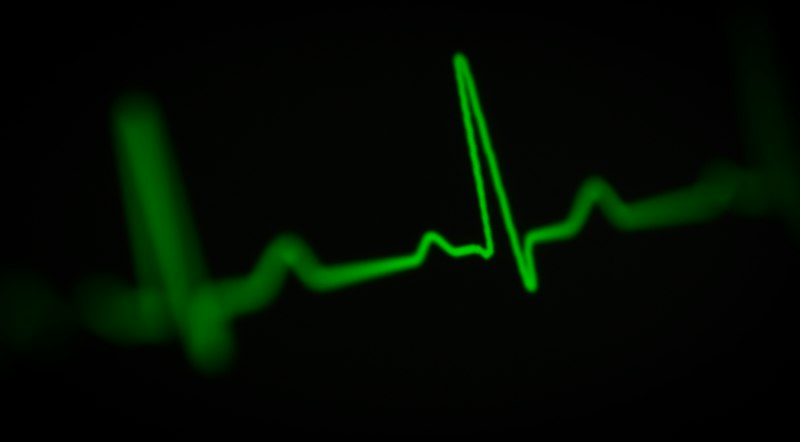
Dysrhythmia, often used interchangeably with the term arrhythmia, refers to any abnormality in the heart’s electrical conduction system, leading to an irregular or aberrant heartbeat. This critical cardiac condition represents a deviation from the normal sinus rhythm, which is the standard, steady rhythm generated by the sinoatrial (SA) node. The electrical impulses that regulate the heart’s pumping action must follow a precise pathway and timing sequence; when this sequence is disrupted—whether the heart rate is too fast, too slow, or simply chaotic—the condition is classified as a dysrhythmia. Given that effective cardiac output is fundamentally dependent upon synchronized contraction of the atria and ventricles, dysrhythmias can severely compromise hemodynamic stability, potentially leading to inadequate tissue perfusion, syncope, or even sudden cardiac death. Understanding the mechanisms, classifications, and clinical implications of these rhythm disturbances is paramount in cardiology and emergency medicine.
The clinical significance of dysrhythmia is immense, ranging from benign, transient irregularities that require minimal intervention to life-threatening conditions demanding immediate resuscitation. For instance, premature atrial contractions (PACs) are common and often asymptomatic, whereas ventricular fibrillation (VFib) constitutes a medical emergency requiring rapid defibrillation. The prevalence of dysrhythmias increases markedly with age and is strongly correlated with the presence of underlying structural heart disease, such as previous myocardial infarction, congestive heart failure, and valvular disorders. Furthermore, systemic conditions like hypertension and diabetes mellitus significantly heighten the risk of developing complex rhythm disturbances. This entry provides a comprehensive overview of dysrhythmia, detailing its various classifications, underlying etiologies, diverse clinical presentations, advanced diagnostic methods, and the spectrum of therapeutic interventions available, emphasizing the necessity of accurate diagnosis for effective management.
Classification and Major Types of Dysrhythmia
Dysrhythmias are primarily classified based on their site of origin within the cardiac conduction system—either supraventricular (originating above the ventricles, typically in the atria or AV node) or ventricular (originating within the ventricles). Further classification utilizes the heart rate, distinguishing between tachycardias (heart rates exceeding 100 beats per minute) and bradycardias (heart rates falling below 60 beats per minute). This structured classification system is crucial for determining the appropriate diagnostic workup and guiding treatment protocols, as the prognosis and required intervention differ significantly between these groups. Supraventricular dysrhythmias tend to be less immediately life-threatening but can still cause significant morbidity, while ventricular dysrhythmias carry a much higher risk of immediate cardiovascular collapse.
The most prevalent and clinically significant supraventricular dysrhythmia is atrial fibrillation (AFib), characterized by rapid, chaotic electrical activity in the atria leading to ineffective atrial contraction and an irregularly irregular ventricular response. AFib is a major public health concern due to its strong association with thromboembolic events, particularly stroke, necessitating prophylactic anticoagulation in many patients. Other common supraventricular rhythms include atrial flutter, which involves a rapid, organized electrical circuit usually resulting in a characteristic “sawtooth” pattern on the electrocardiogram (ECG), and supraventricular tachycardia (SVT), which encompasses several conditions involving the rapid re-entry of electrical signals above the Bundle of His. These supraventricular conditions often present with noticeable palpitations, lightheadedness, or shortness of breath, reflecting the heart’s inefficient filling time at high rates.
In contrast, ventricular dysrhythmias are often more serious because they directly impair the primary pumping function of the heart. Ventricular tachycardia (VT) involves a rapid succession of wide QRS complexes, typically originating from a scar or re-entrant pathway within the ventricular muscle; sustained VT often requires immediate intervention due to the risk of degenerating into ventricular fibrillation. Ventricular fibrillation (VFib) represents the most severe cardiac dysrhythmia, where the electrical activity in the ventricles becomes completely disorganized, rendering the heart incapable of pumping blood. VFib is the most common cause of sudden cardiac arrest. On the opposite side of the spectrum are bradycardias, often caused by dysfunction of the SA node (sick sinus syndrome) or blocks in the conduction pathway (atrioventricular block). These slow rhythms may necessitate the implantation of a permanent pacemaker if they cause symptoms such as severe fatigue, dizziness, or syncope, indicating insufficient cardiac output.
Etiology and Underlying Risk Factors
The development of dysrhythmia is multifactorial, rooted in a complex interplay between underlying structural heart disease, systemic conditions, genetic predispositions, and extrinsic triggers. The fundamental mechanism involves disturbances in the cardiac action potential, resulting from changes in ion channel function, alterations in automaticity, or the creation of re-entry pathways. Coronary artery disease (CAD), particularly previous myocardial infarction (MI), is one of the most significant risk factors. Ischemic damage creates areas of myocardial scarring, which do not conduct electrical impulses normally. These heterogeneous tissue areas become the perfect substrate for re-entry circuits, leading to sustained ventricular tachycardias. Similarly, chronic conditions like hypertension (HTN) often lead to left ventricular hypertrophy, altering the geometry and electrical properties of the ventricle, further predisposing the patient to AFib and other rhythm disorders.
Beyond structural abnormalities, several systemic and environmental factors contribute substantially to dysrhythmia risk. Advanced age is independently correlated with increased incidence, largely due to age-related degeneration of the SA and AV nodes and cumulative exposure to cardiovascular stressors. Lifestyle choices play a critical role; chronic consumption of alcohol, particularly binge drinking, is strongly associated with the development of atrial fibrillation, sometimes termed “holiday heart syndrome.” Furthermore, the use of stimulants, excessive caffeine intake, and smoking can increase sympathetic tone, lowering the threshold for ectopic beats and triggering paroxysmal dysrhythmias. Electrolyte imbalances, notably hypokalemia (low potassium) and hypomagnesemia (low magnesium), are potent triggers, profoundly affecting the excitability and conductivity of cardiac myocytes and increasing the risk for life-threatening rhythms like Torsades de Pointes.
A variety of medications can also provoke or exacerbate dysrhythmias. Certain anti-arrhythmic drugs themselves, paradoxically, carry a risk of proarrhythmia, shifting one rhythm abnormality to another, potentially more dangerous one. Other non-cardiac drugs, including some antibiotics (e.g., macrolides), antipsychotics, and antidepressants, can prolong the QT interval, thereby increasing the vulnerability to ventricular dysrhythmias. Finally, congenital conditions, such as Wolff-Parkinson-White (WPW) syndrome, involve accessory pathways that bypass the AV node, leading to rapid, potentially dangerous re-entrant tachycardias. Identifying and addressing these modifiable and non-modifiable risk factors is central to both the prevention and effective management of dysrhythmic conditions, often requiring a multidisciplinary approach involving cardiology, pharmacology, and lifestyle modification counseling.
Clinical Manifestations and Symptomatology
The clinical presentation of dysrhythmia is highly variable, ranging from complete absence of symptoms to sudden cardiac arrest, depending on the type, duration, and the resulting degree of hemodynamic compromise. Common symptoms arise primarily from the heart’s inability to maintain adequate cardiac output, especially under stress, or from the distressing sensation of the heart beating abnormally. One of the most frequently reported symptoms is palpitations, described by patients as a fluttering, pounding, skipped beat, or racing sensation in the chest. While palpitations are often benign, their persistence requires investigation to rule out underlying serious dysrhythmias like AFib or VT. The severity of symptoms is closely tied to the patient’s underlying left ventricular function; those with pre-existing heart failure tolerate rhythm disturbances poorly and become symptomatic quickly.
When the heart rate is excessively rapid (tachycardia) or severely slow (bradycardia), the resulting lack of efficient blood flow to the brain and peripheral tissues leads to systemic symptoms. Cerebral hypoperfusion often manifests as lightheadedness, dizziness, or near-syncope (pre-fainting). In more severe cases, particularly with sustained ventricular tachycardia or profound bradycardia, complete loss of consciousness, or syncope, may occur, representing a critical warning sign that requires urgent evaluation. Furthermore, the increased workload placed on the heart during rapid rhythms can precipitate or worsen myocardial ischemia, resulting in chest pain or angina. This chest discomfort, if acute, necessitates immediate differentiation between stable angina, acute coronary syndrome, and dysrhythmia-induced ischemia.
Other significant manifestations include shortness of breath (dyspnea) and generalized fatigue. Dyspnea occurs because ineffective cardiac pumping leads to blood pooling in the pulmonary circulation, causing pulmonary congestion, a hallmark of acute heart failure exacerbation. Chronic, unmanaged dysrhythmias, especially AFib, often result in chronic fatigue due to persistent suboptimal cardiac output, severely impacting the patient’s quality of life and ability to perform daily activities. It is essential to recognize that while some symptoms are acute and dramatic, others, like chronic fatigue, are subtle and insidious. Therefore, a careful medical history focusing on the timing, frequency, and triggers of these symptoms is indispensable for accurate diagnosis.
Comprehensive Diagnostic Procedures
The definitive diagnosis of dysrhythmia relies on capturing the abnormal electrical activity of the heart, often requiring a combination of baseline assessments and specialized monitoring techniques. The diagnostic process invariably begins with a detailed physical examination and a thorough medical history, assessing risk factors, symptom frequency, and the use of potential proarrhythmic substances or medications. The cornerstone of dysrhythmia diagnosis remains the electrocardiogram (ECG or EKG), a non-invasive test that records the heart’s electrical signals over a brief period. A 12-lead ECG can immediately diagnose sustained rhythms like AFib, atrial flutter, VT, or specific conduction blocks, and it provides crucial information on underlying cardiac structure, such as evidence of prior infarction or ventricular hypertrophy.
However, because many dysrhythmias are paroxysmal (intermittent), a standard 10-second ECG often fails to capture the event. For these cases, various forms of ambulatory cardiac monitoring are employed. The Holter monitor is a portable device worn continuously for 24 to 48 hours, providing a comprehensive record of heart rhythm over daily activities, which is excellent for frequently occurring symptoms. For symptoms that are less frequent, often occurring weekly or monthly, an event recorder or a longer-term continuous patch monitor (up to 14 days) may be utilized, allowing the patient to manually activate the recording when symptoms occur. For very infrequent or unexplained syncopal episodes, an implantable loop recorder (ILR) may be placed subcutaneously for up to three years, offering continuous monitoring and automated detection of significant bradycardias or tachyarrhythmias.
Once a dysrhythmia is identified, further testing is often necessary to determine its cause and the functional status of the heart. An echocardiogram (ultrasound of the heart) is routinely performed to assess ventricular function (e.g., ejection fraction) and structural abnormalities (e.g., valve disease, wall thickening). If the diagnosis remains unclear or if curative treatment via ablation is being planned, an electrophysiology (EP) study may be performed. This invasive procedure involves inserting catheters into the heart via veins to map the electrical pathways, precisely locating the site of the abnormal rhythm origin and attempting to induce the clinical dysrhythmia under controlled conditions. The comprehensive data gathered from these various diagnostic tools informs the severity assessment and guides personalized therapeutic strategies.
Pharmacological Management Strategies
Pharmacological management of dysrhythmias focuses on two primary goals: controlling the heart rate (rate control) and restoring and maintaining the normal sinus rhythm (rhythm control). The choice between these two strategies depends on the specific dysrhythmia, the patient’s symptoms, and the presence of underlying structural heart disease. For chronic conditions like atrial fibrillation, rate control is often the initial approach, aiming to keep the ventricular rate within an acceptable range to prevent symptoms and preserve cardiac efficiency.
Several classes of medications are utilized for rate control. Beta blockers (e.g., metoprolol, carvedilol) act by blocking the effects of adrenaline, reducing the heart rate and decreasing the force of contraction. They are highly effective and are often first-line therapy, especially in patients with coexisting heart failure or hypertension. Calcium channel blockers (non-dihydropyridines like diltiazem and verapamil) slow conduction through the AV node, similarly achieving excellent rate control. Digitalis (digoxin) is another option, particularly useful in patients with concomitant heart failure, as it slows AV nodal conduction and has positive inotropic effects, though its use requires careful monitoring due to its narrow therapeutic window.
For rhythm control, anti-arrhythmic drugs (AADs) are employed to suppress ectopic electrical activity and maintain sinus rhythm. These drugs are categorized based on their mechanism of action (Vaughan Williams classification). Class I agents affect sodium channels (e.g., flecainide, propafenone), Class II are beta blockers, Class III agents primarily affect potassium channels and prolong the action potential (e.g., amiodarone, sotalol), and Class IV are calcium channel blockers. Amiodarone is particularly potent and widely used but carries significant risks of extracardiac toxicity (pulmonary, thyroid, hepatic), necessitating careful long-term surveillance. The decision to pursue rhythm control must weigh the potential benefits against the risks of proarrhythmia and drug toxicity, especially when treating less immediately life-threatening rhythms.
Non-Pharmacological and Interventional Treatments
For dysrhythmias that are refractory to medication, or when pharmacological risks are deemed too high, interventional therapies offer curative or highly effective management options. These treatments are essential for managing both life-threatening ventricular rhythms and highly symptomatic supraventricular tachycardias. The most common curative procedure is catheter ablation, which utilizes specialized catheters guided into the heart to deliver radiofrequency energy or cryotherapy to destroy (ablate) the small areas of myocardial tissue responsible for generating or sustaining the abnormal electrical circuits. Ablation is particularly successful for conditions like AV nodal re-entrant tachycardia (AVNRT), accessory pathway mediated tachycardias (WPW), and increasingly, for atrial fibrillation, where pulmonary vein isolation has become a standard procedure.
For patients at high risk of sudden cardiac death due to sustained ventricular tachycardia or ventricular fibrillation, the implantation of an Implantable Cardioverter-Defibrillator (ICD) is a life-saving intervention. An ICD is a sophisticated electronic device that continuously monitors the heart rhythm. If it detects a life-threatening rapid rhythm, it delivers a high-energy electrical shock to terminate the dysrhythmia and restore normal rhythm. ICDs function as both pacemakers (for bradycardia) and defibrillators, providing essential secondary prevention against sudden cardiac death in high-risk populations, such as those with severely reduced left ventricular function following a myocardial infarction.
In cases of symptomatic bradycardia caused by sick sinus syndrome or high-degree AV block, the implantation of a permanent pacemaker is required. A pacemaker consists of a pulse generator and leads placed within the heart chambers. It constantly monitors the intrinsic heart rate and delivers electrical impulses to maintain the heart rate above a programmed minimum, thus alleviating symptoms of fatigue and syncope. Furthermore, in rare but severe cases, particularly those associated with structural defects like aneurysms or severe valve disease complicating the rhythm, open-heart surgical procedures, such as the Maze procedure for AFib or surgical correction of structural abnormalities, may be necessary to stabilize the rhythm and improve overall cardiac function.
Prognosis and Long-Term Outlook
The prognosis for patients with dysrhythmias varies widely, largely dependent on the type of rhythm disturbance, the presence and severity of underlying heart disease, and adherence to treatment protocols. Benign dysrhythmias, such as isolated premature beats, carry an excellent long-term prognosis. However, chronic conditions like atrial fibrillation are associated with significant long-term morbidity, primarily due to the elevated risk of stroke and the potential for tachycardia-induced cardiomyopathy (heart failure caused by persistently rapid heart rates). Effective long-term management of AFib requires diligent control of rate or rhythm, alongside robust anticoagulation therapy to mitigate thromboembolic risk, thereby drastically improving quality of life and reducing mortality rates.
For individuals who have experienced life-threatening ventricular dysrhythmias, the prognosis is guarded but dramatically improved by the prophylactic implantation of an ICD. While the device prevents sudden cardiac death, these patients still require continuous monitoring and aggressive management of their underlying cardiac substrate (e.g., managing heart failure and ischemia). Regular follow-up appointments, device checks, and pharmacological adjustments are essential components of long-term care to ensure optimal device function and minimize the occurrence of painful or inappropriate ICD shocks.
Ultimately, the overall management strategy emphasizes a holistic approach encompassing pharmacological intervention, device therapy, lifestyle modification (cessation of smoking and alcohol abuse), and management of co-morbidities such as hypertension and diabetes. Education plays a crucial role, empowering patients to recognize symptoms, understand their medications, and comply with monitoring schedules. With modern diagnostic precision and sophisticated interventional capabilities, the long-term outlook for most individuals afflicted by dysrhythmias is significantly better than in previous decades, allowing for effective symptom control and a reduced risk of catastrophic cardiac events.
References
The core principles and diagnostic criteria for dysrhythmia are based on established clinical guidelines and research in cardiovascular medicine.
- Kron, I. (2020). Dysrhythmia: Overview. Retrieved from https://www.uptodate.com/contents/dysrhythmia-overview