Neural Reward Systems: Mapping the Biology of Pleasure
Scientifically Reviewed · Dr. Marwa Abd-Alazim · September 15, 2026
Review Criteria & Clinical Standards
This content undergoes rigorous scientific peer-review and medical editorial standards at Arab Psychology Network to ensure clinical accuracy, validity, and compliance with evidence-based guidelines from leading psychological and healthcare authorities (APA / WHO).
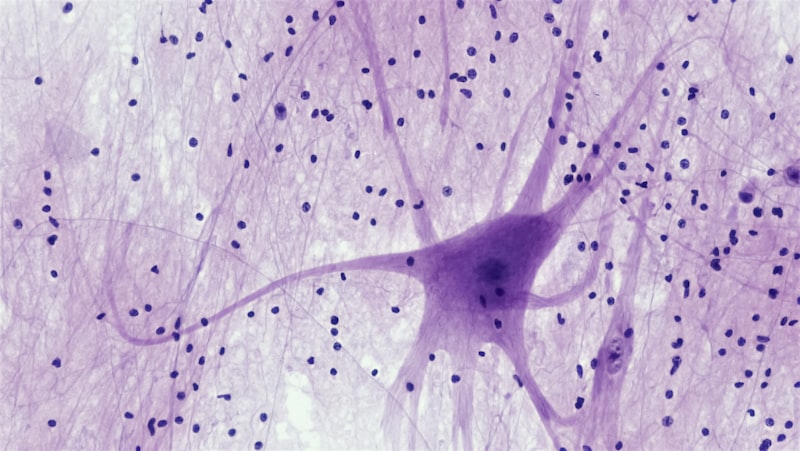
Introduction and Definition of Intracranial Self-Stimulation
Intracranial self-stimulation (ICSS) is a fundamental experimental technique employed extensively in behavioral neuroscience and psychopharmacology to investigate the neural substrates underlying reward, motivation, and reinforcement. The core principle of ICSS is the observation that animals, typically rodents, will voluntarily initiate and sustain electrical stimulation delivered directly to specific regions within their own brains, often with such intensity that it overrides competing behaviors like eating, drinking, or mating. This phenomenon provides a direct, measurable index of the brain’s hedonic and motivational circuitry. By allowing the subject to control the delivery of the stimulation, researchers can quantify the reinforcing efficacy of the brain activation, thereby mapping the neuroanatomical pathways and neurochemical systems responsible for generating rewarding experiences. The methodology is highly valued because it bypasses peripheral sensory inputs and complex learning histories, focusing directly on the internal physiological mechanisms of reinforcement.
The application of ICSS allows scientists to precisely manipulate the activity of specific neural populations and measure the behavioral output—the rate or intensity of self-administration—as a proxy for reward magnitude. This technique has been instrumental in establishing the existence of a dedicated Reward System in the mammalian brain, challenging earlier theories that focused solely on drive reduction as the primary mechanism of motivation. Furthermore, the robust nature of the ICSS response ensures its utility across diverse experimental settings, from basic anatomical mapping to sophisticated pharmacological screening. Changes in the animals’ willingness to work for the stimulation, measured by various parameters such as response rate, stimulation frequency threshold, or resistance to extinction, are interpreted as alterations in the underlying reward sensitivity or motivational state.
When utilized in research, ICSS provides crucial insights into the mechanisms of both natural rewards (e.g., food, social contact) and artificial rewards (e.g., drugs of abuse). The primary advantage of ICSS over traditional behavioral assays is its stability and sensitivity. The reinforcing effect is potent and reliable, allowing for the precise titration of experimental variables, such as drug dosage or lesion placement. Ultimately, ICSS serves as a cornerstone methodology for understanding why certain behaviors are repeated and how the brain assigns motivational significance to stimuli, processes critical for survival, learning, and the development of pathological conditions like addiction.
Historical Context and Foundational Discovery
The discovery of intracranial self-stimulation was one of the most transformative and, arguably, serendipitous events in the history of neuroscience, fundamentally altering the understanding of motivation and reinforcement. The foundational work was conducted by James Olds and Peter Milner in 1954. Initially, their experiments were designed to study the effects of electrical stimulation on arousal and sleep patterns in rats, specifically targeting areas like the reticular formation. However, during the placement of electrodes, it was noted that a rat with an electrode mistakenly positioned in the septal area exhibited peculiar behavior: it repeatedly returned to the specific location in the environment where it had previously received a brief electrical pulse. This observation suggested that the electrical stimulation itself was not painful or neutral, but intensely rewarding.
Olds and Milner subsequently formalized this accidental finding into an operant conditioning paradigm. They provided rats with the opportunity to press a lever that delivered a mild electrical current to the electrode implanted in their brain. The results were dramatic: some rats would press the lever hundreds or even thousands of times per hour, demonstrating an insatiable drive to receive the stimulation. Their seminal paper, “Positive reinforcement produced by electrical stimulation of septal area and other regions of rat brain” (Olds & Milner, 1954), documented this phenomenon and identified several brain regions capable of producing this powerful effect, including the septal area and the lateral hypothalamus. This discovery established that direct electrical activation of specific central nervous system structures could function as a powerful positive reinforcer, laying the groundwork for all subsequent research into the brain’s reward circuits.
The immediate impact of the 1954 finding was profound. Before ICSS, prevailing theories of learning, particularly those rooted in behaviorism, often centered on homeostatic drives (like hunger or thirst) and subsequent drive reduction as the core motivators. The ICSS phenomenon demonstrated that the brain possessed intrinsic systems capable of generating reinforcement independent of physiological deficits or external stimuli, suggesting that the drive for pleasure or reward was a powerful primary motivator. This new perspective spurred intensive research to anatomically map the “pleasure centers” of the brain, leading to the identification of the crucial pathways that constitute the reward system. The historical significance of ICSS lies not only in the technique itself but in the conceptual shift it catalyzed regarding the neural basis of motivation and learning.
The Neural Circuitry of Reward: Key Brain Regions
Intracranial self-stimulation has been the primary tool used to delineate the precise anatomical network responsible for reward and reinforcement, largely confirming the pivotal role of the Mesolimbic Dopamine System. The fibers that are most effectively activated by ICSS electrodes, yielding the highest response rates, are often those coursing through the Medial Forebrain Bundle (MFB). The MFB is not a discrete nucleus but a massive bidirectional pathway carrying axons that connect key limbic, hypothalamic, and brainstem structures. The stimulation of these fibers, particularly those originating from the ventral tegmental area (VTA), is highly reinforcing.
The core component of the reward pathway identified through ICSS is the dopaminergic projection originating in the Ventral Tegmental Area (VTA). These neurons project primarily to the Nucleus Accumbens (NAc), which is widely considered the critical integration center for reward and motivation. Stimulation targeting the VTA or the NAc reliably produces high rates of self-stimulation. Research has firmly established that dopamine transmission within the NAc is essential for ICSS behavior; blocking dopamine receptors in this region significantly reduces or abolishes self-stimulation rates, demonstrating that dopamine is the necessary neurochemical signal for the reinforcing effect.
While dopamine is crucial, the reward circuit is complex and involves multiple interconnected structures. Other regions that support ICSS and modulate the reinforcing experience include the prefrontal cortex (PFC), particularly the medial PFC, which is involved in linking reward to behavioral choices and executive function. Furthermore, the amygdala and hippocampus contribute to the affective and contextual learning components associated with reward seeking. ICSS studies have been critical in mapping these connections, showing that the most robust self-stimulation occurs when the electrode placement activates the entire circuitry efficiently, especially along the MFB, effectively exciting the dopaminergic projections that drive the motivational response.
Methodology and Experimental Paradigms
Conducting intracranial self-stimulation research requires rigorous surgical and behavioral preparation. The first step involves stereotaxic surgery, where a microelectrode is precisely implanted into a target brain region—such as the lateral hypothalamus or the VTA—and permanently affixed to the skull. Following a recovery period, the animal is placed in an operant chamber equipped with a lever or response device connected to a constant-current stimulator. The critical feature is that the animal learns that pressing the lever delivers a brief (e.g., 0.5-second), low-intensity electrical pulse (typically 50–200 µA) through the implanted electrode, thus allowing the animal to self-administer the reward.
Researchers utilize various behavioral paradigms to quantify the reinforcing efficacy of the stimulation. The simplest measure is the response rate, which is the number of lever presses per unit of time; a higher rate indicates a stronger rewarding effect. However, a more sophisticated and widely used technique is the measurement of the rate-frequency function (or threshold determination). In this paradigm, the frequency of the electrical pulses is systematically lowered. The frequency at which the animal stops responding (or responds at a baseline rate) is designated the reward threshold. A decrease in the threshold indicates an increase in the sensitivity or efficacy of the reward system (i.e., less work is required to achieve the same level of reward), which is often observed after the administration of drugs of abuse.
Another powerful paradigm is the progressive ratio schedule, often used to assess the animal’s motivation or “breaking point.” Under this schedule, the required number of lever presses for each subsequent stimulation increases exponentially. The maximum number of responses the animal will perform before ceasing to press the lever is termed the “break point,” which is a direct measure of the motivational value or incentive salience of the reward. By employing these precise measurement techniques—response rates, frequency thresholds, and break points—ICSS provides quantifiable, objective data that allow researchers to sensitively evaluate how pharmacological agents, brain lesions, or genetic manipulations alter the function of the central reward circuitry.
ICSS in the Study of Addiction and Psychopathology
Intracranial self-stimulation has proven indispensable in the study of drug addiction, providing robust models for evaluating the reinforcing properties of virtually all psychoactive substances. The common mechanism shared by addictive drugs, including cocaine, amphetamines, nicotine, and opioids, is their ability to enhance dopamine signaling in the mesolimbic pathway. When animals are administered these drugs, researchers observe a consistent and dramatic effect on ICSS behavior: the reward threshold is lowered. This means the animal is willing to work less hard (requires lower electrical frequency or current) to maintain the same response rate, indicating that the drug has potentiated the rewarding effect of the electrical stimulation itself. This potentiation is a direct neurobiological correlate of the enhanced reward experienced by drug users.
Conversely, ICSS is also highly sensitive to conditions that model negative affective states, such as depression and anxiety, particularly the core symptom of anhedonia (the inability to experience pleasure). In animal models of depression induced by chronic stress or certain neurochemical manipulations, ICSS thresholds are typically elevated. This indicates a hypo-functioning reward system; the animals require a stronger electrical stimulus (higher frequency) to maintain the baseline self-stimulation rate, reflecting a reduced sensitivity to reward, mirroring the anhedonic state seen in clinical depression. This makes ICSS a valuable translational tool for screening potential antidepressant medications, which are expected to normalize or lower the elevated ICSS thresholds.
The application of ICSS extends beyond measuring acute drug effects; it is also used to study the long-term changes associated with withdrawal and relapse. Following chronic drug exposure and subsequent withdrawal, animals often exhibit a persistent elevation of ICSS thresholds, suggesting that the chronic drug use has resulted in a long-lasting deficit in the natural functioning of the reward system, a phenomenon hypothesized to drive compulsive drug seeking. By using ICSS as a sensitive index of reward function, researchers can map the temporal course of these neuroadaptations and identify molecular targets for interventions aimed at restoring normal reward sensitivity in individuals suffering from substance use disorders.
Modulation of Cognitive and Affective Behaviors
Beyond its utility in mapping basic reinforcement, ICSS has been leveraged to explore the critical interactions between the brain’s reward circuitry and higher-order cognitive and affective functions. The motivation derived from the ICSS reward can be paired with cognitive tasks, allowing researchers to study how reward availability influences processes such as attention, learning, and decision-making. For instance, studies have shown that manipulating ICSS parameters can modulate the capacity for learning and memory formation, particularly in tasks where successful performance is contingent upon a rewarding outcome. The activation of the MFB pathway, often via ICSS, appears to facilitate synaptic plasticity in associated structures like the hippocampus, suggesting that motivation is a powerful gatekeeper for memory consolidation (Vouloumanos & Stuber, 2014).
The technique is also invaluable for dissecting the neural substrates of anxiety and fear. While ICSS directly measures positive reinforcement, changes in self-stimulation rates can reflect alterations in affective state. For example, placing an ICSS-trained animal in an anxiogenic environment often results in a reduction in self-stimulation, indicating that the negative affective state competes with or diminishes the rewarding effect. Conversely, administering anxiolytic agents can restore ICSS rates in stressful conditions. This interplay demonstrates the central role of the reward system in regulating overall emotional balance, providing measurable behavioral outcomes for pharmacological studies aimed at treating affective disorders.
In translational research, the concept of ICSS has direct parallels with clinical procedures such as Deep Brain Stimulation (DBS), particularly in the context of affective disorders. While ethical considerations preclude human subjects from receiving stimulation specifically for pleasure, the modulation of reward-related pathways via DBS for chronic, treatment-resistant depression or obsessive-compulsive disorder reflects the fundamental principles established by ICSS. By stimulating specific areas, such as the ventral capsule/ventral striatum, clinicians aim to restore a balanced level of activity in the reward system, thereby alleviating symptoms of anhedonia and boosting motivation, demonstrating the clinical relevance of the basic ICSS findings.
Pharmacological Applications and Drug Screening
The high sensitivity and specificity of the ICSS paradigm make it an ideal behavioral assay for the preclinical screening and characterization of psychoactive compounds. The technique allows researchers to rapidly determine if a novel chemical entity possesses inherent rewarding or reinforcing properties, or if it modifies the rewarding effects of endogenous neurochemical systems. Drugs that promote the release or block the reuptake of dopamine (e.g., psychostimulants) consistently lower the ICSS threshold, mimicking an increase in reward sensitivity. This observation is critical for identifying potential drugs of abuse early in the development pipeline.
Furthermore, ICSS is utilized to characterize the mechanisms of action for therapeutic agents. For example, antidepressant drugs, especially those affecting monoamines, are often tested for their ability to reverse the reward deficits (elevated thresholds) seen in animal models of depression. A drug that successfully lowers an elevated ICSS threshold suggests a therapeutic potential for treating anhedonia. Conversely, drugs that are intended to treat addiction (e.g., antagonists or partial agonists) are screened for their ability to block the threshold-lowering effects of drugs of abuse, indicating their potential to dampen craving or relapse vulnerability.
The precision afforded by ICSS also allows for the differentiation between motor effects and motivational effects. While many drugs (like stimulants) increase general motor activity, ICSS paradigms can isolate the specific effect on reward by analyzing changes in the frequency or current required for self-stimulation, rather than just the raw response rate. For example, a drug that lowers the threshold suggests a true increase in reward efficacy, whereas a drug that merely increases the response rate without lowering the threshold might be acting primarily on motor output or arousal. This distinction is vital for accurate interpretation in pharmacological studies.
Limitations and Ethical Considerations
Despite its profound contributions, ICSS is not without limitations and ethical complexities. Methodologically, ICSS requires invasive surgery for electrode implantation, which limits its application and introduces potential confounds related to surgical recovery and tissue damage. Furthermore, the electrical stimulation itself activates large populations of neurons and passing fibers indiscriminately; interpreting whether the observed behavior is due to the activation of cell bodies, afferent terminals, or efferent fibers can be challenging. Modern techniques, such as optogenetics, which allow for cell-type specific activation, have begun to complement ICSS by providing greater anatomical and cellular resolution.
A significant conceptual limitation involves the interpretation of the ICSS response. While generally accepted as an index of positive reinforcement, the precise internal state generated by the stimulation—whether it is “pleasure,” “drive,” or “motivation”—remains difficult to define objectively, especially across different species. It is clear that the stimulation is highly reinforcing, but attributing complex human subjective states like euphoria or happiness to the animal’s behavior is problematic and requires cautious interpretation.
Ethical considerations surrounding ICSS primarily center on animal welfare. The intense drive for self-stimulation can lead animals to neglect vital behaviors, such as feeding and drinking, sometimes resulting in extreme weight loss or death if the experiment is not carefully controlled. Researchers must adhere to stringent ethical guidelines, ensuring that animals are maintained in optimal health and that experimental procedures minimize distress. While the stimulation itself is rewarding, the potential for compulsive behavior necessitates strict monitoring and termination criteria. These ethical responsibilities emphasize the need for maximizing the scientific yield while minimizing the suffering inherent in invasive animal research.
Future Directions and Clinical Relevance
The translational potential of ICSS continues to drive research into the neural mechanisms underlying human psychiatric disorders. The fundamental principles derived from ICSS—that modulating specific neural pathways can profoundly alter motivational and affective states—are directly applicable to the development of therapeutic strategies, particularly in the realm of neuromodulation. The use of deep brain stimulation (DBS) in treating severe, refractory depression and anxiety disorders is a direct clinical extension of ICSS findings. For example, research has demonstrated that targeted DBS in reward-related areas can lead to significant clinical improvement, often measured by a reduction in anhedonia (Koepp et al., 2012).
Future research is increasingly focusing on combining ICSS with advanced neurotechnology. Integrating ICSS methodology with optogenetics and chemogenetics allows for the study of self-stimulation behavior driven by the activation of genetically defined neuronal subpopulations. This level of specificity will allow scientists to precisely isolate the roles of specific neurotransmitter systems and receptor subtypes within the reward circuit, moving beyond the broad activation provided by electrical current. This precision is expected to yield highly specific targets for pharmacological development.
Ultimately, ICSS remains a vital tool for understanding the pathology of addiction and mood disorders. By continuing to refine the measurement of reward deficits and enhancements, researchers can develop highly sensitive biomarkers for assessing the efficacy of novel pharmaceuticals and neuromodulatory techniques. The core lesson of ICSS—that reward is a powerful, measurable, and manipulable neurobiological process—ensures its enduring relevance in the quest to understand and treat complex human motivational disorders.
References
-
Koepp, M. J., Garnham, J., Zaghloul, K. A., Oliver, J., Nott, Z., & Brown, P. (2012). Therapeutic deep brain stimulation for anxiety and depression. Brain, 135(Pt 11), 3351–3360. https://doi.org/10.1093/brain/aws287
-
Olds, J., & Milner, P. (1954). Positive reinforcement produced by electrical stimulation of septal area and other regions of rat brain. Journal of Comparative and Physiological Psychology, 47(6), 419–427. https://doi.org/10.1037/h0058775
-
Vouloumanos, A., & Stuber, G. D. (2014). Intracranial self-stimulation to study reward and memory. Trends in Neurosciences, 37(7), 372–383. https://doi.org/10.1016/j.tins.2014.04.007