Mood Regulation: Can This Plant Naturally Lift Your Spirit?
Scientifically Reviewed · Dr. Marwa Abd-Alazim · August 30, 2026
Review Criteria & Clinical Standards
This content undergoes rigorous scientific peer-review and medical editorial standards at Arab Psychology Network to ensure clinical accuracy, validity, and compliance with evidence-based guidelines from leading psychological and healthcare authorities (APA / WHO).
Introduction and Botanical Overview
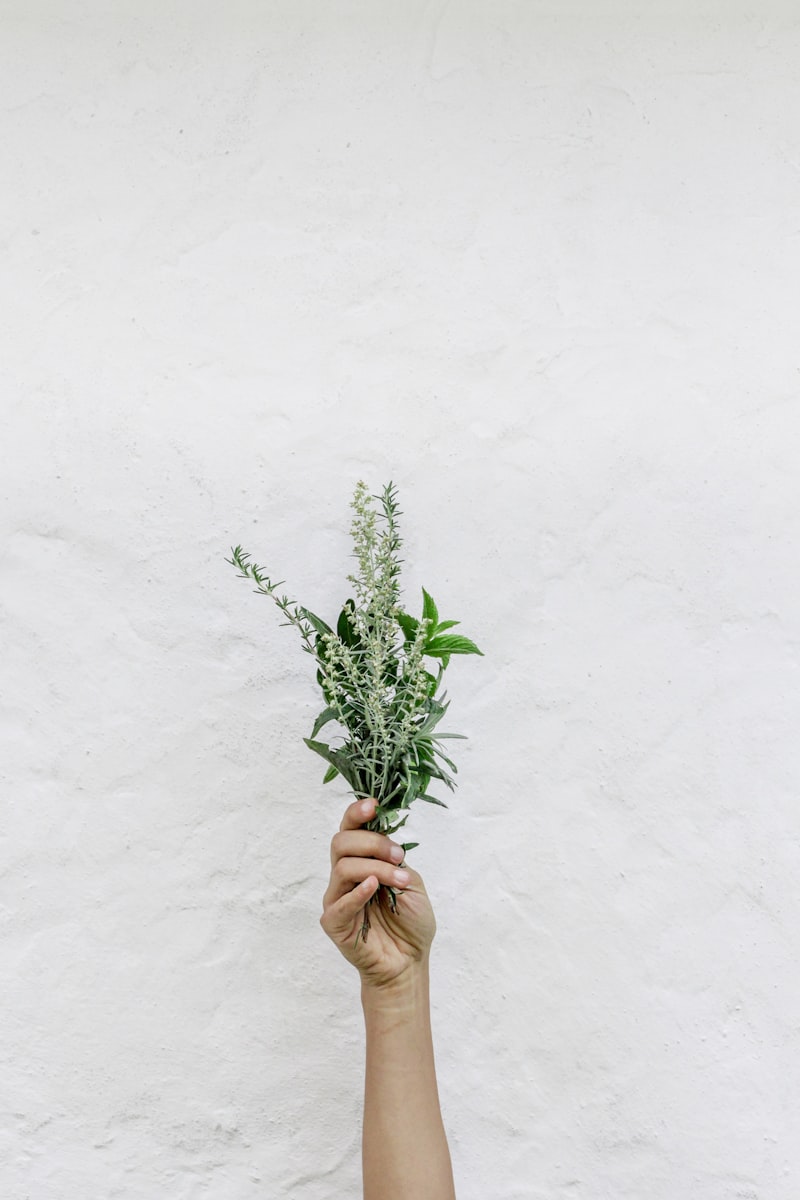
St. John’s Wort, scientifically classified as Hypericum perforatum, is a perennial flowering plant belonging to the Hypericaceae family, renowned globally for its significant psychopharmacological properties. The plant is readily identified by its characteristic bright yellow flowers, typically displaying five petals, which traditionally bloom around the summer solstice, coinciding with the feast day of St. John the Baptist, hence its common nomenclature. A defining feature of its foliage is the presence of numerous translucent dots—appearing as perforations—which are actually oil glands containing key active chemical constituents, a trait reflected in its species name, perforatum. This robust herb has historically flourished in temperate regions across Europe and Asia, and has since naturalized widely across the globe, establishing itself as a staple in traditional medicine systems dating back to ancient Greece. The concentrated chemical reservoirs within the plant are the foundation of its therapeutic efficacy, distinguishing St. John’s Wort as a potent phytomedicinal agent.
The therapeutic potential of H. perforatum is inextricably linked to the complex morphology and the distribution of its secondary metabolites, which are primarily concentrated in the flowers and the upper aerial parts of the plant. The most critical compounds governing its activity are naphthodianthrones, notably hypericin and pseudohypericin, which give the plant’s oil a distinctive deep red color when extracted, and phloroglucinols, chiefly hyperforin. The precise concentration and ratio of these bioactive molecules are highly susceptible to variations in environmental conditions, optimal harvesting timelines, and the specific extraction techniques employed, which directly influences the potency of commercial preparations. Traditionally, herbalists recognized the power inherent in the plant’s red oil, utilizing infused preparations extensively for external application as a soothing balm for wounds and minor skin afflictions. Modern pharmacological practice demands rigorous standardization to ensure consistent levels of hyperforin, now generally considered the primary agent responsible for the plant’s profound mood-elevating effects, thereby linking traditional wisdom with contemporary scientific scrutiny.
A comprehensive understanding of the botanical origin is paramount before exploring its clinical uses, as the standardized extracts employed today are purified derivatives of this raw plant material, carefully managed to maximize therapeutic yield. The plant typically reaches heights between one and three feet, featuring extensive branching and opposite leaves. This botanical foundation underscores the transition of St. John’s Wort from a simple, often crude folk remedy to a highly regarded, though complex, pharmaceutical supplement requiring stringent regulation. The traditional uses often relied on whole-plant preparations that offered a wide spectrum of compounds, lending credence to its historical application in treating diverse ailments ranging from topical inflammation to systemic issues, including its historical use against fevers associated with malaria, highlighting its enduring reputation as an effective herb for multifarious medical purposes.
Traditional and Historical Uses
The historical record documents the use of St. John’s Wort extending back to the classical era, with early references by noted physicians who valued its applications for nervous system disorders and pain relief. Throughout the medieval period, the herb transcended its medicinal role to incorporate spiritual significance, often used in rituals to ward off malevolent forces, emphasizing its perceived power over both physical and psychological suffering. From a purely practical standpoint, however, the most persistent and well-documented traditional application was its topical use. Preparations derived from infusing the flowers into oil were widely applied to the skin to manage burns, bruises, and abrasions, functioning as an exceptional antiseptic and anti-inflammatory agent. This widespread use as a potent balm for wounds solidified its reputation within traditional European pharmacopeias, providing a reliable remedy for promoting skin healing and preventing infection long before the advent of modern antibiotics.
Beyond external remedies, traditional practitioners highly regarded H. perforatum for its efficacy in mitigating various forms of pain and nervous system complaints. The plant was commonly prescribed for chronic pain conditions such as sciatica, general neuralgias, and discomfort linked to damaged nerves, establishing it as a preeminent remedy for treating nerve pain. This traditional recognition of its neurotropic properties is strongly validated by current research confirming the plant’s ability to modulate neurotransmitter activity and confer mild analgesic benefits. Moreover, historical documentation frequently mentions the use of St. John’s Wort in treating severe systemic illnesses, including high fevers and parasitic infections. Although modern clinical evidence does not support its current use against tropical diseases, the historical connection to treating symptoms associated with malaria underscores its long-standing role as a general antimicrobial and powerful febrifuge in traditional medicine, where its constituents were recognized as capable of combating systemic inflammation and infection.
The transition into modern application requires a critical evaluation of these historical claims, separating effective practices from mere folklore. Traditional methods, involving crude tinctures or whole-plant consumption, delivered a complex mixture of compounds. Crucially, the long-standing emphasis on treating ‘melancholy’ or severe sadness in traditional contexts provided the initial impetus for its modern scientific investigation. This ancient recognition of the herb’s capacity to alleviate dark moods demonstrated a deep, intuitive understanding of its mood-elevating capabilities, which contemporary science has now successfully attributed to the synergistic actions of its chemical components, particularly hyperforin. This robust historical foundation, spanning millennia, provides powerful validation for the continued utilization of St. John’s Wort as an effective herb for multifarious medical purposes.
Mechanism of Action
The pharmacological mechanism underlying the therapeutic benefits of St. John’s Wort, especially its recognized efficacy as an anti-depressant, is sophisticated and involves multiple biological pathways, rather than a singular mode of action characteristic of many synthetic pharmaceuticals. Early investigations initially focused on hypericin, leading to the hypothesis that the compound functioned as a monoamine oxidase inhibitor (MAOI), similar to the first generation of pharmaceutical anti-depressants. However, contemporary, more detailed studies suggest that while hypericin possesses mild MAO-inhibiting activity, this effect is likely too weak in living organisms to account for the observed clinical success. Instead, current scientific consensus highlights hyperforin as the principal active compound, functioning primarily as a broad-spectrum inhibitor of neurotransmitter reuptake. Specifically, hyperforin effectively blocks the neuronal reuptake of several key mood-regulating neurotransmitters, including serotonin, dopamine, norepinephrine, and the amino acids GABA and glutamate.
This multi-target action of hyperforin is mediated largely through the non-selective modulation of the transient receptor potential canonical 6 (TRPC6) ion channel. By inhibiting the reabsorption of these critical neurochemicals back into the presynaptic neuron, St. John’s Wort significantly elevates the concentration of these substances within the synaptic cleft, thereby enhancing and sustaining neurotransmission. This ability to affect a wider range of neurotransmitter systems simultaneously distinguishes St. John’s Wort from selective serotonin reuptake inhibitors (SSRIs), which focus predominantly on serotonin. This comprehensive approach is posited as the reason why standardized St. John’s Wort extracts often achieve comparable clinical results to conventional synthetic anti-depressants in treating mild to moderate depression, frequently with a side-effect profile that is often better tolerated by patients. Furthermore, the numerous flavonoids present in the extract, such as quercetin and rutin, contribute potent antioxidant and anti-inflammatory effects, factors increasingly understood to be crucial for supporting neuronal health and mitigating the effects of chronic stress on mood.
Beyond its monoamine modulation, St. John’s Wort also exhibits significant neuroprotective capabilities that contribute to its traditional use in managing nerve pain and promoting tissue recovery. Research indicates that the extracts possess a remarkable capacity to reduce oxidative stress and inhibit the release of pro-inflammatory cytokines, which are often implicated in the pathogenesis of both depression and neuropathic pain states. This dual capacity—direct neurochemical intervention combined with broad anti-inflammatory action—provides a robust chemical explanation for the herb’s historical success when applied externally as a soothing balm for wounds and internally for nervous system disorders. The combined synergy of hyperforin and the protective effects of flavonoids and hypericin firmly establishes St. John’s Wort as a highly effective herb for multifarious medical purposes, justifying its continuous role in the development of multi-pathway psychiatric treatments.
Modern Clinical Applications
The foremost modern application of St. John’s Wort, supported by extensive clinical evidence, centers on the pharmacological management of major depressive disorder, specifically in patients presenting with mild to moderate symptoms. Comprehensive clinical trials, including numerous meta-analyses, have rigorously compared standardized St. John’s Wort preparations against placebo and established synthetic anti-depressants. These reviews consistently conclude that St. John’s Wort is statistically superior to placebo and demonstrates equivalent efficacy to pharmaceutical agents commonly used in the treatment of less severe depression. This compelling data has resulted in its widespread acceptance in several European nations, most notably Germany, where it is frequently utilized as a preferred first-line treatment for initial or mild depressive episodes, capitalizing on its natural origin and generally favorable side-effect profile compared to certain synthetic drugs.
While its primary clinical validation lies in mood disorders, active research continues to explore other therapeutic applications derived from its rich traditional history. For example, the external application of St. John’s Wort extracts has been investigated for its benefits in managing chronic skin conditions, including certain forms of dermatitis and promoting the regeneration of tissue in post-surgical settings, thereby validating its long-standing use as a healing balm for wounds. The plant’s established anti-inflammatory and potent antiviral properties, primarily attributed to hypericin, have also spurred early-stage investigations into its potential role against specific viral pathogens, though these uses remain experimental and are not currently integrated into standard medical practice. Furthermore, mounting evidence suggests potential utility in the symptomatic management of generalized anxiety disorders, certain types of chronic pain, and vasomotor symptoms related to menopause, testifying to the broad therapeutic spectrum enabled by its complex chemical composition.
An important consideration in the clinical deployment of St. John’s Wort, mirroring conventional anti-depressants, is the necessary time lag before therapeutic benefits are fully realized. Optimal results typically require consistent administration over a period of two to four weeks, reflecting the necessary physiological adjustments within the neurotransmitter systems. However, clinicians must exercise prudence regarding the severity of the patient’s condition; St. John’s Wort is rarely recommended for severe, life-threatening, or highly recurrent depression, where more aggressive pharmacological intervention is typically required. The successful integration of this natural flowering plant into modern treatment protocols mandates precise patient selection, the use of meticulously standardized dosages, and continuous clinical monitoring to ensure both safety and optimal therapeutic outcomes, particularly given the potential for significant systemic interactions.
Safety, Side Effects, and Drug Interactions
Despite being a natural product derived from a flowering plant, St. John’s Wort possesses potent pharmacological activity and is associated with serious drug interaction risks, requiring careful medical oversight. While it is generally well-tolerated and often reports fewer subjective side effects than many synthetic anti-depressants, the most critical safety concern is its capacity to induce the activity of the cytochrome P450 enzyme system, specifically the CYP3A4 isoenzyme, primarily mediated by hyperforin. The CYP3A4 enzyme is responsible for the metabolic breakdown of approximately 50% of all clinically used prescription drugs. By accelerating the function of this enzyme, St. John’s Wort dramatically increases the metabolic clearance rate of co-administered medications, leading to a precipitous drop in their plasma concentrations and potentially rendering them sub-therapeutic or entirely ineffective. This interaction poses significant clinical danger, especially when involving medications with narrow therapeutic windows.
The list of crucial medications whose efficacy is severely compromised by St. John’s Wort is extensive and necessitates careful patient education. This includes:
- Immune suppressants, such as cyclosporine, posing a critical risk of organ transplant rejection.
- Oral contraceptives, potentially leading to contraceptive failure and unintended pregnancy.
- Anticoagulants, such as warfarin, which can destabilize the patient’s clotting status.
- Certain antiretroviral drugs used in HIV treatment (e.g., protease inhibitors).
- Antiepileptic drugs and cardiac medications like digoxin.
Furthermore, the concurrent use of St. John’s Wort with any other serotonergic agent, including SSRIs, SNRIs, or triptans, carries a significant, potentially fatal risk of serotonin syndrome—a condition characterized by mental status changes, neuromuscular abnormalities, and autonomic hyperactivity. Due to this severe risk, the use of St. John’s Wort must be terminated and carefully tapered under medical supervision before initiating treatment with conventional pharmaceutical anti-depressants.
Direct side effects are usually mild and may include minor gastrointestinal complaints, mild dizziness, or dry mouth. A specific and notable adverse effect is phototoxicity. Individuals with lighter skin tones taking high doses of St. John’s Wort can experience significant photosensitivity due to the accumulation of hypericin in the skin, increasing vulnerability to severe sunburn and phototoxic reactions upon exposure to UV light. Patients using this herbal preparation, whether taken orally or applied topically as a balm for wounds, must be strongly advised regarding rigorous sun protection measures. Given the complexity of its pharmacological interactions and potential systemic effects, the utilization of St. John’s Wort demands the same, if not greater, level of caution and professional medical oversight as any synthetic prescription drug, far exceeding the typical level of scrutiny given to general dietary supplements.
Preparation and Standardization
Achieving consistent efficacy and ensuring patient safety when utilizing St. John’s Wort hinges critically upon the standardization of its preparations, differentiating clinically viable pharmaceutical extracts from inconsistent, low-quality herbal supplements. Standardization is paramount because the chemical profile of the raw flowering plant material is inherently variable, influenced by geographical origin, climate, and the precise timing of harvest. Standardized extracts are processed to guarantee that every dose contains a reproducible quantity of the key pharmacological markers, typically specifying the concentration of hyperforin (often aimed at 3% to 5%) and hypericin (often standardized to 0.3%). This rigorous control is essential for establishing reliable dose-response relationships, a necessity for a treatment intended to serve as a viable alternative to conventional pharmaceutical anti-depressants.
Traditional preparation methods, such as simple aqueous teas or alcohol-based tinctures, are still in use, but they often fail to extract sufficient quantities of hyperforin due to its lipophilic nature, resulting in products of lower potency and inconsistent clinical effect. Modern, clinically validated extracts utilize sophisticated hydroalcoholic or methanolic solvents to maximize the yield of both hypericin and hyperforin. The resulting dried, powdered extract is then typically encapsulated or pressed into tablets. For localized applications, such as the historical use as a soothing balm for wounds or for localized management of nerve pain, infused oils or ointments are manufactured. In these topical preparations, the oil base effectively extracts the lipophilic hyperforin and the red-pigmented hypericin, concentrating the anti-inflammatory and healing properties for direct application to the afflicted area, bypassing systemic drug interaction concerns.
Consumers and prescribing physicians must prioritize products that explicitly declare their standardization metrics and ensure the product has been subjected to stringent quality control procedures. The inability to replicate positive clinical results in some studies is often attributable to the use of non-standardized or sub-potent supplements lacking adequate hyperforin concentration. Furthermore, standardization is a crucial safety measure; knowing the precise concentration of hyperforin allows healthcare providers to better predict the potential for CYP450 enzyme induction, thereby mitigating the risk of serious drug interactions. Thus, the evolution of St. John’s Wort from a simple traditional herb, historically used even for systemic fevers like those associated with malaria, into a globally recognized pharmaceutical agent is entirely dependent upon the consistency and quality assurance provided by modern extraction and standardization techniques.
Future Research and Conclusion
The trajectory of future research into St. John’s Wort is focused on exploiting its potent anti-inflammatory and neuroprotective attributes in new therapeutic arenas, moving beyond the established domain of depression. A significant area of investigation involves utilizing its powerful properties in the context of chronic neurodegenerative diseases, where the modulation of inflammatory pathways is critical for disease management. Researchers are also actively pursuing the synthesis of novel hyperforin derivatives designed to maintain the herb’s proven anti-depressant efficacy while deliberately eliminating its potent CYP3A4 induction activity, which would result in safer formulations free from the current risks of drug-drug interactions. Furthermore, the traditional use of St. John’s Wort for managing nerve pain is being rigorously re-examined in clinical settings to validate its effectiveness against various neuropathic pain syndromes, potentially offering a valuable natural alternative in pain management.
The enduring relevance of this versatile flowering plant is underscored by its ability to offer therapeutic solutions across multiple biological systems—from effectively managing systemic mood disorders to promoting the healing of external tissue damage when applied as a soothing balm for wounds. St. John’s Wort stands as a powerful exemplar of the potential inherent in phytomedicine, provided its active components are meticulously standardized and applied with clinical precision. However, the complexity inherent in its multi-target mechanism of action necessitates continuous professional vigilance regarding its usage. As scientific understanding advances, the perception of St. John’s Wort shifts from that of an indiscriminate folk remedy, once used to treat conditions such as malaria, to a sophisticated, multi-component therapeutic agent demanding appropriate respect for its pharmacological potency.
In summation, St. John’s Wort, Hypericum perforatum, is recognized globally as an effective herb for multifarious medical purposes, primarily validated for the treatment of mild to moderate depression. Its extensive history and established clinical efficacy firmly secure its place in the modern pharmacological landscape. Nevertheless, the critical potential for severe drug interactions mandates that its use always be conducted under professional medical guidance to ensure both safety and optimal therapeutic outcomes. As research continues to unravel the full spectrum of its chemical capabilities, St. John’s Wort remains a vital and complex cornerstone of phytotherapy, successfully bridging ancient herbal knowledge with contemporary pharmaceutical science.