Averaging Bias: Why Designing for Everyone Fails Anyone
Design for the Average Introduction to Design for the Average The concept of Design for the Average refers to an approach in product and system development where the primary focus is on meeting the needs and capabilities of the statistically “average” user. This methodological orientation often involves gathering data on a broad population, identifying central […]
UNIVERSAL DESIGN
UNIVERSAL DESIGN: Applying Principles for an Inclusive Built Environment The concept of Universal Design (UD) represents a fundamental paradigm shift in how environments, products, and communications are conceived and executed. It mandates that design should be usable by the widest possible range of people, operating in the widest range of situations, without the need for […]
ACCLI
Defining the Multifaceted Concept of Accommodation (ACCLI) The term Accommodation, often referenced in psychological and sociological contexts by the abbreviation ACCLI, represents a critical concept denoting adjustment, modification, or alteration in response to external stimuli or environmental demands. This term is inherently polysemous, encompassing processes ranging from involuntary biological adjustments within the human visual system […]
REHABILITATION ENGINEERING
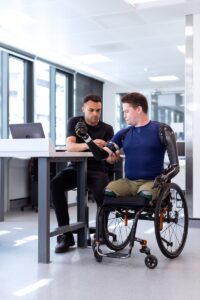
Introduction to Rehabilitation Engineering Rehabilitation Engineering stands as a critical and highly integrated discipline, situated at the nexus of engineering science, technology, and health sciences. Its foundational purpose is the systematic application of engineering principles and design methodologies to develop, test, and implement commodities, environments, and programs specifically tailored to enhance the functional capabilities and […]