Articles
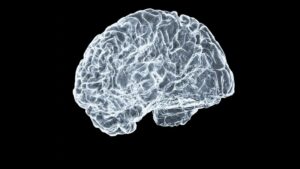
Stimulant Neurobiology: How Amphetamines Rewire Your Brain
Introduction and Definition Amphetamines constitute a powerful class of synthetic psychoactive substances recognized primarily as...
Introduction and Definition Amphetamines constitute a powerful class of synthetic psychoactive substances recognized primarily as...

Definition and Conceptualization Apathy is defined formally as a state characterized by a profound and...

Definition and Conceptual Framework The concept of premorbid schizophrenia refers specifically to the quality of...

Introduction and Definition Self-Defeating Personality Disorder (SDPD), sometimes referred to clinically as Masochistic Personality Disorder,...

SELF-STATEMENT MODIFICATION Self-Statement Modification (SSM) is a rigorous therapeutic technique centrally employed within the framework...

Introduction and Definitional Context Semantogenic disorder represents a highly specific, albeit often conceptually integrated, form...

Definition and Core Principles The Psychosocial Approach represents a fundamental orientation within psychological theory, research,...

Defining Psychotherapy and its Scope Psychotherapy, often referred to colloquially as “talk therapy,” constitutes a...

Definition and Foundational Concepts of Psychological Deficit The term psychological deficit refers to any measurable...

Defining Psychoneuroendocrinology: The Interconnected Triad Psychoneuroendocrinology, often abbreviated as PNE, stands as a highly specialized...

Introduction: Defining Psychological Pressure The concept of pressure in psychology refers to the experience of...

Definition and Historical Context of Psychotomimetics The term psychotomimetic is derived from the Greek words...