Articles
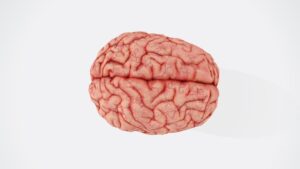
Pontocerebellar Pathway: The Brain’s Motor Control Hub
Introduction and Definitional Context The pontocerebellar pathway represents the most substantial and critically important afferent...
Introduction and Definitional Context The pontocerebellar pathway represents the most substantial and critically important afferent...

Introduction to Fitts Law Fitts Law is a foundational principle within the fields of experimental...

The Essence of the Kohnstamm Test The Kohnstamm Test, often categorized within the study of...

Introduction to Kinesthesis Kinesthesis, often referred to as kinesthesia, is the sensory experience that provides...
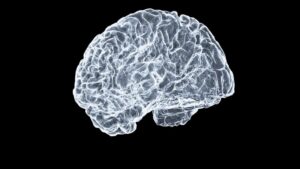
Introduction to the Precentral Gyrus The Precentral Gyrus stands as one of the most functionally...

Introduction to Delayed Feedback Delayed feedback, in the context of psychological and neuroscientific research, fundamentally...

Introduction to Dysdiadochokinesis Dysdiadochokinesis, often abbreviated as DDK, is a specific neurological sign defined as...
Kinesthetic Receptor: Definition and Foundational Importance The kinesthetic receptor, a specialized sensory organ embedded deep...

Introduction to the Purkinje Cell The Purkinje cell (PC) stands as one of the most...
Introduction to the Arpeggio Paradox The Arpeggio Paradox stands as a landmark conceptual challenge within...

Introduction to the Stretch Reflex The Stretch Reflex, scientifically termed the Myotatic Reflex, is a...
The spinocerebellar tract is a major nerve tract in the human body, fundamentally integral to...