Articles
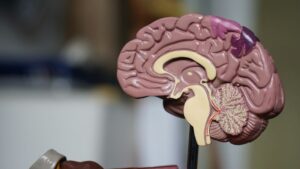
Psychomotor Disorders: Bridging the Mind and Body Gap
Introduction and Definitional Scope Psychomotor disorder refers fundamentally to a disruption in the voluntary or...
Introduction and Definitional Scope Psychomotor disorder refers fundamentally to a disruption in the voluntary or...
Definition, Classification, and Primary Function Phenobarbital, chemically known as 5-ethyl-5-phenylpyrimidine-2,4,6(1H,3H,5H)-trione, is a pharmaceutical agent classified...

Peduncular Hallucinosis: Definition and Core Characteristics Peduncular Hallucinosis (PH) is a rare but highly distinctive...

Definition and Conceptual Framework Palinopsia, also commonly referred to as Palinopia, is a debilitating neurovisual...

Introduction to the Pia-Arachnoid Complex The term Pia-arachnoid refers collectively to the inner two layers...
Introduction and Definition of Parageusia Parageusia, defined primarily as a qualitative distortion of the sense...
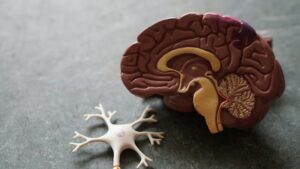
Definition and Neuroanatomical Context The term peduncle, derived from the Latin word meaning “little foot”...

Introduction to the Polyglot Reaction The Polyglot Reaction is a specific and highly compelling pattern...
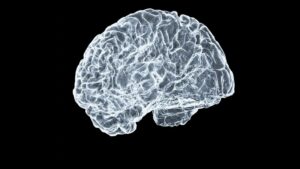
Anatomical Definition and Location The postcentral gyrus represents a crucial anatomical landmark within the cerebral...
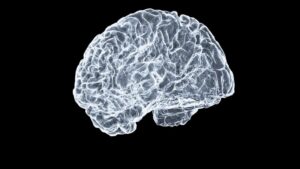
Introduction to the Precentral Gyrus The Precentral Gyrus stands as one of the most functionally...
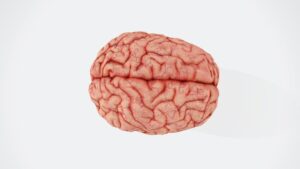
Introduction and Definition of Functional Reorganization Functional Reorganization, in the context of neuropsychology and cognitive...

Introduction and Definition of Sensory Aprosdia Sensory aprosodia, often referred to as receptive aprosodia or...