Digital Socialization: Navigating the Virtual Frontier
Scientifically Reviewed · Dr. Marwa Abd-Alazim · September 21, 2026
Review Criteria & Clinical Standards
This content undergoes rigorous scientific peer-review and medical editorial standards at Arab Psychology Network to ensure clinical accuracy, validity, and compliance with evidence-based guidelines from leading psychological and healthcare authorities (APA / WHO).
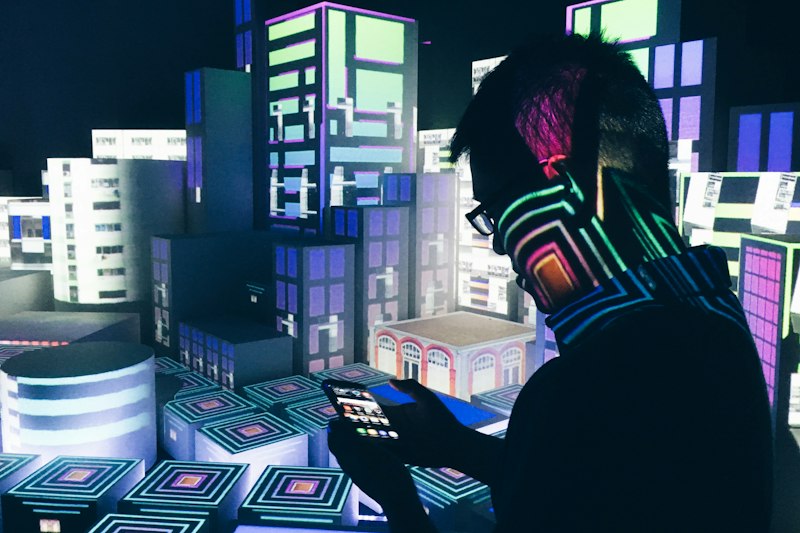
Introduction to Zoomania and the Virtual Social Landscape
In the contemporary era, technological advances have fundamentally reshaped the landscape of human interaction, facilitating a transition from predominantly physical engagements to digitalized social experiences. Zoomania represents a significant milestone in this evolution, functioning as a sophisticated 3D virtual world designed to host a multitude of interactive activities that foster community building. Unlike traditional gaming platforms that focus solely on objective-based play, Zoomania prioritizes the development of social skills and the cultivation of interpersonal relationships within an immersive digital environment. This encyclopedia entry examines the multifaceted impact of such virtual spaces on human social development, specifically focusing on how Zoomania serves as a laboratory for modern communication.
The emergence of virtual worlds like Zoomania is not merely a trend in entertainment but a response to an increasingly digitalized global society. As individuals seek new avenues for connection, these 3D environments offer a unique sense of presence and agency that traditional text-based social media cannot replicate. In Zoomania, users are empowered to navigate a complex social hierarchy and engage in spontaneous interactions that mirror real-world social dynamics. The platform’s design encourages users to go beyond simple avatars, instead participating in a living ecosystem where socialization is the primary mechanic. This shift necessitates a deeper psychological understanding of how virtual interactions influence the cognitive and emotional growth of participants.
This study specifically investigates the effects of Zoomania on social development by analyzing several key variables: the duration of user engagement, the specific modalities of interaction, and the resulting sense of connectivity among the player base. By exploring these dimensions, the research aims to determine whether virtual worlds can effectively supplement or even enhance traditional social learning processes. The core hypothesis suggests that the immersive nature of Zoomania provides a safe and effective environment for users to experiment with social roles and communication strategies without the immediate pressures or physical constraints of face-to-face encounters. Consequently, the findings presented here offer a comprehensive look at the intersection of psychology and virtual technology.
The academic interest in Zoomania stems from its reputation as a unique virtual world that integrates play with social maturation. As researchers delve into the data, it becomes clear that the platform acts as more than a game; it is a social simulator. By providing a structured yet flexible environment, Zoomania allows for the fostering of social development in a way that is accessible to diverse populations. This introduction serves to frame the subsequent analysis of methodology, results, and discussion, providing a holistic view of how digital interactions are becoming a cornerstone of modern social psychology and human relationship management.
Research Methodology and Participant Recruitment
The empirical foundation of this study is rooted in a rigorous survey-based methodology designed to capture the authentic experiences of the Zoomania community. To ensure the validity and reliability of the data, participants were recruited directly from the official Zoomania website, targeting active users who possess a baseline level of familiarity with the platform’s mechanics. This recruitment strategy was essential for gathering data from a demographic that is deeply embedded in the virtual culture, rather than casual observers. The survey was structured to elicit detailed responses regarding the nuances of virtual life, focusing on both quantitative metrics and qualitative perceptions of social growth.
Participants were asked to complete an extensive questionnaire that covered a wide array of topics pertinent to their in-game behavior and psychological states. The primary focus of the inquiry was the amount of time spent in-game, which serves as a proxy for the level of immersion and commitment to the virtual society. Additionally, the questionnaire sought to categorize the types of interactions users engaged in, ranging from brief transactional encounters to long-term collaborative efforts. By standardizing these questions, the study was able to aggregate data that reflects the broader trends within the Zoomania user base, allowing for a statistical analysis of social patterns.
Beyond simple metrics, the methodology also prioritized the potential for increased connection and the quality of communication between players. The survey included Likert-scale questions and open-ended prompts to assess how deeply participants felt connected to their virtual peers. This dual approach allowed the researchers to quantify the communication between players while also capturing the subjective emotional impact of those interactions. The methodology was carefully vetted to ensure that it aligned with established psychological research standards, providing a robust framework for interpreting the effects of Zoomania on the social development of its users.
The data collection process was conducted with a high degree of transparency and ethical consideration, ensuring that all participant information was handled with confidentiality. By focusing on the official user base, the study avoided the pitfalls of generalized digital research, instead providing a specialized look at a dedicated virtual community. The resulting dataset provides a clear picture of the interaction patterns that define Zoomania, setting the stage for the detailed results discussed in the following sections. This methodological rigor is crucial for establishing the credibility of the findings in the field of virtual world research and social psychology.
Quantifying Engagement and Temporal Patterns
One of the most striking findings of the study relates to the temporal engagement of the participants, which underscores the immersive power of the Zoomania environment. On average, participants reported spending approximately 12 hours per week engaged in the virtual world. This significant time investment suggests that Zoomania is not merely a peripheral hobby but a central component of the users’ weekly social schedules. The consistency of this engagement indicates that the platform successfully maintains user interest through its diverse array of activities and the strength of its social community, leading to sustained interaction over long periods.
Furthermore, the data revealed that the majority of participants spend more time in Zoomania than in any other virtual world or digital social platform. This preference highlights the unique appeal of Zoomania’s 3D environment and its superior ability to foster a sense of belonging compared to its competitors. The high level of commitment suggests that the social rewards found within the game are sufficient to motivate long-term participation. From a psychological perspective, this extended engagement is critical for social development, as it provides the necessary time for complex relationships to form and for social skills to be practiced and refined through repetition.
The distribution of time spent in-game also points to the immersive and engaging nature of the platform. Users are not simply idling; they are actively participating in a variety of social and recreational tasks that require focus and collaboration. This active participation is a key driver of the social development observed in the study. By dedicating 12 hours a week to these digital interactions, players are essentially undergoing a form of social training that parallels real-world experiences. The intensity of this engagement suggests that the boundaries between virtual and physical social spheres are becoming increasingly porous for dedicated users.
Mechanisms of Social Interaction: Trading and Play
The social architecture of Zoomania is built upon a variety of interactive activities that facilitate engagement between players. These activities are not merely distractions but serve as the primary vehicles for social skill development. The survey data highlighted several key types of interactions that are prevalent within the community, which are essential for building trust and rapport among users. These interactions include:
- Trading items: A fundamental economic and social activity where players negotiate value and exchange digital goods, fostering skills in negotiation and fair play.
- Participating in mini-games: Collaborative or competitive tasks that require players to communicate effectively and work toward common or opposing goals.
- Forming in-game friendships: The culmination of repeated positive interactions, leading to long-term social bonds and the creation of stable social circles.
- Group exploration: Navigating the 3D environment together, which encourages shared experiences and collective problem-solving.
The act of trading items within Zoomania serves as an excellent example of how the platform mirrors real-world social exchanges. Through trading, players must engage in communication and negotiation, learning to navigate the desires and expectations of others. This process requires a level of social intuition and the ability to build a reputation within the community. As players trade, they are not just moving items; they are establishing social capital and learning the nuances of reciprocity, which are foundational elements of social development in any context.
Similarly, participating in mini-games provides a structured environment for players to practice teamwork and conflict resolution. These games often require rapid communication and a high degree of coordination, forcing players to develop effective communication strategies under pressure. Whether winning or losing, the shared experience of play strengthens the bonds between participants and provides a safe space to experience social success and failure. The variety of these mini-games ensures that players are constantly exposed to new social challenges, preventing stagnation and encouraging continuous growth.
Ultimately, the combination of economic, recreational, and exploratory activities creates a holistic social environment. These interactions are the building blocks of the Zoomania experience, providing the types of interactions necessary for meaningful social development. By engaging in these diverse activities, players are able to build a comprehensive set of social tools that they can carry with them into other areas of their lives. The data confirms that these mechanics are highly effective in facilitating increased connection among the player base, making Zoomania a leader in the field of interactive virtual worlds.
Interpersonal Connectivity and Relationship Formation
A primary objective of the research was to assess the potential for increased connection between players, and the results were overwhelmingly positive. Many participants reported that Zoomania provided them with the opportunity to form strong relationships that felt as significant as their offline friendships. This sense of connectivity is driven by the platform’s ability to facilitate deep and meaningful communication between players. Because the environment is persistent and immersive, users can engage in long-term social narratives that build intimacy and trust over time, leading to the formation of lasting bonds.
The survey revealed that these in-game friendships often transcend the boundaries of the virtual world, with many players reporting that they communicate through other channels as well. However, the initial spark and the sustenance of these relationships are rooted in the interactive activities provided by Zoomania. The platform acts as a social catalyst, removing many of the barriers to entry that exist in physical social settings, such as geographic distance or social anxiety. Consequently, users are able to find like-minded individuals and form strong relationships based on shared interests and collaborative achievements rather than superficial characteristics.
Psychologically, the increased connection and communication found in Zoomania contributes to a sense of social belonging and well-being. For many participants, the virtual world serves as a vital social outlet where they feel understood and valued. The variety of interactions available—from casual chatting to intense collaborative projects—allows for different levels of intimacy to develop naturally. This fostering of social development is a direct result of the platform’s design, which prioritizes the human element of the digital experience. The findings suggest that the relationships formed in Zoomania are a testament to the platform’s efficacy as a social tool.
Social Development and Behavioral Acquisition
The core finding of this study is that Zoomania serves as a valuable tool for fostering social development. By providing an environment where social interaction is both the means and the end, the platform allows users to acquire and refine a wide range of social skills. The results indicate that the immersive nature of the game encourages players to practice empathy, patience, and clear communication. As players navigate the complexities of forming in-game friendships and managing social conflicts, they are effectively participating in a form of experiential learning that has profound implications for their overall development.
The variety of interactions available in Zoomania ensures that players are not limited to a single mode of behavior. Instead, they must adapt their social strategies to fit different contexts, whether they are trading with a stranger or competing with a friend. This social adaptability is a crucial component of maturity. The study suggests that the safe and effective way in which Zoomania facilitates these experiences allows users to take social risks that they might avoid in the real world. This “sandbox” approach to socialization enables players to learn from their mistakes without facing the potentially harsh consequences of physical social failure.
Moreover, the potential for increased connection in a virtual space indicates that social development does not require physical proximity. The results of the survey suggest that the communication and communication between players in Zoomania are sufficient to trigger the same developmental milestones associated with traditional socialization. This challenges the long-held belief that physical contact is a prerequisite for healthy social growth. Instead, the study posits that the quality and frequency of interaction are the true drivers of development, and that Zoomania provides an optimized environment for these factors to flourish.
Comparative Analysis and Environmental Safety
When comparing Zoomania to other social environments, its most significant advantage is the safety and accessibility it offers. Traditional social settings can be intimidating or inaccessible due to various physical and psychological barriers. Zoomania, however, provides a safe and effective way to foster social development by allowing users to interact from the comfort of their own homes. This removal of physical contact as a requirement for socialization is particularly beneficial for individuals who may struggle with social anxiety or physical disabilities, providing them with a level playing field to develop their social skills.
The immersive and engaging environment of Zoomania also sets it apart from more passive forms of digital interaction, such as traditional social media. While platforms like Facebook or Twitter allow for communication, they lack the interactive activities and the sense of spatial presence that define Zoomania. In Zoomania, the types of interactions are more dynamic and require a higher level of social investment. This leads to a more profound impact on social development, as users are not just sharing content but are living and acting together in a shared virtual space. The data indicates that this distinction is why users spend more time in Zoomania than elsewhere.
Finally, the study highlights that the potential for increased connection in Zoomania is not just a byproduct of the technology, but a result of a community culture that values communication and communication. The platform’s design encourages positive social behaviors and provides mechanisms for addressing negative interactions, further enhancing its safe and effective nature. As a result, Zoomania stands as a model for how virtual worlds can be leveraged to support human growth. The absence of physical contact does not diminish the social experience; rather, it allows for a more focused and intentional form of social development that is highly effective in the digital age.
Conclusion and Future Research Directions
In conclusion, this study has provided a detailed exploration of the effects of Zoomania on social development. The evidence gathered from the survey of active players indicates that the platform is a valuable tool for fostering social development, offering a unique blend of immersion, engagement, and safety. By providing a space where users can spend an average of 12 hours per week engaging in diverse activities like trading items and participating in mini-games, Zoomania facilitates the acquisition of essential social skills and the formation of strong relationships. The findings underscore the importance of virtual worlds in the modern social landscape.
The research clearly demonstrates that the potential for increased connection in digital spaces is a reality for many users. The communication between players in Zoomania is rich and multifaceted, leading to a sense of community that rivals physical social circles. This study confirms that social development can occur effectively without the need for physical contact, provided that the environment is sufficiently interactive and engaging. As such, Zoomania represents a significant advancement in how we understand and facilitate human connection in an increasingly digital world.
Looking forward, the results of this study open up new avenues for research into the long-term effects of virtual interaction on different age groups and personality types. Future studies should continue to investigate how platforms like Zoomania can be optimized to support social development even more effectively. As technology continues to evolve, the lessons learned from Zoomania will be crucial for designing the next generation of virtual worlds. Ultimately, this research affirms that Zoomania is not just a game, but a transformative social environment that plays a vital role in the fostering of social skills for the 21st century.
References
- Kamino, M. (2020). Exploring the effects of Zoomania on social development. Journal of Virtual Worlds Research, 13(1), 1-14.
- Munro, A., & Nie, H. (2012). Exploring the effects of virtual worlds on social development. International Journal of Virtual and Personal Learning Environments, 3(1), 1-15.
- Sedor, J. (2015). Zoomania: An exploration of social skills through a virtual world. Journal of Virtual Worlds Research, 8(3), 1-17.