Screen Memory: How Our Minds Hide The Truth
Scientifically Reviewed · Dr. Marwa Abd-Alazim · September 14, 2026
Review Criteria & Clinical Standards
This content undergoes rigorous scientific peer-review and medical editorial standards at Arab Psychology Network to ensure clinical accuracy, validity, and compliance with evidence-based guidelines from leading psychological and healthcare authorities (APA / WHO).
Introduction to Screen Memory (Cover Memory)
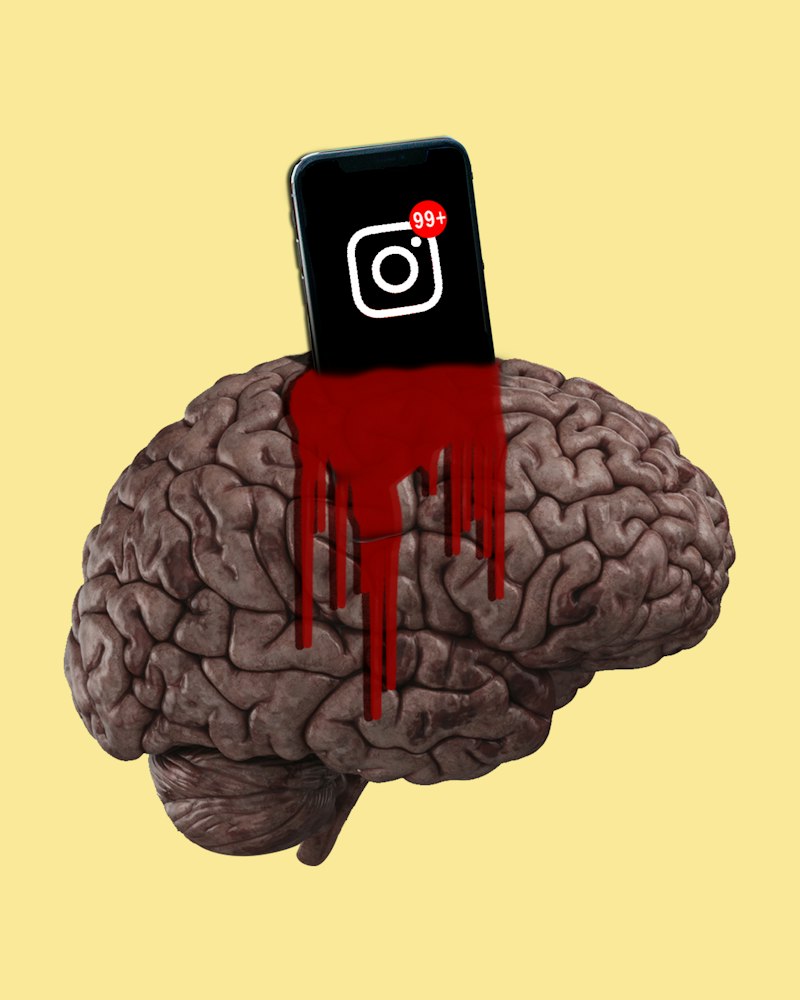
Screen memory, often referred to by the synonymous term cover memory, represents a foundational and deeply insightful concept within classical psychoanalytic theory, originating from the foundational work of Sigmund Freud. It describes a specific, unconscious psychological mechanism through which an individual replaces a memory associated with profound psychological distress—typically a traumatic or highly unpleasant event—with a substitute memory that is significantly less disturbing, more benign, or even trivial on the surface. This substituted memory acts as a metaphorical “screen,” effectively obscuring the painful original memory from conscious awareness, thereby mitigating the immediate psychic pain that recalling the true event would cause. The primary function of the screen memory is protective; it is an automatic, involuntary defense designed to maintain the integrity of the ego in the face of overwhelming emotional material. Understanding screen memory is crucial for psychoanalysts, as the seemingly innocuous substitute memory often holds symbolic or structural clues that, upon careful analysis, can lead back to the repressed, original traumatic experience.
The concept emphasizes the dynamic and reconstructive nature of memory storage and retrieval, particularly in relation to highly charged emotional content. Unlike simple forgetting, screen memory involves an active, though unconscious, substitution process governed by the demands of the psychic defense system. The memory that surfaces—the “screen”—is usually vivid, detailed, and easily recalled, lending it an air of authenticity. However, its emotional intensity is often disproportionately low compared to the gravity of the events it conceals. This emotional flatness or misplaced affect is frequently the first indicator in a clinical setting that a screen memory is operating. The mechanism highlights the mind’s sophisticated ability to manage psychological threat by altering the perceived reality of the past, ensuring that critical traumatic material remains inaccessible until the individual possesses the necessary psychological resources to process it safely.
While screen memory remains predominantly a psychoanalytic construct, its underlying principles—that memory is reconstructive and highly susceptible to emotional influence and defense mechanisms—have permeated broader psychological discourse concerning trauma and memory distortion. The systematic exploration of screen memories offers insights into the precise mechanics of repression and the complex interplay between the conscious, preconscious, and unconscious layers of the mind. This entry will delve into the rigorous definition of screen memory, trace its historical development through the works of Freud, analyze the mechanism by which substitution occurs, differentiate it from related defense strategies, and evaluate its clinical implications for both psychodynamic therapy and modern trauma intervention.
The Conceptual Framework: Definition and Function
Screen memory is rigorously defined within psychoanalysis as a specific type of false or substituted memory that functions as a sentinel, standing guard over a deeply repressed and emotionally intolerable truth. The substitution is not random; the screen memory often possesses some symbolic or associative link to the original event, even if that connection is obscure or disguised. For instance, a screen memory might involve a trivial sensory detail from the day of the trauma, or perhaps a neutral childhood event that occurred around the same developmental phase. The purpose is not merely to forget the trauma, but to replace it with a narrative fragment that satisfies the conscious mind’s need for continuity while simultaneously preventing the full, painful emotional charge associated with the true memory from entering awareness. This intricate balance ensures psychological stability, albeit at the potential long-term cost of genuine memory access and emotional integration.
The primary function of the screen memory is that of psychic preservation. Faced with an overwhelming experience—such as severe childhood neglect, abuse, or witnessing a catastrophic event—the ego mobilizes defenses to prevent fragmentation and collapse. Repression pushes the core trauma out of reach, and the screen memory is then crafted and installed by the unconscious to fill the resulting chronological and emotional void. It acts as a compromise formation; the individual retains a memory of the past, thus avoiding the perception of total amnesia, but the retained memory is sanitized of its noxious emotional content. This complex substitution process is entirely unconscious; the individual genuinely believes the screen memory to be the accurate, relevant recollection of the time period, unaware that its fundamental purpose is concealment.
Crucially, screen memories are often characterized by their excessive vividness and the disproportionate detail dedicated to seemingly trivial elements. Freud observed that these memories are frequently visual and emotionally muted or flat, unlike typical memories of significant life events which are rich in affect and meaning. The conscious mind fixates on these vivid but emotionally sterile details, reinforcing the screen’s efficacy by providing an intellectually acceptable memory. Analysts often look for recollections that seem overly focused on insignificant sensory data (e.g., the specific color of a wall, the texture of a piece of clothing, or the precise sound of a distant mundane noise) that do not seem to justify their persistence in the memory structure. Identifying these tell-tale characteristics allows the analyst to understand that they are working with a powerful, active defense mechanism rather than a direct, unmediated recollection.
The definition also distinguishes screen memories based on their temporal relationship to the trauma. Backing memories are recollections that precede the traumatic event, often presenting a falsely idyllic or peaceful scene immediately prior to the conflict. Covering memories occur after the trauma, often acting as a closure mechanism or distraction, ensuring the emotional impact of the true event is displaced onto a later, safer narrative. Both forms function identically in their goal of protecting the ego from the original traumatic content.
Historical Context: Sigmund Freud and the Origin of the Concept
The formal concept of screen memory was introduced by Sigmund Freud in his highly influential 1895 paper, “On Screen Memories,” a pivotal text published during the formative period of psychoanalysis. This early work marked a significant refinement in Freud’s developing theories on neurosis and the structure of the mind, particularly in his attempts to understand the phenomena observed in patients suffering from hysteria. Freud observed that patients often presented childhood memories that, while seemingly unimportant or innocuous, were recalled with exceptional clarity and emotional insistence. He hypothesized that these memories were not significant in themselves, but rather derived their profound importance from the traumatic content they were designed to hide. This discovery provided a critical link between the seemingly trivial details of conscious memory and the deep, repressed conflicts residing in the unconscious.
Freud initially conceptualized screen memories as an integral part of the mechanism of repression. Repression drives unacceptable thoughts, feelings, and memories out of conscious awareness, but the psychological energy associated with that repressed material seeks outlets. Screen memory serves as one such outlet, a sort of symbolic symptom or compromise formation that is acceptable to the conscious mind. He described the process as a substitution where an indifferent memory segment replaces a genuinely significant, emotionally charged one. The screen memory, therefore, is not merely a distortion but a carefully constructed symbol that simultaneously reveals and conceals the repressed truth.
The introduction of this concept was crucial for the development of psychoanalytic technique. Prior to this, the focus was often on recovering the lost memory directly. By analyzing the manifest content of the screen memory—its plot, imagery, and emotional tone—Freud and his followers sought to decode the latent, hidden meaning. This methodology allowed psychoanalysis to move beyond merely identifying amnesia for traumatic events and offered a structured, interpretive way to investigate the symbolic language of the unconscious. The enduring legacy of this concept lies in its contribution to the understanding that memory is not a passive recording device but an active, dynamic construction heavily influenced by the psychological necessity of defense and the need for internal coherence.
The Mechanism of Substitution: Displacement and Condensation
The operation of screen memory involves an intricate process characterized by the defense mechanisms of displacement and condensation. When a genuinely traumatic event occurs, the intensity of the associated emotion—fear, shame, or pain—is deemed intolerable by the ego, initiating repression. To maintain psychic continuity and prevent the repressed material from breaching the conscious barrier, the unconscious selects a related, often temporally proximate, memory fragment. This fragment is then magnified, stylized, and imbued with the clarity characteristic of important memories, thereby establishing the “screen.” The screen memory thus operates primarily through displacement, where the powerful emotional charge attached to the painful original event is subtly transferred onto a neutral or less painful substitute event, thereby achieving emotional quarantine.
Furthermore, the construction of a screen memory often involves condensation. The substitute memory is rarely a simple, single event; rather, it often represents a symbolic merging of multiple elements. It combines aspects of the original trauma with later, unrelated experiences, or perhaps even wish-fulfillment fantasies. This layering makes the deciphering process highly complex but richly informative about the individual’s psychic landscape. For example, a repressed memory of severe parental criticism might be screened by a memory of finding a lost toy—the search for the toy symbolizing the underlying feeling of seeking approval or security. The superficial narrative of the screen memory provides a psychological buffer, distracting the conscious mind with the triviality of the manifest content.
The mechanism also relies on the use of secondary revision, a preconscious process where the conscious mind attempts to make logical sense of the displaced content. Because the screen memory is intrinsically linked to powerful repressed energy, it may feel emotionally significant, but the emotional quality does not logically match the recalled content (e.g., feeling profound guilt when recalling a mundane trip to the store). The conscious mind then attempts to rationalize this confused affect, solidifying the screen memory’s perceived reality. Effective psychoanalytic work involves gently challenging the patient’s attachment to the screen memory, using the vivid details and inherent contradictions within the screen memory itself as a roadmap to the deeper, unconscious material it attempts to hide.
Distinguishing Screen Memory from Other Defense Mechanisms
While screen memory is closely related to other defense mechanisms—most notably repression—it possesses unique structural characteristics that necessitate its differentiation from concepts like suppression, denial, and psychological amnesia. The core distinguishing factor is the active, though unconscious, substitution process. Repression is the fundamental mechanism that involuntarily forces unacceptable material into the unconscious; screen memory is the specific, constructed manifestation or product used to manage the external boundaries of that repression. Repression creates the emotional and chronological void; screen memory fills it with a viable, acceptable narrative substitute.
In contrast, Suppression is a conscious, voluntary act. If an individual intentionally chooses not to dwell on a stressful personal conflict, that is suppression. The memory remains accessible but is deliberately pushed aside. Screen memory is fundamentally unconscious; the individual genuinely cannot access the original memory and sincerely believes the substitute memory is the accurate account of the past. Furthermore, screen memory differs significantly from Denial, where the traumatic reality is rejected outright (e.g., “That abuse never happened”). With a screen memory, the individual accepts that something happened during that time period, but the narrative they recall (the screen) fundamentally alters the emotional and factual impact of the event, transforming it into something manageable.
The analytical distinction is important for clinical strategy and technique. When confronted with a screen memory, the analyst understands that the patient is psychologically close to the core traumatic material because the screen memory holds symbolic clues and latent connections. In contrast, working with pure repression or denial requires different techniques to first establish the existence of the hidden material. The screen memory, due to its vivid detail and symbolic link to the trauma, functions almost like a breadcrumb trail left behind by the unconscious, guiding the analyst toward the core conflict.
- Repression: The involuntary removal of unacceptable thoughts and feelings from consciousness. Screen memory is the resulting constructed narrative placed over the repressed void.
- Suppression: The conscious, voluntary effort to avoid thinking about certain material.
- Denial: The outright rejection of reality or factual information regarding the traumatic event.
- Amnesia: A gap or total lack of memory. Screen memory is characterized by a memory that is present, but misleading, functioning as a false narrative instead of a void.
Clinical Manifestations and Psychoanalytic Interpretation
In the clinical setting, screen memories often present as early childhood recollections that seem unusually clear yet lack adequate emotional or causal justification for their prominence. A patient might spend significant time recalling the exact pattern of a rug from their childhood bedroom or the precise, mundane actions of a relative, while struggling to recall any emotionally significant events from that same period. The psychoanalyst recognizes that this fixation on irrelevant detail often serves as a form of resistance—a protective barrier against confronting the underlying conflict. The interpretation of screen memories is therefore a cornerstone of classic psychoanalytic technique, requiring meticulous attention to symbolic detail.
The process of interpretation requires the analyst to approach the screen memory much like a dream, a fantasy, or a slip of the tongue—as a disguised communication from the unconscious. The analyst seeks the symbolic threads that connect the manifest content (what is recalled) to the latent content (what is repressed). For instance, if the screen memory involves a feeling of being trapped in a small space, it may symbolize a repressed memory of helplessness, confinement, or emotional abandonment. Through the use of free association, the primary psychoanalytic tool, the analyst encourages the patient to elaborate on all elements of the screen memory, paying close attention to unexpected shifts in affect, expressions of resistance, or the emergence of seemingly unrelated associations, which often serve as bridges back to the original trauma.
Successful analysis of the screen memory leads to the gradual dismantling of the defense. As the symbolic meaning is uncovered and interpreted back to the patient, the psychological energy holding the screen memory in place dissipates, allowing the original, repressed memory to surface and be processed consciously. This process is frequently accompanied by a powerful cathartic release of the previously contained, traumatic affect. The ultimate clinical goal is not merely recall, but integration: moving the memory from a disruptive, unconscious force that governs behavior to a conscious, manageable part of the life narrative, thereby alleviating the symptoms rooted in the original trauma.
Psychological Implications: Benefits and Detriments
The psychological implications of screen memory are inherently complex and dualistic, offering both immediate protective benefits and potential long-term psychological detriments. In the immediate aftermath of overwhelming trauma, the ability of the unconscious to instantaneously construct a screen memory is highly adaptive. It functions as a necessary psychological first aid, preventing the catastrophic collapse of the ego when faced with emotional material it cannot yet integrate. This early protective function prevents the immediate onset of acute symptoms, allowing the individual to continue functioning in their daily life without being paralyzed by the emotional weight of the past. It buys the psyche time to gather resources.
However, the persistence of the screen memory into adulthood often becomes significantly problematic. While the mechanism successfully shields the individual from conscious recall, it simultaneously prevents the necessary emotional and cognitive processing required for true healing and mastery of the traumatic experience. The traumatic energy remains bound in the unconscious, often manifesting indirectly through neuroses, chronic anxiety disorders, or unexplained physical symptoms (somatization). The individual may experience pervasive feelings of unease, chronic low-grade depression, or intrusive emotional symptoms characteristic of Post-Traumatic Stress Disorder (PTSD), without understanding the root cause, because the screen memory effectively obscures the originating event.
If the screen memory is left unchallenged, it can solidify into a fixed, false narrative, severely distorting the individual’s sense of self, personal history, and ability to form coherent life stories. The lack of emotional integration means the individual is perpetually reacting to an unaddressed internal conflict, often repeating relational or behavioral patterns linked to the trauma. Therapeutic intervention is therefore essential to move beyond the temporary protection offered by the screen memory and facilitate the complete processing of the trauma. Only by accessing and integrating the original memory, thereby dissolving the need for the screen, can the individual achieve lasting resolution and alleviate the secondary psychological issues that result from unprocessed traumatic material.
Critiques and Modern Perspectives
While screen memory remains a highly valuable concept within psychodynamic practice, it has faced significant critiques, particularly from cognitive psychology and modern neuroscience, which approach memory from a perspective rooted in information-processing models. One major challenge revolves around the inherent difficulty of empirically validating the unconscious substitution process. Since the mechanism relies heavily on interpreting symbolic links between the recalled (screen) and the repressed (true) memory, proving the exact mechanism of substitution outside of the subjective therapeutic narrative remains highly complex and lacks external objective measures. Critics argue that what is identified clinically as a screen memory could, in many instances, simply be an artifact of normal memory decay, reconstruction errors inherent to episodic memory, or the influence of suggestion.
Modern trauma research, focusing heavily on neurobiological responses, often uses concepts like dissociation, emotional numbing, and fragmented memory storage (as seen in severe PTSD) to explain the inability to recall or process trauma coherently. While these cognitive concepts do not typically employ the term “screen memory,” they align functionally with the psychoanalytic idea: the nervous system actively protects itself by disrupting normal memory encoding and retrieval processes. For example, extreme stress and high cortisol levels during trauma can impair hippocampal function, leading to gaps or non-linear storage of event details, which could be interpreted clinically as a screen memory serving to bridge these cognitive gaps with a more palatable narrative.
Despite these scientific shifts, the concept retains immense utility in clinical practice, particularly in psychodynamic and expressive therapies. The value of the screen memory lies less in its literal neurological truth and more in its potency as a powerful clinical metaphor and diagnostic tool. If a patient presents a highly detailed, emotionally flat memory that seems to symbolize a core conflict or trauma, analyzing it as a screen memory provides a structured, effective pathway into the unconscious, regardless of whether the memory was actively “substituted” or merely poorly encoded due to dissociation. The concept remains vital for understanding the complex interaction between defense mechanisms, memory formation, and the construction of personal narrative.
References and Further Reading
The following resources provide detailed scholarly and clinical examination of screen memory, its history, its role in trauma processing, and its relationship to related psychological constructs.
- Barrett, M.D., & Salters-Pedneault, K. (2020). Screen Memory and its Role in Trauma Processing. Clinical Psychology Review, 78, 101823. https://doi.org/10.1016/j.cpr.2020.101823
- Foa, E. B., & Kozak, M. J. (1986). Emotional processing of fear: Exposure to corrective information. Psychological Bulletin, 99(1), 20-35. https://doi.org/10.1037/0033-2909.99.1.20
- Freud, S. (1895). On Screen Memories. The Standard Edition of the Complete Psychological Works of Sigmund Freud, Vol. 3 (1893-1899): Early Psycho-Analytic Publications, 301-322. doi: 10.1037/11059-001
- Kurtz, J. (1995). Screen Memory and Repression: A Reevaluation. The Psychoanalytic Quarterly, 64(3), 441–456. https://doi.org/10.1002/j.2167-4086.1995.tb01608.x