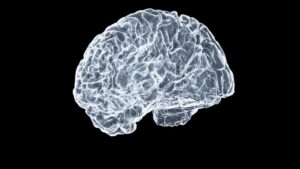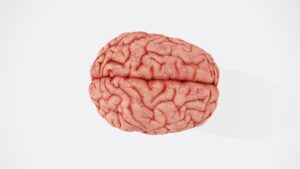
Tag: cerebral hemispheres


LONGITUDINAL FISSURE

LONGITUDINAL FISSURE: A Comprehensive Review of Anatomy, Function, and Clinical Impact The longitudinal fissure (also known as the great cerebral fissure or interhemispheric fissure) represents one of the most fundamental anatomical divisions of the human central nervous system. It is defined as the deep, midline groove that effectively separates the cerebrum into the left and […]

Read More

MEDIAL TEMPORAL LOBE

Introduction and Anatomical Location The Medial Temporal Lobe (MTL) is a complex, critical structure situated deep within the temporal lobe, forming a vital component of the cerebral hemispheres in both the left and right sides of the brain. Its strategic location places it at the nexus of sensory processing and higher-order cognitive functions, particularly those […]

Read More

CORPUS CALLOSUM

Introduction and Definition of the Corpus Callosum The Corpus Callosum stands as the largest and most critical structure for interhemispheric communication in the human brain, functioning as an immense pathway of nerve fibers traveling superiorly over the longitudinal fissure. This massive white matter tract serves as the primary linkage for the two opposing cerebral hemispheres, […]

Read More

RADIAL GLIAL CELLS

Introduction and Developmental Role Radial glial cells (RGCs) constitute a transient yet profoundly important population of progenitor cells within the developing central nervous system, particularly critical for the formation of the cerebral hemispheres. Functionally defined by their dual capacity as both the primary neural stem cells and essential scaffolding elements, RGCs dictate the initial architecture […]

Read More

FOREBRAIN

Introduction and Definition of the Forebrain (Prosencephalon) The forebrain, or prosencephalon, represents the most anterior and evolutionarily advanced division of the vertebrate brain. It is the crucial structure responsible for the highest levels of cognitive function, including conscious thought, language, memory formation, motor planning, and complex sensory interpretation. Structurally, the forebrain develops from the anterior […]

Read More

SPLIT BRAIN

Introduction: Defining the Split Brain The concept of the split brain refers fundamentally to a condition where the two large cerebral hemispheres, the left and the right, are functionally or surgically separated, resulting in a profound alteration in how sensory information and cognitive processes are integrated across the midline. This separation is typically achieved by […]

Read More

MIXED CEREBRAL DOMINANCE

Introduction and Definition of Mixed Cerebral Dominance Mixed Cerebral Dominance (MCD), often referred to as ambiguous or incomplete lateralization, describes a neurological organizational pattern where neither the left nor the right cerebral hemisphere establishes clear, specialized control over specific motor or cognitive functions, particularly those traditionally associated with strong hemispheric asymmetry. In the typical human […]

Read More

CUNEUS

Introduction and Definition of the Cuneus The Cuneus, a Latin term meaning wedge, is a fundamental anatomical structure nestled within the medial aspect of the occipital lobe of the human brain. This region, critically positioned at the posterior pole of the cerebral hemispheres, derives its name from its characteristic triangular or wedge-like shape when viewed […]

Read More

ANENCEPHALY

Anencephaly: A Severe Neural Tube Defect and its Developmental Impact The Core Definition of Anencephaly Anencephaly is defined as a catastrophic congenital abnormality resulting from the failure of the anterior portion of the neural tube to close during the early stages of embryonic development. This failure leads directly to the absence of a significant portion […]

Read More

BASAL GANGLIA

Basal Ganglia: Structure, Function, and Clinical Significance The Core Definition and Anatomy of the Basal Ganglia The Basal Ganglia, often referred to as basal nuclei, constitute a functional group of subcortical nuclei located deep within the cerebral hemispheres of the forebrain. This complex assembly is not a single, anatomically contiguous structure, but rather an interconnected […]

Read More