Articles
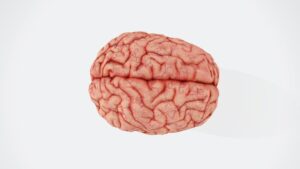
Efferent Pathways: How Your Brain Orchestrates Every Move
Introduction to Efferent Pathways The efferent pathways constitute the crucial output system of the central...
Introduction to Efferent Pathways The efferent pathways constitute the crucial output system of the central...
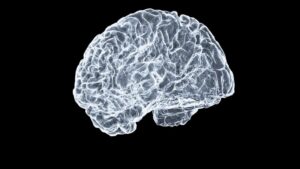
Introduction: Defining the Cuneate Tubercle The Cuneate Tubercle represents a small, yet profoundly important, anatomical...

Definition and Core Concepts Autonomic Hyperactivity (AH) represents a significant physiological state characterized by an...
The Cholinergic System: Overview and Importance The term cholinergic fundamentally refers to biological systems, pathways,...

White Matter: A Primer White matter is a type of tissue in the central nervous...
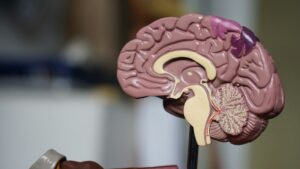
Introduction to a Neurophysiological Pioneer Charles Scott Sherrington stands as one of the most towering...
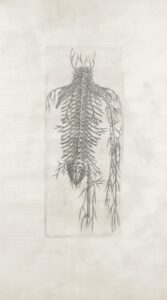
Introduction to Spinal Nerves Spinal nerves constitute a crucial element of the peripheral nervous system...
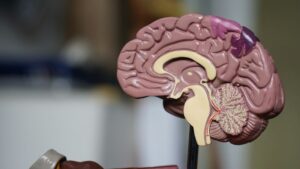
Definition and Core Function Neuroreceptors are highly specialized protein complexes situated primarily within the plasma...
Introduction and Definition of Nerve Conduction Nerve conduction, fundamentally defined as the process by which...
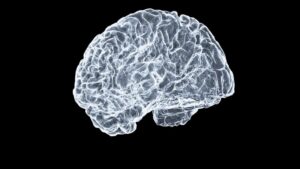
Introduction to the Neuron The neuron, universally recognized as the nerve cell, stands as the...

Introduction and Nomenclature The trochlear nerve, universally designated as the fourth cranial nerve (CN IV),...

Definition and Scope of Palpitation Palpitation, in the psychological context, is defined as the subjective...