Articles
Neurology: The Legacy of Charcot’s Medical Revolution
CHARCOT, JEAN-MARTIN (1825- 93) 1. Introduction: The Founder of Modern Neurology Jean-Martin Charcot (1825–1893) remains...
CHARCOT, JEAN-MARTIN (1825- 93) 1. Introduction: The Founder of Modern Neurology Jean-Martin Charcot (1825–1893) remains...
Introduction to Neuropsychological Testing Neuropsychological tests (NTs) constitute a specialized category of psychological assessment tools...
Introduction to the Local Excitatory State (LES) The Local Excitatory State (LES) represents a fundamental...
INVOLUNTARY RESPONSE: Definition and Scope Involuntary responses, foundational elements of physiological and psychological study, represent...
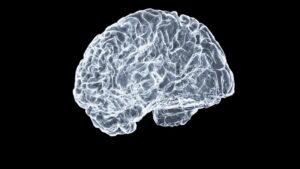
Electrophysiology is a branch of physiology that studies the electrical properties of biological cells and...

Tegretol (Carbamazepine): A Comprehensive Overview Tegretol, the brand name for the generic compound carbamazepine, is...
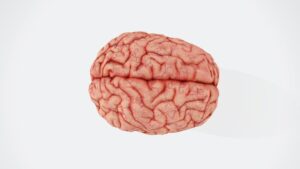
Introduction to Excitotoxicity and Lesion Models Excitotoxicity is a critical concept in neurobiology, defining a...
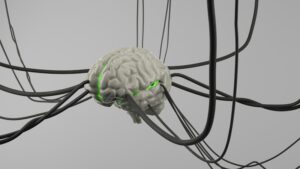
Introduction and Definition of Dialysis Dementia Dialysis dementia, historically referred to as dialysis encephalopathy, constitutes...
Introduction and Conceptual Definition Tic Disorder Not Otherwise Specified (TDNOS) functions as a necessary diagnostic...
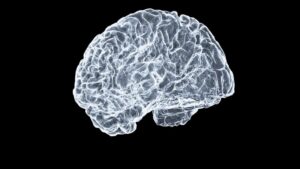
Definition and Conceptual Framework The concept of Organic Brain Syndromes (OBS) historically served as a...
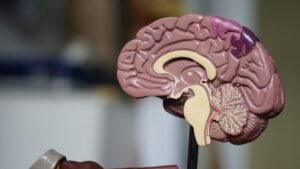
Introduction to Dysdiadochokinesia and Dyseidetic Dyslexia Dysdiadochokinesia (DDK) and dyseidetic dyslexia (DD) represent two distinct...

Abstract Catalepsy is a profound neuropsychiatric symptom characterized by a marked suspension of voluntary motor...