Articles
Evoked Potentials: Decoding Your Brain’s Hidden Signals
Conceptual Foundation of Evoked Potential (EP) The field of neurophysiology identifies Evoked Potential (EP) as...
Conceptual Foundation of Evoked Potential (EP) The field of neurophysiology identifies Evoked Potential (EP) as...

Defining the Optokinetic Effect and Its Fundamental Characteristics The Optokinetic Effect, frequently referred to as...
Nerve Cell Migration: A Comprehensive Review Abstract Nerve cell migration is a critical process in...
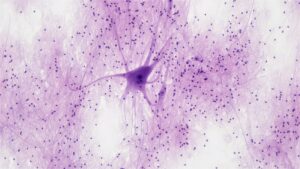
Overview and Pathological Framework of Motor Neuron Disease Motor Neuron Disease (MND) represents a complex...
The Flocculonodular lobe (FNL) is a part of the cerebellum, the part of the brain...
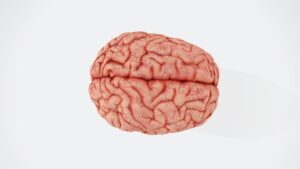
Auditory Amnesia: A Comprehensive Review Auditory amnesia, often formally referenced as auditory memory impairment, represents...

Introduction to Extrapyramidal Dyskinesia (ED) Extrapyramidal Dyskinesia, often abbreviated as ED, represents a complex and...

Introduction and Anatomical Context of the Putamen The Putamen is a crucial subcortical structure within...
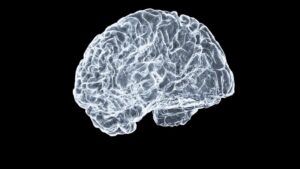
INTERVENTRICULAR FORAMEN The interventricular foramen, classically known as the Foramen of Monro, represents a critical...

Aviator’s Neurasthenia: An Overview and Definition Aviator’s Neurasthenia (AN) represents a distinct psychological and neurological...

Dyssocial Reaction: Neurobiological Considerations A growing body of evidence is beginning to suggest that various...