Articles

Neuroanatomy: The Brain’s Silent Guardian
Anatomical Overview and Structural Significance of the Temporal Bone The temporal bones are a pair...
Anatomical Overview and Structural Significance of the Temporal Bone The temporal bones are a pair...

Salivary Glands: Anatomical Overview and Physiological Function The salivary glands are highly complex and sophisticated...

The Nasal Septum: Anatomy, Structure, and Clinical Implications The nasal septum is a highly important...

Foundations of the Prepuce in Psychological and Physiological Contexts The **prepuce**, more commonly known as...

An Overview of the Urogenital System The urogenital system, often referred to as the genitourinary...

Introduction to the Nasopharynx The nasopharynx represents the most superior portion of the pharynx, situated...

Urethra: Anatomy, Function, and Clinical Significance Abstract The urethra is a tubular structure in the...

Etymological Foundations and Linguistic Significance of the Prefix Endo- The linguistic root of the prefix...
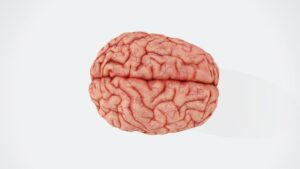
Introduction to the Motor Tract and the Central Nervous System The motor tract represents a...

Introduction to Ipsilateral Concepts The concept of anatomical orientation is fundamental to fields ranging from...

Sectioning is a technique used in medical science to analyze tissue samples and gain a...

Introduction to the Uvula The uvula, derived from the Latin term meaning “little grape,” is...