Articles
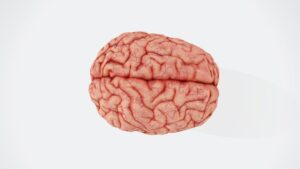
Motor Equivalence: The Brain’s Secret for Fluid Action
Motor Equivalence Introduction to Motor Equivalence Motor equivalence is a fundamental concept in motor control...
Motor Equivalence Introduction to Motor Equivalence Motor equivalence is a fundamental concept in motor control...
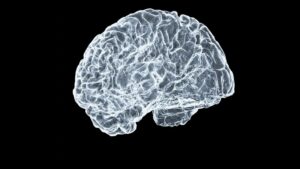
Proprioceptive Stimulus: A Comprehensive Overview The Core Definition of Proprioceptive Stimulus Proprioception, often referred to...

MIRROR DRAWING Introduction to Mirror Drawing Mirror drawing is a distinctive and insightful cognitive task...

Stepping Reflex Introduction: The Core Definition The Stepping Reflex is a fascinating example of the...
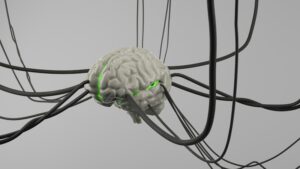
Diadochokinesis Core Definition of Diadochokinesis Diadochokinesis is a specialized motor skill that encompasses the capacity...

Developmental Age (DA) Introduction to Developmental Age (DA) Developmental Age (DA) is a sophisticated measure...

Introduction to Proximodistal Development The concept of proximodistal development describes a fundamental biological principle of...

Understanding the Fundamental Nature of Athetosis Athetosis is a complex neurological movement disorder characterized by...
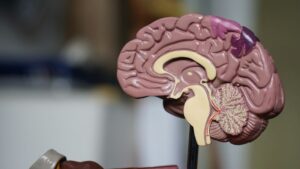
The Foundations and Evolution of Motor Learning Research The field of motor learning represents a...

The Nature and Significance of Directed Movement The concept of directed movement represents a fundamental...

The Fundamental Nature of Footedness in Human and Animal Biology Footedness, defined as the innate...

The Theoretical Framework of Developmental Scales A developmental scale serves as a sophisticated psychometric instrument...