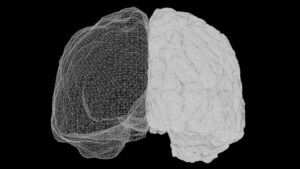
DEGENERATION

Degeneration is the progressive deterioration of an organism’s physical or mental function. It can be caused by a variety of different factors, including aging, disease, injury, or genetic defects. Degenerative diseases, such as Alzheimer’s and Parkinson’s, are characterized by a gradual decline in function as cells within the body become damaged or destroyed. Other forms of degeneration are caused by physical trauma, such as a spinal cord injury, or by long-term exposure to toxins or radiation. Degeneration can also occur due to the natural aging process, as cells become less able to repair themselves over time.

The effects of degeneration can vary depending on the cause and severity of the condition. In the case of degenerative diseases, symptoms can include memory loss, difficulty walking, and tremors. Degeneration caused by physical trauma may cause paralysis, loss of sensation, or difficulty speaking. Degeneration due to aging can lead to decreased strength and balance, as well as a decline in cognitive function.

Research has shown that there are a variety of treatments available for degenerative conditions. Medication can be used to slow the progression of degenerative diseases, while physical therapy can help to improve mobility and strength in those with physical trauma. Cognitive therapy and lifestyle changes can also be beneficial for those experiencing age-related degeneration.

In conclusion, degeneration is a process of progressive deterioration of an organism’s physical or mental function. Degeneration can be caused by a variety of different factors, including aging, disease, injury, or genetic defects. While the effects of degeneration can vary depending on the cause and severity of the condition, there are a variety of treatments available to help slow the progression of the condition or improve the symptoms.

References

Bensimon, G., & Lacomblez, L. (1996). Degenerative diseases of the nervous system. New England Journal of Medicine, 335(24), 1829-1837. https://doi.org/10.1056/NEJM199612053352407

Kolb, B., & Whishaw, I.Q. (2013). Fundamentals of human neuropsychology (7th ed). New York, NY: Worth Publishers.

Reynolds, B., & Friedhoff, A.J. (1986). Cholinergic drugs in the treatment of degenerative diseases. Annual Review of Pharmacology and Toxicology, 26(1), 1-19. https://doi.org/10.1146/annurev.pa.26.100186.000245

Tilley, B.C., & Kydd, R. (2017). Physical therapy management of patients with spinal cord injury. Physical Therapy, 97(7), 814-820. https://doi.org/10.1093/ptj/pzx057

DEITERS CELLS

I. Introduction and Definition of Deiters Cells

Deiters cells, also known as outer phalangeal cells, represent a crucial component of the inner ear architecture, specifically within the complex sensory epithelium known as the Organ of Corti. These specialized glial-like support cells are named after Otto Deiters, the German anatomist who first described them in detail in the mid-19th century. Positioned within the outer compartment of the Organ of Corti, their primary role is intrinsically linked to the function and structural integrity of the outer hair cells (OHCs), which are the biological motors responsible for cochlear amplification. Understanding the anatomy and physiology of Deiters cells is paramount to comprehending the mechanics of high-fidelity hearing transduction, as they provide the necessary scaffolding and metabolic environment for the highly sensitive OHCs.

The structural arrangement of Deiters cells is highly organized and proprietary, forming vertical rows that correspond directly to the rows of outer hair cells they support. Each Deiters cell cradles the base of a single outer hair cell, providing mechanical stability against the intense fluid dynamics and vibrations generated during sound processing. This critical physical relationship underscores the fundamental role of Deiters cells not merely as passive supports, but as active participants in maintaining the precise geometry required for the cochlear amplifier to function optimally. Furthermore, their unique cellular morphology, characterized by the extension of a slender process called the phalangeal process, ensures robust connectivity between the basal membrane and the rigid structure known as the reticular lamina.

The identification of Deiters cells as specialized supporting elements distinguishes them from other glial cells found elsewhere in the nervous system. While they share characteristics of both epithelial and glial cells, their function is specifically adapted to the unique, high-energy environment of the cochlea. Their supportive capabilities extend beyond simple physical bolstering; they are also implicated in ionic homeostasis, particularly potassium recycling, which is vital for the sustained firing and motility of the outer hair cells. Therefore, any functional compromise or pathological damage affecting Deiters cells can rapidly lead to structural collapse of the Organ of Corti and severe deficits in hearing acuity, highlighting their indispensable nature in auditory perception.

II. Anatomical Location and Context (Organ of Corti)

Deiters cells are exclusively located within the cochlear duct, residing in the outer portion of the Organ of Corti, which is the principal auditory sensory organ situated atop the basilar membrane. They are organized into three distinct rows (or sometimes four, depending on the species and cochlear location), mirroring the arrangement of the outer hair cells. This precise topographical mapping is critical, as each cell serves as a foundation for one specific outer hair cell, ensuring a stable environment for the mechanoelectrical transduction processes. The cell bodies of Deiters cells rest directly upon the basilar membrane, establishing a firm anchor point for the entire outer sensory complex.

The structural relationship within the Organ of Corti is highly complex, involving numerous cell types interacting within a confined space. Deiters cells are bordered medially by the Pillar cells (inner and outer), which form the central tunnel of Corti, and laterally by the Hensen cells and Claudius cells. The positioning of Deiters cells is crucial because they bridge the gap between the flexible basilar membrane below and the stiff, protective reticular lamina above. This bridging action is achieved through the aforementioned phalangeal process, which extends apically, effectively creating a rigid grid that holds the apical surfaces of the outer hair cells in place, shielding them from excessive shear forces while allowing necessary movement.

The apical surface of the Organ of Corti, formed largely by the junctional complexes between Deiters cell phalanges and the outer hair cells, constitutes the reticular lamina. This lamina acts as a permeability barrier, separating the potassium-rich endolymph found in the scala media from the perilymph and intercellular fluid below. The integrity of this barrier is fundamentally dependent on the healthy functioning and precise structural arrangement of Deiters cells. Disruptions to the tight junctions between the Deiters cell processes can compromise the ionic balance necessary for hair cell function, leading to immediate auditory dysfunction and potentially permanent damage to the sensory epithelium.

III. Structural Morphology and Cellular Features

The morphology of a Deiters cell is highly specialized, reflecting its mechanical and metabolic roles. The cell can be conceptually divided into three main parts: the basal body, the cup-like cradle, and the elongated phalangeal process. The basal body is anchored to the basilar membrane and contains the nucleus and most of the cellular organelles, including abundant mitochondria, which suggests a high metabolic demand necessary for supporting the associated outer hair cell. The presence of numerous cytoskeletal elements, particularly microtubules and intermediate filaments, provides the rigidity required for structural support.

Extending upward from the basal body is a unique, cup-shaped invagination known as the Deiters cup or cradle. This structure securely holds the spherical base of the outer hair cell. This intimate physical association is maintained by specialized adhesion molecules, ensuring that the outer hair cell remains stably positioned despite the intense mechanical strain generated during sound vibration. The stability provided by the cup is vital, as the base of the OHC is where synaptic transmission occurs, and stability is paramount for accurate signal relay. The precise fit of the OHC base within the cup ensures that mechanical forces are efficiently transduced upward.

The most distinctive morphological feature is the phalangeal process, a thin, rigid extension that projects apically from the Deiters cup, passing along the lateral surface of the outer hair cell. This process culminates in a flattened expansion, the phalanx, which interdigitates with the phalanges of adjacent Deiters cells and the apical surfaces of the outer hair cells to form the reticular lamina. The sheer length and rigidity of this process, reinforced by dense cytoskeletal components, allow it to transmit forces effectively and maintain the tight barrier function of the reticular lamina. These structural characteristics demonstrate an evolutionary adaptation tailored specifically to the biomechanical requirements of the mammalian cochlea, allowing for high-frequency, high-sensitivity hearing.

IV. Relationship with Outer Hair Cells (OHCs)

The functional fate of Deiters cells is inextricably linked to the health and activity of the Outer Hair Cells (OHCs). This relationship is fundamentally symbiotic: Deiters cells provide essential structural support and metabolic maintenance, while the OHCs deliver the mechanical energy necessary for sensitive hearing. Each outer hair cell is entirely surrounded by a Deiters cell cradle at its base, highlighting the necessity of this close partnership. This physical intimacy ensures that forces transmitted through the basilar membrane are efficiently relayed to the OHCs, enabling their characteristic electromotility—the rapid change in cell length crucial for cochlear amplification.

A critical aspect of this interaction involves the management of potassium ions (K+). OHCs rely on a constant flux of K+ for their depolarization and repolarization cycles, consuming vast amounts of energy. Deiters cells are believed to play a significant role in the recycling pathway of K+ extruded from the OHCs. This recycling involves specific ion channels and transporters located on the Deiters cell membranes, which take up K+ from the narrow intercellular spaces surrounding the OHC base and potentially shuttle it back toward the stria vascularis, ensuring that the high concentration gradient necessary for OHC function is maintained. Failure in this recycling mechanism would rapidly deplete the electrochemical gradients and lead to auditory fatigue, severely limiting the duration of loud sound perception.

Furthermore, Deiters cells may also mediate trophic support and waste removal for the OHCs. The metabolic demands of OHCs, particularly during intense sound stimulation, are enormous due to their active electromotility. While the exact mechanisms are still under investigation, it is hypothesized that Deiters cells contribute essential metabolites or buffering capacity to protect the highly vulnerable OHCs from oxidative stress or toxic accumulation. Given that OHCs are particularly susceptible to damage from noise exposure and ototoxic drugs, the protective and nutritive role played by the surrounding Deiters cells is crucial for long-term auditory function and survival, acting as the first line of defense against physiological insult.

V. Functions: Mechanical Support and Cochlear Amplification

The primary and perhaps most recognized function of Deiters cells is providing mechanical stabilization to the outer sensory complex. By anchoring the OHCs firmly to the basilar membrane via their basal bodies and securing their apical ends through the reticular lamina, Deiters cells ensure that the OHCs vibrate coherently and precisely in response to traveling waves on the basilar membrane. This rigid scaffolding prevents lateral movement and misalignment of the OHC bundles, which would otherwise disrupt the delicate process of mechanoelectrical transduction and compromise hearing sensitivity. Without this precise mechanical support, the delicate stereocilia bundles would be incapable of functioning correctly.

Beyond passive support, Deiters cells are integral to the process of cochlear amplification. Cochlear amplification is the biological mechanism, driven by OHC electromotility, that vastly increases the sensitivity and frequency selectivity of the inner ear, allowing us to hear soft sounds below the thermal noise floor. When OHCs contract and expand rapidly in response to stimulation, they generate significant mechanical forces. Deiters cells must absorb and effectively transmit these forces to the surrounding structures, ensuring that the energy generated by the OHC motors is efficiently transferred back into the cochlear partition, thereby enhancing the vibration of the basilar membrane itself in a positive feedback loop.

The precise alignment maintained by the Deiters cells also ensures the integrity of the critical shear motion between the reticular lamina and the overlying tectorial membrane. The stereocilia bundles of the OHCs must be bent accurately relative to the tectorial membrane to open the transduction channels. Since the phalangeal processes of the Deiters cells form the reticular lamina, their structural health directly dictates the spatial relationship between the sensory elements and the tectorial membrane. Any structural fatigue or collapse of the Deiters cells, such as that caused by high-intensity noise exposure, leads to the immediate disruption of this shear mechanism, resulting in a severe, irreversible loss of cochlear amplification and thus, sensorineural hearing loss.

VI. Molecular Biology and Cellular Signaling

The specialized functions of Deiters cells are underpinned by a unique molecular profile, involving specific proteins, ion channels, and signaling pathways. Research suggests that Deiters cells express various cytoskeletal proteins at high levels, such as actin, myosin, and intermediate filaments, which contribute to the remarkable rigidity and resilience of the phalangeal processes against mechanical stress. Furthermore, the cell-to-cell junctions, essential for forming the tight reticular lamina barrier, involve specialized junctional proteins like claudins and occludins, ensuring minimal permeability between the endolymphatic space and the subreticular space, thereby maintaining the critical electrical gradient.

A major focus of molecular investigation is the role of Deiters cells in potassium homeostasis. They express specific potassium channels and transporters, notably those involved in potassium uptake, which facilitate the recycling loop crucial for OHC function. For instance, the expression of certain gap junction proteins (e.g., connexins) allows for the intercellular transfer of ions and small molecules, enabling Deiters cells to participate in the lateral signaling network of the Organ of Corti and efficiently shunt potassium ions away from the OHC bases. This molecular machinery underscores their active metabolic role, demanding high ATP turnover, rather than a purely passive supportive function.

Cellular signaling within Deiters cells also involves responses to neurotransmitters and growth factors, indicating they are not merely static structural elements. While OHCs are richly innervated by both afferent and efferent fibers, Deiters cells themselves are likely responsive to factors released locally within the cochlea, such as ATP or various cytokines. This suggests that their metabolic and supportive activity might be dynamically regulated in response to auditory stimulation levels, inflammation, or physiological stress. Understanding these signaling cascades is crucial for developing therapeutic interventions aimed at protecting or regenerating the supporting cells, particularly following acoustic trauma or exposure to ototoxic agents, thereby preserving the structural integrity of the sensory epithelium.

VII. Clinical Significance and Pathology (Hearing Loss)

The integrity of Deiters cells is profoundly important in maintaining normal hearing thresholds, and their pathology is often implicated in various forms of hearing impairment. Since Deiters cells provide the essential foundation for the highly vulnerable OHCs, their damage or dysfunction often precedes or accompanies OHC death, leading directly to sensory hearing loss. Factors that compromise Deiters cells include intense noise exposure, certain ototoxic medications (e.g., aminoglycoside antibiotics and cisplatin), and age-related degeneration (presbycusis), all of which target the high metabolic activity and delicate mechanical structure of the outer cochlear compartment.

Noise exposure, particularly acute acoustic trauma, can cause immediate mechanical damage to the Organ of Corti, overwhelming the structural capacity of the Deiters cell scaffolding. This trauma often results in the detachment or structural collapse of the Deiters cell phalangeal processes, leading to the rapid disruption of the reticular lamina. Once this rigid barrier is compromised, the delicate ionic balance around the OHCs is lost, and the OHCs themselves quickly degenerate due to excitotoxicity or osmotic stress, resulting in permanent high-frequency hearing loss due to the irreversible loss of cochlear amplification. The failure of the Deiters scaffolding prevents any potential functional recovery of the OHCs even if they were only temporarily stunned.

Furthermore, in regenerative medicine research focused on auditory restoration, Deiters cells represent a potential therapeutic target. Unlike mammalian hair cells, supporting cells like Deiters cells possess limited regenerative potential in the mature cochlea, but they are crucial for providing the template necessary for any new hair cells to integrate functionally. Researchers are exploring methods to stimulate the proliferation or transdifferentiation of Deiters cells or other supporting cells to replace damaged OHCs. Maintaining the viability and structural organization of the Deiters cell lattice is therefore a prerequisite for successful biological hair cell replacement strategies in treating sensorineural hearing loss, as a new hair cell cannot survive or function without the underlying specialized support.

VIII. Developmental Origins and Maturation

Deiters cells originate from the same pool of prosensory epithelial progenitor cells that give rise to all other cell types within the Organ of Corti, including hair cells and other supporting cells (Pillar cells, Hensen cells). During cochlear development, precise molecular signals dictate the fate specification of these progenitors, leading to the differentiation of hair cells in specific spatial patterns, followed closely by the surrounding supporting cells. This strict developmental timing ensures that the architectural scaffolding is properly established around the developing sensory elements before the onset of auditory function, a process critical for establishing the mature biomechanical properties of the cochlea.

The morphological maturation of Deiters cells, particularly the elongation and stiffening of the phalangeal processes, occurs late in fetal or early postnatal life, coinciding with the onset of functional hearing. This maturation involves the massive synthesis and organization of cytoskeletal elements necessary to withstand the intense mechanical forces that will be imposed by sound stimulation. The development of tight junctions between the Deiters cell phalanges is also a critical late-stage event, establishing the functional permeability barrier of the reticular lamina, a prerequisite for maintaining the high potential difference between the endolymph and the hair cell base.

Understanding the developmental processes that govern Deiters cell differentiation and maturation offers potential insights into congenital hearing disorders and regenerative strategies. Disruptions in the signaling pathways responsible for supporting cell fate determination, such as those involving Notch signaling, can lead to abnormal development of the Organ of Corti structure, resulting in congenital deafness characterized by misaligned or absent sensory cells. By identifying the key transcription factors and signaling molecules that promote Deiters cell survival and differentiation, researchers aim to harness these pathways to maintain cochlear integrity and potentially restore structure after injury, effectively rebuilding the sensory foundation.

DEFENSIVE CONDITIONING

Introduction to Defensive Conditioning

Defensive conditioning is a specialized form of behavior modification rooted deeply in the principles of classical (Pavlovian) conditioning. It is defined as a learning process through which an organism develops an adaptive, defensive response to a previously neutral environmental stimulus following repeated pairings with an aversive or threatening unconditioned stimulus. This process is fundamental to survival, enabling organisms—from simple invertebrates to complex mammals—to anticipate harm and initiate protective behaviors quickly and instinctively. The primary objective of defensive conditioning is the establishment of a robust and immediate association between a conditioned stimulus (CS) and an appropriate defensive unconditioned response (UCR), which subsequently becomes the conditioned response (CR).

The core mechanism involves transforming a benign signal, such as a specific tone, a light, or a visual cue, into a predictor of danger. When this predictive relationship is established, the organism begins to exhibit defensive behaviors—ranging from physiological changes like increased heart rate and respiration, to overt actions like freezing or flight—upon the presentation of the CS alone. This anticipatory defensive action maximizes the chances of mitigating or avoiding the impending threat entirely. The efficiency of defensive conditioning is highly dependent on the salience of the stimuli used and the temporal contiguity between the conditioned and unconditioned stimuli, emphasizing the evolutionary importance of rapid threat detection and response learning for species survival across diverse ecological niches.

While often discussed synonymously with fear conditioning, defensive conditioning emphasizes the broader spectrum of behavioral and physiological responses aimed at self-protection, not strictly fear alone. These responses are typically involuntary and highly conserved across species, underscoring their primal function. Research, such as that involving rodent models, consistently demonstrates that exposure to an aversive event—for instance, a mild electric shock (the unconditioned stimulus, US)—paired with a neutral auditory tone (the CS) rapidly leads to the development of a conditioned defensive response, such as freezing or an increased startle reflex, when the tone is heard again. This rapid acquisition highlights the specialized neural architecture dedicated to processing and learning about threat, ensuring that the organism prioritizes survival learning over other forms of associative learning.

Historical Context and Theoretical Foundations

The theoretical framework for defensive conditioning is intrinsically linked to the pioneering work of Ivan Pavlov on classical conditioning at the turn of the 20th century. Pavlov demonstrated that animals could learn to associate a neutral stimulus with an biologically significant one, leading to predictive physiological responses. While Pavlov’s initial work focused heavily on appetitive responses, the application of these principles to aversive stimuli soon followed, laying the groundwork for understanding defensive learning. Early 20th-century psychologists recognized the critical role of these associative principles in explaining how phobias and anxiety disorders might develop through environmental experiences.

A pivotal shift occurred with the research focusing specifically on the adaptive, survival-oriented nature of conditioning. Unlike standard classical conditioning models, defensive conditioning demands a high degree of preparedness, meaning that some associations are learned much faster than others if they hold evolutionary significance. This concept, later formalized by researchers like Martin Seligman as the preparedness hypothesis, suggests that humans and animals are biologically predisposed to rapidly form associations between threatening stimuli (like snakes, spiders, or loud noises) and defensive reactions. This innate bias ensures that learning about danger is prioritized, often requiring fewer trials for acquisition compared to learning about neutral or appetitive associations.

Furthermore, the theoretical understanding of defensive conditioning evolved significantly with the introduction of two-factor theories, particularly those championed by O.H. Mowrer. Mowrer’s theory proposed that defensive behaviors involve two distinct learning processes: first, classical conditioning establishes the fear response (Conditioned Emotional Response, CER) to the CS; and second, operant conditioning (instrumental learning) reinforces the behavior (e.g., avoidance or escape) that successfully reduces or terminates the aversive state. While modern neurobiological models offer a more integrated view, the two-factor theory remains influential for explaining the persistence of avoidance behaviors, which are often the overt manifestation of defensive conditioning in naturalistic settings and clinical disorders. The effectiveness of defensive conditioning, therefore, relies on both the innate ability to form threat associations and the learned ability to execute successful defensive actions.

Mechanisms of Acquisition

The acquisition phase of defensive conditioning is characterized by the systematic pairing of the conditioned stimulus (CS) and the unconditioned stimulus (US), leading to the gradual increase in the magnitude and reliability of the conditioned defensive response (CR). The efficiency of this learning process is governed by several critical parameters, primarily focusing on the temporal relationship between the stimuli, known as the CS-US contingency. Optimal conditioning typically occurs when the CS slightly precedes the US, a setup known as delay conditioning or trace conditioning, which maximizes the predictive value of the CS. If the US occurs before the CS, or if the interval is too long, the associative strength is significantly diminished.

Detailed mechanisms of acquisition involve complex processes occurring at the cellular and molecular level within relevant brain structures. Initially, the neutral CS elicits minimal response, while the US, being biologically potent (e.g., painful, noxious, or startling), naturally triggers the unconditioned defensive response. Through repeated, temporally predictable pairings, sensory information regarding the CS and the US converges onto specific neural populations, most notably within the amygdala. This convergence allows for synaptic modification, strengthening the connection between the neural representation of the CS and the efferent pathways responsible for generating the defensive output.

The acquisition process is not merely passive exposure but involves active processing and modulation. For instance, processes such as potentiation and sensitization can enhance the defensive response. Potentiation refers to the strengthening of synaptic connections, often through mechanisms like Long-Term Potentiation (LTP), which provides the lasting molecular basis for the learned association. Sensitization involves a general increase in responsiveness to threatening or startling stimuli following exposure to a highly aversive event, leading to a generalized state of hyper-vigilance. Effective defensive conditioning relies on both specific associative learning (potentiation) and generalized emotional arousal (sensitization), ensuring that the organism is primed both to recognize specific threats and to react strongly to unexpected dangers.

Neurobiological Basis of Defensive Conditioning

Understanding the neurobiological substrates of defensive conditioning has been one of the most fruitful areas of research in behavioral neuroscience, largely thanks to the work of researchers like Joseph LeDoux. The consensus holds that the primary neural circuitry responsible for the acquisition, storage, and expression of conditioned defensive responses centers around the limbic system, particularly the amygdala. The amygdala acts as the central hub for emotional learning, determining the motivational significance of incoming sensory information.

The process begins with sensory inputs (auditory, visual, tactile) entering the brain and being routed along two parallel pathways to the amygdala. The “low road” is a fast, rough-and-ready pathway that travels directly from the sensory thalamus to the lateral nucleus (LA) of the amygdala, allowing for immediate, rapid appraisal of threat—crucial for quick defensive action. The “high road” is slower but provides detailed, processed information via the sensory cortex before reaching the LA. Both pathways converge, allowing the LA to receive comprehensive information about the CS and the US simultaneously. The LA is where the associative learning (the pairing of CS and US) is believed to physically occur, establishing the memory trace.

Once the association is formed in the LA, the information is relayed to the central nucleus (CE) of the amygdala. The CE is the main output structure, projecting to various brainstem and hypothalamic nuclei that control the distinct components of the defensive response. For example, projections from the CE to the periaqueductal gray (PAG) mediate behavioral freezing, while projections to the lateral hypothalamus mediate sympathetic nervous system arousal, such as increases in heart rate and blood pressure—the exact physiological changes noted in the foundational studies of defensive conditioning. This highly efficient circuit ensures that the conditioned stimulus, once learned, automatically triggers the necessary defensive physiological and behavioral outputs without the need for conscious cognitive mediation, underscoring the instinctive nature of the conditioned defense.

Studies in Animal Models

Research utilizing animal models, predominantly rodents (rats and mice), has provided the cornerstone for our current understanding of defensive conditioning. These models allow for precise manipulation of neural circuits and controlled environmental exposure, offering unparalleled insights into the mechanisms of threat learning. The standard protocol for animal defensive conditioning typically involves auditory fear conditioning, where an innocuous tone (CS) is paired with a mild footshock (US). This paradigm reliably produces robust conditioned responses, primarily freezing behavior.

The body of work by LeDoux’s lab, often cited as foundational, established that mice exposed to an electric shock paired with a sound developed an immediate and significantly increased startle response—a reliable measure of defensive readiness—upon subsequent exposure to the sound alone. This increase in the startle reflex, often measured alongside physiological indicators like increased heart rate, confirms that the animal has successfully associated the previously neutral sound with imminent danger. This is consistent with the general finding that defensive conditioning can be effective in modifying behavior, as suggested by research such as that conducted by LeDoux and Gorman (2001), whose broader work detailed the neural basis for these changes. The persistence of this conditioned response across time emphasizes the strength and stability of defensive memories.

Further studies in animal models have elucidated complex phenomena related to defensive conditioning, such as extinction and spontaneous recovery. Extinction occurs when the CS is presented repeatedly without the US, leading to a gradual reduction in the CR. However, extinction is not the erasure of the original memory; rather, it is the formation of a new inhibitory memory that suppresses the defensive response. Spontaneous recovery, the reappearance of the defensive response after a period following successful extinction, vividly illustrates that the initial associative memory remains intact, highlighting the robust and survival-critical nature of defensive learning. These animal studies are crucial because they provide the translational framework necessary for developing pharmacological and behavioral interventions targeting human anxiety disorders rooted in maladaptive defensive conditioning.

Defensive Conditioning in Human Subjects

While ethical considerations preclude the use of severe aversive stimuli in human studies, defensive conditioning paradigms have been successfully adapted using stimuli such as loud, unpleasant noises or mild electrical stimulation to the wrist. These studies confirm that the fundamental principles of associative threat learning observed in animals are highly conserved in humans, playing a significant role in emotional regulation and the development of psychopathology. Human research often utilizes measures such as the skin conductance response (SCR), the startle eyeblink reflex, and functional magnetic resonance imaging (fMRI) to assess both physiological and neural manifestations of conditioned defense.

The study by Cole et al. (2018), provides a clear example of human defensive conditioning. In this research, participants who were exposed to a loud, aversive sound (US) when a picture of an unfamiliar face (CS) appeared on a computer screen subsequently exhibited a measurable increase in their startle response—a reflexive defensive behavior—when they were shown the same picture again, even without the presence of the loud sound. This finding confirms that defensive conditioning can also be effective in humans and is particularly important as it suggests that defensive conditioning can generalize rapidly to complex social or visual cues, demonstrating the potential mechanism by which individuals might develop disproportionate defensive reactions to specific persons or environmental contexts following a traumatic event.

Moreover, human studies have highlighted the interaction between cognitive processes and defensive conditioning. Unlike animal models, humans possess sophisticated cognitive control mechanisms, largely mediated by the prefrontal cortex (PFC). The PFC can modulate or even override the output of the amygdala. For instance, instructing participants that a threat is no longer present can partially reduce the conditioned defensive response, demonstrating the influence of cognitive appraisal. However, even with cognitive awareness, the underlying conditioned physiological response (like the SCR or heart rate increase) often persists, reinforcing the view that defensive conditioning operates largely outside of conscious control and is highly resistant to purely cognitive suppression, particularly in situations of high stress or arousal.

Applications and Clinical Implications

The principles of defensive conditioning are profoundly relevant to clinical psychology and psychiatry, providing explanatory models for a wide range of anxiety and trauma-related disorders. Maladaptive or overgeneralized defensive conditioning is considered a cornerstone mechanism in the etiology and maintenance of conditions such as Post-Traumatic Stress Disorder (PTSD), specific phobias, generalized anxiety disorder, and panic disorder. In these disorders, neutral stimuli associated with a past traumatic event or perceived threat become pathologically effective conditioned stimuli, triggering intense defensive reactions in safe contexts.

In PTSD, for example, a veteran exposed to combat trauma (US) might associate the sound of a backfiring car (CS) with the immediate danger experienced during the trauma. This association leads to a conditioned defensive response—such as hyper-vigilance, panic, or explosive anger—whenever the sound is heard, regardless of the current environment’s safety. The clinical implication here is that treatment must focus on disrupting or updating this maladaptive threat association, rather than simply addressing the symptoms themselves.

The primary therapeutic approaches leveraging the understanding of defensive conditioning rely on extinction principles. Exposure therapy, the gold standard treatment for many anxiety disorders, directly applies the concept of extinction. During exposure therapy, the patient is repeatedly and systematically exposed to the conditioned stimulus (e.g., the phobic object or trauma cue) in a safe environment without the presence of the unconditioned stimulus or the anticipated negative outcome. This process aims to create a new, inhibitory memory trace that reduces the strength of the original defensive association. Success in exposure therapy is dependent upon the context and the patient’s ability to tolerate the initial emotional distress, illustrating the direct clinical translation of basic learning mechanisms identified through defensive conditioning research.

Distinction from Related Concepts

While defensive conditioning is a specific form of associative learning, it is crucial to distinguish it from related behavioral concepts, particularly avoidance conditioning and sensitization, to ensure precise scientific description and clinical application. Although these concepts often overlap in real-world scenarios, they differ fundamentally in their underlying learning mechanisms and the nature of the resulting behavior.

Avoidance conditioning, often referred to as active avoidance, involves instrumental (operant) learning where an organism performs a specific behavior to prevent the onset of an aversive US. In defensive conditioning (classical or Pavlovian fear conditioning), the organism learns to anticipate the threat (CS predicts US), resulting in involuntary physiological and behavioral defensive responses like freezing or increased heart rate. In contrast, avoidance conditioning requires a voluntary, goal-directed action (e.g., pressing a lever, running to a different compartment) that is reinforced by the absence of the US. The link between the two lies in Mowrer’s two-factor theory: defensive conditioning establishes the fear (the motivational drive), and avoidance conditioning establishes the behavior that reduces that fear.

Sensitization, conversely, is a non-associative form of learning. It involves an increase in the magnitude of a response to a wide variety of stimuli following exposure to a single, intense stimulus, without requiring any pairing of CS and US. A highly traumatic event might lead to a generalized state of hyper-arousal and increased sensitivity to all sudden noises, irrespective of whether those noises were present during the original trauma. Defensive conditioning, by definition, is associative; the response is specific to the conditioned stimulus. While sensitization can enhance the acquisition of defensive conditioning, it lacks the specific predictive power characteristic of associative learning. Recognizing these distinctions is essential for designing targeted therapeutic interventions, as treatments for general sensitization may differ significantly from those required to extinguish a specific conditioned defensive response.

Ethical Considerations and Future Directions

The study of defensive conditioning, particularly in human subjects, presents unique ethical considerations. Researchers must carefully balance the scientific need to understand threat learning—which necessitates inducing temporary fear or discomfort—with the paramount ethical obligation to protect participants from harm. Standard protocols require the use of mild, transient aversive stimuli and extensive debriefing procedures to ensure that conditioned responses are not inadvertently sustained outside the laboratory setting. Furthermore, research involving vulnerable populations, such as individuals with pre-existing anxiety or trauma, requires heightened scrutiny to prevent exacerbation of their clinical symptoms.

Future research in defensive conditioning is moving toward highly integrated, multi-disciplinary approaches. One critical direction involves leveraging advanced neuroimaging techniques (e.g., high-resolution fMRI and EEG) to identify individual differences in the efficiency and stability of threat memory formation and extinction. This work aims to identify biomarkers that predict which individuals are most susceptible to developing maladaptive defensive conditioning following trauma, paving the way for targeted preventative interventions.

Another crucial area involves investigating the role of genetics and epigenetics. Researchers are exploring how genetic polymorphisms related to neurotransmitter systems (such as dopamine and serotonin) influence the speed of acquisition and the persistence of defensive memory. Understanding the interplay between genetic predisposition and environmental experience (the conditioning process itself) will be vital for personalizing treatment. Finally, there is ongoing work focused on developing novel pharmacological agents that can specifically enhance the process of memory extinction or inhibit reconsolidation—the process by which stable defensive memories become temporarily labile upon retrieval—offering potentially powerful avenues for treating chronic anxiety and fear-based disorders rooted in entrenched defensive conditioning. Further research is needed, however, to better understand the long-term effects of defensive conditioning in applied settings.

References

The following references provide foundational and contemporary perspectives on the mechanisms and clinical relevance of defensive conditioning:

  • Cole, A. M., Bissonette, G. B., & LeDoux, J. E. (2018). Defensive conditioning of humans to unfamiliar faces. Learning & Memory, 25(5), 289–296. https://doi.org/10.1101/lm.047760.117

  • LeDoux, J. E., & Gorman, J. M. (2001). A call to action: Overcoming anxiety through active coping. American Psychologist, 56(6), 848–853. https://doi.org/10.1037/0003-066X.56.6.848

  • Mowrer, O. H. (1947). On the dual nature of learning: A re-interpretation of “conditioning” and “problem solving.” Harvard Educational Review, 17, 102–148.

  • Pavlov, I. P. (1927). Conditioned Reflexes: An Investigation of the Physiological Activity of the Cerebral Cortex. Oxford University Press.

  • Seligman, M. E. P. (1971). Phobias and preparedness. Behavior Therapy, 2(3), 307–320.

DECLARATIVE

Introduction to Declarative Programming

The field of software engineering continually seeks methodologies that enhance developer productivity, improve system maintainability, and reduce cognitive load. Among the various approaches that have gained prominence in recent decades, declarative programming stands out as a fundamental shift in how developers conceptualize and construct software solutions. Unlike traditional programming models that focus on prescribing sequential steps, the declarative paradigm emphasizes defining the desired outcome or result, leaving the underlying execution engine or compiler responsible for determining the optimal path to achieve that state. This abstraction layer is crucial, as it allows engineers to concentrate on the logical specification of the problem domain rather than the intricate mechanics of computation. The rise of complex systems, particularly those involving data manipulation, user interfaces, and domain-specific languages, has underscored the value of this approach, making declarative techniques increasingly central to modern software design practices across various industries.

The initial adoption of declarative styles was often confined to highly specialized domains, such as database querying or formal logic systems. However, its utility has broadened significantly, permeating areas like web development, concurrent computing, and configuration management. This paradigm shift reflects a maturity in computer science, where the focus moves from low-level operational control to high-level goal specification. By framing problems in terms of immutable facts, relations, or desired configurations, developers can achieve a higher degree of code clarity and robustness. Furthermore, the inherent structure of declarative code often lends itself well to automatic optimization and parallelization, capabilities that are increasingly vital in modern multi-core and distributed computing environments.

Understanding declarative programming requires recognizing its philosophical distinction from procedural and object-oriented paradigms. While the latter focus heavily on state changes, method calls, and explicit control flow, the former aims to describe the static properties and relationships within a system. This abstraction leads directly to the primary advantages cited by proponents: reduced complexity, enhanced readability, and improved ability to reason about the system’s behavior. This comprehensive entry will explore the defining characteristics, advantages, disadvantages, and practical applications of the declarative programming paradigm, solidifying its place as a cornerstone of contemporary computing theory and practice.

Defining the Declarative Paradigm

At its core, declarative programming is a programming paradigm where the programmer defines the logic of a computation without describing its control flow. The fundamental distinction rests upon the separation of “what” needs to be accomplished from “how” it should be accomplished. A declarative program is essentially a set of expressions, constraints, or declarations that describe the target state or the desired relationship between data elements. For instance, when using a declarative language, a programmer might state, “I want the list of all employees whose salary is above $100,000,” rather than specifying the iterative steps required to loop through a database table, check each salary, and append qualifying records to a result set. This high-level specification is then interpreted by a specialized runtime environment or compiler, which determines the most efficient operational sequence necessary to satisfy the declared goal.

The success of the declarative model relies heavily on the underlying engine’s ability to interpret and execute the declarations efficiently. This underlying mechanism often involves sophisticated algorithms for constraint solving, query planning, or dependency resolution. Languages such as those rooted in functional programming (e.g., Haskell, certain aspects of Lisp) or logic programming (e.g., Prolog) exemplify this paradigm by minimizing or eliminating side effects and emphasizing functions as mathematical entities. In these contexts, the focus remains strictly on defining mappings and relationships, promoting referential transparency where an expression can be replaced by its value without changing the program’s behavior, which greatly aids formal verification and testing processes.

A key characteristic of declarative systems is their reliance on domain-specific languages (DSLs) or highly restricted syntaxes tailored for specific tasks. For example, SQL (Structured Query Language) is perhaps the most widely recognized declarative language. It allows users to declare the exact data set they wish to retrieve or manipulate without instructing the database management system (DBMS) on indexing strategies, memory allocation, or the specific join algorithms to be utilized. Similarly, markup languages like HTML (HyperText Markup Language) are inherently declarative; they describe the structure and presentation of web content—the desired layout—but do not dictate the operational steps the browser must take to render that content, such as pixel calculations or DOM manipulation. This consistency in defining the desired state across different types of systems underscores the paradigm’s versatility.

The Contrast with Imperative Programming

To fully appreciate the declarative approach, it is essential to contrast it sharply with its counterpart, imperative programming. Imperative programming is the traditional model, exemplified by languages like C, Java, and Python (when used in a procedural manner). In the imperative world, the programmer must explicitly define every single step, or command, that the computer must execute to transition from an initial state to the final desired state. This involves managing variables, using control structures like loops and conditionals, and meticulously defining the sequence of operations. This method provides the programmer with granular control over system resources and performance, but it simultaneously increases the burden of detail management and error potential.

Consider a simple task: sorting a list of numbers. An imperative solution requires the programmer to specify how to sort, perhaps by implementing a bubble sort, merge sort, or quick sort algorithm, defining the initialization, comparison, swapping logic, and termination conditions. Conversely, a declarative solution simply states: “The result is the sorted version of the input list.” The declarative runtime handles the selection and execution of the most appropriate sorting algorithm, abstracting away the low-level mechanics entirely. This difference highlights the fundamental divergence: imperative code is concerned with the process, while declarative code is concerned with the result.

This divergence has profound implications for code maintenance and readability. Imperative code, focusing on mutation and sequential steps, often requires tracing the program state through dozens or hundreds of lines to understand its current behavior, leading to complex debugging cycles. Declarative code, by minimizing explicit state management and focusing on the relationship between inputs and outputs, tends to be inherently more concise and easier to interpret by human readers. While imperative languages offer unparalleled control, they necessitate greater cognitive effort for both writing and maintaining large-scale systems, making the shift toward declarative techniques highly appealing for managing complexity in modern software development projects.

Core Principles and Abstraction

The effectiveness of declarative programming is rooted in several core principles that promote higher levels of abstraction and reduced complexity. One primary principle is the emphasis on immutability, particularly prevalent in functional declarative languages. By ensuring that data structures cannot be changed after creation, developers eliminate entire classes of bugs related to unexpected side effects, which are notoriously difficult to track down in large, stateful imperative systems. This principle simplifies parallel execution, as independent computations are guaranteed not to interfere with each other’s data, allowing the runtime to safely distribute tasks across multiple processors.

Another defining characteristic is the reliance on domain-specific abstractions. Declarative languages are often designed to closely mirror the terminology and concepts of the problem domain they address. For instance, in database management, the language deals directly with tables, columns, and joins (SQL). In user interface design, it deals with components, properties, and layouts (HTML, XAML). This tight alignment between the language and the domain reduces the cognitive translation required by the developer, making the code highly expressive and self-documenting within that specific context. The clarity derived from this domain alignment allows developers to express their intent much more precisely and concisely than they could using general-purpose imperative instructions.

Furthermore, declarative systems leverage the concept of automatic optimization. Because the programmer only defines the goal, the execution engine is free to analyze the declaration and choose the most efficient execution path based on the current context, resources, and underlying data structures. A sophisticated SQL query optimizer, for example, can dynamically decide whether to use an index scan or a table scan, and in what order to perform joins, based on statistical analysis of the data. This capability means that performance improvements often come from advancements in the underlying engine technology rather than repeated, manual refactoring of low-level imperative code by the developer, significantly enhancing long-term efficiency and scalability.

Key Advantages of Declarative Systems

The adoption of declarative programming yields substantial benefits across the software development lifecycle, beginning with the simplification of the initial development process. By abstracting away implementation details, developers are liberated from the tedious task of micro-managing control flow and resource allocation. This focus on the “what” allows for rapid prototyping and quicker iteration cycles, as expressing a complex requirement often involves only a few well-formed declarations rather than pages of procedural code. This streamlining ultimately contributes to a significant reduction in the total lines of code required for a given functionality, which directly correlates with fewer opportunities for bugs and inconsistencies.

A second major advantage is the dramatic enhancement in maintainability and robustness. Declarative code, due to its inherent clarity and lack of side effects, is far easier to understand, debug, and modify. When requirements change, the developer often needs only to update the declaration of the desired state, rather than painstakingly tracing and altering sequences of intertwined imperative commands. This structural simplicity means that maintenance tasks, which typically consume the majority of a project’s budget, become less risky and less time-consuming. Moreover, the inherent expressiveness of declarative languages enables developers to articulate their design intent more clearly, fostering better collaboration within development teams.

Finally, declarative programming often leads to better opportunities for performance and scalability. As the execution engine controls the implementation, it can employ sophisticated techniques, such as parallelism and memoization (caching results of expensive function calls), automatically and transparently to the developer. In functional declarative languages, the purity of functions allows the compiler to make stronger guarantees about concurrency, often achieving highly efficient parallel execution without the explicit thread management required in imperative multiprocessing environments. This inherent efficiency is critical for modern applications dealing with massive datasets or high-throughput requirements, positioning the declarative approach as a powerful tool for building scalable systems.

Challenges and Trade-offs in Declarative Development

Despite the numerous advantages, declarative programming is not a panacea, and its adoption presents specific challenges and trade-offs that developers must navigate. One of the most frequently cited drawbacks is the steep learning curve associated with shifting mental models. Developers accustomed to the direct control offered by imperative languages often struggle initially with the conceptual jump required to think purely in terms of declarations, constraints, and transformations. Mastering complex functional concepts like monads, pattern matching, or advanced query optimization can be a significant barrier to entry, potentially slowing down initial team velocity until proficiency is achieved.

Another significant issue arises from the loss of explicit control. While abstraction is generally beneficial, there are times when fine-grained control over execution steps is necessary, particularly for micro-optimizations or interacting directly with low-level hardware or operating system features. In a pure declarative system, achieving these specific low-level tasks often requires escaping the declarative framework and resorting to imperative “escape hatches” or foreign function interfaces, which can introduce complexity and undermine the purity of the declarative design. The programmer trades granular control for conceptual simplicity, a trade-off that may not always be acceptable in performance-critical or embedded systems.

Furthermore, the performance of a declarative program is heavily reliant on the sophistication of the underlying execution engine. If the engine is poorly designed or lacks an effective optimizer, a seemingly simple declaration might result in an incredibly inefficient execution plan. Unlike imperative code where performance bottlenecks are usually traceable to specific loops or function calls written by the developer, a slow declarative query or transformation can be opaque, requiring deep knowledge of the specific compiler or runtime implementation to diagnose and resolve. This dependency on external technology means that developers are sometimes limited by the capabilities and maturity of their chosen declarative framework.

Debugging and Optimization Difficulties

Debugging and testing methodologies in declarative systems often differ radically from those used in imperative environments, sometimes presenting unique difficulties. In an imperative program, debugging involves stepping through the code line by line, observing the changes in the program’s state (variables, memory registers) as each command is executed. The flow of execution is explicit and deterministic. In contrast, declarative code often involves complex transformations or constraint solving where the execution path is dynamically generated by the runtime. This means that observing the “how” (the execution steps) is often impossible or unhelpful, making traditional step-through debugging challenging.

The difficulty in debugging stems from the lack of transparency regarding the operational details. When a declarative query or function yields an incorrect result, the developer cannot easily determine which constraint was violated or which automatic transformation step led to the error. Instead of examining state variables, the developer must focus on the input data and the declared relationships, attempting to deduce why the declarations failed to produce the expected output. This requires specialized tools, such as query plan visualizers for databases or tracing utilities for functional runtimes, which may not always be readily available or intuitive to use.

Optimization presents an equally complex challenge. If a declarative component performs slowly, the programmer’s options for remediation are limited. Unlike imperative code where one can manually rewrite algorithms, replace data structures, or manually unroll loops, declarative optimization usually involves restructuring the declarations themselves or providing hints to the optimizer. For instance, optimizing a slow SQL query involves adjusting the WHERE clauses, ensuring proper indexing, or rewriting complex joins, rather than altering the underlying database engine’s join algorithm. This requires a deep, specialized understanding of how the specific declarative runtime interprets and executes the high-level statements, a knowledge base often distinct from typical application development skills.

Prominent Declarative Languages and Frameworks

The practical application of the declarative paradigm is best illustrated through the widespread use of several high-profile languages and frameworks across diverse computing domains. The most pervasive example remains SQL (Structured Query Language), the standard language for relational database management. SQL is purely declarative, allowing users to define the desired dataset (the result) without specifying the procedural steps the database engine must take to fetch, sort, filter, and aggregate that data. Its enduring popularity confirms the efficiency gains realized when abstracting storage and retrieval mechanics from data specification.

In the realm of web and application development, markup languages serve as crucial declarative tools. HTML (HyperText Markup Language) dictates the structure and semantic meaning of web content, defining elements such as headings, paragraphs, and links. Similarly, XAML (Extensible Application Markup Language) is used extensively in developing Windows applications (WPF, UWP), declaratively defining user interfaces, data bindings, and layouts. These languages define the desired visual hierarchy and behavior, which are then rendered by the browser or the application framework without requiring the developer to write imperative code for screen drawing or event handling.

Other significant examples include languages used for data manipulation and integration, such as LINQ (Language Integrated Query) in the .NET ecosystem. LINQ provides a unified declarative syntax for querying various data sources, including databases, XML documents, and in-memory collections. By allowing developers to write queries that look structurally similar regardless of the data source, LINQ enhances code consistency and readability. Beyond these, configuration management tools like Kubernetes manifests or Terraform configuration files are also fundamentally declarative, defining the desired state of infrastructure resources, which the respective controllers then work imperatively to achieve and maintain.

Applications Across Various Domains

The versatility of declarative programming has led to its deployment across a wide spectrum of computing disciplines, extending far beyond the traditional fields of logic and database systems. In data science and machine learning, declarative frameworks are often used to define data pipelines and transformations. Libraries like Pandas, when used with chaining operations, allow users to declaratively define a sequence of data manipulations (filter, group, aggregate) without specifying the low-level loops or memory management required, simplifying complex analytical tasks. This high-level specification makes experimental code easier to share, audit, and reproduce.

The domain of concurrent and parallel programming has seen significant benefit from declarative approaches, particularly functional programming. By avoiding mutable state and side effects, functional languages naturally lend themselves to parallelism, as the compiler can safely assume that function evaluations are independent. Frameworks utilizing reactive programming, which often employ declarative principles to define dependencies between streams of data over time, simplify the management of asynchronous events and user interactions, a crucial aspect of modern user interface and network-heavy applications. This contrasts sharply with the complexity of manual thread synchronization required in imperative concurrency models.

Furthermore, the rise of cloud computing and Infrastructure as Code (IaC) has solidified the importance of declarative configuration. Tools like Chef, Puppet, Ansible, and Terraform utilize declarative models to define the desired state of servers, networks, and cloud resources. Instead of writing sequential scripts detailing every installation step, the administrator declares, “The server must have version 3.7 of Python installed,” and the IaC tool handles the necessary imperative steps (checking current state, downloading, installing, error handling) to converge the system to the desired configuration. This approach drastically improves consistency, reproducibility, and auditability of infrastructure management.

Conclusion and Future Outlook

Declarative programming represents a fundamental paradigm shift that prioritizes intent over mechanism, allowing developers to focus their efforts on defining the logical requirements of a system rather than managing the intricacies of execution flow. By offering superior abstraction, inherent immutability, and opportunities for automatic optimization, this paradigm significantly enhances code clarity, maintainability, and efficiency. The ubiquity of declarative languages such as SQL, HTML, and various configuration syntaxes underscores its proven efficacy in managing complexity across domains ranging from data querying to user interface design and infrastructure automation.

However, the adoption of declarative methods requires acknowledging the trade-offs involved, particularly the learning curve, the loss of granular control for low-level tasks, and the potential difficulties associated with debugging opaque, automatically optimized execution paths. Addressing these challenges requires continued development of sophisticated runtime environments and specialized tooling that can provide transparent insight into the automatic execution process. As systems continue to become more distributed, concurrent, and data-intensive, the ability to specify goals abstractly, relying on robust engines to handle optimization, will only grow in importance.

Looking forward, the trend suggests a continued convergence where even traditional imperative languages incorporate more declarative features (e.g., Python list comprehensions, modern Java functional interfaces). This hybrid approach maximizes developer flexibility, leveraging the simplicity and expressiveness of declarative syntax for high-level tasks while retaining the control of imperative code when necessary. Ultimately, the declarative paradigm stands as a powerful, essential component of the modern programming landscape, driving innovation toward more concise, reliable, and scalable software solutions.

References

The following sources provide foundational and expanded readings on the concepts of declarative programming:

  • Fowler, M. (2010). Declarative programming. In Refactoring: Improving the Design of Existing Code (2nd ed., pp. 463-465). Addison-Wesley.
  • Lodha, S. (2014). Declarative Programming. In Software Engineering (2nd ed., pp. 589-590). Oxford University Press.
  • Microsoft. (n.d.). What is XAML? Retrieved from https://docs.microsoft.com/en-us/dotnet/framework/wpf/advanced/what-is-xaml
  • W3C. (n.d.). Overview of HTML. Retrieved from https://www.w3.org/TR/html5/

These references highlight the historical context, definitional distinctions, and practical implementations of declarative programming across various technical publications and industry standards.

DEDIFFERENTIATION

Introduction to Differentiation and Dedifferentiation

Cellular differentiation is the fundamental biological process through which a less specialized cell transforms into a more specialized cell type, acquiring distinct characteristics, morphologies, and functions necessary for the operation of complex multicellular organisms. This highly regulated progression, moving from pluripotent stem cells to terminally differentiated cells like neurons, muscle fibers, or epithelial cells, is essential for the development and maintenance of multicellular life. Dedifferentiation, conversely, represents the biological reversal of this specialization. It is defined as the process by which a specialized or differentiated cell loses its specific phenotypic markers and structural organization, reverting to a less mature, more primitive, or stem cell-like state. This regression is a crucial area of study in developmental biology and regenerative science, as it challenges the traditional view of differentiation as a strictly unidirectional path. Understanding the cues that trigger this cellular reversal holds profound implications for how organisms repair damage and how medical science approaches tissue regeneration.

The concept of dedifferentiation is distinguished from other forms of cellular plasticity, such as transdifferentiation, where one differentiated cell type directly converts into another differentiated cell type without passing through an intermediate stem-like stage. Dedifferentiation specifically involves the loss of specialized traits and the acquisition of rapid proliferative capacity, essentially mimicking the characteristics of progenitor cells found in early developmental stages. This process has been observed naturally in various organisms, particularly those capable of robust regeneration, such as amphibians and certain fish. For instance, in organisms capable of limb regeneration, mature cells at the site of injury revert to a progenitor state to form a blastema capable of rebuilding the lost structure. In mammals, this process is generally more restricted, yet its occurrence, even transiently, suggests that the genomic instructions for pluripotency are never truly eliminated but are merely suppressed within differentiated cells.

The Biological Significance of Cellular Specialization

To fully appreciate the mechanism and therapeutic importance of dedifferentiation, one must first recognize the underlying significance of cellular specialization. Differentiation involves dramatic shifts in gene expression profiles, resulting in the production of unique sets of structural and functional proteins that confer specific roles upon the cell. For example, a pancreatic beta cell expresses genes required for insulin synthesis, while a chondrocyte expresses genes crucial for producing cartilage matrix. This intricate division of labor ensures the functional efficiency and structural integrity required for the entire organism. The stability of the differentiated state is maintained by complex epigenetic mechanisms, including DNA methylation and histone modifications, which function to lock the cell into its specialized identity by silencing genes associated with alternative fates or pluripotency. This stability is generally robust, preventing specialized cells from spontaneously reverting or adopting inappropriate functions, which is crucial for preventing pathologies like cancer.

However, while stability is critical for normal function, some degree of plasticity is necessary for robust tissue repair. The primary biological significance of dedifferentiation, where it naturally occurs, lies in its capacity for effective tissue repair and regeneration. In organisms capable of robust regeneration, dedifferentiation allows the creation of a pool of versatile progenitor cells directly from local, mature tissue cells. This mechanism bypasses the need for long-distance migration or reliance on limited pools of endogenous adult stem cells, which are often insufficient to repair massive injuries. The ability of cells to revert and subsequently re-differentiate provides an immediate, localized source of building blocks necessary for rapid, scar-free structural repair. The study of organisms that readily undergo dedifferentiation, such as the axolotl or zebrafish, offers critical insight into the molecular brakes that prevent this process from occurring efficiently in mammals, thereby informing strategies to unlock latent regenerative potential in human tissues.

The Mechanism and Stages of Dedifferentiation

Dedifferentiation is a highly coordinated, multi-step biological process that is far more complex than a simple reversal of cell fate. The transition from a specialized cell back to a progenitor-like state involves a precise sequence of morphological, structural, and molecular adjustments. Initially, the process requires the rapid removal or degradation of specialized cellular components—such as myofibrils in muscle cells or specialized organelles in glandular cells—which define the differentiated phenotype. This initial phase, often triggered by external stimuli such as injury, involves the dismantling of the existing cellular architecture. This physical breakdown is coupled with profound changes in the cell’s metabolic state, often shifting from specialized, oxidative metabolism to a highly glycolytic metabolism characteristic of rapidly proliferating stem cells.

The core mechanism of dedifferentiation involves the active suppression of differentiation-specific gene programs and the simultaneous reactivation of developmental or pluripotency-associated gene programs. This molecular remodeling often follows a characteristic sequence, which must be tightly regulated to ensure successful regeneration rather than pathological outcome. This sequence can be structured into key phases that define the cellular transition:

  1. Loss of Specialized Characteristics: This initial phase involves the rapid shedding of defining phenotypic markers. The cell’s morphology typically changes, becoming smaller and rounder, and it ceases to perform its specialized function. The expression of terminal differentiation markers is suppressed through rapid transcriptional changes.
  2. Reversion to a Primitive State: The epigenetic landscape is actively modified, leading to the loosening of dense chromatin structure and the widespread re-expression of key pluripotency genes. The cell achieves a state resembling an early progenitor, restoring proliferative capacity and developmental potential.
  3. Period of Proliferation: Once the primitive state is achieved, the cells enter a phase of rapid division. This sustained proliferation generates the necessary cellular mass, often forming a blastema in regenerative species, which serves as the cellular reservoir for subsequent tissue reconstruction.
  4. Redifferentiation and Organization: The proliferative phase is strictly temporary. Under the influence of specific environmental signals (provided by the surrounding tissue microenvironment and growth factors), these progenitor cells initiate a new differentiation program. They acquire new specialized characteristics and functions specific to the tissue being reconstructed, culminating in the functional organization and integration of the newly formed cells into a complete tissue structure.

Molecular Regulators: Transcriptional Factors

The intricate orchestration of dedifferentiation is fundamentally driven by the activity of transcription factors (TFs), proteins that bind to specific DNA sequences to control the flow of genetic information. These molecular switches dictate which genes are expressed, thereby controlling the cell’s identity. While one set of TFs maintains the differentiated state, a new set must be activated to override this maintenance program and initiate reversal. A critical example of such a regulator is the transcription factor Oct4 (Octamer-binding transcription factor 4), which is universally recognized as a master regulator of pluripotency. Oct4 is highly expressed in embryonic stem cells, and its suppression is essential for terminal differentiation to occur.

Research has confirmed that the forced re-expression of Oct4, often in combination with other pluripotency factors like Sox2, Klf4, and c-Myc (collectively known as the Yamanaka factors), is central to inducing dedifferentiation, leading to the successful generation of induced pluripotent stem cells (iPSCs). By reactivating Oct4, researchers can disrupt the established gene silencing mechanisms maintained by epigenetic controls and promote the widespread expression of genes associated with stemness and proliferation. Furthermore, studies specifically involving the dedifferentiation of adult stem cells, such as mesenchymal stem cells, have highlighted that even partial or transient activation of Oct4 can significantly influence cellular plasticity. However, the exact role of Oct4 is highly contextual; while necessary for deep reprogramming, its sustained, uncontrolled presence is often associated with cellular instability and potential tumorigenesis, necessitating precise temporal control for therapeutic applications.

Molecular Regulators: Growth Factors and Epigenetics

Dedifferentiation is not solely an intrinsic process; it is also tightly regulated by extrinsic signals, including various growth factors, cytokines, and components of the extracellular matrix (ECM), coupled with internal epigenetic modifications. Growth factors, such as members of the Fibroblast Growth Factor (FGF) and Transforming Growth Factor Beta (TGF-β) families, often act as initiators or modulators of the dedifferentiation cascade by providing environmental cues. Specific concentrations and combinations of these factors at an injury site can signal local differentiated cells that structural repair is needed, thereby prompting them to activate intracellular pathways—such as the MAPK and PI3K pathways—that lead to the phosphorylation and activation of master TFs required for the primitive state.

In addition to traditional signaling molecules, the role of microRNAs (miRNAs), small non-coding RNA molecules that regulate gene expression post-transcriptionally, is increasingly viewed as pivotal in governing dedifferentiation dynamics. miRNAs function by binding to target messenger RNA molecules, leading to their degradation or translational repression. Specific miRNA profiles are required to suppress the genes maintaining the specialized state. For example, the microRNA miR-21 has been specifically implicated in regulating the dedifferentiation process in adult human stem cells. miR-21 may act by suppressing inhibitors of the stem cell state or by promoting pathways that actively destabilize the differentiated phenotype. The study of these complex regulatory loops—where transcription factors influence miRNA expression and miRNAs modulate TF targets—is essential for achieving precise, controlled cellular fate reversal, offering highly targeted therapeutic avenues for regenerative medicine that minimize off-target effects and potential oncogenic transformation.

Dedifferentiation and Regenerative Medicine

The core therapeutic interest in dedifferentiation lies in harnessing its power for regenerative therapy. If mature, readily available cells harvested from a patient can be induced to revert to a progenitor state, expanded in vitro, and then redifferentiated into necessary tissue types, the major logistical and ethical challenges associated with embryonic stem cells or allogeneic transplants could be circumvented. The most successful clinical translation of this principle to date is the generation of induced pluripotent stem cells (iPSCs), where somatic cells are fully reprogrammed back to an embryonic stem cell-like state, proving the feasibility of complete cellular fate reversal. These iPSCs can then be differentiated into specialized cell types, such as neurons, hepatocytes, or cardiomyocytes, for use in transplantation, personalized drug screening, and disease modeling.

Beyond the generation of iPSCs, research is intensely focused on achieving partial or direct dedifferentiation in vivo—meaning triggering the reversal within the patient’s body at the site of injury. Several preclinical studies have demonstrated that localized induction of key dedifferentiation factors in animal models can result in the regeneration of damaged tissue structures, including cardiac muscle and skeletal muscle. For instance, manipulating specific signaling pathways at the site of a myocardial infarction to transiently activate dedifferentiation factors could potentially stimulate the patient’s own cardiomyocytes to proliferate and replace damaged tissue, rather than forming scar tissue. While these results are promising, the translation to human clinical practice requires rigorous control over the process, particularly ensuring that the cells stop at the progenitor stage and redifferentiate correctly, thereby avoiding fibrosis, immune response, or the highly dangerous risk of tumor formation.

Challenges and Future Directions in Dedifferentiation Research

Despite the tremendous progress achieved in understanding cellular reprogramming, several significant technical and safety challenges remain in utilizing dedifferentiation for widespread therapeutic application. Foremost among these is the difficulty of achieving safe, controllable, and efficient reprogramming fidelity in vivo. Full dedifferentiation to pluripotency carries an inherent and unacceptable risk of teratoma formation. Therefore, future research must pivot toward achieving controlled, transient, and partial dedifferentiation—a state often referred to as progenitor competence—which is sufficient for localized proliferation and repair but avoids the genomic instability associated with deep reprogramming. This necessitates a much deeper understanding of the precise molecular thresholds and kinetic requirements for each regulatory factor involved.

Further research is critically needed to fully elucidate the complex interplay between the intrinsic molecular signals that regulate dedifferentiation and the extrinsic cues provided by the tissue microenvironment. The extracellular matrix, growth factor gradients, and mechanical forces all strongly influence cell fate during the redifferentiation stage. Understanding how to modulate the stiffness, composition, and ligand presentation of the injury site is essential for guiding the progenitor cells to differentiate into the correct, functional tissue type and ensuring precise structural integration without causing detrimental fibrosis or chronic inflammation. The future of dedifferentiation research lies in integrating advanced molecular biology, sophisticated bioinformatics, and innovative biomaterials science to develop highly targeted delivery systems for transcription factors or microRNAs, capable of inducing localized, temporary, and functionally specific cellular fate reversal for robust, scar-free tissue regeneration.

References

The following resources provide foundational insights into the mechanisms and therapeutic implications of cellular dedifferentiation.

  • Lemos, S., Franch-Marro, X., & Manteca, A. (2020). Dedifferentiation: From Basic Biology to Clinical Applications. Frontiers in Cell and Developmental Biology, 8, 478. https://doi.org/10.3389/fcell.2020.00478
  • Sachdev, S., Chaudhari, P., & Dixit, H. (2017). Role of Oct4 in dedifferentiation of stem cells. Stem Cell Research & Therapy, 8(1), 74. https://doi.org/10.1186/s13287-017-0571-5
  • Zhang, X., Wang, X., Deng, Y., Wang, D., & Chen, D. (2016). miR-21-Mediated Dedifferentiation in Adult Human Stem Cells. Stem Cells International, 2016, 1–9. https://doi.org/10.1155/2016/7232941

DECEPTION CLUE

Deception Clue: An Analysis of Detection Cues in Human Communication

Deception is an intrinsic and pervasive element of human social interaction, studied across diverse fields including social psychology, strategic communication, and forensic science. The ability to detect deception, however imperfectly, holds significant practical and theoretical importance. Recently, research has intensified regarding the nature and efficacy of

deception clues (DCs). DCs are defined as implicit, often subtle, behavioral or physiological indicators that are unintentionally displayed by an individual engaged in deceit, which may be detected and interpreted by a perceiver, either consciously or unconsciously. This comprehensive review explores the foundational theoretical models, summarizes the complex empirical findings, and discusses the critical practical implications associated with the study of deception clues.

Definition and Context of Deception Clues

The core concept distinguishing a deception clue from a simple behavioral indicator is its diagnostic utility—the degree to which the cue differentiates truthful statements from deceptive ones. DCs are not always immediately obvious and often manifest as deviations from an individual’s baseline behavior, or as specific indicators of underlying cognitive or emotional states associated with lying. Historically, public perception and popular media have focused heavily on specific, easily observable nonverbal cues, such as gaze aversion or fidgeting. However, psychological research consistently demonstrates that reliance on these isolated, stereotypical markers is often misleading and ineffective. Instead, contemporary research emphasizes the importance of analyzing clusters of cues, particularly those related to verbal content and speech patterns.

The scientific pursuit of reliable DCs is challenging because successful deceivers actively manage their appearance of honesty, often suppressing behaviors they believe might betray them while simultaneously simulating behaviors associated with truthfulness. Consequently, the most reliable clues are often those that are difficult for the deceiver to control or monitor effectively, such as subtle shifts in language complexity or unconscious physiological changes. A successful framework for studying DCs must therefore account for the dynamic interplay between the deceiver’s effortful management of their impression and the involuntary leakage of information stemming from internal psychological processes.

The Cognitive Load Model

One of the most robust frameworks explaining the manifestation of deception clues is the Cognitive Load Model, frequently associated with the work of Vrij & Mann (2001). This model postulates that the act of generating and maintaining a lie requires significantly greater cognitive resources than simply recalling and reporting the truth. Deceivers must simultaneously perform several complex mental tasks: constructing a plausible false narrative, monitoring the veracity of their own statements, suppressing the true information, ensuring consistency with previous statements, and monitoring the reaction of the perceiver. This simultaneous resource depletion leads to observable behaviors that function as deception clues.

When cognitive resources are strained, the deceiver’s ability to flawlessly execute concurrent tasks is diminished, leading to a breakdown in smooth communication. This cognitive strain often results in specific, measurable speech-related cues. For instance, the increased effort required for narrative construction can lead to a higher frequency of speech errors, including slips of the tongue, incomplete sentences, or repetitions. Furthermore, the necessity of monitoring and planning the next steps in the fabrication can manifest as longer latency periods before responding, or an increase in unnatural pauses within speech. These linguistic deviations are theorized to be indirect indicators of the internal mental effort being expended to sustain the deceit.

The cognitive model also explains why deceptive accounts are often less detailed and contain fewer spontaneous corrections or self-references compared to truthful statements. Because adding complex details increases the risk of introducing verifiable inconsistencies—thereby raising the cognitive load even further—deceivers often opt for simpler, more generalized accounts. Therefore, characteristics related to the quality and structure of the verbal content itself, rather than just the physical manner of delivery, serve as crucial deception clues under this theoretical perspective.

The Behavioral Incongruity Model

The Behavioral Incongruity Model, rooted in the foundational work of researchers like Ekman & O’Sullivan (1991), focuses on the concept of leakage and mismatch. This model proposes that deceivers often fail to produce a seamless, integrated display of honesty, resulting in behaviors that are incongruent with the message being delivered. While deceivers may successfully control certain verbal or facial channels, other less-monitored channels—such as body movements or fleeting facial expressions—may inadvertently “leak” information contrary to the intended message.

Behavioral incongruity can manifest in several ways. One common form involves the mismatch between verbal content and nonverbal expression. For example, a deceiver might verbally express sincerity while simultaneously exhibiting restrictive or tense body posture, or displaying gestures that appear stiff and unnatural. Furthermore, the very attempt to appear honest can sometimes backfire, leading to “overcompensation.” A deceiver may deliberately increase eye contact or display exaggerated enthusiasm, behaviors that, when viewed in context, appear atypical or overly rehearsed, signaling behavioral incongruity to the observer.

Common deception clues associated with the behavioral model include changes in overall body language, such as shifts in posture, increased self-touching (adaptors), or reduced illustration gestures that normally accompany speech. The key insight of this model is that deception is difficult to perform holistically; the coordination required to manage all communication channels simultaneously often exceeds the deceiver’s capacity, resulting in observable inconsistencies that serve as potent deception clues.

The Emotional Response Model

The Emotional Response Model (Ekman, O’Sullivan, & Frank, 1999) posits that the act of deception often triggers powerful negative emotions, which subsequently produce involuntary, observable behavioral changes that act as clues. The three primary emotional states hypothesized to produce detectable clues are anxiety, guilt, and fear—specifically, the fear of being caught.

Anxiety and fear of detection are particularly strong drivers of emotional clues. These states lead to physiological arousal, which can manifest in various ways, including changes in vocal tone, pitch, and rate of speech, as well as observable physical tension. For instance, increased vocal pitch is often an uncontrolled consequence of heightened physiological arousal. Furthermore, emotional leakage can occur through the facial musculature, resulting in fleeting, involuntary facial expressions known as micro-expressions, which reveal the underlying emotion (e.g., fear or distress) that the deceiver is attempting to mask.

Guilt and shame, while potentially less visible than anxiety, can also produce distinct cues. These emotions may lead to a more withdrawn posture, reduced eye contact (not out of preparation, but out of shame), or specific nonverbal displays of sadness or regret that are inappropriate for the context of the truthful statement. Critically, observers must be cautious when interpreting emotional cues, as anxiety and physical tension can also be present in truthful individuals who are simply under pressure or fearful of being disbelieved. Therefore, accurate detection requires skillful differentiation between stress caused by the context and stress caused specifically by the act of lying.

Methodological Challenges and Research Limitations

While the theoretical models provide clear pathways for identifying deception clues, empirical research faces significant methodological challenges, which often contribute to the mixed results found in the literature. One major challenge is the ecological validity of the experimental setting. Much of the research is conducted in laboratory environments where the stakes of the lie are relatively low, potentially yielding different behavioral responses compared to high-stakes, real-world deception (e.g., crimes or high-stakes negotiations). When the consequences of deception are minimal, the deceiver’s cognitive and emotional load may not be sufficient to generate pronounced, detectable clues.

A second challenge involves the measurement of “ground truth.” In many real-world settings, determining with absolute certainty whether a person is lying (establishing the ground truth) is impossible. Laboratory studies attempt to control this by instructing participants to lie, but this simulation lacks the genuine emotional and motivational complexity of spontaneous deceit. Furthermore, research struggles with the issue of individual variability. Deception clues are not universal; the specific behavioral profile of one liar may differ significantly from another, depending on personality, training, relationship with the target, and cultural background, making a single, universally reliable deception cue elusive.

The issue of observer accuracy also presents a limitation. Even when reliable clues are present, human observers often fail to utilize them correctly. People tend to rely on popular, often inaccurate stereotypes of lying (e.g., gaze aversion), while simultaneously ignoring more diagnostically valuable cues (e.g., verbal inconsistencies). This bias underscores the need for effective training and standardized measurement instruments to improve the utility of deception clue research in practical settings.

Empirical Evidence: Efficacy of Different Clue Types

Empirical investigations into the effectiveness of DCs have yielded complex and often contradictory results. Overall findings suggest that while human accuracy in deception detection is only marginally better than chance, certain types of clues, when analyzed systematically, demonstrate greater diagnostic power. Early studies that focused exclusively on nonverbal cues, such as the work by Ekman and O’Sullivan (1991), found that some individuals possess a heightened ability to detect deception using these markers, suggesting that nonverbal leakage can be effective.

However, later, comprehensive meta-analyses have often shifted the focus toward the superior reliability of verbal cues. For example, the extensive review by Bond & DePaulo (2006) highlighted that cues related to the content and structure of the verbal account—such as speech errors, pauses, and internal inconsistencies—tend to be more effective in distinguishing liars from truth-tellers than purely nonverbal indicators like facial expressions or body language. This finding strongly supports the Cognitive Load Model, suggesting that the most difficult aspect of deception to control is the complex structure and content of the fabricated narrative.

A structured breakdown of effective cues typically places verbal characteristics at the top of the hierarchy of reliability.

  • Verbal Content Cues: These include lack of specific detail, lack of spontaneous corrections, and descriptions that sound rehearsed or overly formal. These are difficult to manage because adding detail inherently creates new points of potential vulnerability.
  • Paralinguistic Cues: These involve the manner of speech delivery, such as changes in vocal pitch, increased hesitations, or prolonged pauses (latency before responding). These reflect the immediate cognitive or emotional strain of the deceiver.
  • Nonverbal Cues: These include body movements, facial expressions, and eye contact. While these cues are the most commonly sought by untrained observers, research suggests they are generally less reliable because they are often the easiest for the deceiver to consciously manipulate or suppress.

Practical Applications and Training Implications

The research on deception clues carries significant practical implications for professionals working in fields where accurate credibility assessment is paramount, including law enforcement, security, forensic interviewing, and clinical psychology. The primary takeaway for practitioners is the necessity of adopting a multi-cue approach. Relying on any single clue, particularly stereotyped nonverbal behaviors, is highly likely to lead to inaccurate judgments. Instead, effective detection requires simultaneous consideration of verbal content, paralinguistic features, and nonverbal behavior, interpreted within the context of the individual’s established baseline.

Training programs for professionals must therefore shift focus away from simple checklists of nonverbal behaviors and towards methods designed to elicit and analyze cognitive load. Interviewing techniques, such as Cognitive Interviewing or the Strategic Use of Evidence (SUE) technique, are designed specifically to increase the cognitive demands on the interviewee, thus making deception clues, particularly inconsistencies and signs of increased cognitive effort, more likely to emerge. Training must also address the critical issue of observer bias.

Practitioners must be made acutely aware of their own pre-existing beliefs and motivational biases when interpreting deception clues. Research shows that observers often interpret ambiguous cues in a manner consistent with their initial suspicion or lack thereof, a phenomenon known as the truth bias or lie bias. To mitigate this, practitioners should strive for maximum objectivity by systematically documenting all observed cues and seeking independent verification where possible, rather than relying solely on subjective interpretations of behavioral markers.

Conclusion

The study of deception clues provides profound insights into the psychological and behavioral consequences of deceit. The literature, supported by the Cognitive, Behavioral, and Emotional models, confirms that deception is a mentally taxing and often emotionally arousing process, leading to unintentional leakage of information. While empirical evidence regarding the reliability of specific cues remains mixed, there is a strong consensus that certain verbal and paralinguistic cues—indicators of cognitive strain—are generally more diagnostic than easily controlled nonverbal cues.

The research strongly implies that detection accuracy is maximized not by searching for a single “Pinocchio’s nose,” but by engaging in sophisticated, systematic analysis of multiple communication channels. Future research must continue to explore the nuances of high-stakes deception, cultural variations in cue display, and the development of standardized, objective tools to aid practitioners. Ultimately, the successful application of deception clue research rests on the ability of practitioners to integrate theoretical knowledge, maintain objectivity, and utilize interviewing strategies that enhance the visibility of these subtle, yet crucial, indicators of deceit.

References

Bond, C. F., & DePaulo, B. M. (2006). Accuracy of deception judgments. Personality and Social Psychology Review, 10(3), 214-234.

Ekman, P., O’Sullivan, M., & Frank, M. G. (1999). A few can catch a liar. Psychological Science, 10(3), 263-266.

Ekman, P., & O’Sullivan, M. (1991). Who can catch a liar? American Psychologist, 46(9), 913-920.

Vrij, A., & Mann, S. (2001). Detecting deception by analyzing speech. Journal of Nonverbal Behavior, 25(3), 239-263.

DAYDREAMING (Fantasy)

Introduction and Definition of Daydreaming (Fantasy)

Daydreaming, often referred to synonymously as fantasy or mental imagery, constitutes a highly prevalent and fundamental mental activity. Far from being a mere sign of inattention or a temporary lapse in focus, current psychological research positions daydreaming as a crucial cognitive function that plays a significant role in various aspects of human experience. It is defined broadly as a short, usually pleasant, subjective experience of imagined scenarios, often involving future planning, introspection, or fictional narratives. This ubiquitous phenomenon allows the individual to mentally detach from immediate external stimuli, engaging instead in internally-oriented thought processes. Historically viewed through a purely negative lens—a mental escape from the rigors of everyday life and responsibilities—modern psychology now recognizes its profound implications for self-knowledge, cognitive processing, and emotional well-being.

The spectrum of fantasy is broad, ranging from brief, spontaneous mind-wandering episodes to sustained, elaborate mental simulations. These mental activities serve as a vital psychological mechanism for processing information, rehearsing social interactions, and exploring potential outcomes without real-world risk. The capacity to engage in rich, vivid internal thought processes distinguishes human cognition and serves as a precursor to complex functions such as planning and creativity. This comprehensive review aims to synthesize contemporary understanding of fantasy, exploring its deep psychological underpinnings, from its neurological basis to its impact on identity development and mental health, highlighting both its recognized benefits and its potential drawbacks.

Understanding the psychological function of daydreaming requires moving beyond simplistic definitions. It is an active, constructive process, involving the intricate integration of memory, imagination, and language skills, as noted by researchers like Berman & Lyons (2013). This internal rehearsal space is essential for developing adaptive responses to future challenges and fostering a deeper understanding of the self in relation to the environment. The pervasive nature of daydreaming ensures that its psychological implications touch upon nearly every domain of psychological inquiry, demanding careful examination of its role in cognitive development and emotional regulation.

The Cognitive Mechanisms of Fantasy

The cognitive processes underlying daydreaming are inherently complex, demonstrating that fantasy is far from a passive mental state. Instead, it involves a dynamic interplay of several high-level cognitive functions. One of the primary mechanisms is the utilization of imagery—the ability to form mental representations that simulate sensory experiences, whether visual, auditory, or kinesthetic. This simulation ability is crucial, allowing individuals to mentally construct detailed scenarios and environments, thereby facilitating imaginative play and creative exploration. These internal representations are not random but are often structured around personal goals, anxieties, or desires, providing a focused, albeit internal, context for thought.

In addition to imagery, language plays a critical, though often subconscious, role in structuring daydreams. While some fantasies are purely visual, many involve internal monologues or dialogues, allowing the individual to narrate scenarios, assign meaning to events, and process complex emotional states. This linguistic scaffolding helps transform raw imaginative content into coherent narrative structures. The ability to create these narratives is intrinsically linked to problem-solving skills, as the narrative framework allows for the sequential exploration of causes and effects, thereby rehearsing potential solutions to real-world dilemmas, as suggested by research into cognitive flexibility.

Crucially, fantasy involves active cognitive construction rather than simple memory recall. While memories are utilized as building blocks, the process of daydreaming requires the individual to combine and manipulate these existing mental resources to generate novel ideas or outcomes. This active manipulation is a core component of creative thinking. Studies have emphasized that this capacity for mental exploration allows for the development of new hypotheses and the testing of disparate concepts in a controlled internal environment (Lang, 2011). The engagement of these processes ensures that daydreaming contributes significantly to adaptive cognitive function.

Furthermore, fantasy often operates on a metacognitive level, where individuals reflect upon their own thoughts and feelings. This recursive self-reflection is essential for understanding personal motivations and predicting future behaviors. The ability to mentally step outside oneself and observe internal states through the lens of a fictionalized scenario provides a level of critical distance necessary for self-knowledge. Therefore, the cognitive mechanism of fantasy is fundamentally characterized by constructive simulation, narrative creation, and deep introspection.

Neurological Basis: The Default Mode Network (DMN)

The neurological underpinnings of daydreaming, though still an area of intensive research, are strongly associated with the activation of the Default Mode Network (DMN) in the brain. The DMN is a network of interconnected brain regions that becomes highly active when an individual is not focused on the external world or engaged in a specific, goal-directed task. It is the neurological architecture dedicated to internally-oriented activities, which include processes central to fantasy: memory retrieval, projection of the self into the future, introspection, and self-reflection (Brin & Abou-Khalil, 2018). The consistent activation of the DMN during periods of rest or mind-wandering firmly establishes daydreaming as a default operational state of the human brain.

Key regions comprising the DMN, such as the medial prefrontal cortex, posterior cingulate cortex, and inferior parietal lobule, work in concert during fantasy. The medial prefrontal cortex is heavily implicated in self-referential processing and theory of mind, allowing the individual to mentally construct and interact with internal models of themselves and others. Concurrently, the hippocampus, a structure vital for memory, is engaged, providing the detailed autobiographical information necessary to fuel the imaginative process. This integration of self-referential thought and memory retrieval underscores that fantasy is fundamentally about using past experience to simulate potential futures or explore alternative present realities.

The recognition of the DMN’s role has shifted scientific perception of daydreaming from a deficit state to a functional one. The DMN’s activity suggests that even when the mind appears idle, it is actively working on internal maintenance tasks—consolidating memories, planning future actions, and processing emotional data. This inherent neurological tendency toward internal representation confirms that the cognitive process of fantasy is deeply ingrained and serves a critical adaptive purpose, providing the internal space necessary for continuous mental calibration and self-monitoring. The DMN serves as the neural engine driving the complex, internally-focused simulations that constitute daydreaming.

Psychological Benefits: Creativity and Problem-Solving

One of the most widely acknowledged psychological benefits of engaging in fantasy is its powerful contribution to creativity. Daydreaming provides a mental sandbox where conventional constraints of logic and reality can be temporarily suspended. This freedom allows for the juxtaposition of seemingly unrelated concepts, encouraging divergent thinking—the ability to generate multiple solutions or ideas for a given problem. By allowing the mind to wander without immediate external pressure, individuals are more likely to stumble upon novel connections and insights that would not surface during focused, linear thought (Lang, 2011). Many creative breakthroughs across scientific and artistic fields are attributed to moments of relaxed, unfocused thought, characteristic of the daydreaming state.

Furthermore, fantasy significantly enhances problem-solving capabilities through the mechanism of mental simulation. When faced with a complex challenge, individuals often use daydreaming to explore various potential outcomes. This simulation process enables the rehearsal of different strategies, allowing the individual to foresee potential pitfalls and refine their approach before implementing it in the real world. This internal trial-and-error process is highly efficient, reducing the time and resources required for actual experimentation. By mentally projecting themselves into future scenarios, individuals can develop comprehensive, multi-faceted solutions that account for a wider range of variables.

The link between fantasy and innovation is rooted in the brain’s ability to combine episodic memory with imaginative projection. This blend allows for the creation of “what-if” scenarios, which are crucial for strategic thinking. Whether the problem is interpersonal, technical, or abstract, the ability to escape the immediacy of the present moment and engage in sustained mental imagery facilitates a comprehensive evaluation of the problem space. This is particularly valuable in tasks requiring conceptual fluency and the ability to synthesize information from diverse domains, underscoring the functional utility of this internally-directed cognitive activity.

In educational and professional contexts, structured periods of unfocused thought have been shown to improve learning and retention. Allowing the mind time to process new information via daydreams—the background processing facilitated by the DMN—helps in the consolidation of knowledge and the spontaneous generation of related ideas. Therefore, the psychological utility of fantasy lies not only in providing a necessary mental break but in actively fostering the conditions necessary for deep learning and the synthesis of complex information, ultimately enhancing adaptive behavior and intellectual growth.

Implications for Identity Formation and Self-Knowledge

Daydreaming serves as a vital psychological tool in the ongoing process of identity formation and the acquisition of self-knowledge. Fantasy provides a secure and private arena where individuals can explore different roles, values, and behaviors without the social judgment or real-world consequences associated with actual experimentation. Through mental imagery, an individual can test out various versions of their future self, assessing emotional reactions and personal alignment with these imagined identities (Berman & Lyons, 2013). This internal dialogue is fundamental to consolidating a coherent sense of self across time and circumstance.

The self-reflective nature of daydreaming contributes profoundly to self-knowledge. By engaging in internal narratives, individuals often process past experiences, reflect upon motivations behind actions, and gain insight into their emotional landscape. Fantasy allows for the deliberate examination of personal values and beliefs, often surfacing conflicts or inconsistencies that require resolution. For instance, an individual might daydream about handling a difficult moral dilemma, and the resulting emotional simulation helps clarify their true ethical stance. This deep, introspective activity moves self-knowledge beyond surface-level traits into a deeper understanding of one’s core psychological architecture.

Furthermore, daydreaming plays a key role in developing empathy and social understanding. By mentally simulating the perspectives and feelings of others—a form of fantasy projection—individuals enhance their capacity for theory of mind. This imaginative rehearsal of social scenarios improves communication skills and fosters more nuanced social interactions. The capacity to mentally place oneself in another’s shoes, a process inherently linked to fantasy, is crucial for navigating complex social environments and building robust interpersonal relationships, thereby solidifying one’s identity within a social context.

Fantasy and Emotional Regulation

The role of fantasy in emotional regulation is complex and multifaceted, offering both immediate relief and long-term coping mechanisms. One primary function is providing a mechanism for escape from situations that are stressful, painful, or boring. By temporarily redirecting attention away from unpleasant reality toward a constructed, often idealized internal world, daydreaming can reduce acute psychological distress. This temporary detachment offers a cognitive buffer, preventing overwhelming negative emotions from flooding the system, a mechanism documented by Brin & Abou-Khalil (2018).

Beyond simple escape, fantasy aids in emotional regulation by facilitating the gaining of perspective. When processing a highly charged emotional event, the ability to mentally reframe the situation within a fictional narrative allows the individual to observe the event with greater psychological distance. This distance helps transform intense, immediate feelings into manageable emotional data that can be analyzed and processed rationally. Through deliberate or spontaneous mental imagery, individuals can rehearse emotional responses, thereby improving their resilience and their capacity to handle future emotional challenges effectively.

However, the effectiveness of fantasy in emotional regulation is dependent on its quality and context. Constructive daydreaming, often goal-oriented and positive in nature, tends to correlate with better mood and improved coping. Conversely, excessive negative or repetitive ruminative fantasy—often referred to as ‘maladaptive daydreaming’—can exacerbate anxiety and depression by trapping the individual in cycles of unproductive thought. Therefore, while fantasy is a powerful tool for modulating emotional states, its efficacy relies heavily on the individual’s ability to maintain a balance between internal reflection and external reality engagement.

Potential Drawbacks and Moderation

While the psychological benefits of daydreaming are substantial, it is essential to acknowledge the potential drawbacks associated with excessive or maladaptive engagement in fantasy. The most immediate negative consequence is the interference with concentration and focus on external, goal-directed tasks. When the DMN is highly active, the executive control network—responsible for sustaining attention and inhibiting distractions—is often suppressed. This cognitive trade-off means that while the mind is creatively engaged internally, performance on tasks requiring immediate external attention, such as studying or complex work operations, can suffer significantly.

Another critical drawback is the potential for fantasy to lead to the development of unrealistic expectations or a distorted view of reality. If the idealized scenarios constructed during daydreaming become too compelling or replace genuine effort, individuals may struggle to reconcile their internal world with the often-harsh realities of the external environment. This divergence can lead to disappointment, reduced motivation, and an avoidance of necessary real-world engagement. In extreme cases, this sustained reliance on internal fantasy to fulfill emotional needs is categorized as maladaptive daydreaming, a condition where the fantasy becomes compulsive and highly disruptive to daily functioning.

Furthermore, fantasy can sometimes serve as a substitute for action, leading to procrastination. The mental rehearsal of success can provide a temporary feeling of accomplishment without the individual having to undertake the actual effort required to achieve those goals. This form of mental indulgence can create a gap between intention and action, impeding productivity and achievement. Therefore, the cognitive energy invested in fantasy must be channeled productively, ideally serving as preparation for action rather than a replacement for it.

In conclusion, the key to harnessing the psychological power of fantasy lies in moderation and awareness. Individuals must be mindful of when and why they engage in daydreaming, ensuring that it remains a tool for internal growth and creative simulation rather than an escape route from reality. When used judiciously, fantasy enhances creativity, aids in emotional processing, and deepens self-understanding. When used excessively or compulsively, it risks becoming a source of distraction and emotional displacement. A balanced approach recognizes fantasy as a necessary component of a rich mental life, providing the essential space for internal cognitive work.

References

  1. Berman, M.G., & Lyons, J.S. (2013). The role of fantasy in identity formation. Identity, 13(3), 215–235. https://doi.org/10.1080/15283488.2013.765744
  2. Brin, A., & Abou-Khalil, B.W. (2018). Default network activation during rest and the influence of daydreaming on cognitive processes. Neuropsychology Review, 28(2), 123–140. https://doi.org/10.1007/s11065-018-9371-8
  3. Lang, A.R. (2011). Daydreaming, fantasy, and the default network. Frontiers in Psychology, 2(146). https://doi.org/10.3389/fpsyg.2011.00146

DELIRIUM TREMENS

Delirium Tremens: Clinical Significance and Management

Delirium tremens (DTs) represents the most severe and potentially fatal manifestation of alcohol withdrawal syndrome (AWS). It is a life-threatening neurological and medical emergency resulting from the sudden cessation or significant reduction of prolonged, heavy alcohol consumption. Characterized by profound mental confusion, severe disorientation, intense agitation, generalized tremors, and vivid visual, tactile, and auditory hallucinations, DTs signifies a critical state of central nervous system (CNS) hyperexcitability. The condition is overwhelmingly observed in individuals suffering from chronic alcohol use disorder (AUD), particularly those with a history of previous withdrawals or co-morbid medical conditions. Due to the rapid and systemic deterioration it can cause, DTs carries a substantial risk of morbidity and mortality if not promptly and appropriately managed in a supervised clinical setting.

The term delirium tremens, often shortened to DTs, highlights the core clinical presentation: a state of acute confusion (delirium) coupled with prominent shaking (tremens). Unlike milder forms of alcohol withdrawal, DTs involves significant autonomic instability, including severe hypertension, tachycardia, and hyperthermia, which demand intensive care monitoring. Historically recognized as early as the 19th century, its diagnosis remains clinically based, emphasizing the urgency of recognizing the constellation of severe psychiatric and physical symptoms. Understanding DTs requires a comprehensive approach, integrating knowledge of neurobiology, patient history, and intensive pharmacological intervention protocols to ensure patient safety and reduce adverse outcomes.

This entry provides a detailed overview of delirium tremens, exploring its critical aspects from an encyclopedic perspective. We will address the epidemiological profile associated with its occurrence, delineate the characteristic clinical features that define the syndrome, and examine the underlying pathophysiology related to neurotransmitter dysregulation. Furthermore, we will detail the systematic approach required for accurate diagnosis, and finally, present the current standards for effective medical management necessary to mitigate the high risks associated with this severe withdrawal state.

Epidemiology

Alcohol misuse stands as the single most critical and necessary risk factor for the development of delirium tremens. While not all individuals with chronic alcohol use disorder (AUD) will progress to this severe state, epidemiological estimates suggest that approximately 3% to 6% of individuals undergoing withdrawal from sustained, heavy alcohol use will experience DTs in their lifetime. This relatively low percentage belies the severity of the condition, as those who do progress often have specific predisposing factors. These factors typically include a history of heavy drinking for more than ten years, prior episodes of complicated alcohol withdrawal (especially withdrawal seizures), concurrent illnesses (such as infection or trauma), and malnutrition, particularly thiamine deficiency, all of which lower the threshold for severe CNS rebound activity.

Epidemiological data consistently reveal a skewed demographic distribution regarding the incidence of DTs. Studies globally confirm that men are statistically more likely to develop DTs than women, a trend that mirrors the general gender differences observed in rates of severe chronic alcohol abuse. Furthermore, the highest incidence of DTs is traditionally concentrated within the middle-aged population, specifically individuals aged between 45 and 64 years. This pattern is attributed to the extended duration of heavy alcohol exposure often required to induce the neurobiological adaptations that precipitate DTs upon cessation, necessitating years of sustained use to fundamentally alter CNS receptor sensitivity.

While the highest prevalence remains in older populations, recent research indicates a worrying trend concerning younger cohorts. The prevalence of severe alcohol withdrawal, including DTs, has been reported to be increasing in younger individuals, particularly those aged 18 to 24 years, often linked to patterns of high-intensity, binge drinking over shorter periods. Despite advances in medical care, the mortality rate associated with untreated or poorly managed DTs remains significantly high, historically ranging from 15% to 40%. Even with modern intensive care and aggressive pharmacological intervention, mortality rates persist around 1% to 5%, underscoring the critical nature of early identification and aggressive therapeutic intervention to prevent cardiovascular collapse or aspiration.

Clinical Features

The clinical presentation of delirium tremens is marked by a distinctive and severe triad of symptoms: profound global confusion and disorientation, significant sympathetic overactivity, and intense psychomotor agitation accompanied by generalized body tremors. The mental confusion is often fluctuating but persistent, leading to a patient who is unable to process reality, recognize their environment, or follow simple commands consistently. The patient often exhibits marked inability to focus attention or shift focus appropriately. The tremors are typically coarse, rapid, and generalized, affecting the hands, head, and trunk, and are severely exacerbated by voluntary movement, environmental stress, or attempts at clinical examination.

A defining characteristic of DTs is the presence of vivid, often terrifying, perceptual disturbances. These include visual and auditory hallucinations, and sometimes tactile hallucinations (formication, or the sensation of insects crawling on the skin). Visual hallucinations are the most common form, often involving small, moving, and menacing objects or terrifying figures (microzoopsia). Crucially, the patient experiencing DTs is typically delirious, meaning their level of consciousness is impaired and they are unable to distinguish these hallucinations from reality, contrasting sharply with the clear sensorium often maintained during alcoholic hallucinosis. The severe agitation, paranoia, and fear stemming from these hallucinations make the patient a significant risk to themselves and others, necessitating protective environmental measures and immediate chemical sedation.

The physical signs of DTs reflect catastrophic autonomic nervous system dysfunction. These signs and symptoms invariably include hypertension (elevated blood pressure), severe tachycardia (rapid heart rate, often above 120 beats per minute), profuse diaphoresis (sweating), and significant fever or hyperthermia due to metabolic overdrive. This state of hypermetabolism places immense strain on the cardiovascular system and can rapidly lead to exhaustion and shock. The temporal profile of DTs is highly characteristic: while milder withdrawal symptoms may begin within 6 to 24 hours of cessation, the onset of full-blown DTs typically occurs later, usually 48 to 72 hours (two to three days) after the patient has ceased drinking. Symptoms typically reach their peak severity on the third or fourth day, often persisting for up to five days if untreated, though the underlying physiological abnormalities may take longer to resolve. A crucial complication that often precedes or accompanies DTs is the occurrence of generalized seizures, which usually manifest earlier in the withdrawal process (within 12 to 48 hours).

Pathophysiology

The underlying mechanism of delirium tremens is rooted in the neuroadaptive changes that occur in the central nervous system (CNS) during chronic alcohol exposure, followed by the rebound hyperactivity upon alcohol withdrawal. Alcohol acts primarily as a potent CNS depressant by enhancing the inhibitory effects of the neurotransmitter gamma-aminobutyric acid (GABA), particularly at the GABA-A receptors, which mediate inhibitory signals throughout the brain. Simultaneously, alcohol inhibits the excitatory effects of the primary excitatory neurotransmitter, glutamate, acting via N-methyl-D-aspartate (NMDA) receptors. This dual action creates a state of pervasive CNS sedation and tolerance over time.

Chronic, heavy alcohol consumption forces the brain to compensate for this constant inhibitory state imposed by alcohol. The CNS responds homeostatically by making itself less sensitive to GABA by downregulating GABA receptors, and simultaneously increasing the number and sensitivity of glutamate (NMDA) receptors. This physiological compensation is what allows the individual to function despite high blood alcohol levels. When alcohol is suddenly removed from the system, the powerful inhibitory brake is gone, but the compensatory upregulation of excitatory systems remains unopposed. This results in a massive, uncontrolled surge of excitatory neurotransmission, creating a state of profound CNS hyperexcitability. This hyper-excitation manifests clinically as the agitation, tremors, hallucinations, and autonomic storm characteristic of DTs.

While neurotransmitter dysregulation is the primary driver, the development and severity of DTs are significantly compounded by associated systemic issues common in chronic alcohol users. These factors include severe electrolyte imbalances, such as hypomagnesemia and hypokalemia, which directly lower the seizure threshold, impair neuromuscular function, and contribute significantly to cardiac instability and arrhythmias. Furthermore, alcohol-induced nutrient deficiencies, particularly deficiencies in B vitamins like thiamine, folate, and pyridoxine, exacerbate neurological vulnerability. Thiamine deficiency, in particular, can precipitate Wernicke-Korsakoff Syndrome, severely complicating the DTs presentation. Co-occurring drugs of abuse, polydrug use, or underlying medical conditions such as liver disease, pancreatitis, or concurrent infection (e.g., pneumonia or urinary tract infection) also significantly increase the likelihood and severity of DTs and associated mortality risk, requiring a meticulous approach to identifying all contributing factors.

Diagnosis

The diagnosis of delirium tremens is fundamentally clinical, relying on a detailed patient history, thorough physical examination, and supportive laboratory testing. Since DTs presents as a severe form of acute encephalopathy, differential diagnoses must be rigorously excluded, particularly sepsis, hypoglycemia, hepatic encephalopathy, head trauma, or other toxic-metabolic states. Standardized scales, such as the Clinical Institute Withdrawal Assessment for Alcohol, Revised (CIWA-Ar), are crucial for objectively quantifying the severity of withdrawal symptoms in the initial stages, although they may be less reliable once frank delirium has set in due to the patient’s inability to cooperate or accurately report subjective symptoms.

Gathering a comprehensive patient history, often from family members, friends, or paramedics if the patient is severely confused or unable to communicate, is paramount. This history must precisely quantify alcohol consumption patterns, the duration of use, the exact time of the last drink, and any history of previous complicated withdrawals, including withdrawal seizures or prior episodes of DTs. The physical examination must immediately focus on critical parameters: continuous monitoring of vital signs (blood pressure, heart rate, temperature, and respiratory rate) to detect and quantify the level of autonomic instability. The neurological examination focuses on assessing the patient’s rapidly changing mental status, degree of orientation, presence of tremors (both resting and intention), and signs of cerebellar dysfunction, such as gait ataxia.

Laboratory tests are essential for confirming the diagnosis, assessing the patient’s overall physiological status, and identifying complications or co-morbidities that require immediate intervention. Key laboratory tests that should be performed include a complete blood count (CBC) to check for infection or anemia, a comprehensive electrolyte panel including magnesium and phosphate levels to detect critical imbalances like hypomagnesemia or hypokalemia, and liver function tests (LFTs) to evaluate the degree of alcohol-induced liver damage. Additionally, blood glucose levels must be checked immediately to rule out hypoglycemia, and toxicology screens for other drugs of abuse are necessary. Imaging studies, such as a CT scan of the head, may be required if the history suggests trauma or if focal neurological deficits are present, to rule out structural CNS pathology like subdural hematoma, which is common in chronic alcoholic patients due to falls and coagulopathy.

Management and Treatment Protocols

The primary and immediate goal of treating delirium tremens is to prevent symptom progression, reverse CNS hyperexcitability, control the autonomic storm, and reduce the risk of mortality and permanent neurological damage. Treatment must be initiated as soon as DTs is suspected or confirmed. Given the severity of the condition, the need for continuous monitoring, and the potential for rapid cardiovascular collapse, patients with DTs require admission to a high-acuity setting, such as an Intensive Care Unit (ICU) or a high-dependency unit. This specialized environment allows for continuous vital sign monitoring, frequent neurological assessments, and the immediate availability of resources for resuscitation or management of respiratory failure.

Non-pharmacological measures provide crucial supportive care that must accompany drug therapy. These measures include ensuring a calm, quiet, and dimly lit environment to minimize sensory stimuli that can exacerbate agitation and hallucinations. Strict attention to hydration is necessary, often requiring large volumes of intravenous fluid administration to correct dehydration resulting from profuse diaphoresis and poor oral intake. Aggressive nutritional support, including the empirical administration of high-dose thiamine (Vitamin B1) before any glucose-containing solutions, is mandatory to prevent or treat Wernicke’s encephalopathy. Physical restraints should be used judiciously and only when absolutely necessary to protect the patient or staff from injury, and should always be accompanied by immediate chemical sedation.

Benzodiazepines are the undisputed mainstay of pharmacological treatment for DTs. These agents act by directly enhancing GABA-A receptor activity, thereby rapidly restoring inhibitory tone to the CNS and effectively counteracting the hyperexcitable state. High doses are often required, and treatment should be guided by symptom severity until sedation is achieved and withdrawal symptoms subside—a method known as symptom-triggered dosing. Long-acting benzodiazepines (e.g., diazepam or chlordiazepoxide) are often utilized for their self-tapering properties, but intermediate-acting agents like lorazepam are frequently preferred in patients with significant liver dysfunction due to their altered metabolic pathway. The goal is rapid control of agitation and autonomic instability, preventing the patient from exhausting themselves physiologically.

While benzodiazepines manage the core withdrawal state, other medications are essential for controlling specific complications and ancillary symptoms. Anticonvulsants are generally not needed specifically for DTs unless benzodiazepines fail or if the patient has underlying epilepsy. Antipsychotic medications (e.g., haloperidol) may be cautiously employed to manage severe hallucinations and agitation resistant to benzodiazepines, but they must be used with extreme care due to their potential to lower the seizure threshold and cause adverse cardiac effects. Medications to control severe hypertension and tachycardia (e.g., specific beta-blockers) may be necessary to protect the cardiovascular system, provided they do not mask symptoms of ongoing withdrawal. Crucially, meticulous electrolyte replacement, especially magnesium and potassium, is critical throughout the management phase to stabilize cardiac function and neurological activity.

Conclusion

Delirium tremens is unequivocally a medical emergency, representing the zenith of severity within the spectrum of alcohol withdrawal syndrome. It is directly precipitated by the cessation of chronic, heavy alcohol use, leading to a profound, life-threatening state of central nervous system hyperexcitability due to underlying neurotransmitter dysregulation. The hallmark clinical features—mental confusion, disorientation, severe agitation, generalized tremors, and vivid hallucinations coupled with catastrophic autonomic instability—mandate immediate and intensive medical intervention in a controlled setting.

Accurate diagnosis relies on swiftly integrating a detailed history of alcohol cessation with observable clinical signs and supportive laboratory evidence confirming systemic stress and metabolic derangement. The therapeutic strategy for DTs centers on aggressive supportive care, including environmental control, intravenous hydration, and mandated thiamine replacement, alongside the liberal and symptom-guided use of benzodiazepines to pharmacologically restore inhibitory balance to the central nervous system. Initiating this treatment protocol without delay is the single most important factor in reducing morbidity and mortality associated with this syndrome.

While modern medical management has dramatically reduced the historical mortality rates of DTs, the condition still carries inherent risks related to cardiovascular complications and aspiration. Successful short-term management must immediately transition into the crucial long-term phase of addressing the underlying alcohol use disorder (AUD), as surviving an episode of DTs is a strong predictor of future severe withdrawal episodes. Comprehensive care necessitates not only acute stabilization but also robust referral pathways to addiction treatment and recovery support to prevent recurrence of this serious and potentially fatal condition.

References

  • Cox, B. M., & Zuckerman, B. (2016). Alcohol withdrawal delirium (delirium tremens). In T. A. Widiger (Ed.), Encyclopedia of psychology and law (pp. 50–53). Thousand Oaks, CA: Sage.
  • Jain, S., & Akhtar, S. (2020). Delirium Tremens: An Overview. Journal of Clinical and Diagnostic Research, 14(4), RD01–RD03. https://doi.org/10.7860/JCDR/2020/43986.13361
  • McGovern, M. P., & Bostwick, J. M. (2015). Alcohol withdrawal delirium (delirium tremens). In V. R. Preedy (Ed.), The encyclopedia of alcohol and alcoholism (pp. 1–7). Hoboken, NJ: Wiley-Blackwell.
  • Thomas, M., & Minson, C. T. (2019). Alcohol withdrawal syndrome and delirium tremens. In C. T. Minson, C. B. Sledge, & H. J. C. Yeh (Eds.), Neurocritical care of the older adult (pp. 51–63). Cambridge, UK: Cambridge University Press.

DARWIN, CHARLES ROBERT

Introduction: The Revolutionary Thinker

Charles Robert Darwin (1809-1882) stands as one of the most pivotal figures in the history of scientific thought, whose contributions fundamentally reshaped our understanding of life, biology, and the human place in the natural order. His monumental work, particularly the development and articulation of the theory of evolution by natural selection, provided a unified, mechanistic explanation for the staggering diversity of life observed across the planet. Prior to Darwin, biological explanations often relied heavily on fixed, divinely created species or Lamarckian concepts of acquired inheritance. Darwin shattered these paradigms, proposing instead a gradual, undirected process driven by environmental pressures acting upon inherited variation. The publication of his seminal text, On the Origin of Species in 1859, did not merely introduce a new biological concept; it catalyzed a profound intellectual revolution that extended far beyond the confines of botany and zoology, impacting fields from anthropology and geology to philosophy and, critically, psychology.

The core revolutionary aspect of Darwin’s thesis was its elegant simplicity coupled with its immense explanatory power. By proposing that all life descended from a common ancestor and that change occurred primarily through natural selection—the differential survival and reproduction of individuals due to fitness advantages—Darwin offered a completely naturalistic framework for explaining adaptation. This framework eliminated the need for supernatural intervention to account for complex biological design. His ideas provided the essential foundation upon which all modern biological science is built, establishing evolution not just as a theory of change, but as the central organizing principle of life itself. Understanding Darwin’s intellectual journey, from his early education and geological explorations to his meticulous data collection on the HMS Beagle, is essential to appreciating the comprehensive scope of his achievement.

While often recognized primarily as a biologist, Darwin’s influence on the nascent field of psychology was immediate and enduring. His emphasis on continuity between human and animal life provided the necessary theoretical justification for comparative psychology, a field dedicated to studying animal behavior to understand human mental processes. Furthermore, his later works, such as The Descent of Man (1871) and The Expression of the Emotions in Man and Animals (1872), directly addressed human origins, sexual selection, and the universality of emotional expression. These texts laid the groundwork for evolutionary psychology, demonstrating that human cognitive and emotional architectures, like physical traits, are products of adaptive evolutionary pressures. Thus, Darwin’s legacy is inextricably linked to the scientific study of the mind and behavior, solidifying his status not just as a natural historian, but as a foundational thinker for the modern behavioral sciences.

Early Life and Education (1809–1831)

Charles Darwin was born on February 12, 1809, in Shrewsbury, Shropshire, England, into a prominent and intellectually vibrant family. His father, Robert Waring Darwin, was a successful physician, and his mother, Susannah Wedgwood, belonged to the renowned pottery family. This lineage provided Darwin with both financial security and an exposure to high intellectual standards. From a very young age, Darwin exhibited an intense curiosity about the natural world, showing a keen interest in collecting specimens, hunting, and observing local flora and fauna. This practical engagement with nature, rather than formal academic success, truly defined his early developmental phase. Although his father initially hoped Charles would follow him into medicine, Darwin’s aversion to the brutal surgical procedures of the time, coupled with a general lack of enthusiasm for formalized curricula, redirected his path toward natural history.

His initial academic pursuits at the University of Edinburgh began in 1825, intended to prepare him for a medical career. However, Edinburgh proved less inspiring for medical studies than for natural history. While there, Darwin was exposed to radical scientific thought, including the early evolutionary ideas of Jean-Baptiste Lamarck and the geological uniformitarianism championed by James Hutton. He befriended naturalists and spent significant time studying marine biology, becoming involved in the Plinian Society where he presented his first scientific observations on marine invertebrates. This period was crucial because it introduced him to serious scientific methodology and the emerging intellectual currents challenging traditional creationist views, even though he had not yet formed his own evolutionary hypothesis based on selection.

Following the failure of his medical studies, Darwin transferred to Christ’s College, Cambridge, in 1828, ostensibly to prepare for a career as an Anglican clergyman. This decision was a compromise intended to provide him with a respectable, stable profession. While his theological studies were perfunctory, Cambridge proved instrumental for his intellectual development outside the classroom. He became deeply involved with Professor John Stevens Henslow, a botanist, and Professor Adam Sedgwick, a geologist. Henslow became his mentor, encouraging his natural history pursuits and teaching him rigorous field observation techniques. Sedgwick introduced him to systematic geological surveying. It was through these Cambridge connections that Darwin solidified his identity as a serious naturalist, culminating in the fateful invitation from Henslow to join a global scientific expedition—the voyage of HMS Beagle.

The Voyage of the HMS Beagle (1831–1836)

The five-year circumnavigation aboard the HMS Beagle, which commenced in December 1831, was arguably the single most formative experience of Charles Darwin’s life and the intellectual crucible for his revolutionary theories. Initially serving as a gentleman companion to Captain Robert FitzRoy and later assuming the unofficial role of ship’s naturalist, Darwin dedicated himself to collecting, observing, and documenting the geological and biological diversity encountered across South America, the Galápagos Islands, Australia, and other regions. This prolonged, immersive exposure to varied ecosystems provided him with an unparalleled wealth of empirical data that fundamentally challenged his pre-existing belief in the fixity of species.

Darwin’s geological observations during the voyage were particularly influential. He carried with him Charles Lyell’s recently published Principles of Geology, which advocated for uniformitarianism—the idea that geological changes occur slowly, over vast expanses of time, through processes still observable today. Darwin witnessed massive geological uplift in the Andes, found fossil shells high above sea level, and observed volcanic activity. These findings confirmed Lyell’s deep time perspective and provided the necessary temporal framework for evolution to occur. If the Earth was ancient and constantly changing, as Lyell suggested, then species must also have had sufficient time to gradually adapt and change, moving the timeline of life from thousands to millions of years.

The zoological and botanical collections, especially those from the Galápagos Archipelago, offered the clearest biological evidence for change. Darwin noted subtle but consistent variations among tortoises, mockingbirds, and finches geographically isolated on different islands. He observed that while these species clearly shared a common ancestral form, their beaks, shells, and behaviors were exquisitely specialized to the specific local environment and food sources of their respective islands. It was the realization that these island forms were not merely variations of a single species but distinct, geographically isolated species descended from mainland ancestors—a concept now known as descent with modification—that provided the critical breakthrough upon his return to England. The Beagle voyage, therefore, served as the primary empirical source demonstrating the profound influence of geographical isolation and environmental pressure on biological traits and adaptation.

Developing the Theory of Natural Selection

Upon returning to England in 1836, Darwin dedicated himself to organizing and analyzing the immense collection of specimens and notebooks gathered during the voyage. Over the next two decades, he systematically worked toward formulating a coherent mechanism that could explain the observations of species variation and adaptation he had recorded. He recognized that the geographical distribution of species, the fossil record, and the existence of homologous structures all pointed strongly toward a theory of common descent. However, he still lacked a powerful, directional mechanism for change that did not rely on inherent striving or divine guidance.

The crucial intellectual breakthrough occurred in September 1838, when Darwin read Thomas Malthus’s An Essay on the Principle of Population (1798). Malthus argued that human populations tend to increase geometrically while food resources increase arithmetically, leading inevitably to a fierce struggle for existence through famine, disease, or competition. Darwin immediately realized that this principle of population pressure and struggle applied universally to all life forms. He reasoned that since organisms produce more offspring than can possibly survive, and since individuals within a species possess inheritable variations, those individuals whose variations happen to make them better suited to the specific environmental conditions would be more likely to survive and successfully reproduce. He termed this differential survival and reproduction natural selection.

Darwin spent years meticulously refining this theory, conducting pigeon breeding experiments (studying artificial selection) to understand the power of selection, and corresponding with naturalists and breeders globally to gather data on variation. He understood that the two essential components of his theory were inherent, random variation within populations and the intense competition for limited resources. The outcome of natural selection acting over geological time was the slow accumulation of advantageous traits, leading to the divergence of populations and the formation of new species. Darwin postponed immediate publication for twenty years, meticulously amassing overwhelming evidence and fearing the profound societal and theological backlash against an idea that eliminated the need for special creation to explain biological complexity.

On the Origin of Species (1859) and Public Reception

The publication of On the Origin of Species by Means of Natural Selection, or the Preservation of Favoured Races in the Struggle for Life in November 1859 was hastened by an unexpected event: the arrival of a manuscript from Alfred Russel Wallace, a young naturalist working in the Malay Archipelago, who had independently conceived of the mechanism of natural selection. Under pressure from his colleagues Charles Lyell and Joseph Hooker, Darwin agreed to a joint presentation of his and Wallace’s work to the Linnean Society in 1858, followed shortly by the publication of his full treatise. The book was an immediate sensation, selling out its initial print run instantly, and initiating one of the most significant intellectual debates in history, permanently altering the landscape of science.

The work presented a detailed, compelling, and evidence-based argument for two main theses: common descent (all organisms share a single ancestor) and natural selection (the primary mechanism driving adaptation and speciation). Darwin drew evidence from diverse fields, including comparative anatomy (homology), embryology, biogeography, and the fossil record, weaving them into a cohesive argument. While the book carefully avoided explicit discussion of human evolution, concluding only with the vague statement that “Light will be thrown on the origin of man and his history,” the implications were clear and immediately recognized by Victorian society as a direct challenge to the Biblical account of creation.

Public and scientific reception was characterized by both immediate acclaim and intense controversy. Scientific colleagues, particularly those of the younger generation such as Thomas Henry Huxley (later nicknamed “Darwin’s Bulldog”), quickly embraced the theory, recognizing its power to unify biological data. However, the theory faced enormous resistance from religious authorities and many established scientists who adhered to the belief in special creation. The major points of contention were the theory’s apparent randomness—the idea that life was not progressing toward a predetermined perfection—and its relegation of humanity to a position within the animal kingdom, subject to the same undirected forces as all other species. This conflict sparked the famous 1860 Oxford debate, which cemented the public recognition of the profound intellectual and cultural shift Darwin’s work represented.

Broader Scientific and Societal Impact

Darwin’s theories did not remain confined to biology; their impact quickly permeated the social sciences, anthropology, and, critically, the emerging field of psychology. By establishing the principle of psychophysical continuity—the idea that mental capabilities and behaviors evolve gradually, just like physical traits—Darwin provided the necessary scientific justification for studying human minds using comparative methods. If humans shared a common ancestry with other animals, then studying the development, behavior, and social structures of animals could offer profound insights into the origins and function of human cognition and emotion. This realization fundamentally altered the way scientists approached human nature, moving away from purely philosophical explanations towards empirical, biological investigation.

In his later works, Darwin explicitly addressed human evolution. The Descent of Man, and Selection in Relation to Sex (1871) applied the mechanisms of natural selection and, importantly, sexual selection, to explain human physical and behavioral traits, including intelligence, morality, and racial differences. Darwin argued that many human characteristics, such as altruism and cooperation, evolved because they conferred fitness advantages within social groups, challenging the idea that morality was purely a cultural or divine imposition. This work forms a crucial precursor to modern evolutionary psychology and sociobiology, emphasizing that mental faculties are adaptations shaped by selection pressures.

Perhaps his most direct contribution to psychology came with The Expression of the Emotions in Man and Animals (1872). In this pioneering work, Darwin argued for the universality of emotional expression, suggesting that certain facial expressions and bodily movements associated with core emotions (like fear, anger, and joy) were inherited, adaptive behaviors shared across human cultures and even related species. He proposed that these expressions served important communicative functions crucial for survival and social cohesion. This book provided a powerful challenge to the prevailing notion that human emotional displays were entirely culturally learned, instead rooting them firmly in biology and evolution. Modern emotion research, particularly the work on universal facial expressions, continues to validate Darwin’s foundational insights from this text.

Enduring Legacy and Influence

Charles Darwin is universally recognized as the architect of the modern understanding of life. His central theory, evolution by natural selection, remains the single most robust and well-supported theory in biology, constantly refined and expanded but never fundamentally overturned. The Modern Synthesis of the 20th century successfully integrated Darwin’s concepts of selection and heredity with Mendelian genetics, providing a complete mechanistic explanation for how variation arises (through mutation) and how it is passed down (through genes). Every subsequent discovery in genetics, molecular biology, and paleontology has consistently affirmed the deep structure of the evolutionary framework he established, making evolution the unifying theory of all life sciences.

The influence of Darwin in contemporary science is pervasive and essential. In fields like medicine, understanding evolution is crucial for grasping phenomena such as viral mutation, antibiotic resistance, and the co-evolution of hosts and pathogens. In anthropology and sociology, evolution provides the necessary timeline and mechanism for human dispersal, the development of language, and the emergence of cultural universals. In psychology, the Darwinian perspective is indispensable for disciplines ranging from developmental psychology (explaining innate behaviors) to cognitive science (explaining adaptive cognitive biases) and social psychology (explaining group dynamics and conflict). Evolutionary psychology, in particular, relies entirely on the premise that the human brain is a collection of adaptations forged over millennia to solve ancestral problems related to survival and reproduction.

Darwin’s life and work continue to inspire critical thinking and challenge static views of the world. He demonstrated the power of patient, rigorous observation and the willingness to pursue uncomfortable truths based solely on empirical evidence. His theories forced humanity to re-evaluate its relationship with the natural world, emphasizing continuity rather than separation, and grounding human existence firmly within the history of life on Earth. The ongoing relevance of his work ensures that Charles Darwin will forever be remembered not merely as a historical figure, but as the source of the most powerful idea ever conceived in biological science, one that continues to shape our understanding of ourselves and every other inhabitant of the planet.

References

  • Darwin, C. (1859). On the Origin of Species. London, England: John Murray.

  • Darwin, C. (1871). The Descent of Man, and Selection in Relation to Sex. London, England: John Murray.

  • Darwin, C. (1872). The Expression of the Emotions in Man and Animals. London, England: John Murray.

  • Futuyma, D. J. (2010). Evolution (2nd ed.). Sunderland, MA: Sinauer Associates.

  • Greene, J. C. (2009). Darwin’s sacred cause: How a hatred of slavery shaped Darwin’s views on human evolution. Boston, MA: Houghton Mifflin Harcourt.

  • Mayr, E. (2001). What evolution is. New York, NY: Basic Books.

  • Richards, R. J. (1987). Darwin and the emergence of evolutionary theories of mind and behavior. Chicago, IL: University of Chicago Press.

DELAYED REACTION

Delayed Reaction: An Overview

The concept of delayed reaction refers to a fundamental phenomenon in cognitive and behavioral psychology where an organism’s response to a specific stimulus occurs only after a measurable period has elapsed following the initial presentation of that stimulus. This temporal gap between stimulus presentation and behavioral output distinguishes delayed reaction from simple reaction time tasks, where the response is expected immediately. The study of this delay is crucial because it provides a window into the complex internal processes—such as encoding, retrieval, and working memory maintenance—that mediate perception and action. Observing delayed reaction is not restricted to controlled laboratory settings; it is a pervasive aspect of daily life, influencing complex decision-making, planning, and social interactions, where immediate responses might be suboptimal or impossible.

Historically, research into delayed reaction began in the early 20th century, particularly through comparative psychology studies focusing on animal intelligence and memory capacities. These early experiments, often utilizing delayed response tasks (such as requiring an animal to choose a location based on a cue presented minutes earlier), established the basic parameters for investigating non-immediate behavioral responses. The significance of this research lies in its ability to isolate and quantify the capacity for representational thought—the ability to hold a mental image or instruction active in the absence of the physical stimulus. This pioneering work laid the groundwork for modern cognitive psychology, demonstrating that the brain possesses mechanisms specifically designed to bridge temporal gaps, thereby enabling sophisticated forms of learning and problem-solving that extend beyond immediate stimulus-response chains.

Modern psychological investigation treats delayed reaction as a multifaceted construct influenced by a dynamic interplay of neurological, environmental, and individual factors. Understanding the duration and variability of the delay period offers critical insight into the efficiency and limitations of the cognitive architecture. For instance, variations in delayed reaction performance are often used as biomarkers for assessing cognitive load, identifying deficits associated with neurological disorders, or tracking developmental milestones in infants and children. Therefore, the study of delayed reaction time (DRT) is not merely an academic exercise but a vital tool for assessing overall cognitive health and the functional integrity of executive control systems, confirming its central importance in both theoretical psychology and applied neuropsychology.

Defining the Phenomenon

Strictly defined, delayed reaction is the manifestation of a behavioral, motor, cognitive, or affective response to a stimulus only after a predefined or measured interval has passed since the stimulus ceased to be present or relevant. This definition emphasizes the required temporal displacement. Unlike standard reaction time (RT) measures, which focus on the swiftness of an immediate response (measured in milliseconds), delayed reaction tasks impose a retention interval, sometimes lasting seconds, minutes, or even hours, during which the subject must maintain the stimulus information in an accessible state. The successful completion of a delayed reaction task therefore requires not only the capability to perceive the stimulus but, more critically, the sustained ability to retrieve and act upon the stored representation of that stimulus after the delay has concluded, highlighting the critical role of active maintenance within working memory processes.

The spectrum of responses encompassed by delayed reaction is broad. Motor responses, such as pressing a specific lever corresponding to a previously seen light, are common in laboratory studies. However, cognitive responses, like solving a problem based on instructions received earlier, or emotional responses, such as exhibiting fear based on a delayed conditioned cue, are equally valid examples. The crucial element unifying these diverse manifestations is the internal processing necessary to bridge the time gap. This internal processing often involves complex stages: encoding the initial stimulus, storage of the encoded trace during the delay, and finally, retrieval and execution of the appropriate response upon the presentation of the probe or cue signaling the end of the delay period. Failure at any of these stages results in an inaccurate or absent delayed reaction, providing diagnostic information about the locus of cognitive breakdown.

In distinguishing delayed reaction from related concepts, it is important to clarify its relationship with long-term memory. While long-term memory involves the permanent storage of information, delayed reaction primarily taps into working memory and short-term retention capabilities. The duration of the delay in typical DRT paradigms usually spans the timeframe associated with working memory (seconds to a few minutes), testing the individual’s capacity to actively hold and manipulate limited information. Furthermore, the complexity of the stimulus and the required response significantly influence the measured delay time. A simple, highly salient cue might permit a longer delay than a complex sequence of instructions, illustrating that the demands placed on cognitive resources—particularly attentional focus and resistance to interference—are paramount determinants of successful delayed reaction performance.

Theoretical Foundations and Psychological Context

The theoretical importance of delayed reaction tasks gained prominence in the behaviorist and early cognitive eras as researchers sought quantifiable methods to study internal mental representations, moving beyond simple stimulus-response models. The seminal work of figures like Robert M. Yerkes and subsequently, the extensive comparative studies conducted by Walter Hunter using the Delayed Response Task (DRT), demonstrated that species varied widely in their capacity to sustain a response over time, correlating performance with putative complexity of frontal lobe function. This initial framework established delayed reaction as a measure of higher-order cognitive abilities, specifically the capacity for symbolic thought and the ability to act based on internally represented knowledge rather than immediate external feedback. These historical findings cemented DRT as a foundational paradigm for studying animal cognition and later, human development.

Within contemporary cognitive psychology, delayed reaction is often analyzed through the lens of information processing models. These models posit that the delay period necessitates continuous neural activity to maintain the memory trace, counteracting the natural decay or degradation of information over time. The successful execution of a delayed response is therefore viewed as a measure of executive function, requiring active inhibition of irrelevant competing stimuli (interference control) and strategic resource allocation (attentional maintenance). The prefrontal cortex (PFC) is consistently implicated as the primary neurological substrate supporting this function, suggesting that delayed reaction performance is a sensitive indicator of PFC maturation, integrity, and functional capacity, especially concerning tasks requiring planning and goal-directed behavior.

Furthermore, delayed reaction tasks provide critical experimental support for models of memory capacity, particularly the differentiation between temporary storage (working memory) and permanent storage (long-term memory). The duration and fidelity of the reaction following the delay are highly sensitive to intervening activities; if a distracting task is introduced during the retention interval, performance typically degrades, a phenomenon known as proactive or retroactive interference. This sensitivity underscores the fragile nature of the actively maintained memory trace and provides empirical data supporting models that conceptualize working memory as a limited-capacity, attention-dependent system. The theoretical implications extend into clinical psychology, where impaired delayed reaction capabilities are frequently observed in populations suffering from disorders characterized by executive dysfunction, such as Schizophrenia, ADHD, and various neurodegenerative conditions.

The Role of Cognitive Factors: Memory and Encoding

Memory is arguably the most essential cognitive factor governing the success of a delayed reaction. The ability to react appropriately after a delay hinges entirely on the fidelity of the memory trace established during the initial stimulus presentation—the encoding phase. Effective encoding involves transforming sensory input into a durable mental representation that can withstand the passage of time. Factors influencing encoding quality, such as the depth of processing, the saliency of the stimulus, and the emotional relevance, directly correlate with the likelihood of a successful delayed reaction. For instance, memories that are encoded recently are more likely to be retrieved during a delayed reaction task than those encoded at an earlier time. Stimuli that are processed semantically (deep processing) tend to result in more robust memory traces than those processed superficially (shallow processing), leading to superior performance in delayed response tasks, even when the delay interval is extended.

During the retention interval, the encoded information is temporarily held in working memory. This phase is critical because the memory trace is susceptible to decay and interference. Research highlights that memories encoded recently are statistically more likely to be retrieved accurately during a delayed reaction task than older memories, though this relationship is complicated by the level of consolidation. If the delay is sufficiently long, the memory might transition from transient working memory into a more consolidated, long-term state, thereby changing the underlying retrieval mechanisms utilized during the reaction phase. However, for typical DRT durations, performance strongly reflects the efficiency of active maintenance—the cognitive effort expended to rehearse or refresh the memory trace, often theorized to be supported by persistent firing of neural ensembles in the PFC.

The interaction between memory and delayed reaction is further illuminated by studies involving different types of stimuli. Non-verbal stimuli (e.g., spatial locations or visual patterns) primarily engage visuospatial working memory, whereas verbal stimuli engage the phonological loop. The capacity limits of these respective systems directly constrain the maximum duration or complexity of the delay that can be successfully navigated. Furthermore, the process of retrieval at the end of the delay is critical. This retrieval process must be efficient and specific, ensuring that the correct, previously encoded memory trace is accessed and translated into the appropriate motor or cognitive response. Impairments in retrieval, perhaps due to interference or insufficient cueing, manifest as errors in the delayed reaction, even if the initial encoding and maintenance were adequate.

Attentional Processes and Arousal States

Beyond memory, attention is a crucial determinant of delayed reaction success. An individual must first be able to attend fully to the stimulus during the initial encoding phase to form a high-quality memory trace. If attention is diverted, fragmented, or insufficient during the stimulus presentation, the resulting memory encoding will be weak, making successful retrieval during the delayed reaction highly improbable. Furthermore, attention plays an indispensable role during the retention interval. This is known as sustained attention or vigilance, which is required to protect the working memory trace from internal and external distractors. Without sustained attentional resources dedicated to maintaining the information, the memory trace quickly degrades, leading to errors when the time comes to execute the delayed reaction.

The relationship between arousal and delayed reaction performance is often explained through the classic Yerkes-Dodson Law, which posits an inverted U-shaped relationship between physiological or psychological arousal and performance. Optimal performance, including the speed and accuracy of delayed reactions, occurs at moderate levels of arousal. If arousal is too low (e.g., drowsiness or lack of motivation), attentional resources are insufficient, leading to slow and inaccurate reactions. Conversely, if arousal is excessively high (e.g., high stress or anxiety), cognitive resources are diverted to managing emotional states, leading to cognitive rigidity, reduced working memory capacity, and consequently, impaired delayed reaction speed and accuracy. Therefore, the physiological state of alert attention is a prerequisite for efficient delayed reaction performance.

Specifically regarding the speed of response in delayed reaction tasks, arousal is a significant predictor. Studies have consistently shown that increased levels of alertness and attentiveness correlate positively with faster response times once the delay period concludes, assuming the memory trace has been successfully maintained. This suggests that while memory handles the “what” (the content of the response), arousal affects the “when” (the efficiency of the motor execution or cognitive decision). Manipulating arousal through experimental means—such as introducing mild stressors or utilizing pharmacological agents—allows researchers to dissect the contribution of generalized alertness versus specific cognitive maintenance processes to overall delayed reaction performance, offering nuanced insights into the interplay between motivational state and executive control.

Research Paradigms and Measurement Techniques

The primary experimental tool for studying this phenomenon is the Delayed Response Task (DRT). In a typical DRT, a subject is presented with a cue (e.g., a light appearing in one of two locations). This cue is followed by a retention interval (the delay period), during which the cue is absent. Finally, a response phase requires the subject to recall the original cue and execute the correct action (e.g., choosing the location indicated by the prior light). Variations of the DRT include the Delayed Match-to-Sample (DMTS) task, where the subject must select from multiple options the one that matches the stimulus presented before the delay, and the Delayed Non-Match-to-Sample (DNMTS) task, which requires selection of the novel item. These paradigms are highly flexible, allowing researchers to manipulate variables such as delay duration, stimulus complexity, and the nature of distractors introduced during the retention interval, thereby isolating specific cognitive components.

Measurement techniques in delayed reaction research focus primarily on two metrics: accuracy and reaction time (RT). Accuracy measures the proportion of correct responses following the delay, serving as a direct measure of memory trace maintenance fidelity. A decline in accuracy as the delay increases indicates the decay or interference vulnerability of the memory system. RT, measured from the onset of the response cue to the subject’s execution of the response, provides insight into the speed of retrieval and motor planning. Analyzing the distribution of RTs—often showing heavy-tailed distributions that may follow exponential or power laws—allows cognitive modelers to infer the underlying decision processes and the efficiency with which the stored information is accessed and translated into action. Modern research increasingly incorporates neurophysiological measures alongside behavioral data, utilizing techniques such as electroencephalography (EEG) and functional magnetic resonance imaging (fMRI) to monitor brain activity during the encoding, maintenance, and retrieval phases of the delayed reaction.

Neuroimaging studies have been instrumental in localizing the neural circuits responsible for delayed reaction. fMRI data consistently show robust, sustained activation in the dorsolateral prefrontal cortex (DLPFC) during the retention interval of DRTs, confirming its role in actively maintaining non-spatial and spatial information. Furthermore, connectivity analyses reveal how the PFC interacts with posterior sensory cortices (for encoding) and motor planning areas (for response execution). These findings support a distributed network model of delayed reaction, where the PFC acts as a central executive system orchestrating the temporary storage and manipulation of information necessary to bridge the temporal gap. The sophistication of these techniques allows for the differentiation of neural activity associated with memory maintenance versus attention allocation, providing a molecular and cellular context for the behavioral observations of delayed reaction.

Implications for Learning, Cognition, and Aging

The study of delayed reaction has profound implications across various fields of psychological theory and application. In the domain of learning, delayed reaction tasks demonstrate that effective learning often requires more than immediate reinforcement; it demands the capacity to retain and apply information across temporal gaps. This is particularly relevant in educational settings, where the ability to recall and utilize previously learned material after a break is fundamental to academic success. Understanding the factors that optimize delayed reaction—such as optimal encoding strategies and reduced interference—can lead to the development of more effective pedagogical techniques aimed at improving retention and long-term application of knowledge. The capacity for delayed reaction is intrinsically linked to the development of complex cognitive skills, including sequencing, planning, and abstract reasoning.

For general cognition, delayed reaction serves as a critical proxy measure for executive control. Its performance profile offers insights into how individuals manage concurrent tasks, resist distraction, and strategically retrieve necessary information. Deficits in delayed reaction are often observed alongside broader impairments in working memory and cognitive flexibility, suggesting that the underlying mechanisms are shared. Clinical neuroscience utilizes DRT performance to assess the severity and progression of various neurological conditions. For example, individuals with damage to the frontal lobes often exhibit dramatically shortened effective delay intervals, demonstrating severe impairment in their capacity for active information maintenance. Similarly, delayed reaction tasks are key components in assessing the functional impact of conditions like Attention Deficit Hyperactivity Disorder (ADHD), where difficulties in sustained attention and inhibition directly compromise successful performance.

Crucially, delayed reaction research provides valuable insight into the effects of aging on cognitive performance. Numerous studies indicate that delayed reaction time generally increases with advancing age, and accuracy tends to decline, particularly when the retention interval is long or when the task involves high cognitive load. These age-related changes are often attributed to the structural and functional decline observed in the prefrontal cortex, which compromises the efficiency of working memory maintenance and attentional control. Research using DRTs helps to distinguish between normal age-related cognitive slowing and pathological decline associated with neurodegenerative diseases like Alzheimer’s. By providing a sensitive, quantifiable measure of memory maintenance under temporal pressure, delayed reaction studies contribute significantly to identifying early markers of cognitive impairment and evaluating interventions designed to mitigate age-related decline.

Conclusion

Delayed reaction stands as a cornerstone concept in cognitive psychology, representing the crucial ability of an individual to successfully respond to a stimulus only after a significant period of time has elapsed. This phenomenon fundamentally relies on sophisticated internal mechanisms, primarily involving the intricate interplay of memory encoding, active working memory maintenance, and attentional control. The duration and fidelity of the reaction serve as powerful indicators of an organism’s capacity for symbolic thought, executive function, and resistance to temporal interference, underscoring its relevance across comparative, developmental, and clinical psychology.

The investigation of delayed reaction, heavily reliant on the Delayed Response Task paradigm and its variations, has yielded essential knowledge regarding the neural substrates of memory, firmly establishing the critical role of the prefrontal cortex in bridging the gap between perception and delayed action. Factors such as arousal state and the complexity of the task significantly modulate performance, confirming that successful delayed reaction is a dynamic process requiring continuous resource allocation and vigilance. Further research is needed to better understand the causes of delayed reaction and its implications for research and theory. Future research efforts will continue to refine models of working memory and executive function by exploring the molecular and cellular mechanisms underpinning the sustained neural activity observed during the delay interval.

In summation, delayed reaction is far more than a simple metric of response time; it is a complex measure that illuminates core aspects of human and animal cognition, offering vital insights into how we learn, plan, and sustain information in a temporally dynamic world. Its implications for understanding neurodevelopmental disorders, cognitive aging, and the fundamental architecture of memory systems ensure that the study of delayed reaction remains a vital and expanding area of scientific inquiry.

References

The following scholarly works provide foundational and recent perspectives on the study and analysis of delayed reaction and its underlying cognitive mechanisms:

  • Berman, R. A., & Bruya, L. (2014). Memory and delayed reaction: The role of attention and arousal. Frontiers in Psychology, 5, 712. https://doi.org/10.3389/fpsyg.2014.00712
  • Colombo, J., & Mitchell, D. (2011). The development of delayed reaction time in infants and toddlers. Developmental Psychology, 47(3), 882-892. https://doi.org/10.1037/a0023014
  • Heathcote, A., Brown, S. D., & Mewhort, D. J. (2000). The power law repealed: The case for an exponential law of reaction times. Psychological Review, 107(3), 739-761. https://doi.org/10.1037/0033-295X.107.3.739
  • Kimmel, J. R., & Szpunar, K. K. (2016). Age-related changes in delayed reaction time. Aging, Neuropsychology, and Cognition, 23(2), 272-286. https://doi.org/10.1080/13825585.2015.1064892
  • McCloskey, M., & Cohen, N. J. (1989). Catastrophic interference in connectionist networks: The sequential learning problem. In D. E. Rumelhart & J. L. McClelland (Eds.), Parallel distributed processing: Explorations in the microstructure of cognition (Vol. 2, pp. 170-215). MIT Press.

DEFENSE MECHANISM (Ego Defense Mechanism)

Defense Mechanisms: An Overview of Ego Defense Mechanisms

Defense mechanisms are fundamental psychological operations designed to manage and mitigate internal conflicts and external stressors. They represent essential strategies that the human psyche employs to cope with emotions such as anxiety, fear, guilt, and frustration, which, if experienced without psychological protection, could become overwhelming or debilitating. This complex system of psychological maneuvering is largely unconscious, operating automatically to maintain psychological equilibrium and protect the integrity of the individual’s sense of self. While often viewed through the lens of psychoanalytic theory, the concept of defense mechanisms has been widely integrated across various schools of psychological thought as a crucial element in understanding both normal human behavior and psychopathology.

The core concept revolves around the Ego Defense Mechanism, emphasizing the role of the ego—the organized, realistic part of the psyche—in mediating between the primitive drives (Id), the moral conscience (Superego), and the constraints of external reality. The ego’s primary function, in this context, is to protect the individual’s sense of self and maintain stability against internal and external threats. By distorting or masking the reality of a threat, defense mechanisms allow the individual temporary relief, enabling them to navigate stressful situations without being completely consumed by negative affect. Understanding these mechanisms is paramount for clinical psychology, as their chronic or excessive use can transition from adaptive coping strategies into maladaptive patterns that hinder personal growth and lead to psychological distress.

This entry explores the foundational principles of ego defense mechanisms, detailing their historical origins, psychological purpose, and the implications stemming from their use. We will examine the spectrum of these mechanisms, ranging from the more primitive, reality-distorting defenses to the more mature, reality-integrating strategies. By providing a comprehensive overview of the types, functions, and consequences of these psychological maneuvers, we aim to illuminate how individuals universally manage emotional discomfort and maintain cognitive coherence in the face of life’s inevitable challenges.

Historical Context and Theoretical Foundations

The theoretical foundation of defense mechanisms is inextricably linked to the work of Sigmund Freud, the father of psychoanalysis. Freud initially introduced the concept in the late 19th century, referring broadly to strategies used to manage psychic conflict. However, it was his seminal work, notably The Ego and the Id (1923), that solidified the structural model of the psyche and contextualized the mechanisms as specific tools utilized by the ego. Freud posited that anxiety arose when the ego felt threatened by the Id’s instinctual demands, the Superego’s harsh judgments, or the dangers presented by external reality. Defense mechanisms were thus conceptualized as the ego’s unconscious means of resolving or neutralizing these sources of anxiety, often by pushing painful material out of conscious awareness, a process most famously termed repression.

The comprehensive mapping and systematization of these psychological strategies, however, were largely undertaken by Freud’s daughter, Anna Freud. In her foundational text, The Ego and the Mechanisms of Defense (1936), she expanded upon her father’s work, detailing ten distinct defense mechanisms and shifting the focus from the content of the unconscious conflicts to the specific processes the ego uses to manage them. Anna Freud emphasized that defenses are not inherently pathological; rather, they are natural, universal, and essential aspects of psychological development. Her contribution allowed clinicians and theorists to categorize and analyze these behaviors systematically, providing a framework for assessing an individual’s psychological maturity based on the characteristic defenses they employ.

Following the psychoanalytic tradition, subsequent theorists, including George Vaillant, further refined the classification of defenses, organizing them into a hierarchy based on their level of maturity and adaptiveness. This development recognized that defenses could serve positive functions, such as channeling destructive impulses into constructive activities (sublimation), or negative functions, such as severely distorting reality (denial). Contemporary psychology continues to utilize these concepts, integrating them into modern psychodynamic, cognitive-behavioral, and even neurobiological models, recognizing that while the language may evolve, the fundamental need for the psyche to defend itself against overwhelming psychological pain remains constant and universal across all human experience.

Core Function and Psychological Purpose

The primary function of ego defense mechanisms is to maintain psychological homeostasis, acting as a sophisticated internal regulatory system. When an individual encounters a situation that triggers high levels of anxiety, guilt, or shame—emotions that fundamentally threaten the ego’s perception of itself as competent and worthy—the defense mechanisms are automatically engaged. Their immediate purpose is to reduce the emotional intensity associated with the threat, providing a buffer that allows the individual to continue functioning without succumbing to emotional paralysis or breakdown. This protective shield is crucial, especially during developmental stages or in response to acute trauma, where reality testing is temporarily sacrificed for the sake of emotional survival.

A key characteristic defining these mechanisms is their largely unconscious nature. If these strategies were consciously chosen, they would lose their effectiveness; the ego protects itself most efficiently when the individual is unaware that reality is being filtered or distorted. For instance, an individual using denial genuinely believes the unpleasant truth does not exist, rather than consciously choosing to ignore it. This unconscious execution ensures that the emotional pain is genuinely managed, though it often comes at the cost of genuine insight or accurate self-perception. The unconscious aspect is why therapeutic intervention often focuses on helping the patient recognize and bring these habitual defensive patterns into conscious awareness, allowing for more intentional and adaptive coping strategies.

Furthermore, defense mechanisms serve a vital function in preserving self-esteem and maintaining a coherent sense of identity. By altering the perception of internal drives or external events, the ego avoids acknowledging painful truths about one’s self-concept, such as personal failure or moral deficiency. For example, projection allows an individual to externalize unacceptable feelings, thereby maintaining the internal belief that “I am good,” while displacing the negative attribute onto another person. While this offers immediate psychological relief, the long-term goal of psychological health involves integrating these difficult truths into a balanced self-concept, a process that requires the gradual relinquishing of reliance on primitive defenses in favor of more mature forms of coping and emotional regulation.

Primary Defense Mechanisms

While dozens of specific defense mechanisms have been cataloged, several are considered primary due to their prevalence and foundational role in psychoanalytic theory. These mechanisms operate on a spectrum, with some involving significant distortion of external reality and others focusing primarily on managing internal emotional states. Recognizing the operation of these primary defenses is essential for understanding a wide range of human behaviors, from everyday stress responses to complex psychological symptoms.

The following ordered list details six of the most frequently studied and clinically relevant ego defense mechanisms, providing core definitions and examples of their operation:

  1. Denial: Denial involves the outright refusal to accept reality or facts that are too uncomfortable or distressing to face. It is often considered one of the most primitive defenses because it requires a significant distortion of objective external reality. For example, an individual may deny the severity of a terminal medical diagnosis or refuse to acknowledge overwhelming evidence of a partner’s infidelity, thereby avoiding the immediate pain associated with the traumatic event.
  2. Repression: Repression is the act of involuntarily pushing uncomfortable, unwanted thoughts, impulses, or traumatic memories out of conscious awareness and into the unconscious. Unlike suppression (which is a conscious choice to avoid thinking about something), repression is an automatic, unconscious process. The repressed material does not disappear but remains active in the unconscious, potentially influencing behavior, dreams, and emotional responses without the individual’s direct awareness.
  3. Projection: Projection is the act of attributing one’s own unacceptable thoughts, feelings, or impulses onto someone else. This is a mechanism for avoiding self-recognition of negative attributes. For instance, a person struggling with feelings of hostility may accuse others of being hostile or aggressive toward them, thereby avoiding the guilt or anxiety associated with their own internal feelings.
  4. Displacement: Displacement involves redirecting emotions or behavioral responses from the original, threatening source of stress or anxiety onto a safer, often less threatening target. The emotional energy remains, but the object changes. A classic example is an individual who is angry at their boss (the threatening source) but cannot express this anger safely, and instead goes home and yells at their partner or children (the safer target).
  5. Rationalization: Rationalization is the cognitive process of providing a logical, seemingly reasonable, or socially acceptable explanation for an event, behavior, or feeling in order to mask the true, often less acceptable, underlying motives. This defense involves self-deception by constructing plausible excuses. For example, an individual who fails an exam might rationalize that the course material was inherently flawed or that the instructor was biased, rather than facing their own lack of preparation.
  6. Sublimation: Sublimation is often viewed as the most mature and adaptive defense mechanism. It involves converting unacceptable or negative instincts and impulses (such as aggression or sexual energy) into more positive, socially constructive behaviors and activities. For example, an individual dealing with immense frustration or aggressive urges might channel that energy into intense physical activity like competitive running or martial arts, or into creative endeavors like painting or writing.

While these mechanisms are distinct, they rarely operate in isolation. Individuals typically employ a combination of defenses, creating a unique defensive style that characterizes how they interact with stress and conflict. The specific blend of defenses used can provide significant insights into an individual’s psychological resilience and their capacity for managing complex emotional realities.

Adaptive vs. Maladaptive Use

The application of defense mechanisms exists on a continuum of functionality. In the short term, especially during periods of acute crisis, trauma, or overwhelming emotional pain, the temporary use of defense mechanisms is highly adaptive. They function as psychological first aid, allowing the individual time to process the event gradually without being immediately incapacitated. For instance, a period of denial immediately following a devastating loss can provide the necessary emotional cushioning before the individual can begin the painful work of grieving. In this context, defenses prevent ego disintegration and facilitate survival.

However, when these mechanisms are used too frequently, relied upon chronically, or employed rigidly, their utility diminishes, and they become maladaptive. Maladaptive defenses are characterized by their chronic ability to prevent genuine insight and hinder emotional growth. If an individual perpetually uses rationalization, they may never take responsibility for their actions or learn from their mistakes. Similarly, chronic denial can lead to catastrophic outcomes, such as refusing necessary medical treatment or ignoring dangerous behavioral patterns. The shift from adaptive to maladaptive use is typically defined by whether the defense mechanism facilitates eventual confrontation with reality or perpetually maintains avoidance of it.

Psychological maturity is often assessed by the typical hierarchy of defenses an individual utilizes. Mature defenses, such as sublimation, humor, and anticipation, integrate negative impulses into constructive actions, minimizing reality distortion and maximizing social acceptability. Immature defenses, conversely, such as denial, splitting, and projection, severely distort reality and tend to damage interpersonal relationships and impede accurate self-awareness. The therapeutic goal is not to eliminate defenses entirely—which would be impossible and undesirable—but rather to help the individual transition from relying on primitive, reality-distorting defenses to employing more mature, reality-integrating strategies that promote long-term psychological health and resilience.

Recognizing and Addressing Defense Mechanisms

In a clinical setting, recognizing the presence and habitual pattern of defense mechanisms is essential for effective treatment. Defenses are rarely reported directly by the patient; instead, they are inferred by the therapist through observing the patient’s behavior, patterns of emotional avoidance, inconsistencies in narratives, and characteristic ways of resisting self-exploration during sessions. For example, a patient who consistently shifts blame during discussion of conflict may be utilizing projection, while a patient who intellectualizes intensely about emotional topics may be employing isolation of affect to avoid feeling the associated pain.

The psychodynamic approach places particular emphasis on analyzing these defensive patterns. The therapist’s role is not to strip away the defenses immediately, which could be destabilizing, but rather to gently bring the patient’s attention to how they manage conflict, rather than just what the conflict is about. This process involves interpreting the defense, exploring its utility, and identifying the underlying anxiety or fear it is protecting against. As the therapeutic alliance strengthens, the patient gains the capacity to tolerate the anxiety previously managed by the defense, allowing for conscious awareness and integration of the repressed material.

In cognitive-behavioral therapy (CBT) and other contemporary modalities, while the terminology might differ, the concept of defensive avoidance remains relevant. For instance, avoidance behaviors—which often align with denial or displacement—are identified and systematically challenged. The focus shifts toward teaching the patient new, explicit coping skills to handle anxiety and distress directly, thereby diminishing the need for unconscious defensive maneuvers. Regardless of the specific therapeutic orientation, the ultimate aim is to enhance the individual’s capacity for self-reflection, emotional tolerance, and conscious choice, enabling them to replace automatic, rigid defensive reactions with flexible, intentional coping strategies that promote better adaptation to reality.

Conclusion

Defense mechanisms are indispensable components of the human psychological apparatus, serving as the ego’s primary tools for navigating the inherent conflicts arising from internal drives and external demands. As psychological strategies, they are designed to protect the sense of self and mitigate overwhelming feelings of stress, anxiety, and guilt. Ego defense mechanisms, as first systematically described by the psychoanalytic tradition, are crucial for short-term psychological survival and the maintenance of internal equilibrium.

There exists a wide range of these defenses, including denial, repression, projection, displacement, rationalization, and the highly adaptive sublimation. While these mechanisms are universal, their manner of employment dictates their impact on mental health. Mechanisms used sporadically or those categorized as mature (like sublimation) are crucial for healthy adaptation, allowing individuals to channel difficult emotions constructively. Conversely, the chronic and rigid reliance on immature, reality-distorting defenses can become profoundly maladaptive, leading to significant psychological distress, interpersonal difficulties, and a persistent inability to achieve authentic self-awareness.

Awareness of one’s own defensive patterns is a key milestone in psychological growth. By recognizing the function and consequences of defense mechanisms, individuals, often through therapeutic assistance, can gradually reduce their dependence on automatic avoidance. The shift toward conscious, intentional coping methods allows for greater emotional tolerance and facilitates a more direct, integrated relationship with reality, ultimately supporting robust mental health and continuous personal development.

References

  • Alden, L. E. (2019). Cognitive-behavioral therapy for social anxiety disorder. New York, NY: Guilford Press.
  • Freud, S. (1923). The Ego and the Id. International Journal of Psycho-Analysis, 4(3), 1-66.
  • Hendricks, J. (2020). Defense mechanisms: How we cope with stress. Psychology Today. Retrieved from https://www.psychologytoday.com/us/blog/talking-about-trauma/202006/defense-mechanisms-how-we-cope-stress
  • Kramer, P. (2020). What are defense mechanisms? Verywell Mind. Retrieved from https://www.verywellmind.com/what-are-defense-mechanisms-2795951
  • McLeod, S. (2020). Defense mechanisms. Simply Psychology. Retrieved from https://www.simplypsychology.org/defense-mechanisms.html

DAY HOSPITAL (Day Care Program)

Introduction and Definition of Day Hospital Programs

The evolution of modern mental healthcare delivery systems has necessitated the development of intensive, flexible treatment modalities that bridge the gap between traditional inpatient hospitalization and standard outpatient services. Among these innovations, the day hospital, often referred to interchangeably as a day care program or partial hospitalization program (PHP), stands out as a critical component of the care continuum. Day hospitals are specialized psychiatric treatment facilities designed to offer structured, intensive, time-limited therapeutic interventions for individuals experiencing acute or subacute mental health crises who require a level of care exceeding typical outpatient appointments but do not necessitate 24-hour confinement or supervision. This structure allows patients to receive comprehensive, multidisciplinary treatment during the day while returning to their homes and support systems in the evening, thereby maximizing community integration and maintaining essential social and familial connections.

The conceptual foundation of the day hospital model rests on the principle of providing the maximum necessary therapeutic intensity in the least restrictive environment possible. These programs represent a cost-effective and clinically sound alternative to traditional inpatient psychiatric hospitalization, particularly for patients who are medically stable, possess adequate home support, and pose no immediate, high-level risk of harm to themselves or others, yet still require daily monitoring and highly structured therapeutic schedules. Historically, the proliferation of day hospital programs was driven by both clinical needs—recognizing the potential for institutionalization in long-term inpatient care—and economic pressures to reduce healthcare expenditure while maintaining high standards of clinical efficacy. Consequently, day hospitals are characterized by their focus on short-term stabilization, acute symptom reduction, rapid return to functional capacity, and comprehensive discharge planning targeted toward long-term recovery.

Modern day hospital programs are distinguished by their commitment to evidence-based practice (EBP), integrating established psychological, pharmacological, and social interventions within a highly organized daily schedule. These programs typically operate five to seven days a week for several hours per day, often matching the intensity and duration of a full work or school day, ensuring that patients receive a robust dose of therapeutic engagement necessary for meaningful clinical change. The overall aim is threefold: to prevent unnecessary inpatient admissions by intervening early in a crisis; to facilitate earlier, safer discharge from inpatient units by providing a structured transition; and to provide comprehensive treatment for conditions that might otherwise spiral into acute crises if managed solely through less intensive outpatient methods. Understanding the operational framework and comprehensive clinical benefits of these programs is crucial for appreciating their pivotal role in contemporary psychiatric care delivery.

The Rationale for Day Hospital Treatment

The primary rationale supporting the day hospital model lies in its ability to offer high-intensity care while mitigating many of the inherent drawbacks associated with full inpatient hospitalization. Traditional inpatient settings, while absolutely essential for rapid stabilization during severe, high-risk crises, can sometimes lead to depersonalization, disruption of established social roles, and the development of institutional dependency due to the removal of daily life demands. The day hospital structure successfully counters these effects by ensuring patients remain actively connected to their familiar social, familial, and occupational environments. By participating in intensive therapy during the day and returning home in the evening, patients are continuously challenged to apply newly acquired coping skills and therapeutic insights directly into real-world, daily life situations, promoting faster, more relevant, and ultimately more sustainable recovery that translates effectively outside the clinical setting.

Furthermore, the less restrictive nature of the day hospital environment facilitates a stronger, more collaborative therapeutic alliance between the patient and the multidisciplinary treatment team. Patients often report experiencing less stigma, greater respect for their autonomy, and a heightened sense of collaboration compared to being admitted to a locked or highly secured psychiatric unit. This increased sense of control and self-efficacy is fundamental to the recovery process, especially in the treatment of disorders characterized by profound feelings of helplessness, worthlessness, or an overwhelming sense of loss of control. The environment fosters therapeutic consistency; staff members work with patients across various modalities, ensuring that treatment goals—such as medication adherence, emotion regulation skill acquisition, and relational improvement—are continuously reinforced throughout the day in group, individual, and educational settings.

From a systemic perspective, day hospitals serve as a critical resource management and gatekeeping mechanism for expensive healthcare resources. They provide an appropriate intermediate step for individuals whose symptoms are demonstrably too severe and complex for standard weekly outpatient therapy, but who do not meet the strict medical necessity criteria for the high cost and disruption of 24-hour hospitalization. This rational allocation of resources improves system efficiency: it ensures that the most acute, high-risk patients receive immediate inpatient services, while those who can benefit from structured, non-residential care are directed toward the day hospital setting. This stratification of care optimizes resource utilization, minimizes unnecessary institutionalization, and maximizes access to specialized mental health interventions for a broader segment of the population in need.

Core Components and Therapeutic Modalities

Day hospital programs are inherently multidisciplinary, employing a collaborative team approach that typically includes psychiatrists, clinical psychologists, licensed clinical social workers, psychiatric nurses, occupational therapists, and vocational counselors. The synergy of these diverse professionals allows for the simultaneous and integrated addressing of the biological, psychological, and social determinants of mental illness. The structured daily schedule is densely packed and highly organized, emphasizing active patient participation and immediate feedback on skill practice, which is crucial for the generalization of learned coping mechanisms across different life contexts. A typical day is segmented into various therapeutic activities designed to address diverse clinical needs, making the program distinctively comprehensive in scope and intensity.

Key therapeutic modalities consistently offered across most day hospital settings include a strong reliance on group therapy, which constitutes the backbone of the daily schedule. Group interventions are highly effective in this context because they foster vital peer support, reduce profound feelings of isolation, and provide a safe, structured arena for practicing interpersonal skills, which are frequently compromised during periods of acute mental distress. Common group formats utilized include specialized Cognitive Behavioral Therapy (CBT) groups focusing on challenging and restructuring maladaptive thought patterns; Dialectical Behavior Therapy (DBT) skills training focusing heavily on mindfulness, distress tolerance, and emotion regulation; psychoeducation groups addressing fundamental concepts like symptom management and illness understanding; and process-oriented groups facilitating emotionally supportive sharing and validation among peers.

In addition to intensive group work, day hospitals seamlessly integrate crucial individual services. Individual therapy sessions, typically conducted several times per week, allow patients to explore highly personal or trauma-related issues that may not be suitable for the group format, ensuring tailored treatment planning and addressing specific barriers to recovery. Medication management is a foundational and mandatory component, involving daily monitoring by a psychiatrist or psychiatric nurse practitioner to adjust dosages, proactively manage side effects, and ensure strict adherence to pharmacological regimens. Furthermore, recognizing that mental health challenges impact the entire family system, family therapy or structured support and education sessions are frequently incorporated, providing essential psychoeducation to loved ones and improving communication patterns, thereby proactively strengthening the patient’s critical home support structure prior to and following discharge.

Beyond traditional psychological interventions, day hospitals often incorporate essential rehabilitative and functional components vital for community reentry. These typically include vocational services and occupational therapy, which help patients maintain or regain occupational functioning, resume educational pursuits, or navigate complex disability claims. Recreational activities and expressive therapies (such as therapeutic art, music, or movement therapy) are also integral, offering constructive, non-verbal outlets for intense emotions, promoting effective stress reduction, and encouraging the rediscovery of healthy leisure interests. This holistic suite of services ensures that treatment extends beyond mere symptom abatement to encompass full functional restoration and meaningful quality of life improvement.

Clinical Efficacy Across Diagnostic Categories

Extensive clinical research consistently supports the high level of effectiveness demonstrated by day hospital programs in treating a broad spectrum of psychiatric disorders, often achieving clinical outcomes comparable to, or in some long-term metrics, exceeding those achieved in inpatient care, but with the added benefits of reduced restrictions and substantially lower costs. The intensive, structured nature of these programs is particularly beneficial for stabilizing patients suffering from complex or severe symptom presentations across various diagnostic categories. For instance, studies focusing on affective disorders have yielded robust results demonstrating efficacy. Regarding bipolar disorder, research, such as the findings reported by Magee (2016), showed that individuals participating in a specialized day hospital program experienced a statistically significant reduction in both manic and depressive symptoms compared to control groups receiving standard or less intensive outpatient treatment, highlighting the program’s utility in providing stability during acute mood cycling episodes.

Similarly compelling empirical evidence exists for major depressive disorder and debilitating anxiety disorders. Frisch (2017) documented the significant effectiveness of day hospital treatment for individuals struggling with severe, persistent depression, noting substantial improvements in self-reported mood scores, overall functional capacity, and a reduction in potentially dangerous suicidal ideation. This suggests that the consistent daily structure, intensive therapeutic engagement, and robust psychoeducation provided within the day hospital framework offer the necessary scaffolding and support for recovery where outpatient services alone have failed. For chronic anxiety disorders, including severe panic disorder, social anxiety, and generalized anxiety disorder, Rudnick (2018) highlighted that the consistent, supervised exposure therapy, skills training (e.g., relaxation and cognitive restructuring), and carefully monitored medication adjustment inherent in the day hospital model yielded high rates of symptom reduction and improved coping mechanisms, demonstrating that the program’s intensity can effectively counter and address the pervasive avoidance behaviors characteristic of these conditions.

Furthermore, day hospitals are increasingly utilized for treating substance use disorders (SUDs) and post-traumatic stress disorder (PTSD), often operating specialized tracks or integrated dual-diagnosis programs within the main facility. For SUDs, the daily structure provides crucial accountability, intensive relapse prevention skill-building, and the essential integration of 12-step or recovery principles alongside simultaneous psychiatric treatment for co-occurring mental health conditions. For severe PTSD, the safe, highly structured, and supportive environment allows patients to engage in necessary trauma-focused therapies, such as prolonged exposure or cognitive processing therapy, in a monitored setting where intense emotional dysregulation or distress can be immediately addressed by trained clinical staff. This maximizes therapeutic safety and adherence, leading to greater long-term efficacy. Overall, the evidence base underscores that the day hospital model provides a powerful, highly concentrated therapeutic dose necessary for managing a wide range of complex chronic and acute mental health challenges while fostering real-world application of skills.

Day Hospitals as a Continuum of Care

A crucial and defining function of the day hospital program within the integrated mental health system is its vital role as a transitional or intermediate level of care, effectively serving as a necessary bridge between high-acuity inpatient services and less intensive standard outpatient follow-up. This transitional capacity is absolutely essential for ensuring comprehensive continuity of care and preventing the detrimental phenomenon known as the “revolving door” syndrome, where vulnerable patients frequently relapse and require costly readmission shortly after discharge from an inpatient unit. When utilized as a strategic step-down service, the day hospital provides patients recently discharged from a 24-hour facility with the necessary time and structured support to consolidate therapeutic gains, practice new skills in a less controlled environment, and reintegrate into community life gradually, rather than being subjected to the overwhelming demands of full, immediate independent living without adequate support.

Conversely, day hospitals also function highly effectively as a step-up mechanism for patients whose symptoms begin to escalate rapidly during standard outpatient care but who can still be successfully managed without the necessity of full hospitalization. If a patient receiving weekly therapy begins to experience increasing functional impairment, escalating suicidal ideation, or severe, unmanageable mood instability, rapid enrollment into a day hospital program can often stabilize the acute crisis, immediately avert a costly and disruptive inpatient stay, and allow the patient to return to standard outpatient care once clinical stability is firmly achieved. This inherent flexibility in stepping up and stepping down care ensures that treatment intensity always matches the patient’s immediate clinical need, thereby optimizing both clinical effectiveness and resource allocation.

The strategic utility of day hospital programs in facilitating safe transitions has been strongly supported by empirical data. O’Brien (2019) demonstrated the clear clinical utility of these programs in helping individuals transition successfully to lower levels of care, such as traditional outpatient therapy, intensive outpatient programs (IOPs), or vocational rehabilitation, following their acute stabilization in the day hospital setting. Effective and detailed discharge planning is thus paramount in the day hospital model. The multidisciplinary treatment team works diligently throughout the patient’s stay to secure appropriate follow-up services—including immediate appointments with outpatient therapists, enrollment in support groups, consultations with primary care providers, and vocational resources—ensuring that the therapeutic momentum gained during the intensive program is not lost upon successful completion. This meticulous focus on seamless transition is a critical hallmark of high-quality day hospital care.

Economic Advantages and Cost-Effectiveness

Beyond the undeniable clinical and psychological benefits, the widespread adoption and utilization of day hospital programs are powerfully justified by significant economic advantages, positioning them as a highly cost-effective and financially responsible alternative within the complex healthcare landscape. The operational costs associated with maintaining a day hospital are substantially lower—often 50% to 75% less—than those required for 24-hour inpatient psychiatric facilities, which must account for extensive overnight staffing, specialized meals, continuous security measures, and round-the-clock medical oversight. Since day hospital patients return home each evening, the vast overhead associated with residential care and continuous supervision is eliminated, leading to considerable and immediate cost savings for providers, third-party insurers, and ultimately, the patients themselves through reduced co-pays or deductibles.

Research has consistently and robustly validated this inherent financial benefit. Liang (2020), specifically examining the economics and fiscal efficiency of day treatment, found compelling evidence that the strategic utilization of day hospitals can lead to a marked reduction in the average length of stay in traditional, expensive inpatient facilities. When patients are swiftly moved to a day hospital quickly after initial crisis stabilization (using the program as a step-down), the overall duration of expensive, acute hospitalization is minimized. This crucial reduction in inpatient bed days translates directly and immediately into substantial cost savings for the healthcare system, demonstrating unequivocally that intensive, non-residential care is a fiscally responsible model for managing acute mental health episodes without compromising clinical quality.

Moreover, the cost-effectiveness of day hospitals is not solely measured by immediate transactional savings but also by improved long-term functional and clinical outcomes. By providing comprehensive, multi-modal treatment that focuses heavily on proactive relapse prevention, practical skill-building, and rapid functional recovery, day hospital programs can significantly reduce the frequency and severity of future mental health crises and subsequent hospitalizations. Better clinical outcomes lead directly to fewer emergency room visits, less reliance on acute crisis services, and greater sustained workforce participation and productivity for the patient, all of which contribute substantially to long-term societal and economic benefits. This reinforces the strong value proposition of these intensive outpatient programs over less structured or lower-intensity alternatives.

Implementation and Operational Structure

Successful implementation and sustained operation of a day hospital program requires meticulous attention to operational detail, stringent quality assurance protocols, and the establishment of appropriate staff-to-patient ratios to ensure safety and clinical fidelity. The physical setting must be thoughtfully designed and conducive to intense therapeutic work—often featuring multiple, soundproofed group rooms, private spaces for individual sessions, and dedicated areas for recreation, didactic instruction, or relaxation. The typical operational window usually spans at least four to six continuous hours daily, five days a week, though some highly specialized programs targeting specific populations (e.g., specialized transitional programs for youth) may run shorter or less frequent schedules based on clinical necessity.

The intake and assessment process is arguably the most critical operational step, requiring a thorough psychiatric, medical, and psychosocial evaluation to ensure the patient meets specific, well-defined admission criteria. Critically, symptoms must be severe enough to necessitate intensive, coordinated intervention (preventing unnecessary inpatient admission), but the patient must also be clinically stable enough to safely return to their home environment overnight without continuous clinical monitoring. Typical exclusion criteria mandate that the patient cannot have active, high-level suicidal or homicidal risk requiring continuous one-to-one observation, severe cognitive impairment that would prevent meaningful participation in group therapy, or acute medical instability that requires a higher level of medical nursing care. Staffing must be robust and highly experienced, ensuring that the necessary expertise—psychiatric prescribing authority, complex crisis intervention skills, expert group facilitation, and intensive case management—is consistently available on site throughout the operating hours.

Furthermore, effective communication and collaborative partnership with external stakeholders are essential for the day hospital’s long-term success and integration into the community health ecosystem. This involves close and frequent liaison with referring primary care providers, external outpatient therapists, and community support agencies. Case managers within the day hospital play an indispensable role in coordinating all aspects of post-discharge care, addressing critical logistical barriers (such as securing reliable transportation, housing stability, or childcare), and ensuring that the patient’s overall life needs are comprehensively considered alongside their immediate clinical treatment goals. This robust and detailed operational structure ensures the delivery of a consistent, high-quality, and integrated treatment experience that maximizes patient engagement and therapeutic benefit, leading to sustainable recovery outcomes.

Conclusion and Future Directions

In summary, the day hospital program represents a sophisticated, clinically effective, and economically advantageous model within the modern spectrum of psychiatric care. These programs successfully navigate the complex therapeutic space between inpatient confinement and traditional outpatient therapy, offering the intensive, short-term stabilization and essential skill acquisition necessary for sustainable recovery and community reintegration. They consistently provide a comprehensive suite of services, including intensive individual, group, and family therapy, rigorous daily medication management, targeted vocational services, and therapeutic recreational activities, all delivered in a structured yet significantly less restrictive environment.

Empirical evidence confirms that day hospitals are highly efficacious in managing a variety of serious mental health conditions, including major depression (Frisch, 2017), bipolar disorder (Magee, 2016), and chronic anxiety disorders (Rudnick, 2018). Crucially, they function effectively as a vital transitional mechanism (O’Brien, 2019), preventing costly relapses and facilitating seamless, supported integration back into the community environment. Moreover, the inherent cost-effectiveness derived from reducing reliance on expensive inpatient bed days makes the day hospital model an indispensable and financially sound component of sustainable healthcare planning (Liang, 2020).

Looking forward, the evolution of day hospital models will likely focus on leveraging emerging technologies to enhance accessibility and reach, such as incorporating telehealth components to serve geographically isolated or rural populations, and integrating digital monitoring tools for tracking patient progress and intervening proactively outside of program hours. As the societal demand for accessible, high-quality mental health care continues to rise exponentially, day hospitals will undoubtedly remain a crucial cornerstone of intensive psychiatric treatment, requiring continuous refinement of evidence-based protocols and expansion of specialized programs to meet the diverse and complex needs of individuals facing acute mental health challenges.

References

The following scholarly works provide the foundation for the clinical understanding and efficacy claims related to day hospital programs:

  • Frisch, A. B. (2017). The effectiveness of day hospital treatment for depression. Journal of Mental Health, 26(2), 155-162.
  • Liang, S. (2020). The cost-effectiveness of day hospital treatment. Health Economics, 29(2), 209-220.
  • Magee, W. (2016). The efficacy of day hospital treatment for bipolar disorder. Psychiatry Research, 243, 100-104.
  • O’Brien, T. C. (2019). The use of day hospital programs as a bridge to outpatient care. Clinical Psychology Review, 60, 88-96.
  • Rudnick, A. (2018). The efficacy of day hospital treatment for anxiety disorders. Journal of Anxiety Disorders, 54, 13-20.

DEHYDRATION REACTION

Introduction: Defining Dehydration Reactions

Dehydration reactions, formally categorized within chemistry as condensation reactions, constitute a fundamental class of organic transformations crucial to both synthetic chemistry and cellular biology. These reactions are defined by the process where two distinct molecular entities couple together to form a single, more complex molecule, simultaneously eliminating a small, stable molecule—most commonly water (H2O). This process is inherently critical because it facilitates the construction of larger macromolecules, such as polymers, lipids, and proteins, from smaller monomeric building blocks. Understanding the principles governing dehydration is paramount to grasping how complex life forms assemble their necessary biological structures and how chemists design efficient, high-yield synthetic routes for industrial products. The driving force behind these reactions often involves the creation of a stable bond (such as an ester, amide, or ether linkage) coupled with the thermodynamic stability gained by releasing the water molecule, influencing the equilibrium towards product formation under appropriate conditions.

The scope of dehydration chemistry extends across vast chemical landscapes. In the realm of biological systems, these reactions are indispensable for processes ranging from the formation of disaccharides from monosaccharides to the creation of lengthy fatty acid chains during lipogenesis. Furthermore, the fundamental energetic pathways of metabolism, like aspects of glycolysis, rely on specific dehydration steps to proceed. Outside the cell, in industrial organic synthesis, dehydration reactions are routinely employed to produce essential materials, including high-volume chemicals such as ethanol, ethylene glycol, and various polymer precursors. Their versatility stems from their ability to link diverse functional groups, provided the necessary electrophilic and nucleophilic sites are present and correctly activated.

The mechanism of dehydration requires careful manipulation of reaction conditions, often involving the use of heat, specialized catalysts, or dehydrating agents to facilitate the removal of water. Because water is a product, removing it from the reaction mixture can significantly shift the equilibrium according to Le Chatelier’s principle, thereby maximizing the yield of the desired coupled product. The following sections will meticulously detail the underlying chemical mechanism, explore the expansive array of industrial and biological applications, and conclude with an essential discussion of the safety protocols necessary when handling the reagents and conditions typically required for these powerful transformations.

Fundamentals of Condensation Chemistry

The designation of “condensation reaction” is often used synonymously with “dehydration reaction” when the expelled molecule is water, emphasizing the general mechanism of joining two reactants. Fundamentally, these reactions proceed through the combination of an activated hydroxyl group (or a functional equivalent) from one reactant and a proton (hydrogen) from the other, which together are eliminated as water. This coupling process typically results in the formation of a carbon-carbon double bond (resulting in an alkene), an ether linkage, or a new heteronuclear bond, depending on the nature of the reactants. For instance, the reaction between two alcohol molecules can yield an ether, while the reaction between a carboxylic acid and an alcohol yields an ester. The thermodynamic favorability of these reactions is often high, particularly when the resulting large molecule exhibits significant stabilization, compensating for the energy input required to break the initial bonds.

Crucially, dehydration reactions are generally classified as elimination reactions, particularly when involving a single substrate molecule that loses water to form an unsaturated product like an alkene. These elimination pathways (E1 or E2) are highly dependent on the stability of the carbocation intermediate (in E1) or the strength of the base/nucleophile and the solvent environment (in E2). When two distinct molecules condense, the reaction often proceeds via a nucleophilic attack, requiring one molecule to be appropriately polarized or protonated to enhance its electrophilicity. This distinction between intra- and intermolecular dehydration is vital for predicting product selectivity, especially in complex systems where multiple reaction pathways are possible.

A key characteristic of these reactions is their reversibility. The reverse process, the addition of water to cleave a larger molecule into two smaller ones, is known as hydrolysis. In biological settings, hydrolysis is often catalyzed by specific enzymes (hydrolases) to break down polymers for energy or recycling. The directionality of the reaction—dehydration versus hydrolysis—is delicately balanced by the concentration of water present and the enzymatic or chemical catalyst employed. For synthetic chemists aiming for high yields of the condensed product, rigorously anhydrous conditions are often maintained, sometimes using drying agents or azeotropic distillation to continuously remove the water byproduct, driving the equilibrium forward.

The activation energy barrier for dehydration reactions is typically significant, necessitating the use of catalysts or elevated temperatures. Catalysis works by providing an alternative reaction pathway with a lower energy transition state. In many industrial applications, homogeneous or heterogeneous acid catalysts are employed to protonate the hydroxyl group, transforming the poor leaving group (OH⁻) into the excellent leaving group (H₂O). This transformation is the cornerstone of effective dehydration synthesis, paving the way for the subsequent elimination or coupling step.

The Detailed Reaction Mechanism

The most common mechanistic pathway for non-enzymatic dehydration involves acid catalysis. Strong acids, such as sulfuric acid (H₂SO₄) or phosphoric acid (H₃PO₄), are typically used. The first step in the mechanism involves the rapid protonation of the hydroxyl oxygen atom of the reactant molecule. For instance, in the dehydration of an alcohol, the alcohol is converted into an alkyloxonium ion (R–OH₂⁺). This protonation is critical because it significantly weakens the carbon-oxygen bond and converts the highly basic hydroxide ion into a neutral water molecule, which is an extremely efficient leaving group.

Following protonation, the reaction proceeds through one of two primary elimination mechanisms, depending largely on the structure of the reactant (primary, secondary, or tertiary alcohol) and the reaction temperature. The E1 mechanism is favored for secondary and tertiary alcohols and involves the heterolytic cleavage of the C–O bond, resulting in the formation of a highly unstable but key intermediate: a carbocation. This is the rate-determining step. Once formed, the carbocation rapidly loses a proton from an adjacent carbon atom, leading to the formation of the final unsaturated product, typically an alkene. Carbocation intermediates are susceptible to rearrangement (e.g., hydride or alkyl shifts) if a more stable carbocation can be formed, leading to a mixture of isomeric products.

Alternatively, the E2 mechanism, which is favored for primary alcohols or when using a strong, non-nucleophilic base, involves a concerted, single-step reaction. In the E2 pathway, the loss of the water molecule and the removal of the adjacent proton occur simultaneously in a highly synchronized transition state. This mechanism bypasses the formation of a discrete carbocation intermediate, thereby reducing the likelihood of unwanted rearrangement products and offering greater control over product stereochemistry. Regardless of the specific elimination pathway (E1 or E2), the overall goal remains the removal of H₂O and the creation of a new, stable bond structure.

In condensation reactions involving two different molecules, such as the synthesis of esters, the mechanism slightly shifts towards nucleophilic acyl substitution, but the principle of dehydration remains. The carboxylic acid component is often activated (protonated or converted to an anhydride) to make the carbonyl carbon more electrophilic. The alcohol then acts as a nucleophile, attacking the electrophilic site. Subsequent proton transfer and the final elimination of a water molecule yield the ester product. This detailed understanding of the mechanism allows chemists to select optimal catalysts and conditions, maximizing the efficiency and selectivity of industrial processes.

Industrial Applications and Synthesis

Dehydration reactions are the backbone of numerous large-scale industrial chemical processes, providing essential bulk chemicals and intermediates. One of the most significant applications is the production of ethylene (ethene), a primary feedstock for the polymer industry, which is commonly manufactured via the catalytic dehydration of ethanol. While ethanol is often produced biologically via fermentation, its conversion to ethylene requires high temperatures and specialized solid acid catalysts, such as alumina (Al₂O₃) or zeolites. Ethylene is then polymerized to create polyethylene, the world’s most ubiquitous plastic, highlighting the critical role of this dehydration step in the supply chain for consumer goods.

Another major industrial product synthesized through a dehydration reaction is ethylene glycol, which is widely recognized for its use as an antifreeze in automotive and aircraft engines due to its ability to lower the freezing point of water and raise its boiling point. Ethylene glycol is also a precursor for polyethylene terephthalate (PET) plastic used in bottles and fibers. While ethylene glycol synthesis often involves the hydrolysis of ethylene oxide, precursors to ethylene oxide are often derived from ethylene, showcasing the interconnected nature of dehydration chemistry in the petrochemical industry. Furthermore, the large-scale production of various solvents, detergents, and plasticizers often relies on specific dehydration steps to link alcohol and acid components.

The synthesis of amino acids and their subsequent polymerization into peptides and proteins also utilizes dehydration principles. Although biological polypeptide synthesis is enzyme-mediated, the laboratory synthesis of complex peptides often employs coupling reagents that effectively act as chemical dehydrating agents, facilitating the formation of the amide (peptide) bond while minimizing side reactions. These chemical methods are essential for producing therapeutic peptides and custom proteins for research purposes. The efficiency and yield of these coupling reactions are paramount in pharmaceutical manufacturing, driving continuous innovation in mild, selective dehydrating reagents.

Beyond simple monomers and polymers, dehydration is central to creating complex heterocyclic compounds, intermediates for pharmaceuticals, and specialized fine chemicals. For example, the synthesis of many cyclic ethers or lactones involves intramolecular dehydration reactions catalyzed by mineral acids or Lewis acids. The careful control of temperature and pressure in these industrial reactors ensures that the intended elimination product is formed with high purity, minimizing the formation of undesirable side products that could contaminate the final chemical output. The reliance on robust, often heterogeneous, catalysts is key to making these high-temperature, high-volume processes economically viable and environmentally manageable.

Biological Significance

Within living organisms, dehydration reactions are foundational to anabolism—the process of constructing complex molecules from simpler ones. The most recognized biological application is the synthesis of polymers, or macromolecules. Monosaccharides, such as glucose, are linked together via dehydration to form disaccharides (like sucrose) and polysaccharides (like starch and cellulose). This linkage involves the removal of a water molecule between the hydroxyl groups of two sugar units, resulting in a characteristic glycosidic bond. These reactions are catalyzed by specialized enzymes, typically transferases, which ensure high specificity and operate efficiently under physiological conditions (neutral pH, moderate temperature).

Similarly, the construction of proteins relies entirely on sequential dehydration reactions. During polypeptide synthesis, amino acids are joined together when the carboxyl group of one amino acid reacts with the amino group of the next, eliminating water and forming a peptide bond. This complex process is catalyzed by ribosomes, massive molecular machines that ensure the correct sequence of amino acids is incorporated based on the genetic code. The energy required to overcome the activation barrier for this thermodynamically unfavorable reaction is typically provided by the hydrolysis of high-energy phosphate bonds, often derived from adenosine triphosphate (ATP) or guanosine triphosphate (GTP), demonstrating how cellular energy is harnessed to drive construction.

Lipids, the third major class of biological macromolecules, are also assembled via dehydration. The formation of triglycerides, the primary form of fat storage, involves the condensation of three fatty acid molecules with a single glycerol backbone. Each fatty acid linkage forms an ester bond through the removal of water. Furthermore, dehydration steps are integrated into fundamental metabolic pathways. For example, in the latter stages of glycolysis, the enzyme enolase catalyzes the removal of water from 2-phosphoglycerate to form phosphoenolpyruvate, a crucial high-energy intermediate. These enzyme-mediated dehydration steps are tightly regulated, ensuring cellular resources are efficiently managed for both energy production and structural maintenance.

Catalytic Strategies and Variations

While strong mineral acids are effective and commonly used in industrial settings for dehydration, their corrosive nature and requirement for harsh conditions often necessitate the exploration of alternative catalytic systems, especially for synthesizing sensitive molecules. One major area of innovation involves the use of heterogeneous catalysts, such as solid-acid zeolites, metal oxides (like γ-alumina or titania), or ion-exchange resins. These solid catalysts offer significant advantages, including ease of separation from the reaction mixture, reusability, and enhanced environmental safety compared to liquid acids. Zeolites, with their highly ordered porous structures, provide specific reaction sites that can selectively promote the desired dehydration pathway.

The application of Lewis acids represents another powerful catalytic strategy. Lewis acids, such as certain metal salts (e.g., zinc chloride or aluminum chloride), function by coordinating directly to the oxygen atom of the hydroxyl group. This coordination enhances the electrophilicity of the carbon atom and weakens the C–O bond, thereby facilitating the departure of the hydroxyl group without requiring the addition of a proton. Lewis acid catalysis often allows reactions to proceed under milder conditions than traditional Brønsted acid catalysis, which is particularly beneficial for substrates that are sensitive to high acidity.

In advanced organic synthesis, specialized reagents known as dehydrating agents are often employed to achieve highly selective condensation without relying on bulk acid or base catalysis. Examples include dicyclohexylcarbodiimide (DCC) or carbonyldiimidazole (CDI). These agents function by activating one of the reactants, typically a carboxylic acid, converting the hydroxyl group into a much better leaving group via an activated intermediate. This chemical activation pathway is essential in the synthesis of complex pharmaceutical molecules where functional group tolerance is low and precise control over the reaction environment is paramount.

Finally, enzymatic catalysis dominates biological dehydration processes. Enzymes like synthetases and ligases precisely orient reactants within their active sites, lowering the activation energy barrier for water elimination dramatically. The efficiency and selectivity offered by enzymes are unmatched by conventional chemical methods, inspiring biomimetic approaches in synthetic chemistry. Researchers are continuously working to develop bio-inspired catalysts that can mimic the mild reaction conditions and high specificity characteristic of biological dehydration, aiming to create greener and more sustainable chemical manufacturing processes.

Safety Considerations and Risk Mitigation

Despite the widespread utility of dehydration reactions, conducting them safely requires strict adherence to laboratory and industrial safety protocols, primarily due to the hazardous nature of the reagents and the often-vigorous reaction conditions. The requirement for strong mineral acids—such as concentrated sulfuric acid—to catalyze many industrial dehydration processes poses significant risks. These strong acids are highly corrosive and can cause severe chemical burns and eye damage upon contact. Proper handling requires appropriate Personal Protective Equipment (PPE), including acid-resistant gloves, protective eyewear, and lab coats, and reactions must always be performed under a functioning fume hood to manage potentially toxic fumes.

Furthermore, dehydration reactions often require elevated temperatures to achieve adequate reaction rates and overcome the activation energy barrier. Working with heated corrosive liquids increases the risks associated with splashing, vaporization, and potential runaway reactions. Adequate cooling systems, temperature monitoring, and inert gas atmospheres (to prevent oxidation or combustion) are mandatory safety measures. In large industrial settings, stringent process controls and automated monitoring systems are implemented to prevent thermal excursions that could lead to reactor failure or uncontrolled release of hazardous materials.

A third critical area of concern involves the products and byproducts of these reactions. Many alkenes, alcohols, and intermediates formed during dehydration (e.g., certain carbocation precursors or rearranged products) can be volatile, flammable, or potentially toxic upon inhalation or skin absorption. For example, while the final product ethanol is common, intermediate products or side products in its synthesis might require specialized disposal. Comprehensive risk assessments must be conducted for every specific reaction, detailing the toxicity profile of all potential products and prescribing appropriate handling and waste disposal procedures to ensure environmental compliance and worker safety.

References

  • Kasim, M. T., & El-Sayed, M. A. (2015). Condensation reactions in organic synthesis. Chemical Reviews, 115(20), 11449-11530.
  • Lu, X., & Morken, J. P. (2010). Aqueous acid catalysed dehydration of 2-hydroxy-2-methylpropan-1-ol. Green Chemistry, 12(9), 1647-1651.
  • Ding, Y., Wang, J., & Chen, Z. (2018). A review of the catalytic dehydration of alcohols. Catalysis Science & Technology, 8(11), 2662-2677.

DIABETIC REACTIONS

Introduction to Diabetic Reactions

Diabetes Mellitus is recognized as a profound chronic metabolic disorder, fundamentally characterized by sustained high concentrations of glucose in the bloodstream, a state known as hyperglycemia. This condition arises either from the body’s inability to produce sufficient insulin (absolute deficiency) or the ineffective utilization of the insulin that is produced (insulin resistance and relative deficiency). While chronic complications receive significant attention, patients with diabetes are acutely susceptible to rapid, dangerous fluctuations in glucose homeostasis, collectively termed diabetic reactions. These reactions represent critical failures in metabolic control and necessitate immediate medical and psychological management.

The spectrum of acute diabetic reactions is broad, but clinical focus rests primarily on three distinct and potentially life-threatening states: hypoglycemia, hyperglycemia, and diabetic ketoacidosis (DKA). Hypoglycemia, defined by dangerously low blood sugar, is often a direct complication of aggressive treatment regimens, whereas hyperglycemia and DKA result from overwhelming glucose burdens or severe insulin deficits. Understanding the swift onset and varying clinical presentations of these reactions is paramount for both healthcare providers and individuals living with diabetes.

This entry serves as a comprehensive review of the current literature regarding these acute diabetic reactions. It synthesizes the etiology, physiological mechanisms, typical clinical presentations, and evidence-based management protocols derived from contemporary research. A detailed understanding of these reactions provides the necessary framework for improving patient outcomes, minimizing morbidity associated with acute metabolic crises, and reinforcing the importance of rigorous self-monitoring and proactive therapeutic adjustments in diabetes care.

Pathophysiological Basis of Diabetes

Insulin, a hormone synthesized by the beta cells of the pancreas, is the central regulator of glucose metabolism. Its primary function is to facilitate the uptake of glucose from the circulation into muscle, fat, and liver cells for storage or energy utilization. In Type 1 Diabetes, an autoimmune process leads to the near-total destruction of these beta cells, resulting in an absolute insulin deficiency. Conversely, Type 2 Diabetes initially involves insulin resistance, where target tissues fail to respond effectively to insulin, eventually leading to pancreatic fatigue and a relative reduction in insulin output. Both pathways lead to circulating glucose accumulation, setting the stage for acute reactions.

The acute diabetic reactions discussed here stem directly from a critical mismatch between circulating insulin availability and the body’s metabolic demands. For instance, if exogenous insulin administration significantly outpaces glucose consumption (due to missed meals or unexpected exercise), the result is rapid cellular glucose starvation, leading to hypoglycemia. Conversely, if an individual is stressed, ill, or administers insufficient insulin relative to their carbohydrate intake, the liver continues to release glucose while peripheral tissues cannot absorb it, resulting in severe hyperglycemia.

Crucially, the body possesses inherent counterregulatory mechanisms designed to prevent hypoglycemia. When blood glucose drops, hormones such as glucagon, epinephrine (adrenaline), cortisol, and growth hormone are released. Glucagon prompts the liver to release stored glucose, while epinephrine triggers sympathetic nervous system responses. While these hormones are protective, their release is responsible for many of the uncomfortable and alarming physical symptoms associated with the onset of hypoglycemia, serving as necessary, albeit distressing, warning signals.

Hypoglycemia: Etiology and Clinical Presentation

Hypoglycemia is defined biochemically by a plasma glucose concentration typically below 70 mg/dL, though symptomatic thresholds vary widely among individuals. It is one of the most common and feared acute complications of insulin therapy. The primary causes are predictable and often relate to disruptions in the treatment schedule: excessive insulin dosage relative to need (often due to dosing errors or miscalculation), inadequate carbohydrate intake (late or missed meals), or situations that increase glucose utilization, such as excessive physical activity. Furthermore, alcohol consumption presents a specific risk, as it inhibits hepatic gluconeogenesis, preventing the liver from effectively releasing glucose stores in response to falling levels.

The clinical manifestations of hypoglycemia are generally divided into two categories based on the physiological response. The first category involves autonomic (adrenergic) symptoms, which arise from the release of counterregulatory hormones, particularly epinephrine. These serve as the early warning signs and include pronounced shakiness or tremors, profuse sweating, rapid heart rate (palpitations), and intense, sudden hunger. Patients who experience these signs are usually still cognitively intact and capable of self-treating the episode effectively.

The second, more dangerous category comprises neuroglycopenic symptoms, reflecting direct glucose deprivation in the central nervous system. As glucose supplies diminish, cerebral function declines, leading to symptoms such as profound confusion, difficulty concentrating, lightheadedness or dizziness, slurred speech, and uncharacteristic behavioral changes (e.g., irritability or aggression). If intervention is delayed, this can progress to seizures, unconsciousness, and potentially irreversible neurological damage. The severity of these symptoms underscores the necessity of immediate intervention.

A significant clinical challenge is hypoglycemia unawareness, a condition where frequent or long-term diabetes diminishes the body’s ability to mount a robust counterregulatory response. Patients lose the characteristic autonomic warning signals (shaking, sweating) and transition directly into the neuroglycopenic phase, significantly increasing the risk of severe, incapacitating episodes. This necessitates extremely tight glucose monitoring and often requires adjustments to treatment goals to maintain a slightly higher baseline glucose level, mitigating the risk of sudden, unheralded lows (Lam et al., 2020).

Management Strategies for Hypoglycemia

Effective management of hypoglycemia requires rapid identification and immediate administration of glucose, following standardized protocols often referred to as the “Rule of 15.” This approach ensures swift restoration of blood glucose levels before neuroglycopenia becomes severe. For conscious patients experiencing mild to moderate hypoglycemia, the goal is to provide 15 to 20 grams of readily absorbed carbohydrate, followed by reassessment.

The preferred forms of treatment for conscious individuals are those offering rapid glucose delivery. These modalities include:

  • Glucose tablets: Pre-measured doses for accuracy and convenience.
  • Fruit juice or regular soda (not diet): Typically 4 to 6 ounces provide the necessary carbohydrate load.
  • Hard candy or honey: Easily accessible sources of simple sugars.

Following the administration of the initial carbohydrate dose, the patient must wait 15 minutes and recheck their blood glucose level. If the level remains below 70 mg/dL, the treatment is repeated. Once the glucose level has stabilized, the patient should consume a small snack containing protein and complex carbohydrates to prevent a subsequent drop in glucose levels, ensuring sustained normalization.

Management of severe hypoglycemia—defined by the patient being unconscious, seizing, or otherwise unable to safely swallow—requires intervention by caregivers or medical personnel. In these critical cases, the immediate administration of glucagon is mandatory. Glucagon, available as an injectable or nasal spray, works rapidly by stimulating the liver to release vast stores of glucose. After successful administration and recovery, the patient requires close monitoring, often in an emergency setting, and a thorough review of their insulin regimen and behavioral factors must be conducted to prevent future life-threatening episodes (Lam et al., 2020).

Hyperglycemia: Causes and Symptomology

Hyperglycemia, or high blood glucose, is the defining feature of diabetes, but acute, severe episodes constitute a diabetic reaction requiring intervention. These episodes occur when the body either fails to administer sufficient insulin or when the demand for insulin is excessively high. Common causes include acute illness or infection (which triggers the release of stress hormones that elevate glucose), therapeutic non-adherence (missed insulin doses or oral medications), high levels of emotional or physical stress, or sustained, excessive dietary intake of carbohydrates.

The primary clinical manifestations of hyperglycemia result from osmotic diuresis. When blood glucose concentrations exceed the renal threshold (typically 180–200 mg/dL), the kidneys cannot reabsorb all the glucose. The excess sugar spills into the urine, pulling large amounts of water with it. This massive fluid loss leads to the classic osmotic symptoms:

  • Polyuria: Increased frequency and volume of urination.
  • Polydipsia: Intense, unquenchable increased thirst resulting from dehydration.
  • Fatigue: Generalized weakness and lassitude resulting from dehydration and inefficient cellular energy use.

In addition to the osmotic symptoms, patients often report other systemic signs of elevated glucose. These include persistent generalized fatigue and malaise, unexplained weight loss (as the body excretes calories through the urine), and blurred vision. The visual disturbance is often temporary and caused by osmotic changes swelling the lens of the eye. Furthermore, chronic hyperglycemia impairs immune function, increasing susceptibility to infections, particularly yeast infections and slow wound healing.

While acute, non-ketotic hyperglycemia is generally less immediately catastrophic than severe hypoglycemia, its persistence is highly problematic. Sustained high glucose accelerates long-term organ damage and can rapidly progress to more severe hyperosmolar states. In Type 2 Diabetes, this can evolve into Hyperosmolar Hyperglycemic State (HHS), characterized by extreme dehydration and extremely high glucose readings. In Type 1 Diabetes, severe hyperglycemia often precipitates the most dangerous acute reaction: Diabetic Ketoacidosis (Nguyen et al., 2020).

Diabetic Ketoacidosis (DKA): A Serious Complication

Diabetic Ketoacidosis (DKA) represents a dire, acute medical emergency resulting from a profound, absolute lack of effective insulin action, coupled with an excessive production of counterregulatory hormones. When the body cannot utilize glucose for energy, it switches to metabolizing fats. This process yields organic acid byproducts known as ketones. The accumulation of these acidic compounds overwhelms the body’s buffering systems, leading to severe metabolic acidosis, which defines the ‘acidosis’ component of DKA.

DKA typically presents with the standard signs of hyperglycemia (thirst, polyuria, fatigue), but rapidly escalates into a state characterized by significant gastrointestinal distress and respiratory compensation. The key hallmark symptoms include severe, unrelenting nausea and vomiting, often accompanied by intense, diffuse abdominal pain—symptoms that can sometimes mimic a surgical emergency. The metabolic acidosis drives a compensatory mechanism known as Kussmaul respiration: deep, rapid, labored breathing used to exhale carbon dioxide and thereby reduce blood acid levels, manifesting as marked difficulty breathing.

Physiologically, DKA is characterized by a triad of disturbances: severe hyperglycemia, ketonemia/ketonuria, and metabolic acidosis. The immense osmotic diuresis leads to catastrophic fluid loss and severe dehydration, placing the cardiovascular system under immense strain. Furthermore, electrolyte imbalances, particularly potassium depletion, are common and must be managed with extreme care, as rapid correction can lead to cardiac arrhythmias. Diagnosis is confirmed through blood gas analysis showing low pH and the presence of significant blood ketones.

Treatment for DKA is intensive and generally requires admission to a critical care unit. The therapeutic goals are threefold: aggressive volume expansion, insulin administration, and electrolyte replacement. Based on established protocols (Reed et al., 2019), primary intervention involves the intravenous administration of fluids to restore circulatory volume and perfusion. This is followed by a continuous, low-dose intravenous insulin infusion, which is crucial not only for lowering glucose but, more importantly, for halting the production of ketones. Careful, continuous monitoring of blood glucose, electrolytes, and acid-base status is non-negotiable until metabolic stability is fully achieved.

Comprehensive Management and Prevention of Reactions

The successful management of diabetes requires a personalized, dynamic strategy aimed at preventing the occurrence or recurrence of acute metabolic reactions. Prevention hinges upon rigorous self-monitoring, continuous patient education, and proactive therapeutic adjustments. For individuals prone to hypoglycemia, prevention involves careful meal planning, ensuring that insulin timing aligns accurately with carbohydrate intake, and avoiding excessive alcohol consumption. For those prone to hyperglycemia, prevention centers on adherence to medication schedules, effective stress management, and prompt administration of extra insulin doses (correction boluses) when glucose levels begin to rise, particularly during periods of illness.

Long-term prevention of diabetic reactions requires the patient to be highly skilled in self-care, which encompasses detailed record-keeping and understanding how various factors influence glucose levels. Essential preventative measures include:

  1. Rigorous Glucose Monitoring: Utilizing continuous glucose monitors (CGMs) or frequent finger-stick checks to identify trends before they escalate into dangerous reactions.
  2. Insulin Adjustment Training: Educating patients on how to safely increase (for hyperglycemia) or decrease (for hypoglycemia) insulin dosages based on anticipated activity, illness, or dietary changes.
  3. Emergency Preparedness: Always carrying fast-acting carbohydrate sources and, for insulin users, a readily accessible glucagon kit.

In conclusion, diabetes is a condition defined by the lifelong risk of acute metabolic crises, including hypoglycemia, hyperglycemia, and ketoacidosis. The literature review confirms that while management protocols differ significantly based on the specific reaction, prompt intervention is the key determinant of outcome. Treatment modalities range from simple administration of glucose or other forms of carbohydrates for mild lows, to increasing the dosage of insulin, reducing carbohydrate consumption, and increasing physical activity for highs, culminating in the critical care required for intravenous administration of fluids and insulin necessary for DKA. By maintaining vigilance and adhering to structured management plans, the incidence and severity of these critical diabetic reactions can be significantly mitigated, ensuring better quality of life and reduced mortality rates for those affected by diabetes.

DEWEY, JOHN (1859-1952)

Introduction: John Dewey’s Legacy

John Dewey (1859–1952) stands as a monumental figure in American intellectual history, seamlessly bridging the disciplines of philosophy, psychology, and educational theory. His career spanned the crucial period between the late 19th century and the mid-20th century, allowing his ideas to profoundly shape the emerging modern American landscape. Regarded as the father of American pragmatism alongside figures like Charles Sanders Peirce and William James, Dewey did not merely theorize about knowledge; he sought to redefine how individuals interact with and reconstruct their world through active experience and critical inquiry. His conceptual frameworks, particularly instrumentalism, emphasized that thinking is a tool for solving practical problems rather than a passive contemplation of fixed truths.

Dewey’s influence extended far beyond academic discourse, establishing him as a crucial social and educational reformer. He viewed democracy not merely as a political system but as an ethical ideal—a way of life centered on cooperative intelligence and shared experience. This conviction drove his rigorous critique of traditional, authoritarian educational models. He tirelessly advocated for an educational system that prepared citizens for participation in an evolving democracy by fostering skills in critical thinking, adaptability, and continuous learning. Consequently, his legacy is intertwined with the development of the modern American educational system, making him arguably the most significant American educational theorist of the 20th century.

His vast body of work, encompassing more than forty books and hundreds of articles, provides a comprehensive vision of human experience where knowledge, ethics, and social organization are intrinsically linked. Dewey’s philosophy rejected debilitating dualisms—such as mind versus body, theory versus practice, and individual versus society—arguing instead for a unified, continuous process of interaction between the organism and its environment. Understanding Dewey requires appreciating this commitment to continuity and the central role he assigned to experience, which he defined not as subjective feeling but as the objective, transactional interaction that generates meaning and growth. This holistic approach ensured that his ideas remained relevant across diverse fields, from aesthetics and logic to political science and pedagogy.

Early Life and Academic Foundations

Born in Burlington, Vermont, in 1859, John Dewey’s intellectual curiosity was evident early in his life. His formative years were spent in a relatively stable and traditional New England environment, but his academic path soon led him toward the burgeoning intellectual movements of the time. He began his higher education at the University of Vermont, graduating in 1879. Although his initial philosophical interests leaned toward Hegelian idealism, a system that emphasizes the spiritual or mental basis of reality, Dewey soon found this framework too abstract and divorced from the practical realities of human life, prompting an intellectual shift toward empirical and psychological inquiry.

Following a brief period teaching high school, Dewey pursued graduate studies, culminating in a Ph.D. in philosophy from Johns Hopkins University in 1884. Johns Hopkins, established only eight years earlier, was pioneering the modern American research university model, emphasizing scientific method and original scholarship. This environment was crucial for Dewey, exposing him to emerging psychological science and the nascent pragmatic movement. The definitive shift away from pure idealism began here, as he grappled with the implications of evolutionary theory and the functional nature of consciousness, influences that would later define his own distinct philosophical system, moving him toward a naturalistic and experiential worldview.

His professional career included influential professorships that cemented his status as a leading intellectual. After serving at the University of Michigan, he moved to the University of Chicago in 1894. The Chicago years (1894–1904) were particularly productive, marking the full maturation of his philosophical and psychological thought. It was here that he established the famous University of Chicago Laboratory School, an experimental institution designed to test his progressive educational theories in practice. This commitment to applied philosophy—the idea that theories must be tested and refined through practical action—distinguished him from many of his contemporaries. Later, his move to Columbia University (1904–1930) provided him with a broader national and international platform, allowing his influence on public discourse and educational policy to reach its peak.

The Genesis of Pragmatism and Instrumentalism

Dewey’s most significant philosophical contribution lies within the school of pragmatism, which he refined into his own specific doctrine known as instrumentalism. Instrumentalism posits that ideas, concepts, and theories are fundamentally tools—instruments—designed to solve problems and guide action, rather than passive reflections of pre-existing reality. This stands in stark contrast to traditional philosophies that held knowledge as a fixed entity or truth as correspondence to an external, unchanging world. For Dewey, knowledge is dynamic, provisional, and generated through purposeful activity aimed at resolving discrepancies within experience.

Central to instrumentalism is the focus on practical consequences. The meaning and validity of any concept, belief, or hypothesis are determined solely by the observable effects and outcomes that result from applying that concept in experience. If a belief leads to successful action and resolves an indeterminate or problematic situation, it is considered validated. This perspective fundamentally altered the concept of truth, suggesting that truth is not absolute but is instead a quality achieved by ideas that work successfully in specific contexts of inquiry. This functional understanding of truth made philosophy relevant to everyday life and social problem-solving.

Dewey’s work in logic and theory of knowledge centered on the “logic of inquiry.” He outlined a systematic process by which reflective thought moves from a state of doubt or confusion (an indeterminate situation) through observation, hypothesis formation, testing, and ultimately, resolution that leads to a settled belief or course of action. This process mirrors the scientific method but is applied universally to all forms of intellectual activity, including moral deliberation and social decision-making. By framing thinking as an instrument for adaptation and control, Dewey provided a robust philosophical justification for his later work in education, where problem-solving and active engagement were treated as the fundamental means of intellectual development.

Dewey’s Philosophy of Inquiry and Experience

The concept of experience is the cornerstone of Dewey’s entire philosophical structure. Unlike common usage, which might equate experience with subjective feeling or mere sensation, Dewey defined it as the continuous, transactional interaction between an organism and its environment. This transaction involves both doing (acting upon the environment) and undergoing (suffering the consequences of that action), leading inevitably to learning and growth. Experience, therefore, is inherently educational and transformative, serving as the source and test of all knowledge.

Dewey dedicated significant effort to breaking down the traditional philosophical barriers between thought and action, theory and practice. He argued persuasively that reflection is not something that happens in isolation from the world; rather, it arises out of practical difficulties encountered in experience. When routine action is blocked, inquiry begins, utilizing reflection to anticipate the consequences of potential actions, thereby guiding intelligent intervention. This integration is crucial: theory informs practice, and practice tests and refines theory in a continuous, synergistic loop, ensuring that intellectual pursuits remain grounded in reality.

Furthermore, Dewey articulated the importance of continuity and interaction within experience through two core principles. The principle of continuity states that every experience takes up something from earlier experiences and modifies the quality of subsequent experiences—meaning experience is cumulative and shapes character. The principle of interaction emphasizes the objective and environmental context; an experience is not solely internal but is derived from the interplay between the objective conditions of the environment and the internal state of the individual. This detailed analysis of experience provided the psychological foundation for his educational theories, demanding that curricula be rooted in real-life problems and activities meaningful to the learner.

Educational Reform: The Progressive Model

John Dewey is perhaps most widely known for his comprehensive advocacy of Progressive Education. He issued a strong rejection of the prevailing 19th-century models that treated the student as a passive recipient of information, emphasizing rote memorization, strict disciplinary structures, and the compartmentalization of subjects. Dewey believed that such traditional methods failed catastrophically to prepare students for a dynamic, modern, and democratic society because they actively stifled creativity, critical thinking, and the capacity for independent judgment.

Dewey argued passionately for a child-centered approach, maintaining that education must be an active process rooted in the interests and capacities of the student, serving not merely as preparation for life but as life itself. He famously stated that the school should be viewed as a miniature community, reflecting and simplifying the larger society, where learning occurs through participation, shared endeavor, and social cooperation. This approach prioritized experiential learning, suggesting that students learn best by doing—by engaging in purposeful activities, tackling authentic problems, and cooperating on projects that mirror real-world tasks, thus integrating vocational and intellectual development.

The ultimate purpose of education, according to Dewey, was not narrow vocational training or simply the acquisition of inert facts, but the promotion of autonomy and self-realization. Education’s goal is growth itself—the continuous reconstruction of experience leading to increased capacity for intelligent action and participation in democratic life. To achieve this, Dewey championed the integration of subjects, moving away from fragmented curricula toward interdisciplinary themes that allowed students to see the connections between academic knowledge and practical life. He also strongly advocated for incorporating modern tools and methods, specifically noting the necessity of technology and reflective practice in the classroom environment to facilitate inquiry.

The Laboratory School and Practical Application

A pivotal aspect of Dewey’s educational work was his insistence on translating abstract theory into concrete practice through institutional experimentation. The establishment of the University of Chicago Laboratory School (often referred to as the “Dewey School”) in 1896 served as the crucial testing ground for his instrumentalist pedagogy. This school was revolutionary in its design, created explicitly to investigate and demonstrate how education could effectively integrate academic learning with practical life skills and social development, proving that philosophical principles could guide empirical educational research.

At the Laboratory School, the curriculum was radically organized around activities rather than isolated subjects. For instance, younger children might study history and geography by recreating historical processes, such as weaving cotton, cooking, or constructing models, allowing them to understand the social functions and scientific principles embedded in these tasks through direct engagement. This hands-on, project-based learning model aimed fundamentally to cultivate reflective thinking—the ability to identify problems, form hypotheses, gather data, and test solutions collaboratively within a social setting.

The findings and methodologies developed at the Laboratory School provided essential empirical evidence supporting Dewey’s theories, influencing countless educators and leading to the widespread adoption of progressive reforms internationally throughout the 20th century. The school exemplified Dewey’s ideal that education should foster intellectual habits necessary for a functioning democracy: cooperation, communication, shared inquiry, and respect for diversity of opinion. It demonstrated conclusively that when students are actively engaged in purposeful, meaningful work, learning becomes far more profound, relevant, and lasting than through passive reception of textbook knowledge.

Impact on Social and Political Thought (The Progressive Era)

Dewey’s philosophy was intrinsically linked to social and political reform, making him one of the most publicly engaged philosophers of his time. He was a leading intellectual voice during the Progressive Era (roughly 1890s–1920s), a period characterized by widespread activism aimed at combating industrial excesses, corruption, and increasing social inequality in the rapidly urbanizing United States. Dewey provided the philosophical backbone for many progressive movements, arguing that scientific methodology and critical intelligence should be applied rigorously to solving societal problems just as they are applied to scientific and technological inquiries.

His political philosophy centered on the concept of participatory democracy. Dewey profoundly believed that democracy was not merely a set of rules or a periodic voting mechanism, but a moral ideal and a continuous process of communal self-improvement achieved through open communication, shared inquiry, and the free exchange of ideas. He argued that the fundamental challenge of modern, complex industrial society was to create “the Great Community,” where individuals could fully participate in shaping the decisions that affected their lives. This required not only formal political freedoms but also economic and social conditions conducive to intelligent, informed participation by all citizens.

Dewey was a tireless advocate for various causes, including women’s suffrage, labor rights, and academic freedom, seeing these issues as extensions of the democratic process. His writings consistently emphasized the necessity of a functioning public sphere where ideas could be freely exchanged and tested against practical reality and social outcomes. By stressing that intelligence is fundamentally a social function—developed and exercised collectively—he provided a powerful justification for reform efforts aimed at improving public education, reforming governmental institutions, and ensuring the equitable distribution of resources necessary for intelligent, collective citizenship.

Enduring Influence and Critical Assessment

John Dewey’s ideas have had an immeasurable and lasting impact, particularly on educational theory and practice globally. While the peak of the Progressive Education movement faced significant backlash in the mid-20th century—often criticized, sometimes unfairly, for insufficient academic rigor or lack of standardized metrics—the core tenets of Dewey’s pedagogy remain foundational to modern instructional design. Concepts like hands-on learning, problem-based learning, inquiry-based science, and the integration of affective and cognitive development are direct, powerful legacies of his work that continue to shape curriculum today.

Beyond education, Dewey’s influence persists strongly in philosophy, particularly in contemporary neopragmatism, ethics, and social epistemology. His emphasis on the interconnectedness of theory and practice continues to inspire thinkers across disciplines who seek to apply philosophical reasoning and the scientific method to real-world social and ethical challenges. Furthermore, his vision of democracy as an ethical commitment to continuous communication, cooperative intelligence, and shared problem-solving remains a powerful framework for addressing complex modern political and social issues, such as environmental policy and technological ethics.

However, Dewey’s extensive work has also faced sustained and sometimes severe criticism. Critics often argue that his philosophy places too much emphasis on change, adaptation, and relativity, potentially undermining fixed moral standards or objective, universal truth. Others contend that implementing his educational theories effectively requires an ideal level of teacher training, small class sizes, and resources often unavailable in large public school systems, leading in practice to inconsistent or poorly executed programs that may prioritize superficial activity over genuine intellectual rigor. Nevertheless, even his detractors acknowledge the profound humanism, intellectual honesty, and deep commitment to democratic ideals that pervade his extensive intellectual output, cementing his place as a giant of 20th-century thought.

Key Works and Publications

Dewey was a prolific writer, and his major works provide essential insights into the development and application of his instrumentalist philosophy across various domains. These publications serve as primary sources for understanding the evolution of his theories of logic, ethics, aesthetics, and education.

  1. The School and Society (1899): Details the connection between the educational institution and social life, advocating forcefully for the school as a miniature community and laboratory for social growth.
  2. How We Think (1910): Provides a detailed analysis of the process of reflective thought and inquiry, outlining the systematic steps involved in successful problem-solving, a concept essential to his pedagogy.
  3. Democracy and Education: An Introduction to the Philosophy of Education (1916): Considered his philosophical masterpiece on education, seamlessly integrating his philosophical pragmatism with his comprehensive pedagogical principles.
  4. Reconstruction in Philosophy (1920): A definitive statement on the necessary move away from traditional philosophical dualisms (e.g., mind/matter) toward his naturalistic, experience-based approach.
  5. Experience and Nature (1925): Explores the metaphysical foundations of his naturalistic philosophy, defining experience as the crucial, continuous interaction between the organism and its physical and social environment.
  6. The Public and its Problems (1927): Addresses issues of communication, social organization, and community in modern mass society, defining the criteria necessary for a functioning, informed democracy.
  7. Art as Experience (1934): Applies his philosophy to aesthetics, arguing eloquently that art is not separate from ordinary life but is rooted in ordinary human experience and the quality of interaction with the environment.

The academic study of Dewey is supported by extensive scholarly literature. Notable references often utilized when studying his life and works include:

  • Dewey, J. (1910). How we think: A restatement of the relation of reflective thinking to the educative process. Boston, MA: D.C. Heath.
  • Hirst, P. (1974). John Dewey and the concept of experience. London: Routledge. (Focusing on the philosophical application and implications of Dewey’s concept of experience.)
  • Kliebard, H.M. (2004). The struggle for the American curriculum, 1893–1958. New York, NY: Routledge. (Contextualizing Dewey’s educational reforms within the broader history of American schooling.)
  • Mayhew, A. (2017). John Dewey’s theory of education. London: Bloomsbury Academic. (A comprehensive modern analysis of his pedagogical theories and their relevance.)
  • Stenhouse, L. (1974). An introduction to curriculum research and development. London: Heinemann Educational. (Demonstrating the enduring influence of Dewey on subsequent curriculum studies and educational research methodologies.)

DEVELOPMENTAL TASKS

Introduction to Developmental Tasks Theory

The conceptualization of human development has undergone significant evolution, leading to the emergence of the widely accepted theory of developmental tasks. This robust framework provides a structured approach to understanding the challenges and achievements inherent in the human life cycle. Rather than viewing development as merely a smooth, continuous process, this theory posits that individuals encounter specific, predictable tasks or hurdles that are tied to distinct chronological and biological stages. The successful navigation and mastery of these tasks are considered essential prerequisites for healthy psychological growth and successful progression into subsequent developmental phases, serving as a critical mechanism for personal advancement and adaptation.

The core premise of the developmental tasks theory is that each stage of life, from infancy through adolescence and into adulthood, presents its own unique set of expectations and requirements. These requirements are often influenced by a complex interplay of factors, including biological maturation, societal expectations, and personal psychological needs. For an individual to realize their full potential and achieve a coherent sense of self, they must actively address and resolve the issues presented by their current stage. Failure to master a task at the appropriate time may not necessarily halt development, but it can create vulnerabilities or difficulties that impede the efficient resolution of later, more complex tasks.

This theoretical model is instrumental in helping researchers, educators, and clinicians understand the trajectories of individual growth. By outlining the standard developmental timeline, it allows professionals to identify when an individual might be struggling to acquire necessary skills—be they physical, cognitive, or social—relative to their peer group. Furthermore, the theory underscores the cumulative nature of learning; the basic skills established early in life form the indispensable foundation upon which complex skills, such as abstract reasoning and mature relationship formation, are built during later stages. This article will thoroughly examine the specific developmental tasks associated with various stages and analyze how their successful completion fundamentally shapes an individual’s identity, competence, and overall growth trajectory.

The Foundation of Early Life: Infancy and Toddlerhood (0-3 years)

At the earliest stages of life, infants and toddlers face an immediate and profound set of developmental tasks that are primarily focused on establishing basic autonomy and physical mastery. These tasks are critical for survival and foundational learning. Physically, the infant must transition from reflexive movements to coordinated actions, culminating in milestones such as learning to roll over, sit up, and eventually, the highly complex task of walking (ambulation). Simultaneously, they must learn to utilize their vocal apparatus, moving from cooing and babbling to the formation of discernible words and short sentences, effectively mastering the basics of talking and communication. These physical and verbal achievements are essential, as they provide the child with the tools necessary to explore their immediate environment and interact meaningfully with caregivers.

Cognitively, the infant is engaged in a continuous process of constructing their understanding of the world, a task that involves developing object permanence—the realization that objects continue to exist even when unseen. Parallel to this cognitive growth is the paramount socio-emotional task of establishing trust and attachment. The infant must learn to rely on caregivers to meet their needs consistently, which fosters a fundamental sense of security and safety. This relationship forms the template for all future interpersonal bonds and is vital for developing a stable, internal working model of relationships. The successful completion of these initial tasks allows the child to begin the critical process of differentiating self from others.

As the infant transitions into toddlerhood, the tasks shift towards developing a rudimentary sense of self-identity and mastering self-regulation. Toddlers strive for independence, often expressed through the need to perform tasks themselves, such as feeding or dressing, a process sometimes characterized by opposition or refusal. Crucially, toddlers begin the complex task of recognizing and understanding their own emotions and those of others. Learning to label feelings like happiness, sadness, and frustration, and developing initial, rudimentary mechanisms to regulate their behavior in response to intense emotional states, is a taxing but essential developmental achievement that prepares them for social interaction outside the immediate family unit.

Mastering the World: Developmental Tasks of the Preschool Years (3-5 years)

The preschool years mark a significant qualitative leap in development, characterized by rapid advancements in symbolic thought and social complexity. Children in this stage are tasked with harnessing their burgeoning language skills to communicate complex ideas, needs, and narratives. The task is no longer simply speaking words but using language effectively as a tool for inquiry, negotiation, and imaginative play. This linguistic mastery is deeply intertwined with cognitive tasks, as the child begins to grasp abstract concepts that move beyond concrete observation, such as understanding the difference between reality and fantasy.

Cognitively, preschool children are tasked with acquiring fundamental academic readiness skills. This includes the mastery of basic concepts essential for formal schooling, such as counting, recognizing shapes and colors, and understanding fundamental spatial and temporal relationships. These tasks are critical because they sharpen the child’s ability to focus attention, follow instructions, and apply nascent problem-solving skills. The development of these competencies ensures that the child is prepared to engage successfully with the structured learning environment they will encounter in elementary school, laying the groundwork for complex academic performance.

Socially, the world expands significantly beyond the immediate family, making the development of interactive skills a key task. Preschoolers must learn to navigate interactions within peer groups, which requires developing communication protocols and rudimentary teamwork skills. They learn the essential social rules of sharing, turn-taking, and cooperation. This stage involves developing the ability to express feelings and ideas appropriately within a social setting, moving beyond purely egocentric viewpoints to consider the perspectives of others, even if imperfectly. Successful navigation of these social tasks is paramount for building lasting relationships and achieving acceptance within a diverse group setting.

The Challenge of Competence: Elementary School Tasks (6-11 years)

As children enter the elementary school years, the central focus of developmental tasks shifts toward mastering skills that define academic and social competence within a broader societal structure. They are faced with the formidable challenge of achieving competence in core academic domains, including the mastery of reading, writing, and mathematics. These skills are not merely subjects but essential tools that unlock access to all subsequent learning. The successful acquisition of literacy and numeracy allows the child to engage with complex information independently, a critical factor in developing intellectual self-sufficiency and confidence.

A significant task during this period involves transitioning toward independent functioning and effective group collaboration. Children must learn how to manage school assignments, organize their time, and work independently without constant adult supervision. Simultaneously, they must learn how to function productively within structured group settings, balancing their personal needs with the requirements of the team. This dual challenge helps children to develop a robust sense of self-confidence rooted in demonstrable achievement and fosters the ability to articulate and pursue tangible goals, moving from immediate gratification toward deferred success.

In addition to academic mastery, socio-emotional development continues with increased complexity. Children refine their abilities to cooperate, handle criticism, and, crucially, resolve conflicts with peers and authority figures using verbal negotiation rather than physical means. They develop a more sophisticated understanding of moral reasoning, moving toward internalizing rules and understanding concepts of fairness and justice. The mastery of these social tasks is essential for establishing a secure social status among peers and building strong, meaningful friendships that contribute significantly to their developing self-concept and emotional resilience.

Navigating Identity and Autonomy: Adolescence (Middle and High School)

The developmental tasks of middle and high school are characterized by a pronounced shift toward abstract thought, introspection, and preparation for the responsibilities of adulthood. The overarching task of adolescence is the crystallization of a coherent and stable sense of identity. This process involves intense self-exploration, testing different roles, beliefs, and values, and ultimately synthesizing these elements into a unified self-concept that is separate from parental or peer expectations. This search for identity is fundamental to establishing long-term personal direction and purpose.

Furthermore, adolescents are tasked with developing advanced executive functioning skills necessary for navigating a complex world. This includes mastering the ability to engage in long-term planning, setting meaningful and achievable goals, and refining decision-making capabilities that carry significant future consequences. They move from concrete, immediate problem-solving to grappling with hypothetical situations and abstract ethical dilemmas. The increasing necessity of making consequential life decisions, such as choosing academic tracks, selecting a career path, or applying to college, forces them to integrate their emerging identity with practical future planning.

Interpersonally, the task involves establishing mature, strong, and reciprocal relationships outside the immediate family unit. Peer relationships become central to self-validation and emotional support, moving beyond simple companionship to encompass intimacy, loyalty, and empathy. The adolescent must negotiate the transition toward psychological autonomy from parents, learning to function as an independent individual while maintaining supportive familial bonds. Successful navigation of these interpersonal tasks equips them with the social and emotional literacy required to form lasting partnerships and assume adult roles within the community.

Physical, Cognitive, and Socio-Emotional Domains

Developmental tasks are rarely confined to a single dimension; they typically span and integrate the physical, cognitive, and socio-emotional domains. In early life, for instance, the physical task of walking (motor skill) supports the cognitive task of exploration, which, in turn, fuels the socio-emotional task of developing curiosity and autonomy. Throughout the lifespan, the successful mastery in one domain often facilitates progress in others, illustrating the holistic nature of human growth and the interconnectedness of these three key areas of functioning.

In the cognitive domain, developmental tasks progress systematically from the concrete to the abstract. Early tasks focus on sensory input and basic concept formation (e.g., object permanence, language acquisition). As the individual matures, the tasks involve increasing complexity, moving to logical reasoning, critical thinking, and eventually, the highly abstract tasks of theoretical analysis and philosophical contemplation characteristic of adult thought. Mastering these tasks ensures the individual can process increasingly complex information and adapt effectively to intellectual challenges posed by educational and professional environments.

Socio-emotional tasks represent the individual’s lifelong effort to establish connection, manage feelings, and negotiate social systems. Starting with the fundamental task of attachment and trust in infancy, this domain progresses through tasks involving emotional regulation, the development of empathy, the formation of gender roles, and ultimately, the establishment of mature intimacy and generativity in adulthood. These tasks are crucial for maintaining mental health, building supportive social networks, and contributing meaningfully to society, underscoring that development is not solely about intellectual achievement but fundamentally about relational capability.

The Role of Context and Culture in Developmental Tasks

While the sequence of developmental stages tends to be universal, the precise nature, timing, and definition of successful mastery for any given developmental task are profoundly influenced by context and culture. Societal norms dictate which skills are prioritized at which age. For example, in industrialized societies, tasks focusing on individual academic achievement and vocational training dominate adolescence, whereas in traditional, agrarian societies, the tasks might center on mastering practical skills necessary for immediate economic contribution to the family unit, and establishing an early marital partnership.

Cultural expectations significantly define the criteria for task success. The task of establishing autonomy might manifest very differently in an individualistic culture, where it is defined by psychological and financial independence, versus a collectivist culture, where it might be defined by the ability to make decisions that best serve the family or community group. Therefore, the theory must be applied with cultural sensitivity, recognizing that the demands placed upon the developing individual are reflections of the values and organizational structures of their particular society. Failure to consider context risks pathologizing behaviors or developmental timelines that are perfectly appropriate within a non-Western framework.

Furthermore, external environmental factors, such as socioeconomic status, access to resources, and family stability, heavily mediate the ease with which developmental tasks can be addressed. A child facing poverty or trauma may struggle significantly with tasks related to self-regulation or academic mastery, not due to inherent deficits, but due to systemic stressors that divert cognitive resources. Understanding the interaction between universal developmental needs and specific environmental constraints is essential for creating supportive interventions that help all individuals achieve their developmental potential regardless of their initial circumstances.

Implications for Individual Growth and Potential

The successful resolution of developmental tasks is directly correlated with an individual’s long-term psychological health and capacity for adaptation. When an individual achieves mastery at each stage, they build a robust sense of self-efficacy and competence. This accumulated success fosters resilience, providing the individual with the psychological tools necessary to confront inevitable future setbacks and challenges. The confidence derived from mastering a foundational skill—whether walking, reading, or establishing identity—becomes an internal resource that fuels subsequent attempts at complexity and novelty throughout life.

Conversely, challenges arise when an individual encounters difficulty or experiences delays in mastering tasks. Significant failure to complete a task at the appropriate stage can lead to developmental gaps, which may manifest as social anxiety, low self-esteem, or difficulties in forming stable relationships. For instance, a failure to establish basic trust in infancy can compromise the ability to form intimate attachments later in life. These unresolved tasks often require significant psychological energy later on, potentially hindering the individual’s ability to focus on the demands of their current stage.

Ultimately, the theory of developmental tasks serves as a guiding framework for optimizing individual potential. By identifying the specific skills required at each stage, parents, educators, and therapists can tailor environments and interventions to support the individual precisely where they need help. Ensuring that the necessary foundation is built early and securely provides the scaffolding required for the individual to navigate the increasingly complex demands of modern life, allowing them to fully utilize their innate abilities and achieve self-actualization.

Conclusion: The Lifelong Journey of Developmental Tasks

Developmental tasks represent the essential curriculum of human life, dictating the skills, knowledge, and emotional capacities an individual must acquire to function successfully within their society. These tasks are sequential and cumulative; the achievement of a task at one stage provides the indispensable competency required for the challenges of the next. From the establishment of basic physical mobility and trust in infancy to the complex negotiation of identity and career planning in adolescence, these stages demand continuous adaptation and learning.

The continuous engagement with and resolution of these challenges are fundamental processes that shape an individual’s identity, forge their character, and provide the comprehensive foundation for navigating life’s myriad challenges. The successful completion of these tasks equips individuals with the necessary skills and abilities to maintain psychological well-being, contribute positively to their communities, and establish meaningful, reciprocal relationships throughout their lifespan.

The theory reinforces the notion that human development is an active, demanding process. As individuals successfully move through unique sets of tasks presented by each stage of development, they progressively acquire the competence, resilience, and insight needed to fulfill their ultimate potential. Understanding this framework allows for a more nuanced appreciation of human growth and the necessary supports required at critical junctures of life.

References

  • American Academy of Pediatrics. (2019). Infants and toddlers: Developmental milestones. Retrieved from https://www.healthychildren.org/English/ages-stages/baby/Pages/Developmental-Milestones-Infants-and-Toddlers.aspx
  • Birkman, J. (2020). The importance of developmental tasks for children. Retrieved from https://www.verywellfamily.com/importance-of-developmental-tasks-for-children-4089577
  • Davis, S. (2020). Developmental tasks of early childhood. Retrieved from https://www.verywellfamily.com/developmental-tasks-of-early-childhood-4105240
  • Goodman, A. (2020). Developmental tasks of middle and high school. Retrieved from https://www.verywellfamily.com/developmental-tasks-of-middle-and-high-school-4105241

DETERIORATION (Mental Deterioration)

Introduction and Definition of Mental Deterioration

Mental deterioration, often referred to as cognitive decline or mental decline, is defined scientifically as a gradual, measurable decline in cognitive functioning that significantly impacts an individual’s previous level of performance. This decline is progressive and typically affects multiple cognitive domains simultaneously. Key areas impacted include memory, the use and comprehension of language, problem-solving abilities, and judgment. Unlike the mild, occasional forgetfulness associated with normal aging, mental deterioration represents a pathological process that interferes fundamentally with daily living and overall functional independence. It is a defining characteristic of dementia syndromes, marking a shift from simple age-related changes to a serious medical condition requiring comprehensive evaluation and management. The understanding of mental deterioration has evolved rapidly, moving from a blanket term for senility to a complex neurological phenomenon rooted in diverse underlying etiologies.

The onset of mental deterioration is often insidious, meaning symptoms develop slowly over months or years, making early identification challenging for both patients and family members. Although sometimes used interchangeably with the syndrome of dementia, mental deterioration is fundamentally the process of cognitive decay, while dementia is the clinical manifestation—a collection of symptoms marked by severe memory loss and cognitive deficits sufficient to impair occupational or social functioning. Conditions such as Alzheimer’s disease, which is the most prevalent cause, and Vascular Dementia are primary drivers of this deterioration. Recognizing this distinction is vital, as determining the precise cause of the deterioration dictates the available treatment strategies and prognosis. The pervasive nature of the decline means that virtually every aspect of a person’s life, from complex executive tasks to basic self-care, eventually becomes compromised.

The implications of mental deterioration extend far beyond the individual patient, placing immense pressure on healthcare systems, families, and caregivers. The progressive loss of self-awareness and functional capacity fundamentally alters the individual’s role within their social structure. Therefore, the study of mental deterioration is not limited to neurology and psychiatry; it encompasses public health, gerontology, and social psychology. Understanding the biological mechanisms driving this decline—whether through neurodegeneration, cerebrovascular damage, or metabolic dysfunction—is paramount to developing effective interventions aimed at slowing progression, managing symptoms, and, ultimately, improving the quality of life for those afflicted and their support networks.

The Spectrum of Cognitive Decline

The manifestation of mental deterioration is highly varied, reflecting the specific regions of the brain affected by the underlying pathology. Memory impairment is often the earliest and most recognized sign, typically beginning with deficits in episodic memory—the ability to recall recent events, conversations, and appointments. As the deterioration progresses, semantic memory (knowledge of facts and concepts) and procedural memory (how to perform tasks) also begin to erode, leading to profound confusion and disorientation. This progression highlights the fact that cognitive decline is rarely limited to simple forgetfulness; it is a systemic breakdown of the brain’s information processing and retrieval systems, severely disrupting the continuity of the individual’s personal history and present awareness.

Beyond memory, significant deterioration occurs in executive functions, which are the higher-level mental skills necessary for controlling and coordinating other cognitive abilities. These functions include planning, organizing, abstract reasoning, and flexible thinking. A person experiencing deterioration may find it impossible to manage complex tasks, such as handling finances, following multi-step instructions, or making sound judgments about safety. This decline in executive control often results in poor decision-making and an increased vulnerability to exploitation or accidents. Furthermore, language deficits, termed aphasia, become apparent; initially manifesting as difficulty finding the correct word (anomia), and eventually progressing to difficulty understanding spoken or written language, severely impeding effective communication and social interaction.

The cognitive changes are frequently accompanied by significant behavioral and personality shifts, adding another layer of complexity to the diagnosis and management. Individuals may exhibit increased irritability, apathy, or emotional volatility that is uncharacteristic of their previous demeanor. These behavioral changes are not simply psychological reactions but are often direct results of damage to the frontal and temporal lobes, areas responsible for emotional regulation and social behavior. These manifestations, often categorized as Behavioral and Psychological Symptoms of Dementia (BPSD), can include agitation, wandering, and even aggression, posing considerable challenges to caregivers and demanding tailored therapeutic approaches that address both the cognitive decline and the resulting behavioral disturbances.

Primary Etiologies: Neurodegenerative Diseases

Neurodegenerative diseases constitute the most frequent underlying cause of progressive mental deterioration. Alzheimer’s disease (AD) stands as the most common single cause, responsible for an estimated sixty to seventy percent of all dementia cases. The pathology of AD is characterized by two distinct protein abnormalities: the accumulation of extracellular beta-amyloid plaques and the formation of intracellular neurofibrillary tangles composed of hyperphosphorylated tau protein. These abnormal protein deposits disrupt neuronal communication, leading to synaptic loss and ultimately, widespread neuronal death, particularly in brain regions critical for memory like the hippocampus and cortex. The gradual, relentless spread of this pathology underlies the progressive nature of the cognitive decline seen in AD patients.

The term dementia itself is an umbrella term describing the syndrome of severe cognitive decline, encompassing many specific diseases beyond just Alzheimer’s. Other significant neurodegenerative causes include Dementia with Lewy Bodies (DLB), characterized by the presence of alpha-synuclein protein deposits (Lewy bodies) in cortical and subcortical neurons, leading to fluctuating cognition, visual hallucinations, and Parkinsonian motor symptoms. Another major category is Frontotemporal Dementia (FTD), which primarily affects the frontal and temporal lobes, resulting in marked changes in personality, behavior, and language long before severe memory loss becomes prominent. Each specific etiology requires precise differentiation because the symptoms, progression rate, and responsiveness to pharmacological treatment vary substantially.

The trajectory of neurodegenerative deterioration typically follows a predictable course, often starting years before clinical symptoms are evident. This preclinical phase transitions into Mild Cognitive Impairment (MCI), a state where cognitive deficits are noticeable but not yet severe enough to interfere with complex daily activities. MCI often acts as a transitional stage, with a significant proportion of individuals progressing to full dementia, particularly if the underlying cause is Alzheimer’s pathology. The deterioration, once established, is typically progressive and irreversible, driven by the ongoing death of neurons. This underlines the critical importance of research into disease-modifying therapies that can intervene early in the pathological cascade, ideally during the preclinical or MCI phases, to halt or significantly slow the rate of cognitive decline.

Vascular and Traumatic Causes

A second major category of deterioration involves vascular causes, primarily Vascular Dementia (VaD), which is the second most common form of dementia. VaD results from brain damage caused by reduced or blocked blood flow to the brain, most commonly following a stroke (cerebrovascular accident). Strokes, whether ischemic (blockage) or hemorrhagic (bleeding), cause immediate damage to brain tissue, leading to cognitive decline that is often characterized by a step-wise or fluctuating pattern of deterioration, unlike the gradual smooth decline seen in AD. Small vessel disease, where repeated minor blockages occur over time, can also lead to widespread damage to white matter and subcortical structures, resulting in deficits primarily in executive function, processing speed, and attention.

The connection between cerebrovascular health and cognitive function emphasizes the role of modifiable risk factors. Conditions that compromise the cardiovascular system, such as uncontrolled hypertension, diabetes mellitus, hyperlipidemia, and atrial fibrillation, significantly increase the risk of vascular cognitive impairment. Effective management of these systemic conditions is crucial not only for physical health but also as a primary preventative measure against the acceleration of mental deterioration. The damage caused by vascular events can occur independently or, frequently, in conjunction with Alzheimer’s pathology, resulting in mixed dementia, which presents a particularly complex clinical picture and often results in a faster rate of overall cognitive decline than either condition alone.

Another significant, though sometimes overlooked, cause of mental deterioration is Traumatic Brain Injury (TBI). A single severe TBI, or more commonly, repeated mild TBIs, can lead to long-term cognitive deficits. The repeated concussive or subconcussive impacts common in certain contact sports or military service are associated with Chronic Traumatic Encephalopathy (CTE). CTE involves the accumulation of tau protein tangles (similar to AD but distributed differently) and results in progressive cognitive decline, memory loss, and severe behavioral symptoms like aggression, depression, and impulsivity. The mechanism involves the mechanical disruption of neuronal axons and the resulting inflammatory cascade, highlighting that physical trauma to the brain can initiate a long-term neurodegenerative process leading directly to mental deterioration.

Secondary and Potentially Reversible Factors

While many causes of mental deterioration are progressive and irreversible, a critical component of the diagnostic process is the identification of secondary factors that either mimic dementia or exacerbate underlying decline, some of which are treatable and potentially reversible. Among these are metabolic and systemic disorders. Severe deficiencies, particularly in Vitamin B12 or folate, can lead to cognitive impairment and peripheral neuropathy. Similarly, untreated endocrine disorders, such as severe hypothyroidism, and chronic infections, including neurosyphilis or HIV-associated neurocognitive disorder (HAND), can present with symptoms mirroring typical dementia. Rapid identification and correction of these underlying medical conditions are essential, as timely intervention can lead to significant, sometimes complete, reversal of cognitive deficits.

Furthermore, chronic exposure to toxins, notably drug and alcohol abuse, contributes substantially to cognitive decline. Chronic heavy alcohol use can lead to nutritional deficiencies and direct neurotoxicity, culminating in conditions like Wernicke-Korsakoff syndrome, which is characterized by severe amnesia and confabulation. Illicit drug use and chronic exposure to certain environmental toxins can also accelerate the rate of neuronal loss and contribute to generalized cognitive impairment, particularly affecting executive function and memory. Cessation of substance abuse and implementation of supportive care are paramount in these cases, although long-term cognitive deficits may persist depending on the duration and severity of the exposure.

Certain other progressive neurological disorders feature mental deterioration as a key component, though they may initially present with primary motor or movement symptoms. Parkinson’s Disease (PD), characterized by dopamine depletion and Lewy body formation, frequently progresses to Parkinson’s Disease Dementia (PDD) in later stages. Similarly, Huntington’s Disease, a genetic disorder, causes profound motor dysfunction alongside progressive cognitive decline and psychiatric disturbances. The cognitive deterioration in these conditions, although sharing features with AD, is often distinguished by prominent subcortical deficits, affecting attention, processing speed, and visuospatial skills, necessitating a nuanced approach to treatment that addresses both the motor and cognitive aspects of the disease.

Clinical Manifestations and Functional Impact

The most devastating consequence of mental deterioration is the inevitable loss of functional independence. Functional capacity is typically assessed across two dimensions: Instrumental Activities of Daily Living (IADLs), which are complex tasks necessary for independent living (e.g., managing finances, cooking, using transportation), and Activities of Daily Living (ADLs), which are basic self-care tasks (e.g., bathing, dressing, feeding). Early deterioration targets IADLs, making it difficult for the person to maintain employment or manage a household. As the condition advances, basic ADLs become challenging, leading to a complete reliance on caregivers for fundamental needs. This gradual erosion of autonomy is highly correlated with reduced quality of life and increased reliance on institutionalized care.

The internal experience of cognitive decline is often marked by intense feelings of confusion and frustration. As the individual struggles to process information, remember recent events, or articulate thoughts, they often become acutely aware of their deficits, particularly in the earlier stages. This awareness can lead to significant emotional distress, including catastrophic reactions—intense emotional outbursts triggered by minor stressors or cognitive overload. Furthermore, difficulties with judgment and spatial orientation lead to safety risks, such as getting lost (wandering) or failing to recognize hazardous situations. These manifestations necessitate the restructuring of the individual’s living environment to provide both safety and cognitive support, often through environmental cues and predictable routines.

The functional impact also extends to the social sphere, causing significant strain on interpersonal relationships. Communication breakdown due to aphasia or cognitive rigidity can isolate the affected individual. Moreover, the long-term management of severe functional impairment demands substantial resources, leading to high levels of stress and burnout among family members who assume caregiving responsibilities. The financial, emotional, and physical demands placed on caregivers underscore the necessity of comprehensive, integrated care models that provide resources, respite services, and psychoeducation. The maintenance of the patient’s dignity and the support of the caregiving unit are inextricably linked to achieving the best possible outcomes in the face of progressive mental deterioration.

Psychological and Emotional Sequelae

Mental deterioration is strongly associated with an increased risk of developing co-morbid psychological disorders, most notably depression and anxiety. Depression, which can manifest as apathy, profound sadness, or loss of interest in previously enjoyed activities, is often seen in the early and middle stages of cognitive decline. This depression may be reactive, stemming from the patient’s psychological realization of their cognitive losses, or it may be biological, resulting directly from the neurotransmitter imbalances and structural damage caused by the underlying pathology (e.g., vascular lesions or neurodegeneration in mood-regulating circuits). Untreated depression significantly worsens cognitive performance and overall functional status, making aggressive screening and treatment paramount.

Anxiety is also a prevalent and debilitating emotional sequela. It frequently arises from the feeling of being overwhelmed, disoriented, or unable to cope with routine tasks. For example, individuals may experience intense anxiety when confronted with complex social situations, novel environments, or when asked to recall information they cannot access. This anxiety often translates into behavioral issues, such as restlessness, pacing, or resistance to care. Managing anxiety requires both pharmacological interventions, judiciously applied, and non-pharmacological strategies, such as providing a calm, predictable, and simplified environment where the patient feels secure and in control of their immediate surroundings.

In more advanced stages, psychotic symptoms such as hallucinations (often visual) and delusions (false, fixed beliefs) may emerge, particularly in forms like Dementia with Lewy Bodies or severe Alzheimer’s disease. These symptoms are profoundly distressing for both the patient and the caregivers, often leading to paranoia, mistrust, and agitation. The management of these serious psychological manifestations demands careful clinical judgment, often involving the use of atypical antipsychotic medications, though their use must be weighed against significant risks, including increased mortality and cerebrovascular events, especially in elderly dementia patients. Addressing these sequelae is critical for reducing patient distress and improving compliance with necessary care.

Therapeutic Interventions: Pharmacological Approaches

While a cure for the most common forms of irreversible mental deterioration, such as Alzheimer’s disease, remains elusive, significant advancements have been made in pharmacological interventions aimed at managing symptoms and potentially slowing the rate of functional decline. The primary class of drugs used for mild to moderate Alzheimer’s and related dementias are the cholinesterase inhibitors, including donepezil, rivastigmine, and galantamine. These medications work by inhibiting the enzyme acetylcholinesterase, which breaks down the neurotransmitter acetylcholine. By increasing the concentration of acetylcholine in the synaptic cleft, these drugs enhance communication between nerve cells, temporarily improving memory, attention, and overall cognitive function for many patients.

For individuals with moderate to severe mental deterioration, particularly those with Alzheimer’s, a different class of medication, the NMDA receptor antagonists (e.g., memantine), is often prescribed. Memantine works by regulating the activity of glutamate, another crucial neurotransmitter involved in learning and memory. In neurodegenerative conditions, excessive glutamate signaling can lead to excitotoxicity (overstimulation and death of neurons). By blocking excessive glutamate activity, memantine helps protect neurons from damage and can provide modest improvements in cognition and functional status, often being used in combination with cholinesterase inhibitors in later stages of the disease progression.

Pharmacological management also extends to treating the severe behavioral and psychological symptoms (BPSD) that accompany deterioration. Medications like selective serotonin reuptake inhibitors (SSRIs) are frequently employed to treat co-morbid depression and anxiety, improving mood and potentially reducing agitation. When severe aggression, psychosis, or persistent hallucinations occur, atypical antipsychotics may be necessary. However, the use of these psychotropic agents requires extreme caution due to the heightened risk profile in elderly and cognitively impaired populations, including cardiac side effects and increased risk of stroke. Treatment is thus highly individualized, prioritizing the lowest effective dose for the shortest possible duration, always integrating non-pharmacological methods first.

Comprehensive Management and Quality of Life

Comprehensive management of mental deterioration relies heavily on non-pharmacological interventions that focus on enhancing cognitive reserve, maximizing functional capacity, and supporting emotional well-being. Behavioral therapies, specifically tailored adaptations of Cognitive-Behavioral Therapy (CBT), are crucial for helping patients and caregivers cope with symptom progression. Techniques such as Cognitive Stimulation Therapy (CST) involve engaging patients in activities designed to stimulate cognitive processes and social interaction, which has been shown to temporarily improve cognitive function and mood, particularly in mild to moderate stages of decline. These approaches emphasize utilizing remaining strengths rather than focusing solely on deficits, fostering a sense of accomplishment and engagement.

Lifestyle changes represent a foundational element of management, serving both preventative and therapeutic roles. Maintaining a healthy diet, such as the Mediterranean or MIND (Mediterranean-DASH Intervention for Neurodegenerative Delay) diet, rich in antioxidants and healthy fats, is associated with slower rates of cognitive decline. Regular physical exercise is also strongly recommended, as it improves cardiovascular health, which is vital for brain perfusion, and releases neurotrophic factors that support neuronal survival. Furthermore, maintaining consistent sleep hygiene and engaging in intellectually stimulating activities (social engagement, puzzles) are recognized as essential components for optimizing overall mental health and potentially mitigating the speed of deterioration.

Ultimately, the primary goal of comprehensive management is the preservation of the individual’s quality of life and dignity. This involves creating a supportive and predictable environment through meticulous environmental structuring, minimizing confusion and maximizing safety. Caregiver education is paramount, providing families with the tools to understand the disease trajectory, manage challenging behaviors effectively, and access crucial support services like respite care and support groups. An integrated, multidisciplinary team approach involving neurologists, psychiatrists, social workers, and physical therapists ensures that all dimensions of the patient’s physical, psychological, and social needs are addressed throughout the entire course of the deterioration process.

Conclusion

Mental deterioration is a complex, gradually progressing decline in cognitive functions, including memory, language, and judgment, driven by diverse etiologies such as Alzheimer’s disease, dementia, and stroke. This process exerts profound and serious effects on an individual’s ability to function independently, leading to functional impairment, increased risk of co-morbid conditions like depression and anxiety, and significant strain on care networks. While the majority of causes are currently irreversible, comprehensive treatment is available, encompassing pharmacological interventions to manage core symptoms and behavioral disturbances, alongside essential non-pharmacological strategies like cognitive therapies and targeted lifestyle changes. Continued research and the implementation of holistic, integrated care models are essential to improve diagnostic accuracy, manage the challenging symptoms, and ensure the highest achievable quality of life for individuals navigating the complexities of mental deterioration.

References

  • Alzheimer’s Association. (2020). What is Alzheimer’s? Retrieved from https://www.alz.org/alzheimers-dementia/what-is-alzheimers

  • National Institute of Neurological Disorders and Stroke. (2020). Stroke: Hope Through Research. Retrieved from https://www.ninds.nih.gov/Disorders/All-Disorders/Stroke-Hope-Through-Research

  • National Institute of Mental Health. (2020). Mental Health Treatment. Retrieved from https://www.nimh.nih.gov/health/topics/mental-health-treatment/index.shtml

DETECTION THEORY

Detection Theory: Foundational Overview

Detection Theory, often referred to interchangeably with Signal Detection Theory (SDT) in psychological and statistical contexts, is a rigorous branch of applied mathematics and engineering dedicated to understanding how systems, both technological and biological, distinguish signals from background noise. At its core, it addresses the fundamental challenge of decision-making under uncertainty, providing a formal framework for quantifying the ability to detect and recognize the presence of a target signal amidst random interference. This theoretical structure is crucial for designing and evaluating the performance of any system tasked with identifying specific patterns or events, ranging from the filtering of radio waves to a radiologist identifying a tumor in an X-ray image. The mathematical foundation relies heavily on probability theory and statistical inference, enabling the establishment of optimal decision rules that minimize error rates and maximize detection capability.

The origins of detection theory can be traced back to the advancements in electrical engineering and communications during World War II, particularly the development of radar systems. Engineers needed robust methods to determine if a blip on a screen represented an actual enemy aircraft (the signal) or merely atmospheric disturbance (the noise). This practical need spurred the formalization of concepts regarding hypotheses testing and threshold setting. Later, in the 1950s and 1960s, psychologists adapted these mathematical principles to study human perception and cognitive processes, moving beyond simple absolute thresholds to model how internal processes (like attention and motivation) influence sensory judgments. This integration solidified Detection Theory as a powerful interdisciplinary tool applicable across engineering, physics, and the behavioral sciences.

A primary objective of detection theory is the development of optimal decision rules. An optimal rule is one that maximizes the probability of correctly identifying the signal while simultaneously minimizing the probability of false alarms. Since errors in detection—missing a real signal (a miss) or reporting a signal when none exists (a false alarm)—often carry significant costs, detection theory provides methodologies for balancing these competing risks based on the specific cost structure of the application. The framework abstracts the detection problem into a pair of competing statistical hypotheses: the null hypothesis ($H_0$), which posits that only noise is present, and the alternative hypothesis ($H_1$), which posits that the signal plus noise is present. Analyzing the likelihood functions associated with these hypotheses forms the basis for constructing the detection apparatus.

The Statistical Core of Signal Detection

The mathematical underpinnings of detection theory are rooted firmly in statistical inference and the theory of hypothesis testing. When a detector observes input data (the received waveform or sensory stimulus), it must decide whether that data originated from the noise distribution ($H_0$) or the signal-plus-noise distribution ($H_1$). Since these distributions often overlap, the decision-maker cannot achieve perfect accuracy; errors are inevitable, particularly under conditions of high noise or low signal strength. Therefore, the theory focuses on characterizing the probabilities of the four possible outcomes: a Hit (correctly detecting the signal), a Correct Rejection (correctly identifying that only noise is present), a Miss (failing to detect a present signal), and a False Alarm (reporting a signal when only noise is present).

Central to the formalization of the decision process is the concept of the likelihood ratio ($Lambda(x)$). For an observed data point $x$, the likelihood ratio is the quotient of the probability density function (PDF) under $H_1$ and the PDF under $H_0$. Mathematically, $Lambda(x) = frac{p(x|H_1)}{p(x|H_0)}$. This ratio quantifies how much more likely the observed data $x$ is if the signal were present compared to if only noise were present. The core principle of many optimal detectors, such as the Maximum Likelihood Detector or the Bayes Detector, is to compare this likelihood ratio to a predetermined threshold ($eta$). If $Lambda(x) > eta$, the system decides $H_1$ (signal present); otherwise, it decides $H_0$ (noise only).

The choice of the optimal threshold ($eta$) is perhaps the most critical statistical decision in detection theory. Different criteria exist for setting this threshold, depending on the constraints and goals of the detection system. For instance, the Neyman-Pearson criterion maximizes the probability of detection (Hit rate) for a fixed, acceptable probability of False Alarm. This is highly relevant in scenarios like quality control or security screening, where the tolerance for false positives is constrained. Conversely, the Bayes criterion minimizes the overall average cost associated with the four decision outcomes, requiring knowledge of the prior probabilities of $H_0$ and $H_1$ (how often the signal is truly present) and the specific costs assigned to misses and false alarms. The selection of the criterion dictates the operational point on the system’s performance curve.

Key Principles: Noise, Signals, and the Signal-to-Noise Ratio (SNR)

A fundamental premise of detection theory is the distinction between the signal and noise. The signal is the desired information or event to be detected. It possesses predictable characteristics, such as specific frequency content, amplitude, or spatial distribution, which allow it to be mathematically modeled. Noise, conversely, is any unwanted interference that obscures the signal. Noise is typically treated as a random process, often modeled statistically as Additive White Gaussian Noise (AWGN), meaning it is added to the signal, has a flat power spectrum across all frequencies (white), and its amplitude follows a Gaussian (normal) distribution. While AWGN is a common simplification, real-world noise can be complex, including non-Gaussian noise (like impulsive noise) or colored noise (where power is concentrated at specific frequencies).

The single most important parameter characterizing the detectability of a signal is the Signal-to-Noise Ratio (SNR). The SNR is a dimensionless measure, usually expressed in decibels (dB), that quantifies the strength of the desired signal relative to the level of background noise. Mathematically, it is defined as the ratio of the average signal power ($P_S$) to the average noise power ($P_N$), or $text{SNR} = P_S / P_N$. A high SNR indicates that the signal is much stronger than the noise, making detection straightforward and highly reliable. Conversely, a low SNR means the signal is deeply embedded within the noise, significantly increasing the difficulty of discrimination and raising the probability of both misses and false alarms.

The process of signal recognition, which precedes the final detection decision, involves identifying the unique characteristics of the target signal. This recognition phase uses prior knowledge about the expected signal structure. For example, in communication systems, the detector might be matched to the known waveform (using a matched filter, which is the optimal linear detector for known signals in AWGN) to maximize the instantaneous SNR at the output. Once the signal’s presence is hypothesized, its measured characteristics (such as frequency, amplitude, or phase) are compared against a known reference signal or template. If the signal matches the reference, it is considered to be detected. The accuracy of this reference template directly influences the efficiency of the detection process, especially when dealing with subtle or low-energy signals.

Decision Criteria and Receiver Operating Characteristic (ROC) Analysis

The performance of any detection system is comprehensively mapped out using the Receiver Operating Characteristic (ROC) curve. The ROC curve is a graphical plot that illustrates the diagnostic ability of a binary classifier system as its discrimination threshold is varied. It plots the True Positive Rate (TPR), or Hit rate, on the y-axis against the False Positive Rate (FPR), or False Alarm rate, on the x-axis, across all possible threshold settings. Every point on the curve represents a different balance between the risk of a False Alarm and the benefit of a Hit, dictated by the chosen threshold ($eta$). The area under the ROC curve (AUC) serves as a single, summary measure of the detector’s overall performance, where an AUC of 1.0 represents perfect discrimination and 0.5 represents performance no better than random chance.

In the context of psychological and sensory detection theory, the ROC framework allows for the separation of two critical factors influencing performance: sensitivity ($d’$) and response bias ($beta$). Sensitivity, or $d$-prime, measures the separation between the mean of the noise distribution and the mean of the signal-plus-noise distribution, standardized by the noise standard deviation. It is an intrinsic measure of how well the system can differentiate the signal from the noise, independent of the observer’s motivational or strategic choices. A higher $d’$ value indicates greater sensitivity and a better separation between the two distributions, resulting in an ROC curve that bows closer to the upper-left corner of the plot.

Response bias ($beta$), or the decision criterion, reflects the system’s willingness to say “Yes, the signal is present.” A conservative bias (high $beta$) means the system requires strong evidence to report a signal, leading to a low False Alarm rate but also a higher Miss rate. A liberal bias (low $beta$) means the system is quick to report a signal, resulting in a high Hit rate but also an increased False Alarm rate. Importantly, changing the bias (the threshold $eta$) moves the operating point along the fixed ROC curve defined by the sensitivity ($d’$), but it does not change the curve itself. This powerful analytical separation allows researchers and engineers to distinguish between inherent capability (sensitivity) and strategic implementation (bias), facilitating optimized operational deployment based on application needs.

Architectures and Types of Detectors

The practical implementation of detection theory principles results in various detector architectures, each optimized for different signal and noise characteristics. The theoretical gold standard, particularly for signals with known waveforms corrupted by Additive White Gaussian Noise (AWGN), is the Matched Filter Detector. The matched filter maximizes the output SNR at a specific sampling instant, thereby providing the best possible input for the threshold decision device. Its impulse response is mathematically designed to be a time-reversed and conjugated version of the known signal waveform. The output of the matched filter is equivalent to the cross-correlation between the received waveform and the expected signal template, providing a measure of similarity that is then compared against the decision threshold.

When the exact waveform of the signal is unknown, or if the signal is characterized primarily by its energy content (e.g., random signals or transient bursts), the Energy Detector (or radiometer) is often employed. The energy detector operates by measuring the total energy or power contained within a specific frequency band over a specific duration. This measured energy is then compared to a threshold. While sub-optimal compared to the matched filter when the signal is known, the energy detector is robust and widely used in applications such as spectrum sensing in cognitive radio, where the detector must ascertain the presence of an unknown transmission based only on the observed power increase above the noise floor. Its simplicity makes it computationally attractive, although it sacrifices some performance due to the lack of phase or waveform information.

More complex detectors address situations where the signal parameters (like time of arrival, frequency, or amplitude) are unknown but non-random, necessitating estimation alongside detection. These often fall under the umbrella of joint Detection and Estimation Theory. For instance, the Generalized Likelihood Ratio Test (GLRT) is a common technique used when the signal waveform is known up to a set of unknown parameters. The GLRT first estimates these unknown parameters (e.g., using Maximum Likelihood Estimation) and then substitutes these estimates into the likelihood ratio test statistic. This robust methodology allows systems to detect signals even when their exact representation is uncertain, a frequent occurrence in real-world scenarios like tracking moving targets or sensing fluctuating communication channels.

Diverse Applications Across Scientific and Engineering Domains

Detection theory provides the foundational mathematical framework for performance analysis across a vast array of engineering and scientific disciplines. In radar systems, detection theory is paramount. Radar detection involves searching for echoes reflected by targets (aircraft, ships, weather phenomena) against a backdrop of natural clutter and electronic noise. The theory dictates the optimal pulse duration, integration time, and processing gain necessary to maximize the probability of detecting a target at a given range while controlling the False Alarm rate, ensuring that the system can reliably track objects in air, sea, or space. Advanced radar systems utilize complex statistical models derived from detection theory to handle non-Gaussian noise environments and adaptive thresholding based on local clutter characteristics.

In the realm of radio communication and wireless systems, detection theory dictates how receivers demodulate and decode signals. Whether it is detecting the presence of a specific frequency carrier in spectrum sensing, or optimally deciding between two digital symbols (e.g., 0 or 1) based on a noisy received voltage, the principles of likelihood ratio testing are applied. Furthermore, detection theory is essential for designing jamming countermeasures, where the system must first detect the presence of malicious interference and then adapt its transmission strategy. The use of spread spectrum techniques and error-correcting codes are engineering solutions built upon the fundamental trade-offs quantified by detection theory.

Medical imaging and diagnostics represent a significant non-engineering application. In medical imaging (such as CT scans, MRI, and mammography), the radiologist or automated diagnostic software is essentially a detection system. They are tasked with detecting the signal (the presence of an abnormal tissue or lesion) amidst the noise (healthy tissue structure and image artifacts). ROC analysis is routinely used to evaluate the efficacy of new imaging modalities or diagnostic criteria, providing objective measures of sensitivity and specificity. Similarly, geophysical exploration relies heavily on detection theory to process seismic data, sonar returns, and magnetic readings to detect and identify subsurface features, such as mineral deposits, oil reservoirs, or geological fault lines, by distinguishing the weak reflected signals from background geological noise.

Inherent Limitations and Future Directions

While detection theory offers a powerful and comprehensive framework, its efficacy is inherently limited by several factors, primarily related to the quality of the input data and the completeness of the underlying statistical models. As noted previously, the most critical physical constraint is the Signal-to-Noise Ratio (SNR). If the SNR is critically low—meaning the signal energy is substantially less than the noise energy—the signal may be too weak or diffuse to be reliably detected, regardless of the sophistication of the detector architecture. In such low-SNR regimes, minor deviations in the noise model or small errors in threshold setting can lead to catastrophic performance degradation, highlighting the practical limits imposed by the physical environment.

A second significant limitation arises from the accuracy and availability of the reference signal or template used for recognition. Optimal detectors require precise knowledge of the signal’s characteristics. If the signal is non-deterministic, time-varying, or distorted by the transmission channel in ways not accounted for by the model, the performance of the matched filter or likelihood ratio test degrades severely. For instance, if a communication signal experiences unexpected fading or multi-path interference, the reference template may become inaccurate, leading to a failure to correctly identify the signal. Developing adaptive detectors that can dynamically estimate and track changes in the signal or channel characteristics remains a continuous area of research.

Future directions in detection theory are increasingly focused on complex, non-stationary, and non-linear environments. This includes the development of robust detection methodologies for non-Gaussian noise, such as impulsive or heavy-tailed noise, which are frequently encountered in real-world scenarios like underwater acoustic sensing or urban radio environments. Furthermore, advances in machine learning and deep learning are being integrated with traditional statistical detection theory. While traditional methods rely on explicit probabilistic models, AI-driven detectors can learn complex, high-dimensional features directly from data, potentially achieving superior performance in highly unstructured noise environments, although this often comes at the cost of interpretability and theoretical guarantees regarding optimality. The convergence of statistical inference, optimization, and computational learning continues to drive the evolution of detection capabilities.

References

The following resources provide further theoretical depth and practical applications of detection theory:

  1. Au, S. K. (2010). Detection Theory: Applications and Digital Signal Processing. New York, NY: John Wiley & Sons.
  2. Kay, S. M. (1998). Fundamentals of Statistical Signal Processing: Detection Theory. Upper Saddle River, NJ: Prentice Hall.
  3. Krantz, D. (2007). Detection Theory: A User’s Guide. Hoboken, NJ: John Wiley & Sons.
  4. Leroy, P. (2005). Detection and Estimation Theory. Upper Saddle River, NJ: Prentice Hall.
  5. Osborne, M. R. (2012). Detection Theory: An Introduction. London, UK: Routledge.

DOMINANCE RELATIONSHIP

Definition and Context of Dominance Relationships

Dominance relationships, frequently categorized as hierarchical relationships, represent a fundamental organizational structure within social groups across a vast array of species. At its core, a dominance relationship is defined by an asymmetrical distribution of power, influence, or control, wherein one individual—the dominant—consistently asserts priority access to resources, mating opportunities, or spatial positioning over another individual—the subordinate. These dynamics are not merely random occurrences but constitute stable patterns of interaction that dictate social behavior, resource allocation, and conflict resolution within a community. The study of dominance relationships spans multiple disciplines, including ethology, sociology, and evolutionary psychology, highlighting their deep evolutionary significance in mediating social complexity and reducing the high energetic costs associated with perpetual conflict.

The existence of these power differentials is well-documented in diverse taxa, ranging from complex mammalian societies, such as those observed in primates and canids (like wolves), to avian flocks and even certain insect colonies. While the specific behaviors used to establish and maintain dominance vary drastically between species—involving overt physical aggression in some cases and subtle signaling or displays in others—the outcome remains consistent: a predictable ranking or hierarchy emerges. This hierarchy allows group members to anticipate the outcomes of potential confrontations, thereby stabilizing the social environment. Understanding the parameters of dominance is crucial for dissecting the overall functioning and fitness of any social group, as these relationships fundamentally shape individual reproductive success and survival rates.

Crucially, dominance is not synonymous with absolute tyranny but is rather a reflection of the outcome of repeated agonistic encounters or assessments of relative strength, often referred to as Resource Holding Potential (RHP). A truly dominant individual is one whose authority is recognized and generally accepted by the subordinate population, minimizing the need for constant, overt enforcement. This acceptance allows the dominant individual to exert control, often over critical resources such as food sources, preferred resting sites, or mates. Furthermore, the relationship is typically transitive: if A dominates B, and B dominates C, then A is likely to dominate C, forming the structured linear hierarchy often studied in animal behavior. While these relationships are typically stable, they are not immutable and can shift based on factors like age, injury, coalition formation, or resource scarcity.

Mechanisms of Establishment: Physical and Social Aggression

The formation of a dominance relationship is typically initiated through processes involving physical aggression or sophisticated social aggression, which serve as tests of relative strength and resolve between competing individuals. In many species, particularly those where size and brute force are direct determinants of combat success, dominance is established through overt fighting. These initial skirmishes are vital, as they allow participants to gauge the opponent’s fighting ability and motivation. Once the outcome of such contests is repeatedly established, the need for full-scale physical conflict diminishes, replaced by ritualized displays or threats that serve as symbolic assertions of established rank.

For instance, in many primate species, males often achieve higher dominance ranks due to greater physical strength and size compared to females, a factor highlighted in the original observations. However, even in physically oriented hierarchies, the relationship is often solidified not just by raw power but by the willingness and confidence to deploy that power. Ritualistic displays, such as chest beating, vocalizations, or threat postures, are crucial components of this mechanism. These non-contact methods allow individuals to communicate their RHP without incurring the high risks of injury associated with direct combat, ensuring that the establishment of dominance is, paradoxically, a mechanism for long-term conflict reduction within the group.

Beyond brute force, dominance can be powerfully established and maintained through complex social interactions, especially in highly cognitive species like humans and certain chimpanzees. These mechanisms involve controlling crucial aspects of the social environment, such as the strategic use of verbal communication, the formation of powerful alliances or coalitions, and the calculated manipulation of resource access. For example, an individual might establish dominance by consistently controlling the allocation of highly valued resources—be it food, territory, or social support—thereby making subordinates dependent upon their favor. This form of social dominance often relies heavily on psychological intimidation, reputation management, and the ability to garner the support of third parties, demonstrating that dominance is a multifaceted construct far removed from simple fighting prowess alone.

Factors Influencing Dominance Hierarchy

The specific position an individual occupies within a dominance hierarchy is determined by a complex interplay of inherent attributes, contextual factors, and accumulated social experience. One of the most obvious factors is physical endowment, including body size, muscle mass, and age-related vigor. In species exhibiting pronounced sexual dimorphism, sex often serves as a primary determinant, as seen when males possess greater size and strength, granting them an immediate advantage in agonistic encounters necessary for establishing rank. However, physical superiority is rarely the sole determinant of sustained dominance.

Equally critical is the role of social support and coalition formation. In many social species, particularly primates, an individual’s rank is not solely based on their own fighting ability but on the number and strength of allies they can mobilize during a conflict. A lower-ranking individual who maintains powerful friendships may effectively dominate a physically superior rival who lacks social backing. These alliances introduce significant fluidity to the hierarchy, transforming dominance from a purely individual attribute into a relational and political achievement. The ability to broker and maintain these crucial social ties is a hallmark of sophisticated dominance strategies.

Furthermore, psychological and experiential factors contribute significantly to rank. Experience in successful conflicts often leads to increased confidence and a higher perception of RHP, making opponents less likely to challenge. Conversely, repeated defeats can lead to a state of learned helplessness or chronic subordination, making the individual less motivated to challenge the established order, regardless of their intrinsic physical capacity. Contextual factors, such as the immediate availability of resources, the presence of predators, or changes in group composition, also temporarily influence the strictness and stability of the hierarchy, forcing group members to constantly reassess the costs and benefits of challenging a dominant position.

Stability and Maintenance of Dominance Structures

A defining characteristic of established dominance relationships is their remarkable stability and consistency over time. This persistence is not accidental but is actively maintained by mechanisms that discourage challenges from subordinate individuals. Primarily, stability is rooted in the fact that a subordinate individual possesses significantly less power, influence, or resources compared to the dominant party. The cost-benefit analysis overwhelmingly favors compliance for the subordinate; challenging a known superior carries a high risk of injury, resource loss, or expulsion from the group, whereas acceptance ensures relative safety and continued access to the group’s benefits, albeit in a secondary capacity.

The maintenance of rank is also heavily supported by the differential distribution of resources and privileges. Dominant individuals typically secure priority access to the best food sources, the safest sleeping spots, and the most desirable mating partners. This consistent advantage reinforces the dominant position, ensuring better nutritional status and higher reproductive success, which further solidifies their capacity to defend their status. Subordinates, aware of this disparity, are often deterred from rebellion by the sheer difficulty of overcoming an opponent who is continually fitter and better provisioned due to their dominant status.

Psychological factors play a profound role in stabilizing the hierarchy. Once a rank is established, subordinates often exhibit behavioral and physiological changes indicative of their lower status, such as averted gaze, lowered posture, or reduced assertiveness. These behaviors function as submission signals, which communicate acceptance of the existing order to the dominant individual, thereby reducing the likelihood of aggression being directed toward them. The dominant individual, in turn, often only needs to employ subtle reminders of their status—a glance, a slight physical movement—to maintain control, preventing the continuous expenditure of energy required for overt conflict and ensuring the long-term persistence of the structured relationship.

Functional Benefits of Dominance Hierarchies

While often viewed through the lens of conflict, dominance relationships provide essential adaptive benefits that contribute significantly to the overall fitness and functioning of the social group. One of the primary positive impacts is the establishment of social structure and stability. By determining rank and predictable outcomes for interactions, the hierarchy drastically reduces the incidence of random, costly fights over resources. Group members know who takes precedence, allowing conflicts to be resolved quickly through established behavioral cues rather than prolonged physical combat, thus conserving vital energy for foraging, reproduction, and defense against external threats.

Furthermore, a stable dominance structure facilitates effective resource management and allocation. When resources are scarce, the hierarchy ensures that essential items are distributed in a prioritized fashion, often guaranteeing that the fittest or most capable individuals—the dominant ones—receive the necessary sustenance to maintain group defense or leadership. In certain ecological contexts, this prioritized access can be critical for the survival of the group as a whole. Additionally, the dominant individual may assume a protective role, using their superior strength or influence to defend the entire group from rivals or predators, effectively acting as a centralized source of protection and provision for their subordinates.

The hierarchy can also contribute to group cohesion and decision-making efficiency. In groups requiring coordinated movement or action, such as migratory flocks or hunting packs, the presence of a clear leader (the dominant individual) allows for rapid, unambiguous decision-making. This central authority minimizes indecision and confusion during critical moments, which is a substantial adaptive advantage. In essence, while the dominance relationship creates asymmetry in power, it provides a functional framework that promotes organized behavior, predictability, and overall group efficacy, demonstrating its powerful role in evolutionary success.

Negative Consequences and Costs of Subordination

Despite the functional benefits derived by the group as a whole, dominance relationships impose significant negative impacts and costs on subordinate individuals. Chief among these is the chronic exposure to stress and social pressure. Subordinates often live in a state of hyper-vigilance, constantly monitoring the dominant individual to anticipate potential aggression. This persistent psychological stress can lead to demonstrable physiological consequences, including elevated levels of stress hormones (like cortisol), suppressed immune function, and increased susceptibility to disease, negatively affecting their long-term health and lifespan.

Another major cost is the restriction of behavioral freedom and reproductive potential. A subordinate individual may be actively prevented from pursuing their own goals or interests, particularly those relating to mating or resource acquisition. Dominant individuals often monopolize reproductive opportunities, leaving subordinates with limited or no chance to pass on their genes. Moreover, chronic subordination can lead to suppressed reproductive physiology, such as delayed maturation or reduced fertility, even when mating opportunities are present, further illustrating the severe evolutionary cost of low rank.

The potential for aggression and conflict remains a persistent negative consequence. Although the hierarchy aims to reduce conflict frequency, it does not eliminate it. Subordinates are often the targets of redirected aggression from the dominant individual or are subject to conflict when they attempt to secure scarce resources. Furthermore, the psychological strain of subordination can sometimes manifest as aggression directed toward individuals lower in rank (a phenomenon known as “poking down”), perpetuating a cycle of tension and conflict throughout the entire social structure, hindering true cooperation and requiring continuous energy expenditure for conflict management.

Dominance in Human Social Systems

While the foundational principles of dominance relationships observed in the animal kingdom apply to human social systems, their expression is uniquely complex, mediated by culture, institutions, and sophisticated cognitive abilities. In human societies, dominance often translates into social status, organizational power, and hierarchical authority rather than relying solely on physical prowess. The mechanisms of establishment shift dramatically, favoring subtle control through economic leverage, political influence, and mastery of verbal and symbolic communication.

Human dominance relationships are maintained primarily through the control of institutional resources and information flow. A dominant figure in a corporate or political setting wields power not by physical threat, but by controlling access to promotions, capital, or essential knowledge. This form of dominance is often formalized through titles, laws, and regulations, making the hierarchy highly stable and resistant to individual challenge, as resistance means confronting an entire system rather than a single opponent. The subordinates accept this structure because it often provides perceived benefits—such as employment, security, or social order—that outweigh the psychological costs of subordination.

However, the negative consequences of dominance relationships persist in human contexts, manifesting as issues of equity, psychological strain, and social injustice. Subordination in human hierarchies can lead to feelings of disempowerment, reduced self-efficacy, and chronic occupational stress. The study of human dominance must therefore account for the ethical dimension, recognizing that while hierarchies may provide organizational efficiency, they also necessitate careful scrutiny to ensure that power differentials do not lead to exploitation or the systematic denial of opportunities for those in subordinate positions.

Conclusion and Future Research Directions

Dominance relationships are pervasive and multifaceted phenomena critical to the organization of social life across the biological spectrum. Defined by an asymmetrical power dynamic, these relationships emerge through a combination of physical contests and complex social maneuvering, resulting in stable hierarchies that profoundly influence individual behavior, resource access, and reproductive fitness. They simultaneously offer organizational structure and stability to the group while imposing significant physiological and psychological costs upon the subordinate members.

It is imperative to recognize that dominance relationships are not inherently healthy or beneficial in all contexts; their adaptive value is highly dependent on the specific ecological and social parameters of the group. While evolutionary pressures have favored the development of these hierarchies as a means of reducing conflict, ongoing research is essential to fully understand the intricate balance between the costs borne by the subordinate and the fitness benefits accrued by the dominant and the group as a whole.

Future research must continue to explore the neurobiological and genetic underpinnings of dominance and subordination, particularly focusing on how early life experiences modulate the capacity for asserting or accepting rank. Furthermore, comparative studies, especially those examining the nuances of social dominance in highly cognitive species like humans, are crucial to developing ethical frameworks for managing power dynamics in institutional and societal settings. A complete understanding of dominance requires integrating ethological observations with psychological insights to address the enduring questions surrounding power, conflict, and cooperation in social life.

References

  • Berger, J. (2008). The lost world of the wolf. New York, NY: Scholastic Press.

  • de Waal, F. B. M. (2005). Chimpanzee politics: Power and sex among apes (Rev. ed.). Baltimore, MD: Johns Hopkins University Press.

  • Halliday, T. R., & McCabe, R. (2006). Social relationships in primates: An assessment of proximate and ultimate causes. Journal of Comparative Psychology, 120(3), 219-234. https://doi.org/10.1037/0735-7036.120.3.219

  • Jones, D. M., & Rosenfeld, C. (2010). Social relationships and health. American Psychologist, 65(2), 131-140. https://doi.org/10.1037/a0017663

DESCRIPTIVE PSYCHIATRY

DESCRIPTIVE PSYCHIATRY: A COMPREHENSIVE REVIEW

Abstract and Core Concepts

Descriptive psychiatry constitutes a foundational branch of clinical medicine dedicated to the meticulous observation, documentation, and categorization of observable mental, emotional, and behavioral phenomena. This approach systematically focuses on defining syndromes—clusters of symptoms that reliably co-occur—in order to establish diagnostic categories that facilitate consistent clinical communication and treatment planning. Crucially, the descriptive method is intentionally atheoretical regarding etiology; it does not attempt to explain the underlying biological or psychological causes of the disorder, but rather focuses exclusively on what the patient presents and experiences. This emphasis on objective and verifiable symptomatology is essential for achieving high levels of inter-rater reliability among clinicians, ensuring that different practitioners observing the same patient arrive at the same diagnostic conclusion, a cornerstone of modern diagnostic systems like the Diagnostic and Statistical Manual of Mental Disorders (DSM).

The principles of descriptive psychiatry directly inform the structure and content of major global classification systems, making it indispensable to contemporary mental health practice. By prioritizing the detailed phenomenological features of a disorder—such as the specific quality of hallucinations, the pattern of mood disturbance, or the characteristics of anxiety—descriptive psychiatry provides the common language necessary for research, epidemiological studies, and cross-cultural comparisons. Although newer approaches seek to integrate biological and dimensional data, the accurate descriptive diagnosis remains the initial and fundamental step in the clinical process, dictating the initial therapeutic pathway before deeper etiological investigations can be pursued.

This review seeks to provide a comprehensive overview of descriptive psychiatry, tracing its historical development from early systematic observations through its modern operationalization within standardized classification systems. We will explore the inherent relationship between descriptive methodology and tools like the DSM, analyzing the significant advantages this framework offers in terms of clinical reliability and communication. Furthermore, we will critically examine the acknowledged limitations of a purely descriptive approach, particularly concerning its lack of explanatory power regarding underlying disease mechanisms, before considering its vital, evolving role in the future of mental health research and personalized treatment strategies.

Introduction to Descriptive Psychiatry

Descriptive psychiatry is fundamentally about the ‘what’ of mental illness, providing a systematic framework for cataloging the manifest signs and symptoms of psychiatric distress. Unlike explanatory or functional psychiatry, which seeks to uncover the ‘why’—the neurobiological, psychological, or environmental factors contributing to the disorder—the descriptive approach confines itself strictly to the patient’s presentation. This focus on observable and reportable phenomena ensures that diagnostic criteria are explicit and measurable, thereby reducing subjectivity and ambiguity in the diagnostic process. The adoption of this methodology was a strategic response to the historical unreliability of earlier psychiatric models, which were often based on loosely defined concepts or speculative psychodynamic theories that proved difficult to validate empirically.

The importance of descriptive precision cannot be overstated; it acts as the initial filter through which all subsequent clinical activities must pass. A detailed descriptive assessment provides the necessary data for differential diagnosis, allowing the clinician to distinguish between conditions that may share superficial similarities but differ in their core symptomatic profile. For instance, accurately describing the quality of paranoia (e.g., persecutory versus grandiose) or the temporal pattern of mood shifts is essential for separating diagnoses such as Schizophrenia, Bipolar Disorder, or Major Depressive Disorder. This precise delineation is vital, as diagnostic accuracy directly correlates with the selection of appropriate, evidence-based treatments, whether pharmacological or psychotherapeutic.

Moreover, the systematic categorization provided by descriptive psychiatry is the linchpin of clinical research. By grouping individuals who share a common descriptive profile, researchers can create relatively homogeneous study cohorts, allowing for reproducible investigations into treatment efficacy, prevalence rates, and biological correlates. Without a stable, agreed-upon descriptive language, findings from one clinical center could not be reliably compared to those from another, severely hindering scientific progress. Consequently, descriptive psychiatry serves not merely as a clinical tool, but as the essential infrastructure supporting the entire scientific endeavor in the field of mental health.

The Historical Roots of Description and Classification

The origins of descriptive psychiatry predate modern medicine, yet its systematic formulation is largely attributed to the work of European psychiatrists in the late 19th and early 20th centuries. Prior to this period, mental illness was often viewed through moral or purely philosophical lenses, lacking systematic observation. The critical turning point came with the work of Emil Kraepelin, often considered the father of modern descriptive classification. Kraepelin meticulously observed the long-term course and outcome of various psychological illnesses, leading him to group symptoms not just by their presence, but by their predictable progression and shared prognosis. His landmark contribution was the delineation of what he termed Dementia Praecox (later Schizophrenia) and Manic-Depressive Insanity (later Bipolar Disorder), establishing the enduring principle that distinct clusters of symptoms define specific, relatively stable disease entities.

Following Kraepelin, Karl Jaspers introduced the rigorous method of phenomenology into psychiatry, enriching the descriptive approach significantly. While Kraepelin focused on external, objective observation and course, Jaspers emphasized the importance of understanding the subjective experience of the patient—how they perceive the world, their mood, and their thought process. Jaspers’ methodological rigor demanded that clinicians accurately describe these internal, subjective experiences (e.g., the nature of an obsessive thought or the feeling of depersonalization) without attempting premature interpretation or causal explanation. This phenomenological focus ensured that descriptive psychiatry was not merely a checklist of behaviors, but a deep exploration of the patient’s lived experience, adding nuance and depth to diagnostic formulation.

The synthesis of Kraepelin’s longitudinal approach and Jaspers’ phenomenological rigor laid the groundwork for the modern descriptive model. This historical trajectory demonstrated a clear shift away from speculative theories toward empirical observation. By establishing a shared vocabulary based on observable phenomena, these pioneers created the necessary conditions for transforming psychiatry from an art based on individual intuition into a field capable of standardized, scientific investigation. This descriptive foundation persisted and solidified, especially in the mid-20th century, influencing the development of classification systems across the globe.

Descriptive Psychiatry and the Evolution of the DSM

The relationship between descriptive psychiatry and the DSM is symbiotic and defining. The evolution of the DSM, particularly from the second edition (DSM-II) to the highly influential third edition (DSM-III) in 1980, represents the ultimate operationalization of descriptive principles in American psychiatry. Prior to DSM-III, classifications were heavily influenced by psychoanalytic theory, resulting in vague diagnostic categories and notoriously poor inter-rater reliability. The DSM-III task force made a deliberate, transformative decision to adopt an explicitly atheoretical and descriptive approach, listing specific, concrete diagnostic criteria based on observable symptoms and required duration.

This move established criterion-based diagnosis as the standard, fundamentally prioritizing reliability over immediate validity. The logic was clear: clinicians must first agree reliably on what the patient has (the descriptive diagnosis) before research can effectively determine why they have it (the etiology). The introduction of specific inclusion and exclusion criteria, often structured as checklists of observable symptoms, dramatically improved the consistency of diagnoses across different clinical settings, fulfilling a core goal of the descriptive movement. Subsequent revisions, including DSM-IV and the current DSM-5, have maintained this core descriptive methodology, focusing on refining symptom boundaries and reducing ambiguity.

However, the DSM has also highlighted inherent tensions within the descriptive framework. While the DSM-5 still relies fundamentally on symptom checklists, the desire to incorporate newer biological and dimensional findings often clashes with the strict descriptive mandate. The manual attempts to classify syndromes based on shared observable features, even though the underlying causes for those features may be highly disparate. Nonetheless, the success of the DSM in creating a universally accepted nomenclature for research and practice is a powerful testament to the practical utility of the descriptive psychiatric model in organizing clinical complexity into manageable, communicable categories.

The Current Landscape of Descriptive Diagnosis

In contemporary practice, descriptive diagnosis remains the essential starting point for all clinical assessments. When a patient first presents, the clinician engages in a thorough process of gathering data, meticulously documenting the subjective complaints (symptoms) and objective observations (signs). This process involves highly structured instruments, such as standardized clinical interviews and symptom rating scales, which are entirely built upon descriptive criteria derived from the DSM or the International Classification of Diseases (ICD). The goal is to match the patient’s presentation to the established criteria for a specific syndrome, facilitating treatment initiation.

The detailed focus of descriptive psychiatry provides a level of clinical granularity that is often absent in purely etiological models. For example, the detailed description of psychotic symptoms allows for differentiation between a transient drug-induced psychosis, a mood-congruent psychotic feature in Bipolar Disorder, or the characteristic thought disorder seen in Schizophrenia. This fine-grained symptom analysis ensures that the clinician understands the full spectrum of the patient’s distress, not just the overarching diagnostic label. Furthermore, descriptive methods are highly adaptable and usable across various clinical settings, requiring minimal specialized equipment, relying instead on the clinician’s trained observational skills and interviewing techniques.

Beyond initial diagnosis, descriptive data is crucial for tracking treatment response. If a treatment is effective, the specific symptoms that were initially described (e.g., frequency of panic attacks, intensity of suicidal ideation, or duration of hypo-mania) should show measurable improvement. Descriptive scales, such as the Hamilton Rating Scale for Depression or the Positive and Negative Syndrome Scale (PANSS) for psychosis, provide quantifiable measures of symptom severity. Thus, the descriptive framework supports not only the initial categorization but also the ongoing evaluation of care, providing objective metrics for clinical management and ensuring accountability in outcomes assessment.

Key Advantages of the Descriptive Approach

One of the most significant advantages of descriptive psychiatry is the enhancement of reliability in diagnosis. By focusing on explicit, observable phenomena rather than inferred psychological mechanisms, descriptive criteria minimize the impact of individual clinician bias or theoretical orientation. This standardization is critical for ensuring that research findings are generalizable and that patients receive consistent care regardless of where they seek treatment. High reliability is the foundational prerequisite for any scientific classification system, and the move toward descriptive categorization achieved this vital goal for modern psychiatry.

A second major benefit is improved clinical communication. When a clinician uses a DSM-defined descriptive term, such as “Major Depressive Episode with melancholic features,” colleagues understand precisely which cluster of symptoms and associated clinical trajectory is being discussed. This standardized nomenclature removes ambiguity, streamlining the process of consultation, transfer of care, and multidisciplinary collaboration. This shared language is essential for the efficient functioning of complex healthcare systems, allowing immediate access to accumulated knowledge about prognosis and standard treatment protocols associated with that specific descriptive syndrome.

Furthermore, the descriptive approach possesses immense pragmatic utility. In clinical settings, immediate decisions about patient safety, medication, and hospitalization often cannot wait for definitive etiological breakthroughs. Descriptive psychiatry provides the necessary framework to initiate evidence-based treatment immediately, based on the patient’s manifest suffering and risk profile. It allows clinicians to operate effectively in the present, utilizing the best available treatments for symptom reduction, even while the field continues to investigate the ultimate causes of mental disorders. This pragmatic utility ensures that patients receive timely, guideline-driven care, making descriptive classification a necessary bridge between basic science and clinical application.

Criticisms and Disadvantages of Pure Description

Despite its utility, descriptive psychiatry is subject to several significant criticisms, primarily stemming from its intentional exclusion of etiology. The most substantial critique is the lack of explanatory power; descriptive labels, while reliable, do not explain the underlying disease process. Diagnoses derived purely from symptom clusters risk treating a symptom as the disease itself, potentially obscuring heterogeneous underlying biological or environmental causes. For example, two individuals meeting the descriptive criteria for Major Depressive Disorder may have entirely different genetic vulnerabilities, neurological dysfunctions, or histories of trauma—a distinction critical for selecting truly personalized treatments.

Another significant challenge is the problem of diagnostic heterogeneity and reification. When a broad set of symptoms are grouped into a single diagnostic category (e.g., Autism Spectrum Disorder), the resulting category often contains individuals whose clinical presentations differ profoundly, making it difficult to find effective, targeted treatments for the entire group. Furthermore, there is a risk of reification, where the descriptive label acquires an independent reality, leading clinicians and patients alike to mistakenly view the diagnostic category (e.g., “schizophrenia”) as a concrete, unitary disease entity rather than a convenient shorthand for a cluster of symptoms.

Finally, descriptive methodology often struggles with the pervasive issue of comorbidity, where patients meet criteria for multiple descriptive diagnoses simultaneously. This frequent co-occurrence suggests that the existing descriptive boundaries may not accurately reflect natural disease boundaries, as the criteria for one disorder often overlap significantly with criteria for another. While descriptive psychiatry provides the initial vocabulary, its reliance on categorical, siloed diagnoses sometimes fails to capture the dimensional nature of mental illness, where symptoms exist on a continuum and multiple factors contribute to overall distress. These limitations necessitate ongoing efforts to integrate descriptive findings with research into neurobiological and dimensional models.

Integration with Etiological Models and Future Directions

The future of psychiatric classification is unlikely to abandon descriptive principles entirely but will increasingly focus on integrating them with biological and dimensional models. Initiatives such as the National Institute of Mental Health’s Research Domain Criteria (RDoC) framework represent a major effort to move beyond purely descriptive, categorical diagnoses. RDoC aims to classify mental disorders based on underlying neurobiological measures and observable behaviors across various dimensions of functioning (e.g., Negative Valence Systems, Cognitive Systems), rather than relying solely on the DSM symptom checklists.

However, RDoC and similar dimensional approaches do not invalidate descriptive psychiatry; rather, they require accurate descriptive data as their input. Detailed behavioral phenotypes—the precise descriptive characteristics of the illness—are essential for mapping onto underlying biological mechanisms (endophenotypes). For example, a thorough descriptive assessment of working memory deficits (a cognitive symptom) is necessary before researchers can correlate that deficit with specific neural circuit activity or genetic markers. Thus, the descriptive framework provides the necessary clinical reference point against which biological hypotheses can be tested and validated.

Ultimately, descriptive psychiatry is poised to evolve from being the final classification system into the crucial first step in a multi-stage diagnostic process. Future diagnostic models will likely involve an initial descriptive assessment to triage the patient and initiate immediate care, followed by dimensional and biological assessments to refine the diagnosis and personalize treatment selection. This integration promises a psychiatry that is both reliable (thanks to descriptive rigor) and valid (thanks to etiological understanding), leading toward highly individualized treatment protocols based on a patient’s unique combination of symptoms and underlying neurobiology.

Conclusion

Descriptive psychiatry is an enduring and fundamental component of clinical mental health practice, offering the essential tools for observation, classification, and communication. Rooted in the systematic work of pioneers like Kraepelin and Jaspers, its principles were fully institutionalized through the development of the DSM, resulting in a dramatic increase in diagnostic reliability. This emphasis on defining observable syndromes has provided the pragmatic utility necessary for both routine clinical care and large-scale research efforts, ensuring that clinicians worldwide can communicate using a consistent, standardized vocabulary.

While the field continues to grapple with the limitations inherent in purely descriptive models—particularly the lack of etiological explanation and the challenge of heterogeneity—the descriptive approach remains the indispensable starting point. As psychiatry moves toward a more biologically informed and dimensional future, the detailed and rigorous description of symptoms will continue to provide the necessary behavioral anchors against which new neuroscientific discoveries are measured. Therefore, descriptive psychiatry is not merely a historical phase, but the foundational layer upon which all future advancements in mental health diagnosis and personalized treatment must be built.

References

  1. American Psychiatric Association. (2013). Diagnostic and statistical manual of mental disorders (5th ed.). Arlington, VA: American Psychiatric Publishing.

  2. Blumenthal, S. J. (2008). The evolution of descriptive psychiatry. The Journal of Nervous and Mental Disease, 196(5), 365-374.

  3. Buckholtz, N. S., & Satel, S. L. (2015). Descriptive psychiatry: A framework for mental health professionals. Psychiatric Clinics of North America, 38(1), 27-43.

  4. Kuyken, W., & Padesky, C. A. (2012). Descriptive and functional approaches to clinical psychiatry. World Psychiatry, 11(2), 86-90.

  5. Porter, R. (2016). The history of descriptive psychiatry. Oxford Bibliographies. Retrieved from http://www.oxfordbibliographies.com/view/document/obo-9780199791231/obo-9780199791231-0068.xml

DESCARTES, RENE (1596-1650)

DESCARTES, RENE (1596-1650)

Rene Descartes, born in La Haye en Touraine, France, in 1596, was an intellectual polymath whose contributions spanned philosophy, mathematics, and science. Often hailed as the Father of Modern Philosophy, his work fundamentally shifted the trajectory of Western thought, challenging centuries of reliance on Aristotelian scholasticism and ushering in the Age of Reason. Descartes’ intellectual journey was marked by a profound dissatisfaction with the uncertainty inherent in the prevailing educational systems of his time, leading him to embark on a radical quest for absolute, undeniable knowledge. Educated at the Jesuit College of La Flèche, where he received a thorough grounding in classical learning, philosophy, and mathematics, he eventually rejected much of this curriculum, believing that true knowledge required a new methodological foundation built upon rigorous self-examination and rational deduction. This foundational rejection spurred his development of a systematic approach that prioritized internal consistency and clarity, ultimately defining the characteristics of modern philosophical inquiry.

Following his formal education, Descartes briefly pursued law but soon turned to travel and military service, experiences he leveraged not for martial ambition but for the observation of the “great book of the world.” His travels across Europe, including service in the Dutch and Bavarian armies, provided him with isolation necessary for intense intellectual contemplation. A pivotal moment occurred in November 1619, while stationed in Germany, when he experienced a series of dreams that he interpreted as divine confirmation of his mission: to unify all knowledge under the certainty of mathematics. This mystical revelation crystallized his commitment to developing a universal method—the mathesis universalis—capable of solving problems across all disciplines, whether metaphysical, physical, or geometrical. This dedication to method over content is perhaps his most enduring legacy, setting the stage for the scientific revolution that followed.

Descartes spent the latter half of his life primarily in the Netherlands, seeking a peaceful environment conducive to writing and reflection, away from the immediate political and religious turmoil of France. This period proved incredibly fruitful, resulting in his major published works, including the seminal *Discourse on the Method* (1637) and *Meditations on First Philosophy* (1641). His decision to publish some of his most revolutionary ideas, such as the heliocentric theory, in a guarded manner, or even to postpone publication entirely, reflected the intellectual climate following the condemnation of Galileo. Nevertheless, his systematic development of rationalism—the belief that knowledge is primarily derived from reason rather than sensory experience—provided a robust alternative to empirical approaches, positioning him as the key transitional figure between Renaissance humanism and Enlightenment rationalism.

The Quest for Certainty: Foundational Philosophy

Descartes’ philosophy is centrally driven by his desire to establish knowledge upon an unshakable foundation, free from the doubts that plagued traditional philosophical systems. To achieve this, he employed methodological skepticism, a powerful technique wherein he systematically doubted everything that could conceivably be false, including sensory input, external reality, and even mathematical truths (through the hypothesis of an omnipotent deceiver). This radical skepticism was not an end in itself but a tool designed to clear the intellectual slate, ensuring that only ideas that were “clear and distinct” could serve as premises for further reasoning. He sought to identify an ultimate truth that was so self-evident that its denial was logically impossible, thereby providing the necessary Archimedean point for reconstructing the entire edifice of knowledge.

The famous conclusion of this skeptical process is the declaration, “Cogito, ergo sum” (I think, therefore I am). When Descartes attempted to doubt his own existence, he realized that the very act of doubting presupposed a doubter. The existence of the thinking substance (the ‘I’) was proven by the very mental operation of thinking. This realization served as the primary, indubitable truth from which all subsequent knowledge could be deduced. It established the certainty of the mind (*res cogitans*) as a substance whose essence is thought, making epistemology—the theory of knowledge—the starting point for modern philosophy, displacing ontology. Furthermore, the criteria by which the *Cogito* was known—its clarity and distinctness—became the standard for accepting other truths, setting the stage for his subsequent proofs of God and the external world.

Having established the certainty of the self, Descartes then faced the challenge of moving beyond the isolated mind to validate the existence of external reality. He argued that the mind contains the idea of God—a perfect, infinite being—and that such an idea could not have originated solely within the finite, imperfect human mind. Therefore, God must exist as the cause of this idea. This argument, known as the Cartesian Circle by some critics, was crucial because the existence of a non-deceiving God guaranteed that the clear and distinct perceptions the mind holds regarding the external world (particularly mathematical and physical properties) are reliable. By synthesizing faith and reason in this structured manner, Descartes attempted to provide a philosophical justification for scientific inquiry, ensuring that the rigorous application of human intellect could indeed grasp the objective truths of the universe, moving away from subjective or arbitrary beliefs.

Key Philosophical Contributions: Dualism and the Pineal Gland

Descartes is perhaps most famous for articulating the philosophical position known as Substance Dualism, which posits that reality consists of two fundamentally distinct kinds of substance: mind (*res cogitans*, or thinking substance) and matter (*res extensa*, or extended substance). The essence of the mind is pure thought, lacking physical dimension, weight, or location. Conversely, the essence of matter is extension in space, and it is entirely passive and non-thinking. This radical separation provided a clean philosophical space for the emerging physical sciences, allowing matter to be studied mechanically without recourse to spiritual or vitalistic explanations, while preserving the immaterial nature of the human soul and free will, thereby accommodating theological concerns.

This dualistic framework, however, immediately generated the profound mind-body problem: if the mind and body are entirely different substances governed by different laws (thought versus mechanical motion), how do they interact? It is evident that mental events (like the decision to raise an arm) cause physical events, and physical events (like sensory input) cause mental events. Descartes recognized this interaction problem as critical to understanding human nature. He sought a specific point of interface where the immaterial mind could exert control over the extended body, and where sensory data could be transmitted to the consciousness. This location, he proposed, was the pineal gland, a small, centrally located structure in the brain that he believed was unique to humans and served as the ‘seat of the soul.’

Descartes theorized that the pineal gland, because it was singular and centrally situated (unlike other brain structures which he believed were paired), was the ideal location for the mind to receive sensory information carried by “animal spirits” (a concept referring to fine, subtle matter) and to direct the body’s movements. While his anatomical hypothesis regarding the pineal gland was quickly discredited by later science, the conceptual challenge he articulated—the interaction problem between distinct physical and mental realms—has remained central to philosophy of mind for centuries. His clear demarcation between the material brain (which functions purely mechanically) and the immaterial mind (which governs consciousness and reason) established the terms of debate for subsequent thinkers like Leibniz and Locke, who attempted either to refine, modify, or entirely reject Cartesian dualism.

Revolutionary Mathematics: Analytic Geometry

Beyond his philosophical contributions, Descartes stands as a giant in the history of mathematics, primarily due to his invention of analytic geometry, a profound innovation that synthesized two previously distinct fields: algebra and geometry. Prior to Descartes, geometry dealt with shapes and figures, while algebra dealt with equations and unknown quantities. Descartes’ breakthrough, detailed in his 1637 appendix *La Géométrie*, was the realization that points in space could be uniquely represented by pairs of numbers, and that geometric figures could, therefore, be expressed as algebraic equations. This unification provided a powerful new tool for mathematicians and scientists alike.

The core of this invention is the Cartesian coordinate system, named in his honor. By establishing two perpendicular axes (the x and y axes), Descartes created a framework where any location on a plane could be precisely defined by its distance from those axes. This simple yet revolutionary concept meant that complex geometric problems could be translated into algebraic manipulation, often making them easier to solve. Conversely, algebraic equations could be visualized geometrically, giving abstract concepts tangible representation. This methodology provided the necessary mathematical language for describing motion, curves, and physical relationships with unprecedented precision, directly contributing to the burgeoning field of theoretical physics.

The impact of analytic geometry was immediate and long-lasting. It provided the essential groundwork for the development of calculus by Isaac Newton and Gottfried Leibniz later in the 17th century, as calculus fundamentally relies on the ability to define and analyze variable quantities and the slopes of curves using algebraic functions. Descartes’ mathematical innovations were foundational to the quantitative revolution in science, enabling physicists to model natural phenomena—from planetary orbits to projectile trajectories—using precise mathematical equations. His work effectively transformed mathematics from a static tool for measurement into a dynamic language for describing change and motion, confirming his belief that the certainty of mathematics was the key to unlocking the truths of the natural world.

Scientific Paradigm Shift: The Mechanistic Worldview

Descartes was a vital figure in the scientific revolution due to his forceful rejection of the prevailing Aristotelian physics. Aristotle’s view explained motion and change through teleology—the belief that objects behave according to inherent purposes or “final causes” (e.g., a stone falls because its natural place is the center of the earth). Descartes discarded this framework entirely, proposing instead a rigorous mechanistic view of nature. He argued that the entire physical universe (*res extensa*) operates solely according to fixed, deterministic laws, much like a complex clockwork machine. Every physical event is caused only by prior physical contact and motion; there are no hidden qualities, inherent purposes, or vital forces needed to explain natural phenomena.

This mechanistic philosophy extended even to biological systems. Descartes viewed the bodies of humans and animals as complex, intricate machines, capable of sophisticated actions (reflexes, circulation, digestion) without requiring a mind or soul to govern them. The animal body, in his view, was an automaton—a machine operating purely according to the laws of hydraulics and mechanics. This strict adherence to mechanism was crucial for the emerging modern science because it legitimized the study of the physical world through observation, experimentation, and mathematical modeling, treating matter as inert substance governed only by external forces, thereby paving the way for classical mechanics.

In his work *Principles of Philosophy* (1644), Descartes formulated his own laws of motion, which, while later refined by Newton, were revolutionary for their time. His key principles included the concept of inertia (that a body remains in its state of rest or motion unless acted upon by an external force) and the principle of the conservation of motion (that the total quantity of motion in the universe remains constant). These laws were derived not from empirical observation but primarily from metaphysical principles, such as the immutability of God. Although his specific physics, including his theory of vortices to explain planetary motion, ultimately proved incorrect, his insistence that the physical world must be explained through universal, quantifiable, and deterministic laws set the standard for modern scientific inquiry.

Major Works: Discourse and Meditations

Descartes’ methodological approach and core philosophical tenets are best accessed through his two most influential publications, which often serve as the starting point for students of philosophy. *Discourse on the Method* (1637), published anonymously alongside *La Géométrie* and *La Dioptrique*, was intended as a preface to his scientific essays, outlining the intellectual journey that led him to his new method. The *Discourse* not only introduces the four famous rules of his method—never accept anything unless it is clearly and distinctly known, divide problems into their simplest parts, proceed from the simple to the complex, and review thoroughly—but also contains the first public statement of the *Cogito, ergo sum*, framing it within his personal intellectual autobiography.

Crucially, the *Discourse* also introduced Descartes’ concept of provisional morality, recognizing that while he was engaged in the radical task of tearing down and rebuilding his beliefs on a certain foundation, he needed practical rules for everyday life. This provisional morality included maxims such as obeying the laws and customs of his country, being firm and decisive in action once a course was chosen, and striving always to conquer himself rather than fortune. This practical framework highlights Descartes’ awareness of the societal implications of his radical skepticism, ensuring that the pursuit of intellectual certainty did not lead to complete moral paralysis.

Four years later, Descartes published *Meditations on First Philosophy* (1641), which presents his foundational arguments in a much more rigorous, structured format, written from the first-person perspective as a six-day intellectual exercise. The *Meditations* provide the most detailed exposition of his methodological skepticism, the proof of the existence of God, the distinction between mind and body, and the validation of the external material world. Unlike the *Discourse*, which was a personal narrative, the *Meditations* are a tightly argued metaphysical text, immediately generating controversy and attracting responses from prominent thinkers like Thomas Hobbes and Pierre Gassendi, which Descartes then published along with his own replies, demonstrating a commitment to open scholarly debate.

Influence on Successors and Modern Thought

The influence of Rene Descartes on the subsequent history of philosophy and science is arguably unparalleled. His work effectively launched the Continental Rationalist school, which included figures such as Baruch Spinoza and Gottfried Leibniz, who inherited Descartes’ emphasis on innate ideas, reason, and mathematical deduction as the primary sources of knowledge. Spinoza’s monism, for example, was a direct attempt to resolve the dualistic problems inherent in Descartes’ system by positing only one substance (God or Nature). Leibniz developed the theory of monads and pre-established harmony specifically to overcome the interaction problem associated with the Cartesian pineal gland.

Furthermore, Descartes’ challenge provided the necessary opposition for the rise of British Empiricism. Philosophers like John Locke and David Hume dedicated significant intellectual energy to refuting Descartes’ doctrine of innate ideas, arguing instead that all knowledge originates in sensory experience (*tabula rasa*). Despite their disagreements, both schools accepted Descartes’ fundamental shift in focus: epistemology—the question of *how* we know—became the central philosophical problem, a legacy that reached its peak in the critical philosophy of Immanuel Kant, who sought to synthesize the insights of both Rationalism and Empiricism.

In science, the rejection of Aristotelian physics and the establishment of the mechanistic worldview irrevocably shaped modern inquiry. Descartes’ requirement that all physical phenomena be explained through quantifiable, mathematical terms solidified the scientific method. Even though Newton replaced Cartesian physics with his own laws of gravity and motion, Newton’s work was fundamentally built upon the foundation of analytic geometry and the acceptance of a mathematically describable universe that Descartes had championed. The Cartesian coordinate system remains an essential tool in mathematics, engineering, and physics worldwide, demonstrating the lasting practical utility of his intellectual breakthroughs.

Enduring Legacy and Scholarly Debate

Descartes’ legacy remains a vibrant source of both inspiration and intense scholarly debate. His philosophical ideas have been subjected to rigorous scrutiny since their initial publication. The most persistent and famous critique revolves around the dualist model and the mind-body interaction problem, often termed the “ghost in the machine” by philosopher Gilbert Ryle in the 20th century. Critics argue that postulating an immaterial mind interacting with matter violates the physical laws of conservation of energy and leaves the mechanism of interaction entirely mysterious. Contemporary philosophy of mind, largely materialistic or functionalist, often defines itself in opposition to Cartesian dualism.

Despite these philosophical challenges, Descartes’ methodology and mathematical contributions are universally acclaimed. His insistence on clarity, distinctness, and rigorous deduction established the standard for academic philosophy and scientific theory formation. His work on analytic geometry is seen as one of the most significant intellectual achievements of the 17th century, providing the language necessary for the development of classical physics and modern engineering. Descartes succeeded in his ambition to provide a stable, certain foundation for knowledge, even if later thinkers debated the specific contents built upon that foundation.

In conclusion, Rene Descartes was a pivotal figure who bridged medieval scholasticism and modern science. His works continue to be studied not merely as historical documents, but as active participants in ongoing debates about the nature of reality, consciousness, and knowledge acquisition. His challenge—to doubt everything until certainty is found—remains a powerful imperative for critical thinking, ensuring that the legacy of this French philosopher, mathematician, and scientist continues to inspire research and exploration across the intellectual spectrum.

References

  • Descartes, R. (1637). Discourse on the Method. Oxford: Oxford University Press.

  • Descartes, R. (1641). Meditations on First Philosophy. Oxford: Oxford University Press.

  • Garber, D. (1992). Descartes’ Metaphysical Physics. Chicago: University of Chicago Press.

  • Gaukroger, S. (1995). Descartes: An Intellectual Biography. Oxford: Oxford University Press.

  • Klein, C. (2006). Descartes’s Dualism. Cambridge, MA: Harvard University Press.

DIX, DOROTHEA LYNDE (1802-87)

Pioneer in the Development of Mental Health Care

Dorothea Lynde Dix (1802–1887) stands as one of the most significant figures in the history of American social reform, dedicating her life to advocating for the rights and improved treatment of individuals suffering from mental illness. Prior to her intervention in the mid-19th century, the mentally ill in the United States were routinely subjected to horrific conditions, often housed in jails, poorhouses, or private homes where neglect, abuse, and physical restraint were commonplace. Dix’s tireless efforts spanned decades and continents, resulting in widespread legislative change, the establishment of numerous state-funded psychiatric hospitals, and a fundamental shift in public perception regarding the responsibility of the state toward its most vulnerable citizens. Her work established a foundational framework for organized mental health care in America, moving the discourse from punitive custody toward therapeutic treatment. Dix’s legacy is defined by her meticulous investigative approach, her powerful advocacy rhetoric, and her unwavering belief in the moral obligation of society to provide humane care, solidifying her status as a true pioneer of mental health reform.

The context of the 19th century made Dix’s accomplishments particularly remarkable. During this period, mental illness was often viewed through a lens of moral failing or divine punishment, leading to systemic social marginalization. There was little understanding of psychiatric conditions, and resources for treatment were virtually nonexistent outside of a few private institutions accessible only to the wealthy. Dix challenged this status quo not through academic theory, but through empirical evidence gathered from firsthand investigation. By systematically documenting the deplorable conditions in facilities across state lines, she provided irrefutable proof that the system itself was failing. Her approach—combining intensive fieldwork with politically astute lobbying—set a new standard for social reform movements. Furthermore, her influence extended beyond infrastructure; she was instrumental in fostering a public dialogue that recognized the mentally ill as patients requiring medical attention rather than criminals deserving incarceration, thereby laying the groundwork for modern concepts of psychiatric institutionalization and care.

Early Life, Education, and Influences

Born in Hampden, Maine, in 1802, Dorothea Lynde Dix experienced a childhood marked by instability and hardship. Her father, Joseph Dix, was an itinerant Methodist preacher who struggled financially and emotionally, leading to a difficult home environment. This challenging upbringing instilled in young Dorothea a strong sense of independence and a profound commitment to service, likely compensating for the neglect she witnessed. Seeking stability, she moved to Boston, Massachusetts, at the age of twelve to live with her wealthy paternal grandmother, Dorothy Lynde. This relocation provided her access to a formal education and social connections that would later prove invaluable to her reform career. Under her grandmother’s strict guidance, Dix developed the discipline and intellectual rigor necessary for her future demanding work.

Dix quickly distinguished herself as an intellectually gifted and motivated individual. By the age of eighteen, she had already established a highly successful school for girls in Boston. Later, she opened a tuition-free school for poor children, demonstrating her early commitment to equitable access to resources, a theme that would dominate her life’s work. During this period, Dix suffered frequent bouts of ill health, likely tuberculosis, which forced her to periodically interrupt her teaching career. These periods of enforced rest, however, allowed her to engage deeply with literature, philosophy, and religion, and she became acquainted with prominent intellectual figures, including the family of Dr. William Ellery Channing, a leading Unitarian clergyman. Channing served as a mentor, further shaping her humanitarian philosophy, which held that social action was a moral imperative derived from religious conviction. Her early experiences as an educator and her intellectual engagement with Unitarian reformist thought provided her with the organizational skills and moral foundation necessary to confront entrenched social injustices.

The Catalyst: Investigating Conditions in Massachusetts (1841)

The pivotal moment that launched Dix’s lifelong crusade occurred in 1841. While recovering from one of her recurring illnesses, she volunteered to teach a Sunday school class to female inmates at the East Cambridge Jail in Massachusetts. What she witnessed there was profoundly shocking and catalyzed her transformation from an educator to a relentless social reformer. The conditions were inhumane: mentally ill individuals, referred to at the time as “pauper lunatics,” were confined alongside hardened criminals in filthy, unheated cells, often chained, caged, or brutally restrained. They received no medical treatment, minimal sustenance, and were subjected to constant neglect and abuse by jailers who lacked any training in psychiatric care. Dix recognized instantly that these individuals were victims of systemic failure rather than moral defectives deserving of punishment.

Driven by moral outrage and meticulous intent, Dix embarked on an eighteen-month, self-funded investigation across the entire Commonwealth of Massachusetts. She systematically toured every jail, almshouse, and poorhouse, documenting in painful detail the suffering she observed. She recorded specific instances of individuals being shackled to walls, starved, beaten, and left naked in isolation. This careful and comprehensive data collection was revolutionary; instead of relying on anecdotal evidence, Dix built an incontrovertible case based on empirical observation. She recognized that to effect change within the political system, she needed more than empathy—she needed quantifiable facts and compelling narratives of individual tragedy. This investigative groundwork formed the template for all her subsequent lobbying efforts across the nation, ensuring that her claims could not be easily dismissed by skeptical politicians.

Tireless Advocacy and Legislative Reform

Armed with her comprehensive findings, Dix prepared a powerful document known as a “Memorial” to the Massachusetts State Legislature in 1843. This document, presented by a sympathetic legislator, was a harrowing and emotionally charged indictment of the state’s failure to protect its citizens. She used vivid, specific language to describe the horrors she had witnessed, writing, “I come to present the strong claims of suffering humanity.” The Memorial successfully shocked the public conscience and forced legislative action. Despite initial resistance from powerful political figures who argued against the cost of reform, Dix’s detailed evidence and persistent lobbying ultimately prevailed. The legislature passed an act authorizing the expansion and improvement of the Worcester State Hospital, marking her first major legislative victory and proving the efficacy of her advocacy method.

Following her success in Massachusetts, Dix expanded her mission nationally. She spent the next decade traveling across the eastern and midwestern United States, including Rhode Island, New York, New Jersey, Pennsylvania, and Illinois. In each state, her methodology remained consistent: discreetly investigate the existing facilities, meticulously document the conditions, compile a persuasive and detailed Memorial, and then personally lobby state legislators until funding was secured for new, purpose-built state hospitals. Her tireless travel, often undertaken in harsh conditions, was remarkable for a woman of her era. She successfully convinced state after state that the mentally ill required specialized treatment in clean, therapeutic environments rather than custodial isolation. This relentless, state-by-state campaigning led directly to the establishment of dozens of new state psychiatric institutions across the nation, fundamentally transforming the landscape of mental health care delivery.

The Struggle for Federal Support and the Land Bill Veto

As her state-level reforms gained momentum, Dix recognized that a more comprehensive, national solution was needed to address the sheer scale of mental illness and poverty across the rapidly expanding nation. In 1848, she began lobbying Congress for what would become her most ambitious yet ultimately devastating legislative campaign: the “Bill for the Benefit of the Indigent Insane.” This bill proposed setting aside 12,225,000 acres of federal land, with the proceeds from the sale of this land to be distributed to the states to fund the construction and maintenance of specialized hospitals for the indigent mentally ill and blind. Dix argued that this measure was necessary to ensure equitable care, particularly in newer, less populated states that lacked the necessary tax base to finance such massive public works projects independently.

Dix spent nearly six years maneuvering this complex legislation through the U.S. Congress, demonstrating exceptional political acumen and persistence in Washington D.C. The bill faced fierce resistance from those who opposed federal involvement in state social welfare issues, fearing it would set a dangerous precedent. Despite these ideological hurdles, Dix secured the passage of the bill through both the House and the Senate in 1854. However, the victory was short-lived. President Franklin Pierce, a strict constructionist, vetoed the bill, arguing that the federal government lacked the constitutional authority to appropriate land for state welfare programs. Pierce asserted that providing care for the indigent was the exclusive purview of the states, and that such federal intervention would lead to an endless stream of dependency. The veto was a crushing blow to Dix, representing the failure of her highest national ambition. While deeply disappointed, she viewed the experience as a lesson in the limits of federal power and immediately refocused her efforts back toward state-level and international reform.

International Outreach and European Reform

Following the setback of the federal land bill veto in 1854, Dorothea Dix took a respite from American politics and embarked on an extensive tour of Europe, extending her reform efforts internationally. She recognized that the issues of neglect and inadequate institutional care were not unique to the United States. Her travels took her through Great Britain, Italy, Turkey, and various other European nations, where she applied the same meticulous investigative techniques she had perfected in America. She visited asylums, hospitals, and prisons, documenting conditions and presenting her findings directly to monarchs, ministers, and public officials. This international campaign solidified her reputation as the world’s leading expert on institutional mental health care.

In England and Scotland, her advocacy led to significant governmental inquiries into the management of asylums, culminating in structural improvements. Perhaps her most notable international intervention occurred in Rome, where she personally visited Pope Pius IX. Dix detailed the inhumane conditions she found in Roman institutions, including the notorious Santa Maria della Pietà. The Pope was reportedly moved by her account and ordered immediate reforms, ensuring better oversight and administration of care for the mentally ill in the Papal States. Dix’s ability to influence diverse political and religious leaders across different cultures underscores her extraordinary persuasive power and the universal resonance of her humanitarian message. She was effective because she presented facts and appealed directly to moral responsibility, transcending national boundaries in her quest for human dignity.

Service During the Civil War

When the American Civil War erupted in 1861, Dorothea Dix immediately dedicated her organizational talents to the Union cause. Despite her advanced age and frail health, she was appointed the Superintendent of Army Nurses by the U.S. Secretary of War, Simon Cameron. This was an unprecedented position of authority for a woman at the time, placing her in charge of recruiting, training, and deploying thousands of women to serve as nurses in Union Army hospitals. Dix applied the same rigorous standards she used in her asylum work to the nursing corps.

Her tenure was marked by both success and controversy. Dix insisted that her nurses be plain-looking, middle-aged, and wear simple, unadorned clothing (often brown or black), believing that attractive or young women would be a distraction to the soldiers and surgeons. She demanded high moral character, sobriety, and strict discipline. While her organizational skills ensured the efficient deployment of medical personnel across the vast Union war effort, her uncompromising temperament often brought her into conflict with military doctors and hospital administrators. Many found her rules arbitrary and her demeanor excessively rigid. Despite these administrative struggles, her contribution was immense. She successfully established an organized nursing structure, secured vital medical supplies, and ensured that thousands of wounded soldiers received care, thereby laying a crucial foundation for professional nursing in America alongside figures like Clara Barton. She served throughout the entirety of the war, resigning her post only in 1865.

Enduring Legacy and Historiographical View

After the conclusion of the Civil War, Dix returned immediately to her primary mission of mental health reform. She spent her final years traveling, surveying the hospitals she had helped establish, and advocating for their continued maintenance and improvement. Her work resulted in the founding or significant expansion of thirty-two state hospitals, fifteen schools for the feeble-minded, a school for the blind, and numerous training facilities and nursing schools across the United States and abroad. Her final years were spent living in the New Jersey State Hospital at Trenton, an institution she had been instrumental in founding, where she was given a suite of rooms in recognition of her monumental contributions. She died there in 1887.

Dorothea Dix’s legacy is profound and multifaceted. She fundamentally changed the way society and government responded to mental illness, shifting the burden of care from individual families and local poorhouses to state governments. She demonstrated the power of scientific investigation and political lobbying as tools for social change, thereby influencing subsequent generations of reformers. While later historians have critiqued the asylum model that Dix championed—noting that these institutions eventually became overcrowded and reverted to custodial care—her intentions were undeniably rooted in providing the best available therapeutic environment of her time. Her efforts guaranteed that the mentally ill were viewed as subjects deserving of state-funded medical treatment, a principle that remains central to modern public health policy. She is remembered not only for the institutions she created but for her courage, dedication, and unwavering commitment to improving the lives of those suffering from profound disadvantage.

References

  • Butler, E. (2010). Dorothea Dix: A life. Chapel Hill: University of North Carolina Press.
  • Grob, G.N. (2001). Mental Institutions in America: Social Policy to 1875. New Haven: Yale University Press.
  • Shorter, E. (1992). A history of psychiatry: From the era of the asylum to the age of Prozac. New York: John Wiley & Sons.

DEMYELINATING DISORDERS

Demyelinating Disorders: A Comprehensive Overview

Demyelinating disorders represent a heterogeneous class of neurological diseases characterized by the destruction or removal of the myelin sheath, the fatty protective insulation surrounding the axons of nerve cells in the central and peripheral nervous systems. This crucial sheath facilitates the rapid, efficient transmission of electrical signals (action potentials) along the neural pathways. When myelin is compromised, the speed and fidelity of these signals are severely diminished or entirely lost, leading to a profound range of neurological deficits, including motor, sensory, visual, and cognitive impairments. These conditions are often chronic, progressive, and significantly impact a patient’s quality of life, necessitating complex diagnostic protocols and long-term management strategies.

The core pathology across all demyelinating disorders involves an inflammatory response that targets the myelin structure itself, sparing the underlying nerve axon initially, though prolonged demyelination often results in irreversible axonal loss. While the exact initiating factor varies between specific disorders—ranging from presumed autoimmune attacks to genetic predispositions or infectious sequelae—the resulting functional impairment is universally tied to the breakdown of this insulating material. Understanding the mechanisms of myelin destruction is paramount, as treatments are primarily aimed at modulating the immune system to halt the destructive process and promote remyelination where possible, although the latter remains a significant challenge in chronic disease states.

While the term encompasses many conditions, Multiple Sclerosis (MS) is by far the most prevalent and widely studied demyelinating disorder, particularly affecting young adults. However, other increasingly recognized and distinct entities, such as Neuromyelitis Optica Spectrum Disorder (NMOSD) and Myelin Oligodendrocyte Glycoprotein Antibody Disease (MOGAD), require separate consideration due to their unique pathophysiological mechanisms, clinical presentations, and targeted treatment approaches. Comprehensive study of demyelinating disorders requires meticulous attention to these differences, ensuring that patients receive accurate diagnoses and the most effective, personalized therapeutic interventions available.

Pathophysiology and Mechanism of Myelin Destruction

The primary function of myelin is to act as an electrical insulator, allowing signals to jump rapidly between the Nodes of Ranvier, a process termed saltatory conduction. This mechanism dramatically increases the speed of signal transmission, enabling complex functions reliant on fast communication. In demyelinating disorders, this mechanism fails. The pathophysiology typically begins with an inflammatory cascade where components of the immune system, particularly T-lymphocytes and B-lymphocytes, cross the blood-brain barrier (BBB), which is usually highly restrictive. Once inside the central nervous system (CNS), these cells become aberrantly activated, recognizing components of the myelin sheath (such as myelin basic protein or myelin oligodendrocyte glycoprotein) as foreign targets.

This misguided autoimmune response recruits additional inflammatory cells, including macrophages and microglia, which physically strip the myelin from the axons. Initially, the axon itself may remain intact, leading to a phase of conduction block where signals slow down but are not entirely lost. Clinical symptoms during this phase are often transient and may remit partially or fully if remyelination occurs. However, sustained or severe inflammation leads to secondary axonal degeneration. This irreversible damage is the major determinant of long-term disability and progressive neurological deterioration observed in conditions like chronic progressive MS.

The specific target of the immune attack differentiates various demyelinating disorders. For instance, in Multiple Sclerosis, the target is thought to be multiple components within the myelin sheath itself, manifesting as scattered lesions throughout the brain and spinal cord. Conversely, in Neuromyelitis Optica Spectrum Disorder (NMOSD), the primary target is the aquaporin-4 (AQP4) water channel, which is highly concentrated on astrocytes (support cells) near the blood-brain barrier. The destruction of astrocytes subsequently leads to severe, often cavitation-inducing, demyelination primarily in the optic nerves and spinal cord, illustrating a distinct immunological mechanism driven by specific antibodies.

Classification of Demyelinating Disorders

Demyelinating disorders are broadly classified based on their anatomical location—central nervous system (CNS) versus peripheral nervous system (PNS)—and their underlying pathogenesis. The most common CNS demyelinating diseases include Multiple Sclerosis (MS), which presents in several subtypes: Relapsing-Remitting MS (RRMS), characterized by acute attacks followed by recovery; Secondary Progressive MS (SPMS), where RRMS transitions into a steadily worsening course; and Primary Progressive MS (PPMS), marked by continuous accumulation of disability from onset. These distinctions are vital for therapeutic decision-making, as Disease-Modifying Therapies (DMTs) show varying efficacy across these subtypes.

Beyond MS, the category of “Atypical Demyelinating Disorders” has grown in prominence. This includes Neuromyelitis Optica Spectrum Disorder (NMOSD), often associated with AQP4 antibodies, which typically causes severe optic neuritis and longitudinal extensive transverse myelitis (LETM). Another emerging entity is Myelin Oligodendrocyte Glycoprotein Antibody Disease (MOGAD), which can present similarly to MS or NMOSD but is clinically distinct, often causing bilateral optic neuritis, ADEM-like presentations, or TM. The identification of specific autoantibodies (AQP4-IgG and MOG-IgG) has transformed the diagnosis and management of these atypical diseases, moving them out of the general MS umbrella.

Furthermore, acute, monophasic disorders like Acute Disseminated Encephalomyelitis (ADEM) are characterized by widespread demyelination that often follows a viral or bacterial infection, typically affecting children. While ADEM is usually a self-limiting condition, it can sometimes be difficult to distinguish from an initial presentation of MS. Demyelination can also occur in the peripheral nervous system, exemplified by conditions such as Guillain-Barré Syndrome (GBS) and Chronic Inflammatory Demyelinating Polyneuropathy (CIDP), although these are structurally defined by damage to Schwann cell myelin rather than oligodendrocyte myelin, differentiating their clinical course and specific treatments.

Etiology and Risk Factors

The etiology of most demyelinating disorders, especially Multiple Sclerosis, is considered multifactorial, arising from a complex interplay between genetic susceptibility, environmental exposures, and immunological dysregulation. No single factor is sufficient to cause the disease, but rather the cumulative effect of several risk factors triggers the autoimmune attack on myelin. Genetics play a significant role; while MS is not strictly inherited, having a first-degree relative with the condition significantly increases risk. The strongest genetic association is with the Human Leukocyte Antigen (HLA) gene complex, specifically the HLA-DRB1*15:01 allele, which is highly prevalent in populations affected by MS.

Environmental factors are also critical in the pathogenesis. The ‘Latitude Effect’—higher incidence rates further from the equator—strongly suggests a role for Vitamin D deficiency, as Vitamin D is crucial for immune system modulation. Low levels of Vitamin D are linked to increased risk and greater disease activity. Furthermore, exposure to certain viral pathogens, particularly the Epstein-Barr Virus (EBV), has been consistently implicated as a powerful risk factor for MS onset. It is hypothesized that molecular mimicry—where the immune system mistakes viral proteins for myelin components—may trigger the initial autoimmune response in genetically susceptible individuals.

Other potential environmental and lifestyle risk factors include smoking, which is associated with increased risk and accelerated progression of MS, and obesity, particularly during adolescence. In the case of NMOSD, although specific antibodies (AQP4) drive the pathology, the initial trigger for the antibody production may sometimes be an underlying viral or bacterial infection, aligning with the concept of a post-infectious autoimmune phenomenon observed in other demyelinating conditions like ADEM and transverse myelitis. Understanding these combined risk factors is crucial for developing prevention strategies and interpreting the trajectory of the disease.

Clinical Presentation and Symptoms

The clinical presentation of demyelinating disorders is notoriously variable, depending entirely on the location and extent of the damage within the CNS. Because myelin can be attacked anywhere in the brain, spinal cord, or optic nerves, symptoms are diverse and often unpredictable. Common initial symptoms include sensory disturbances, such as numbness, tingling, or a band-like sensation around the torso (Lhermitte’s sign), which are often transient in relapsing forms of the disease. Optic neuritis, characterized by painful, usually monocular vision loss, is a classic presentation and results from demyelination of the optic nerve, frequently being the first recognizable symptom of MS or NMOSD.

Motor symptoms, resulting from lesions in the corticospinal tracts, typically involve muscle weakness (paresis) or paralysis, spasticity (muscle stiffness), and gait difficulties. Transverse Myelitis (TM), which is inflammation and demyelination across a segment of the spinal cord, can cause acute or subacute weakness, sensory loss, and severe bladder/bowel dysfunction below the level of the lesion. This condition can occur in isolation, or as part of MS, NMOSD, or MOGAD, requiring careful differential diagnosis. Severe fatigue, often disproportionate to physical exertion, is also a highly disabling symptom reported across nearly all demyelinating conditions.

Furthermore, cognitive impairment, often affecting memory, processing speed, and executive function, is increasingly recognized as a significant component of demyelinating disorders, particularly MS. Other symptoms can include cerebellar dysfunction leading to ataxia (lack of coordination), tremor, and vertigo, as well as mood disturbances such as depression and anxiety, which can be both reactive to the diagnosis and direct consequences of CNS lesion activity. The fluctuating nature of symptoms, especially in RRMS, where relapses are followed by periods of remission, complicates both diagnosis and assessment of disease progression.

Diagnostic Procedures and Criteria

The diagnosis of demyelinating disorders, particularly MS, relies on establishing evidence of demyelination disseminated in both space (DSI) and time (DIT), while ruling out other possible causes. The diagnostic process typically begins with a detailed medical history and a comprehensive neurological examination, assessing muscle strength, coordination, reflexes, sensation, and visual acuity. The presence of specific neurological signs that cannot be explained by a single lesion helps guide further investigation.

Magnetic Resonance Imaging (MRI) is the cornerstone of diagnosis, providing detailed images of the brain and spinal cord to visualize areas of demyelination. Characteristic findings include T2 hyperintense lesions, which represent areas of inflammation and edema, often appearing oval-shaped and oriented perpendicularly to the ventricles (“Dawson’s fingers”). The use of gadolinium contrast enhancement helps distinguish acute, active lesions (which enhance) from older, inactive lesions, thus helping to establish dissemination in time. For NMOSD, MRI often reveals longitudinally extensive transverse myelitis (lesions spanning three or more vertebral segments), which is highly characteristic of the condition.

Laboratory tests often complement imaging. A lumbar puncture to analyze the cerebrospinal fluid (CSF) may reveal the presence of oligoclonal bands (OCBs), which are proteins indicating chronic intrathecal (CNS-specific) immune activation, present in over 90% of MS cases. Crucially, blood tests are now standard for identifying specific antibodies that define atypical disorders: the anti-AQP4 antibody confirms NMOSD, and the anti-MOG antibody confirms MOGAD. Identifying these antibodies early is essential, as the treatments for these antibody-mediated disorders are often different from standard MS treatments, preventing the use of ineffective or potentially harmful medications.

Treatment Modalities and Management

The treatment strategy for demyelinating disorders is generally divided into three major categories: treating acute relapses, implementing long-term disease-modifying therapies (DMTs), and managing chronic symptoms.

Acute relapses, which are episodes of new or worsening neurological symptoms lasting more than 24 to 48 hours, are typically treated with high-dose intravenous corticosteroids (such as methylprednisolone). These potent anti-inflammatory agents rapidly suppress the acute immune response, reducing the severity and duration of the relapse, though they do not alter the long-term progression of the disease. For severe relapses unresponsive to steroids, procedures like plasma exchange (plasmapheresis) may be utilized to remove harmful antibodies and inflammatory mediators from the bloodstream, particularly in NMOSD or severe ADEM.

Long-term management focuses on DMTs, which are designed to reduce the frequency and severity of relapses, slow the accumulation of disability, and limit new lesion formation. The range of DMTs available for MS is extensive, including injectables (e.g., interferon beta, glatiramer acetate), oral medications (e.g., fingolimod, dimethyl fumarate), and highly efficacious infusions (e.g., natalizumab, ocrelizumab). The choice of DMT is tailored to the specific diagnosis (e.g., certain MS DMTs can worsen NMOSD) and the level of disease activity. For NMOSD and MOGAD, treatment often involves immunosuppressants or specific biologic agents that target B-cell activity or complement pathways, reflecting the distinct pathophysiology of these conditions.

Symptomatic management is equally vital for enhancing quality of life. This involves a multidisciplinary approach incorporating physical therapy and occupational therapy to address mobility issues, spasticity, and weakness. Medications are used to manage specific symptoms such as fatigue, pain (neuropathic pain), depression, and bladder dysfunction. Lifestyle modifications, including regular, moderate exercise, stress management techniques, and adherence to a healthy, balanced diet, are strongly encouraged as adjunctive measures that help optimize overall health and functional capacity, though they are not a substitute for DMTs.

Prognosis and Future Directions

The prognosis for individuals with demyelinating disorders has significantly improved over the last two decades, primarily due to the advent of highly effective DMTs that can substantially reduce the rate of relapse and progression in relapsing forms of the disease. However, the prognosis remains highly variable, depending on the specific diagnosis, age of onset, disease course subtype (e.g., PPMS tends to have a worse prognosis than RRMS), and response to treatment. Early diagnosis and the initiation of potent treatment are correlated with better long-term outcomes, emphasizing the need for prompt identification of the disease.

Current research is intensely focused on several key areas. A major challenge remains the treatment of chronic progressive forms of the disease (SPMS and PPMS), which are driven largely by neurodegeneration and axonal loss, areas less responsive to existing immunomodulatory drugs. Researchers are exploring neuroprotective agents designed to directly safeguard axons and neurons from secondary damage. Furthermore, significant effort is being invested in finding reliable ways to promote remyelination—the repair of the damaged myelin sheath—which could potentially reverse disability. Clinical trials are underway testing various compounds that target the progenitors of oligodendrocytes, the cells responsible for producing myelin.

The future of managing demyelinating disorders also includes personalized medicine, leveraging advanced imaging and biomarker data to predict disease severity and optimize treatment selection. Continued investigation into the precise environmental and microbial triggers, such as the role of the gut microbiome, promises to yield new therapeutic targets beyond the current immunocentric approaches. While demyelinating disorders remain chronic and often challenging, ongoing scientific advances offer significant hope for improving function and ultimately finding curative strategies.

References

  • Allen, D. M., & Lazzari, A. (2017). Demyelinating disorders. In J. T. Cassidy, & R. E. Petty (Eds.), Textbook of pediatric rheumatology (7th ed., pp. 749–754). Philadelphia, PA: Elsevier.

  • Miller, D. H., & Weinshenker, B. G. (2017). Demyelinating disorders. In P. A. Pizzo, & M. M. Ellenberg (Eds.), Principles and practice of pediatric oncology (7th ed., pp. 1317–1331). Philadelphia, PA: Wolters Kluwer.

  • National Multiple Sclerosis Society. (2018). Diagnosing MS. Retrieved from https://www.nationalmssociety.org/Symptoms-Diagnosis/Diagnosing-MS

DISSOCIATIVE REACTION

Introduction to Dissociative Reactions

Dissociative reactions represent a fundamental class of chemical transformations defined by the process wherein a single, complex molecule breaks apart into two or more smaller components or fragments. This pivotal chemical process involves the cleavage of chemical bonds within the parent molecule, resulting in the creation of new species, often characterized by increased reactivity or distinct chemical properties. The study of dissociation is paramount across various chemical disciplines, providing the foundational understanding necessary for synthesizing novel compounds, analyzing reaction mechanisms, and interpreting molecular stability under varying conditions. Dissociative reactions are distinct from association or combination reactions, placing them centrally within the taxonomy of chemical change. Understanding the energy profiles and transition states involved in these reactions is crucial for predicting product yields and controlling chemical outcomes in both laboratory and industrial settings.

Historically, the concept of molecular dissociation has been critical to the development of physical chemistry, particularly concerning thermodynamics and kinetics. While simple thermal decomposition might be considered a form of dissociation, the term typically encompasses more specific, solvent-mediated, or catalyst-driven processes where specific bonds are targeted for cleavage. These reactions are essential tools in fields such as organic chemistry, where they are strategically employed to access reactive intermediates or to introduce specific functional groups onto a molecular scaffold. The versatility of dissociation allows chemists to transition from complex starting materials to simpler, highly functionalized building blocks, which are then utilized in subsequent synthetic steps. Furthermore, the inherent principles governing how bonds break dictate the selectivity and efficiency observed in countless natural and synthetic processes, underscoring their broad scientific importance.

The scope of dissociation extends far beyond simple thermal breakdown; it includes processes driven by light (photodissociation), electrical energy (electrolytic dissociation), or interaction with a solvent (solvolysis). Regardless of the driving force, the common thread remains the net reduction in the size or complexity of the reacting species. The fragments produced—which can be stable molecules, reactive radicals, or ions—determine the subsequent reaction pathway. For instance, the generation of highly reactive ionic fragments, such as those occurring during acid-base chemistry, is a specific manifestation of dissociation crucial for maintaining chemical equilibrium in aqueous solutions. The controlled manipulation of these bond-breaking events allows scientists and engineers to tailor chemical processes for specific industrial, pharmaceutical, or materials applications, making dissociative chemistry a cornerstone of modern molecular science.

Fundamental Definition and Chemical Kinetics

At the most rigorous level, a dissociative reaction involves the transformation of a reactant species, A, into two or more products, B and C (A → B + C). This definition emphasizes the unimolecular nature of the initial step, even if the overall reaction mechanism involves external agents like solvents or catalysts influencing the transition state. The kinetics of dissociation often follow first-order rate laws, meaning the reaction rate is directly proportional only to the concentration of the single reactant molecule undergoing cleavage. However, in condensed phases, the reaction rate can also be influenced heavily by solvent cage effects, which affect the probability of the fragments escaping and reacting further. The reaction proceeds through a transition state where the bond being broken is partially stretched, requiring a specific amount of activation energy, denoted as Eₐ. Activation energy is a critical parameter, as it dictates the temperature or energy required for the dissociation to occur at a practical rate.

The stability of the bonds within the parent molecule is inversely correlated with its propensity for dissociation. Molecules containing weak bonds, such as peroxide linkages or strained cyclic systems, typically exhibit lower activation energies and thus dissociate more readily than species held together by strong, multiple covalent bonds. The thermodynamic aspect of dissociation is quantified by the bond dissociation energy (BDE), which measures the energy required to homolytically cleave a specific bond under standard conditions, typically yielding two radical fragments. While BDE provides a baseline measure of bond strength, the actual energy barrier for a dissociative reaction in solution (the Eₐ) is influenced by solvation energies, steric hindrance, and electronic effects within the reaction environment. A highly exothermic dissociation is thermodynamically favored, but kinetic control often determines the observed products, particularly when multiple dissociation pathways are available.

Furthermore, the complexity of dissociative kinetics increases when considering multi-step mechanisms. In many cases, the dissociation of the parent molecule (the rate-determining step) is followed immediately by rapid secondary reactions of the fragments. For example, in gas-phase reactions, the fragments must overcome the centrifugal barrier and potential energy surface features to fully separate. In the liquid phase, collision frequency and the nature of the solvent play crucial roles, influencing whether the fragments recombine instantly (geminate recombination) or diffuse away to participate in other reactions (non-geminate recombination). Careful kinetic studies involving techniques like flash photolysis or stopped-flow spectroscopy are often required to accurately measure the lifetimes of the transient intermediate fragments and fully elucidate the reaction mechanism.

Primary Mechanisms: Proton Transfer and Heterolysis

One of the most ubiquitous and chemically significant forms of dissociative reaction is the proton transfer reaction, a central pillar of acid-base chemistry. This mechanism involves the dissociative transfer of a proton (H⁺) from one molecule (the acid) to another (the base). When an acid dissolves in water, it undergoes dissociation, releasing a proton that is immediately captured by a water molecule to form the hydronium ion (H₃O⁺). This equilibrium process, exemplified by the dissociation of acetic acid or hydrochloric acid, is crucial for determining the pH of solutions and driving countless biochemical and industrial processes. The extent of this dissociation is quantified by the acid dissociation constant (Kₐ), a measure of the acid’s strength and its tendency to donate a proton. Strong acids dissociate nearly completely, while weak acids establish a measurable equilibrium between the undissociated molecule and its conjugate base and proton.

Another critical primary mechanism is heterolytic cleavage, or heterolysis. Heterolysis involves the breaking of a covalent bond such that both shared electrons remain with one of the resulting fragments, leading to the formation of a cation and an anion. For instance, the dissociation of alkyl halides in polar, protic solvents often proceeds via heterolysis, generating carbocation intermediates. This type of dissociation is highly favored in environments that can stabilize the resulting charged fragments through solvation. The highly reactive carbocations produced are key intermediates in many organic reactions, including substitution (Sɴ1) and elimination (E1) reactions. The stability of the developing ions—governed by factors such as resonance stabilization or inductive effects—significantly lowers the activation energy for heterolysis, determining the overall feasibility and rate of the reaction.

Heterolytic dissociation is fundamentally important in creating compounds with different functional groups. By generating an ionic intermediate, subsequent reactions are often highly selective. For example, the initial dissociation step determines the stereochemistry and regioselectivity of the final product. A key application involves the generation of nucleophiles and electrophiles in situ. Consider the dissociation of complex metal hydrides or organometallic reagents; these often undergo heterolysis to release highly reactive anions necessary for C-C bond formation. Therefore, mastering the conditions—including choice of solvent, temperature, and pressure—that promote controlled heterolysis is essential for the targeted synthesis of complex molecular architectures required in pharmaceuticals and fine chemicals.

Alternative Dissociation Pathways: Homolysis and Bond Scission

In contrast to heterolysis, which generates charged ions, homolytic cleavage, or homolysis, results in the breaking of a covalent bond where each fragment retains one of the shared electrons, leading to the formation of neutral species known as free radicals. Free radicals are atoms or molecules possessing an unpaired valence electron, making them highly reactive and typically short-lived. Homolysis is often induced by supplying energy in the form of heat (thermolysis) or light (photolysis), particularly in non-polar environments or the gas phase where ionic stabilization is absent. Initiator molecules, such as peroxides or azo compounds, are frequently employed because they contain inherently weak bonds that undergo homolysis easily, starting chain reactions.

Radical dissociation mechanisms are central to chain polymerization, combustion processes, and radical substitution reactions. For example, the initiation step of radical polymerization involves the homolysis of an initiator, creating two radicals that then react with monomer units, propagating the chain reaction. Controlling the conditions that favor homolysis is critical for industrial applications, such as manufacturing high-density polyethylene or other commercial polymers. Furthermore, understanding the factors that stabilize radicals—such as hyperconjugation or resonance—allows chemists to predict the preferred fragmentation pathway and the relative stability of the resulting products, thereby controlling the molecular weight distribution and branching in polymerized materials.

Beyond the breaking of strong covalent bonds, dissociative reactions also encompass the cleavage of weaker intermolecular forces, most notably the hydrogen bond. Although hydrogen bonds are significantly weaker than covalent bonds, their dissociation is crucial in biological systems and in determining the physical properties of many materials. For instance, the denaturation of proteins or the melting of the DNA double helix involves the massive, simultaneous dissociation of thousands of stabilizing hydrogen bonds. In materials science, the controlled dissociation of hydrogen bond networks can be used to engineer reversible hydrogels or smart materials that respond to changes in pH or temperature by altering their viscosity or structure. This dynamic, reversible dissociation mechanism allows for precise control over molecular aggregation and material function.

Dissociation in Organic Synthesis

Dissociative reactions are indispensable tools in the arsenal of the synthetic organic chemist, providing pathways to transform complex molecules or to generate reactive intermediates necessary for constructing carbon skeletons. One primary use is the synthesis of fundamental functional groups, including alcohols, aldehydes, ketones, and amines. For instance, the cleavage of protective groups often relies on specific, mild dissociative mechanisms. A common strategy involves the dissociation of an ester or ether linkage under acidic or basic conditions (hydrolysis), effectively revealing a hydroxyl group (alcohol) necessary for subsequent coupling reactions. Without the ability to selectively cleave specific bonds, the multi-step synthesis of complex natural products would be practically impossible.

Specific dissociative reactions, such as the decarboxylation of beta-keto acids, are classic examples where the thermodynamic stability of the resulting fragments drives the reaction forward. Decarboxylation involves the loss of carbon dioxide (CO₂) through the dissociative breaking of a C-C bond, often facilitated by heat. This reaction is fundamentally important in synthesizing ketones and is a key step in many metabolic pathways. Another highly utilized dissociative process is the fragmentation observed in certain rearrangement reactions, such as the Hofmann or Curtius rearrangements, where a complex molecule dissociates to yield an intermediate isocyanate, ultimately leading to the formation of amines. The control over these fragmentation processes determines the yield and purity of the final synthetic targets.

Furthermore, the application of dissociative chemistry extends into modern catalytic processes. Many homogeneous and heterogeneous catalysts rely on a dissociation step—often the cleavage of a metal-ligand bond—to generate the active catalytic species in situ. For example, in olefin metathesis or certain cross-coupling reactions, the catalyst precursor must dissociate to create the highly reactive metal center necessary to initiate the catalytic cycle. Careful tuning of the electronic and steric properties of the ligands influences the ease of this initial dissociation step, directly impacting the catalyst turnover frequency (TOF) and the overall efficiency of the synthetic route. Thus, understanding and manipulating bond cleavage energies within catalyst complexes is a cutting-edge area of research in sustainable chemistry.

Role in Biological Systems (Biochemistry)

In biological systems, dissociative reactions are absolutely critical for life, governing everything from energy storage and release to the accurate replication of genetic material. Many metabolic processes rely on the highly controlled cleavage of specific bonds, often mediated by specialized enzymes. A prime example is the hydrolysis of adenosine triphosphate (ATP) to adenosine diphosphate (ADP) and inorganic phosphate. This reaction involves the dissociative breaking of a high-energy phosphoanhydride bond, releasing the energy required to drive thousands of endergonic cellular processes, such as muscle contraction and active transport. The precise spatial and temporal control of this dissociation is achieved by enzymes that lower the activation energy dramatically, ensuring biological reactions proceed rapidly under physiological conditions.

Dissociative mechanisms are also central to the metabolism of large biological molecules, including proteins and carbohydrates. During protein digestion, proteases catalyze the hydrolytic dissociation (cleavage) of peptide bonds, breaking complex proteins down into absorbable amino acids. Similarly, the breakdown of starch and glycogen involves the enzymatic dissociation of glycosidic linkages. These catabolic processes are essential not only for nutrient acquisition but also for recycling cellular components and regulating signaling cascades. Furthermore, the transient dissociation of enzyme-substrate complexes is a fundamental step in enzyme kinetics, allowing the enzyme to cycle through multiple catalytic events efficiently.

Perhaps the most delicate and crucial biological dissociation involves nucleic acids. DNA replication and transcription require the temporary, localized dissociation of the strong hydrogen bonds holding the two strands of the double helix together. This process, known as DNA melting or unwinding, is mediated by helicases and other associated proteins. The specificity and reversibility of hydrogen bond dissociation are what allow the genetic code to be accurately read and copied without permanent structural damage. Conversely, pathological conditions can arise from unwanted or uncontrolled dissociation. For instance, oxidative stress can lead to the homolytic cleavage of C-H or O-H bonds, generating damaging free radicals that contribute to cellular aging and disease, underscoring the necessity of strict biological control over dissociative events.

Applications in Materials Science and Industrial Processes

The controlled use of dissociative reactions is integral to materials science, particularly in the synthesis of polymers, ceramics, and advanced composite materials. In polymer chemistry, dissociation is often exploited in depolymerization processes, where long polymer chains are deliberately broken down into their monomer units, a crucial step in chemical recycling aimed at sustainability. Furthermore, the creation of new materials with unique properties often relies on generating specific reactive fragments that can then assemble or cross-link in a controlled manner. For example, certain material curing processes involve the thermal dissociation of radical initiators embedded in a resin matrix, leading to the rapid formation of a rigid, cross-linked network, such as in epoxy systems.

Dissociative chemistry is also fundamental to industrial gas-phase processes, particularly those involving catalytic cracking in the petrochemical industry. High-molecular-weight hydrocarbons found in crude oil are subjected to high temperatures and/or catalysts to induce thermal dissociation (cracking), breaking them into smaller, more valuable components like gasoline, diesel, and ethylene. This large-scale dissociation process increases the yield of useful lighter fractions, which are essential for transportation and the production of plastics. The efficiency and product profile of cracking depend heavily on controlling the temperature and catalyst acidity to favor specific C-C bond cleavage pathways.

Finally, the field of plasma chemistry heavily relies on dissociation. In plasma environments, highly energetic electrons induce the dissociation of stable gas molecules (e.g., methane, ammonia) into a diverse array of reactive radicals and ions. These fragments are then used in processes like thin-film deposition (e.g., chemical vapor deposition, CVD), surface etching in semiconductor manufacturing, and environmental remediation. By generating highly reactive, short-lived species through controlled electrical dissociation, researchers can synthesize novel materials, such as diamond-like carbon films, or functionalize surfaces at low temperatures, showcasing the powerful versatility of dissociative fragmentation in modern technology.

Measurement and Characterization of Dissociation

Characterizing dissociative reactions requires sophisticated analytical techniques capable of monitoring chemical changes often occurring on rapid timescales. Spectroscopic methods are paramount. Mass spectrometry (MS), for instance, utilizes controlled dissociation in the gas phase. A molecule is ionized and then fragmented by high-energy collisions (collision-induced dissociation, CID). Analyzing the resulting fragment ion masses allows researchers to deduce the structure of the original molecule, as different bond cleavages yield characteristic fragmentation patterns. This technique is indispensable in proteomics, metabolomics, and small molecule identification.

Techniques rooted in physical chemistry, such as various forms of spectroscopy, are also employed extensively. Nuclear Magnetic Resonance (NMR) spectroscopy can monitor the disappearance of the starting material and the appearance of stable products, providing kinetic data on slower dissociative steps. Infrared (IR) and Raman spectroscopy can track changes in specific functional groups as bonds break and new ones form. For extremely rapid dissociation events, such as those initiated by ultrashort laser pulses (photodissociation), time-resolved techniques like femtosecond transient absorption spectroscopy are necessary to observe the transition state and the immediate formation of short-lived radical or ionic fragments, providing direct insight into the fundamental physics of bond cleavage.

Computational chemistry plays an increasingly vital role in predicting and characterizing dissociation. High-level quantum mechanical calculations (e.g., Density Functional Theory, DFT) are used to calculate potential energy surfaces, transition state geometries, and activation energies (Eₐ) for proposed dissociative mechanisms. These computational models can accurately predict bond dissociation energies (BDEs) and the relative stabilities of intermediate species, aiding experimentalists in designing synthetic routes and understanding complex reaction pathways that might be difficult to probe directly in the lab. The synergy between advanced experimental measurement and theoretical modeling is essential for a comprehensive understanding of molecular dissociation.

Conclusion and Future Directions

Dissociative reactions stand as a foundational concept in chemistry, defining processes across all scales, from the ionization of simple salts in solution to the complex biological breakdown of macromolecules. Their defining characteristic—the cleavage of a molecule into smaller fragments—allows for the creation of new chemical species, the manipulation of molecular architecture, and the controlled release of energy. Whether driven by proton transfer, heterolysis, or homolysis, the successful harnessing of dissociation is essential for synthetic organic chemistry, ensuring the efficient production of pharmaceuticals, agricultural chemicals, and advanced materials.

Future research in dissociative chemistry is highly focused on achieving greater control and selectivity, particularly under mild, sustainable conditions. Key areas include developing highly selective catalysts that can cleave strong, inert bonds (such as C-H bonds) with minimal energy input, and utilizing electrochemistry and photochemistry to drive dissociation pathways that are inaccessible through traditional thermal methods. Furthermore, understanding the precise mechanisms of dissociation in extreme environments, such as high pressure or cryogenic conditions, will open new avenues for materials synthesis and geological modeling.

References

The foundational understanding of dissociative reactions draws upon seminal texts and recent research that span physical, organic, and biological chemistry. Key resources provide comprehensive treatments of thermodynamic parameters, kinetic models, and synthetic applications.

  1. Hanna, M. (2021). Dissociation Reactions. In Encyclopedia of Reagents for Organic Synthesis. https://onlinelibrary.wiley.com/doi/10.1002/047084289X.rn040.pub2
  2. Berg, J. M., Tymoczko, J. L., & Stryer, L. (2015). Biochemistry (8th ed.). New York, NY: W.H. Freeman and Company.
  3. Lide, D. R., Jr. (Ed.). (2005). CRC Handbook of Chemistry and Physics (86th ed.). Boca Raton, FL: CRC Press.
  4. Rudolf, S., & Damodaran, K. (2020). Materials Science: An Introduction. New York, NY: Wiley.

DISSOCIATION

Defining Dissociation: Alterations in Consciousness

Dissociation is recognized in psychology as a fundamental alteration in the normally integrated functions of consciousness, memory, identity, emotion, perception, motor control, and behavior (Spiegel, 2014). This complex psychological phenomenon is characterized by a lack of connection between thoughts, feelings, memories, or sense of self, leading to a profound disruption in an individual’s subjective experience of continuity and reality. Historically, the concept was explored by Pierre Janet, who described dissociation as a mechanism by which the mind compartmentalizes experiences, particularly traumatic ones, separating them from the main stream of consciousness. This defensive splitting results in segments of mental life operating outside of voluntary control, often resurfacing only under specific triggers or stressors. Understanding dissociation requires acknowledging that it operates on a wide continuum, ranging from everyday, non-pathological occurrences to severe, chronic psychiatric disorders that fundamentally impair functioning.

While many individuals experience transient, mild forms of dissociation—such as becoming absorbed in a book, daydreaming, or the common experience of “highway hypnosis”—pathological dissociation involves involuntary, persistent, or recurrent disruptions that cause clinically significant distress or impairment. These pathological states involve a breakdown in the cohesive processing of information, where sensory input, emotional responses, and personal history fail to integrate into a unified self-narrative. The primary function underlying this mechanism is protection; when confronted with overwhelming or inescapable stress, particularly traumatic events, the mind defaults to dissociation as a psychological flight response. This serves to buffer the individual from the full emotional and cognitive impact of the experience at the moment of trauma, though it carries long-term consequences for identity formation and emotional processing.

According to contemporary diagnostic frameworks, dissociation is defined by specific symptoms reflecting either intrusive experiences (such as flashbacks or unwanted intrusions of memories) or deficit-based experiences (such as amnesia or numbing). The defining characteristic across all pathological forms is the involuntary nature of the disruption. Unlike intentional avoidance, pathological dissociation is a reflexive, automatic response to perceived or actual threat, often triggered by internal or external cues that symbolically relate to past trauma. This involuntary nature makes it difficult for affected individuals to regulate their internal states or access relevant memories, leading to significant confusion, distress, and interference with daily life, thus necessitating specialized clinical intervention (Sar, 2014).

Spectrum of Dissociative Experiences and Manifestations

The manifestations of pathological dissociation are diverse, categorized into distinct clinical syndromes including Dissociative Identity Disorder (DID), Dissociative Amnesia, and Depersonalization/Derealization Disorder. These conditions, while sharing the common root of disrupted integration, present unique symptom profiles. For example, Dissociative Identity Disorder (DID), formerly known as multiple personality disorder, is the most complex form, characterized by the presence of two or more distinct identity states or personality states, each with its own relatively enduring pattern of perceiving, relating to, and thinking about the self and environment. This complexity is compounded by recurrent gaps in the recall of everyday events, important personal information, and/or traumatic events that are inconsistent with ordinary forgetting (Sar, 2014).

Two core experiences frequently occur together and form the basis of a separate diagnosis: Depersonalization and Derealization. Depersonalization involves persistent or recurrent experiences of feeling detached from, and as if one is an outside observer of, one’s mental processes or body. Individuals describe feeling robotic, viewing themselves from a distance, or experiencing emotional or physical numbness. Simultaneously, Derealization involves persistent or recurrent experiences of unreality or detachment with respect to surroundings. The world may be perceived as foggy, dreamlike, visually distorted, or lifeless. These experiences, while often terrifying, represent a form of detachment that shields the individual from overwhelming affect, but ultimately fragments their sense of continuity and reality.

A third significant manifestation is Dissociative Amnesia, defined by an inability to recall important autobiographical information, usually of a traumatic or stressful nature, that is too extensive to be explained by ordinary forgetfulness. This amnesia is typically localized (failure to recall events during a specific period), selective (failure to recall specific aspects of an event), or continuous (failure to recall events subsequent to a specific time up to the present). A rare and dramatic specifier is Dissociative Fugue, involving purposeful travel or bewildered wandering associated with amnesia for identity or other important autobiographical information. The individual may assume a new, temporary identity or experience profound confusion about their past, highlighting the severe disruption in personal memory integration characteristic of dissociative disorders.

Etiology and the Role of Trauma

The prevailing etiological model for severe dissociative disorders centers heavily on the role of overwhelming, inescapable trauma, particularly during critical developmental periods, such as childhood. Dissociation functions primarily as a psychological defense mechanism, a reflexive mental procedure used to distance the self from the unbearable reality of abuse, neglect, or chronic violence. When a child is repeatedly exposed to trauma, especially in an environment where the caregiver is both the source of danger and the necessary source of comfort (a situation known as disorganized attachment), the mind learns to separate consciousness and memory as a means of survival. This creates isolated mental compartments where the traumatic experiences and associated emotions are stored, preventing them from contaminating the conscious sense of self.

The development of chronic pathological dissociation is therefore intrinsically linked to the severity and chronicity of early life adversity. Studies consistently demonstrate that individuals diagnosed with DID, for example, have a history of significant, often extreme, childhood trauma, frequently involving physical or sexual abuse (Sar, 2014). This trauma must occur before the consolidation of personality, typically before the age of nine, making the developing self highly vulnerable to fragmentation. The repeated need to psychologically escape a traumatic reality solidifies the dissociative response into a default coping mechanism, which persists long after the actual danger has passed, leading to chronic symptoms in adulthood.

It is important to note that trauma alone is not always sufficient to cause a dissociative disorder. The development of these conditions requires the convergence of multiple factors, including a predisposition toward the capacity to dissociate (a trait that varies among individuals), the specific nature and timing of the trauma, and the lack of protective or stabilizing factors in the environment. If the child has supportive figures who can help integrate the traumatic experience, the likelihood of developing a chronic dissociative disorder decreases significantly. However, in the absence of such stabilizing factors, the dissociative defense becomes entrenched, leading to structural separation within the personality that requires intensive therapeutic intervention to resolve.

Neurobiological and Psychological Mechanisms

From a neurobiological perspective, dissociation reflects profound changes in brain activity, particularly involving structures responsible for emotional processing, memory, and cognitive control. Research suggests that during a traumatic event or when triggered, individuals who dissociate exhibit hypoarousal in areas of the prefrontal cortex (PFC), which is crucial for cognitive appraisal and emotional regulation, concurrent with heightened activity in the limbic system, particularly the amygdala, which processes threat (Spiegel, 2014). This dysregulation results in a failure to integrate the sensory and emotional components of memory into a coherent narrative. The traumatic memory is encoded but remains fragmented, contributing to intrusive symptoms like flashbacks, where the memory is re-experienced as if it is happening in the present, detached from the individual’s current reality.

Psychological models often differentiate between two primary forms of dissociation: detachment and compartmentalization. Detachment involves the subjective experience of disconnection, such as depersonalization and derealization, functioning as a way to “check out” emotionally and cognitively from an overwhelming situation. Compartmentalization, conversely, involves the inability to integrate specific mental processes or functions, such as memory or identity, leading to amnesia or the creation of separate identity states. The leading psychological framework for complex dissociation, the Theory of Structural Dissociation of the Personality, posits that the personality splits into distinct parts: the Apparently Normal Part (ANP), focused on daily life, and Emotional Parts (EPs), which hold the traumatic memories and defensive responses.

This structural splitting serves as an extreme form of experiential avoidance. By constantly maintaining a psychological distance from distressing internal states and traumatic memories, the individual avoids facing the painful reality of their past. However, this avoidance prevents the necessary cognitive and emotional processing required for integration and healing. The unintegrated traumatic material remains active and highly reactive, constantly threatening to break through the ANP’s defenses, leading to chronic instability and the persistent need for dissociative coping mechanisms. This cycle of avoidance and intrusion is central to the persistence of dissociative symptoms and underscores the need for therapies that facilitate safe exposure and integration of fragmented material.

Assessment Tools and Diagnostic Challenges

The assessment of dissociation presents significant clinical challenges due to the subjective nature of the symptoms, the potential for patients to mask their experiences out of shame or fear, and the frequent overlap with other psychiatric conditions. Unlike observable behaviors, many dissociative symptoms are internal and rely heavily on accurate self-report. Furthermore, patients with profound amnesia or identity confusion may genuinely be unaware of key aspects of their dissociative experiences, complicating the diagnostic process and requiring sensitive, patient interviewing techniques. Differential diagnosis is crucial, especially distinguishing between dissociative symptoms and symptoms of psychosis, severe mood disorders, or Borderline Personality Disorder (BPD).

To standardize measurement, specialized psychometric tools have been developed. The most widely recognized instrument is the Dissociative Experiences Scale (DES). The DES is a 28-item self-report questionnaire designed to measure the frequency and intensity of various dissociative experiences in both clinical and general populations (Sar, 2014; Van IJzendoorn, 1995). Items measure experiences related to amnesia, depersonalization/derealization, and absorption. While the DES is highly valuable as a screening tool due to its ease of administration and strong reliability, scores above a certain threshold (typically 20 or higher) often warrant further investigation but are not diagnostic on their own.

For definitive diagnosis, especially for complex disorders like DID, structured clinical interviews are essential. The Structured Clinical Interview for Dissociative Disorders (SCID-D) is often utilized by clinicians to systematically explore the presence and severity of dissociative symptoms, including amnesia, depersonalization, derealization, identity confusion, and identity alteration. Comprehensive assessment requires not only the use of these formalized tools but also a thorough history taking that focuses specifically on early trauma, current stressors, and patterns of memory gaps. Clinicians must exercise caution to avoid suggestion while sensitively exploring the patient’s internal experience, ensuring that diagnostic conclusions are based on established clinical criteria rather than misinterpretation of complex trauma responses.

Impact on Emotional Regulation and Functioning

A primary consequence of chronic dissociation is the severe compromise of emotional regulation capabilities. Emotional regulation involves the ability to monitor, evaluate, and modify emotional reactions to achieve adaptive goals. When dissociation occurs, the psychological mechanism is to shut down or numb the emotional response to protect the self from pain. However, this constant disruption prevents the development of healthy coping skills and the integration of emotional experiences with cognitive understanding. As a result, individuals who dissociate often exhibit extreme emotional lability, rapidly shifting from intense distress to complete numbness, making it difficult to maintain stable internal states.

This difficulty in processing and responding to emotions appropriately leads to significant functional impairment. Because dissociative episodes disrupt the brain’s ability to process information coherently, individuals may respond to daily situations in an inappropriate or confusing manner. For instance, they might feel completely numb or detached during a highly stressful family conflict, or conversely, they might experience an intense, disproportionate emotional reaction (such as rage or terror) to a minor trigger, reflecting the sudden intrusion of an unintegrated traumatic emotion (Spiegel, 2014). Such unpredictable emotional responses severely strain interpersonal relationships, often leading to isolation and further distress.

Beyond emotional instability, dissociation impacts virtually every area of daily functioning. Memory gaps associated with amnesia can lead to missed appointments, forgotten responsibilities, and an inability to maintain consistent occupational or academic performance. Identity confusion, particularly in DID, makes it challenging to maintain a coherent sense of self or purpose. The chronic psychological strain of managing fragmented internal states often results in chronic fatigue, somatic complaints, and pervasive difficulties in concentrating, further eroding the individual’s capacity to function effectively in society. Therefore, therapeutic efforts must heavily focus on developing grounding techniques and improving emotional tolerance before addressing the underlying trauma.

Comorbidity with Other Mental Health Conditions

Dissociation rarely presents in isolation; it is highly comorbid with a broad range of other mental health conditions, often complicating diagnosis and treatment planning. The most significant link is with Post-Traumatic Stress Disorder (PTSD). In fact, the DSM-5 includes a dissociative subtype of PTSD, recognizing that symptoms like depersonalization and derealization are frequent, chronic responses to extreme trauma. When dissociation is present alongside typical PTSD symptoms (re-experiencing, avoidance, hyperarousal), it often indicates a higher severity of trauma exposure and a more complex clinical presentation.

Furthermore, dissociation exhibits a strong relationship with both anxiety and major depressive disorders. Individuals who constantly battle intrusive memories or struggle with chronic detachment often develop secondary depressive symptoms stemming from the functional impairment and emotional isolation. Anxiety disorders, particularly panic disorder and generalized anxiety disorder, are also common, as the unpredictable nature of dissociative episodes and the underlying fear of fragmentation create a heightened state of vigilance and apprehension. The chronic internal chaos associated with dissociation makes it difficult for the nervous system to return to a baseline state of calm, maintaining a state of continuous psychological distress.

There is also a significant diagnostic overlap between chronic dissociation and Borderline Personality Disorder (BPD). Both conditions involve emotional dysregulation, identity disturbances, and transient stress-related dissociative symptoms. However, while dissociation in BPD tends to be transient and reactive to interpersonal stress, dissociation in complex dissociative disorders (like DID) involves chronic, structural fragmentation of the self that underlies the identity disturbance. Clinicians must carefully differentiate these presentations, as treatment protocols, particularly the phased approach to trauma resolution, differ significantly for patients whose core pathology is rooted in structural dissociation versus those whose pathology centers on affective instability in interpersonal contexts.

Therapeutic Approaches and Intervention Strategies

Effective treatment for dissociation and related disorders is generally long-term and relies on a structured, phased approach that prioritizes safety and stabilization before trauma processing. The primary goal is not necessarily the elimination of all dissociative tendencies, but rather the reduction of reliance on dissociation as a primary defense mechanism, enhancing the patient’s capacity for integrated functioning and emotional regulation. This treatment framework typically follows three phases: Stabilization, Trauma Processing, and Integration/Rehabilitation.

Cognitive-Behavioral Therapy (CBT) techniques are widely used, particularly in Phase 1 (Stabilization), to help individuals gain control over their symptoms (Sar, 2014). CBT assists individuals in identifying the triggers that lead to dissociative states and understanding their dissociative symptoms as learned, protective responses rather than inherent flaws. Key strategies taught in CBT include grounding techniques (e.g., using sensory input to reconnect with the present moment) and distress tolerance skills, which help the patient manage intense emotions without resorting to detachment. By learning to identify and cope with symptoms actively, patients begin to reduce the frequency and intensity of involuntary dissociative episodes.

Adjunctive therapies are often employed to address the deeply rooted traumatic content. Psychodynamic therapy is crucial for exploring the underlying relational dynamics and processing the impact of early trauma on identity formation and attachment patterns. For highly complex cases, therapeutic approaches that specifically address structural dissociation, such as specialized trauma-focused therapies, aim to facilitate communication and cooperation between the fragmented parts of the personality. Furthermore, the judicious use of Hypnosis, administered by trained clinicians, may be helpful in managing dissociation. Hypnosis can facilitate controlled access to traumatic memories, increase ego strength, and improve communication between self-states, all within a safe, contained therapeutic environment (Sar, 2014; Spiegel, 2014). Ultimately, successful intervention moves the patient toward the integration of fragmented memories, the development of a cohesive self-narrative, and the ability to tolerate and regulate a full range of human emotions.

DEMONOLOGY

Definition and Scope of Demonology

Demonology constitutes an intricate area of study dedicated to the existence, nature, and perceived influence of demons—supernatural entities generally characterized as malevolent or destructive. This field meticulously examines the purported power these entities exert upon both the physical world and the spiritual realm. Historically and theologically, the core focus of demonology is understanding how these beings can cause havoc, corruption, or disruption, often serving as an explanation for inexplicable misfortunes, sicknesses, and psychological distress. While sometimes treated as a theological or mythological pursuit, the study of demonology is crucial for understanding the historical development of religious thought, cultural practices, and early attempts to classify and counteract forces perceived as evil.

The very nomenclature of the subject provides crucial insight into its evolution. The English term “demon” originates from the ancient Greek word “daimon” (or “daemon”), which initially carried a much broader and often neutral connotation. In classical Hellenic thought, a daimon signified a “divine power,” a “spirit,” or a lesser deity that mediated between gods and mortals, sometimes acting as a guiding force or an agent of fate. This definition stood in stark contrast to the later interpretations, particularly those solidified within Abrahamic religious traditions, where the term became exclusively associated with fallen angels or purely evil, destructive forces seeking to destroy and corrupt mankind.

The comprehensive scope of demonology extends beyond simple belief in evil spirits; it involves the systematic classification, hierarchy, history, and characteristics of these entities. Over centuries, various religious and philosophical systems have developed complex taxonomies, detailing specific names, functions, and ranks of demons. This systematization, particularly prominent during the Middle Ages in Europe, allowed religious authorities to formulate specific rituals and defensive measures, such as exorcism, designed to counteract or expel these malevolent influences. Thus, demonology functions both as a descriptive study of the spiritual underworld and as a practical guide for spiritual defense and warfare across diverse cultures and eras.

Historical Roots and Ancient Belief Systems

The conceptual framework underlying demonology predates formalized religious doctrine, finding its genesis in the earliest attempts by humanity to rationalize chaotic or destructive phenomena. Many ancient cultures possessed sophisticated pantheons of spirits, some benevolent, others distinctly malevolent. In Mesopotamian civilizations, for instance, powerful, terrifying entities like Pazuzu (a protector against plague) and Lamashtu (a demoness who harmed pregnant women and infants) were recognized and supplicated. These early spirits were often viewed as forces of nature or agents of divine wrath, embodying the negative aspects of existence such as pestilence, famine, and natural disasters. These beliefs laid the groundwork for the later categorization of spirits into purely good and purely evil camps.

A pivotal shift occurred with the emergence of dualistic religious systems, notably Zoroastrianism in Persia. This tradition posited a cosmic struggle between the supreme benevolent deity, Ahura Mazda, and his evil adversary, Angra Mainyu (Ahriman), who commanded legions of malevolent spirits known as the daevas. This clear delineation between forces of light and forces of darkness provided a powerful theological model for later monotheistic religions. The concept that evil was not merely an absence of good, but an active, organized, and intentional force, fundamentally altered the study of spirit influence and deepened the understanding of demonic motivation.

However, it was the integration of these concepts into the developing texts of Judaism and early Christianity that fully transformed the definition of the demon. While early Hebrew texts contained references to various harmful spirits (such as the shedim), the later influence of Persian dualism, coupled with the concept of the fallen angel, led to the cohesive establishment of a spiritual hierarchy of evil. In the New Testament, demons are consistently portrayed as subjects of Satan, possessing the capacity to inflict both physical and spiritual harm upon humanity, actively seeking to mislead and corrupt individuals away from divine truth. This theological framing cemented the demon as an exclusively evil, adversarial entity.

Demonology in Abrahamic Traditions

Within Judaism, Christianity, and Islam, demonology reached its most complex and influential stage, defining social responses to misfortune for millennia. In Christianity, the doctrine of demonic influence became central to understanding sin, suffering, and spiritual warfare. The Biblical narrative established demons as subordinate to the Devil (Satan), the primary adversary who utilizes these entities to carry out his campaign against the divine order. This framework provided a straightforward theological explanation for negative events associated with human experience, including illness, death, and moral failure.

The zenith of Christian demonology occurred during the European Middle Ages and early modern period. During this time, the Church became the primary authority on the subject, shifting from generalized spiritual warnings to detailed, systematic inquiries. Theologians and scholars developed elaborate hierarchies of hellish bureaucracy, often classifying demons based on their specialties (e.g., temptation, lust, sloth). This period saw the creation of extensive texts dedicated solely to demonology, providing precise instructions for identifying, interrogating, and ultimately expelling these entities. These works standardized the study, transforming vague folklore into a structured, albeit terrifying, theological science.

Furthermore, in many cultures influenced by these religious systems, demons were inextricably associated with the most negative events and conditions. They were believed to be the direct cause of social turmoil, epidemics, and even climatic catastrophes. Crucially, the belief that demons were responsible for mental illness and other profound psychological problems became widely accepted. Behavior that today might be diagnosed as schizophrenia, epilepsy, or severe depression was frequently interpreted as signs of demonic possession, necessitating spiritual rather than medical intervention. This powerful linkage between demonic activity and personal suffering underscored the need for established institutional responses, most notably the formalized ritual of exorcism.

Cultural and Global Manifestations of Demonic Beliefs

The belief in malevolent spiritual forces is not confined to Western or Abrahamic traditions; rather, it represents a universal human impulse to personify and externalize sources of harm. Across Asia, Africa, and the Americas, distinct but functionally analogous entities serve the same explanatory role as Western demons. For instance, in various East Asian Buddhist and Hindu traditions, categories of spirits known as Pretas (hungry ghosts) or certain types of Yātu (sorcerous demons) are believed to cause misfortune, sickness, and spiritual attachment, often reflecting unresolved karmic debt or powerful negative emotions.

In many indigenous and folk religions, malevolent spirits are often tied directly to specific local environments or social taboos. These entities might guard sacred places, punish those who transgress social rules, or specifically target individuals who are weak or isolated. Unlike the large, organized hierarchies of Western demonology, these spirits are often characterized by their localized influence, focusing their destructive power on immediate community issues. The existence of these diverse yet similar figures illustrates a cross-cultural psychological need to identify an external, non-human agent responsible for human misery and disorder.

The critical commonality across these global manifestations is the association of these spiritual entities with highly specific, negative human experiences. Whether it is the destructive power associated with natural disasters in polytheistic systems, the connection to sickness and death across various folk traditions, or the attribution of mental and psychological disturbance within monotheistic frameworks, the demonological figure functions as a powerful symbol. By externalizing the source of suffering, cultures are able to create rituals and social mechanisms aimed at restoring order and providing comfort to victims, thereby managing the terror of the unknown.

The Psychological and Sociological Impact of Demon Attribution

The historical attribution of psychological distress to demonic possession holds significant importance in the study of early psychology and social history. Before the advent of modern neuroscience and psychiatry, behaviors that deviated significantly from the norm—such as seizures, hallucinations, profound melancholy, or sudden personality changes—were often deemed evidence of a battle for the individual’s soul. Demonology thus provided a coherent, culturally sanctioned framework for interpreting and responding to conditions we now understand as complex mental illnesses. This interpretation was not merely superstitious; it offered a diagnostic and therapeutic model based on spiritual causality.

Sociologically, the widespread belief in demons often served as a powerful tool for social control and boundary maintenance. By defining certain behaviors or individuals as “possessed” or “allied with demonic forces,” communities could isolate dissenters, enforce moral conformity, and explain social deviance. The fear of demonic influence reinforced the authority of religious institutions, particularly during periods of social anxiety or instability, as the Church or other spiritual leaders became the sole providers of protection and spiritual remediation against the terrifying forces of the underworld.

Even in the modern world, where scientific explanations for mental illness are dominant, the framework of demonic influence persists in many communities. For those who maintain strong traditional or fundamentalist beliefs, the demonic paradigm remains a compelling explanation for personal struggles, addictions, or psychological crises. This continuing belief demonstrates the enduring power of demonology to address existential questions regarding the nature of evil, suffering, and personal responsibility, offering a spiritual narrative where secular science may fail to provide complete emotional or moral satisfaction.

The Practice of Exorcism and Counter-Demonological Measures

As the study of demonology grew in depth, so too did the methods developed to combat these perceived threats. The most formalized and globally recognized counter-demonological measure is exorcism—the ritualistic expulsion of an evil spirit or demon from a person, place, or object. In the Middle Ages, the Catholic Church codified the practice of exorcism, developing precise rubrics, prayers, and procedural requirements for priests to undertake this dangerous spiritual confrontation. The goal was always the same: to command the demon, in the name of a supreme divine authority, to depart from the possessed individual, thereby restoring their physical and spiritual health.

Beyond formal institutional rituals, countless apotropaic measures—objects or practices intended to ward off evil—have been developed across cultures. These often include the use of sacred substances (holy water, salt, incense), specific holy texts or prayers, and symbolically powerful artifacts such as amulets, talismans, or religious medals. These defensive measures are utilized not only by religious practitioners but also by ordinary individuals seeking to safeguard their homes, families, and personal well-being against subtle or overt demonic influence.

The study of these countermeasures is vital because it reveals the direct, practical application of demonological theory. If a demon is classified as having a specific weakness or aversion (e.g., to the name of a saint, or a particular metal), the counter-measure is tailored accordingly. These defensive strategies demonstrate the profound belief in the power of demons and the necessity for active, disciplined engagement to ensure spiritual security. The historical development of these rituals provides deep insight into the beliefs and practices designed to manage fear and enforce spiritual boundaries across different cultures and religions.

Modern Interpretations and Contemporary Scholarship

In the modern era, the study of demonology bifurcates into continued theological inquiry and robust secular academic analysis. The theological perspective, maintained by many religious groups, continues to affirm the reality of demonic forces and the necessity of spiritual defense. This view holds that the power of demons remains a palpable threat in the contemporary world, influencing individuals toward immorality, addiction, and spiritual decay. For these adherents, understanding demonology is an essential part of spiritual literacy and preparedness.

Conversely, contemporary secular scholarship approaches demonology through the lenses of sociology, anthropology, and psychology. Scholars recognize demonological narratives as powerful cultural myths that provide coherence, meaning, and a shared reality for believers. Psychologically, researchers often interpret reported cases of possession as forms of culturally sanctioned psychopathology, dissociation, or acute suggestibility, rather than evidence of literal spiritual invasion. This academic approach aims to understand why and how these beliefs persist, examining their function within society rather than confirming their objective truth.

Despite scientific advancements, many people still believe strongly in the reality and power of demonic forces. The endurance of this belief is reflected powerfully in popular culture, where themes of possession, exorcism, and supernatural evil continue to captivate global audiences. This cultural fascination underscores the inherent human interest in the nature of evil and the boundaries between the known, scientific world and the unseen, spiritual realm. By studying the history of demonology, we gain crucial insight not only into the beliefs and practices of different cultures and religions but also into the enduring psychological need for explanations regarding the origins of human suffering and malice.

Selected References for Further Study

The following works represent essential contributions to the historical and systematic study of demonology, providing foundational insights into the classification, cultural impact, and continued relevance of these beliefs.

  • Briggs, C. (2018). Demonology: A Guide to the Darker Side of the Supernatural. London: Penguin Books.
  • McNally, R. (2005). Demonology: The Study of Demons. Oxford: Oxford University Press.
  • Tucker, J. B. (2003). Demonology: A Classic Study of the Supernatural. New York: Citadel Press.

DISCIPLINE (literally, “to learn”)

Introduction
Discipline can be defined as the practice of training someone to obey rules or a code of behavior, using punishment to correct disobedience. It is a form of self-regulation that encourages a person to act according to their own internal set of values and beliefs. Discipline is an important part of any successful organization, whether it is an educational institution, a business, a family, or a society. It helps ensure that people are held accountable for their actions and that rules and regulations are followed. This article will discuss the importance of discipline, its various forms, and the benefits it can provide.

Body
The importance of discipline
Discipline is an essential part of any organization, as it helps to ensure that rules and regulations are followed and that people are held accountable for their actions. It also helps to maintain order, structure, and consistency in any given environment. It is a key factor in fostering a sense of cooperation and respect among those involved. Furthermore, discipline helps to create an atmosphere of trust, where people feel safer and more secure. It can also help to promote a sense of responsibility and a sense of pride among those involved.

Types of discipline
Discipline can take many forms, including physical punishment, verbal reprimands, and removal of privileges. Physical punishment is generally considered to be an ineffective form of discipline, as it can lead to resentment and rebellion. Verbal reprimands, on the other hand, can be used to effectively communicate expectations and remind people of rules. Lastly, removal of privileges can be an effective form of discipline, as it can help to reinforce expectations and discourage unwanted behavior.

Benefits of discipline
Discipline can have numerous benefits in any given environment. It can help to promote a sense of responsibility and respect among those involved. It can also help to create a sense of structure and order that can help to reduce stress and conflict. Furthermore, discipline can help to foster a sense of autonomy and self-determination among those involved.

Conclusion
In conclusion, discipline is an important component of any successful organization. It helps to ensure that rules and regulations are followed and that people are held accountable for their actions. It also helps to create an atmosphere of respect and trust, as well as promote a sense of responsibility and autonomy. There are several different forms of discipline, and each has its own benefits.

References
American Academy of Child and Adolescent Psychiatry. (2020). Discipline. Retrieved from https://www.aacap.org/AACAP/Families_and_Youth/Facts_for_Families/FFF-Guide/Discipline-093.aspx

Beare, K. (2020). Types of Discipline. Retrieved from https://www.verywellfamily.com/types-of-discipline-1094837

Lambert, N. (2020). The Benefits of Discipline. Retrieved from https://www.verywellmind.com/benefits-of-discipline-2795899

DIRECTIVE PSYCHOTHERAPY

DYSSOCIAL REACTION

Dyssocial Reaction: Neurobiological Considerations

A growing body of evidence is beginning to suggest that various forms of behavior that are commonly referred to as ‘antisocial’ or ‘dysfunctional’ may in fact be the result of neurobiological factors. This paper will discuss the neurological and neurobiological underpinnings of dyssocial reaction, an umbrella term encompassing a range of behaviors that are seen as disruptive, destructive, or otherwise deviant.

Dyssocial reactions are thought to involve a combination of multiple neurological factors, including deficits in executive control, deficits in reward processing, and a failure to perceive and respond to social cues. Deficits in executive control, which are linked to the prefrontal cortex and the hippocampus, can lead to difficulties with cognitive and emotional regulation, as well as difficulties with impulse control. Deficits in reward processing, which are linked to the nucleus accumbens and the ventral tegmental area, can lead to a lack of motivation and a failure to derive satisfaction from activities that are normally rewarding. Finally, a failure to perceive and respond to social cues, which is linked to the amygdala, can lead to difficulties in social relationships and an inability to process information about the intentions and emotions of others.

The combination of these neurological deficits can result in a range of behaviors that can be considered dyssocial, including impulsivity, aggression, delinquency, and substance use. While these behaviors are traditionally seen as arising from environmental factors, such as poverty or family dysfunction, the evidence suggests that they can also result from neurobiological deficits. It is thus important for researchers and clinicians to consider the neurological and neurobiological underpinnings of dyssocial reaction when attempting to understand and treat these behaviors.

Recent research has begun to elucidate the neurological and neurobiological factors associated with dyssocial reaction. For example, one study found that individuals with conduct disorder (a disorder characterized by persistent dyssocial behavior) had reduced volume in the prefrontal cortex and hippocampus, as well as reduced activity in the nucleus accumbens and ventral tegmental area (Ramsay et al., 2019). This finding suggests that deficits in executive control, reward processing, and social information processing may be at the root of the dyssocial behaviors seen in these individuals.

Furthermore, recent studies have begun to explore the potential implications of these neurological and neurobiological deficits for treatment. For example, one study found that a cognitive training program designed to target executive control functions was associated with improved behavior in individuals with conduct disorder (Mikami et al., 2018). This suggests that focusing on the neurological and neurobiological underpinnings of dyssocial reaction may be a promising approach for treating these behaviors.

In conclusion, the evidence suggests that dyssocial reaction may be the result of a combination of neurological and neurobiological deficits. Research has begun to identify the neurological and neurobiological factors associated with dyssocial behavior, as well as the potential implications of these deficits for treatment. It is thus important for researchers and clinicians to consider the neurological and neurobiological underpinnings of dyssocial reaction when attempting to understand and treat these behaviors.

References

Mikami, A. Y., Kim, M. K., & Belden, A. C. (2018). Cognitive training interventions for conduct disorder: A systematic review and meta-analysis. Clinical Psychology Review, 63, 79-94.

Ramsay, J. R., O’Connor, K. E., Munro, C. A., & Lee, R. S. (2019). Prefrontal and hippocampal structure and function in youth with conduct disorder: A systematic review and meta-analysis. Clinical Psychological Science, 7(8), 1441-1451.

DYSAUTONOMIA (Familial Dysauto- nomia)

DYNAMISM (Mental Dynamism)

DYNAMICS (PSYCHODYNAMICS)

DYNAMICS (PSYCHODYNAMICS)

Psychodynamics, frequently termed dynamic psychology, represents a crucial and enduring field within the broader discipline of psychology. It is fundamentally concerned with investigating the complex psychological forces—the dynamics—that underlie human behavior, emotional states, and feelings. This field operates on the premise that these internal forces are often rooted in, and significantly influenced by, early life experiences and interpersonal history. Psychodynamics is inherently interdisciplinary, drawing vital insights from traditional psychoanalysis, modern cognitive science, and sophisticated developmental psychology to construct a holistic understanding of the human mind. The study of psychodynamics provides a critical framework for examining how the internal world, often hidden from conscious awareness, dictates external actions and overall mental health.

The core focus of dynamic psychology lies in mapping the energy flow and transformations within the psychic apparatus. This perspective posits that psychic life is not static but rather a continuous interplay of drives, motives, and internal conflicts. These conflicts, whether between desires and societal constraints, or between different parts of the self (such as the id, ego, and superego in classical theory), generate the psychological forces that ultimately manifest as observable behavior. Understanding these forces allows practitioners to delve beneath surface symptoms to uncover the root causes of distress, differentiating psychodynamics from approaches that focus solely on observable behaviors or conscious thoughts.

This entry will meticulously examine the foundational definition of psychodynamics, trace its extensive historical development from its Freudian origins, detail its subsequent theoretical evolution through post-Freudian and modern theorists, and finally, delineate its crucial applications within contemporary clinical practice, particularly in psychodynamic psychotherapy and the understanding of psychological disorders. The enduring relevance of psychodynamics stems from its commitment to exploring the depth and complexity of the unconscious mind as the primary driver of human experience.

Core Definition and Theoretical Basis

At its heart, psychodynamics is a field of psychological inquiry dedicated to deciphering how unconscious processes exert influence over an individual’s actions, emotional responses, and general psychological state. The theoretical foundation rests upon the conviction that human psychological processes are profoundly shaped by an individual’s personal history. This history encompasses critical events, particularly those occurring during early childhood, and the quality of foundational relationships with primary caregivers, family members, and peers. Therefore, psychodynamic theory views the individual not as a blank slate, but as a composite entity whose present experience is inseparable from their past developmental trajectory.

A central tenet of psychodynamics involves the investigation of the intricate interplay between conscious and unconscious mental processes. The conscious mind includes the thoughts and feelings we are immediately aware of, whereas the unconscious mind stores repressed memories, latent desires, unresolved conflicts, and hidden anxieties that continue to affect functioning outside of immediate awareness. Psychodynamic theory emphasizes that these unconscious elements are powerful determinants of personality and behavior. For example, a seemingly irrational fear or persistent pattern of maladaptive relationship choices might be traceable back to unconscious mechanisms developed as coping strategies in early childhood.

Furthermore, psychodynamics underscores the transactional relationship between the individual’s internal world and their external environment. Psychological processes both shape, and are shaped by, interactions with the surrounding world. This dynamic interaction implies that internal conflicts and motivations are constantly being tested and refined through social engagement. Effective psychodynamic analysis requires understanding how an individual internalizes environmental experiences—such as parental figures or cultural expectations—and how these internalized representations, known as internal objects, influence subsequent interpersonal relationships and self-perception throughout the lifespan.

Historical Roots: Sigmund Freud and Psychoanalysis

The definitive origins of psychodynamic theory are inextricably linked to the work of Austrian neurologist Sigmund Freud (1856–1939) in the late 19th and early 20th centuries. Freud’s groundbreaking work established psychoanalysis, which served as the original comprehensive framework for understanding personality dynamics. Before Freud, psychological distress was often viewed through purely biological or neurological lenses; Freud introduced the revolutionary idea that internal, unseen psychological forces were the key determinants of mental health and illness. His initial clinical observations, particularly concerning hysteria, led him to hypothesize the existence and potent influence of the unconscious mind.

Freud argued persuasively that unconscious mental processes, including actively suppressed memories, unacknowledged anxieties, and fundamental innate desires (specifically the sexual and aggressive drives), significantly contribute to an individual’s behavior and character structure. He formalized the concept of the psychic structure, dividing it into the Id (the source of primal drives), the Ego (the rational mediator reality principle), and the Superego (the moral conscience). The interaction and conflict between these three components generate psychic energy and the resulting psychological dynamics. The Ego’s attempts to manage the demands of the Id, the constraints of the Superego, and the limitations of external reality often necessitate the deployment of defense mechanisms, which are key concepts in psychodynamic thought.

Freud’s psychoanalytic theory was monumental because it provided the first systematic and comprehensive theory of personality, offering a coherent framework for interpreting the mechanisms and dynamics of the human psyche. Concepts such as the Oedipus complex, transference, resistance, and dream analysis became cornerstones of psychological inquiry. Although subsequent generations of theorists would critique and modify specific aspects of his drive theory, Freud’s insistence on the primacy of the unconscious, the importance of early life experiences, and the existence of internal conflict established the foundational paradigm for all subsequent psychodynamic approaches.

Evolution of Classical Theory: Post-Freudian Perspectives

Following Freud’s foundational work, psychodynamic theory underwent significant expansion and diversification through the contributions of other prominent psychoanalysts, often referred to as Neo-Freudians or post-Freudians. Theorists such as Carl Jung, Alfred Adler, and Erik Erikson embraced the core idea of dynamic processes but expanded the scope beyond strict biological drives, incorporating greater emphasis on social, cultural, and spiritual factors. This period of theoretical evolution broadened the understanding of personality dynamics, moving it toward a more holistic view of the human experience.

Carl Jung (1875–1961), initially a close colleague of Freud, introduced analytical psychology, which significantly refined the conceptualization of the unconscious. Jung proposed a division of unconscious processes into two distinct categories: the personal unconscious, which aligns closely with Freud’s view (containing repressed memories and individual desires), and the revolutionary concept of the collective unconscious. The collective unconscious, according to Jung, consists of universal, inherited patterns of thought and imagery known as archetypes (e.g., The Hero, The Shadow, The Mother). These archetypes influence human perception and behavior across cultures and generations, suggesting that deep psychological dynamics are not solely personal but also universal.

Conversely, Alfred Adler (1870–1937) developed Individual Psychology, shifting the focus away from psychosexual drives towards social motivation and the inherent human drive for competence and mastery. Adler emphasized the importance of understanding an individual’s unique goals, their subjective feeling of inferiority, and their striving for superiority. His theory focused heavily on how individuals interact with social influences, how birth order impacts personality, and the importance of developing social interest and community feeling. Adler’s work highlighted that psychological dynamics are primarily driven by the need to overcome feelings of inadequacy and to find one’s place within society, offering a perspective more focused on conscious, goal-directed behavior than classical psychoanalysis.

Modern Developments and Integration

The trajectory of psychodynamic theory continued to evolve rapidly throughout the mid-20th century, propelled by researchers who prioritized the role of interpersonal relationships and development across the entire lifespan. Key figures in this movement include John Bowlby, Harry Stack Sullivan, and Heinz Kohut. These theorists contributed to what is sometimes termed relational or object relations theory, emphasizing that the structure of the self and one’s psychological dynamics are fundamentally shaped by early relational experiences rather than solely internal drives.

John Bowlby (1907–1990) is renowned for his work on Attachment Theory, which demonstrated how the quality of early parent-child relationships creates internal working models that dictate an individual’s expectations and patterns in all future relationships. Bowlby’s research integrated evolutionary concepts with psychodynamic thinking, arguing that attachment behaviors are biologically wired for survival. The dynamics of secure versus insecure attachment profoundly influence emotional regulation, trust, and the manifestation of psychological distress throughout life, offering a powerful developmental lens for clinical psychodynamics.

Furthermore, theorists like Harry Stack Sullivan (1892–1949) developed Interpersonal Theory, positing that personality is almost entirely a product of social interaction. Sullivan argued that psychological dynamics arise from the need to satisfy interpersonal needs and avoid anxiety generated by social disapproval. Similarly, Heinz Kohut (1913–1981), the founder of Self Psychology, focused on the development of the self (the inner sense of cohesion and vitality). Kohut stressed the necessity of early empathic relationships (selfobject experiences) for the formation of a healthy self-structure, arguing that many psychological problems stem from failures in these mirroring and idealizing experiences. This focus on the self and relational deficits significantly modernized the understanding of psychopathological dynamics.

In recent decades, psychodynamic theory has demonstrated its adaptability by integrating concepts derived from other major psychological schools, most notably cognitive-behavioral theories. This integration allows for a more comprehensive understanding of psychological processes, acknowledging that while unconscious motivations are crucial, conscious cognitive patterns and learned behaviors also play a significant role. Contemporary psychodynamic researchers often employ empirical methods to study concepts like unconscious processing, emotional regulation, and defense mechanisms, bridging the traditional gap between psychoanalysis and mainstream experimental psychology, thereby solidifying psychodynamics as a sophisticated, evidence-informed approach.

Clinical Applications: Psychodynamic Psychotherapy

The application of psychodynamic theory in clinical settings is most clearly realized through psychodynamic psychotherapy, a distinctive form of talk therapy aimed at understanding and resolving psychological problems by exploring how unconscious processes influence a person’s current behavior and emotional life. Unlike purely supportive or symptom-focused therapies, psychodynamic psychotherapy is generally characterized by depth, intensity, and a long-term commitment to self-exploration and internal change.

In the therapeutic setting, the therapist and patient collaborate closely to delve into the patient’s feelings, experiences, and relationship patterns. Central techniques include the analysis of transference (the unconscious redirecting of feelings from past relationships onto the therapist), countertransference (the therapist’s reaction to the patient), and resistance (the patient’s unconscious avoidance of distressing material). Through careful attention to these dynamics, the therapist helps the patient gain profound insight into the unconscious motivations, wishes, and conflicts that are currently shaping their decisions and contributing to their suffering.

The overarching goal of psychodynamic psychotherapy is not merely symptom reduction, but rather the achievement of genuine structural change within the personality. By bringing unconscious material into conscious awareness, the patient gains the capacity to make more informed choices, utilize more mature defense mechanisms, and establish healthier, more satisfying interpersonal relationships. The success of this therapy relies heavily on establishing a secure and consistent therapeutic relationship that allows past relational injuries to be safely revisited and reworked in the present.

Psychodynamics and Mental Disorders

Psychodynamic theory has provided indispensable frameworks for the etiology and understanding of a wide array of mental disorders. Rather than viewing symptoms as isolated problems, psychodynamics interprets symptoms as meaningful expressions of underlying, unresolved unconscious conflicts or developmental deficits. This perspective offers a rich, narrative understanding of psychological distress that complements descriptive diagnostic categories.

For instance, in the psychodynamic understanding of depression, the disorder is often viewed not only through biochemical imbalances but also as a response to internalized loss, unconscious anger turned inward, or the disruption of early attachment bonds leading to chronic low self-esteem and guilt. The depressive dynamics are seen as stemming from the individual’s difficulty in mourning or integrating painful affective experiences, which remain active in the unconscious and drain psychic energy.

Similarly, anxiety disorders are often conceptualized as the outward manifestation of internal conflicts where unacceptable impulses or fears threaten to break into consciousness. The resulting anxiety serves as a signal of danger, and the specific symptomatic behaviors (e.g., phobias, obsessive-compulsive rituals) are seen as defensive maneuvers designed to keep the underlying unconscious material repressed. By understanding how these disorders are shaped by unconscious processes and early relational dynamics, psychodynamic treatment targets the underlying conflict rather than just managing the surface symptoms, aiming for a more robust and lasting resolution.

Conclusion

Psychodynamics stands as an essential and influential field within psychology, dedicated to understanding the complex interplay of unconscious forces that dictate human behavior, emotions, and feelings. Its historical roots are firmly anchored in the revolutionary 19th-century work of Sigmund Freud and his psychoanalytic theory of personality, which first championed the critical role of the unconscious mind and early experience.

Since Freud’s time, psychodynamic theory has been rigorously developed and refined by successive generations of theorists, including Jung, Adler, Erikson, Bowlby, Sullivan, and Kohut. These expansions have broadened the focus from instinctual drives to incorporate vital components such as social influence, interpersonal dynamics, lifespan development, and the formation of the self. Furthermore, the integration with cognitive and empirical approaches ensures the field’s continued scholarly relevance.

Today, the profound insights offered by psychodynamics are practically applied in various settings, most notably through psychodynamic psychotherapy, which provides a powerful methodology for achieving deep, structural personality change by facilitating insight into unconscious motivations. Furthermore, the psychodynamic perspective remains invaluable for understanding the complex etiology and inner dynamics of mental disorders, offering a crucial depth perspective that complements biological and behavioral models.

References

  • Freud, S. (1923). The Ego and the Id. London: Hogarth Press.

  • Jung, C. G. (1933). Modern Man in Search of a Soul. Harcourt, Brace & World.

  • Adler, A. (1927). The Practice and Theory of Individual Psychology. Routledge.

  • Bowlby, J. (1969). Attachment and Loss. Basic Books.

  • Sullivan, H. S. (1953). The Interpersonal Theory of Psychiatry. W. W. Norton & Co.

  • Kohut, H. (1972). The Analysis of the Self. International Universities Press.

  • American Psychological Association. (2019). Psychodynamic Psychotherapy. Retrieved from https://www.apa.org/ptsd-guideline/treatments/psychodynamic-therapy

DRUG INTOXICATION

Definition and Diagnostic Criteria

Drug intoxication, often formally referred to as substance intoxication, represents a transient, reversible condition resulting from the recent ingestion of, or exposure to, a psychoactive substance. This state is characterized by significant physical and mental impairment, leading to clinically significant problematic behavioral or psychological changes that develop during or shortly after using the substance. Fundamentally, intoxication disrupts the normal functioning of the central nervous system (CNS), resulting in measurable alterations in perception, mood, cognition, and motor control. The severity and specific presentation of intoxication are highly dependent upon the type and quantity of the substance consumed, the route of administration, the individual’s metabolic rate, and their tolerance levels.

The core diagnostic criteria for drug intoxication, as outlined in major diagnostic manuals such as the Diagnostic and Statistical Manual of Mental Disorders (DSM-5), emphasize two primary components. First, there must be evidence of recent ingestion of a psychoactive substance, and second, the resulting behavioral and psychological changes must be significant enough to cause impairment in social or occupational functioning. These changes are not simply subjective feelings but manifest as observable signs, which can include slurred speech, incoordination, unsteady gait, nystagmus (involuntary eye movement), stupor, or even coma. Importantly, intoxication is distinct from substance use disorder (addiction) itself; while intoxication is an acute state, the substance use disorder describes the compulsive, chronic pattern of use despite negative consequences.

Furthermore, defining intoxication requires careful differentiation from other substance-related states, such as withdrawal or overdose. Withdrawal refers to the physiological and psychological symptoms that occur when a substance is reduced or ceased after prolonged use, often presenting with symptoms opposite to those of intoxication. Conversely, while intoxication covers the entire spectrum of acute effects, an overdose specifically refers to the ingestion of a dose sufficient to cause serious physical harm, potentially leading to respiratory depression, organ failure, or death. Recognizing the boundaries between these states is crucial for accurate clinical assessment and appropriate intervention, as the management strategies for acute intoxication versus severe overdose are often profoundly different, though overlapping in the need for supportive care.

Neurobiological Mechanisms of Intoxication

The state of drug intoxication is fundamentally rooted in the substance’s interaction with the neurochemistry of the brain, particularly within the mesolimbic dopamine system, often termed the “reward pathway.” Psychoactive substances exert their effects by mimicking, modulating, or blocking the actions of naturally occurring neurotransmitters. For instance, stimulants like cocaine and amphetamines primarily function by increasing the concentration of dopamine and norepinephrine in the synaptic cleft, leading to intense feelings of euphoria, increased energy, and heightened arousal. This surge in neurotransmitter activity rapidly overwhelms the brain’s homeostatic mechanisms, resulting in the acute psychological and physical signs of intoxication.

In contrast, central nervous system (CNS) depressants, such as alcohol and benzodiazepines, primarily enhance the inhibitory effects of Gamma-aminobutyric acid (GABA), the brain’s primary inhibitory neurotransmitter. By increasing GABAergic activity, these substances slow down neuronal firing, leading to sedation, muscle relaxation, reduced anxiety, and motor incoordination. As the dose increases, this profound inhibition can suppress vital functions controlled by the brainstem, such as respiration and heart rate, which is the mechanism underlying fatal intoxication or overdose involving depressants. The interaction of the substance with specific receptor sites dictates the unique profile of intoxication, explaining why opioid intoxication, mediated through mu-opioid receptors, primarily causes analgesia and respiratory depression, while cannabis intoxication, mediated through cannabinoid receptors (CB1 and CB2), alters time perception and memory.

The acute phase of intoxication often involves rapid changes in receptor sensitivity and neurotransmitter release, demonstrating a dynamic imbalance. For many substances, the intoxicating effects are directly proportional to the concentration of the drug in the bloodstream and, subsequently, in the brain tissue. However, individual factors, including genetic predisposition to receptor density and variations in liver enzyme activity (responsible for metabolism), significantly modify the intensity and duration of the intoxicating state. The neurobiological mechanism explains why chronic, heavy use leads to tolerance, where the brain adapts by downregulating receptors or increasing metabolic clearance, requiring higher doses to achieve the initial intoxicating effect, thereby escalating the risk of severe complications.

Classification of Intoxicating Substances

Psychoactive substances that induce intoxication are broadly categorized based on their pharmacological effects on the CNS. These classifications are critical for both clinical diagnosis and understanding the predictable symptoms associated with use. The major categories include CNS depressants, which encompass alcohol, barbiturates, and benzodiazepines; CNS stimulants, such as amphetamines, cocaine, and nicotine; opioids, which include heroin, morphine, and synthetic pain medications like fentanyl; hallucinogens, which cover substances like LSD and psilocybin; and cannabis, which occupies a unique pharmacological space exhibiting mild depressant, stimulant, and hallucinogenic properties. Each category produces a distinct syndrome of intoxication, although polydrug use often complicates the clinical picture.

CNS Depressants cause a dose-dependent reduction in physiological and mental activity. Intoxication is typically characterized by symptoms such as sedation, impaired judgment, emotional lability, and profound motor incoordination. Alcohol intoxication is perhaps the most globally recognized form, ranging from mild euphoria and disinhibition at lower blood alcohol concentrations (BAC) to stupor, coma, and life-threatening respiratory depression at high concentrations. Given their synergistic effects, the combination of multiple depressants presents an extremely high risk for accidental overdose due to the compounded suppression of vital brain functions.

Conversely, CNS Stimulants induce states of hyperarousal and elevated mood. Intoxication from cocaine or methamphetamine is often marked by euphoria, grandiosity, alertness, paranoia, agitation, and physiological signs such as tachycardia, hypertension, and pupil dilation. High doses can lead to severe cardiovascular events, including myocardial infarction or stroke, and extreme psychological effects such as stimulant-induced psychosis. Opioids, while primarily known for their analgesic and euphoric properties, cause a characteristic intoxication syndrome featuring pupillary constriction (miosis), nodding or lethargy, and the critical danger sign of respiratory depression. Finally, Hallucinogens predominantly alter sensory perception and thought processes, leading to experiences ranging from mild distortion to profound, sometimes terrifying, alterations of reality, known as “bad trips,” often accompanied by synesthesia and depersonalization.

Clinical Manifestations and Severity

The clinical manifestations of drug intoxication are diverse, spanning the cognitive, emotional, behavioral, and physiological domains. Cognitively, intoxication universally impairs executive function, leading to poor judgment, decreased attention span, and difficulty processing complex information. Behaviorally, individuals often exhibit disinhibition, which may range from increased sociability and risk-taking behaviors to aggression and violence, depending on the substance and the underlying personality of the user. Emotionally, changes can include marked euphoria, intense anxiety, paranoia, or acute dysphoria. These manifestations are the direct result of the drug’s transient alteration of brain function, specifically impacting areas responsible for impulse control (prefrontal cortex) and emotional regulation (limbic system).

The physiological signs are often the most reliable objective markers of intoxication and vary dramatically by drug class. For instance, stimulant intoxication is associated with sympathetic nervous system activation (increased heart rate, blood pressure, body temperature), whereas opioid intoxication induces parasympathetic activation (miosis, bradycardia, reduced respiratory rate). Cannabis intoxication may lead to conjunctival injection (red eyes) and dry mouth. Careful observation of these physiological markers is essential for emergency medical personnel to rapidly identify the substance class involved and initiate targeted treatment, especially in cases where the patient is unable to provide a reliable history.

The severity of intoxication exists along a continuum. Mild intoxication may only involve slight changes in mood or coordination that resolve quickly. Moderate intoxication involves significant functional impairment, making tasks such as driving or operating machinery dangerous or impossible. Severe intoxication represents a medical emergency, often involving a compromised level of consciousness, significant cardiovascular instability, or severe respiratory depression, placing the individual at immediate risk of morbidity or mortality. The transition from moderate to severe intoxication can be rapid, particularly with substances that have a narrow therapeutic index, emphasizing the need for timely assessment and monitoring in clinical settings.

Acute and Long-Term Consequences

The acute consequences of drug intoxication are multifaceted, ranging from psychological distress to severe physical trauma and death. One of the most immediate dangers is the risk of accidental injury due to impaired motor skills and judgment; this includes falls, motor vehicle accidents, and engaging in dangerous activities. Furthermore, intoxication significantly increases the likelihood of violence, either as the perpetrator or the victim, due to heightened aggression, paranoia, and poor impulse control. The most serious acute consequence is drug overdose, which occurs when the amount ingested overwhelms the body’s ability to metabolize or tolerate the substance, leading to critical organ system failure, most commonly respiratory arrest in the context of opioid or severe alcohol intoxication.

Beyond immediate medical crises, repetitive episodes of drug intoxication carry significant long-term consequences that contribute to the development and maintenance of substance use disorders. Frequent intoxication causes neuroadaptation, where the brain structurally and functionally changes in response to repeated chemical insults, leading to tolerance, sensitization, and dependence. This cycle drives compulsive drug-seeking behavior and loss of control over use, which are the hallmarks of addiction. Moreover, persistent intoxication can lead to cumulative, irreversible damage to specific organs, such as alcoholic hepatitis and cirrhosis of the liver, cardiomyopathy from chronic stimulant use, or permanent cognitive impairment resulting from repeated hypoxic events during overdose.

Social and legal consequences also represent a major burden of recurrent intoxication. Impairment often leads to job loss, academic failure, and the disintegration of personal relationships. Repeated arrests for public intoxication, driving under the influence (DUI), or drug-related offenses create legal histories that profoundly limit future opportunities and quality of life. Thus, drug intoxication is not merely a temporary state of altered consciousness; it is a powerful predictor of chronic psychopathology, physical illness, and severe psychosocial dysfunction, necessitating comprehensive public health and clinical strategies focused on prevention and early intervention.

Historical Perspectives on Intoxication

The deliberate alteration of consciousness through chemical means has been a consistent feature of human civilization since ancient times, often intertwined with religious rituals, medicinal practices, and social ceremonies. In Ancient Egypt, evidence suggests widespread use of alcohol, primarily beer, for festive and ritualistic intoxication, while opium, derived from the poppy plant, was used both medicinally for pain relief and recreationally to induce euphoria. Similarly, ancient civilizations in the Americas utilized naturally occurring psychoactive plants, such as peyote and coca leaves, in contexts often regulated by spiritual or shamanic traditions, suggesting that early intoxication was often culturally controlled rather than purely recreational or chaotic.

The 18th and 19th centuries marked a significant shift in the pattern and availability of intoxicating substances, particularly with advancements in chemistry that allowed for the isolation and refinement of potent psychoactive compounds. During this period, substances like morphine, cocaine, and cannabis became widely accessible in Western societies, often marketed openly as patent medicines for various ailments, leading to widespread, often unwitting, dependence. Recreational drug use expanded significantly, particularly among artists and intellectuals who utilized substances like opium or hashish to enhance creativity, induce relaxation, or increase pleasure, as noted in the original content. The availability of injectable opiates following the invention of the hypodermic needle during the American Civil War contributed dramatically to the prevalence of addiction, transitioning the understanding of intoxication from a social phenomenon to a significant medical and public health crisis.

The 20th century witnessed the rise of widespread illicit drug use and a corresponding governmental response aimed at control and prohibition. The growing concerns over the social disruption and drug-related deaths stemming from uncontrolled substance availability led to international treaties and domestic legislation, such as the Harrison Narcotics Tax Act of 1914 in the United States. This era solidified the modern dichotomy between legal (e.g., regulated alcohol) and illicit (e.g., heroin, cocaine) substances, dramatically increasing the risks associated with the latter due to uncertain purity and potency. The significant increase in drug-related deaths mentioned in the original text during the 20th century highlights the lethal consequences of this unregulated illicit market coupled with the introduction of increasingly potent synthetic substances.

Diagnosis and Management of Acute Intoxication

The diagnosis of acute drug intoxication relies primarily on a thorough clinical assessment, supported by toxicological screening when necessary. The initial assessment must prioritize the patient’s airway, breathing, and circulation (the ABCs), as severe intoxication often compromises these vital functions. Clinicians must gather information regarding the type of substance used, the dose, the route of administration, and the time since ingestion, although this history may be unreliable if the patient is severely impaired. Physical examination focuses on identifying the specific toxidrome—the characteristic cluster of signs and symptoms associated with a class of drugs, such as the cholinergic, anticholinergic, sympathomimetic, or opioid syndromes. Urine or blood toxicological screens can confirm the presence of substances, but treatment decisions in emergency settings must often be made based on clinical presentation alone, given the time required for lab results.

Management of acute intoxication is predominantly supportive, focusing on maintaining physiological stability until the drug is metabolized and excreted. This includes securing the airway, administering supplemental oxygen, intravenous hydration, and continuous cardiac monitoring. For intoxication involving CNS depressants, protection against aspiration (inhaling vomit) is critical, often requiring the patient to be placed in the recovery position. Furthermore, environmental management is essential to prevent self-harm or injury to others, which may necessitate chemical or physical restraints if the patient is severely agitated or paranoid due to stimulant or hallucinogen intoxication.

In specific cases, pharmacological interventions targeting the intoxicating substance are available and must be administered promptly. The most notable example is the use of naloxone, an opioid receptor antagonist, which rapidly reverses the life-threatening respiratory depression caused by opioid intoxication. For severe benzodiazepine intoxication, flumazenil may be considered, though its use is often limited due to the risk of precipitating seizures in patients with chronic dependence. Beyond specific antidotes, patients may require treatment for secondary complications, such as cooling measures for hyperthermia associated with stimulant intoxication or administering thiamine and glucose for severe alcohol intoxication, demonstrating that effective management requires a comprehensive approach addressing both the presence of the drug and its resulting physiological damage.

References

  • Barbosa, R. C., & Hallak, J. E. C. (Eds.). (2017). Drug abuse and addiction in medical illness: Causes, consequences and treatment. Springer.

  • Degenhardt, L., & Hall, W. (2010). Extent of illicit drug use and dependence, and their contribution to the global burden of disease. The Lancet, 376(9756), 55-71.

  • Fischman, M. W., & Schuster, C. R. (1998). The mesocorticolimbic dopamine system: From motivation to action. In The neurobiology of drug and alcohol addiction. CRC Press.

  • Rudgley, R. (1998). The encyclopedia of psychoactive substances. London: Little, Brown and Co.

DYNAMIC APPROACH

Definition and Core Principles

The Dynamic Approach constitutes a fundamental shift in analytical perspective, moving away from static or structural models to focus intensely on continuous evolution, change, and adaptation within complex systems. At its core, this approach posits that systems—be they psychological, economic, or sociological—are not fixed entities but are perpetually engaged in processes of becoming. This understanding necessitates studying variables not merely as isolated states, but as components interwoven in intricate feedback loops, where the outcome at any given moment serves as the initial condition for the subsequent state. The emphasis is placed squarely on process, trajectory, and the mechanisms through which systems transform and organize themselves over time in response to both internal activity and external environmental pressures.

A defining characteristic of the dynamic perspective is its recognition of systems as emergent phenomena. The whole is understood to be greater than the sum of its parts, meaning that complex behaviors and organizational patterns often arise spontaneously from the interactions of simpler components—a concept known as self-organization. This principle rejects simple linear causality, arguing instead for nonlinearity, where cause and effect are often reciprocal and disproportionate. For instance, in psychology, a dynamic approach views personality development not as the unfolding of a pre-set blueprint, but as the continuous, context-dependent emergence of stable behavioral patterns resulting from the interaction between biological predispositions, environmental affordances, and cognitive processes.

The utility of the dynamic framework spans the breadth of the social sciences. In areas such as economics, psychology, and sociology, where human behavior and institutional structures are inherently complex and characterized by constant flux, static analysis often proves insufficient. By focusing on how systems adapt to their environment and the conditions that surround them, the dynamic approach provides sophisticated tools for modeling instability, growth, decline, and structural transformation. It allows researchers to explore critical questions regarding resilience, critical tipping points, and the stability of organizational patterns, providing a richer, time-sensitive understanding of human experience and social reality than equilibrium-based models permit.

Historical Antecedents and Philosophical Roots

The intellectual foundation of the dynamic approach is deeply rooted in philosophical traditions that prioritize flux over permanence, most notably tracing back to the work of the German philosopher Friedrich Nietzsche. In seminal works such as Thus Spoke Zarathustra (1883), Nietzsche championed the concept of constant change and evolution, arguing against metaphysical systems that sought to impose rigid, unchanging structures upon reality. His philosophy emphasized becoming—the continuous process of transformation—over being, suggesting that the fundamental force driving existence, often termed the Will to Power, is inherently dynamic and manifests through ceaseless creation and destruction. This radical emphasis on continuous transformation provided a critical early framework for viewing human nature and society not as fixed entities awaiting discovery, but as fluid, historical products perpetually reshaping themselves.

Nietzsche’s ideas found resonance in a broader intellectual movement often associated with process philosophy, which challenged the classical Western focus on substance and static forms. This lineage connects modern dynamic thinking back to ancient Greek thought, particularly the fragments of Heraclitus, who famously declared that one cannot step into the same river twice, symbolizing that all reality is characterized by continuous flow. This philosophical grounding prepared the academic landscape for the formal integration of dynamic principles into scientific inquiry, providing the necessary license to study movement, instability, and evolution as primary objects of analysis, rather than treating them merely as deviations from a preferred static equilibrium.

The inherent difficulty in applying traditional, deterministic scientific methods to fluid human and social phenomena spurred the adoption of these dynamic philosophical concepts. The recognition that historical context and temporal sequencing fundamentally shape psychological and social outcomes required a departure from purely mechanistic worldviews. By foregrounding evolution and adaptation, these philosophical antecedents paved the way for social scientists to develop formal models that could handle the inherent complexity and time-dependence of social and psychological systems, enabling a transition from abstract critique to concrete scientific methodology in the early 20th century.

Early Sociological and Economic Development

In the early 20th century, the German sociologist Max Weber significantly developed the conceptual framework of the dynamic approach, arguing forcefully that the social world was undergoing constant and accelerating transformation and must therefore be studied from an inherently dynamic perspective. Weber’s comprehensive analysis of historical change, particularly his detailed study of rationalization and the rise of bureaucratic structures, required models capable of handling long-term societal evolution and the unintended consequences of institutional development. He recognized that social structures are not static blueprints but temporary equilibria resulting from ongoing struggles, conflicts, and shifts in cultural values and power distribution. This perspective ensured that sociology, unlike earlier functionalist models, maintained a focus on historical contingency and the continuous process of societal transformation.

Further formal application of the dynamic approach occurred in economics, notably through the work of John Maynard Keynes. Writing during the economic upheaval of the Great Depression, Keynes fundamentally challenged the classical assumption that capitalist economies naturally gravitate towards a stable, full-employment equilibrium. In his foundational text, The General Theory of Employment, Interest and Money (1936), Keynes argued that the economy was a constantly evolving, inherently unstable system driven significantly by psychological factors, such as expectations and uncertainty. This dynamic view posited that economic policies must be fluid and actively designed to take into account the changing conditions of the economy, rejecting the static policy prescription of laissez-faire and necessitating continuous governmental intervention to manage cyclical fluctuations.

The adoption of dynamic models by Weber and Keynes signaled a mature integration of the process-oriented worldview into formalized scientific discourse. Both scholars provided powerful evidence that systems involving human agency—be they markets or social institutions—are fundamentally historical, time-dependent, and prone to critical shifts that cannot be predicted by analyzing only instantaneous cross-sections. This established the dynamic approach as the essential methodology for understanding large-scale, adaptive systems characterized by growth, decline, and structural reorganization over extended periods.

Key Characteristics of Dynamic Systems

Dynamic systems, regardless of their specific domain (psychology, ecology, or economics), share several critical characteristics that distinguish them from static or linear models. One of the most important is nonlinearity. In a linear system, the output is directly proportional to the input; however, in dynamic systems, small changes in initial conditions can lead to vastly disproportionate and often unpredictable outcomes later on, a phenomenon famously popularized as the butterfly effect. This sensitivity to initial conditions means that traditional, reductionist methods of analysis often fail, necessitating holistic approaches that consider the total context and the interaction of all system components simultaneously.

A second defining feature is the central role of feedback loops in driving system evolution. Feedback mechanisms determine how a system regulates its own activity. Positive feedback loops amplify change, pushing the system further away from its current state, often leading to rapid growth or collapse. Conversely, negative feedback loops work to counteract change, promoting stability and maintaining the system within a certain range of operation, essential for processes like biological homeostasis or psychological self-regulation. The interaction between these competing forces creates the complex, often cyclical, trajectories observed in dynamic processes, such as the boom-and-bust cycle in economics or the shifting stability of emotional states in an individual.

Furthermore, dynamic systems theory often utilizes concepts derived from complexity science, such as attractors and bifurcation points, to describe the system’s behavior over time. Attractors represent preferred, stable states or patterns toward which a system tends to organize itself (e.g., stable walking gait, a habitual emotional response). Bifurcation points are critical junctures where the system loses its current stability and is forced to reorganize itself into a fundamentally new pattern or attractor state. Understanding these points of critical transition is essential for modeling developmental leaps in children, shifts in political stability, or sudden collapses in market confidence, as they represent moments when the system’s trajectory changes qualitatively.

The Dynamic Approach in Contemporary Psychology

The application of the dynamic approach has become increasingly sophisticated in contemporary psychology, moving beyond early psychodynamic theories to form the basis of modern Dynamic Systems Theory (DST) in development and cognition. DST views psychological development not as a linear sequence of predetermined stages, but as a continuous, self-organizing process where the individual is constantly adapting to the environment. Behavior and cognition emerge moment-to-moment from the interaction of multiple subsystems—neural, cognitive, emotional, and environmental—rather than being dictated by a single controlling factor or modular structure. This perspective emphasizes that developmental pathways are probabilistic, highly individual, and sensitive to context.

In cognitive science and neuroscience, the dynamic framework is crucial for understanding brain function. The mind is conceptualized not as a fixed, computer-like system operating through sequential, modular processing, but as an emergent property of interacting neural networks operating in parallel. Concepts borrowed from complexity theory, such as attractor dynamics, help explain phenomena like memory retrieval and decision-making, where the system settles rapidly into a familiar pattern (an attractor) after receiving incomplete or noisy input. This dynamic view highlights the brain’s inherent plasticity and its capacity for continuous learning and reorganization throughout the lifespan.

For clinical and personality psychology, the dynamic approach offers a powerful lens through which to view therapeutic change. Psychological distress or maladaptive behaviors are often seen as stable, yet undesirable, attractor states. Successful therapy, therefore, involves introducing sufficient perturbation into the system—through new experiences, cognitive reframing, or emotional processing—to destabilize the maladaptive pattern, allowing the system to reorganize and settle into a new, healthier organizational state. This perspective emphasizes the active, continuous, and sometimes chaotic nature of personal change, recognizing that periods of instability are often necessary precursors to long-term psychological growth.

Methodological Implications and Research Challenges

The study of dynamic systems imposes specific and rigorous demands on research methodology, requiring a departure from traditional, static research designs. Because the dynamic approach focuses on process and change over time, longitudinal designs are mandatory. Researchers must collect dense time-series data, often at high frequencies (e.g., day-to-day, or even minute-to-minute in psychological studies), to capture the continuous flow of activity and the subtle shifts in system parameters that drive evolution. Cross-sectional studies, which capture only a single snapshot in time, are largely inadequate as they fail to reveal the temporal dependencies and feedback structures that define a dynamic system.

Analytically, studying dynamic systems requires specialized statistical tools capable of handling nonlinearity and complexity. Traditional linear regression models are often insufficient. Instead, researchers employ techniques such as nonlinear modeling, time-series analysis, state-space grids, and sophisticated computational modeling (e.g., agent-based modeling) derived from mathematics and physics. These tools allow researchers to reconstruct the system’s underlying dynamics, identify attractor states, and map the influence of feedback loops, providing insights into the mechanisms of change that are invisible to standard statistical methods.

A significant challenge inherent in dynamic research, particularly those incorporating elements of chaos theory, is the limitation of precise, long-term prediction. While dynamic systems are deterministic (meaning their future state is governed by current conditions), their extreme sensitivity to initial conditions makes long-range forecasting practically impossible, especially in highly complex systems like human behavior or global climate. Consequently, research focus shifts from predicting exact future states to identifying the system’s constraints, potential trajectories, and probabilistic outcomes. The goal becomes understanding the range of possible behaviors and the conditions that might trigger a shift from one stable regime to another.

Criticisms and Limitations

Despite its theoretical power and broad applicability, the dynamic approach is subject to several significant criticisms, primarily centered on issues of empirical validation and complexity. One major challenge is the difficulty of empirical testing. Dynamic models often rely on complex mathematical formulations that describe continuous processes, making them challenging to translate into testable, falsifiable hypotheses using standard inferential statistics. Isolating specific causal factors within a highly interconnected, nonlinear system is extremely difficult, leading critics to argue that some dynamic explanations remain conceptually rich but empirically elusive.

Another limitation relates to specificity and explanatory breadth. Because the concepts of continuous change, adaptation, and self-organization are so fundamental and pervasive, there is a risk that the dynamic approach can become an overarching framework that describes everything without precisely explaining anything specific. If every phenomenon is framed merely as the outcome of interacting, evolving components, the framework risks losing its explanatory power regarding the specific mechanisms responsible for a particular outcome (e.g., identifying why one system reorganizes into pattern A while another, similar system reorganizes into pattern B). Critics argue that the framework sometimes lacks sufficient detailed constraints to guide precise research design.

Finally, the methodological demands of dynamic research present practical limitations. The requirement for dense, high-frequency, longitudinal data collection is extremely resource-intensive, often necessitating specialized technology and substantial time commitment from both researchers and participants. This high barrier to entry restricts the widespread application of dynamic methods, particularly in fields where funding or access to continuous data streams is limited. Consequently, while dynamic theory offers a sophisticated view of reality, its practical implementation remains a complex and resource-heavy undertaking for most social scientists.

DRUG ADDICTION

Drug Addiction

Abstract
This article provides an overview of drug addiction, beginning with a definition, followed by an overview of its history and current statistics, and finally a brief summary of the challenges it poses to individuals, families, and society. References to relevant literature are provided throughout.

Introduction
Drug addiction is a chronic disease characterized by compulsive drug seeking and use, despite harmful consequences. It is a multifaceted condition that affects a person’s physical, mental and social wellbeing. Drug addiction is associated with negative outcomes such as physical and psychological harm, family and social disruption, economic burden, and an increased risk of death.

Definition
Drug addiction is defined as a pattern of recurrent, compulsive drug seeking and use that is associated with functional, psychosocial, and neurobiological changes (American Psychiatric Association, 2013). Drug addiction is characterized by craving, loss of control, impaired judgement, and compulsive drug seeking and use, despite the harmful consequences. Drug addiction is a complex condition that affects the person’s physical, mental and social wellbeing.

History
The history of drug addiction is complex, with the earliest reported cases of drug abuse dating back to the 19th century. In the early 20th century, drug addiction was a major public health issue. By the late 19th century, opiate addiction was a major problem in the United States. In 1914, the Harrison Narcotic Act was passed which prohibited the non-medical use of opiates and cocaine (Gopal, 2018).

In the mid-20th century, the focus shifted to the psychological and social aspects of addiction. In the 1950s, Alcoholics Anonymous (AA) was founded, which provided a support system for individuals struggling with alcohol addiction. In the late 1960s, the drug culture emerged, resulting in an increase in the prevalence of drug addiction. The 1970s saw the emergence of drug rehabilitation programs to help individuals struggling with drug addiction.

Current Statistics
According to the most recent National Survey on Drug Use and Health (NSDUH), an estimated 20.3 million Americans aged 12 and older had a substance use disorder in 2019 (Substance Abuse and Mental Health Services Administration, 2020). Of those, 15.9 million suffered from an alcohol use disorder and 8.2 million had a substance use disorder related to illicit drugs.

In addition, the World Health Organization (WHO) estimates that there are between 180 and 250 million people with drug use disorders globally (World Health Organization, 2020).

Challenges
Drug addiction is associated with a range of negative outcomes for the individual, family, and society. Individuals suffering from drug addiction are prone to a range of physical and mental health issues, including depression, anxiety, and cardiovascular disease. Drug addiction also contributes to social disruption, including family breakdown, unemployment, and crime. Drug addiction also places an economic burden on society, with the estimated cost of addiction in the United States estimated at $740 billion annually (National Institute on Drug Abuse, 2020).

Conclusion
Drug addiction is a complex condition that affects the individual’s physical, mental, and social wellbeing. It is associated with a range of negative outcomes for the individual, family, and society. The history of drug addiction is complex and has changed over time. Current statistics suggest that drug addiction is a major public health issue, with an estimated 20.3 million Americans aged 12 and older suffering from a substance use disorder in 2019. Drug addiction poses a range of challenges to individuals, families, and society, and further research is needed to better understand its causes and consequences.

References
American Psychiatric Association. (2013). Diagnostic and statistical manual of mental disorders (5th ed.). Arlington, VA: American Psychiatric Publishing.

Gopal, S. (2018). The History of Drug Abuse. In K. Schmiedel (Ed.), Encyclopedia of Drugs, Alcohol, and Addictive Behavior (3rd ed., Vol. 1, pp. 134-136). Detroit, MI: Macmillan Reference.

National Institute on Drug Abuse. (2020). The Economic Impact of Drug Abuse. Retrieved from https://www.drugabuse.gov/publications/economic-impact-drug-abuse/economic-impact-drug-abuse

Substance Abuse and Mental Health Services Administration. (2020). Results from the 2019 National Survey on Drug Use and Health: Detailed Tables. Retrieved from https://www.samhsa.gov/data/sites/default/files/reports/rpt29393/2019NSDUHDetTabs/2019NSDUHDetTabs.htm

World Health Organization. (2020). Drug use disorders. Retrieved from https://www.who.int/news-room/fact-sheets/detail/drug-use-disorders

DREAM-STATE (D-STATE, REM- STATE)

Dream-State (D-State, REM-State): Definition, History, and References

Abstract
Dream-State, also known as D-State or REM-State, is a state of consciousness characterized by rapid eye movement (REM) sleep during which vivid dreaming occurs. This paper examines the definition, history, and references of Dream-State.

Keywords: Dream-State, D-State, REM-State

Introduction
Dream-State, also known as D-State or REM-State, is a state of consciousness characterized by rapid eye movement (REM) sleep during which vivid dreaming occurs. Dream-State is associated with intense emotion, creativity, and insight, making it an important area of research for psychologists and neuroscientists. This paper will explore the definition, history, and references of Dream-State.

Definition
Dream-State is characterized by the presence of rapid eye movements (REM) and vivid dreaming. During Dream-State, the brain is highly active and is experiencing a type of mental activity similar to that of being awake. Dream-State is associated with intense emotion, creativity, and insight, making it an important area of research for psychologists and neuroscientists.

History
Dream-State was first identified by Nathaniel Kleitman and Eugene Aserinsky in 1953. These two researchers discovered that during sleep, the eyes move rapidly from side to side, a phenomenon they termed “rapid eye movement” (REM). This discovery was the first to link REM sleep with dreaming. Subsequent research has shown that Dream-State is a distinct state of consciousness and is associated with intense emotion, creativity, and insight.

References
1. Aserinsky, E., & Kleitman, N. (1953). Regularly occurring periods of eye motility, and concomitant phenomena, during sleep. Science, 118(3062), 273-274.

2. Hobson, J. A. (2009). The neurobiology of consciousness: Lucid dreaming wakes up. The Neuroscientist, 15(5), 535-544.

3. Walker, M. P. (2009). The role of sleep in cognition and emotion. Annals of the New York Academy of Sciences, 1156(1), 168-197.

Conclusion
Dream-State, also known as D-State or REM-State, is a state of consciousness characterized by rapid eye movement (REM) sleep during which vivid dreaming occurs. Dream-State is associated with intense emotion, creativity, and insight, making it an important area of research for psychologists and neuroscientists. This paper has examined the definition, history, and references of Dream-State.

DREAM INTERPRETATION (Modern)

Dream Interpretation (Modern)

Definition

Dream interpretation is the process of assigning meaning to dreams in order to gain insight into one’s unconscious mind. In modern times, the interpretation of dreams is largely based on the ideas and theories of psychoanalytic psychology, which emphasizes the importance of unconscious mental processes in influencing behavior and understanding the self. In this approach, dreams are seen as symbolic messages that can be used to gain insight into the dreamer’s inner thoughts and feelings.

History

Dream interpretation has a long and varied history, with many different cultures and societies attributing different meanings to dreams. In ancient Egypt, for example, dreams were seen as messages from the gods, and a dreamer’s interpretation was believed to have the power to shape their future. Dream interpretation was also a popular practice in ancient Greece, where dreamers consulted oracles to interpret their dreams. During the Middle Ages, dream interpretation was closely associated with astrology and alchemy, and was seen as a way to decipher the secrets of the cosmos.

In the 19th century, Sigmund Freud developed the psychoanalytic theory of dream interpretation, which is still widely used today. Freud believed that dreams are a means of accessing the unconscious mind and uncovering repressed emotions and desires. In this theory, dream symbols are seen as metaphors for the dreamer’s inner conflicts and emotional states.

References

Capuzzi, D., & Gross, D. R. (2013). Handbook of Counseling and Psychotherapy. John Wiley & Sons.

Freud, S. (1900). The Interpretation of Dreams. The Standard Edition of the Complete Psychological Works of Sigmund Freud.

Hall, C. S., & Van de Castle, R. L. (1966). The content analysis of dreams. New York: Appleton-Century-Crofts.

Kramer, M. (2006). Dream Healing: Ancient Wisdom for Modern Times. New York: Random House.

Snyder, S. (2013). The Power of Dreams: Uncovering the Meaning of Dreams in Everyday Life. New York: Penguin.

DENDRITIC SPINE

Introduction and Definition of the Dendritic Spine

The dendritic spine represents a fundamental structural element of the central nervous system, serving as the primary site of excitatory synaptic input for most principal neurons. Structurally, it is defined as a small, specialized membranous protrusion that extends outwards from the shaft of a dendrite. These unique outgrowths are absolutely critical for effective neuronal communication, acting as compartmentalized reaction centers where the intricate process of synaptic transmission is initiated and precisely modulated. The inherent presence of spines dramatically increases the postsynaptic surface area available for synaptogenesis, enabling a single neuron to receive thousands of distinct input signals from neighboring cells, thereby facilitating the complex computational abilities that characterize sophisticated neural circuits. This specialized morphology is essential for the precise integration and processing of vast amounts of electrochemical information.

The functional importance of the dendritic spine is intrinsically linked to its role as the point of contact where an axon terminal from a presynaptic neuron forms a chemical synapse. This connection, which overwhelmingly involves excitatory neurotransmitters such as glutamate, is designed to facilitate the rapid and efficient transmission of signals across the minuscule gap known as the synaptic cleft. The unique geometry of the spine—typically comprising a bulbous head and a narrow neck—is instrumental in regulating the biochemical and electrical isolation of the synapse from the parent dendritic shaft. This critical compartmentalization is paramount for maintaining synaptic specificity, ensuring that localized biochemical changes, such as the crucial calcium influx triggered by the activation of N-methyl-D-aspartate (NMDA) receptors, are contained strictly within the individual spine. This mechanism permits highly specific modulation of synaptic strength without inadvertently affecting the input processing occurring at neighboring synapses on the same dendrite.

While spines exhibit significant variability in size, shape, and density across different neuronal types and distinct brain regions, their overarching functional mandate remains consistent: they are the primary anatomical substrates of synaptic connectivity and plasticity. Understanding the dynamics of the dendritic spine—specifically how it forms, matures, changes shape, and is selectively eliminated—is foundational to unraveling the fundamental cellular mechanisms that underpin complex cognitive processes such as learning and memory consolidation. The density and precise morphology of spines are tightly regulated throughout both development and mature adulthood, dynamically reflecting the ongoing adjustments of neural circuits as they adapt to environmental stimuli and internal physiological demands. Disruptions to this delicate regulatory balance are increasingly implicated in various severe neurological and psychiatric conditions, highlighting the spine’s pivotal and indispensable role in maintaining normal, healthy brain function.

Morphology and Structural Components

The typical mature dendritic spine is structurally differentiated into three major components: the spine head, the neck, and the base, where the structure connects directly to the dendritic shaft. The spine head is the bulbous, expanded region that accommodates the majority of the postsynaptic machinery. This area is intensely rich in specialized neurotransmitter receptors, dense scaffolding proteins, and critical signaling molecules necessary for effectively receiving and transducing synaptic signals into the neuron. Crucially, the postsynaptic density (PSD)—a highly organized, dense accumulation of proteins situated immediately beneath the postsynaptic membrane—is localized almost entirely within the spine head. The morphology of the head is strongly correlated with the functional strength and efficacy of the synapse; generally, spines with larger heads correlate directly with stronger synaptic connections because they are capable of housing a greater quantity of neurotransmitter receptors and associated cellular machinery.

The spine neck is the narrow, cylindrical segment responsible for connecting the spine head to the parent dendrite. This structure functions as a critical physical and electrical bottleneck, effectively isolating the spine head from the main dendritic shaft. The length and diameter of the neck are vital physical determinants of synaptic efficacy. A longer and thinner neck provides substantially greater electrical resistance, significantly enhancing the necessary compartmentalization of synaptic potentials and biochemical signals, particularly transients involving calcium ions. This robust isolation allows individual spines to function effectively as independent computational units, crucially preventing the wide spread of localized activity that might otherwise interfere with the complex processing occurring at adjacent, unstimulated synapses. Furthermore, the neck contains essential elements of the actin cytoskeleton, which provides the critical structural scaffolding necessary for maintaining spine shape and enabling the rapid morphological changes that are essential for synaptic plasticity.

Internally, the dendritic spine constitutes a complex micro-organelle that is largely devoid of ribosomes but densely packed with specialized cytoskeletal and regulatory elements. The actin cytoskeleton is the dominant structural feature, continuously and dynamically regulating spine shape, motility, and stability in direct response to patterns of synaptic activity. Spines also frequently house a specialized, smooth form of endoplasmic reticulum (ER) known as the spine apparatus, which is particularly prevalent in larger, more mature spines. The spine apparatus is hypothesized to serve as a local calcium store and a complex mechanism for regulating surface membrane delivery and recycling of receptors, further enhancing the spine’s unique ability to modulate synaptic strength independently of its neighbors. The highly precise organization of these internal structures allows the spine to respond rapidly and structurally to incoming signals, initiating morphological remodeling within short time frames, a necessary feature for the cellular mechanisms underlying long-term memory formation.

Functional Role in Synaptic Transmission

Dendritic spines are universally recognized as the principal sites for receiving excitatory input, a process predominantly mediated by the neurotransmitter glutamate. When an action potential successfully arrives at the presynaptic axon terminal, glutamate is released via exocytosis into the microscopic synaptic cleft. This released glutamate subsequently binds to specialized receptors, most notably AMPA (alpha-amino-3-hydroxy-5-methyl-4-isoxazolepropionic acid) receptors and NMDA receptors, which are densely embedded within the postsynaptic membrane of the spine head. The immediate activation of AMPA receptors leads to a rapid, transient influx of sodium ions, thereby generating an excitatory postsynaptic potential (EPSP). The overall efficiency of this initial electrical signal transmission is highly dependent on the total number and precise localization of these AMPA receptors within the highly organized postsynaptic density.

The crucial presence of NMDA receptors introduces a fundamental mechanism of synaptic regulation and plasticity. These receptors are unique because their activation is dependent on two distinct conditions: they are both ligand-gated (requiring the presence of glutamate) and voltage-dependent (requiring sufficient postsynaptic depolarization to physically remove an obstructing magnesium block). When the spine is strongly and synchronously activated, the resulting depolarization is substantial enough to eject the magnesium block, permitting a significant and controlled influx of calcium ions. This localized calcium signal acts as the critical second messenger that initiates the complex biochemical cascades required for synaptic plasticity, including the regulated insertion or removal of AMPA receptors, and structural alterations within the actin cytoskeleton.

Because the narrow spine neck imposes significant restriction on the passive diffusion of this critical calcium signal, the resulting biochemical changes are precisely localized to the specific activated synapse, satisfying the fundamental requirement for synaptic specificity. Beyond merely receiving signals, the dendritic spine actively shapes and filters the incoming electrical input. The unique geometry of the spine—specifically the resistance imposed by the neck—modulates the amplitude and temporal dynamics of the EPSP before it reaches the main dendritic shaft. While the spine neck acts to filter voltage signals, it simultaneously ensures that the high concentration of signaling molecules generated following intense activity remains spatially confined. This spatial and biochemical compartmentalization ensures that modifications necessary for Long-Term Potentiation (LTP) or Long-Term Depression (LTD)—the cellular mechanisms underpinning learning—are confined exclusively to the specific synapse that was active, rather than spreading indiscriminately across the dendrite. This specialized filtering capability underscores the spine’s role not merely as a passive recipient, but as an essential integrator and modulator of neuronal computation.

Dendritic Spine Plasticity and Learning

The remarkable capacity of the dendritic spine to undergo rapid, activity-dependent, and sustained structural changes is termed dendritic spine plasticity, and it is widely accepted as the fundamental anatomical substrate for the encoding and storage of learning and memory. Plasticity manifests structurally in several key ways, including significant changes in spine size (volume), overall shape, density (through synaptogenesis or synaptolysis), and molecular composition. Synaptic strengthening, which is typically associated with the formation and stabilization of new memories, generally involves a measurable increase in spine head volume and the structural stabilization of the entire protrusion, often resulting in the transformation of thin, highly transient spines into larger, structurally stable, mushroom-shaped spines. This profound morphological change is directly correlated with an increase in the total number of AMPA receptors and a resultant enhancement in synaptic efficacy.

Long-Term Potentiation (LTP), which serves as the primary cellular model for associative learning, relies heavily on the calcium-dependent mechanisms that are strictly localized within the spine head. Strong, correlated pre- and postsynaptic activity triggers the massive calcium influx through NMDA receptors, which in turn activates key protein kinases such as CaMKII (Calcium/calmodulin-dependent protein kinase II). The subsequent activation of CaMKII drives the rapid mobilization and targeted insertion of new AMPA receptors into the postsynaptic membrane, chemically and electrically strengthening the synapse. Simultaneously, these activated kinases rigorously regulate the local actin cytoskeleton, promoting rapid polymerization and structural enlargement of the spine head, effectively making the synapse a significantly more efficient transmitter of future signals. These profound structural enhancements can persist for hours, days, or even longer periods, thereby providing the necessary physical basis for long-term memory traces.

Conversely, Long-Term Depression (LTD)—a crucial mechanism associated with weakening synapses or the selective clearing of old, less relevant memory traces—involves the exact opposite process: a measurable reduction in spine volume and the regulated internalization of AMPA receptors. LTD is typically triggered by patterns of low-frequency synaptic stimulation, which lead to a smaller, but sustained, calcium elevation that selectively activates protein phosphatases rather than kinases. These phosphatases dephosphorylate key synaptic proteins, promoting the removal of AMPA receptors from the surface and leading to spine shrinkage, often culminating in the eventual elimination (synaptolysis) of the spine protrusion. The essential dynamic balance between spine formation, growth, shrinkage, and elimination ensures that neural circuits remain highly adaptable yet structurally stable, constantly refining their connectivity based on accumulated experience and prevailing activity patterns.

Development and Maturation of Spines

Dendritic spine development is a meticulously regulated process that typically commences during late prenatal stages and continues intensely throughout early postnatal life, a period that precisely coincides with rapid cognitive development and crucial circuit refinement. Initially, dendrites appear relatively smooth, and nascent connections are often made directly onto the dendritic shaft. Spines begin to emerge as small, highly motile, and transient protrusions known as filopodia. These early structures generally lack a distinct spine head or a well-formed PSD structure and are theorized to act primarily as exploratory sensors, actively searching for and identifying appropriate presynaptic partners within the developing neuropil.

Once a filopodium successfully makes stable contact with a suitable axon terminal and sustained synaptic input is established, the spine initiates a profound and complex maturation process. This maturation involves the transformation from the long, thin, and highly transient filopodium into a stable, structurally mature spine shape. The typical maturation trajectory generally follows the sequence: filopodium $rightarrow$ thin spine $rightarrow$ stubby spine $rightarrow$ mushroom spine. The critical functional transition involves the pronounced enlargement of the spine head, the formation of the distinct postsynaptic density, and the robust stabilization of the internal actin cytoskeleton, a process that is overwhelmingly driven by synaptic activity and trophic factor signaling. This period of intense synaptogenesis is often referred to as a critical period, characterized by an initial overproduction of synapses followed by a phase of highly selective pruning.

Synaptic pruning is a fundamentally crucial phase of maturation where excess or functionally weak synapses are systematically eliminated, thereby refining the neural circuitry to be optimally efficient based on activity-dependent competition. Spines that receive highly correlated, strong input are stabilized and maintained (often adopting the highly stable mushroom shape), while those that are chronically inactive or receive uncorrelated input signals shrink rapidly and are ultimately retracted into the dendrite. This robust developmental plasticity is absolutely essential for sculpting the efficient and specialized neural networks required for optimal adult cognitive function. Disruptions to the precise timing or the overall extent of spine formation and pruning are strongly linked to various neurodevelopmental disorders, suggesting that proper spine maturation is foundational for establishing healthy and functional adult brain architecture.

Classification and Types of Spines

Dendritic spines are broadly categorized based on their distinct and measurable morphology, a physical shape that often correlates directly with their functional roles and relative stability. The primary classification system recognizes four major morphological types: thin, stubby, mushroom, and filopodia (the developmental precursor). While this categorization provides an incredibly useful framework for study, it is imperative to recognize that spines exist along a continuous morphological spectrum and possess the dynamic ability to transition rapidly between these structural states based on current synaptic activity.

The thin spine is structurally characterized by a relatively small head and a long, characteristically narrow neck. These spines are often highly motile, typically represent young or functionally transient synapses, and are often considered the primary substrates of latent plasticity within a circuit. They are readily formed and eliminated, reflecting the exploratory and adaptive nature of the developing or rapidly adapting neural circuit. Functionally, thin spines are believed to mediate rapid, activity-dependent changes, playing a significant role in the initial, early phases of LTP. Conversely, the mushroom spine possesses a substantial, large head and a short, thick neck, making it the largest and most structurally stable type. Mushroom spines are strongly associated with mature, highly efficacious synapses, and are frequently posited as the anatomical storage sites of long-term memories due owing to their profound resistance to structural change and their high concentration of postsynaptic machinery.

The stubby spine lacks a distinct neck structure; the head attaches broadly and directly to the dendritic shaft, often giving it a dome-like appearance. These spines are frequently observed in specific neuronal populations, such as cerebellar Purkinje cells, or may represent spines that are actively undergoing the process of elimination or retraction. Their precise functional role is less clearly defined than that of mushroom or thin spines, but their unique morphology strongly suggests reduced electrical and biochemical compartmentalization compared to structures with narrow necks. Finally, filopodia, while technically classified as spine precursors, are long, thin, and highly dynamic protrusions that critically lack a typical PSD structure. Their primary developmental role is sensing and searching for presynaptic partners, though they can re-emerge in adulthood during periods of intense structural remodeling following injury or specific, demanding learning paradigms.

Clinical Significance and Related Disorders

Given their indispensable and central role in synaptic communication and fundamental plasticity, structural alterations in dendritic spine morphology and density are recognized as pathological hallmarks of numerous severe neurological and psychiatric disorders, collectively emphasizing the unifying concept of synaptopathy. Changes in the structural integrity of the spine often reflect underlying deficits in synaptic function and overall circuit integrity. For instance, many intellectual disability syndromes are characterized by a significantly reduced density of mature, stable, mushroom-shaped spines, suggesting a severe failure in the critical processes of synaptic stabilization and long-term maintenance.

In Fragile X Syndrome (FXS), which constitutes the most common inherited cause of intellectual disability, affected neurons characteristically exhibit an abnormally high density of long, immature, thin spines. This pathological feature suggests a failure in the normal developmental pruning process, leading to an overabundance of weak, unstable synapses and resulting in profoundly ineffective and inefficient circuit processing. Similarly, disorders within the autism spectrum (ASD) frequently demonstrate significant irregularities in spine density and shape, often involving either excessive formation or deficient pruning, depending on the specific genetic mutation involved, ultimately leading to connectivity imbalances across critically important brain regions.

Conversely, major psychiatric disorders such as Schizophrenia and Major Depressive Disorder (MDD) are often characterized by a significant, progressive reduction in overall dendritic spine density, particularly evident in brain regions critical for higher-order cognition and emotional regulation, such as the prefrontal cortex and hippocampus. This widespread loss of spines is strongly correlated with decreased synaptic connectivity and reduced gray matter volume, suggesting that the progressive loss of functional synapses underlies many of the debilitating cognitive and affective deficits observed in these conditions. Therapeutic strategies specifically targeting the regulation of the spine cytoskeleton and associated molecular signaling pathways therefore represent a highly promising avenue for developing novel treatments aimed at restoring healthy and functional synaptic architecture.

DISCRIMINATING POWER

Introduction to Discriminating Power

The concept of discriminating power stands as a foundational pillar in statistical modeling, machine learning, and quantitative research across diverse scientific disciplines. Fundamentally, discriminating power serves as a robust measure of an algorithm’s or a model’s inherent capability to accurately separate or distinguish between two or more predefined classes, categories, or outcomes. In the realm of predictive analytics, where models are often tasked with complex classification decisions—ranging from identifying disease markers in medical data to flagging fraudulent transactions in finance—the assessment of discriminating power is paramount for validating the utility and trustworthiness of the chosen method. This metric moves beyond mere overall accuracy, delving into the model’s capacity to differentiate signal from noise, particularly in scenarios characterized by imbalanced datasets or overlapping feature spaces. It encapsulates the effectiveness with which a system can reliably classify data points into their correct respective classes, thereby providing a critical evaluation of the model’s predictive strength and robustness against misclassification errors.

The evaluation of discriminating power is inextricably linked to the performance evaluation phase of model development. A model possessing high discriminating power is one that minimizes both false positives and false negatives simultaneously, exhibiting a clear boundary between the classes it attempts to separate. This evaluation is essential not only for selecting the optimal model among several candidates but also for tuning hyperparameters to maximize generalization capabilities when facing unseen data. Historically rooted in signal detection theory, the principles underlying discriminating power have been adapted and refined for modern computational environments, becoming a standard metric in fields such as econometrics, biometrics, and psychological assessment. Consequently, understanding the nuances of how discriminating power is defined, measured, and applied is crucial for researchers and practitioners aiming to develop classification systems that are both effective and interpretable, ensuring that the predictive outcomes are reliable under varying operational conditions.

The measurement of discriminating power provides key insight into the structural integrity of the classification model itself. If a model exhibits poor discriminating power, it suggests either that the input features are insufficient to separate the classes, or that the algorithm chosen is incapable of learning the necessary complex decision boundaries. Conversely, high discriminating power implies that the model has successfully identified the latent patterns within the data that define class membership. It is often the first and most critical metric considered when determining whether a newly developed classification system is fit for purpose, guiding subsequent decisions regarding model deployment and resource allocation.

Fundamental Definitions and Contextualization

At its core, discriminating power is formally defined as the ability of a statistical or machine learning model to accurately assign data points to their correct, predefined categories (Goring et al., 2019). This definition implies a scenario where the output variable is categorical or nominal, necessitating classification rather than regression techniques. When applied to computational models, the measurement of discriminating power hinges on the model’s internal mechanism for processing input features and mapping them to a categorical prediction. For example, in a binary classification task (e.g., Class A vs. Class B), a model with high discriminating power will assign probabilities close to 1 for instances belonging to Class A and probabilities close to 0 for instances belonging to Class B, exhibiting minimal ambiguity in its predictions. This stark separation of predicted probabilities reflects a successful differentiation of the underlying characteristics that define each class, proving the model’s ability to create well-defined separation margins.

The context in which discriminating power is measured is vital. In classical statistical analysis, this power might relate to the ability of a specific set of predictor variables to distinguish between groups, often assessed through techniques like discriminant function analysis. However, in the contemporary context of machine learning, the focus shifts predominantly to supervised learning paradigms. Supervised learning models are explicitly trained on labeled data—where the correct classification for each instance is known—allowing the algorithm to learn the complex decision boundaries necessary for accurate separation. Models such as decision trees, Support Vector Machines (SVM), and various architectures of neural networks are fundamentally designed to maximize this discriminatory capacity during their training phase, often utilizing loss functions specifically engineered to penalize misclassification errors severely.

The resulting degree of discriminating power is often initially quantified through simple metrics like overall classification accuracy, which represents the percentage of data points correctly classified. While accuracy provides a simple baseline, relying solely on it can be misleading, particularly if the dataset exhibits significant class imbalance. If 95% of the data belongs to Class A, a trivial model that always predicts Class A will achieve 95% accuracy while possessing zero true discriminating power for Class B. Therefore, the true depth of discriminating power requires more sophisticated, threshold-independent metrics that evaluate the model’s ability to differentiate between the positive and negative classes across the entire spectrum of classification probabilities, which necessitates the use of specialized measures like the Area Under the Curve.

The Role of Supervised Learning in Discrimination

Supervised learning forms the bedrock for achieving high discriminating power in computational classification tasks. Unlike unsupervised methods that seek hidden structures within data, supervised algorithms are explicitly optimized to minimize the error between their predictions and the known ground truth labels. This optimization process involves iteratively adjusting internal parameters (weights and biases) until the model can reliably delineate the feature space boundaries separating different classes. The effectiveness of this process is directly measurable by the resultant discriminating power. A poorly trained or inappropriately selected supervised model, even if complex, may exhibit poor discrimination if it fails to capture the salient features that truly differentiate the classes, perhaps overfitting to noise or failing to generalize beyond the training set, leading to high variance and low predictive reliability on new data.

Different supervised learning algorithms possess inherent characteristics that affect their discriminatory capabilities. For instance, linear models like Logistic Regression are efficient but may struggle to achieve high discriminating power when the relationship between features and classes is highly non-linear, requiring complex feature transformations to improve performance. Conversely, sophisticated models like deep convolutional neural networks (CNNs) can map highly complex, non-linear relationships with high fidelity, often leading to superior discrimination in domains like image recognition and speech processing, provided sufficient data and computational resources are available for training these parameter-heavy architectures. The selection of the appropriate model architecture is thus a strategic decision aimed at maximizing the discriminating power specific to the inherent complexity and dimensionality of the dataset being analyzed.

Furthermore, techniques such as feature engineering and dimensionality reduction play a crucial preparatory role, significantly influencing the maximum achievable discriminating power. By selecting, transforming, and scaling input variables effectively, practitioners ensure that the model is presented with the most informative features, thereby simplifying the task of boundary creation and enhancing the model’s potential for strong discrimination between target categories. Conversely, the presence of highly correlated or irrelevant features can confuse the learning process, thereby lowering the ultimate discriminatory capacity and necessitating regularization techniques to maintain model generalization. The entire pipeline, from data preparation to model deployment, must be geared towards optimizing the final measure of discrimination.

Core Metrics: The Receiver Operating Characteristic (ROC) and AUC

While simple accuracy provides a preliminary gauge, the most widely accepted and robust metric for assessing discriminating power, particularly in binary classification, is the Area Under the Receiver Operating Characteristic (ROC) Curve, commonly referred to as the AUC (Fawcett, 2006). The ROC curve itself is a highly informative graphical representation of the model’s performance across all possible classification thresholds. It plots the True Positive Rate (TPR), also known as sensitivity or recall, on the y-axis against the False Positive Rate (FPR), which is equivalent to 1 minus specificity, on the x-axis. By illustrating this crucial trade-off inherent in classification decisions—where increasing sensitivity often comes at the cost of reduced specificity—the curve provides a holistic visualization of the model’s discriminatory ability independent of the operating point.

The power of the ROC curve lies in its independence from a specific classification threshold. Since the curve is generated by varying the decision threshold continuously from 0 to 1, it provides a comprehensive view of the model’s discriminative ability regardless of operational context or the specific balance between prioritizing sensitivity versus specificity. The resulting AUC score quantifies this ability into a single, interpretable number ranging from 0 to 1. An AUC of 1.0 indicates perfect discrimination, meaning the model can perfectly separate the classes across all thresholds, while an AUC of 0.5 suggests the model performs no better than random guessing. Values between 0.5 and 1.0 indicate varying degrees of functional discrimination, with scores closer to 1.0 signifying superior performance.

A higher AUC value signifies superior discriminating power, implying that the model is highly effective at ranking positive instances higher than negative instances, regardless of the chosen cutoff. Mathematically, the AUC can be interpreted as the probability that the model will rank a randomly chosen positive instance higher than a randomly chosen negative instance. This characteristic makes the AUC an invaluable and standard tool for comparing the overall performance of different classification algorithms, as it reliably summarizes the model’s inherent ability to distinguish between classes without arbitrary threshold selection bias, thereby providing a fair and generalized comparison of model quality in research publications and industry benchmarks.

Alternative Statistical Measures of Discriminatory Capacity

Although the AUC is preeminent, researchers frequently employ several other statistical measures to provide a more nuanced or specialized assessment of a model’s discriminatory capacity, particularly in scenarios involving multi-class classification, specific sensitivity requirements, or inherent data biases. These metrics often complement the AUC by focusing on different aspects of the classification confusion matrix, offering specialized insights into prediction quality that may be masked by the single, aggregated AUC value.

Key alternative metrics used to evaluate discriminating power include:

  • Cohen’s Kappa Statistic: This measure assesses the agreement between the predicted classification and the true classification, but critically, it corrects for the agreement that would be expected purely by chance (Cohen, 1960). It ranges from -1 (perfect disagreement) to 1 ( perfect agreement), where 0 indicates chance agreement. Kappa is particularly useful when evaluating models trained on datasets where one class vastly outnumbers the others (imbalance), as simple accuracy can be misleading in such contexts. A high Kappa value suggests strong discriminating power that is genuinely learned and not merely a result of statistical concordance due to high prevalence of a single class.
  • Matthews Correlation Coefficient (MCC): The MCC is regarded as one of the most balanced and reliable measures for evaluating binary classification quality (Matthews, 1975). It is essentially a correlation coefficient between the observed and predicted binary classifications, calculated using all four categories of the confusion matrix: True Positives (TP), True Negatives (TN), False Positives (FP), and False Negatives (FN). The MCC ranges from -1 (total disagreement) to +1 (perfect prediction). Because it symmetrically accounts for all four types of outcomes, providing a high score only if the model performs well across all categories, it is considered a robust and informative single-value measure of discriminating power, especially suitable for datasets where class distribution is severely skewed.
  • F1 Score: The F1 score is the harmonic mean of two critical components: precision and recall. Precision measures the fraction of relevant instances among the retrieved instances (TP / (TP + FP)), focusing on the cost of false positives, while recall measures the fraction of relevant instances that were retrieved (TP / (TP + FN)), focusing on the cost of false negatives (Seibel, 1998). The F1 score provides a single score that balances both concerns. A high F1 score indicates a model that achieves both high precision and high recall, making it a preferred metric in applications where the cost of both types of errors needs to be equally weighted and optimized, and where the performance on the minority class is of primary concern.

These alternative measures, when used in conjunction with the AUC, provide a comprehensive profile of a model’s discriminatory strength, allowing practitioners to tailor their evaluation criteria based on the specific ethical, economic, or operational constraints of the classification task. Understanding these subtleties is essential for drawing accurate conclusions about a model’s true effectiveness.

Diverse Applications Across Scientific Disciplines

The utility of discriminating power is not confined to theoretical machine learning; it serves as a crucial performance benchmark across numerous applied scientific fields where classification tasks are central to discovery and decision-making. High discriminating power is often the primary objective in developing robust, deployable analytical tools that interface directly with real-world scenarios requiring swift and accurate categorization.

In the field of Computer Vision, discriminating power is absolutely essential for tasks such as object recognition, image segmentation, and facial verification (Liu et al., 2017). Deep convolutional neural networks must possess strong discrimination to accurately distinguish between thousands of distinct objects within complex visual scenes, determining not only the presence of an object but its exact category, often operating under challenging conditions such as poor lighting or occlusion. The rapid advancements and commercial success of autonomous vehicles and sophisticated surveillance systems are directly predicated on the high discriminating power of their underlying visual processing algorithms, which must minimize catastrophic misclassifications.

Natural Language Processing (NLP) relies heavily on discriminating power for tasks ranging from sentiment analysis, where a model must distinguish between positive, negative, and neutral language, to document classification. For instance, classifying incoming communications as spam or non-spam requires algorithms to effectively discriminate based on linguistic features, syntactic patterns, and contextual cues (Hirano et al., 2018). Similarly, models used for identifying deceptive language, topic modeling, or automated translation must exhibit strong discriminatory capacity to accurately assign text segments to the correct semantic or functional categories, often handling highly noisy and variable input data inherent in human language.

Perhaps one of the most critical applications is in Medical Diagnosis. Here, machine learning models are trained on vast datasets of patient information—including symptoms, diagnostic imaging results, genetic markers, and laboratory tests—to discriminate between healthy patients and those afflicted by specific diseases (Iglesias et al., 2019). High discriminating power is critical in this domain, as misclassification carries severe ethical and medical consequences. A model with excellent AUC performance ensures reliable identification of disease markers, aiding clinicians in early detection, prognosis prediction, and personalized treatment planning, often providing a vital second opinion in complex clinical cases.

Finally, in Financial Analysis and Risk Management, discriminating power is utilized to categorize financial instruments, market movements, or individual transactions based on risk profiles (Lehmann et al., 2018). Models may be tasked with separating high-risk stocks from stable ones, identifying anomalies indicative of fraud, or classifying loan applicants based on their likelihood of default. The ability of these models to accurately discriminate between different risk levels directly impacts investment strategies, regulatory compliance, capital allocation, and overall financial stability, demanding extremely robust and well-validated measures of discriminating power to prevent significant economic losses.

Conclusion and Future Directions

Discriminating power remains a vital and non-negotiable metric for evaluating the efficacy and reliability of classification models across all data-intensive disciplines. It transcends simple measures of overall accuracy by focusing rigorously on the model’s fundamental ability to separate distinct categories, a capacity typically quantified through robust, threshold-independent metrics like the Area Under the ROC Curve (AUC). Complementary statistics, including the Cohen’s Kappa and the Matthews Correlation Coefficient (MCC), further refine this assessment, offering necessary checks against potential biases inherent in data distribution and providing holistic insight into prediction quality.

As the complexity of data continues to grow—particularly with the advent of massive, multimodal datasets in areas like genomics, satellite imagery, and Internet of Things (IoT) sensor networks—the demands placed upon discriminating power metrics will also necessarily evolve. Current research is increasingly focused on developing methods to maintain high discrimination in challenging environments, such as when dealing with concept drift (where the underlying class definitions change over time) or severe data scarcity in minority classes. Furthermore, the push for greater model transparency necessitates the integration of discriminating power analysis with techniques for explainable artificial intelligence (XAI), allowing researchers to understand not just that a model can discriminate effectively, but precisely which features drive that successful separation.

The continuous pursuit of higher discriminating power drives innovation in algorithm design, ensuring that predictive models maintain relevance and trustworthiness in ever more critical applications, from life-saving medical systems to global financial infrastructure. The measure of discriminating power serves not just as a retrospective evaluation tool confirming past performance, but as a forward-looking indicator of a model’s potential for robust and reliable real-world impact in complex, dynamic environments, remaining the gold standard for classification performance assessment.

DISENFRANCHISED GRIEF

DISENFRANCHISED GRIEF

Introduction to Grief and Unacknowledged Loss

Grief, in its purest form, is a natural, necessary, and universal human response to loss. It is the intense emotional and psychological process through which individuals gradually come to terms with the absence of someone or something significant. While society generally acknowledges and supports grief following highly visible losses, such as the death of a spouse or parent, there exists a pervasive category of mourning that is often overlooked, disregarded, or actively invalidated by social networks and cultural institutions. This marginalized experience is termed disenfranchised grief, a concept first articulated by scholar Kenneth Doka. When the societal scaffolding necessary for healthy mourning is absent, the individual is left to navigate profound sorrow in isolation, creating significant barriers to resolution and integration of the loss.

The distinction between acknowledged grief and disenfranchised grief lies fundamentally in social permission and validation. In cases of traditional, recognized loss, the individual is granted the status of “mourner,” affording them certain social allowances, such as time off work, ritual participation, and open expressions of emotion. Conversely, disenfranchised grief occurs when this status is implicitly or explicitly denied, leading to a situation where the bereaved person is forced to conceal their feelings or minimize the significance of their loss. This lack of public acknowledgment prevents the necessary communal processing of sorrow, transforming a potentially healing process into a source of deep personal isolation and psychological distress.

Understanding disenfranchised grief is critical within the fields of psychology and social work because its impact extends far beyond simple sadness. It represents a form of social trauma where the individual’s reality of loss is contradicted by the surrounding environment. If the emotional weight of a loss is deemed illegitimate or invalid by family, friends, or wider society, the griever may internalize this judgment, leading to feelings of profound guilt, shame, and inadequacy. Therefore, exploring this concept involves not only examining the personal experience of loss but also scrutinizing the societal norms, expectations, and structures that systematically exclude certain relationships and losses from the realm of acceptable mourning.

Defining Disenfranchised Grief: A Conceptual Framework

Disenfranchised grief is formally defined as grief that is experienced when a person incurs a loss that cannot be openly acknowledged, publicly mourned, or socially supported. This definition hinges on the idea that the legitimacy of the grief is challenged or denied by the prevailing social or cultural context. When an individual’s sorrow is deemed illegitimate, the standard mechanisms of social support—such as empathetic listening, shared rituals, or even simple acknowledgment—are withheld. As a direct consequence, the bereaved individual may struggle immensely with the mourning process, often feeling compelled to suppress their emotions or grieve in private, hidden settings, which severely inhibits the natural process of emotional release and integration necessary for healthy adjustment.

This type of unacknowledged mourning is often not seen as valid or legitimate because it violates one of four key tenets of social recognition, as identified in Doka’s framework. The disenfranchisement can stem from the relationship itself not being recognized (e.g., extramarital affairs, secret dating); the loss event not being recognized as significant (e.g., job loss, loss of a pet, loss of a home); the griever being excluded (e.g., children, people with cognitive disabilities, or professional caregivers); or the manner of death being stigmatized (e.g., suicide, overdose, AIDS-related death). Regardless of the specific trigger, the core psychological outcome is the same: the individual experiences profound feelings of isolation, often accompanied by intensified self-blame, guilt, and shame associated with a loss that society refuses to validate.

The experience of disenfranchised grief is intensely subjective and can be triggered by a vast array of losses beyond the typical scope of death. These losses include, but are not limited to, the termination of an uncommitted romantic relationship, the loss of health and function due to chronic illness, the loss of an anticipated future following a miscarriage or stillbirth, or the loss of community following a major move. In each case, the intensity of the emotional pain is real, yet the social environment fails to provide the necessary framework for mourning. This societal invalidation compounds the pain, turning a difficult but manageable emotional process into a potentially debilitating psychological burden that demands specialized recognition and intervention.

Categories and Types of Disenfranchising Loss

The causes of disenfranchised grief are multifaceted, rooted in how society structures its understanding of relationships and loss events. These causes can be systematically categorized, offering a clearer view of the environments in which invalidation occurs. One primary category involves relationships that are not socially sanctioned. This includes relationships deemed outside the normative structure, such as former spouses, lovers in secret relationships, or even significant platonic friends whose importance is not recognized in the context of bereavement rituals. When the relationship itself is concealed or deemed inappropriate, the pain following its termination—whether through death or separation—must also be concealed, denying the griever access to public mourning rituals like funerals or wakes.

A second crucial category involves losses that are not socially recognized as significant, often termed non-death losses or ambiguous losses. While the death of a family member is universally acknowledged, losses such as the death of a beloved pet, the loss of fertility, or the loss of a treasured object may evoke equally powerful emotional responses but are often met with dismissive comments like, “It was just a dog,” or, “You can try again.” This societal minimization suggests that the emotional investment was unwarranted, forcing the individual to minimize their own pain. Furthermore, losses related to developmental shifts, such as the gradual loss of independence experienced by aging parents or the loss of an idealized future due to unforeseen circumstances, also fall into this category, as they lack clear, defined mourning protocols.

The third category focuses on the characteristics of the griever themselves, where the individual is implicitly or explicitly excluded from the mourning process. This often affects individuals perceived as less capable of experiencing profound grief, such as very young children, individuals with intellectual disabilities, or the elderly, whose emotional expressions may be overlooked or infantilized. Similarly, professional caregivers, including nurses, therapists, or social workers, often experience disenfranchised grief after the death of a client or patient, as professional boundaries and expectations typically forbid the open expression of personal sorrow, despite the genuine bonds and investment formed. This denial of the griever’s right to mourn is a powerful societal mechanism that creates systemic barriers to healthy emotional processing.

Societal Mechanisms of Disenfranchisement

Disenfranchised grief is not merely an individual failure to cope; rather, it is a structural issue perpetuated by rigid societal norms and cultural expectations surrounding death and grieving. One major mechanism is the establishment of grief hierarchies, where certain types of loss are elevated (e.g., the death of a child) while others are relegated to insignificance (e.g., the termination of a pregnancy or the loss of a long-term job). These hierarchies dictate who receives sympathy, how much time is allotted for mourning, and which losses merit public ritual, effectively policing emotional boundaries and invalidating experiences that fall outside the approved script.

Furthermore, cultural and religious beliefs often dictate the acceptability of certain losses or the appropriate display of sorrow, thereby contributing significantly to disenfranchisement. For instance, in cultures that emphasize stoicism or immediate spiritual resignation, intense or prolonged displays of sadness following any death may be discouraged, leading to the suppression of necessary emotional release. Conversely, specific religious traditions may not recognize the legitimacy of losses like suicide, miscarriage, or abortion, placing the bereaved person in a painful double bind where they must navigate their spiritual community while enduring unvalidated pain. These constraints inhibit the individual’s ability to adequately express their feelings, fueling internal conflict and perpetuating the cycle of shame and isolation.

The pervasive lack of appropriate mourning rituals for certain losses is another powerful disenfranchising mechanism. Rituals—such as funerals, memorial services, or wakes—provide a structured, communal space for the expression of grief, affirming the reality of the loss and the significance of the relationship. For losses that are stigmatized or unrecognized, these rituals are often entirely absent or severely curtailed. Examples include the death of a person by overdose, which may lead to smaller, quieter services due to shame, or the end of a long-term cohabiting relationship that was never legally formalized, leaving no public space for the surviving partner to mourn their loss of life partner and future. The absence of these societal rites of passage leaves the griever without the vital communal support needed to affirm their experience and transition into a new reality.

Psychological and Physical Implications

The implications of disenfranchised grief are profound and often far-reaching, extending into both psychological and physical domains. When grief is repeatedly denied validation, the emotional energy associated with the loss does not dissipate naturally; instead, it is internalized and often manifests as chronic emotional distress. Those who experience disenfranchised grief frequently feel profoundly isolated, believing that their pain is unique, inappropriate, or burdensome to others. This isolation fosters a sense of being alienated from their social network, which is precisely the time when social connection is most vital. The psychological strain is compounded by the internalized societal judgments, leading to heightened feelings of guilt regarding the intensity of their sorrow and shame over the nature of the loss itself.

This unacknowledged emotional burden significantly elevates the risk for mental health issues. Disenfranchised grief is strongly correlated with the development of clinical depression and generalized anxiety disorders, as the individual continuously struggles to suppress powerful emotions that demand release. The necessity of maintaining a facade of normalcy in public while harboring intense, private sorrow creates a state of chronic psychological dissonance. In severe cases, particularly when the loss involved trauma or secrecy, this prolonged emotional suppression can contribute to the development of Post-Traumatic Stress Disorder (PTSD) or, critically, may lead to suicidal ideation, as the griever perceives no viable pathway out of their isolation and pain.

Furthermore, the mind-body connection ensures that psychological distress translates into tangible physical health issues. The chronic stress associated with hiding grief and managing intense internal conflict triggers a sustained activation of the sympathetic nervous system. This physiological response can manifest as a variety of somatic complaints, including persistent headaches, chronic fatigue, gastrointestinal disturbances, and weakened immune function. The body effectively holds the grief that the social environment refuses to acknowledge. Thus, addressing disenfranchised grief is not merely about emotional comfort; it is a fundamental requirement for maintaining long-term psychological and physical well-being, demanding a holistic approach to care that recognizes the interconnectedness of mind and body.

Clinical Manifestations and Complicated Grief

When grief remains disenfranchised and unsupported, it carries a high risk of developing into complicated grief, now formally recognized in the DSM-5 as Prolonged Grief Disorder. Complicated grief is characterized by persistent, debilitating yearning, preoccupation with the deceased or the circumstances of the loss, and significant functional impairment lasting for an extended period (typically 12 months or more after the loss). In the context of disenfranchisement, the lack of validation acts as a powerful barrier to the natural healing process, preventing the griever from accepting the reality of the loss and moving forward, thereby locking them into a prolonged state of acute mourning.

Clinically, disenfranchised grief often presents with specific maladaptive coping mechanisms adopted by the individual to manage the intolerable feelings of isolation and shame. These mechanisms can include avoidance behaviors, such as actively avoiding places, people, or memories associated with the loss, or engaging in substance misuse as a temporary means of dulling the emotional pain. Another common manifestation is hyper-identification with the lost entity or person, where the griever feels compelled to maintain an extreme psychological or physical connection to the past, preventing engagement with present life and future possibilities. These patterns indicate that the normal mourning process has been interrupted and requires targeted therapeutic intervention.

Identifying disenfranchised grief in a clinical setting requires careful attention to the social context of the loss, not just the individual’s emotional response. Therapists must assess whether the client’s distress is rooted in the absence of external validation and support, rather than solely in individual pathology. The failure to acknowledge the loss’s legitimacy often results in a client feeling misunderstood, leading to therapeutic resistance or premature termination. Therefore, effective treatment must begin with a thorough validation of the loss experience, creating a safe space where the client’s sorrow, regardless of its trigger or social status, is recognized as valid, legitimate, and worthy of attention.

Therapeutic Strategies and Intervention Models

Intervention for disenfranchised grief must prioritize the creation of a validating environment that counteracts the invalidating forces of society. The initial and most crucial step is acknowledgment and validation of the individual’s experience. The therapist must clearly communicate that the patient’s pain, stemming from the loss of a pet, a secret relationship, a job, or any other unacknowledged event, is real, proportional, and legitimate. This validation dismantles the internalized shame and guilt that often accompany this form of grief, providing the necessary foundation for the healing process to commence.

Following validation, therapeutic strategies often focus on psychoeducation and the development of alternative coping mechanisms. Psychoeducation helps the client understand the concept of disenfranchised grief itself, allowing them to externalize the problem—recognizing that the fault lies with societal norms, not with their personal capacity to grieve. Furthermore, intervention must assist the individual in creating private or alternative rituals for mourning that replace the public rituals they were denied. This may involve writing letters to the deceased, creating a memory box, or establishing a private annual memorial, thereby structuring the emotional process in a meaningful way despite societal exclusion.

The integration of social support, even when external sources are limited, is essential. Group therapy, particularly groups dedicated to specific stigmatized losses (e.g., suicide loss survivors, miscarriage support groups), can be profoundly beneficial, as they provide a community where the grief is inherently understood and shared, thus counteracting the sense of isolation. Individual therapy focuses on helping the client navigate the tension between their private reality of loss and their public presentation, empowering them to assert the reality of their grief to trusted individuals. Key therapeutic strategies include:

  1. Validating the Narrative: Explicitly recognizing the significance of the relationship and the depth of the resulting pain.
  2. Challenging Internalized Shame: Identifying and dismantling self-blaming thoughts stemming from societal judgment.
  3. Facilitating Ritual Creation: Helping the client design personalized, meaningful ceremonies or actions to mark the loss.
  4. Developing Assertiveness: Training the client to set boundaries and communicate their needs to supportive others, even in the face of societal dismissal.
  5. Integrating Loss: Working toward integrating the loss into their life story without letting the disenfranchisement define their identity.

Conclusion

Grief is an inherent part of the human condition, yet when that experience is deemed socially unacceptable, the resulting disenfranchised grief creates a profound psychological burden that compromises emotional and physical health. It is imperative for mental health professionals, social institutions, and society at large to recognize that the validity of grief is not determined by public consensus or legal status, but by the depth of the individual’s emotional attachment and subsequent pain. Failing to acknowledge certain losses only serves to exacerbate the suffering, transforming a natural process into a source of enduring pathology.

Addressing disenfranchised grief requires more than individual counseling; it necessitates a broader cultural shift toward empathy and inclusion in mourning practices. By expanding our definitions of legitimate loss to include non-traditional relationships, ambiguous losses, and stigmatized deaths, society can begin to dismantle the structural barriers that force individuals into isolated suffering. The goal is to move toward a model of grief recognition that is inclusive, compassionate, and fundamentally non-judgmental, ensuring that every individual who experiences loss is afforded the basic human right to mourn openly and receive the necessary communal support.

Ultimately, the recognition of disenfranchised grief validates the reality that loss is experienced across a spectrum of life events, many of which lack formal social scripts. By acknowledging the full spectrum of human attachment and loss, we empower individuals to process their pain effectively, mitigating the risks of complicated grief, depression, and chronic isolation. The path toward healing for those experiencing disenfranchised grief begins with a single, powerful act: acknowledging that their loss matters.

References

  • Buckley, S. J., & Scott, L. (2016). Grief and disenfranchised loss: Implications for practice. Journal of Loss and Trauma, 21(3), 229–240. https://doi.org/10.1080/15325024.2015.1044645
  • Doka, K. J. (1989). Disenfranchised grief: Recognizing hidden sorrow. Lexington Books.
  • Luterman, D. M. (2018). Disenfranchised grief: An overview. Clinical Geriatrics, 26(4), 18–21. https://www.ncbi.nlm.nih.gov/pubmed/29654511
  • Pierce, D. R., & Schlossberg, N. K. (2003). Disenfranchised grief: Understanding the psychological and social context of grief. Death Studies, 27(4), 315–336. https://doi.org/10.1080/07481180390228869

DISCREPANCY EVALUATION

Abstract

Discrepancy Evaluation is presented as a rigorous, systematic methodology designed to enhance the performance and reliability of complex machine learning models across various domains. This novel approach centers on the meticulous detection of variations, or discrepancies, between the model’s generated predictions and the known, expected ground truth outcomes. By quantifying and characterizing these differences, the procedure facilitates a targeted root cause analysis aimed at identifying inherent structural or parametric weaknesses within the underlying model architecture. The resulting insights are then utilized prescriptively, acting as a crucial guide for systematic model recalibration and optimization, ultimately leading to superior predictive accuracy and robust generalization capabilities. This entry delineates the foundational principles underpinning Discrepancy Evaluation and illustrates its effectiveness through empirical evidence drawn from applications involving sophisticated modeling techniques, such as neural networks and support vector machines, underscoring its potential as a critical tool in advanced algorithmic refinement.

Keywords

Machine Learning, Discrepancy Evaluation, Model Optimization, Prediction Error, Neural Networks, Support Vector Machines, Algorithmic Improvement, Predictive Accuracy.

Introduction: The Need for Model Improvement

The rapid proliferation of machine learning (ML) models across critical sectors—ranging from finance and healthcare to autonomous systems—has cemented their role as indispensable tools for prediction and decision-making. These sophisticated models, particularly deep learning architectures, possess an extraordinary capacity to identify intricate patterns and correlations within massive datasets. However, despite their power, these models are frequently hampered by significant limitations, including an inherent difficulty in accurately capturing highly complex, non-linear relationships that define real-world phenomena, and a tendency toward overfitting or poor generalization when trained on limited or imbalanced data volumes. Consequently, the pursuit of reliable performance metrics and robust operational stability necessitates the continuous development of advanced methodologies specifically tailored to diagnose and rectify these systemic shortcomings in automated fashion.

Traditional model improvement often relies on iterative feature engineering, hyperparameter tuning, or changes in regularization strategies, methods which can be time-consuming and often lack diagnostic precision regarding the specific points of model failure. When a prediction fails, standard evaluation metrics like precision, recall, or F1 scores indicate the magnitude of the error but seldom reveal the precise causal factors—be they data-centric or structure-centric. This diagnostic gap creates a bottleneck in the optimization process, leading developers to apply generalized fixes rather than targeted surgical improvements. Addressing this challenge requires an evaluative framework that moves beyond simple performance scoring toward a deep, analytical understanding of where and why the model’s internal logic diverges from reality, providing actionable intelligence for directed refinement.

In response to this critical requirement for diagnostic precision, Discrepancy Evaluation (DE) emerges as a highly focused methodology. Unlike broad post-hoc analysis, DE systematically targets the variance between modeled expectation and empirical reality, using this variance not merely as an indicator of failure but as a rich source of instructional feedback. This approach recognizes that the error itself contains valuable information about the model’s current limitations. By formalizing the process of detecting, analyzing, and leveraging these prediction-outcome misalignments, DE offers a structured path to not only improve immediate predictive accuracy but also enhance the model’s fundamental capacity to generalize effectively across unseen datasets. Its utility lies in transforming vague performance deficits into concrete, identifiable weaknesses that can be systematically addressed.

Defining Discrepancy Evaluation

Discrepancy Evaluation is formally defined as a methodological paradigm focused on the systematic identification and analytical utilization of disparities between a machine learning model’s output predictions and the verified expected outcomes. The core philosophy of DE posits that these discrepancies, often perceived merely as prediction errors, are symptomatic indicators of underlying structural deficiencies, data misinterpretations, or insufficient learning capacity within the model. By transforming these observed failures into quantitative feedback signals, DE provides a mechanism to pinpoint specific areas where the model’s learned mapping function deviates substantially from the true underlying data distribution, thereby enabling a targeted, evidence-based approach to model remediation and optimization that surpasses conventional trial-and-error methodologies.

The effective deployment of Discrepancy Evaluation relies on a cohesive three-stage process, which transforms raw prediction errors into actionable optimization strategies. This structured sequence ensures that the analysis is comprehensive, moving from simple detection to complex identification, and culminating in concrete guidance for model enhancement. The three fundamental stages are: first, the quantitative and qualitative Detection of Discrepancies; second, the analytical Identification of Model Weaknesses responsible for the observed errors; and third, the strategic Guidance for Performance Optimization using the acquired diagnostic information. This systematic progression guarantees that improvements are not arbitrary but are rooted in a deep understanding of the model’s current operational failures, leading to more stable and theoretically sound model iterations.

The utility of DE is particularly pronounced in high-stakes environments where even minor prediction inaccuracies carry significant consequences. By focusing the evaluative lens specifically on the regions of highest discrepancy, developers can prioritize resources toward fixing the most critical failure modes. For instance, in classification tasks, this might involve analyzing samples near the decision boundary that were misclassified with high confidence, indicating severe systemic flaws rather than merely ambiguous data points. Furthermore, DE is inherently model-agnostic; while the specifics of error analysis may vary between, say, a deep neural network and a gradient boosting machine, the core principle of using error signals to inform structural refinement remains universally applicable across the diverse landscape of modern machine learning algorithms.

Principle 1: Detecting Discrepancies

The initial and foundational phase of Discrepancy Evaluation involves rigorously establishing the variance between the model’s predicted output and the true outcome, often referred to as the ground truth. This process is not limited to calculating aggregate loss functions but requires a granular, instance-level comparison. For continuous prediction tasks, such as regression, discrepancies are quantified through measures like residual errors or mean absolute error calculated on specific data points. In contrast, for classification tasks, detection involves identifying instances where the predicted class label fundamentally differs from the actual class label, paying critical attention to the confidence score associated with the erroneous prediction, as high-confidence errors are often more indicative of severe model issues than low-confidence ones.

Effective discrepancy detection necessitates defining appropriate metrics and thresholds for what constitutes a significant deviation. For example, if a model is tasked with predicting the probability of a specific event, the discrepancy is identified by comparing the model’s assigned probability value against the binary outcome (occurrence or non-occurrence) of that event. If the model predicts a high probability (e.g., 95%) but the event does not materialize, this constitutes a major discrepancy signaling an overestimation bias. Conversely, if a low probability is assigned (e.g., 5%) but the event occurs, this signals an underestimation bias. Through systematic logging and cataloging of these individual error types, the process builds a comprehensive map of the model’s behavioral failures, moving beyond simple error counts to a nuanced understanding of error characteristics.

Furthermore, advanced detection techniques often incorporate temporal or categorical analysis to contextualize the observed variances. If a model performs well on a training set but exhibits massive discrepancies on a specific subset of test data—such as data points belonging to a minority class or data collected under novel environmental conditions—this spatial or contextual variance in error distribution provides the first vital clues for the subsequent analytical phase. The detection step must, therefore, be robust and multifaceted, encompassing not only the magnitude of the error but also the conditions and characteristics of the input data that consistently lead to the largest and most consequential deviations. This meticulous data collection sets the stage for accurate diagnosis in the next principle.

Principle 2: Identifying Model Weaknesses

Once the discrepancies have been systematically detected and cataloged, the second critical principle of Discrepancy Evaluation is the diagnostic phase: utilizing these error signals to pinpoint the underlying weaknesses within the model structure, feature representation, or training regimen. This involves a deep analytical dive, often requiring techniques akin to root cause analysis, to determine why the model failed specifically on the identified discrepancy samples. One primary method involves examining the features associated with the data points that resulted in the largest prediction errors. If a particular combination of input features consistently correlates with poor performance, it suggests that the model either misinterprets the significance of those features or lacks the capacity to model their relationship to the output variable accurately.

The identification process frequently requires analysis of the model’s internal structure itself. For complex models like neural networks, this might involve inspecting activation distributions, gradient flows, or the learned weights of specific layers corresponding to the features identified in the previous step. For instance, if discrepancies cluster around inputs where a specific feature dominates, it might suggest issues like feature scaling problems, vanishing gradients during training related to that feature’s influence, or an architecture that is simply too shallow or narrow to capture the necessary non-linearity. The goal here is to translate the empirical observation of error (the discrepancy) into a theoretical explanation of failure (the weakness).

Another crucial aspect of identifying weaknesses involves considering biases and limitations introduced during the data preparation and training phases. Significant discrepancies on underrepresented classes or adversarial examples often indicate problems with data imbalance, insufficient regularization, or poor generalization capabilities due to overfitting to dominant patterns. The diagnostic analysis evaluates whether the model’s failure is due to a lack of capacity (the model is too simple), over-complexity (the model has overfit the noise), or corrupted information (the input features are misleading or insufficient). By systematically correlating the type of discrepancy (e.g., overestimation bias on high-risk cases) with potential causal factors (e.g., lack of high-risk examples in the training set), the evaluation moves from mere observation to actionable diagnostic insight.

Principle 3: Guiding Model Optimization

The final and prescriptive stage of Discrepancy Evaluation involves leveraging the identified weaknesses to strategically guide the model toward superior performance. This phase transforms diagnostic findings into concrete implementation steps aimed at minimizing future discrepancies. The actions taken are highly specific, ensuring resources are allocated precisely where the model exhibits the greatest deficiency. For example, if the analysis reveals that discrepancies are rooted in the model’s inability to process a crucial non-linear interaction between two specific features, the optimization guidance would mandate either the creation of a new, engineered interaction feature or the restructuring of the network to explicitly facilitate the modeling of that relationship, perhaps through deeper layers or specialized attention mechanisms.

Optimization guidance often manifests in several critical ways. One common strategy involves targeted parameter adjustment, where learning rates, batch sizes, or regularization coefficients are modified specifically to address error distributions identified by DE. Another, more structural approach, involves feature engineering: introducing new input features or refining existing ones to better highlight the underlying patterns that the model previously failed to capture. Furthermore, the guidance might recommend specialized retraining techniques, such as focusing the subsequent training epochs disproportionately on the data samples that exhibited the highest discrepancies (hard negative mining), thereby forcing the model to explicitly learn from its most challenging misclassifications and improve performance in critical boundary regions.

The efficacy of Discrepancy Evaluation is measured by the magnitude of the reduction in error following the application of its guidance. This iterative cycle—Detect, Identify, Guide—is often performed multiple times, ensuring continuous refinement. By introducing targeted structural changes, such as modifying the activation function in specific layers or altering the loss function to penalize certain types of discrepancies more heavily than others, DE ensures that the model learns not only to minimize overall loss but specifically to correct the precise systematic biases that were diagnosed. This systematic feedback loop ensures that the improved model possesses enhanced robustness and a reduced propensity for recurring systematic errors identified during the evaluation phase.

Practical Applications and Case Studies

Discrepancy Evaluation has proven its versatility and effectiveness across a multitude of machine learning domains, offering tangible improvements to complex algorithms. Its application is not limited to a single model type but extends successfully to foundational architectures, including deep neural networks and kernel-based methods like support vector machines (SVMs). The primary benefit observed across these applications is the ability to achieve performance gains that are difficult to realize through generalized hyperparameter tuning alone, precisely because DE targets failure modes specific to the dataset and model interaction.

A salient example illustrating the power of DE is the work conducted by Zhao et al. (2020) concerning predictive modeling in sports analytics. They applied Discrepancy Evaluation to enhance a neural network model designed to predict the outcomes of football matches. Predictive models in sports are notoriously challenging due to the highly stochastic and interdependent nature of the features. By analyzing the discrepancies between predicted win probabilities and actual match results, the researchers were able to diagnose specific scenarios where the model consistently underestimated or overestimated team performance. Using the DE insights to refine the model’s architecture and input feature weighting, Zhao et al. documented a significant improvement in accuracy, exceeding 5% compared to the baseline model. This gain highlights the method’s ability to fine-tune predictive performance in environments characterized by high noise and uncertainty.

Another compelling demonstration is found in the field of financial risk assessment. Li et al. (2019) utilized Discrepancy Evaluation to improve the accuracy of a support vector machine model tasked with predicting credit card default. Credit default prediction is a classic imbalanced classification problem, where misclassifying a high-risk individual (a false negative) carries substantial financial implications. By focusing the discrepancy analysis on the boundary conditions and the high-risk minority class, the researchers identified structural limitations in the SVM’s kernel choice and regularization penalty that were causing systematic errors in separating difficult cases. The implementation of DE-guided adjustments resulted in a marked performance increase, improving the model’s predictive accuracy by over 8%. This case underscores the utility of DE in critical applications where diagnostic precision regarding failure modes directly translates into tangible economic benefits and improved risk management.

Conclusion

In conclusion, Discrepancy Evaluation represents a significant advancement in the methodology of machine learning model development and refinement. It moves beyond passive observation of error rates, establishing a proactive, iterative, and diagnostic framework centered on the systematic analysis of prediction variances. The three core principles—detection of discrepancies, identification of underlying weaknesses, and targeted guidance for optimization—provide a robust mechanism for transforming generalized model failures into specific, actionable corrective strategies. This approach ensures that model improvements are rooted in empirical evidence derived directly from the model’s operational shortcomings.

Empirical evidence drawn from diverse fields, including complex pattern recognition using neural networks and high-stakes classification utilizing support vector machines, confirms the substantial capacity of DE to yield measurable and meaningful improvements in predictive accuracy and model robustness. As machine learning models continue to integrate into increasingly complex and sensitive systems, methodologies like Discrepancy Evaluation will become indispensable tools for researchers and practitioners alike, ensuring that the deployed models are not only performant but also reliable, transparent, and systematically optimized to minimize critical errors and maximize generalization capabilities.

References

Li, X., Chen, Y., & Liu, J. (2019). Discrepancy evaluation for improving SVM model of credit card default prediction. International Conference on Machine Learning and Cybernetics, 1–6. https://doi.org/10.1109/ICMLC.2019.8867697

Zhao, Y., Qi, Z., & Liu, B. (2020). Football match prediction using discrepancy evaluation. International Journal of Machine Learning and Cybernetics, 11(2), 437–451. https://doi.org/10.1007/s13042-019-01076-3

DIRECTED DISCUSSION METHOD

Introduction to the Directed Discussion Method (DDM)

The Directed Discussion Method (DDM) represents a highly structured and innovative approach designed to maximize the productivity and focus of group dialogues. Developed to counteract the common pitfalls of unstructured discussions—such as topic drift, unequal participation, and chaotic exchanges—the DDM provides a systematic framework for achieving specific learning or organizational goals. This method emphasizes intentional design and facilitation, ensuring that groups move beyond mere conversation to engage in deep, meaningful exploration of complex issues. By imposing clear boundaries and objectives, the DDM transforms potentially unproductive gatherings into targeted, outcome-driven exchanges, making it a critical tool in modern collaborative settings.

The core objective of the DDM is to help participants remain keenly focused on predetermined topics, encouraging the thorough exploration of individual ideas and perspectives while simultaneously forging substantive connections between different concepts presented throughout the exchange. Unlike traditional, free-flowing discussions that often rely solely on emergent leadership or organic consensus, the DDM employs a rigorous, multi-stage protocol. This systematic protocol ensures that every phase of the discussion, from initial topic identification to the final conclusion, is managed and guided by a dedicated facilitator. The overall success of the DDM relies heavily on the integration of established psychological principles, specifically those related to effective communication and cognitive processing, which provide the theoretical scaffolding for its practical application.

This comprehensive review will delve into the methodological underpinnings of the DDM, outlining its essential theoretical basis, detailing the crucial six-step implementation process, and examining its versatile applications across various professional and educational environments. We will analyze specific case studies that demonstrate the successful utilization of the DDM in practice, highlighting its capacity to foster deep understanding and generate actionable outcomes. Finally, we will consider the significant benefits this method offers to group dynamics, while also addressing its inherent limitations and suggesting avenues for future research to further refine and validate this critical tool for professional and academic group facilitation.

The Need for Structured Group Dialogue

Group discussions are universally acknowledged as vital mechanisms for knowledge synthesis, collaborative problem-solving, and the generation of diverse perspectives. Whether situated within an academic classroom, a corporate boardroom, or an international conference, these dialogues serve as essential conduits for gathering information and fostering collective engagement. However, the inherent complexity of managing multiple voices and competing viewpoints often leads to significant inefficiencies. Unstructured discussions frequently suffer from a lack of focus, where participants deviate from the core agenda, resulting in fragmented outcomes, redundant exchanges, and ultimately, wasted time. This widespread challenge underscores the critical need for a formalized, systematic approach capable of imposing structure and maintaining conversational trajectory.

The traditional, unstructured discussion model often fails because it presumes that participants possess intrinsic skills for self-regulation and efficient group navigation, a presumption that rarely holds true in dynamic, high-stakes environments. When ground rules are ambiguous or nonexistent, discussions can easily devolve into dominance by a few assertive individuals, effectively marginalizing quieter voices, or spiraling into unproductive debates rather than constructive dialogue. This lack of structure limits the ability of the group to systematically explore all facets of a topic, leading to rushed conclusions or incomplete analysis. Recognizing these systemic flaws, the Directed Discussion Method was conceived specifically as an antidote to group chaos, offering a reliable methodology to ensure that every participant’s input is valued and that the collective energy remains channeled toward predetermined, actionable objectives.

By providing a clear, step-by-step framework, the DDM addresses the foundational issues of productivity and equity in group settings. It shifts the burden of structure from the participants—who are focused on generating and refining the content—to the method itself, which is meticulously guided by a trained facilitator. This structured methodology ensures not only that the discussion stays rigorously on track but also that sufficient, measured time is allocated for the deep exploration necessary for complex topics. Consequently, the DDM stands out as a necessary innovation, bridging the gap between the recognized intellectual value of group dialogue and the practical challenges of executing it effectively and efficiently in diverse organizational and educational contexts.

Core Theoretical Foundations

The Directed Discussion Method is fundamentally rooted in established principles of cognitive psychology and communication theory, primarily drawing upon the concepts of active listening and cognitive flexibility. These two psychological constructs provide the essential framework for transforming superficial conversations into profound, insight-driven exchanges. The integration of these elements ensures that the methodology is not merely a set of procedural steps but a psychologically informed tool for maximizing group intelligence, promoting mutual understanding, and ensuring high-quality decision-making.

Active listening forms the foundational communication pillar of the DDM. This principle involves more than just hearing words; it demands focused attention, interpretation of non-verbal cues, empathetic engagement, and responsive feedback that explicitly validates the speaker’s contribution. In the context of the DDM, active listening is crucial for both participants and, most critically, the facilitator. When the facilitator models and enforces active listening, it creates an environment of psychological safety, encouraging participants to share complex or controversial ideas without fear of immediate judgment or dismissal. Furthermore, it allows the facilitator to accurately synthesize and summarize emerging themes, ensuring that connections between disparate points are clearly identified and reinforced for the group, thus building a cohesive collective narrative.

The second major theoretical pillar is cognitive flexibility, defined as the mental ability to shift perspective, consider multiple viewpoints simultaneously, and adapt thinking strategies in response to new information. Group discussions are often hampered by confirmation bias or rigid adherence to initial positions, leading to polarization rather than synthesis. The DDM, through its structured exploratory phases and the facilitator’s use of targeted prompts, actively encourages participants to step outside their entrenched perspectives and genuinely engage with counterarguments. By emphasizing the exploration of diverse ideas and the intentional search for connections between seemingly unrelated concepts (known as bridging), the method exercises the group’s cognitive flexibility, leading to more creative solutions and comprehensive understanding than would be possible through individual or unstructured efforts. This dual emphasis on empathetic communication and mental agility distinguishes the DDM as a robust psychological intervention for optimizing group dynamics.

The Six-Step DDM Process: Implementation Guide

The implementation of the Directed Discussion Method is governed by a precise, mandatory six-step process, designed to transition the group seamlessly from preparation to productive engagement. Adhering strictly to these stages is paramount for realizing the full potential of the DDM, as each step builds systematically upon the previous one, ensuring clarity, focus, and efficient execution throughout the session. Deviation from this structure risks reverting to the chaotic nature of unstructured discussions.

The process begins with the critical preparatory steps that establish the structural parameters of the engagement:

  1. Identifying the Discussion Topic: The topic must be clearly defined, specific, and directly relevant to the group’s overarching objectives or learning goals. Ambiguous or overly broad topics inevitably undermine the DDM’s focus. Crucially, the expected output or decision resulting from the discussion should be defined at this initial stage.
  2. Selecting a Discussion Facilitator: The facilitator must be chosen based on their demonstrated ability to remain neutral regarding the content, enforce rules consistently, manage time rigorously, and actively guide the dialogue without contributing their own opinions to the substance of the discussion. This non-content role is central to the DDM’s success.
  3. Setting the Ground Rules: Clear, explicit rules governing participation, mutual respect, active listening etiquette, and topic adherence must be established and explicitly agreed upon by all participants before the discussion commences. These rules serve as the necessary behavioral contract for the group, ensuring a respectful and focused environment.
  4. Establishing a Timeline: A specific, measured allocation of time for the discussion as a whole, and often for sub-topics, individual speaking turns, or specific phases of exploration, is crucial. This time constraint encourages concise communication, prevents dominance by specific individuals, and ensures all agenda items are addressed within the allotted session time.

Following the robust preparatory stages, the final two steps involve the formal commencement and rigorous execution of the dialogue:

  1. Introducing the Topic: The facilitator formally presents the focused topic to the group, reiterates the established ground rules, and confirms the agreed-upon timeline. This introduction must clearly articulate the discussion’s objective and the desired output, priming the group for immediate, focused engagement and minimizing confusion regarding expectations.
  2. Conducting the Discussion: This is the active phase where the facilitator manages the conversational flow, uses probing questions to encourage deeper exploration, ensures equitable participation among all members, actively listens to connect emerging ideas, and rigorously enforces both the timeline and ground rules. The facilitator’s role is purely to guide and steward the exploration process rather than contribute content.

Successful execution requires meticulous attention to detail at every stage. For instance, the ground rules (Step 3) are dynamic; they should be tailored to the specific group dynamic and contextual challenges. Similarly, the timeline (Step 4) must be rigorously monitored and defended. If the group deviates significantly or becomes stuck in a circular argument, the facilitator is empowered to intervene, re-center the conversation, or initiate a brief meta-discussion about the process itself to maintain productivity and fidelity to the method.

Detailed Roles and Responsibilities of the Facilitator

The role of the discussion facilitator within the Directed Discussion Method is arguably the single most determinative factor in the success of the entire process. The facilitator is neither a content expert nor a passive moderator; rather, they serve as the process steward, ensuring rigorous fidelity to the DDM’s structure and underlying principles. Their responsibilities span preparation, execution, and closure, demanding a unique blend of organizational skill, advanced interpersonal acuity, and strict neutrality regarding the discussion content itself.

During the crucial preparatory phase (Steps 1-4), the facilitator is responsible for collaborating with stakeholders to precisely define the topic and objectives, ensuring they are clear and achievable. They must draft and secure explicit agreement on the ground rules and confirm that the allocated timeline is realistic yet sufficiently constrained to promote efficiency. Upon commencing the discussion (Step 5), the facilitator must clearly articulate the purpose and expectations, setting a professional and focused tone for the session. Crucially, they are tasked with enforcing the ground rules throughout the session, intervening swiftly yet respectfully when participants interrupt, digress, or violate the behavioral contract established in Step 3, thereby maintaining psychological safety and focus.

The most demanding responsibilities occur during the active discussion (Step 6). Here, the facilitator must demonstrate exceptional active listening skills, not only to understand individual contributions but also to identify thematic links, conceptual overlaps, and unresolved tensions between participants’ ideas. They utilize strategic, non-leading questioning—such as probing questions, clarifying questions, and bridging questions—to deepen the exploration and encourage the expression of diverse perspectives. A key function is managing participation equity, actively drawing out quieter members whose insights might otherwise be lost, and gently curtailing those who might otherwise dominate the dialogue. By continuously monitoring the conversation’s trajectory, the facilitator ensures the group avoids tangential discussions and remains focused on achieving the stated objectives within the rigid timeline.

Ultimately, the facilitator’s success is measured by the quality and focus of the group’s output, not by their personal contribution to the content. Their mandate is to manage the process, create an inclusive and equitable environment, and guide the group toward synthesizing their findings or reaching a productive consensus. This demanding role requires consistent self-awareness, the ability to maintain unwavering impartiality, and the strength to uphold the structural integrity of the DDM framework even when the conversation becomes challenging or emotionally charged. The facilitator is the indispensable guardian of the method.

Practical Applications Across Diverse Settings

The versatility of the Directed Discussion Method allows for its successful deployment across a broad spectrum of professional, educational, and organizational environments. Its inherent structure makes it highly adaptable, providing a robust framework that can be scaled up for large international conferences or scaled down for smaller, intimate team meetings. The DDM is particularly effective in settings where the synthesis of multiple expert perspectives is required or where complex, multifaceted problems demand focused, structured deliberation to move toward resolution.

In academic and pedagogical settings, the DDM serves as an invaluable tool for enhancing student engagement and fostering critical thinking. Professors and teachers can utilize the method to structure classroom debates or collaborative assignments, ensuring that discussions move beyond surface-level recitation to genuine intellectual exploration and conceptual mastery. By requiring students to actively listen to peers and intentionally connect disparate concepts related to course material, the DDM significantly promotes cognitive flexibility and deeper learning retention. Furthermore, the enforced structure guarantees that all students have an opportunity to contribute meaningfully, countering the common classroom dynamic where only a few dominant voices participate, thus promoting intellectual equity.

Within corporate and organizational environments, the DDM is highly effective for strategic planning sessions, complex problem-solving meetings, and inter-departmental collaborations. When managers must converge on strategies for difficult issues like increasing employee engagement, implementing new technologies, or streamlining operational efficiencies, the DDM ensures that the discussion remains goal-oriented and evidence-based. The rigorous adherence to the timeline prevents meetings from overrunning, maximizing time efficiency, and the enforced structure guarantees that proposed solutions are explored systematically from multiple angles before resources are committed or final decisions are made. This rigorous process leads to better-informed outcomes and higher buy-in from participants who feel their perspectives were thoroughly considered.

Furthermore, in large-scale settings such as professional conferences and symposia, the DDM can transform traditional panel Q&A sessions or breakout groups into focused, productive dialogues. Conferences often present challenges related to severe time constraints and thematic fragmentation due to the breadth of topics. By applying the DDM’s six-step process—especially the clear establishment of ground rules and a strict timeline—organizers can ensure that complex topics are addressed systematically, and that audience contributions are managed effectively, leading to actionable insights and organized dissemination of information rather than simply open-ended commentary.

Illustrative Case Studies

To demonstrate the efficacy of the DDM in practical application, three specific examples across different contexts illustrate how the methodology successfully structured dialogue and achieved positive outcomes where traditional methods might have otherwise resulted in poor focus or inefficiency. These case studies highlight the method’s adaptability and its reliance on effective, disciplined facilitation.

Case Study 1: Collegiate Classroom Application. In this university setting, the DDM was applied to facilitate a discussion on the multifaceted topic of “social media and its effects on interpersonal relationships.” The professor identified the topic and timeline, then selected a neutral student facilitator to manage the process flow. After setting strict ground rules emphasizing respectful disagreement and a 10-minute time limit for core discussion, the facilitator introduced the topic. By actively listening and strategically prompting students to link their personal experiences with academic theoretical concepts, the facilitator ensured the dialogue remained focused and exploratory. The outcome was a cohesive, comprehensive understanding of the topic among the students, who successfully connected abstract social psychology concepts to real-world behavioral patterns, demonstrating the DDM’s ability to deepen learning and conceptual synthesis within an educational environment.

Case Study 2: Corporate Strategy Meeting. A large corporation utilized the DDM for a high-level meeting among managers tasked with developing “strategies for increasing employee engagement.” The managers collectively chose a dedicated facilitator and allotted 45 minutes for the discussion, including defined sub-sections for different proposed strategies (e.g., compensation, work-life balance, recognition). Throughout the session, the facilitator maintained rigorous time management and actively encouraged managers to explore varying perspectives on motivational theories and organizational design, particularly those perspectives that challenged the status quo. The structure prevented the meeting from becoming merely a platform for managerial complaints, instead guiding it toward constructive solution generation. The result was the formation of a detailed, actionable plan for improving employee engagement, a direct testament to the structured efficiency imposed by the DDM framework.

Case Study 3: Professional Conference Session. At a major educational technology conference, the DDM was employed to manage a large-scale breakout discussion titled “the role of technology in education.” Given the high number of attendees and the complexity of the topic, conference organizers selected an experienced facilitator to enforce the ground rules and manage the strict 30-minute window. The facilitator proactively managed the flow of contributions, ensuring that diverse viewpoints—from advocates of digital integration to skeptics concerned with equity and access—were equally represented and connected. Attendees successfully navigated the complex ethical and practical implications of the topic, leaving the session with a clearer, organized understanding of the subject matter and meaningful connections between the presented technological solutions and pedagogical theory.

Benefits, Limitations, and Future Directions

The Directed Discussion Method offers significant advantages over conventional group discussion formats, primarily through its emphasis on structure, equity, and intentionality. The primary benefit is vastly improved productivity; the enforced timeline and clearly defined objectives minimize tangential drift, ensuring that the group’s effort is concentrated on achieving specific goals efficiently. Furthermore, the DDM strongly promotes inclusion and equity by requiring the facilitator to actively manage participation, thereby giving voice to quieter members and preventing the dominance of highly assertive individuals. This structured approach fosters a more respectful and cognitively flexible environment, leading to better-quality outcomes and more robust, well-vetted solutions.

Despite these considerable benefits, the DDM is not without practical and conceptual limitations that must be acknowledged during its implementation. One major limitation revolves around the implementation challenge in very large groups, where the rigorous adherence to time constraints and the facilitator’s ability to track, summarize, and connect every contribution become exponentially more difficult, potentially diluting the intended focus. A second, critical limitation is the heavy dependence on the skill and neutrality of the facilitator. If the individual lacks adequate training in active listening, time management, or conflict resolution techniques, the structural integrity of the DDM process can quickly collapse, rendering the session unproductive despite the formal steps. The method therefore requires a significant investment in facilitator selection and training to be consistently successful.

Looking forward, several avenues for future research are suggested to further validate and refine the DDM. Empirical studies are needed to quantitatively compare the knowledge gain, solution quality, and participant satisfaction produced by the DDM versus unstructured discussions across different group sizes and cultural contexts. Research should also focus on developing standardized assessment tools for evaluating facilitator effectiveness specifically within the DDM framework, potentially identifying specific behaviors that correlate with superior outcomes. Finally, exploring adaptations of the DDM for virtual or asynchronous discussion platforms could significantly expand its utility in the increasingly digital professional and educational landscape, providing new methods for structured online collaboration.

References and Key Concepts

The theoretical framework and implementation guidelines of the Directed Discussion Method are firmly supported by existing research in communication and cognitive psychology, particularly concerning the mechanics of effective interpersonal exchange and mental agility. The following references provide the foundation for the DDM:

  • Bergman, M. S., & Enders, A. (2015). Active listening: A skill for communicating and connecting. International Journal of Listening, 29(2), 87–100.
  • Chen, C. C., & Chiu, C. Y. (2016). Cognitive flexibility: An overview of theoretical models, empirical research, and implications for education. Educational Psychology Review, 28(3), 449–476.
  • Kaufman, J. C., & Mann, S. (2018). The directed discussion method: A practical approach to facilitating productive group discussions. Journal of Applied Communication Research, 46(1), 1–18.

The DDM, therefore, represents a methodologically sound, theoretically grounded approach to overcoming the inherent challenges of group communication, providing a robust tool for educators, researchers, and organizational leaders seeking focused, high-yield dialogue and collaborative decision-making.

DIRECTIVE PLAY THERAPY

Directive Play Therapy: A Comprehensive Review

Directive Play Therapy: An Overview

Directive Play Therapy (DPT) represents a significant and highly effective modality within the broader continuum of mental health treatment for children and adolescents. It is fundamentally an evidence-based treatment utilized by mental health professionals to address various psychological, emotional, and behavioral challenges through the medium of play. Unlike purely non-directive approaches, where the child autonomously leads the entire therapeutic encounter, DPT is characterized by the therapist adopting an active, instructional, and structured role. This structured engagement is crucial for efficiently guiding the child toward specific, predetermined therapeutic goals, fostering profound emotional expression, developing crucial insights into personal behavior patterns, and facilitating the direct practice of adaptive coping mechanisms and essential social skills within a safe environment.

The core philosophy of DPT rests on the premise that children, whose primary mode of communication, exploration, and learning is inherently through play, can benefit profoundly when therapeutic activities are intentionally structured and goal-oriented. By providing specific directions, prompts, or frameworks for play activities, the therapist is able to influence the narrative and emotional content of the session, ensuring that critical developmental or clinical issues are addressed directly and systematically. This intentionality differentiates DPT from more free-form methods; the therapist functions not merely as a reflector of feeling but as an active co-participant who strategically sets the stage for change, utilizing techniques such as modeling, role-playing, and therapeutic storytelling to achieve clinical objectives efficiently.

This comprehensive review aims to thoroughly explore the conceptual and practical foundations of Directive Play Therapy. We will trace its historical roots and foundational development, dissect its core principles and mechanisms of change, compare its methodology with non-directive approaches, and analyze specialized applications such as Filial Therapy. Furthermore, we will synthesize the robust empirical research findings regarding DPT’s efficacy across diverse clinical populations and highlight the vital implications these findings hold for contemporary clinical practice. A deep, nuanced understanding of DPT’s structured mechanisms allows clinicians to harness its potential as a targeted, time-sensitive, and highly impactful intervention for promoting holistic development and long-term emotional regulation in young clients.

Historical Context and Foundational Development

The formal conceptualization of Directive Play Therapy emerged significantly in the early 1980s, primarily driven by the influential work of psychologist David A. Crenshaw. Crenshaw’s foundational contributions, notably documented in 1985, sought to address a perceived limitation within the field of play therapy: the need for a more structured, goal-oriented approach that could complement the existing non-directive models. He developed DPT to provide a methodology that could accelerate insight development and behavioral change, offering a necessary contrast to methods that often required extended periods for the child’s internal conflicts to naturally surface and resolve. This innovation provided clinicians with a structured, rigorous framework adaptable to specific diagnostic criteria or urgent behavioral issues requiring immediate intervention.

Following Crenshaw’s initial framework, DPT has undergone continuous adaptation, refinement, and expansion by numerous researchers and practicing clinicians seeking to integrate various psychological theories into the play format. While figures such as Dr. Garry Landreth are celebrated for their profound contributions to Child-Centered Play Therapy (CCPT)—a distinctly non-directive model—the prominence of CCPT inadvertently solidified the professional need and recognition for DPT as a valid, necessary counterpoint on the therapeutic spectrum. This dialectic has spurred richer theoretical development across the field. A significant figure contributing to the modern understanding and application of directive methods is Dr. Athena Drewes, who has helped ensure that DPT remains contemporary, integrating current research on child development and psychopathology.

The evolution of DPT reflects a dynamic synthesis of various theoretical psychological frameworks, including principles derived from cognitive-behavioral therapy (CBT), psychoeducation, and attachment theory. Early adaptations often incorporated explicit behavioral management strategies, such as contingency management and positive reinforcement, directly into play activities. This provided children with immediate feedback and opportunities to practice desired behaviors in a low-stakes, engaging environment. This historical trajectory underscores DPT’s foundational commitment to providing an approach that is both deeply rooted in the expressive nature of play and rigorously focused on achieving measurable behavioral and emotional outcomes, solidifying its place as a robust therapeutic option adaptable across diverse and complex clinical presentations.

Core Principles and Mechanisms of Directive Play

The effectiveness of Directive Play Therapy hinges upon several core principles that meticulously govern the therapeutic interaction and facilitate change. Firstly, DPT operates on the principle of therapeutic intentionality and goal-directedness. Every element of the session—the selection of play materials, the specific instructions given, and the narrative framework provided by the therapist—is purposefully designed to address a pre-identified, specific treatment goal. This laser focus ensures that the valuable time spent in therapy is utilized maximally toward promoting measurable change in the child’s emotional regulation, cognitive processing, or behavioral repertoire, making it particularly suitable for managed care environments requiring defined outcomes.

Secondly, DPT excels through the mechanism of guided insight and skill acquisition. By guiding the child through specific, often metaphoric, play tasks, the therapist helps externalize internal conflicts, anxieties, or traumatic memories. The child is explicitly encouraged to express challenging emotions—such as intense fear, overwhelming frustration, or profound sadness—within the security of the structured play frame. This externalization is immediately followed by guided reflection, where the therapist helps the child connect the play narrative to their real-life experiences, allowing them to gain profound insight into the relationship between their emotions and their resulting behavior. The crucial subsequent step involves practicing and rehearsing new, adaptive skills, often through repetition and role-playing, until these healthier responses become internalized and readily accessible outside the therapeutic setting.

A third vital, though often subtle, principle is the establishment of a structured yet deeply nurturing therapeutic relationship. Although the approach involves direction, the quality of the therapeutic bond remains paramount. The therapist must consistently maintain high levels of genuine empathy, warmth, and unconditional positive regard, ensuring the child feels safe, understood, and accepted, even when being challenged to engage in difficult emotional or behavioral work. This crucial balance—combining firm, focused guidance with profound acceptance—allows the child the psychological space to take risks, explore vulnerability, and commit fully to the therapeutic process necessary for genuine, enduring change. Furthermore, the inherent structure of DPT provides a critical sense of predictability and containment, which is often highly therapeutic for children whose lives or emotional states are characterized by chaos or instability.

Spectrum of Play Therapy Approaches

To fully appreciate the methodology and utility of DPT, it is essential to compare and contrast it with its primary theoretical counterpart, Child-Centered Play Therapy (CCPT), which anchors the non-directive end of the therapeutic spectrum. CCPT, rooted in the humanistic tradition and championed by figures like Landreth, relies heavily on the child’s innate capacity for self-direction and healing. In CCPT, the therapist adopts a passive, reflective role, consistently offering empathy and tracking the child’s emotional process without steering the play content or imposing goals. The core tenet is that therapeutic freedom within a secure, accepting environment allows the child’s internal resources to naturally organize and resolve psychological conflicts over time.

Conversely, Directive Play Therapy (DPT) adopts an active, prescriptive, and interventionist stance. The therapist’s involvement is high, often initiating specific games, proposing detailed scenarios, or instructing the child to use particular materials in a certain way (e.g., instructing a child who struggles with bullying to create a protective barrier using building blocks, or directing them to draw a picture of how they want their next school day to feel). This direct and purposeful involvement is favored when clinical evidence suggests that non-directive approaches may not yield results quickly enough, or when the child lacks the internal organization, motivation, or cognitive capacity to initiate deep therapeutic exploration autonomously. Clinical issues such as specific phobias, severe acting-out behaviors, or acute trauma responses often benefit significantly from the focused, time-sensitive input provided by DPT.

The strategic choice between directive and non-directive methods is a critical decision in treatment planning, determined by factors including the child’s chronological and developmental age, the severity and nature of the presenting concerns, and the urgency of the treatment goals. When the primary objective is rapid behavioral modification, the teaching of a specific coping skill, or structured exposure to anxiety-provoking material, DPT is typically the preferred modality due to its efficiency. However, many sophisticated contemporary clinicians advocate for an integrated, flexible use of the play spectrum, adapting their level of directiveness throughout the treatment course—and even within a single session—based on the child’s immediate emotional needs and therapeutic responsiveness.

Specialized Models: Focus on Filial Therapy

While Directive Play Therapy frequently refers to individual treatment sessions conducted by a trained clinician, the powerful principles of DPT are also successfully applied and expanded in specialized family-based models. Filial Therapy stands out as a highly effective directive model that strategically shifts the therapeutic focus by training the parents to become the primary therapeutic agents for their child. This approach is founded on the recognition that parents exert the most profound and sustained influence on a child’s emotional development and aims to empower them with the necessary skills to provide therapeutic play sessions regularly within the natural environment of the home.

The structure of Filial Therapy involves a comprehensive, phase-based training component where the professional therapist serves as a supervisor and educator. The clinician teaches the parent core play therapy skills, which typically include mastering the techniques of demonstrating empathy, practicing precise reflective listening, setting therapeutic limits effectively and respectfully, and facilitating structured, dedicated special play sessions with their child. The parent is explicitly taught how to establish and maintain a safe, nurturing, and entirely supportive environment during these planned playtimes. By learning how to use play intentionally to reflect the child’s inner emotional world, the parent actively fosters improved communication, strengthens the critical attachment bond, and allows the child to work through emotional difficulties under the consistent, loving guidance of the most important figures in their lives.

The directive nature of Filial Therapy is primarily manifested in the clinician’s structured role as the trainer and supervisor; the clinician dictates the content and structure of the parent training modules, closely supervises the initial parent-child play sessions (often through observation and video review), and offers precise corrective feedback and encouragement. This model is exceptionally effective because it ensures that therapeutic gains are generalized rapidly and sustainably throughout the entire family system. It actively transforms previously dysfunctional or detached parent-child interactions into supportive, understanding relationships, providing the child with a consistent, long-term source of emotional scaffolding and regulatory support long after formal clinical therapy concludes. This systemic approach is particularly valuable for addressing issues related to family conflict, attachment challenges, and pervasive behavioral difficulties.

Empirical Validation and Research Findings

The clinical viability of Directive Play Therapy is not reliant solely on theoretical frameworks; it is strongly substantiated by a significant and growing body of empirical research. Numerous rigorous studies have been conducted to examine the measurable outcomes associated with DPT across varied clinical populations and settings. These investigations consistently demonstrate that DPT is a highly effective, reliable treatment for a wide spectrum of mental health issues prevalent during childhood and adolescence, a validation that is essential for establishing DPT as a core evidence-based practice suitable for integration into standard clinical protocols globally.

Specific research findings highlight DPT’s impressive effectiveness in treating both internalizing and externalizing disorders. For internalizing issues, such as clinical depression and pervasive anxiety disorders, DPT provides a safe, structured, and contained mechanism for children to externalize their worries, fears, and internal conflicts. This structured exposure allows the therapist to guide them toward effective cognitive restructuring, emotional mastery, and adaptive coping strategies. For externalizing behaviors, including agg aggression and severe conduct problems, the structured environment is paramount, enabling the immediate practice and reinforcement of impulse control, emotional regulation, and appropriate social responses, which are essential for lasting behavioral modification, as noted in clinical summaries like those by Faber and Mazlish (2014) regarding the power of guided play to help children solve complex problems and communicate better.

Beyond mere symptom reduction, contemporary research has also focused on the broader developmental benefits conferred by DPT. Studies, including comprehensive reviews synthesized by Hendricks and Landreth (2012), indicate that DPT is demonstrably effective in helping children and adolescents enhance critical protective factors that contribute to long-term resilience. These improvements include substantial gains in social skills, leading to better peer integration and reduced interpersonal conflict; heightened emotional regulation capabilities, resulting in fewer disruptive emotional outbursts and greater self-soothing ability; and significantly improved self-esteem, fostering a more positive self-concept and increased confidence in navigating life’s challenges. The inherently goal-oriented nature of DPT ensures that these functional, positive improvements are systematically targeted and reinforced throughout the entire treatment trajectory.

Clinical Applications and Treatment Goals

Given the robust research on its efficacy, DPT stands as an indispensable primary treatment option for mental health professionals specializing in child and adolescent psychology. The structured, highly goal-oriented nature of DPT makes it uniquely adaptable across a wide variety of clinical presentations and cultural contexts. Effective implementation requires that clinicians first conduct a meticulous assessment of the client’s needs and then formulate specific, measurable, achievable, relevant, and time-bound (SMART) treatment goals before initiating the DPT intervention. These goals can range from highly specific behavioral outcomes (e.g., reducing the frequency of specific disruptive behaviors) to more complex emotional objectives (e.g., increasing emotional vocabulary or processing a specific, identified traumatic event).

In practical clinical application, DPT involves the strategic and intentional use of play materials and specific, carefully calibrated directives. For example, for a child grappling with complicated grief, the therapist might direct them to collaboratively create a memory box or construct a detailed narrative using miniature figures to safely explore the dimensions of the loss, thereby providing a contained and predictable structure for intense emotional expression. For adolescents struggling with severe social anxiety or peer difficulties, DPT might involve directed role-playing of challenging social scenarios or conflict resolution practice using puppets or action figures, allowing the client to rehearse appropriate and assertive responses repeatedly in a low-risk, supportive environment. This focused rehearsal and corrective feedback are the central mechanisms by which DPT facilitates rapid and lasting behavioral change.

Ultimately, the successful implementation of DPT hinges entirely on the clinician’s expertise in translating sophisticated psychological objectives into engaging, age-appropriate, and structured play activities. Clinicians must possess a deep understanding of the fundamentals of DPT—mastering the delicate balance of structure and warmth, the intentional and strategic use of directives, and the systematic tracking of treatment goals—to effectively maximize the profound therapeutic benefits for their clients. DPT is far more than simple recreational activity; it is a meticulously crafted, evidence-based, and highly effective intervention designed to help children express their inner world, gain critical insight into their own functioning, and practice essential life skills necessary for navigating the complexities of childhood and adolescence successfully.

Conclusion and References

This comprehensive review has provided a detailed and systematic examination of Directive Play Therapy (DPT), definitively establishing its critical significance as a structured, intentional, and goal-oriented treatment modality within child and adolescent mental health care. We have traced its historical origins to the foundational work of David A. Crenshaw, explored the key methodological distinctions between DPT and non-directive approaches like Child-Centered Play Therapy (CCPT), and carefully analyzed specialized applications such as Filial Therapy, which powerfully extends therapeutic capacity into the parent-child relationship.

The consistent empirical evidence confirming DPT’s high efficacy across a wide spectrum of clinical disorders—including anxiety, depression, and externalizing aggression—underscores its immense value in contemporary clinical practice. DPT’s core mechanisms, rooted in guided emotional expression, systematic insight development, and structured skill practice, offer a reliable and efficient pathway toward significant improvements in social competence, robust emotional regulation, and enhanced self-esteem. By fully understanding and appropriately applying the nuanced principles of DPT, mental health professionals are optimally equipped to utilize this powerful evidence-based treatment to achieve meaningful, measurable, and lasting outcomes for their young clients.

References

  • Crenshaw, D. A. (1985). Directive play therapy. New York: Brunner/Mazel.

  • Faber, A., & Mazlish, E. (2014). The power of play: How to help children solve problems, communicate better, and make friends. New York: Avon.

  • Hendricks, C., & Landreth, G. (2012). Play therapy: The art of the relationship. New York: Routledge.

DIPLO- (DIPL

Introduction to Diplo- (DIPL)

The term Diplo- (DIPL) refers to the enzyme family known as di-acylglycerol phospholipase. This crucial molecular entity is ubiquitous within the human physiological system, acting as a pivotal regulator in numerous fundamental biological processes essential for cellular homeostasis and communication. Far from being a niche enzyme, DIPL functions as a central hub in lipid metabolism, bridging the conversion of key intermediate signaling molecules into structural components and further regulatory agents. Understanding DIPL is paramount to comprehending the intricate dynamics of cellular life, ranging from energy partitioning to membrane structure maintenance. Its activity provides a crucial link between external stimuli and internal cellular responses, making it an essential component of the cellular signaling toolkit across diverse organ systems.

Functionally, DIPL belongs to the broader class of phospholipases, enzymes specialized in hydrolyzing phospholipids and related lipid molecules. Specifically, DIPL catalyzes a critical step in the recycling and utilization of diacylglycerol (DAG), a potent second messenger molecule known primarily for activating Protein Kinase C (PKC). The resulting products of this precise enzymatic action—phosphatidic acid (PA) and free fatty acids (FFA)—are themselves integral components in subsequent metabolic and signaling cascades. Thus, the activity level and specific localization of DIPL directly influence the concentrations of several powerful lipid mediators, exerting widespread effects across different organ systems, particularly those with high metabolic turnover or intensive signaling requirements.

The significance of DIPL extends beyond simple metabolic turnover; it is deeply embedded in processes governing cellular responsiveness and adaptation. Given its profound impact on lipid signaling and membrane composition, DIPL is implicated in pathways controlling growth, stress responses, and overall cellular viability. Its presence has been confirmed across diverse tissues, including highly metabolically active organs such as the brain, liver, and various muscle tissues, underscoring its foundational role in systemic physiology. Detailed molecular analyses reveal that DIPL activity must be tightly controlled, as dysregulation has been linked to various pathological conditions characterized by aberrant lipid signaling and altered membrane dynamics, highlighting its importance in health and disease.

Biochemical Identity and Nomenclature

Di-acylglycerol phospholipase, or DIPL, is not a singular enzyme but rather represents a family of related enzymes sharing the common characteristic of hydrolyzing diacylglycerol. This enzyme family is defined by its specific substrate and the resulting product profile. Diacylglycerol (DAG) serves as the primary substrate, which is a neutral lipid composed of a glycerol backbone esterified with two fatty acid chains. The nomenclature reflects this specific action: ‘di-acylglycerol’ identifying the substrate, and ‘phospholipase’ indicating the hydrolytic action that results in the cleavage of a specific ester bond, yielding phosphatidic acid (PA) and a free fatty acid (FFA).

While the designation DIPL is often used generically, molecular studies have identified various isoforms and subtypes within this family, each potentially exhibiting unique tissue distributions, subcellular localizations, and regulatory mechanisms. These subtle differences allow for the fine-tuning of lipid signaling within specific cellular compartments. For instance, some DIPL isoforms might be preferentially associated with the plasma membrane, regulating external signaling responses and receptor internalization, while others might reside in the endoplasmic reticulum, influencing intracellular lipid biosynthesis, storage, and the maturation of membrane components. The precise identification and functional assignment of these individual isoforms remain an active area of biochemical research, aiming to dissect their distinct contributions to specialized cellular functions.

The catalytic process carried out by DIPL is mechanistically distinct from that of other lipid-modifying enzymes. It is crucial to distinguish DIPL from phospholipase D (PLD), which also produces phosphatidic acid but utilizes phospholipids as substrates and cleaves the polar head group. DIPL, conversely, operates specifically on DAG—a molecule often derived from the action of phospholipase C (PLC) on phosphatidylinositol-4,5-bisphosphate (PIP2)—effectively terminating the DAG signal while simultaneously initiating the PA signal. This sequential enzymatic relationship establishes DIPL as a critical checkpoint, transforming one type of lipid messenger (DAG) into another (PA). The controlled transition between these signaling molecules is vital for maintaining robust and precise cellular communication pathways and preventing signal overload.

The Catalytic Mechanism of DIPL: Hydrolysis of Diacylglycerol

The core function of DIPL revolves around its ability to catalyze the highly specific hydrolysis of diacylglycerol (DAG). This enzymatic reaction involves the cleavage of an ester bond connecting the glycerol backbone to a phosphate group, leading to the rapid formation of two distinct products: phosphatidic acid (PA) and a free fatty acid (FFA). The reaction is an essential regulatory step because DAG itself is a powerful and transient signaling molecule, primarily known for its role in activating the serine/threonine kinase family, PKC. By converting DAG into PA, DIPL effectively terminates the DAG-mediated signaling cascade, preventing prolonged cellular excitation, while concurrently generating a new lipid intermediate capable of initiating alternative signaling pathways.

The immediate product, Phosphatidic Acid (PA), is not merely a waste product; it is a critical lipid signaling molecule in its own right, possessing unique physical properties that allow it to influence membrane dynamics. PA is capable of recruiting specific cytosolic proteins, such as the mammalian target of rapamycin (mTOR) kinase, to membranes, thereby influencing major cellular growth, proliferation, and survival pathways. Furthermore, PA serves as a fundamental building block in the synthesis of numerous other complex phospholipids required for membrane integrity and function. This dual role—terminating the DAG signal and initiating the PA signal—highlights DIPL’s strategic and critical position in the cellular lipid signaling network, ensuring that transitions between different phases of cellular responsiveness are rapid and tightly controlled.

The third product of the hydrolytic cleavage, the Free Fatty Acid (FFA), is released from the DAG molecule and becomes available for diverse metabolic purposes. These FFAs can be quickly channeled towards energy production via beta-oxidation, re-esterification into neutral lipids for storage (e.g., triglycerides), or used as precursors for the synthesis of eicosanoids, which are locally acting inflammatory and regulatory signaling molecules (such as prostaglandins and leukotrienes). The specific composition of the fatty acid liberated depends on the nature of the fatty acyl chain originally attached to the DAG molecule. Consequently, DIPL’s action not only manages acute signaling flux but also contributes directly and dynamically to the cellular pool of available fatty acids, impacting overall energy balance and lipid homeostasis within the cell.

DIPL’s Role in Lipid Signaling Pathways

DIPL is an indispensable component of the cellular metabolism of lipids, serving as a vital nexus point for the synthesis and interconversion of multiple critical membrane components and signaling molecules. Once phosphatidic acid (PA) is generated by DIPL’s activity on DAG, it enters various biosynthetic pathways that lead to the creation of essential glycerophospholipids. PA is a direct precursor to a wide range of structural lipids, including phosphatidylinositol (PI) and phosphatidylethanolamine (PE). PI is particularly significant as the parent molecule for the entire phosphoinositide signaling system, yielding highly potent second messengers like PIP2 and PIP3, which are master regulators of membrane trafficking, cytoskeletal rearrangement, and cell survival.

Beyond the production of major phospholipids, DIPL’s regulation of DAG hydrolysis is also vital for the subsequent formation of monoacylglycerols (MAGs). MAGs are crucial intermediates that play specialized roles in lipid transport and membrane organization. Specifically, MAGs are essential precursors required for the proper assembly and secretion of lipoproteins, complex particles necessary for transporting lipids, particularly cholesterol and triglycerides, throughout the circulatory system. This functional connection demonstrates DIPL’s influence stretching far beyond the local cellular environment into systemic metabolic regulation, particularly concerning lipid transport, energy distribution, and implications for cardiovascular health.

Furthermore, MAGs are intimately involved in the structure and functionality of specialized membrane microdomains known as lipid rafts. These rafts are dynamic, highly ordered, cholesterol- and sphingolipid-rich areas within the plasma membrane that act as organizing centers for signal transduction proteins, receptors, and trafficking machinery. By influencing the availability of MAGs and the resulting membrane lipid composition, DIPL indirectly contributes to the physical integrity and functional organization of these rafts. Since lipid rafts are essential for processes like immune cell activation, receptor clustering, signal amplification, and targeted protein sorting, DIPL’s regulatory influence over MAG formation underscores its broad impact on cellular communication and membrane-associated functions, including entry points for certain viruses and pathogens.

Physiological Distribution and Tissue Expression

The widespread biological importance of Diplo- is clearly reflected in its diverse physiological distribution and robust expression across numerous specialized cell types. DIPL is not confined to a single, specialized tissue; rather, it is expressed in a variety of tissues critical for systemic function and highly active metabolism. Key sites of expression include the brain, where it plays a critical role in neuronal signaling, synaptic transmission, and long-term membrane maintenance; the liver, which serves as a central metabolic organ for lipid synthesis, breakdown, and export; and various muscle tissues (skeletal and cardiac), where it supports the high metabolic and membrane remodeling demands associated with contraction and energy management.

In the central nervous system (CNS), DIPL’s activity is particularly crucial due to the brain’s unique biochemical requirements. The brain possesses an exceptionally high lipid content, and the precise, continuous regulation of phospholipid turnover is essential for rapid synaptic plasticity, efficient neurotransmission, and maintaining the structural integrity of neuronal membranes and myelin sheaths. DIPL regulates the precise balance of DAG and PA, both known to influence neuronal excitability, the function of ion channels, and the kinetics of synaptic vesicle release. Dysregulation of DIPL activity in the brain could potentially disrupt the delicate lipid balance required for normal cognitive and motor functions, making it a key subject in neurodegenerative and psychiatric research.

In the liver, DIPL contributes significantly to overall lipid homeostasis and systemic energy management. The liver is responsible for synthesizing and processing the majority of the body’s circulating lipids. DIPL’s role in generating PA and MAGs directly impacts the synthesis of very low-density lipoproteins (VLDLs) required for systemic lipid delivery, as well as the phospholipids needed for bile formation and cholesterol solubilization. Similarly, in skeletal and cardiac muscle, DIPL helps manage the cellular lipid supply, ensuring that sufficient FFAs are available for mitochondrial energy production to support contraction, while simultaneously supporting the rapid membrane remodeling required during intense physical activity and subsequent repair. This broad and critical expression profile confirms DIPL’s role as a fundamental, non-redundant component of cellular physiology across all major organ systems.

Involvement in Cellular Dynamics and Membrane Integrity

A major functional domain where DIPL exerts significant influence is in the dynamic processes that govern cellular shape, movement, and interaction with the external environment, collectively known as membrane trafficking. Membrane trafficking involves the orchestrated, continuous movement of vesicles, carrying proteins and lipids, between various cellular compartments (e.g., endosomes, Golgi apparatus, plasma membrane). DIPL’s rigorous regulation of PA levels is paramount in these processes, as PA is a conical-shaped lipid known to intrinsically modulate the physical curvature of membranes and recruit specific scaffolding and GTPase proteins required for vesicle budding, fission, and fusion, thereby ensuring the correct directionality and timing of internal transport and secretion.

More specifically, DIPL is intimately involved in the meticulous regulation of both endocytosis and exocytosis. Endocytosis, the process by which cells internalize external materials like nutrients or receptor complexes, relies heavily on localized changes in membrane structure, often driven by rapid lipid modifications. By controlling the local concentration of DAG (a modulator of membrane stability and fusion) and generating PA (a potent membrane curvature inducer), DIPL ensures the efficient invagination and pinching off of endocytic vesicles from the plasma membrane. Conversely, in exocytosis—the release of cellular contents, such as hormones or neurotransmitters—DIPL activity may influence the final fusion of secretory vesicles with the plasma membrane, a process highly dependent on precise lipid composition and signaling cues at the fusion site.

Furthermore, DIPL is essential for the overall maintenance of long-term membrane integrity and cellular resilience. Biological membranes are complex, fluid structures constantly undergoing remodeling, repair, and turnover. The phospholipids generated downstream of DIPL activity (such as PI and PE) are the fundamental building blocks of the lipid bilayer. Insufficient or excessive DIPL activity would severely disrupt the necessary ratio and distribution of membrane lipids, inevitably leading to structural defects, altered membrane permeability, and compromised functionality of embedded proteins and receptors. By supporting the continuous supply and proper stoichiometric balance of these components, DIPL ensures the resilience and structural soundness of the cell boundary and internal organelles, safeguarding the crucial barrier function necessary for sustained cellular life and effective communication.

Regulation of Cell Fate: Proliferation, Differentiation, and Apoptosis

Beyond its established roles in core metabolism and membrane dynamics, Diplo- is deeply intertwined with the regulatory pathways that determine cell fate, encompassing processes like cell proliferation (growth), differentiation (specialization), and controlled apoptosis (programmed cell death). These vital life cycle events are tightly managed by complex signaling networks, many of which rely on lipid messengers for timely and spatially restricted execution. DIPL’s ability to generate PA, which serves as an essential regulator of growth-promoting pathways (such as the mTOR signaling cascade), strategically positions it as a key regulator in driving cellular expansion and mitigating external signals that would otherwise induce growth arrest.

In the context of cellular differentiation, the precise and often temporary control of lipid signaling is absolutely essential for cells to commit irrevocably to a specialized lineage. For instance, the transition from a rapidly dividing progenitor cell to a terminally differentiated cell often involves profound changes in membrane composition, cytoskeletal arrangement, and responsiveness to specific external cues. DIPL’s influence over the production of PI and PE, which are involved in determining membrane fluidity and providing scaffolding for signaling complexes, helps facilitate the structural and functional changes necessary for cells to adopt their final, highly specialized roles. Thus, DIPL activity must be carefully calibrated and spatially restricted to permit correct developmental timing, lineage commitment, and subsequent functional maturity.

The involvement of DIPL in the regulation of apoptosis underscores its crucial role in maintaining tissue homeostasis by eliminating damaged, infected, or unnecessary cells. Both DAG and PA have been implicated in anti-apoptotic (survival) and pro-apoptotic (death) signaling, depending critically on their concentration, duration of signal, and subcellular location. By dynamically modulating the DAG/PA ratio, DIPL can influence whether a cell proceeds toward survival or initiates the programmed death pathway. For example, sustained high levels of DAG often promote survival (by persistent PKC activation), while shifts towards a higher PA concentration may initiate structural changes and signaling events that favor the controlled dismantling of the cell, illustrating the delicate equilibrium DIPL helps maintain in determining the ultimate fate of the cell.

Molecular Regulation and Modulators

Given its central and highly strategic position in multiple critical cellular pathways, the activity of DIPL is subject to rigorous and multifaceted regulation by numerous intracellular and extracellular signals. These regulatory inputs ensure that DIPL acts only when and where required, responding dynamically and appropriately to the cell’s instantaneous metabolic status and external environment. Key regulatory factors include various hormones (e.g., insulin), growth factors (e.g., EGF), and other general signaling molecules that impinge upon the cell surface receptors, initiating cascades that ultimately converge on DIPL expression or enzymatic activity.

One of the best-documented modulators of DIPL is its intrinsic relationship with Protein Kinase C (PKC) activity. PKC is a family of serine/threonine kinases that are primarily activated by DAG (the substrate of DIPL) in a calcium-dependent manner. The regulatory relationship here is a classic example of a negative feedback loop: DAG activates PKC, and activated PKC may, in turn, phosphorylate and thus modulate DIPL, potentially inhibiting its activity to slow the consumption of DAG, or enhancing it to rapidly terminate the signal. This intricate cross-talk allows the cell to rapidly dampen or amplify the initial DAG-mediated signaling event based on the duration and strength of the initial stimulus, ensuring temporal control over cellular responses.

Furthermore, DIPL activity is significantly regulated at the transcriptional level by nuclear receptors, most notably the peroxisome proliferator-activated receptor gamma (PPARγ). PPARγ is a master ligand-activated transcription factor that controls the expression of a vast array of genes involved in lipid metabolism, glucose homeostasis, and inflammatory responses. Activation of PPARγ by its ligands often leads to changes in the transcriptional rate of DIPL genes, thereby regulating the total amount of enzyme available within the cell. This transcriptional control mechanism provides a long-term, adaptive regulation of DIPL activity, linking its localized function directly to overall systemic metabolic control, lipid storage, and energy partitioning in tissues like adipose tissue and the liver.

Finally, DIPL is acutely sensitive to immediate second messenger levels associated with rapid signal transduction. Calcium-mediated signaling pathways are crucial regulators; rapid intracellular calcium fluxes, often triggered by neuronal activity or hormonal stimuli, can directly or indirectly influence DIPL kinetics through calcium-binding regulatory proteins. Similarly, levels of cAMP (cyclic adenosine monophosphate), a key second messenger generated in response to G protein-coupled receptor activation, have been shown to modulate DIPL activity, often via protein kinase A (PKA). These rapid signaling mechanisms ensure that DIPL acts as an immediate cellular sensor, efficiently translating external cues into rapid, local shifts in internal lipid messenger composition and membrane dynamics.

Clinical Significance and Future Directions

The profound involvement of Diplo- in fundamental cellular processes—ranging from lipid homeostasis and membrane trafficking to cell survival and fate determination—underscores its high potential for clinical significance. Dysregulation of DIPL activity, whether through genetic mutation, altered expression, or aberrant post-translational modification, inevitably leads to imbalances in the critical DAG/PA ratio, contributing directly to various pathological states. For example, altered lipid signaling pathways are recognized hallmarks of metabolic disorders, including insulin resistance, obesity, and Type 2 Diabetes Mellitus, as well as complex proliferative conditions like cancer, where uncontrolled cellular growth relies heavily on sustained, often aberrant, lipid-mediated growth signaling.

In the field of oncology, the ability of DIPL to influence both cell proliferation and apoptosis makes it a compelling therapeutic target. Many aggressive cancer cells exhibit enhanced and often distorted lipid metabolism to support rapid membrane synthesis, fuel energy demands, and sustain pro-survival signaling. If DIPL activity is inappropriately high or low, it can either promote the survival of malignant cells by facilitating growth pathways (via PA signaling) or fail to induce necessary apoptotic signals, allowing damaged cells to persist. Research focused on selectively inhibiting or activating specific DIPL isoforms holds significant promise for developing novel, targeted agents that could selectively disrupt the aberrant lipid signaling pathways characteristic of tumor initiation and progression, thereby improving chemotherapy efficacy.

Looking forward, ongoing research is primarily focused on clarifying the precise molecular structures, regulatory mechanisms, and compartmentalized roles of individual DIPL isoforms, particularly in specialized cell types such as neurons and immune cells. Understanding exactly how DIPL integrates complex upstream signals from pathways involving PKC, PPARγ, and calcium will be crucial for developing truly targeted pharmacological interventions. The ultimate goal is to leverage the strategic regulatory position of DIPL within the lipid signaling network to restore cellular homeostasis, correct metabolic imbalances, and treat a wide range of diseases characterized by dysregulated lipid metabolism and communication, solidifying DIPL as an important molecular target in translational medicine.

DISCHRONATION

The Conceptual Foundation of Dischronation

The pursuit of understanding and mitigating the effects of biological aging has long been a central focus of biomedical research. Aging is a multifaceted biological phenomenon characterized by the progressive decline of physiological integrity, ultimately leading to impaired function and increased vulnerability to disease. While the natural trajectory of senescence is inevitable, specialized research has recently introduced the concept of Dischronation, presenting it as a novel therapeutic strategy aimed not merely at slowing down, but potentially reversing key aspects of the aging process. Dischronation is situated at the critical intersection of gerontology and chronobiology, providing a highly specific, time-focused approach to rejuvenation that deviates significantly from traditional molecular repair strategies.

Fundamentally, Dischronation posits that chronological age does not strictly dictate biological decline; rather, it is the systemic desynchronization and breakdown of internal biological clocks that drives cellular and organ deterioration. This model distinguishes sharply between the passage of time (chronological aging) and the breakdown of coordinated physiological timing (biological aging). As an emerging field, Dischronation moves beyond established anti-aging interventions that focus solely on mechanisms like telomere shortening or oxidative stress, instead prioritizing the restoration of the innate temporal harmony necessary for optimal systemic function. This paradigm shift emphasizes the critical and often overlooked role of coordinated biological rhythms in maintaining youth and vitality throughout the lifespan.

The term itself reflects its purpose: ‘dis-‘ meaning reversal or separation, and ‘chronation,’ referring to temporal coordination. Therefore, Dischronation is defined as the complex process engineered to reverse the state of temporal incoordination within the organism. This intervention is considered a specialized, advanced form of chronotherapy, which is an established discipline involving the manipulation of time-based biological processes—such as the timing of drug delivery or light exposure—to treat various pathological conditions. Dischronation elevates this concept by applying temporal manipulation specifically to counteract the severe systemic breakdown associated with advanced biological aging, thereby offering a targeted reversal mechanism that addresses the root cause of systemic decline.

Chronotherapy and the Temporal Basis of Aging

To fully appreciate the mechanism and potential impact of Dischronation, it is necessary to establish the context of classical chronotherapy and the biological role of timekeepers. Chronotherapy operates on the foundational principle that nearly all physiological processes, ranging from hormone secretion and detoxification cycles to cellular repair and immune surveillance, follow precise 24-hour cycles known as circadian rhythms. These rhythms are intricately regulated by a central pacemaker, the suprachiasmatic nucleus (SCN) located in the hypothalamus, which acts to synchronize numerous peripheral clocks located throughout the body’s tissues and organs. Effective chronotherapy utilizes this temporal organization to maximize therapeutic efficacy and minimize adverse effects by timing medical interventions according to these natural, predictable cycles.

Biological aging is invariably accompanied by significant disruption of these delicate temporal structures. Numerous epidemiological and molecular studies have consistently demonstrated that as organisms age, the amplitude, stability, and synchronization of their circadian rhythms diminish substantially. This degradation affects crucial homeostatic functions, including the sleep-wake cycle, metabolic rate regulation, immune responsiveness, and the efficiency of DNA repair. Crucially, the decline in rhythmic integrity is not viewed merely as a passive symptom of aging; rather, chronobiologists propose that this progressive systemic desynchronization acts as a powerful and independent accelerator of age-related pathology and functional decline. When the body’s internal clocks are misaligned, or when peripheral tissue clocks drift out of synchronization with the master SCN clock, the efficiency of repair and maintenance mechanisms drops sharply, leading to cumulative damage and functional senescence.

Dischronation leverages this fundamental understanding by treating the temporal dissonance itself as the primary therapeutic target. Unlike general chronotherapeutic approaches that might only adjust a single aspect of the rhythm (e.g., melatonin timing for insomnia), Dischronation requires a holistic, systems-level assessment and recalibration of the entire biological timing network. This advanced application aims to forcefully reset and reinforce the endogenous rhythmic structures, restoring the precise, high-amplitude oscillations characteristic of a younger, more resilient physiological state. The successful restoration of these robust circadian rhythms is hypothesized to cascade into profound improvements in cellular homeostasis, metabolic efficiency, and regenerative capacity across all major organ systems, effectively turning back the biological clock.

Etiology: The Breakdown of Systemic Coordination

The core etiological premise underlying Dischronation research is the assertion that biological aging is fundamentally driven by a systemic failure in the coordination of interdependent bodily systems. This failure manifests as a severe loss of communication fidelity between the central nervous system, the endocrine system, and the localized cellular environments. In a youthful system, these components interact seamlessly, maintaining optimal metabolic balance and timely repair cycles. However, as the system ages, chronic stressors such as persistent inflammation, increasing oxidative stress, and progressive epigenetic drift introduce significant noise and delay into the communication channels, causing critical physiological systems to operate asynchronously and inefficiently.

Specifically, this systemic incoordination severely impacts major biological axes essential for survival, notably the hypothalamic-pituitary-adrenal (HPA) axis, which governs stress response, and the metabolic pathways governed by insulin and growth hormone. For example, the critical diurnal fluctuation of cortisol, necessary for regulating metabolism and inflammation, becomes significantly flattened in elderly individuals, meaning that unnaturally high levels persist when they should be low, and vice versa. This temporal dysregulation prevents the body from entering necessary restorative states, such as the deep sleep phases required for cellular cleanup (autophagy) and memory consolidation, or periods of low metabolic demand. The cumulative effect of these asynchronous operations is the rapid acceleration of cellular damage and a sharp diminution of the organism’s overall resilience and adaptive capacity.

The concept of temporal breakdown extends even to the most basic cellular level, particularly concerning mitochondrial function and the timing of gene expression. Mitochondria, the cellular powerhouses, have their own rhythmic activity tied closely to the cell’s internal circadian clock. In aging, the timing of mitochondrial energy production often becomes erratic, leading to reduced efficiency in ATP generation and increased production of harmful reactive oxygen species (ROS). Furthermore, the rhythmic expression of key longevity genes (such as those regulated by the sirtuin family or NAD+-dependent enzymes) is severely compromised. Dischronation seeks to re-establish this complex, multi-layered orchestration, ensuring that crucial metabolic and genetic processes are executed at their biologically optimal moments, thereby mitigating the internal damage and functional decay accrued from prolonged temporal chaos.

Diagnostic Methodologies in Dischronation

A crucial and highly complex prerequisite for initiating effective Dischronation therapy is the precise identification of the patient’s biological age and the specific patterns of rhythmic breakdown unique to that individual. Unlike traditional medical diagnostics that often focus on static pathological markers, Dischronation requires a comprehensive, time-sensitive analysis of the patient’s complete chronobiological profile. This diagnostic phase is inherently multifaceted, involving sophisticated 24-hour monitoring techniques combined with detailed biochemical assessments designed specifically to map the current state of systemic temporal misalignment. The primary goal is to determine the exact extent of temporal misalignment across various bodily systems, providing the foundation for highly targeted therapy.

The initial step involves analyzing the body’s metabolic and hormonal signals over a full 24-hour cycle. This necessitates repeated, timed sampling to accurately capture the dynamic fluctuation of key biomarkers, moving significantly beyond the static, single-point measurements typical of standard clinical blood panels. Key analyses focus rigorously on three critical areas:

  1. Hormone Rhythms: Detailed measurement of the diurnal curves for essential hormones such as cortisol, melatonin, growth hormone (GH), and thyroid stimulating hormone (TSH). A flattened or significantly phase-shifted curve for any of these hormones is a strong indicator of profound dischronation.
  2. Metabolic Markers: Tracking the rhythmic fluctuation of glucose tolerance, insulin sensitivity, and comprehensive lipid profiles, which reliably show impaired regulation when circadian timing is compromised.
  3. Inflammatory Cytokines: Assessing the temporal pattern of pro-inflammatory markers (e.g., Interleukin-6, Tumor Necrosis Factor-alpha), as chronic, non-rhythmic inflammation is a universal hallmark of accelerating biological aging.

This quantitative, high-resolution data provides an objective and dynamic measure of the patient’s true biological time and the degree to which their systems are operating out of synchronization.

Furthermore, advanced Dischronation diagnostics frequently incorporate non-invasive physiological monitoring for continuous data acquisition. Specialized wearable technology and in-lab polysomnography are utilized to track sleep architecture (including crucial REM and deep sleep cycles), core body temperature rhythms, and precise activity patterns, all of which are critical, observable indicators of SCN function and overall rhythmic health. Genetic and epigenetic profiling also plays an increasingly vital role, examining the rhythmic expression levels of core clock genes (e.g., PER, CRY, CLOCK). By integrating these complex temporal datasets, the clinical team can generate a highly personalized Chronobiological Age Index (CAI), which serves as the quantitative baseline against which therapeutic success will be rigorously measured, thereby guiding the formulation of a highly targeted and phased intervention plan.

Therapeutic Intervention Strategies

Once the precise nature and degree of systemic dischronation have been established through diagnostic mapping, the highly individualized therapeutic phase of Dischronation commences. This intervention is always tailored to the unique temporal profile of the individual patient and involves a carefully coordinated combination of environmental, nutritional, and pharmacological adjustments. The overarching objective of this phase is the forceful resynchronization of the central master clock (SCN) and the effective resetting of peripheral tissue clocks throughout the body, thereby restoring the high-amplitude, robust biological rhythms characteristic of a youthful physiological state.

A primary and foundational component of the therapeutic plan focuses on highly structured lifestyle changes, specifically targeting the synchronization of external environmental cues, or zeitgebers. These cues—primarily light, food, and activity—are the powerful external signals that the SCN utilizes to accurately set the internal clock. The plan dictates strict adherence to specific light exposure protocols, emphasizing high-intensity, full-spectrum light exposure immediately upon waking and absolute avoidance of blue light sources (from screens and devices) for several hours before the designated sleep period. Furthermore, the precise timing of physical activity is carefully mandated, often suggesting high-intensity exercise exclusively during the patient’s predicted peak metabolic window to reinforce rhythmic signals to muscle and liver tissue. Behavioral modifications ensure strict consistency in wake and sleep times, rigorously minimizing “social jet lag,” which is a known and significant contributor to systemic desynchronization.

Dietary modifications are equally crucial and are meticulously structured around principles of Time-Restricted Feeding (TRF), ensuring that nutrient intake is perfectly aligned with the body’s natural metabolic rhythms. The personalized plan dictates that all caloric intake must occur within a narrow, consistent window (typically 8–10 hours) that corresponds strictly to the biological daytime. This strategy is essential for ensuring that the peripheral clocks in the gut, liver, and pancreas receive synchronized feeding signals, maximizing metabolic efficiency and reducing metabolic stress during the fasting period. Supplements are employed pharmacologically, rather than merely nutritionally, to specifically support rhythmic integrity. These may include specific timed dosages of melatonin, magnesium, or compounds known to enhance mitochondrial function and clock gene expression (e.g., NAD+ precursors), administered precisely when their impact on the circadian cycle is predicted to be maximal based on the patient’s detailed diagnostic data. This strategic use of supplements aims to chemically reinforce the newly established temporal parameters.

Observed Outcomes and Clinical Efficacy

Preliminary application and specialized clinical studies utilizing Dischronation protocols, although still limited in scope, suggest substantial potential for reversing critical metrics associated with biological aging. When the personalized chronotherapy plan is adhered to rigorously over sustained periods, clinicians report significant and measurable improvements across multiple domains of physical and mental health. These observed outcomes often transcend simple symptomatic relief, pointing instead towards a fundamental and lasting restoration of systemic function resulting directly from successful rhythmic resynchronization and the subsequent reduction in temporal chaos.

Clinical data consistently highlights several key and reproducible benefits. Patients universally report dramatically increased energy levels and a profound improvement in both the quality and consistency of sleep patterns. The restored robustness of the circadian rhythm leads to longer periods of deeper, more restorative sleep phases, which are absolutely essential for cellular repair, waste clearance (glymphatic function), and memory consolidation. Furthermore, objective cognitive assessments frequently show measurable improved cognitive functioning, encompassing enhanced focus, memory recall, and superior executive function. Researchers hypothesize that this significant cognitive benefit stems from the normalized diurnal fluctuation of crucial neurotransmitters and the reduction of chronic, low-grade inflammation within the central nervous system, both direct consequences of effective chronoregulation.

Perhaps the most compelling long-term result of successful Dischronation is the potential for a significantly reduced risk of age-related diseases. By restoring metabolic homeostasis, optimizing immune function, and reducing systemic inflammation through precise temporal coordination, Dischronation aims to counteract the underlying drivers of major age-related conditions such as Type 2 diabetes, cardiovascular disease, and neurodegenerative disorders. The restoration of robust hormone rhythms, particularly those governing insulin sensitivity and stress response, contributes massively to metabolic resilience. While Dischronation is still in its nascent stages of widespread adoption and requires further large-scale validation, the existing clinical reports position it as a highly promising therapeutic intervention capable of achieving measurable biological de-aging, evidenced concretely by improvements in Chronobiological Age Index (CAI) scores post-intervention.

Future Directions and Research Imperatives

In conclusion, Dischronation represents a profound and novel paradigm shift in the scientific and clinical approach to managing and potentially reversing key aspects of biological aging. It builds methodically upon the established science of chronotherapy but applies it with unprecedented precision and scope, targeting the fundamental breakdown of systemic temporal coordination as the primary and actionable pathology of senescence. The initial success demonstrated in specialized, proof-of-concept clinical trials strongly underscores the validity of the hypothesis that restoring robust, high-amplitude circadian rhythms can significantly enhance physiological integrity and reverse objective markers of biological decline.

However, as a highly specialized and emerging field, Dischronation necessitates rigorous and extensive scientific validation before it can be safely and ethically adopted into mainstream medicine. Future research must focus intensely on several key imperatives. Firstly, large-scale, multi-center, randomized controlled trials are urgently required to determine the long-term efficacy, safety profile, and cost-effectiveness of these intensive personalized protocols. Secondly, research must delve deeper into the precise molecular mechanisms by which rhythmic restoration influences fundamental processes such as epigenetic modifications, protein turnover, and telomere maintenance, thereby establishing a clearer mechanistic link between temporal synchronization and established longevity pathways. Thirdly, significant efforts are needed to standardize diagnostic methodologies globally, ensuring the Chronobiological Age Index (CAI) becomes a universally reproducible and validated measure of biological age responsive to therapeutic intervention.

The promising initial results observed so far—including improved cognition, dramatically increased energy, and enhanced metabolic health—suggest strongly that Dischronation may be one of the most effective and physiologically sound strategies to date for intervening in the fundamental aging process. It is based on a sound and ancient physiological principle: that optimal health and vitality are inextricably linked to temporal harmony within the organism. While further investigative work is essential to fully characterize the limits and optimal application windows of this therapy, Dischronation offers a compelling vision for a future where the biological clock can be effectively reset and recalibrated, leading to a genuinely extended period of healthspan, rather than merely lifespan.

References

  • Lambert, C. W., & Rizzo, M. (2018). Chronotherapy and the aging process. Current Aging Science, 11(3), 148-161.
  • Lee, S. W., & Lee, S. H. (2017). Dischronation: A novel approach to reversing aging. Aging and Disease, 8(2), 150-156.
  • Liu, C., Li, Y., & Wu, D. (2015). Chronotherapy: A novel approach to aging intervention. Aging and Disease, 6(2), 107-112.

DIMENSIONS OF CONSCIOUSNESS

Introduction: Defining the Enigma of Consciousness

Consciousness remains arguably the most profound and perplexing subject within the fields of psychology, philosophy, and neuroscience. Despite centuries of inquiry, a comprehensive, unified definition continues to elude researchers, leading to a rich but fragmented landscape of theoretical models. The challenge lies in bridging the gap between objective neural activity—the firing of synapses and the flow of neurotransmitters—and the subjective, first-person experience known as qualia. This inherent complexity necessitates the categorization of consciousness into various measurable and conceptual components, allowing scientists to tackle smaller, more manageable aspects of the whole. Understanding consciousness is not merely an academic exercise; it is fundamental to understanding human behavior, mental illness, and the very nature of existence. The study of consciousness has evolved dramatically, moving from purely introspective and philosophical debates to rigorous scientific examination, increasingly utilizing advanced neuroimaging techniques to map the brain’s intricate mechanisms.

Historically, early philosophical approaches often viewed consciousness as a unitary, indivisible entity, typically linked to the soul or a non-physical substance, exemplified by Cartesian dualism. Modern scientific approaches, however, tend to favor a dimensional perspective, recognizing that conscious experience is composed of multiple interacting elements, rather than being a monolithic state. These dimensions—specifically the affective, cognitive, and subjective aspects—provide a crucial framework for systematic investigation. By dissecting consciousness into these constituent parts, researchers can develop targeted hypotheses, design specific experiments, and ultimately, move closer to explaining the neural underpinnings of conscious awareness. This review critically examines these fundamental dimensions, exploring their distinct characteristics, neural correlates, and profound implications for both empirical research and applied clinical practice.

Conceptualizing the Dimensional Framework

The dimensional approach represents a critical shift away from all-or-nothing models of consciousness. Instead of asking whether an organism is conscious, the focus shifts to how conscious an organism is, and in what specific way. This framework acknowledges that the total conscious state of an individual is a dynamic amalgamation of various attributes that can wax and wane independently or correlatively. For instance, a person might exhibit impaired cognitive function, such as severe memory deficits, while retaining a rich, vivid affective experience, or vice versa. The utility of this dimensional approach is paramount in clinical settings, particularly in assessing patients with disorders of consciousness, such as those in vegetative or minimally conscious states, where specific conscious abilities may be preserved even when global awareness seems compromised.

The categorization into affective, cognitive, and subjective dimensions is not exhaustive but represents the core facets most frequently studied and operationalized in experimental psychology and neuroscience. These dimensions are deeply intertwined; affect influences cognition, cognition shapes subjective experience, and the subjective self integrates both. However, separating them conceptually allows for the creation of standardized measures. For example, the cognitive dimension can be probed using reaction time tasks or working memory paradigms, while the affective dimension can be monitored through physiological measures like heart rate variability or galvanic skin response. This methodological segregation enables researchers to pinpoint the exact mechanisms associated with specific conscious functions, advancing our understanding beyond broad, generalized theories.

The Affective Dimension: Emotion, Arousal, and Valuation

The affective dimension of consciousness pertains to the emotional or feeling state of an individual—the qualitative experience of pleasure, pain, desire, dread, and mood. This dimension is intrinsically linked to the body’s homeostatic mechanisms and survival drives, providing immediate, crucial information about the environment’s relevance to the organism’s well-being. Affective consciousness is often considered evolutionarily ancient, rooted in subcortical structures that regulate basic survival behaviors. Research strongly suggests that this dimension is closely associated with the autonomic nervous system (ANS) and the limbic system, particularly structures such as the amygdala, hypothalamus, and the periaqueductal gray. These systems are responsible for the automatic, often non-conscious, regulation of internal states and the initiation of emotional responses.

A classic example illustrating the affective dimension involves the processing of pain and pleasure. As noted by Berridge (2003), the experience of both profound pain and intense pleasure is inextricably linked to discernible activity within the autonomic nervous system. Pleasure, or “liking,” is mediated by specific opioid and dopamine circuits, leading to a conscious feeling of reward, while pain involves defensive and withdrawal circuits. Critically, these underlying neural mechanisms can often operate non-consciously, meaning an organism can react behaviorally to a stimulus, such as exhibiting preference or aversion, before the conscious, subjective feeling of affect arises. Therefore, the affective dimension of consciousness involves the conscious awareness of these underlying homeostatic and motivational states, transforming raw physiological signals into felt emotions and moods that color the entire conscious landscape. This constant internal valuation process determines behavioral choices and motivational drive.

Further exploration into the affective dimension highlights its role in immediate, non-reflective judgments. This dimension provides the “gut feeling” or intuitive assessment necessary for rapid decision-making in survival situations. Damage to key affective centers, such as the ventromedial prefrontal cortex, can severely impair an individual’s ability to use emotional information to guide rational decision-making, demonstrating that affective consciousness is not merely a byproduct of thought but a necessary component of coherent human action. The ongoing interaction between subcortical arousal mechanisms and cortical integration centers determines the intensity and quality of the conscious emotional experience.

The Cognitive Dimension: Processing, Attention, and Executive Function

The cognitive dimension of consciousness relates to the intellectual processes by which we perceive, interpret, reason, and solve problems. This dimension encompasses the mechanisms traditionally studied in cognitive psychology, focusing on how information is gathered, stored, manipulated, and recalled. Unlike the raw, immediate nature of affect, the cognitive dimension involves highly structured, temporally extended operations that are typically linked to the prefrontal cortex and other high-level association areas of the brain. Key components of cognitive consciousness include attention, working memory, logical reasoning, language processing, and executive control, all of which contribute to a coherent, actionable understanding of the external world.

Central to this dimension is the concept of working memory—the mental workspace necessary for maintaining and manipulating information over short periods. When we are consciously aware of a set of data, such as a complex mathematical problem or a series of instructions, that information resides within the cognitive dimension of consciousness. Furthermore, directed attention acts as the gatekeeper, selecting which stimuli from the environment are prioritized for conscious processing. Research by figures like Christof Koch (2004) emphasizes the neurobiological quest to identify the specific neural correlates of cognitive consciousness, often focusing on recurrent neural activity across widespread cortical networks necessary for stable, reportable awareness. Disturbances in the cognitive dimension, seen in conditions like delirium or severe attentional deficit disorders, profoundly impair an individual’s capacity for coherent thought and interaction with complex environments, highlighting its necessity for high-level functioning.

The sophisticated nature of the cognitive dimension allows for metacognition, or thinking about thinking. This level of self-monitoring and strategic control is what separates human consciousness from simpler forms of awareness. The prefrontal cortex plays a dominant role in mediating this function, enabling tasks such as planning, inhibition of inappropriate responses, and the shifting of mental sets. Without a functional cognitive dimension, the subjective experience would be a continuous, unstructured flow of raw sensory and emotional input, lacking the coherence and predictive power necessary for navigating complex social and physical environments.

The Subjective Dimension: Selfhood, Identity, and Qualia

Perhaps the most challenging and philosophically rich component is the subjective dimension of consciousness, often referred to as qualia—the specific, unique, first-person quality of experience. This dimension refers not just to the fact that we see the color red or feel sadness, but what it is like to experience those phenomena from our own individual perspective. It is the “what-it-is-like-ness” of being conscious. The subjective dimension integrates the affective and cognitive inputs into a unified, personally owned narrative, establishing the sense of self and identity (Damasio, 1999).

This dimension is intrinsically linked to one’s sense of self, personal history, and place within the world. While affective states provide the raw emotion and cognitive processes provide the structure, the subjective dimension provides the authorship. It is the feeling of continuity that links past memories to present experience and future planning, giving rise to the coherent, autobiographical self. Damasio’s work, in particular, highlights how the mapping of internal bodily states (somatosensory inputs) contributes fundamentally to the construction of this subjective self, suggesting that feeling is rooted deeply in the body. The subjective dimension transforms mere information processing into meaningful personal history.

When the subjective dimension is compromised, as in certain dissociative disorders or depersonalization experiences, the individual may feel detached from their own thoughts and feelings, or experience the world as unreal (derealization), highlighting the vital role of this dimension in maintaining psychological integrity and reality testing. The subjective experience is the ultimate phenomenon that all theories of consciousness attempt to explain, representing the pinnacle of integrated conscious function where internal state, external perception, and personal identity converge.

Neurobiological Correlates and Interplay

The three dimensions—affective, cognitive, and subjective—do not operate in isolation; they are deeply interdependent and underpinned by overlapping, yet distinct, neural circuits. The integration of these dimensions is essential for a rich and adaptive conscious experience. Neuroscientifically, the affective dimension relies heavily on evolutionarily older subcortical systems (e.g., brainstem and limbic structures), while the cognitive dimension is predominantly mapped onto evolutionarily newer, highly interconnected cortical areas, notably the dorsolateral prefrontal and posterior parietal cortices.

The subjective dimension acts as the interface, often hypothesized to emerge from the complex, recurrent signaling between these systems, potentially involving the thalamo-cortical loops that support global accessibility of information. For instance, a sudden environmental threat (processed affectively via the amygdala) immediately triggers cognitive processing (attention shifts, working memory engagement to formulate a response), and all of this is integrated into the subjective experience (“I feel fear and I am consciously planning my escape”). Theoretical models, such as the Global Workspace Theory, propose that information becomes conscious when it is broadcast widely across the cortex, suggesting that subjective experience requires this large-scale integration of input from both affective and cognitive modules.

The study of Integrated Information Theory (IIT), while highly mathematical, attempts to quantify the degree of integrated information (Phi) within neural networks, providing a potential measure for the emergence of subjective consciousness from the interaction of segregated functional components. Understanding the precise anatomical and functional coupling between these dimension-specific systems is a major frontier in modern neuroscience, aiming to identify the minimal set of neural events necessary for the emergence of subjective awareness.

Implications for Psychological Research Methodology

The dimensional framework offers crucial methodological advantages for researchers investigating consciousness. By separating the dimensions, scientists can design experiments that isolate specific functions, thereby reducing confounding variables and leading to cleaner results. For instance, separating the raw “liking” (affective dimension) from the cognitive reports of pleasure allows researchers to study core emotional responses even in non-verbal subjects or those with compromised cognitive function. This distinction is critical for developing precise, testable models of conscious experience (Koch, 2004).

Furthermore, the framework guides the selection of appropriate measurement tools. Research into the cognitive dimension often utilizes electroencephalography (EEG) or functional magnetic resonance imaging (fMRI) to track the temporal and spatial dynamics of high-level information processing, such as the P300 component related to attentional shifts. Conversely, studying the affective dimension might prioritize measures of peripheral physiology, such as heart rate variability (HRV) or pupillometry, to assess underlying emotional arousal. By systematically investigating the neural mechanisms underlying each dimension, researchers can gain crucial insights into how the brain constructs the entirety of conscious experience, moving beyond speculative philosophy toward empirically verified neural correlates of consciousness (NCCs).

Clinical Applications and Diagnostic Utility

The dimensional understanding of consciousness holds significant implications for clinical practice, particularly in diagnosis, prognosis, and treatment development for various mental health conditions. Many psychiatric disorders can be characterized by specific disruptions across these dimensions. For example, major depressive disorder involves profound alterations in the affective dimension (persistent negative mood, anhedonia), which consequently impairs the cognitive dimension (impaired concentration, rumination) and distorts the subjective sense of self (feelings of worthlessness).

By dissecting the patient’s experience through the lens of these dimensions, clinicians can better assess and diagnose the patient’s precise state of mental health. For instance, understanding the subjective dimension, particularly the integrity of the self-narrative (Damasio, 1999), is vital in assessing personality disorders or trauma-related dissociation. This detailed understanding allows for the development of targeted, more effective treatments. For anxiety disorders, interventions may focus on regulating the affective dimension through biofeedback or mindfulness to control autonomic arousal. For cognitive deficits associated with schizophrenia, treatments may target specific working memory circuits using cognitive remediation therapy. This systematic approach enhances diagnostic precision.

Furthermore, this framework is essential for assessing recovery potential in patients with severe brain injury. By evaluating residual capabilities across the cognitive dimension (e.g., ability to follow commands) and the affective dimension (e.g., presence of emotional reactions), clinicians can differentiate between vegetative states and minimally conscious states, leading to more accurate prognoses and appropriate palliative care planning. The ability to identify preserved conscious dimensions, even when global consciousness is impaired, is a critical step in providing ethical and effective care.

Conclusion: Towards a Unified Understanding

The delineation of consciousness into affective, cognitive, and subjective dimensions provides an indispensable framework for systematic inquiry into one of science’s most enduring mysteries. While each dimension presents its unique set of challenges and specialized neural substrates, their integrated function is what defines human experience. By continuing to explore the interplay between the body’s homeostatic systems (affective), high-level information processing (cognitive), and the resulting sense of personal awareness (subjective), researchers can continue to refine the neural mechanisms underlying conscious experience.

The ongoing commitment to this dimensional analysis promises not only deeper theoretical insights but also practical advancements. The knowledge gained from these studies informs the development of more precise diagnostic tools and more effective pharmacological and psychological treatments for complex mental health issues such as depression and anxiety. Moving forward, the scientific quest remains focused on synthesizing these dimensions into a cohesive, biologically plausible model that ultimately aims to solve the hard problem of consciousness—explaining how physical matter gives rise to subjective experience.

References

  • Berridge, K. C. (2003). Pleasure, pain, desire, and dread: Hidden core processes of emotion. Neuroscience & Biobehavioral Reviews, 27(1), 1–17. https://doi.org/10.1016/S0149-7634(03)00011-2
  • Damasio, A. (1999). The feeling of what happens: Body and emotion in the making of consciousness. New York, NY: Harcourt Brace.
  • Koch, C. (2004). The quest for consciousness: A neurobiological approach. Englewood, CO: Roberts & Company.

DIGITAL

Foundational Impact and Scope of Digital Technologies

The advent of digital technologies represents one of the most significant paradigm shifts in modern history, fundamentally reshaping global society, economics, and culture. These technologies encompass a vast array of tools, systems, devices, and resources that process, transmit, and store data in electronic format. The revolution began with the widespread adoption of computing and the subsequent rise of the internet, transitioning society from analog reliance to a predominantly digital infrastructure. This shift has not merely introduced new operational tools but has established entirely new ecosystems of interaction, production, and commerce. The initial promise of digital technology—increased efficiency and unprecedented access to information—has been realized on a massive scale, driving global connectivity and accelerating the pace of innovation across virtually every industry, from finance and manufacturing to healthcare and education.

The transformative power of digital systems lies primarily in their capacity for rapid reproduction and dissemination of data, coupled with the ability to automate complex, formerly manual processes. This efficiency dividend has driven substantial economic growth, optimized resource allocation, and reorganized labor markets globally. Furthermore, digital infrastructure has profoundly democratized access to knowledge, placing the collective information of humanity—ranging from academic journals to practical instruction—within the immediate reach of billions of people. This accessibility impacts everything from personal learning trajectories and professional development to civic engagement and political discourse. Consequently, the term “digital” now implies not just a method of data handling but a complete architectural framework governing modern life, necessitating continuous adaptation from individuals, organizations, and governmental bodies to leverage these capabilities effectively while mitigating associated risks.

Understanding the digital landscape requires acknowledging the intricate interplay between hardware, software, and networking protocols. The evolution from centralized mainframe computers to decentralized personal devices, and subsequently to ubiquitous mobile connectivity, illustrates a trajectory toward increasing miniaturization, computational power, and accessibility. This technological progression has culminated in the creation of environments where physical and virtual realities increasingly converge, demanding new forms of literacy and interaction. Whether analyzing complex epidemiological models, managing global financial transactions, or optimizing supply chains, the foundation remains the accurate and immediate handling of digital data, emphasizing its indispensable role as the critical resource of the 21st century.

The Architecture of Connectivity: The Internet of Things (IoT)

The increasing sophistication and widespread deployment of digital technologies are most tangibly exemplified by the rapid development and expansion of the Internet of Things (IoT). IoT refers to the massive, interconnected network of distinct physical devices—ranging from specialized industrial sensors and environmental monitors to consumer smart appliances—that are embedded with computing capabilities, software, and network connectivity, enabling them to collect and exchange data. This infrastructure moves beyond traditional human-computer interaction, creating a seamless mesh of device-to-device communication that operates largely autonomously. The implications for operational efficiency and data generation are staggering, as real-time data collection allows for immediate optimization and preemptive intervention across highly diverse operational settings.

In industrial contexts, the deployment of IoT sensors facilitates highly sophisticated predictive maintenance, where machinery reports its operational status and potential failures before they manifest, drastically reducing unexpected downtime, minimizing maintenance costs, and extending asset lifespan. Similarly, in urban environments, smart city initiatives leverage IoT to dynamically manage traffic flow, monitor public utility consumption, and improve overall public safety and emergency response times through interconnected digital devices and advanced data-capturing instruments. This constant stream of high-volume operational data, often referred to as “Big Data,” is then processed and analyzed using sophisticated algorithms and machine learning techniques to derive granular, actionable insights. The ability to measure, monitor, and control assets remotely and accurately fundamentally transforms traditional business operations, establishing a continuous feedback loop where physical processes are continually informed and optimized by digital intelligence (Aitken, 2019).

However, the sheer scale, distributed nature, and complexity of IoT deployments pose substantial challenges related to data management, security, and interoperability. As millions of new, often inexpensive and low-power, devices connect to the global network annually, ensuring the privacy, integrity, and confidentiality of the transmitted data becomes a paramount concern, demanding innovative encryption and authentication protocols. Furthermore, standardizing communication protocols across the highly heterogeneous landscape of devices from various manufacturers remains a crucial hurdle for realizing the full potential of a truly seamless, integrated IoT ecosystem. Despite these technical and governance complexities, the trajectory clearly points toward a future where nearly every physical object capable of providing or receiving data will be integrated into this vast, interconnected digital architecture, further blurring the lines between the physical and digital worlds.

Transformation of Economic Models: Unicorns and Digital Scale

Digital technologies have acted as the primary catalyst for the emergence of innovative, disruptive business models that fundamentally challenge entrenched market leaders and redefine the concept of value creation. A salient example is the rapid rise of “unicorn” companies—private startups valued at over one billion U.S. dollars—which leverage proprietary digital platforms and advanced networking capabilities to achieve unprecedented speed and global scale. These companies are typically characterized by their asset-light operations, meaning they minimize ownership of physical capital, instead relying on sophisticated proprietary software and the exploitation of network effects to rapidly capture market share, often bypassing traditional geographical and infrastructural limitations. Their competitive advantage stems directly from their ability to use scalable digital infrastructure to minimize marginal costs while maximizing global reach.

Classic corporate examples vividly illustrate this profound shift: Amazon revolutionized global retail and logistics through its e-commerce platform and optimization algorithms; Uber redefined personal transportation by connecting riders and drivers via a mobile application without owning a centralized fleet of vehicles; and Airbnb transformed the hospitality sector by monetizing unused residential capacity through its highly efficient digital platform. What unites these digitally native entities is their effective use of technology to scale operations quickly, reach a global market almost instantaneously, and generate high levels of revenue by acting as platform providers or sophisticated intermediaries rather than traditional manufacturers or capital-intensive service owners. This rapid scalability is directly enabled by the inherent efficiency of digital operations, where adding a new customer or service provider often requires minimal incremental investment compared to the substantial capital expenditure required for expansion in traditional brick-and-mortar sectors (Chen & Xie, 2019).

The remarkable success of these digital-native business models has necessitated a comprehensive re-evaluation of traditional economic metrics and valuation techniques. In the digital economy, concepts such as network effects, data monetization potential, and superior user experience have become central to corporate valuation. The inherent agility afforded by digital infrastructure allows these companies to continuously iterate their products and services quickly based on real-time data feedback loops, creating an intensely dynamic and often winner-take-all competitive environment. Consequently, adopting comprehensive digital transformation strategies is no longer optional but an essential survival requirement for established organizations seeking to maintain competitiveness against these highly adaptive, digitally integrated newcomers. This economic shift fundamentally elevates the importance of digital assets, such as user data, proprietary algorithms, and platform architecture, over traditional physical assets.

The Digital Shift in Communication and Social Interaction

Perhaps the most visible and pervasive impact of digital technologies lies in the realm of communication and social interaction. The proliferation of digital media, particularly through global platforms like social media networks, has fundamentally altered how human beings connect, exchange information, and form and maintain communities. Prior to the digital age, communication was often severely constrained by geography, time zone differentials, and the limitations of physical infrastructure. Today, platforms such as Meta, X, and various messaging services have effectively dissolved these barriers, allowing individuals to maintain robust connections across vast distances in ways that were previously unimaginable, fostering highly interconnected and resilient global social networks. This instantaneous and persistent connectivity has profound implications for personal relationships, professional networking, and the processes of political mobilization and civic participation.

Beyond interpersonal connection, digital communication channels have dramatically accelerated the rate of information dissemination. News, groundbreaking ideas, and emerging cultural trends can now spread across the globe in a matter of seconds, often bypassing traditional editorial or institutional gatekeepers. While this rapid dissemination democratizes information access and facilitates crucial social movements and collective action, it simultaneously introduces complex societal challenges related to veracity, context, and credibility. The sheer speed at which digital content spreads makes platforms vulnerable to the immediate and widespread propagation of misinformation, disinformation, and propaganda, necessitating the development of sophisticated digital literacy skills and rigorous platform governance strategies to mitigate negative societal consequences (Tufekci, 2014). The velocity and volume of digital content require new, algorithmic methods of filtering, verification, and authentication.

The shift to digital communication also entails a substantial change in the formats and modalities of interaction. Communication is increasingly mediated through a combination of text, high-resolution images, and streaming video, leading to the rapid development of new linguistic and social norms, such as the ubiquitous use of emojis, specialized abbreviations, and interactive multimedia content. These digital environments often facilitate continuous partial attention and tend to blur the established lines between private and public life, compelling individuals to manage their digital presence and reputation meticulously. Ultimately, the digital sphere has solidified its position as a primary arena for civic discourse, cultural expression, identity formation, and political organization, making the ethical management and responsible use of these powerful communication tools a central concern of contemporary global society.

Reshaping Leisure and Culture: Digital Entertainment

Digital technologies have thoroughly revolutionized the entertainment industry, fundamentally transforming content creation, distribution, and consumption habits globally. The foundational shift from physical media—such as vinyl records, CDs, DVDs, and analog broadcast television—to digital streaming services exemplifies this dramatic change in economic and cultural infrastructure. Platforms like Netflix, Amazon Prime Video, Spotify, and massive online gaming ecosystems have made a vast, continuously updated library of content accessible instantly, affordably, and conveniently, fundamentally altering consumer expectations regarding media availability and ownership. This omnipresent “on-demand” culture has shifted power dynamics from traditional, capital-intensive distributors and broadcasters toward adaptable platform providers and individual content creators who can now bypass traditional intermediaries to directly reach massive global audiences.

Furthermore, digital innovation has enabled the development of entirely new forms of deeply immersive and interactive entertainment. Technologies such as Virtual Reality (VR) and Augmented Reality (AR) are moving rapidly beyond niche applications and into mainstream entertainment, offering deeply engaging and hyper-realistic experiences that blend digital content seamlessly with the physical world. Gaming, in particular, has evolved from a primarily solitary activity into a massive, multi-billion dollar global industry supported by complex online multiplayer environments, sophisticated esports leagues, and intricate digital economies based on virtual goods and currencies. These highly interactive digital entertainment forms not only provide leisure but also foster complex digital communities, drive technological adoption, and generate significant economic activity (Kumar & Sridhar, 2020).

The digital nature of modern entertainment facilitates extreme personalization and highly effective algorithmic curation. Streaming services utilize sophisticated machine learning models to analyze granular user preferences, viewing history, and interaction patterns, offering tailored recommendations that dramatically increase user engagement and retention. This data-driven approach to content delivery contrasts sharply with standardized traditional broadcasting models. The contemporary entertainment landscape is characterized by hyper-segmentation, near-infinite choice, and a continuous cycle of creation and consumption driven by digital accessibility and advanced recommendation systems. This constant technological evolution ensures that digital entertainment remains a highly dynamic, culturally significant, and financially influential component of the global digital economy.

Data, Analytics, and Strategic Decision Making

Central to the operational excellence and efficiency gains enabled by digital technologies is the ability to generate, process, and analyze massive volumes of raw information, collectively termed Big Data. Digitalization implies that nearly every human interaction, every commercial transaction, and every systemic operation leaves an electronic, measurable trace. This pervasive and continuous data capture forms the essential backbone of modern organizational and governmental decision-making processes. Through advanced analytical tools—including predictive modeling, sophisticated artificial intelligence (AI), and machine learning—organizations can transform raw digital information into strategic assets, optimizing internal processes, accurately predicting market trends, and tailoring customer experiences with a level of precision and scale unmatched in the previous analog era.

The profound integration of analytics into digital workflows has significantly impacted fields ranging from highly complex scientific research and personalized medicine to logistical planning and public policy formulation. For instance, in healthcare, the aggregation of digital patient records coupled with advanced statistical analytics allows researchers to identify complex disease patterns, predict outbreaks, and personalize treatment protocols based on individual genomic data. In the commercial sector, real-time analysis of consumer behavior enables dynamic pricing strategies, optimized inventory management, and highly targeted, micro-segmented advertising campaigns. This reliance on data necessitates powerful, scalable digital infrastructure capable of handling petabytes of information securely and quickly. Consequently, the quality and integrity of decisions increasingly hinges on the fidelity and timeliness of the underlying digital data streams, making data governance and security crucial corporate and governmental priorities.

However, the pervasive collection and utilization of data inherently raise significant ethical and privacy concerns that must be addressed proactively. The immense power afforded by comprehensive digital profiles requires robust regulatory and legal frameworks to prevent misuse, mitigate algorithmic bias, and ensure absolute transparency regarding data utilization practices. The digital ecosystem must strike a careful and continuous balance between leveraging data for broad societal benefit—such as urban planning or medical research—and safeguarding fundamental individual rights to privacy and control over personal information. As AI systems become increasingly autonomous in their decision-making capabilities, the imperative to ensure algorithmic fairness, accountability, and explainability becomes a critical, ongoing challenge within the rapidly expanding digital domain.

Challenges, Ethics, and the Digital Divide

While the myriad benefits of digital technologies are undeniable, their accelerated deployment has also introduced complex, structural societal challenges that require deliberate policy and technical attention. One major concern is the potential for the exacerbation of the digital divide—defined as the significant gap between those segments of the population who have ready access to modern digital technology and the necessary skills to use it effectively, and those who do not. This divide is manifest both globally, often distinguishing developed nations from the developing world, and domestically, frequently aligning along socioeconomic, geographic, and educational lines. Lack of access to reliable, high-speed internet, affordable devices, or requisite digital literacy skills can systematically marginalize large populations, severely limiting their participation in the digitally enhanced economy, educational system, and increasingly, core civic life functions.

Furthermore, the cybersecurity landscape has become exponentially more complex and higher stakes in the digital age. As systems become more deeply interconnected through IoT and reliance on cloud computing intensifies, the attack surface for malicious actors expands dramatically. Persistent threats include sophisticated data breaches, debilitating ransomware attacks targeting critical infrastructure, and advanced state-sponsored espionage campaigns that pose continuous risks to national security, corporate stability, and personal privacy. Ensuring robust, adaptable cybersecurity measures and developing organizational resilience against sophisticated digital threats is a constant, high-stakes endeavor for governments, military organizations, and private industry alike. The increasing reliance on complex digital networks inherently creates points of systemic vulnerability that must be managed through continuous vigilance and technological innovation.

Ethical considerations surrounding the unchecked advancement of artificial intelligence and automation represent another critical area of ongoing debate. As algorithms driven by digital data assume roles traditionally held by human workers, profound questions arise concerning mass job displacement, the embedding of systemic bias within machine learning models, and the assignment of legal accountability for autonomous decisions. Establishing clear ethical guidelines and regulatory frameworks for the responsible development and deployment of advanced digital tools is essential to ensure that technological progress serves human welfare and aligns with established societal values. Addressing these multifaceted challenges—ranging from promoting inclusive access and bridging the digital divide to ensuring ethical governance and robust security—is vital for realizing the full, equitable, and sustainable potential of the ongoing digital revolution.

Conclusion and Future Trajectories

In summary, digital technologies have fundamentally and irreversibly altered the fabric of modern human existence. They have facilitated unparalleled global access to information, drastically optimized business operations through sophisticated models like those adopted by unicorn companies, revolutionized interpersonal and mass communication via digital media, and utterly transformed the leisure sector through immersive digital entertainment. The overall impact is profound, characterized by intensified connectivity, extreme efficiency gains, and pervasive data-driven decision-making across virtually all sectors of human activity. As these core technologies continue to mature and converge, they are becoming increasingly integrated, pervasive, and indispensable components of daily life.

The future trajectory of the digital domain points unequivocally toward deeper integration of advanced AI and machine learning, further exponential expansion of the IoT into nearly every physical environment, and the development of even more immersive and persistent digital realities, such as advanced mixed reality environments. These anticipated advancements promise continued breakthroughs in critical fields like personalized and predictive medicine, sustainable resource management, complex climate modeling, and efficient global collaboration. However, the immense benefits promised by these innovations must be continuously balanced against the imperative to rigorously address the associated risks related to individual privacy, systemic security vulnerabilities, and equitable access across society.

As digital technologies evolve and become even more seamlessly woven into the tapestry of human activity, their influence will only intensify and broaden. Navigating this complex and accelerating future successfully requires not only continuous technological innovation and investment but also a corresponding commitment to developing robust ethical frameworks, adaptable regulatory standards, and inclusive access policies to ensure that the digital revolution ultimately serves the collective interests and welfare of all humanity.

References

  • Aitken, R. (2019). The internet of things: Applications and implications for business. Business Horizons, 62(1): 37–45. https://doi.org/10.1016/j.bushor.2018.05.004

  • Chen, X., & Xie, H. (2019). Business models of unicorn companies—A review based on data and network analysis. Industrial Management & Data Systems, 119(5): 1119–1131. https://doi.org/10.1108/IMDS-09-2018-0541

  • Kumar, P., & Sridhar, P. (2020). The impact of digital technologies on entertainment industry: A review. International Journal of Research in Business and Social Science, 9(12): 99–109. https://doi.org/10.20525/ijrbs.v9i12.3117

  • Tufekci, Z. (2014). Big questions for social media big data: Representativeness, validity and other methodological pitfalls. International Journal of Communication, 8: 1663–1670. https://ijoc.org/index.php/ijoc/article/view/2156

DISPLAY RULES

Introduction to Display Rules

Display rules constitute a foundational concept in social psychology and communication theory, referring to the guidelines and norms that govern the appropriate expression, modification, and suppression of emotional displays within specific social or cultural contexts. These rules are not innate; rather, they are learned early in life, functioning as critical regulatory mechanisms that shape how individuals navigate complex interpersonal interactions. They dictate when, where, how intensely, and toward whom particular emotions—such as joy, anger, sadness, or surprise—may be overtly expressed. The effective operation of any social unit, from a small family dynamic to a large corporate environment, hinges significantly on the shared understanding and adherence to these subtle, often unspoken, rules of emotional engagement. Consequently, display rules are indispensable tools for managing social harmony and ensuring that communication, especially non-verbal communication, remains intelligible and acceptable to the receiver.

While human beings possess a universal set of primary emotional responses, the manifestation of these responses is invariably filtered through a cultural lens. Display rules act as this filtration system, bridging the gap between an internal affective state and an external behavioral expression. They serve the dual purpose of protecting the individual from social censure and protecting the collective from disruptive emotional leakage. When display rules are successfully applied, they facilitate smoother social interactions, reduce potential conflict stemming from misinterpretation, and help sustain established social hierarchies or roles. Conversely, the violation of these rules, whether intentional or accidental, can lead to social sanctions, misunderstanding, and the erosion of trust, highlighting their potent influence on daily life and professional conduct.

The study of display rules gained prominence alongside research into universal facial expressions, prompting psychologists to investigate why similar internal feelings often result in disparate external behaviors across different populations. Recognizing that overt emotional expressions are highly regulated, researchers began cataloging the various ways these expressions are consciously or unconsciously managed in real-time interactions. Understanding display rules is therefore essential for anyone seeking to master effective communication, particularly in multicultural settings or highly structured environments where specific emotional performances are job requirements, such as customer service or leadership roles. The awareness of these guidelines transforms communication from a simple exchange of information into a sophisticated act of social navigation.

Psychological Foundations and Theoretical Context

The theoretical foundation of display rules is most closely associated with the work of psychologist Paul Ekman, who, along with his colleagues, established that while certain basic emotions (joy, anger, fear, sadness, disgust, and surprise) are associated with universally recognized facial muscle movements, the actual public performance of these emotions is subject to cultural conditioning. Ekman postulated that display rules are learned dictates that specify the management of facial behavior. This theoretical framework posits that an individual first experiences an emotion, and then, often instantaneously and outside conscious awareness, applies the relevant display rule to modify the resulting expression before it reaches the observer. This immediate mediation process is a testament to the deep integration of social learning into emotional processing.

Display rules are profoundly linked to the psychological concept of emotion regulation, which encompasses the processes by which individuals influence which emotions they have, when they have them, and how they experience and express these emotions. While emotion regulation can occur via antecedent-focused strategies (modifying the situation or attention before the emotion occurs) or response-focused strategies (modifying the emotional response after it is generated), display rules fall squarely within the latter category, specifically governing expressive behavior. The adherence to these rules often involves significant cognitive effort and psychological resources, especially when the required expression directly contradicts the genuinely felt emotion—a phenomenon that can lead to emotional exhaustion or burnout if sustained over long periods.

Furthermore, display rules relate fundamentally to the management of self-presentation and social identity. Individuals utilize these rules to convey specific messages about their role, status, and intentions within a social group. By adhering to expected display norms, an individual signals competence and belonging, reinforcing their position within the social structure. Conversely, deviating from these norms can signal deviance, lack of professionalism, or misunderstanding of the social script. The consistent and accurate application of display rules is thus a critical component of social intelligence, allowing for fluid and predictable social exchanges, thereby reducing cognitive dissonance both for the expresser and the observer.

Categorization and Types of Display Rules

Display rules are not monolithic; they are categorized based on the specific modification technique employed to transform the internal emotional state into an observable expression. These modification mechanisms are essential tools utilized in emotional labor and everyday social negotiation. Understanding these categories provides insight into the complexity of emotional masking and regulation in social settings.

The primary categories of emotional modification dictated by display rules include:

  1. Masking: This involves replacing the genuine feeling with an entirely different, often opposite, emotional expression. A classic example is maintaining a cheerful demeanor and smiling during a difficult professional failure to prevent colleagues from detecting disappointment or vulnerability.
  2. Neutralization (Inhibition): This rule requires suppressing all visible signs of emotion, resulting in a blank or “poker face.” This is commonly expected in high-stakes negotiations or during moments of intense concentration where revealing one’s internal state could be strategically disadvantageous.
  3. Amplification (Intensification): This involves exaggerating the expression of a felt emotion beyond its natural intensity to align with heightened social expectations. For instance, expressing overwhelming gratitude or excitement for a gift, even if the internal feeling is moderate, to satisfy the giver’s expectations.
  4. Deamplification (Minimization): The opposite of amplification, this rule dictates toning down the expression of an emotion. This is frequently used when experiencing success or pride to avoid appearing arrogant, or when experiencing distress to avoid burdening others.
  5. Qualification (Blending): This mechanism involves expressing the genuine emotion but overlaying it with other emotional cues that soften or modulate its impact. For example, expressing criticism (anger/disappointment) while simultaneously conveying warmth or concern to ensure the message is perceived as constructive rather than purely aggressive.

These rules operate situationally; the display rule appropriate for a funeral (neutralization/deamplification of joy) is drastically different from the rule appropriate for a wedding (amplification of joy/excitement). Furthermore, the required behavior often varies depending on the recipient (e.g., expressing frustration toward a subordinate versus toward a superior). The ability to seamlessly switch between these modification strategies based on contextual cues is a hallmark of sophisticated social competence.

The Critical Role of Culture in Display Rules

Culture serves as the single most powerful determinant of display rules, shaping not only which emotions are permitted but also the appropriate intensity and duration of their expression. Cultural frameworks, such as the dichotomy between collectivistic and individualistic societies, strongly influence expressive norms. In collectivistic cultures (e.g., many East Asian nations), display rules tend to emphasize group harmony, interdependence, and the avoidance of expressions that might cause shame or disrupt social equilibrium. Therefore, expressions of negative emotions toward high-status individuals are typically masked or neutralized, and even positive emotions might be deamplified to maintain modesty and prevent envy.

Conversely, in individualistic cultures (e.g., the United States or Western Europe), there is generally more tolerance for the direct expression of personal feelings, particularly positive ones like happiness, enthusiasm, or pride, as long as these expressions do not directly infringe upon the liberty of others. However, even here, rules exist; for instance, the public display of sadness or mourning might be time-constrained or expected to be contained within private spaces. This cultural variance means that an expression deemed respectful and appropriate in one context may be perceived as rude or volatile in another, underscoring the necessity of cultural sensitivity in global interactions.

Furthermore, display rules interact heavily with cultural communication styles, such as the differentiation between high-context and low-context cultures. High-context cultures rely significantly on implicit, non-verbal cues and shared understanding, meaning that display rules are subtle, complex, and highly nuanced. Interpretation requires deep cultural knowledge. Low-context cultures, which prioritize explicit verbal messages, may have display rules that are more direct, but the intensity of the verbal message is still regulated by non-verbal expectations. International managers and global communicators must recognize that simply translating words is insufficient; they must also accurately interpret and apply the non-verbal display rules governing the interaction to ensure the intended message is received without distortion.

Display Rules and Non-Verbal Communication

The domain of display rules is almost entirely interwoven with non-verbal communication, encompassing a wide array of cues beyond just facial expressions. Display rules dictate the use of body language, gestures (kinesics), spatial distance (proxemics), touch (haptics), and vocal qualities (paralanguage). For example, a display rule might require a superior to maintain a relaxed posture and open gestures to convey approachability, while a subordinate might be expected to utilize a more rigid posture and minimize gestures to convey respect and attentiveness. These non-verbal scripts are applied constantly and often unconsciously.

Consider the use of eye contact: this is a highly regulated non-verbal cue governed by display rules. In many Western cultures, sustained, direct eye contact signifies honesty, confidence, and engagement, and a failure to maintain it might be interpreted as shyness or dishonesty. However, in various Asian, African, and Latin American cultures, prolonged direct eye contact from a lower-status individual to a higher-status individual can be interpreted as defiance, aggression, or profound disrespect. Similarly, vocal tone—the pitch, volume, and pace of speech—is managed by display rules. In many professional settings, a display rule dictates that one must maintain a measured, even, and relatively low volume tone, regardless of internal urgency, to project competence and control.

Mastering non-verbal display rules is crucial because non-verbal cues often carry more weight than verbal content, especially when the two are contradictory. If a speaker verbally expresses agreement but applies a display rule that masks true feelings (e.g., slight frown, tightened jaw, rapid breathing), the non-verbal cues often prevail, leading the receiver to believe the verbal message is insincere. Therefore, effective communication requires not only knowledge of the verbal message but also conscious regulation of the entire repertoire of non-verbal signals according to contextual display rules.

Application in Professional and Workplace Settings

In the modern workplace, display rules are essential for creating a functional and predictable environment where colleagues can collaborate effectively without misunderstanding or confusion. These rules function to establish expectations for professional interactions and set boundaries for emotional expression, thus ensuring that conversations remain civil, professional, and goal-oriented. Organizational display rules often formalize concepts like “professionalism” and “decorum,” dictating how disagreement should be voiced (often requiring deamplification of anger and qualification of criticism) and how success should be celebrated (often requiring amplification of shared joy, but deamplification of individual pride).

The application of display rules in the workplace is intrinsically linked to the concept of emotional labor, particularly in service industries. Emotional labor requires employees to manage their facial expressions and body language to project a specific image required by the organization, often irrespective of the employee’s genuine emotional state. For instance, flight attendants or nurses are often required to adhere strictly to display rules demanding perpetual cheerfulness and empathy, even when dealing with difficult or demanding clients. This enforced adherence protects the organizational brand and enhances customer experience but can impose a significant psychological cost on the employee, especially when the required emotional display involves consistent masking of negative feelings.

Furthermore, display rules are used strategically within organizational politics and leadership. Leaders often employ neutralization or deamplification rules during crises to project stability and control, thereby preventing panic among subordinates. Conversely, they might employ amplification rules when celebrating team achievements to boost morale and foster loyalty. Adherence to established display rules within a professional context helps colleagues develop mutual trust, predict behavior, and ultimately build productive working relationships, ensuring that the flow of information and exchange of ideas are structured and professional.

Consequences of Violating Display Rules

Failure to adhere to established display rules—whether due to ignorance of the rule, lack of emotional regulation ability, or intentional defiance—carries significant social and professional consequences. At a fundamental level, violation can be interpreted as a lack of social competence, poor socialization, or outright disrespect for the social context and the participants involved. These interpretations, in turn, trigger social sanctions designed to bring the individual back into conformity or to exclude them from the interaction.

In a professional setting, the consequences are often more severe. An individual who consistently fails to apply the expected display rules may suffer reputational damage, leading to reduced opportunities for collaboration, decreased perceived credibility, and potential career stagnation. For instance, an employee who amplifies anger during a disagreement in a setting where neutralization is expected may be labeled as volatile or unprofessional. Similarly, an individual who uses neutralization when enthusiasm or amplification is required (e.g., during a brainstorming session) might be perceived as disengaged, unmotivated, or passive-aggressive, even if their internal feelings suggest otherwise.

These negative outcomes serve as powerful behavioral reinforcers, highlighting the necessity of internalizing and applying the complex emotional scripts dictated by the environment. The sanctions resulting from violations are not always explicit; they often manifest as subtle shifts in interpersonal dynamics, such as colleagues becoming less forthcoming with information, increased social distance, or subtle forms of exclusion, all of which underscore the powerful regulatory function of display rules in maintaining group cohesion and normative behavior.

Conclusion and Future Directions

Display rules are profoundly influential, serving as the invisible architecture that structures emotional life and social communication. They are learned, culturally specific scripts that mediate between internal emotion and external expression, ensuring that social interactions proceed with predictability and harmony. Their importance is universally recognized, spanning psychological theory, cross-cultural communication, and organizational behavior. Effective communication relies not merely on the clarity of verbal exchange but, crucially, on the accurate application and interpretation of these complex non-verbal guidelines.

As globalization continues to increase the frequency of cross-cultural interaction, awareness of diverse display rules becomes a necessary skill rather than an optional asset. Misunderstandings rooted in divergent display rules can sabotage international business ventures, diplomatic efforts, and professional relationships. Future research in this area is likely to focus on the neurological underpinnings of display rule application, the impact of digital communication (where non-verbal cues are often absent or replaced by emojis and textual proxies), and the development of training programs aimed at increasing global emotional intelligence—the ability to recognize, understand, and manage one’s own emotions and the emotions of others across varying cultural contexts.

Ultimately, mastery of display rules involves not just knowing the rules, but possessing the acute sensitivity to interpret when others are applying modification techniques—such as masking or neutralization—and responding appropriately to the underlying, rather than the overtly displayed, emotional message. Display rules remain a vital and dynamic area of study, confirming their role as fundamental components of human social existence and effective communication.

DISSOCIATIVE HYSTERIA

Dissociative Hysteria: An Overview and Definition

Dissociative hysteria, historically a broad and often controversial diagnostic label, refers to a severe mental disorder characterized by profound psychological distress and significant disruption of daily functionality. This condition manifests primarily through involuntary disturbances in the fundamental psychological processes that normally integrate memory, identity, consciousness, perception, and motor function. While the term hysteria itself has largely been replaced in modern nosology—often categorized now within the spectrum of dissociative disorders or functional neurological symptom disorders—understanding its historical context is crucial for grasping its complex clinical presentation. The disorder requires a comprehensive review of its history, characteristic symptoms, diagnostic challenges, and multidisciplinary treatment protocols.

The essence of dissociative hysteria lies in the failure of the mind to maintain a cohesive sense of self and reality. Patients often experience radical alterations in their sense of who they are, where they are, or what they have experienced. These disturbances are not merely psychological quirks but severe impairments that interfere with occupational, social, and personal responsibilities. Modern psychiatric classifications, such as the DSM-5, address the phenomena previously grouped under hysteria through specific diagnoses like Dissociative Identity Disorder (DID), depersonalization/derealization disorder, and conversion disorder (also known as functional neurological symptom disorder). However, the overarching concept of dissociative hysteria highlights the profound link between psychological trauma, emotional repression, and the subsequent physical or cognitive manifestation of distress.

This entry aims to systematically explore the evolution of this diagnosis, detailing how its clinical presentation aligns with current understanding of dissociation and somatic symptom formation. By examining the progression from late 19th-century theories to contemporary neurobiological models, we can better appreciate the complex interplay of psychological, biological, and environmental factors that underpin this often misunderstood and potentially debilitating condition. Furthermore, a detailed analysis of the clinical implications is necessary to ensure proper assessment and treatment for individuals presenting with these intricate symptom clusters.

Historical Context and Early Theories

The formal recognition and systematic study of what would become known as dissociative hysteria traces its origins back to the late 19th century, profoundly influenced by the work of the renowned French neurologist Jean-Martin Charcot at the Salpêtrière Hospital in Paris. Charcot observed numerous patients presenting with striking symptoms that mimicked neurological ailments—such as paralysis, amnesia, and seizure-like episodes—yet these symptoms lacked any discernible underlying physical pathology. This observation was revolutionary because it suggested a psychological rather than purely organic etiology for severe physical complaints, challenging the prevailing medical orthodoxy of the time.

Charcot initially posited that hysteria was fundamentally a psychological disorder rooted in psychological trauma. He theorized that the traumatic event caused a split, or dissociation, between the conscious and unconscious mind. The resulting physical and cognitive symptoms were, in effect, the unconscious expression of repressed emotional conflict. While Charcot utilized hypnosis extensively both to demonstrate the malleability of hysterical symptoms and as a therapeutic tool, his theories were groundbreaking in linking psychological distress directly to observable physical manifestations. His work laid the essential groundwork for later psychoanalytic theories regarding unconscious motivation and symptom formation, influencing thinkers like Pierre Janet and Sigmund Freud.

The early conceptualizations of hysteria were met with significant controversy, drawing both fervent acclaim and sharp criticism from the medical community. Charcot’s views on the etiology of hysteria continue to be debated among scholars today, particularly regarding the precise mechanism by which trauma translates into functional symptoms. Although the specific term “hysteria” carries historical baggage and is rarely used clinically today due to its association with outdated and often pejorative views, the core concepts—the role of trauma, dissociation, and the conversion of psychological distress into somatic or cognitive symptoms—remain central to the understanding of modern dissociative and functional neurological disorders.

Core Symptomatology

The clinical presentation of dissociative hysteria is notoriously variable, reflecting its status as an umbrella term for a wide array of psychological and physical disruptions. The hallmark features involve profound disturbances across three primary domains: memory, identity, and sensory/motor functioning. These symptoms are often severe enough to cause significant functional impairment, making the patient’s life unpredictable and challenging to navigate. The range of specific symptoms experienced can fluctuate dramatically both within an individual over time and across different patients diagnosed with conditions historically linked to hysteria.

Specific cognitive and psychological symptoms frequently include various forms of dissociation. Patients may experience profound disturbances in memory, most commonly presenting as amnesia, ranging from localized gaps in memory concerning specific traumatic events to generalized amnesia where they forget large portions of their personal history. Other key dissociative experiences involve depersonalization (feelings of detachment or being an outside observer of one’s own thoughts or body) and derealization (feelings of detachment concerning the external world, perceiving it as unreal, foggy, or dreamlike). Additionally, some patients may exhibit symptoms such as delusions or hallucinations, although these must be differentiated from psychotic disorders. In the most complex presentations, the patient may meet criteria for Dissociative Identity Disorder (DID), characterized by the presence of two or more distinct personality states or experiences of possession, representing the most extreme form of identity fragmentation.

Furthermore, the disorder often involves symptoms related to sensory and motor function, now typically classified under Functional Neurological Symptom Disorder. These functional symptoms are physical complaints that cannot be explained by neurological disease, despite the patient genuinely experiencing them. Examples include unexplained paralysis, non-epileptic seizures, tremors, gait disturbances, blindness, or deafness. Adding to this complexity, individuals with dissociative hysteria frequently report a plethora of nonspecific physical symptoms, such as chronic fatigue, persistent headaches, unexplained chest pain, and other somatic complaints. It is critical to recognize that while these symptoms are rooted in psychological distress, they are genuinely experienced by the patient, underscoring the powerful mind-body connection inherent in the disorder.

A comprehensive list of symptoms often associated with this condition includes:

  • Amnesia or memory gaps
  • Delusions and Hallucinations (requiring careful differential diagnosis)
  • Depersonalization and Derealization
  • Dissociative Identity Disorder (DID)
  • Conversion Disorder (Functional Neurological Symptoms)
  • Non-epileptic seizures or paralysis
  • General physical symptoms such as chronic fatigue and headaches

Differential Diagnosis and Assessment Procedures

The diagnosis of conditions previously encompassed by dissociative hysteria presents significant clinical challenges, primarily due to the vast heterogeneity of symptoms and the necessity of ruling out genuine organic causes for the physical complaints. A thorough diagnostic process is inherently complex and requires a meticulous, comprehensive physical examination alongside an in-depth mental health assessment. The clinician must navigate the fine line between psychological manifestation and potential neurological or general medical disease, making the differential diagnosis phase particularly critical and often lengthy.

The initial phase of assessment typically involves extensive medical workups. Patients are frequently referred for various laboratory tests, sophisticated imaging studies (such as MRI or CT scans), and specialized neurological evaluations (like EEGs) to definitively exclude underlying medical conditions that might mimic the functional symptoms. Conditions such as epilepsy, complex partial seizures, or autoimmune disorders must be systematically ruled out. Only once all known physical pathologies have been excluded by objective medical testing can the clinician confidently move forward with a primary psychological diagnosis. This process requires exceptional collaboration and communication between neurologists, general practitioners, and mental health specialists.

Following the exclusion of organic pathology, the mental health assessment focuses on gathering a detailed psychiatric history, often spanning developmental trauma and past relational experiences. Clinicians utilize standardized questionnaires and psychological testing instruments designed to evaluate the severity of dissociative symptoms, trauma exposure, anxiety, and depression. Patients may be asked to provide a detailed medical and psychiatric history. Assessment tools, such as the Dissociative Experiences Scale (DES) or structured clinical interviews, help quantify the patient’s internal experience of fragmentation, depersonalization, and amnesia. The ultimate goal is not only to establish a diagnosis based on specific criteria but also to understand the functional impact of the symptoms and identify potential co-occurring conditions.

Multifaceted Treatment Approaches

Treatment for dissociative hysteria and related disorders is necessarily multidisciplinary, integrating psychological, pharmacological, and supportive interventions tailored to the individual’s unique profile of symptoms and trauma history. Given the profound psychological roots of the disorder, psychotherapy remains the primary and most essential component of the treatment regimen. The overarching therapeutic goal is to help patients gain insight into the origins of their symptoms, process unresolved trauma, and develop effective, adaptive coping strategies to manage dissociative episodes and functional complaints.

Several psychotherapeutic modalities have demonstrated efficacy in treating dissociative disorders. Trauma-focused approaches, such as Eye Movement Desensitization and Reprocessing (EMDR), Dialectical Behavior Therapy (DBT), or various cognitive-behavioral therapies (CBT), are often employed to address the underlying psychological injuries. For patients presenting with severe identity fragmentation, as seen in Dissociative Identity Disorder, phase-oriented treatment is crucial. This typically begins with a stabilization phase focused on safety and skill-building (e.g., grounding techniques), followed by trauma processing, and concluding with a phase dedicated to integration and rehabilitation. Establishing a stable and trusting therapeutic relationship is paramount, given the patient’s history of relational trauma.

While psychotherapy addresses the core dissociative and trauma issues, pharmacological interventions often play a supportive role. There are no medications approved specifically for dissociative disorders; however, psychotropic drugs are frequently prescribed to help reduce co-occurring symptoms that exacerbate distress, such as anxiety or depression. These may include selective serotonin reuptake inhibitors (SSRIs) or mood stabilizers to regulate emotional lability and distress. Additionally, lifestyle modifications such as the establishment of consistent routines, the implementation of relaxation techniques (e.g., mindfulness or biofeedback), and stress management programs are highly recommended to help manage both psychological and somatic symptoms.

Etiological Models and Current Research

Contemporary research views dissociative hysteria, and its modern equivalents, as a highly complex condition arising from a confluence of interacting factors, often conceptualized within a biopsychosocial model. This model posits that the disorder is not solely psychological but is influenced significantly by biological vulnerabilities, environmental exposures, and social dynamics. Understanding the etiology requires examining how these layers interact to overwhelm the individual’s capacity for integration and emotional regulation, leading to the development of dissociative defenses.

A central and consistent finding across most etiological theories is the profound role of trauma, particularly chronic or severe childhood trauma, such as abuse (physical, sexual, or emotional) or severe neglect. Trauma experienced during critical developmental periods is believed to disrupt the normal development of identity and memory integration, forcing the mind to utilize dissociation as a primary defense mechanism against overwhelming emotional pain. This pattern, once established, can persist into adulthood, leading to the complex array of dissociative and functional symptoms. Research consistently highlights a strong correlation between the severity of early trauma and the complexity of the adult dissociative presentation.

Beyond environmental factors, current investigations are increasingly focusing on underlying genetic and neurobiological factors. Studies suggest that individuals may possess a genetic predisposition towards heightened sensitivity to stress or a greater tendency toward dissociation. Neurobiological research, utilizing advanced imaging techniques, has implicated specific brain regions in dissociative phenomena, particularly those involved in memory processing, emotion regulation (such as the amygdala and hippocampus), and the integration of sensory input. Disturbances in these neural networks may contribute to the subjective experience of detachment and fragmentation. Furthermore, family dynamics and the broader social environment—including experiences of social isolation or emotional invalidation—can either exacerbate or buffer the inherent vulnerabilities, underscoring the necessity of considering the full ecological context when assessing risk and resilience factors.

Clinical Practice Implications

The complexity and often dramatic presentation of dissociative hysteria necessitate a highly specialized approach in clinical practice. It is paramount that clinicians across all disciplines—from emergency medicine to primary care and mental health—possess a fundamental awareness of the disorder and its potential manifestations. Failure to recognize dissociative symptoms can lead to misdiagnosis, inappropriate treatment, and potentially harmful interventions, especially when physical symptoms are mistakenly treated as purely somatic without addressing the underlying psychological distress.

A major implication for clinical practice involves the recognition of significant diagnostic overlap. Dissociative conditions rarely exist in isolation; they frequently co-occur with or mimic other severe psychological disorders. Clinicians must be vigilant for overlapping conditions such as depression, anxiety disorders, and particularly Post-Traumatic Stress Disorder (PTSD), which shares a high comorbidity rate with dissociative disorders. It is also important to differentiate dissociative phenomena from other severe mental illnesses, such as psychotic disorders. Recognizing these co-occurring diagnoses is crucial, as the treatment plan must simultaneously address the fragmentation of identity and the symptoms of anxiety or mood dysregulation.

Furthermore, clinicians must be attuned to the elevated risk of co-occurring substance use disorders, which patients may develop as a maladaptive method of self-medicating against overwhelming dissociation, emotional pain, or intrusive memories. Appropriate screening for substance use is essential, and when identified, immediate referral for integrated addiction and trauma treatment is required. Due to the specialized nature of trauma and dissociation work, clinicians who are not experts in this area have a professional responsibility to provide appropriate referrals to specialists trained in trauma-informed care and the treatment of complex dissociation, ensuring the patient receives the most informed and effective care.

Conclusion and Future Directions

Dissociative hysteria, although an archaic label, describes a constellation of symptoms—disturbances in memory, identity, and sensory/motor functioning—that characterize severe mental disorders arising largely from unresolved psychological trauma and extreme psychological distress. Since its formal description in the late 19th century, understanding of this condition has evolved significantly, moving from purely psychoanalytic theories to comprehensive biopsychosocial models. Treatment requires a dedicated, multidisciplinary approach, with trauma-focused psychotherapy serving as the cornerstone, supplemented by pharmacological support and lifestyle modifications to manage symptoms and disruption of daily functioning.

The core challenge in managing these disorders remains accurate diagnosis, which depends heavily on meticulous differential assessment to rule out organic pathology and identify co-occurring conditions. Current research continues to illuminate the neurological underpinnings of dissociation, providing deeper insights into how the brain mediates responses to chronic stress and trauma. These findings are pivotal for developing targeted, evidence-based interventions that address both the psychological fragmentation and the associated somatic complaints.

Future directions in research must focus on refining diagnostic criteria, developing objective biomarkers for susceptibility and severity, and evaluating the long-term efficacy of various integrated treatment models, particularly those combining neurobiological interventions with trauma-focused therapies. For clinicians, continued education regarding trauma-informed care and the nuanced presentation of dissociative phenomena is essential to improve outcomes and ensure that individuals struggling with these complex disorders receive compassionate, informed, and effective care.

DISORGANIZATION

DISORGANIZATION: Etiology, Manifestation, and Remediation in Psychological Contexts

Disorganization represents a pervasive challenge characterized by systemic deficiencies in planning, prioritization, execution, and environmental management. Far from being merely a cosmetic issue, disorganization significantly impacts core areas of life, including educational attainment, professional efficacy in the workplace, and the stability of interpersonal relationships. This comprehensive analysis explores the complex psychological and environmental factors that contribute to disorganized states, identifies the critical behavioral and cognitive manifestations, and outlines evidence-based strategies designed to foster sustainable order and enhance overall functioning. Understanding disorganization requires examining it not just as a failure of effort, but often as a symptom of underlying deficits in executive function or response to chronic stress.

The psychological study of disorganization often links it closely with the constructs of self-regulation and executive function. These functions, governed primarily by the prefrontal cortex, include working memory, inhibitory control, and cognitive flexibility—all critical components necessary for initiating tasks, maintaining focus, and structuring time effectively. When these internal mechanisms falter, the resulting disorganization is manifested externally as chaos, missed commitments, and profound inefficiencies. The subsequent sections delve into the myriad causes, ranging from internal skill deficits to external environmental pressures, followed by a review of effective organizational interventions.

Psychological and Behavioral Roots of Disorganization

The internal drivers of disorganization are varied, yet frequently converge on profound difficulties related to time management and prioritization skills. Many individuals who struggle with organization possess an inherent difficulty in accurately estimating the time required for tasks, leading to chronic overcommitment and subsequent inability to meet deadlines. This deficit is often compounded by a failure to distinguish between urgent and important activities, resulting in energy being misdirected toward low-value tasks while high-priority goals languish. This core inability to strategically allocate temporal resources forms the bedrock of much of the chronic disorganization observed across various life domains.

A significant contributing factor is the feeling of being overwhelmed, which paralyzes the ability to initiate or effectively manage tasks. When the volume of responsibilities exceeds an individual’s perceived capacity to cope, the psychological response is often shutdown or avoidance. This phenomenon is closely tied to executive dysfunction, where the sheer cognitive load prevents the individual from breaking down complex projects into manageable steps. Consequently, instead of tackling the small parts of a large problem, the individual avoids the entire project, leading to further backlog and escalating feelings of stress and helplessness. This feedback loop of avoidance and increasing chaos reinforces the disorganized state.

Furthermore, disorganization is often fueled by an inability to focus due to distractions, both internal and external. Internally, individuals may struggle with attention regulation, finding their thoughts constantly diverting from the task at hand—a common characteristic in conditions like Attention Deficit Hyperactivity Disorder (ADHD), which heavily correlates with organizational difficulties. Externally, modern environments are saturated with digital and auditory stimuli that constantly interrupt sustained concentration. The lack of self-discipline—the ability to maintain effort toward a goal despite competing urges or discomfort—further undermines organizational efforts, making it challenging to stick to schedules or maintain order once it has been established.

Environmental and Contextual Contributors

While psychological factors are crucial, the immediate environment plays an equally powerful role in perpetuating disorganization. The presence of excessive physical clutter serves not only as a visual irritant but also as a profound cognitive drain. Cluttered spaces reduce the efficiency of information processing and retrieval, making simple tasks like finding a document or a tool unnecessarily burdensome. Psychologically, physical clutter can represent unfinished decisions and deferred maintenance, creating a constant, low-grade reminder of tasks that have not been completed, thereby contributing directly to the feeling of being overwhelmed and fostering anxiety.

Another critical environmental failing is the lack of organizational tools and strategies tailored to the individual’s needs. Many individuals are aware they need to be organized but lack the fundamental knowledge of *how* to achieve it, or they attempt to use generic systems that do not align with their processing style. A person relying solely on mental notes in a high-volume environment, or using complex digital organizers when they thrive on tactile paper systems, is setting themselves up for failure. Effective organization requires the integration of appropriate physical tools (filing systems, dedicated storage) and strategic frameworks (workflow mapping, daily routines) that support consistent behavioral execution.

Contextual demands also contribute significantly. For instance, high-pressure professional environments with unrealistic workloads or fluid priorities can easily overwhelm even an otherwise organized individual. If the system itself—be it the school, the company, or the home unit—lacks structured processes for information flow and task allocation, the individual is forced to manage chaos, inevitably leading to personal disorganization. Sustained exposure to such environments can erode organizational habits, leading to a state of learned disorganization where the individual stops attempting to impose order because the environment consistently defeats their efforts.

Manifestations and Signs in Daily Life

The observable signs of disorganization are often readily apparent and provide clear diagnostic indicators of internal struggles. One of the most common behavioral signs is procrastination, defined as the voluntary delay of an intended course of action despite expecting to be worse off for the delay. While procrastination is complex, in the context of disorganization, it often stems from the inability to define a clear starting point or a fear of failure associated with complex, messy tasks. This delay inevitably leads to the second major sign: missed deadlines and appointments, which carry significant professional and social costs.

Physical evidence of disorganization centers around the state of the individual’s immediate surroundings. A consistently cluttered workspace—whether a desk, a digital desktop, or a kitchen counter—is a hallmark sign. This clutter is not merely superficial; it actively inhibits efficiency, leading to the third critical manifestation: difficulty finding items when they are needed. Time wasted searching for keys, documents, or tools represents a massive drain on productivity and mental energy. The inability to maintain a coherent system of retrieval is symptomatic of a broader failure in categorical thinking and sustained spatial management.

Cognitively, disorganization manifests as difficulty focusing, which can be both a cause and a result of the chaotic environment. The constant visual or cognitive reminders of incomplete tasks or misplaced items fractures attention, making deep work or sustained concentration difficult. Over time, these daily failures in execution accumulate, leading to chronic feelings of being overwhelmed and stressed. This emotional state is perhaps the most debilitating consequence, as it erodes confidence, exacerbates existing mental health challenges, and creates a defensive, reactive posture toward life rather than a proactive, controlled one.

Impact on Well-being and Productivity

The consequences of chronic disorganization extend far beyond minor inconvenience, deeply affecting both psychological well-being and tangible productivity metrics. In the professional sphere, disorganization directly translates into reduced output, increased errors, and potentially jeopardized career progression. Crucially, organizational deficits lead to missed opportunities—chances for advancement, profitable contracts, or personal growth that are lost due to delayed responses, failure to prepare adequately, or an inability to manage the necessary administrative prerequisites. The financial impact can also be substantial, stemming from late payment penalties, unnecessary purchases of items already owned but misplaced, and the necessity of outsourcing tasks that could have been handled efficiently internally.

Psychologically, the corrosive effect of chronic disorganization is profound. Individuals experience heightened levels of anxiety and depression stemming from the constant background stress of living in disorder and the shame associated with perceived personal failure. The cycle of starting projects, failing to complete them, and facing the negative social or professional repercussions severely damages self-esteem and efficacy. This sense of inadequacy often leads to further withdrawal and reduction in effort, creating a self-fulfilling prophecy of chaos. The mental energy expended simply trying to navigate the clutter and manage the backlog is enormous, leaving little cognitive reserve for creative thinking or enjoying leisure activities.

Furthermore, disorganization often strains interpersonal relationships. Family members or partners may experience frustration dealing with shared chaotic environments, reliance on them to compensate for organizational deficits, or embarrassment related to the disorganized state of the home. When disorganization impacts shared finances, scheduling, or household responsibilities, it becomes a chronic source of conflict. Addressing disorganization therefore becomes not just an individual organizational task, but a critical intervention for improving relationship quality and reducing household stress.

Foundational Strategies: Cognitive and Behavioral Interventions

Overcoming disorganization requires a multi-faceted approach, beginning with cognitive restructuring and the establishment of basic behavioral habits. The first critical step involves setting achievable goals that are specific, measurable, attainable, relevant, and time-bound (SMART). Instead of aiming for the vague goal of “being organized,” the goal should be “clear the desk surface for 30 minutes every evening.” This provides clarity and reduces the psychological friction associated with task initiation. Crucially, these goals must be broken down into micro-tasks to prevent the individual from feeling overwhelmed by the scope of the overall objective.

Central to behavioral change is developing better time management skills. This involves mastering techniques such as time blocking, where specific tasks are assigned dedicated blocks of time, rather than relying on open-ended to-do lists. It also requires rigorous practice in estimating task duration and strategically padding schedules to account for unexpected delays. Effective time management is inherently an exercise in boundary setting—learning to say no to new commitments that threaten existing priorities and dedicating protected time slots for focused organizational maintenance.

Cognitive interventions also address the underlying avoidance behaviors often linked to disorganization. Techniques such as mindfulness and cognitive reappraisal can help individuals interrupt the automatic stress response triggered by a messy environment or a complex task list. Instead of reacting emotionally (“I can’t handle this chaos”), the individual learns to approach the task analytically (“What is the very first, smallest step I can take right now?”). By reframing the organizational task as a series of small, manageable decisions rather than a single, monumental effort, resistance is reduced, and momentum can be sustained.

Practical Tools and Environmental Management

Successful implementation of organizational strategies relies heavily on establishing a controlled and supportive physical environment. A fundamental requirement is creating a designated workspace that is strictly reserved for specific activities. This segregation helps condition the mind to associate that physical location only with focused work, reducing distractions and improving concentration. Furthermore, the principles of “a place for everything and everything in its place” must be rigorously applied to maintain order and reduce the time spent searching for materials.

The systematic use of organizational tools is non-negotiable for managing complex information flow. These tools serve as external aids for memory and prioritization, reducing the cognitive load on the individual.

  • To-do lists: Should be consistently maintained, prioritized daily (e.g., using A-B-C ranking), and revisited frequently.
  • Calendars and Planners: Essential for visualizing time commitments and deadlines. Whether digital or physical, the chosen calendar must be the single source of truth for all appointments.
  • Reminders and Alarms: Used proactively to prompt task initiation and transition between activities, mitigating the failure caused by poor inhibitory control.

Finally, implementing a structured schedule is crucial. This schedule should not only account for work and appointments but must also integrate dedicated time for organizational maintenance—a non-negotiable 15-minute “cleanup and planning” window at the start or end of the day. This consistent investment prevents the slow creep of disorganization and ensures that systems are reviewed and adapted regularly. Regular decluttering, focusing on the principle that organization is an ongoing process rather than a one-time event, is key to long-term success.

Conclusion: Moving Toward Sustainable Organization

Disorganization is a multifaceted issue rooted in complex interactions between individual psychological deficits, learned behaviors, and environmental pressures. While the causes, signs, and strategies for dealing with it can vary significantly from person to person, recognizing the issue’s gravity and developing personalized, robust organizational systems are essential steps toward remediation. By addressing underlying struggles with prioritization and time management, mitigating environmental clutter, and consistently utilizing external organizational tools, individuals can significantly reduce stress and enhance productivity.

Overcoming entrenched disorganization is often a journey requiring patience and self-compassion. It necessitates the development of new habits, which demands consistent effort over time. The transition from chaotic management to structured efficacy is profound, enabling individuals to reclaim cognitive capacity and focus energy on achieving their personal and professional objectives, ultimately leading to a more functional and less stressful existence.

References

Feeley, T. H., & Harms, P. D. (2013). What is Disorganization?. Journal of Business and Management, 19(2), 39-43.

Gillespie, S. (2020). 3 Steps to Overcome Disorganization. Forbes. Retrieved from https://www.forbes.com/sites/sarahgillespie/2020/01/14/3-steps-to-overcome-disorganization/?sh=4a4d2d9d3c77

Kleiman, G. (2020). How to Overcome Disorganization. Verywell Mind. Retrieved from https://www.verywellmind.com/how-to-overcome-disorganization-3144983

DISINCENTIVE

Introduction to Disincentives and Behavioral Control

The study of human behavior modification frequently centers on two primary mechanisms: incentives, which are designed to encourage desired actions, and disincentives, which are specifically employed to discourage or eliminate undesirable actions. A disincentive operates as a form of negative consequence or cost—often conceptualized within psychology as a type of punishment or negative reinforcement mechanism—that reduces the likelihood of an individual performing a specific behavior in the future. Unlike positive incentives, which add utility or benefit, disincentives function by introducing friction, increasing the perceived cost, or lowering the expected net benefit associated with an unwanted choice. This behavioral tool is crucial across numerous domains, including public policy development, organizational management, public health campaigns, and legal frameworks, aiming to steer social conduct toward beneficial norms, from reducing smoking rates and improving environmental compliance to preventing unethical practices within corporate structures.

Understanding the effectiveness of disincentives requires an interdisciplinary approach, drawing heavily upon economic models of rational choice and psychological principles of learning and motivation. While the implementation of disincentives appears straightforward—simply imposing a penalty—their actual impact is highly complex and moderated by factors such as the individual’s socio-economic status, the certainty and severity of the imposed cost, and the perceived fairness of the regulation itself. If poorly designed or unjustly applied, a disincentive can trigger resentment, resistance, or simply fail to deter the targeted behavior, necessitating a nuanced exploration of the behavioral science underlying their successful application. Therefore, analyzing disincentives involves assessing not only their immediate punitive impact but also their long-term ability to shape societal expectations and internal standards of conduct.

The critical distinction between a disincentive and simple punishment lies in its often structural and systemic nature. While punishment is frequently an immediate consequence following a single transgression, disincentives are often embedded within the environment or legal structure to permanently alter the cost-benefit analysis of a behavior before it even occurs. For instance, a high tax on sugary drinks is a structural disincentive that continuously raises the cost of consumption, whereas a parking ticket is a direct punishment for a specific violation. Both aim to reduce the undesirable behavior, but the structural disincentive works proactively by adjusting the economic landscape, signaling that society views the behavior as costly, thereby offering a pervasive mechanism for large-scale behavioral regulation that transcends momentary reactions to specific actions.

Conceptualizing Disincentives: Economic and Psychological Frameworks

Economists approach the concept of disincentives primarily through the lens of rational choice theory, which posits that individuals make decisions based on maximizing their expected utility. In this framework, a disincentive is defined formally as any measure that effectively reduces the expected net benefit derived from engaging in a particular behavior (Lazear, 2000). This reduction can be achieved either by decreasing the perceived benefit of the behavior itself or, more commonly, by increasing the anticipated costs associated with it. Examples of economic disincentives include excise taxes (which raise the purchase price of goods like tobacco or alcohol), tariffs, fees for excessive resource consumption, and significant financial penalties for breaches of contract or law. The efficacy of an economic disincentive is often calculated based on the elasticity of demand for the discouraged activity—how sensitive consumer behavior is to changes in price or cost.

From a psychological perspective, particularly within the framework of operant conditioning pioneered by B.F. Skinner, disincentives closely align with the principles of punishment. Punishment is defined as any consequence that follows a behavior and decreases the future frequency of that behavior. Disincentives primarily function as positive punishment, meaning an aversive stimulus (e.g., a fine, a loss of privileges, or public shaming) is added contingent upon the performance of the undesired behavior. The goal is straightforward: to create an association between the unwanted action and a negative outcome, thereby weakening the response link. However, psychologists emphasize that for punishment (disincentives) to be maximally effective, it must be delivered consistently, immediately, and be perceived by the individual as appropriate to the transgression, ensuring the learning process is clear and unambiguous.

A key area of divergence between the economic and psychological models rests on the role of internal motivation. While economic models often assume external, monetary costs are the primary drivers of behavior change, psychological models recognize that disincentives also act as significant social signals. The implementation of a disincentive, such as a large fine for littering, not only imposes an external financial cost but also reinforces the societal norm that littering is unacceptable. This signaling function can contribute to the internalization of norms, potentially leading to intrinsic avoidance of the behavior over time, even in the absence of an immediate threat of punishment. The successful disincentive, therefore, is one that manipulates both the external cost structure and the internal psychological valuation of the behavior, bridging the gap between external compliance and genuine behavioral transformation.

Mechanisms of Behavioral Change through Disincentives

Disincentives initiate behavioral change primarily through the modification of perceived risk and cost. For a disincentive to be effective, three critical factors must be optimized: the certainty of the consequence, the severity of the consequence, and the celerity (speed) of application. Research consistently demonstrates that the certainty of being caught and penalized is often a far more powerful deterrent than the severity of the punishment itself. An individual is more likely to avoid an action if they believe there is a 90% chance of a moderate penalty than a 10% chance of an extremely severe penalty. This highlights that structural oversight and consistent enforcement mechanisms are paramount to the success of any disincentive system, ensuring that the cost-benefit calculation consistently favors compliance.

Furthermore, disincentives work by creating a clear trade-off between the immediate gratification derived from the undesired behavior and the future costs incurred. Consider the example of speeding: the immediate benefit is saving time, while the disincentive is the possibility of a financial fine and increased insurance premiums. For the disincentive to function, the expected discounted future cost must outweigh the immediate utility gained. This mechanism is crucial in public health contexts, where behaviors like smoking or excessive drinking provide immediate pleasure but incur long-term health and financial costs; taxes act as a powerful mechanism to front-load these costs, making the negative consequences more salient and immediate, thereby reducing the attractiveness of the harmful activity.

The application of disincentives also involves the principle of opportunity cost and scarcity. By imposing a cost, the disincentive forces the allocation of finite resources (time, money, effort) towards compliance rather than transgression. For example, mandatory community service imposed for minor offenses serves as a disincentive by demanding a valuable resource—time—that could otherwise be used for leisure or productive work. This mechanism is particularly effective when the penalized behavior is driven by convenience or low effort. By increasing the effort or resources required to pursue the undesirable action or to mitigate its consequences, the disincentive effectively redirects behavior towards alternatives that require less investment or carry lower risk.

Empirical Evidence of Disincentive Effectiveness

Empirical research provides robust evidence confirming the efficacy of well-designed disincentives across various sectors, particularly in public health and environmental regulation. One of the most frequently cited and successful examples is the use of excise taxes on tobacco products. The seminal work by Shapiro and Becker (1989) demonstrated a significant negative correlation between increased cigarette taxes and the demand for cigarettes in the United States. By raising the financial cost of smoking, governments successfully leveraged economic disincentives to reduce consumption, especially among price-sensitive populations such as adolescents and low-income individuals. This evidence underscores the power of structural disincentives to influence deeply ingrained habits when the cost adjustment is substantial and persistent.

Similarly, in environmental policy, disincentives have proven instrumental in mitigating externalities such as pollution. Tietenberg (1992) highlighted that market-based disincentives, including pollution taxes, emission fees, and fines for non-compliance, are effective tools for encouraging corporations and individuals to adopt environmentally friendly practices. For instance, carbon taxes impose a direct financial cost on activities that release greenhouse gases, incentivizing businesses to invest in cleaner technologies or reduce their polluting output to minimize their tax burden. This approach harnesses the profit-maximizing motivation of organizations, turning environmental protection from a costly obligation into a financial opportunity or, conversely, avoiding a significant financial penalty.

Beyond large-scale policy, disincentives are effective in modifying behavior in organizational settings. Companies often utilize penalties, such as reduced bonuses, demotion, or termination, as disincentives against unethical behavior, tardiness, or poor performance. While the financial impact of these workplace disincentives is important, their primary effectiveness often lies in maintaining organizational accountability and clearly defining the professional boundaries of acceptable conduct. When these internal disincentive systems are transparently and fairly applied, they contribute significantly to fostering a work culture where compliance and ethical behavior are the expected and rewarded norms, thereby reducing the frequency of corporate malfeasance.

The Psychological Impact of Disincentive Implementation

The psychological impact of disincentives extends beyond simple deterrence; they serve as powerful communicators of social and organizational values. When a regulatory body imposes a significant penalty for a specific action, it sends an unambiguous message that the behavior is socially condemned and will not be tolerated. This public signaling function is critical for establishing and reinforcing social norms. For individuals who are motivated by a desire to align with group standards or maintain a positive self-image, the presence of a disincentive acts as a constant reminder that transgression carries not only a financial cost but also a potential social cost, such as disapproval or stigma, which can be a highly potent psychological deterrent.

Furthermore, disincentives play a crucial role in promoting a broader culture of compliance and accountability. By establishing clear consequences for defined behaviors, disincentive systems reduce ambiguity regarding expected conduct. This clarity helps individuals manage their own behavior by providing predictable boundaries. Psychologically, knowing that actions have measurable, negative consequences fosters a sense of personal responsibility. This is distinct from coercive control; a well-implemented disincentive system encourages individuals to internalize the rule and monitor their own behavior to avoid the penalty, rather than relying solely on external surveillance or continuous monitoring by authorities.

However, the psychological perception of the disincentive mechanism significantly influences its success. If a disincentive is perceived as legitimate, proportionate to the offense, and applied fairly across all individuals, it enhances public trust and cooperation. Conversely, if the disincentive is viewed as overly harsh, arbitrary, or targeted unfairly (e.g., disproportionately affecting minority groups or the economically vulnerable), it can trigger feelings of procedural injustice. This lack of perceived fairness can lead to psychological reactance—a motivational state characterized by resentment and a desire to restore threatened freedoms, often resulting in defiance, rebellion, and a deliberate increase in the undesirable behavior, thereby undermining the system’s intended effect.

Challenges and Ethical Considerations in Using Disincentives

Despite their utility, the implementation of disincentives presents substantial challenges, particularly concerning equity and ethical application. One of the most significant drawbacks is the potential for regressive impacts. Financial penalties, such as fixed fines for minor infractions (e.g., jaywalking or low-level traffic violations), impose a much heavier burden on individuals with limited financial resources compared to those who are wealthy. This differential impact raises serious ethical questions about fairness and social justice, as the penalty system may unintentionally reinforce existing socioeconomic inequalities rather than solely deterring the specific behavior, leading to disproportionate punishment for the poor.

Another critical challenge is the risk of crowding out intrinsic motivation. If a behavior is already partially regulated by an individual’s internal belief system (e.g., a desire to recycle because it is the “right thing to do”), introducing a large external disincentive, such as a high fine for failing to recycle, can shift the individual’s motivation from intrinsic (doing it because they value the action) to extrinsic (doing it only to avoid the penalty). When the external disincentive is removed, the original intrinsic motivation may have been eroded, leading to a complete cessation of the desired behavior. Policymakers must therefore carefully gauge whether the behavior targeted by the disincentive is driven by a lack of knowledge, a resource constraint, or genuine defiance, as external costs are least effective when intrinsic motivation is already present.

Furthermore, disincentives can lead to unintended behavioral substitutions. If a regulation imposes a cost on one specific undesirable behavior, individuals may simply switch to an alternative behavior that achieves a similar goal but is not penalized—a phenomenon known as the “balloon effect.” For example, heavily fining the dumping of one specific type of hazardous waste might simply lead to the illegal dumping of a different, unregulated waste stream. Effective disincentive design requires comprehensive policy consideration that anticipates and addresses potential substitution effects, ensuring the regulatory scope is broad enough to prevent the displacement of the problem rather than its solution.

Conclusion and Future Directions

Disincentives represent a powerful, yet complex, set of tools for shaping behavior by modifying the cost structure of undesirable actions. They are effective instruments for policy implementation, capable of reducing incentives for harmful practices, increasing the costs associated with transgressions, and fostering environments of compliance and accountability. Empirical evidence from economics and psychology confirms that when disincentives are certain, consistent, and perceived as legitimate, they can significantly influence public health outcomes, environmental protection, and organizational ethics. However, their application is fraught with challenges, including the risk of fueling resentment, promoting defiance, and exacerbating socioeconomic disparities due to their potentially regressive nature.

Future research and policy development must focus on optimizing the design and implementation of disincentive systems to maximize their effectiveness while mitigating ethical drawbacks. This includes incorporating mechanisms for procedural fairness, ensuring penalties are proportional to income or resources where appropriate, and prioritizing the certainty of enforcement over the sheer severity of the punishment. Moreover, the most successful behavioral interventions rarely rely on disincentives alone. A hybrid approach that integrates disincentives with positive incentives, educational campaigns, and behavioral “nudges” often yields superior and more sustainable behavioral change, promoting long-term internalization of norms rather than mere external compliance.

In summary, while disincentives offer clear leverage points for behavioral control, their deployment demands careful consideration of both economic impacts and psychological responses. As society continues to face complex challenges in areas such as sustainability and public health, the nuanced understanding and ethical calibration of disincentive mechanisms will remain a central focus for psychologists, economists, and policymakers seeking robust and equitable solutions to undesirable conduct.

References

Lazear, E. P. (2000). Performance pay and productivity. The American Economic Review, 90(5), 1346–1361.

Shapiro, C., & Becker, G. S. (1989). Cigarette taxes and the demand for cigarettes. The Journal of Political Economy, 97(3), 642–665.

Tietenberg, T. (1992). Environmental and natural resource economics (3rd ed.). HarperCollins.

DISCUSSION GROUP

DISCUSSION GROUP

Discussion groups have emerged as a critically important mechanism for fostering meaningful conversations, facilitating the rigorous exchange of complex ideas, and promoting collective sense-making across diverse populations. These structured platforms provide a dedicated space where individuals can engage with one another on predefined subjects, often focusing intensely on shared topics of academic, professional, or personal interest. The primary utility of the discussion group format lies in its ability to synthesize a variety of perspectives, thereby challenging preconceived notions and actively encouraging the development of nuanced understanding and innovative solutions. This comprehensive entry will delve into the profound psychological and social benefits derived from participating in discussion groups, meticulously examine the structural prerequisites for their success, analyze the crucial dynamics of effective moderation, and address the common challenges that must be navigated to ensure sustained productivity.

From a psychological standpoint, the discussion group transcends simple conversational exchange, functioning as a crucible for cognitive development and interpersonal skill refinement. By requiring participants to articulate, defend, and critically evaluate their own beliefs against those of others, the process stimulates higher-order thinking and meta-cognition. Furthermore, the format inherently supports the development of crucial interpersonal competencies, including active listening, empathetic responding, and persuasive communication. The environment is designed to maximize intellectual engagement, moving participants beyond passive reception of information toward active co-creation of knowledge, making the discussion group a fundamental tool in both educational and organizational psychology.

The success of any discussion group hinges on the dynamic interplay between structure and content. While the free flow of ideas is essential, this freedom must be contained within a clearly defined operational framework. Establishing unambiguous guidelines regarding participation, behavioral expectations, and thematic boundaries is crucial for maintaining focus and ensuring equitable engagement. When properly implemented and consistently managed, the discussion group serves not merely as a forum for talk, but as a powerful mechanism for achieving shared understanding, bridging cultural or ideological gaps, and significantly enhancing the collaborative capacity of any collective body (St. John & Lister, 2018).

Psychological Benefits and Cognitive Gains

One of the most significant psychological advantages afforded by participation in discussion groups is the substantial enhancement of critical thinking abilities. When individuals are compelled to externalize their thought processes and subject their reasoning to peer scrutiny, they naturally engage in deeper levels of cognitive processing. This external validation or challenge forces participants to move beyond surface-level understanding, requiring them to analyze underlying assumptions, evaluate the logical coherence of arguments, and synthesize disparate data points into a cohesive framework. This iterative process of refinement and challenge is essential for developing intellectual rigor and fostering a mindset of continuous inquiry that extends far beyond the confines of the discussion session itself.

Discussion groups provide an invaluable platform for individuals to develop and hone sophisticated communication and interpersonal skills, a benefit widely recognized in pedagogical and organizational contexts (St. John & Lister, 2018). Effective participation demands not only clarity in articulation but also mastery of active listening—the ability to fully concentrate on, understand, and respond thoughtfully to the contributions of others. Participants learn to manage non-verbal cues, gauge the emotional temperature of the room, and tailor their language to maximize impact and understanding across diverse group members. These refined skills are foundational for success in any collaborative setting, transforming individuals into more effective communicators and more empathetic colleagues.

Furthermore, exposure to a wide spectrum of perspectives inherently promotes cognitive flexibility and reduces susceptibility to confirmation bias. When group members possess varying cultural backgrounds, professional expertise, or ideological beliefs, the discussion naturally introduces complexity and ambiguity. This exposure challenges the innate human tendency to favor information that confirms existing beliefs. The necessity of grappling with counter-arguments and understanding alternative worldviews compels participants to exercise perspective-taking, a crucial component of emotional intelligence. By routinely engaging with diverse ideas, individuals develop a greater capacity for intellectual humility and adaptive reasoning, making them more effective problem-solvers in dynamic environments.

Social and Emotional Utility

Discussion groups are highly effective mechanisms for fostering meaningful social connections and actively bridging potential cultural or ideological divides. By providing a structured, respectful environment for dialogue, they facilitate genuine human interaction that often transcends superficial differences. When individuals exchange ideas in an atmosphere characterized by mutual respect and understanding, they begin to see the humanity behind opposing viewpoints, which can effectively break down barriers and dispel harmful stereotypes. This process creates a palpable sense of understanding and collaboration that is profoundly beneficial, whether in large corporate organizations, academic institutions, or localized community settings (St. John & Lister, 2018).

The establishment of psychological safety is a critical social utility provided by successful discussion groups. A group environment where participants feel safe from judgment, ridicule, or retribution is essential for encouraging honest and vulnerable contribution. When trust is established, members are far more likely to share nascent ideas, admit uncertainties, and articulate dissenting opinions, thereby enriching the overall quality and depth of the discussion. Facilitators must work diligently to cultivate this sense of safety, ensuring that all interactions are handled with sensitivity and that conflict is managed constructively, reinforcing the norm that challenging ideas, not challenging individuals, is the purpose of the engagement.

Beyond intellectual exchange, discussion groups contribute significantly to group cohesion and the individual’s sense of belonging. For many participants, the group serves as a vital support system, particularly in professional or therapeutic contexts. The shared experience of grappling with complex topics or shared challenges creates strong bonds of rapport. Regular, structured interaction reinforces group identity, combats feelings of isolation, and cultivates a supportive community where members feel valued and heard. This sense of collective identity enhances commitment to the group’s objectives and increases the likelihood of long-term engagement and success.

Foundational Elements of Group Structure

To transition a collection of individuals into a functioning discussion group, establishing clear, explicit guidelines and setting high expectations for all participants is paramount (St. John & Lister, 2018). These foundational guidelines must address logistical elements such as the frequency and duration of meetings, but more critically, they must define the expected level of intellectual preparation and participation. If participants understand that thoughtful contribution is a requirement, not an option, the overall quality of the dialogue is significantly elevated. These structural elements serve as the anchor that prevents the discussion from drifting into unstructured conversation or personal anecdote.

Defining the specific thematic focus is another non-negotiable structural element. While tangent topics may occasionally arise, the group must possess a clear mandate or primary objective to ensure productivity. Successful groups often utilize a focused agenda or a specific reading list to maintain alignment. The structure must specify how topics are selected, how discussion materials are distributed, and how the group determines when a particular topic has been sufficiently explored. Without this thematic discipline, groups risk becoming fragmented, leading to participant frustration and a failure to achieve their stated goals.

Furthermore, the structure must encompass explicit behavioral norms regarding conduct and communication. These norms typically include a commitment to respectful language, the prohibition of personal attacks, and mechanisms for ensuring equitable speaking time. It is often beneficial to establish rules concerning technological use during sessions, confidentiality requirements (especially in therapeutic or sensitive professional groups), and procedures for resolving minor interpersonal conflicts. Documenting these expectations in a readily accessible charter helps ensure that accountability is based on objective standards rather than subjective managerial intervention.

The Role of Moderation and Facilitation

The success of any discussion group is highly dependent upon the skill and neutrality of the moderator or facilitator. The primary duty of this role is to guide the conversation effectively without imposing personal bias, ensuring that the discussion remains focused, productive, and respectful of all viewpoints (St. John & Lister, 2018). Effective moderation requires a delicate balance: steering the group toward its goals while simultaneously allowing enough space for organic discovery and spontaneous intellectual exploration. The moderator acts as the guardian of the group process, ensuring procedural fairness and adherence to established norms.

Effective facilitation involves a repertoire of techniques designed to stimulate thoughtful dialogue and manage the flow of contributions. This often includes using strategic questioning, such as open-ended or probing inquiries, to draw out less vocal members or deepen the analysis of a specific point. A skilled moderator also employs summarizing and synthesizing techniques to periodically recap key arguments, clarify areas of potential misunderstanding, and transition smoothly between related subtopics. These interventions ensure that the group maintains momentum and that learning objectives are explicitly articulated and reviewed throughout the session.

Crucially, the moderator is responsible for conflict resolution and emotional management within the group. Disagreement is natural and often productive, but when discourse threatens to devolve into hostility or personal antagonism, immediate and impartial intervention is necessary. The facilitator must be adept at identifying escalating tension, redirecting the focus back to the ideas being discussed rather than the personalities involved, and reinforcing the established norms of respectful behavior. Maintaining this neutral, authoritative presence is essential for sustaining the psychological safety required for high-quality discussion.

Dynamics of Participation and Engagement

A common challenge in discussion group dynamics is addressing the reluctance of some participants to fully share their ideas or engage actively in the dialogue (St. John & Lister, 2018). This lack of participation can stem from various sources, including social anxiety, a fear of being judged, cultural norms that discourage open disagreement, or simply a lack of adequate preparation time. When a significant portion of the group remains silent, the diversity of conversation is severely limited, reducing the effectiveness and intellectual richness of the collective endeavor. Identifying the root cause of this reluctance—whether systemic or individual—is the first step toward resolution.

To mitigate low engagement, facilitators must implement proactive strategies designed to encourage broad participation (St. John & Lister, 2018). This includes creating an unequivocally safe and welcoming environment where tentative contributions are met with constructive support rather than instant critique. Techniques such as structured turn-taking, employing smaller break-out activities before larger group discussions, or strategically using “round-robin” formats can ensure that every voice is heard. Furthermore, a skilled facilitator may use targeted invitations, posing specific questions to quieter members based on their known expertise or experience, thereby validating their unique perspective and minimizing the barrier to entry.

Conversely, managing the dynamics of over-participation is equally vital for maintaining balance and equity. In many groups, a few dominant individuals may monopolize the speaking time, inadvertently stifling the contributions of others. This imbalance can lead to resentment and further disengagement among quieter members. Strategies for managing dominance include setting time limits for individual contributions, reminding the group of the need for diverse voices, and implementing non-verbal cues or formal moderation tools to gently interrupt overzealous speakers. Ensuring that the group benefits from the collective knowledge requires deliberate action to prevent conversational hegemony.

Potential Impediments and Challenges

Despite careful planning, several potential challenges may impede the effectiveness of a discussion group. One significant impediment is the risk of the group becoming overly focused on a specific, narrow topic or idea, which often leads to a critical lack of diversity in the conversation (St. John & Lister, 2018). This myopic focus can result in groupthink, where the desire for consensus overrides the rigorous evaluation of alternative solutions, leading to suboptimal decision-making or stagnation of intellectual growth. Moderators must actively introduce tangential or challenging concepts to ensure intellectual breadth is maintained.

Structural and logistical challenges frequently undermine even the best-intentioned discussion groups. Inconsistent attendance, often resulting from competing demands on participants’ time, makes building group cohesion and maintaining continuity difficult. Furthermore, a lack of preparation—where participants fail to review required materials—can reduce sessions to remedial information sharing rather than advanced dialogue. Addressing these challenges requires clear institutional commitment, perhaps by integrating participation into formal evaluation processes or consistently reinforcing the value of the preparation required for productive engagement.

Interpersonal conflict presents a serious threat to the longevity and health of any discussion group. While intellectual disagreement is productive, conflicts that devolve into toxic behavior, such as personal attacks, sarcasm, or dismissiveness, instantly erode psychological safety. If these behaviors are not swiftly and firmly addressed by the moderator, they can permanently damage trust and lead to the withdrawal of valuable members. The challenge lies in differentiating between passionate debate and disrespectful behavior, and being prepared to enforce behavioral norms rigorously, potentially requiring the removal of disruptive individuals if necessary to preserve the integrity of the group environment.

Strategies for Sustaining Long-Term Effectiveness

To ensure the long-term vitality of a discussion group, continuous evaluation and the implementation of robust feedback loops are essential. Groups should regularly assess whether they are successfully meeting their stated objectives and whether the established structure still serves the needs of the participants. Formal feedback mechanisms, such as anonymous surveys or structured reflection periods, allow members to provide input on the quality of moderation, the relevance of topics, and the effectiveness of group dynamics. This commitment to self-assessment transforms the group into a learning organization capable of iterative improvement.

Adaptation of both structure and content is crucial for preventing stagnation and maintaining high levels of member interest. Discussion groups must evolve in response to changing external contexts and the growing maturity of their participants. This may involve rotating topics, introducing different formats (e.g., shifting from pure discussion to structured debate or collaborative project work), or adjusting the frequency of meetings. A dynamic approach ensures that the content remains challenging and relevant, preventing the group from becoming predictable or routine, which often leads to decreased attendance and reduced intellectual rigor.

Finally, investing in the continuous training and professional development of facilitators is a key strategy for sustained effectiveness. As group dynamics become more complex and member needs evolve, moderators must possess advanced skills in conflict management, motivational techniques, and group process observation. Providing facilitators with ongoing training ensures they are equipped to handle difficult situations, introduce innovative discussion methodologies, and maintain an unbiased, highly professional presence necessary for guiding sophisticated collective dialogue.

Conclusion

In summary, discussion groups represent an exceptionally valuable instrument for fostering profound intellectual engagement, promoting social understanding, and facilitating the complex exchange of ideas necessary for innovation and learning. They move far beyond simple conversation, acting as structured environments designed to refine critical thinking and enhance crucial communication and interpersonal skills. The enduring value of the discussion group lies in its capacity to transform individual perspectives into collective knowledge.

However, the inherent benefits of these groups are not realized automatically; they are contingent upon meticulous planning and dedicated execution. Success demands that groups be properly structured with clear guidelines, that the content remains relevant and diverse, and, perhaps most critically, that the entire process is overseen by a skilled and unbiased moderator (St. John & Lister, 2018). Addressing potential challenges—such as low participation, dominant members, or topic drift—must be viewed as an ongoing maintenance requirement rather than a temporary obstacle.

By proactively managing the structural, dynamic, and interpersonal elements, discussion groups can overcome common impediments and fulfill their potential as productive and beneficial platforms. When implemented thoughtfully, they serve as a powerful model for how diverse individuals can engage in meaningful dialogue, leading to enhanced understanding, robust collaboration, and the continuous development of both individual and collective capacity.

References

St. John, C., & Lister, C. (2018). Discussion groups: Strategies for successful conversations. In M. L. Webb (Ed.), Essential strategies for leading effective group conversations (pp. 34-43). Thousand Oaks, CA: Sage Publications, Inc.

DISCRETIONARY TASK

Discretionary Task: The Impact on Employee Performance and Well-being

The concept of the discretionary task occupies a critical space within organizational psychology and human resource management, representing activities that an employee is not structurally obligated to perform but chooses to undertake based on personal volition and perceived organizational need. Unlike mandatory duties explicitly outlined in a job description, these tasks are initiated through intrinsic motivation, often reflecting a deeper commitment to the organization’s success or the fulfillment of personal career objectives. Research consistently suggests that the engagement in such self-selected activities yields substantial benefits, positively affecting both an employee’s objective job performance metrics and subjective measures of overall satisfaction and well-being (Adams, 2003; Mathieu & Zajac, 1990). This comprehensive analysis seeks to delineate the definition of discretionary tasks, explore the underlying psychological mechanisms driving this behavior, and systematically examine the profound positive impact these activities exert on individual performance and organizational effectiveness.

Defining a discretionary task requires careful distinction from required job duties. While core responsibilities are enforced through formal organizational structures and performance management systems, discretionary tasks are characterized by their voluntary nature and the absence of direct formal reward or punishment contingent upon their completion. Examples range from mentoring junior colleagues, volunteering for cross-functional committees, proactively suggesting process improvements, or dedicating extra time to refine a deliverable beyond the minimum acceptable standard. The fundamental element is the employee’s agency—the freedom to choose whether, when, and how to allocate effort toward these non-mandated activities. This autonomy is crucial because it transforms the activity from a requirement into an opportunity for contribution and personal growth, fundamentally altering the psychological contract between the employee and the organization.

The positive association between discretionary effort and successful organizational outcomes necessitates a deeper inquiry into the motivational factors at play. When employees willingly dedicate cognitive, emotional, and physical resources toward tasks outside their primary scope, they signal a high degree of internalized commitment. This behavior often stems from a perception that the task aligns with the individual’s values, contributes meaningfully to a larger purpose, or offers opportunities to leverage unique skills that might otherwise remain untapped in their daily routine. Understanding the mechanics of this voluntary engagement is paramount for organizations seeking to foster environments where employees feel empowered to contribute beyond the baseline expectations, leading ultimately to enhanced innovation, resilience, and adaptability within the workforce.

Theoretical Foundations of Discretionary Effort

Several established psychological and organizational theories provide a robust framework for understanding why employees choose to engage in discretionary tasks. Central among these is the concept of Organizational Citizenship Behavior (OCB), which describes actions that are not explicitly required but promote the effective functioning of the organization. Discretionary tasks are often viewed as a specific manifestation of OCB, categorized by behaviors such as altruism, conscientiousness, sportsmanship, and civic virtue. The performance of OCB is frequently linked to positive organizational outcomes, including higher unit performance and reduced turnover, reinforcing the value of voluntary contributions. This framework highlights that these tasks are not merely benign extras but essential lubricants for organizational efficiency and climate.

Furthermore, Self-Determination Theory (SDT) offers crucial insights into the intrinsic motivation driving discretionary task completion. SDT posits that human beings possess innate psychological needs for autonomy, competence, and relatedness, the fulfillment of which leads to high-quality motivation and psychological well-being. When an employee chooses a discretionary task, the need for autonomy is immediately satisfied because the choice is self-driven. The successful completion of the task fulfills the need for competence, affirming the individual’s skill set and expertise. Finally, if the task involves collaboration or helping others, it reinforces the need for relatedness. Because discretionary tasks inherently satisfy these fundamental psychological needs, the resulting motivation is intrinsic, leading to deeper engagement, higher effort levels, and sustained commitment compared to externally regulated or mandatory tasks.

Social Exchange Theory (SET) also provides a powerful explanatory lens. SET suggests that relationships evolve through a series of exchanges where individuals track the balance of costs and benefits. When an organization provides a supportive environment, grants trust, offers flexibility, or ensures fairness, employees feel obligated to reciprocate. Engaging in discretionary tasks—often involving extra effort or time—is a primary means of reciprocating the perceived positive treatment from the employer. This reciprocity creates a strong, positive feedback loop: the organization invests in the employee’s well-being and autonomy, and the employee responds by investing discretionary effort into the organization’s success, thereby strengthening organizational commitment (Mathieu & Zajac, 1990). This dynamic exchange elevates the relationship beyond a purely transactional contract to a relational one built on mutual trust and benefit.

The Mechanism of Autonomy and Perceived Control

The positive impact of discretionary tasks is heavily mediated by the enhancement of perceived autonomy and control over one’s work life. Autonomy, defined as the perception of having choice and the ability to self-govern one’s actions, is a critical psychological resource. When employees are constrained solely by mandatory tasks, their experience of work can become rigid and controlled, potentially leading to burnout and dissatisfaction. In contrast, the opportunity to select and shape a discretionary task provides a necessary counterbalance, allowing the individual to inject personal meaning and control into their daily professional activities (Adams, 2003). This sense of control is highly correlated with reduced stress and increased resilience in the face of job demands.

Granting employees the freedom to select tasks that align with their interests effectively translates into a greater feeling of ownership over their work outcomes. When an employee voluntarily undertakes a project, the success or failure of that project is internalized more profoundly than the outcomes of a mandated assignment. This psychological ownership motivates the employee to apply maximal effort, creativity, and problem-solving skills, leading to superior performance quality. This empowerment mechanism suggests that discretionary tasks are not simply about doing more work, but about performing work through an intrinsically motivated lens, which invariably drives better results. The feeling of being trusted to manage and execute these optional tasks serves as a powerful validation of the employee’s capabilities and judgment.

Furthermore, the experience of autonomy inherent in discretionary tasks fosters a proactive approach to work. Rather than waiting for instructions, empowered employees actively seek out opportunities to contribute strategically. This shift from reactive compliance to proactive contribution is vital for organizational innovation. Employees who feel they have the freedom to decide where their extra effort is best applied are more likely to identify latent problems, propose novel solutions, and execute change initiatives without needing constant oversight. This enhancement of proactive behavior translates directly into organizational agility and competitive advantage, demonstrating that autonomy is not just a benefit for the employee, but a strategic imperative for the organization.

Impact on Employee Motivation and Engagement

The decision to engage in a discretionary task serves as a direct indicator and amplifier of intrinsic motivation. Unlike extrinsic motivation, which relies on external rewards (such as salary increases or bonuses), intrinsic motivation arises from the pleasure and satisfaction derived directly from the activity itself. Because discretionary tasks are chosen based on interest, relevance, or a desire for competence development, they tap directly into this intrinsic drive. When employees are deeply interested in the work they are performing, they are more willing to invest sustained effort, overcome obstacles, and approach challenges with a growth mindset, leading to demonstrably higher levels of engagement and performance quality (Mathieu & Zajac, 1990).

High employee engagement, often defined by vigor, dedication, and absorption in work, is significantly bolstered by the availability of discretionary tasks. Engagement differs from mere satisfaction; it implies a deep cognitive and emotional connection to one’s role and the organization’s mission. By providing choices, organizations allow employees to align their daily activities with their personal career aspirations and deeply held values, thereby maximizing the likelihood of achieving states of ‘flow’—a psychological state characterized by intense focus and enjoyment during the performance of a task. When employees frequently experience flow through self-selected tasks, their overall job role becomes more meaningful and fulfilling, cementing a strong commitment to the organization.

The positive feedback loop between choice, motivation, and performance is self-reinforcing. Successfully completing a discretionary task validates the employee’s skills and decision-making abilities, further fueling their confidence and desire to take on future voluntary challenges. This continuous cycle of successful execution and affirmation helps build a strong self-efficacy, which is the belief in one’s capacity to execute behaviors necessary to produce specific performance attainments. Employees with high self-efficacy are typically high performers, not only in their discretionary activities but across their mandated roles as well, demonstrating a halo effect where improved motivation in one area spills over into overall enhanced productivity and effectiveness.

Relationship to Organizational Commitment and Job Satisfaction

A crucial outcome of effectively utilizing discretionary tasks is the significant enhancement of organizational commitment. Commitment is generally categorized into three types: affective (emotional attachment and identification with the organization), continuance (the perceived costs of leaving), and normative (a feeling of obligation to remain). Discretionary behavior is overwhelmingly a predictor of increased affective commitment. When employees feel valued enough to be granted autonomy and are provided opportunities to contribute meaningfully through self-selection, they develop a strong emotional bond with the organization, feeling proud to be associated with its mission and success (Mathieu & Zajac, 1990). This affective bond is the most stable and desirable form of commitment, leading to lower turnover intentions and higher dedication.

Moreover, job satisfaction is deeply intertwined with the ability to exercise discretion. Job satisfaction is an employee’s overall evaluation of their job, often influenced by factors like work environment, compensation, and relationships. However, a powerful determinant is the sense of purpose and fulfillment derived from the work itself. Discretionary tasks, by allowing employees to pursue areas of interest or apply specialized skills, directly contribute to this psychological fulfillment. The act of choosing a task and seeing it through to completion provides a sense of accomplishment that goes beyond routine task completion, thereby elevating overall job satisfaction (Adams, 2003). High job satisfaction, in turn, is a well-established precursor to reduced absenteeism, fewer workplace conflicts, and a generally more positive organizational climate.

The mechanism through which discretionary tasks boost satisfaction is often linked to the psychological contract. When an organization honors an implicit promise—that hard work will be recognized and autonomy will be granted—employees feel that the contract is being upheld. Providing opportunities for discretionary contribution signals respect for the employee’s professional judgment and expertise. This reciprocal trust reinforces the employee’s feeling that they are a valued partner, rather than a replaceable cog, leading to a profound increase in psychological well-being and a willingness to consistently go above and beyond standard requirements.

Implementation and Organizational Considerations

While the benefits of discretionary tasks are clear, organizations must implement them thoughtfully to maximize positive outcomes and mitigate potential risks. A primary consideration is ensuring that the foundation of core mandatory tasks is secure. Discretionary effort must complement, not detract from, essential job functions. Organizations must clearly communicate that while these optional activities are valued, they cannot be pursued at the expense of meeting core performance metrics. Furthermore, management must actively define the scope of acceptable discretionary tasks, ensuring they align with strategic organizational goals to prevent wasted effort or “pet projects” that yield little organizational value.

A significant challenge in implementation is the fair distribution of opportunity and recognition. If discretionary tasks—especially those that lead to high visibility or skill development—are consistently offered only to a select few, it can lead to perceptions of inequity and resentment among other employees. Therefore, organizations need transparent processes for identifying and approving discretionary proposals, ensuring that opportunities are available across diverse roles and teams. Furthermore, recognition systems must acknowledge and reward discretionary effort appropriately. Since these tasks are non-mandated, traditional compensation structures may overlook them; thus, non-monetary recognition, such as public acknowledgment, professional development funding, or increased autonomy in future roles, becomes critical for sustaining this behavior.

Management training is also essential. Leaders must learn to shift their mindset from supervision to empowerment. This involves trusting employees to manage their time effectively, offering necessary resources without micromanagement, and supporting initiatives even if the outcome is uncertain. Poorly managed discretionary initiatives can quickly lead to employee burnout or task overload if managers fail to monitor workload boundaries. Effective leadership in this context involves acting as a facilitator who removes roadblocks and provides strategic guidance, rather than a controller who dictates every step of the process. Establishing clear boundaries regarding time allocation—for example, dedicating a specific percentage of work time to discretionary projects—can help manage expectations and prevent overload.

Critiques and Future Directions in Discretionary Research

Despite the overwhelming evidence supporting the positive effects of discretionary tasks, the concept is not without potential limitations and areas for deeper study. One critique centers on the risk of equity dilution. Highly committed employees who consistently engage in discretionary effort without adequate formal recognition may experience equity imbalance, potentially leading to emotional exhaustion or burnout if their extra effort is normalized as an expectation rather than rewarded as a voluntary contribution. Organizations must be vigilant against allowing discretionary effort to become “mandated volunteerism,” which negates the psychological benefits of autonomy and choice.

Future research must focus on the complexity of measurement. While objective performance metrics are relatively easy to track for core tasks, quantifying the organizational value generated by subtle discretionary behaviors (like mentoring or improving team climate) remains methodologically challenging. Developing sophisticated metrics that capture the qualitative benefits of OCB and discretionary tasks will be crucial for convincing organizations of their long-term strategic worth. Furthermore, cross-cultural studies are needed to understand how the acceptance and execution of discretionary tasks vary across different national and organizational cultures, particularly those with high power distance or collectivist values, where personal autonomy might be interpreted differently.

In conclusion, the strategic incorporation of discretionary tasks represents a powerful lever for enhancing employee performance, motivation, and satisfaction. By capitalizing on fundamental psychological needs for autonomy and competence, organizations can cultivate a highly engaged workforce committed not just to fulfilling requirements, but to maximizing organizational success through voluntary, dedicated effort. Providing opportunities for choice is not merely a benevolent gesture; it is a sophisticated organizational strategy that drives superior long-term performance and fosters a robust, resilient organizational culture.

References

  • Adams, S. (2003). The effect of discretionary task on job satisfaction. Journal of Business and Psychology, 18(2), 145-154.

  • Mathieu, J. E., & Zajac, D. M. (1990). A review and meta-analysis of the antecedents, correlates, and consequences of organizational commitment. Psychological Bulletin, 108(2), 171-194.

DIRECTIONAL HYPOTHESIS

DIRECTIONAL HYPOTHESIS: AN OVERVIEW

The directional hypothesis stands as a foundational concept within statistical inference and research methodology, particularly in the behavioral and social sciences. It represents a specific type of prediction made by a researcher regarding the nature and direction of the relationship expected between two or more variables. Unlike a general research question or a non-directional hypothesis, which merely posits that a relationship exists, the directional hypothesis makes an explicit, one-sided prediction about how changes in one variable will influence the other—whether that influence is positive, negative, or one variable is expected to be greater than another. This specificity is crucial because it directly informs the choice of statistical tests, specifically leading to the use of one-tailed statistical testing, which carries significant implications for statistical power and the interpretation of results.

The core utility of the directional hypothesis lies in its ability to transform a broad theoretical concept into a rigorously testable statement. By asserting a specific outcome, researchers are forced to define their variables precisely and consider the underlying theoretical mechanisms that drive the predicted directionality. For instance, a researcher might hypothesize that an increase in daily meditation practice (Variable A) will lead to a decrease in self-reported anxiety scores (Variable B). This statement is explicitly directional—predicting a negative or inverse relationship—and provides the framework necessary for experimental design and data collection. The establishment of this predicted direction allows for a more focused interpretation of the data collected, ensuring that conclusions drawn are tightly linked to the initial theoretical framework guiding the study.

In the context of the larger research paradigm, the directional hypothesis (often denoted as $H_1$ or $H_a$) serves as the primary alternative hypothesis being tested against the null hypothesis ($H_0$). The null hypothesis always posits that there is no relationship or no difference between the variables, or that the true effect is zero. If the data collected strongly align with the predicted direction of $H_1$ to a statistically significant degree, the researcher gains evidence to reject $H_0$. Conversely, if the data suggests an effect in the opposite direction, or no effect at all, the directional hypothesis is not supported. This systematic confrontation between the predicted direction and the observed data is the cornerstone of empirical investigation in psychology, sociology, economics, and medical research.

HISTORICAL CONTEXT AND EVOLUTION

The formalization of the directional hypothesis concept emerged alongside the development of modern statistical methods in the early 20th century. While researchers had always implicitly predicted outcomes, the rigorous mathematical framework necessary to test these predictions was largely established by figures like Karl Pearson and later refined by R.A. Fisher and the collaboration between Jerzy Neyman and Egon Pearson. It was Karl Pearson, a British statistician, who contributed significantly to the mathematical underpinning of correlation and statistical distribution, laying the groundwork for how relationships between variables are quantified. Though the specific term evolved, the necessity of predicting the sign (positive or negative) of a correlation coefficient was inherent in his work on correlation introduced around 1908.

The widespread adoption and standardization of the directional hypothesis were further cemented through the evolution of formal hypothesis testing procedures. The Neyman-Pearson lemma introduced the framework for defining the Type I and Type II error rates, making the explicit statement of the alternative hypothesis ($H_1$) critical for determining the critical region for rejecting the null hypothesis. In this system, if a researcher possesses sufficient prior evidence to justify predicting a specific direction, they are permitted to use a one-tailed test. This refinement meant that researchers had to rigorously justify their directional claims based on established theory or previous empirical findings, preventing arbitrary claims designed merely to maximize the chance of finding significance.

Over the course of the mid-20th century, as fields like experimental psychology and sociology began to rely heavily on empirical data and inferential statistics, the directional hypothesis became an indispensable tool. It allowed these disciplines to move beyond mere descriptive reporting to predictive modeling. For example, in early studies of learning and conditioning, researchers needed to predict not just that a treatment would affect behavior, but specifically that an increase in reinforcement would lead to an increase in desired behavior, solidifying the need for an explicit directional statement to guide the research design and statistical analysis.

FORMULATING A DIRECTIONAL HYPOTHESIS

The effective formulation of a directional hypothesis requires strict adherence to clarity, specificity, and operationalization. A well-formed directional hypothesis must explicitly link two distinct variables—an independent variable (the predictor or cause) and a dependent variable (the outcome or effect)—and state how a change in the former is expected to influence the latter. This linkage must be clear enough that the variables can be measured and the predicted change can be objectively verified or refuted through empirical testing. For instance, instead of hypothesizing vaguely that “studying affects grades,” a directional hypothesis states: “Increasing the number of hours students spend studying per week (independent variable) will lead to significantly higher average examination scores (dependent variable).”

The mechanism of directionality is articulated by specifying the expected slope or correlation sign. If Variable A increases, does Variable B also increase (positive direction), or does Variable B decrease (negative direction)? This explicit stipulation determines which tail of the statistical distribution the researcher will focus their critical region on during analysis. The requirement for precision extends to the operational definitions used. A hypothesis must define how “studying time” is measured (e.g., self-reported hours, logged activity on a platform) and how “higher grades” are measured (e.g., percentage increase in GPA, standardized test scores). Without these operational boundaries, the hypothesis remains too abstract to be tested effectively, regardless of the predicted direction.

Furthermore, a strong directional hypothesis must be founded on a rational basis, either derived from established theory or strong preliminary evidence. Researchers cannot simply “guess” a direction; the prediction must be justified. This justification ensures methodological integrity and prevents the use of one-tailed tests—which inherently increase statistical power—in situations where the evidence does not genuinely support a focused prediction. The entire process of formulation is designed to create a statement that is testable, falsifiable, and specific enough to guide rigorous data collection and analysis, thereby maximizing the scientific value of the research endeavor.

TYPES OF VARIABLE RELATIONSHIPS

When forming a directional hypothesis, researchers must conceptualize the expected relationship as falling into one of three primary categories: positive, negative (inverse), or no relationship. The directional hypothesis focuses exclusively on the first two categories, striving to reject the third. A positive relationship is predicted when an increase in the independent variable is expected to coincide with an increase in the dependent variable, or conversely, a decrease in the independent variable is associated with a decrease in the dependent variable. Examples abound in psychology, such as the prediction that increased parental involvement is positively correlated with increased academic motivation in children, or that higher levels of self-efficacy lead to increased persistence in complex tasks.

Conversely, a negative relationship, also known as an inverse relationship, is predicted when an increase in the independent variable is expected to lead to a decrease in the dependent variable. This relationship is often predicted when studying the impact of harmful or mitigating factors. For instance, a researcher might hypothesize that increasing the dosage of a novel sedative (independent variable) will lead to a decrease in the frequency of nocturnal awakenings (dependent variable). Similarly, in organizational psychology, it might be predicted that higher job stress is negatively related to measures of employee productivity. The directional hypothesis explicitly predicts the negative sign of the correlation coefficient or regression slope in this scenario.

The third scenario, no relationship, is central to the concept of the null hypothesis ($H_0$). In this case, changes in the independent variable have no discernible or statistically significant effect on the dependent variable. While the directional hypothesis ($H_1$) aims to demonstrate that a specific positive or negative relationship exists, the statistical testing procedure is fundamentally designed to determine whether the observed data provides sufficient evidence to reject the default assumption of “no relationship.” If the findings are not statistically significant in the predicted direction, the researcher fails to reject the null hypothesis, concluding that the data does not support the existence of the hypothesized directional relationship.

DIRECTIONAL VERSUS NON-DIRECTIONAL HYPOTHESES

The distinction between directional and non-directional hypotheses is arguably the most critical decision point in the research design process, as it directly impacts statistical testing methodology. A directional hypothesis, often termed a one-tailed hypothesis, specifies the predicted sign of the effect (e.g., Variable A is greater than Variable B, or the correlation is positive). In contrast, a non-directional hypothesis, or two-tailed hypothesis, merely states that a difference or relationship exists without specifying its sign (e.g., Variable A is different from Variable B, or the correlation is not zero). This difference profoundly affects how the critical region for statistical significance is defined.

When conducting a statistical test (such as a t-test or ANOVA), the significance level ($alpha$, typically 0.05) defines the critical region—the area in the tail(s) of the sampling distribution where results must fall to reject the null hypothesis. For a non-directional (two-tailed) test, the significance level is split equally between the two tails (e.g., 0.025 in the positive tail and 0.025 in the negative tail). This requires a more extreme test statistic to achieve significance. Conversely, a directional (one-tailed) test concentrates the entire critical region (e.g., 0.05) into the single predicted tail. This concentration means that a directional test has greater statistical power to detect an effect if the prediction is correct, as the critical value required for rejection is less stringent.

However, the increased power of the one-tailed test comes with a significant methodological caveat: if the effect exists but occurs in the direction opposite to the researcher’s prediction, a one-tailed test will be unable to detect it, even if the result would have been significant under a two-tailed test. Consequently, ethical and publication standards mandate that a directional hypothesis must be thoroughly justified by prior robust empirical evidence or strong theoretical foundations. If the existing literature is mixed, inconclusive, or if the study is truly exploratory, the non-directional (two-tailed) test is the appropriate, more conservative choice, ensuring that the researcher remains open to finding an effect in either direction.

STATISTICAL TESTING AND SIGNIFICANCE ASSESSMENT

Once a directional hypothesis has been clearly formulated, the next step involves selecting the appropriate statistical methodology to test the prediction and assess its significance. The choice of test depends heavily on the type of variables involved and the structure of the data. For examining the linear relationship between two continuous variables, tests such as Pearson’s correlation coefficient ($r$) are employed. If the data is ordinal or non-parametric, Spearman’s correlation ($rho$) may be used. In the context of a directional hypothesis, the researcher checks if the calculated correlation coefficient is positive or negative, matching the predicted direction, and then determines if the magnitude of that coefficient is statistically significant using the one-tailed critical value.

For more complex research designs involving multiple independent variables or controlling for confounding factors, advanced techniques such as multiple regression analysis are often utilized. In regression, the directional hypothesis translates into a prediction about the sign (positive or negative) of the unstandardized regression coefficients ($B$) assigned to the predictor variables. For example, if the hypothesis predicts that Variable A positively influences Variable B, the coefficient $B_A$ must be positive and statistically significant. Regression is particularly powerful because it allows researchers to test multiple directional predictions simultaneously within a single model, providing a sophisticated assessment of the interplay between various factors influencing the dependent variable.

The final stage is the assessment of statistical significance. For a directional hypothesis to be supported, two conditions must be met: first, the observed effect must align precisely with the predicted direction (e.g., the mean difference must be positive, or the correlation coefficient must be negative as hypothesized); and second, the probability ($p$-value) of observing the data, assuming the null hypothesis were true, must fall below the predetermined alpha level (e.g., $p < 0.05$) within the single predicted tail. Meeting these criteria allows the researcher to reject the null hypothesis and conclude that the evidence supports the directional prediction, meaning the observed relationship is unlikely to be due to random chance.

BROAD APPLICATIONS ACROSS DISCIPLINES

The utility of the directional hypothesis spans virtually every field that relies on empirical data and inferential statistics, providing a necessary framework for predictive research. In psychology, directional hypotheses are fundamental to both experimental and clinical research. For instance, in cognitive psychology, a directional hypothesis might predict that increased cognitive load will lead to decreased performance on a memory task. In clinical trials, researchers hypothesize that a specific therapeutic intervention will lead to a measurable improvement (a positive change) in patient outcomes, such as reduced depressive symptoms compared to a control group. This directional focus ensures that studies are designed efficiently to test the specific mechanism of action.

In medical research and public health, directional hypotheses are mandatory for clinical trials and epidemiological studies. When testing a new drug, the hypothesis is always directional: Drug X will reduce the incidence or severity of Disease Y compared to placebo. This directional prediction is critical because regulatory approval hinges on demonstrating a beneficial effect in a specific, measurable direction. Similarly, public health researchers might hypothesize that increasing the availability of healthy food options in schools will lead to a negative correlation with rates of childhood obesity, guiding targeted intervention strategies and resource allocation.

Furthermore, in economics and sociology, directional hypotheses are used to anticipate the effects of policy changes and social interventions. An economist might hypothesize that an increase in interest rates will lead to a decrease in consumer borrowing. A sociologist might predict that increased social media engagement is negatively correlated with indicators of community involvement. By specifying the direction of the expected outcome, these fields can use modeling techniques to forecast specific impacts, allowing policymakers to make more informed decisions based on anticipated positive or negative consequences of their actions. The directional hypothesis thus serves as a crucial bridge between theory, data, and real-world application.

CONCLUSION AND RESEARCH IMPLICATIONS

In conclusion, the directional hypothesis is an indispensable tool in the rigorous pursuit of scientific knowledge. By requiring researchers to make explicit predictions about the anticipated sign of a relationship—whether positive or negative—it imposes methodological discipline and ensures that research questions are sharply defined and empirically testable. Its primary advantage lies in the enhanced statistical power afforded by the one-tailed test, allowing researchers to detect subtle yet theoretically meaningful effects, provided that the directional prediction is fully justified by existing literature or strong theoretical models.

The application of directional hypotheses forces a higher standard of scholarly rigor. It demands that researchers thoroughly understand the theoretical terrain and prior empirical findings related to their variables before embarking on data collection. This prerequisite ensures that the powerful statistical methods associated with one-tailed testing are used responsibly, preventing researchers from capitalizing on chance findings and strengthening the overall reliability and validity of scientific conclusions drawn across disciplines.

Ultimately, the careful construction and testing of the directional hypothesis are vital for advancing predictive knowledge. Through this process, researchers can move beyond simply identifying that variables are related to understanding precisely how they are related, leading to more accurate models, more effective interventions, and a deeper understanding of complex psychological and social phenomena.

REFERENCES

  • Pearson, K. (1908). Contributions to the mathematical theory of evolution. Philosophical Transactions of the Royal Society of London, 197, 253–318.

  • Briggs, J., & Peacock, C. (2011). Statistical methods in psychology journals: Guidelines and explanations. American Psychologist, 66(9), 784–800.

  • Friedman, M. (1953). The methodology of positive economics. In Essays in Positive Economics (pp. 3–43). Chicago, IL: University of Chicago Press.

  • Kline, R. B. (2015). Principles and practice of structural equation modeling. New York, NY: The Guilford Press.

DISCONTINUITY THEORY

Introduction to Discontinuity Theory in Psychology

Discontinuity theory represents a compelling framework within psychological science, offering a unique perspective on the nature of individual differences and psychological development. Unlike models emphasizing smooth, quantitative progression (continuity), this theory posits that human psychological structure is fundamentally comprised of separate and distinct psychological characteristics. These characteristics are not necessarily interlinked or flowing seamlessly from one state to the next; rather, they exist as discrete entities that collectively define the individual’s psychological landscape. This foundational belief—that individuals possess inherent psychological separations—serves as a powerful explanatory tool for understanding the vast heterogeneity observed in human behavior, adaptation, and achievement across diverse environmental contexts.

The core relevance of discontinuity theory lies in its capacity to illuminate why certain individuals exhibit remarkable difficulty adjusting to novel or challenging situations, while others navigate similar transitions with relative ease. By focusing on the non-continuous nature of psychological components, the theory provides a nuanced lens through which to analyze the complexity of human interaction with the environment. It moves beyond generalized trait models by suggesting that the configuration and independence of these discrete components determine an individual’s psychological flexibility and resilience. Understanding this inherent structural separation is crucial for developing targeted interventions, as it suggests that adapting to change often requires integrating or managing these distinct components rather than simply modifying a continuous spectrum of behavior.

Historically, the development of discontinuity theory emerged partly in response to overly simplified continuous models of personality and development, which often failed to account for sudden shifts, idiosyncratic reactions, or persistent psychological boundaries between individuals. The theory insists that the individual is not merely a collection of scores along a few axes of continuous variation, but a mosaic of unique, sometimes conflicting, characteristics. This perspective demands a closer examination of the specific components that constitute the psychological architecture, compelling researchers to differentiate between those traits that operate independently and those that function as part of a related system. Consequently, discontinuity theory has profoundly influenced the study of individual differences, offering robust explanations for outcomes related to social integration, vocational success, and psychological well-being.

Foundational Premises and Conceptual Framework

The theoretical architecture of discontinuity theory is built upon the critical distinction between two primary types of psychological components that define the individual: the discrete component and the continuous component. This bipartite structure is central to the theory, defining how inherent traits interact with functional characteristics. The discrete components represent the unique, singular, and often independent elements that characterize an individual’s psychological makeup. These are the aspects of self that stand apart, offering specific, non-transferable capabilities or inclinations. In contrast, the continuous components encompass those psychological features that are interconnected, forming an integrated system where elements relate to and influence one another, thereby presenting a more holistic and predictable aspect of the personality.

A key premise of discontinuity theory is that these two components operate simultaneously, yet maintain their structural independence within the individual’s psyche. The interplay between them determines behavioral outcomes. For instance, an individual might possess a discrete trait of exceptionally high spatial reasoning (discrete component), while simultaneously exhibiting a general tendency toward conscientiousness (continuous component). The theory argues that the degree of differentiation and the sheer number of distinct, discrete components an individual possesses significantly impacts their overall psychological functioning. A higher degree of discontinuity—meaning more independent, non-related traits—suggests a more complex, potentially less integrated psychological profile, which carries implications for adaptability and specialized performance.

The conceptual framework further suggests that psychological development is not necessarily a smooth, upward trajectory but can involve significant shifts, reconfigurations, or even psychological boundaries being crossed when new discrete components emerge or existing ones become more pronounced. This view challenges traditional developmental stage theories by allowing for individual variability in the timing and nature of psychological change. Furthermore, the theory implies that psychological health is not solely dependent on the strength of continuous, integrated traits, but also on the individual’s ability to recognize, manage, and leverage their unique, often disparate, discrete characteristics. Therefore, understanding the precise nature and independence of these psychological building blocks is paramount to applying the theory effectively.

The Discrete Component: Defining Individual Traits

The discrete component is arguably the defining feature of discontinuity theory, representing the collection of specific, idiosyncratic traits that make an individual unique. These components are characterized by their inherent separateness; they are psychological attributes that are not necessarily correlated with, or predictive of, other attributes within the individual. Examples of traits categorized under the discrete component include specific aptitudes such as musical talent or linguistic ability, fundamental temperamental features like reactivity or intensity, and highly specific interests or passions. The crucial element is that the presence or magnitude of one discrete trait does not logically necessitate the presence or magnitude of another.

In practical terms, the discrete component accounts for the specialized capabilities and unique strengths that differentiate individuals in specific domains. For example, high intelligence (a broad domain) might be considered a continuous component, but a highly specific, innate ability to visualize complex mathematical topology—an ability unrelated to verbal fluency or emotional stability—would fall squarely within the discrete component. This aspect of the theory helps explain the phenomenon of the savant or the highly specialized expert, whose profound capabilities in one area seem decoupled from their functioning in other psychological domains. The sheer quantity and distinctiveness of these discrete elements contribute significantly to the complexity of the individual’s psychological profile.

The implications of the discrete component are substantial for psychological assessment and intervention. If an individual’s psychological makeup is highly discontinuous—possessing many independent, strong discrete traits—standardized assessments based on continuous, correlated constructs (like general personality inventories) may fail to capture the full scope of their uniqueness. The theory suggests that leveraging these discrete components is key to maximizing individual potential and success. However, the independence of these traits can also present challenges, as the lack of internal psychological integration among disparate skills or temperaments might contribute to internal conflict or difficulties in selecting a coherent behavioral strategy when faced with ambiguous external demands.

The Continuous Component: Integration and Relatedness

In contrast to the highly individualized and separate nature of the discrete component, the continuous component encompasses the set of psychological characteristics that exhibit strong correlation and integration within the individual. These characteristics function as a cohesive system, where variation in one element is predictably associated with variation in others. This component largely corresponds to the holistic aspects of the self often studied in traditional psychological models, such as overarching personality structures, general motivation levels, and broad patterns of behavior. These traits provide the psychological scaffolding that lends stability and consistency to an individual’s interactions with the world.

The continuous component ensures a degree of psychological predictability. For instance, an individual high in the continuous trait of conscientiousness is likely to exhibit related behaviors such as organization, dutifulness, and goal-directed persistence across various situations. These characteristics are connected, forming a stable psychological architecture that facilitates smooth functioning in familiar environments. The strength and integrity of the continuous component are often seen as vital for general social adaptation and maintaining consistent interpersonal relationships, as they provide reliable behavioral cues for others to interpret and respond to.

While the discrete components highlight uniqueness, the continuous components emphasize psychological coherence and integration. Discontinuity theory does not dismiss the importance of continuity; rather, it frames the continuous component as the necessary underlying structure that attempts to manage and organize the disparate elements of the discrete component. The successful integration of discrete traits into the framework provided by the continuous component is crucial for achieving balanced psychological functioning. When the continuous system is weak, or when the discrete elements are too numerous or too divergent, internal psychological friction may increase, leading to behavioral inconsistency or difficulty in maintaining a unified sense of self.

Explaining Adaptation Challenges Through Discontinuity

One of the most practical applications of discontinuity theory is its ability to explain differential rates of adaptation to new or demanding situations. The theory posits that individuals who possess a greater number of highly differentiated discrete psychological components face inherent difficulties when attempting to integrate into novel environments. This challenge arises because the unique configuration of their specific characteristics may not align easily with the behavioral norms, expectations, or required skill sets of the new environment. The individual must expend significant psychological energy attempting to harmonize or suppress their distinct, non-related traits to achieve coherence within the new context.

For such highly discontinuous individuals, the adaptation process is less about learning new skills (a continuous process) and more about managing internal conflict arising from incompatible discrete traits being activated simultaneously by the new environment. For example, an individual who possesses a discrete trait of intense emotional sensitivity alongside a discrete trait of high intellectual rigidity may find a collaborative, fast-paced work environment incredibly stressful. Their sensitivity makes them reactive to feedback, while their rigidity prevents them from easily adjusting their established thought patterns. These distinct components clash, making seamless integration difficult and often resulting in poor performance or stress-related withdrawal.

Conversely, individuals characterized by fewer, less pronounced discrete psychological components, and a stronger, more integrated continuous component, tend to exhibit superior general adaptability. Their psychological makeup is inherently less complex, meaning there are fewer internal boundaries or conflicting characteristics to reconcile when confronted with environmental change. These individuals are more likely to possess characteristics that align readily with the general population, facilitating smoother social integration and requiring less internal modification to meet external demands. Therefore, discontinuity theory offers a powerful explanation for variances in psychological flexibility, suggesting that complexity, defined by the number of distinct traits, often correlates inversely with ease of general adaptation.

Discontinuity and Differential Success Outcomes

Discontinuity theory also provides a compelling explanation for variations in individual success, particularly in specialized or highly competitive domains. While high discontinuity can pose challenges for general adaptation, it simultaneously creates opportunities for unique advantages and specialized achievement. Individuals possessing a greater number of distinct psychological components may be uniquely positioned for success in situations that specifically reward novelty, niche expertise, or the ability to synthesize disparate skills in unconventional ways. Their uniqueness, often a barrier to conformity, becomes their greatest asset when the environment demands characteristics that diverge significantly from the norm.

In environments that value innovation, problem-solving that requires lateral thinking, or highly specialized technical expertise, the individual with high discontinuity thrives by leveraging their specific, isolated discrete components. Their capacity to draw upon distinct, non-related skills allows for creative combinations and solutions that are inaccessible to those with more homogeneous, continuously integrated profiles. For example, a highly successful entrepreneur might possess a discrete, intense focus on market metrics (analytic trait) paired with an equally discrete, high tolerance for social risk (temperamental trait)—characteristics that are not typically correlated but, when combined, create a powerful engine for specialized vocational success.

However, the theory acknowledges a trade-off. While high discontinuity can lead to exceptional success in specific niches, individuals with fewer distinct psychological components—those primarily defined by strong continuous traits—tend to achieve success through consistency, reliability, and broad competence across various standard domains. These individuals succeed not by being uniquely distinct, but by being reliably good at what is generally required, often excelling in structured organizational hierarchies. Thus, discontinuity theory refines the concept of success by linking the nature of psychological structure (discontinuous vs. continuous) to the type of environment in which the individual is most likely to flourish, demonstrating that success is context-dependent upon the individual’s unique psychological architecture.

Theoretical Contrast: Discontinuity vs. Continuity Models

To fully appreciate the contribution of discontinuity theory, it is essential to contrast it with classic continuity models that have historically dominated fields like developmental and personality psychology. Continuity models propose that psychological traits, behaviors, and developmental stages evolve smoothly and predictably over time, often viewed as quantitative increments along a predefined spectrum (e.g., personality scores increasing or decreasing linearly). These models emphasize the inherent connectedness of psychological states, viewing the adult as a logical, continuous extension of the child, governed by stable, measurable traits.

Discontinuity theory, conversely, champions the idea of qualitative leaps and structural separations. While it acknowledges the existence of continuous components (like personality stability), its primary focus is on the unpredictable emergence and independent function of discrete components. The theory suggests that psychological change is not always gradual; it can involve sudden, qualitative reorganization or the activation of previously dormant, distinct traits. This view allows for a greater appreciation of sudden shifts in vocational interest, abrupt changes in social behavior, or the emergence of highly specialized talents later in life—phenomena often challenging for strict continuity models to explain without resorting to external environmental factors alone.

The methodological implications of this contrast are profound. Continuity models typically rely on correlational statistics and longitudinal studies seeking stable, predictive relationships between variables (e.g., comparing childhood aggression scores to adult crime rates). Discontinuity theory, however, encourages the use of ipsative measures and case studies that highlight the unique intra-individual patterns and the non-correlation among specific traits. By insisting on the non-continuous nature of core psychological elements, discontinuity theory offers a richer, albeit more complex, vocabulary for describing the human psyche, emphasizing that the whole is not merely the sum of continuously varying parts, but a dynamic, often disjointed, configuration of distinct elements.

Applications in Clinical and Educational Psychology

The principles of discontinuity theory offer valuable practical tools in both clinical and educational settings. In clinical psychology, understanding an individual’s degree of psychological discontinuity can inform therapeutic strategies, particularly when addressing adjustment disorders or internal conflicts. If a client’s distress stems from a high degree of discontinuity—where strong, disparate discrete components conflict—therapy may focus less on general behavioral modification and more on techniques designed to foster internal integration or compartmentalization strategies. This involves helping the client recognize and manage their unique, potentially conflicting traits (e.g., intense need for solitude vs. intense drive for social recognition) rather than trying to force a uniform, continuous personality structure.

In educational psychology, discontinuity theory is invaluable for identifying students who may require specialized support or tailored pedagogical approaches. Students who struggle to adapt to generalized classroom settings but exhibit exceptional ability in specific, narrow domains (high discrete components) can be better understood through this framework. The theory suggests that instead of remediation aimed at making them conform to the continuous norms of the classroom (e.g., improving general organizational skills), the focus should shift to capitalizing on their distinct characteristics. This involves creating learning environments that allow them to use their specific talents as a pathway to engagement and success, thereby mitigating the stress caused by general adaptation difficulties.

Furthermore, discontinuity theory can be used proactively to help individuals develop effective strategies for navigating environmental transitions. By identifying whether an individual’s profile leans heavily toward continuity (making them generally adaptable) or discontinuity (making them specialized but prone to adaptation friction), counselors can guide them appropriately. For those high in discontinuity, strategies might involve seeking highly specialized careers or environments that reward uniqueness, while also developing coping mechanisms to handle the inevitable lack of integration in generalized social situations. This personalized approach moves beyond standard advice, offering guidance rooted in the individual’s inherent psychological structure.

Criticisms and Limitations of the Theory

Despite its explanatory power regarding individual uniqueness, discontinuity theory is not without its criticisms and inherent limitations, primarily revolving around operationalization and empirical verifiability. A significant challenge lies in precisely defining and empirically separating the discrete component from the continuous component. Critics argue that while the conceptual distinction is clear, in practice, it is exceedingly difficult to prove that any psychological trait is truly non-continuous or completely unrelated to all other traits, given the inherent complexity and interconnectedness of biological and cognitive systems. The measurement tools required to isolate these truly independent discrete components often lack the necessary precision and theoretical grounding.

Another limitation relates to the theory’s predictive utility in broad contexts. While discontinuity theory excels at explaining retrospective individual outcomes (why a specific person succeeded or failed in a specific niche), its focus on individuality and non-correlation can weaken its power to generate generalized, nomothetic predictions applicable to large populations. Standard psychological research often prioritizes models that predict average group behavior, a function for which continuous models are typically better suited. The highly idiographic nature of discontinuity makes large-scale statistical testing challenging, leading some researchers to view it more as a descriptive framework than a robust predictive theory.

Furthermore, some critiques focus on the environmental and social influence. While the theory addresses internal structure, critics suggest it may underemphasize the role of environment in forcing integration or creating apparent discontinuities. For example, highly specialized training or intense cultural pressure might create the illusion of a discrete trait that is actually a heavily reinforced continuous behavior. Future theoretical refinements must more clearly delineate the boundaries between inherent structural discontinuity and environmentally imposed specialization to strengthen the theory’s explanatory rigor and address concerns about the stability and causality of the identified components.

Conclusion and Future Directions

Discontinuity theory remains a vital, compelling perspective in psychology, fundamentally challenging the assumption that psychological development and personality structure are solely continuous processes. By establishing the crucial distinction between the separate, specialized discrete components and the integrated continuous components, the theory provides a powerful framework for understanding the profound variations in individual adaptive success, specialized achievement, and susceptibility to environmental stressors. Its utility is particularly evident in explaining why certain individuals struggle with general social adaptation while simultaneously excelling in highly specialized domains, thereby offering a more nuanced view of human potential.

Moving forward, the refinement of discontinuity theory will require significant methodological advancements, particularly in the development of sophisticated assessment tools capable of reliably measuring the independence and distinctness of psychological traits. Research must focus on longitudinal studies that track how discrete components emerge, stabilize, and interact with the continuous personality structure over the lifespan. This will allow researchers to test hypotheses regarding the stability of discontinuity and its causal relationship to life outcomes, moving the theory beyond descriptive categorization toward robust prediction.

Ultimately, discontinuity theory serves as a necessary conceptual counterpoint to overly reductive continuous models, reinforcing the idea that uniqueness is not merely a deviation from the norm but is often rooted in a distinct, underlying psychological architecture. By continuing to explore the boundaries and interplay between the discrete and continuous aspects of the self, psychology can achieve a more comprehensive and accurate understanding of the individual, leading to more effective, personalized interventions across educational, clinical, and vocational domains.

References

The concepts discussed within Discontinuity Theory draw upon foundational work in individual differences and personality structure, including the following seminal contributions:

  • Buss, D. M. (1989). Personality: The individual differences approach. Annual Review of Psychology, 40(1), 477-511. https://doi.org/10.1146/annurev.ps.40.020189.002353
  • Gosling, S. D. (2008). Personality: Theory, research, and assessment. Annual Review of Psychology, 59(1), 599-627. https://doi.org/10.1146/annurev.psych.59.103006.093728
  • Mischel, W., & Shoda, Y. (1995). A cognitive-affective system theory of personality: Reconceptualizing situations, dispositions, dynamics, and invariance in personality structure. Psychological Review, 102(2), 246-268. https://doi.org/10.1037/0033-295X.102.2.246

DIONYSIAN

Dionysian: Abstract and Conceptual Foundation

The concept of the Dionysian represents a crucial cornerstone in the philosophical architecture constructed by German thinker Friedrich Nietzsche. Developed primarily in his seminal early work, The Birth of Tragedy Out of the Spirit of Music (1872), the Dionysian is defined as one of the two fundamental, primal impulses or principles that govern existence, art, and the human psyche. This principle, named after the Greek god Dionysus, who presided over wine, revelry, ecstatic release, and fertility, encapsulates the non-rational, chaotic, and unifying energies inherent in life. The Dionysian stands in direct, necessary opposition to its counterpart, the Apollonian, which embodies order, reason, measured structure, and individuation. Understanding the dynamic interplay and requisite balance between these two forces is central to grasping Nietzsche’s critique of Western culture and his vision for authentic human flourishing, making the Dionysian indispensable for modern philosophical and psychological inquiry.

This entry will meticulously trace the historical and philosophical origins of the Dionysian concept within Nietzsche’s corpus, detailing its core characteristics—such as the dissolution of the self, primal unity, intoxication, and the affirmation of suffering—and contrasting it sharply with the Apollonian impulse, which seeks to impose form upon the formless flux of existence. Furthermore, we will explore the implications of this dualistic framework on the creation and appreciation of art, particularly Greek tragedy, which Nietzsche viewed as the perfect, yet fleeting, synthesis of these opposing worldviews. The concept’s power lies in its capacity to explain why profound cultural achievements necessitate an embrace of chaos and passion, resisting the temptation toward purely sterile rationality.

Finally, the analysis will pivot to the enduring relevance and cultural applications of the Dionysian in contemporary thought, examining how this principle informs modern discussions regarding creativity, societal norms, psychological well-being, and the perennial search for meaning beyond purely rational frameworks. The Dionysian serves as a reminder that the deepest truths of existence are often accessed through non-conceptual, embodied experience, rather than through detached intellectual analysis alone.

Keywords: Dionysian, Apollonian, Friedrich Nietzsche, The Birth of Tragedy, Ecstasy, Primal Unity, Chaos, Philosophy.

The Genesis of the Dionysian Concept: Nietzsche and The Birth of Tragedy

Friedrich Nietzsche formally introduced the term “Dionysian” early in his career, utilizing it as the central axis around which his revolutionary reinterpretation of Hellenic culture revolved in The Birth of Tragedy. Prior to Nietzsche, classical scholarship often presented ancient Greece as a culture defined solely by serene rationality, clarity, and beautiful form—attributes which Nietzsche recognized as purely Apollonian. His groundbreaking contribution was the assertion that this serene façade was merely the surface manifestation of a profound, underlying struggle, driven by the intense, powerful energy of the Dionysian. Nietzsche posited that the highest achievements of Greek culture, particularly Attic tragedy, resulted not from the victory of reason but from a miraculous, temporary truce between these warring cosmic drives. The conceptual framework thus established provided Nietzsche with a powerful lens through which to critique the subsequent decline of Western civilization, which he believed had fallen prey to an excessive emphasis on Apollonian rationalism, beginning with Socratic thought.

The conceptual naming itself is deeply rooted in Greek mythology and religious practice. Dionysus, the god of wine, ritual madness, ecstatic dance, and theatrical performance, embodies the dissolution of boundaries, both physical and psychological. Unlike the Olympian deities who represented stable, individualized forms, Dionysus was associated with the ephemeral, the cyclical nature of life and death, and the potent, overwhelming experience of intoxication (rausch). Nietzsche drew heavily upon the Dionysian rites—the orgiastic festivals where participants shed their conventional identities and merged into a communal state of primal unity—to define the impulse. This merging, this ecstatic forgetfulness of the self, is the essential characteristic of the Dionysian experience, providing a direct, unmediated confrontation with the fundamental, painful, yet joyful, reality of existence, often referred to as the Will in Schopenhauerian terms, though Nietzsche later adapted this concept into his own philosophy of Will to Power.

The introduction of the Dionysian principle served a critical dual function for Nietzsche: first, it offered a corrective historical perspective on ancient Greece, revealing the tragic, vitalistic undercurrents that sustained their artistic excellence; and second, it established a necessary philosophical tension. Nietzsche argued that Western society, especially post-Enlightenment, had become pathologically Apollonian, stifling the life-affirming, chaotic energy necessary for true cultural revitalization. By elevating the Dionysian from a mere psychological state to a metaphysical principle, Nietzsche laid the foundation for his later critiques of morality, religion, and nihilism, consistently advocating for a life that embraces chaos and passionate intensity over sterile order. This shift signaled Nietzsche’s break from conventional academic philosophy, demanding a vitalistic approach to understanding human value.

Defining the Dionysian Principle: Chaos, Ecstasy, and the Will

At its core, the Dionysian principle represents the immersion into the primordial unity of being, a state achieved through the powerful, non-rational forces of intoxication, music, and ecstasy. It is the drive toward collective experience, where the individual ego, or the principle of individuation (principium individuationis), is temporarily dissolved, allowing the participant to feel themselves as part of the immense, suffering, yet eternally creative, life force. This experience is inherently painful and pleasurable simultaneously; painful because it exposes the underlying suffering and flux of the world (the terrifying truth of existence that is beyond moral categorization), but pleasurable because it affirms life in its totality, including its cruelty and absurdity, through an overwhelming sense of cosmic oneness. The Dionysian obliterates the illusion of the separated self, revealing the shared, collective ground of being.

The specific manifestations of the Dionysian are numerous and encompass various aspects of human experience. Musically, it is characterized by the raw, affective power of melody and harmony, often bypassing linguistic and rational constraints to speak directly to the Will that underlies all phenomena. Physically, it manifests as ecstatic dance, feverish abandon, passionate intensity, and the loosening of conventional boundaries—the state of being “beside oneself” or possessing enthousiasmos. Philosophically, the Dionysian is the affirmation of becoming over being; it embraces constant change, destruction, and creation without seeking stable, eternal forms. It is the recognition that existence is fundamentally a turbulent, vibrant, and ultimately non-moral flux that must be affirmed wholeheartedly, not resisted through comforting Apollonian illusions of rational order and fixed truth.

Crucially, the Dionysian is not merely destructive hedonism, but a profound metaphysical affirmation. While it involves chaos and the breaking of established order, this destruction is always preparatory for new creation. The passion and vitality associated with Dionysus are generative forces, reflecting the natural cycle of death and rebirth. Nietzsche saw the Dionysian artist as one who draws inspiration from this deep, subterranean well of universal energy, channeling chaos into creativity. This contrasts sharply with the Apollonian artist, who meticulously shapes, refines, and frames existing material. The Dionysian requires courage—the courage to face the abyss of non-meaning and respond not with despair or nihilism, but with a resounding “Yes” to life in all its complexity, contradiction, and overwhelming power.

The Apollonian Counterpart: Order, Structure, and Individuation

To fully appreciate the scope and necessity of the Dionysian, one must understand its essential dialectical partner, the Apollonian. Named after Apollo, the Greek god of light, prophecy, measure, and form, this principle embodies the drive toward structure, clarity, and rational boundaries. The Apollonian impulse is responsible for the creation of beautiful appearances (schöner Schein) and the maintenance of the individual self. It is the force that imposes measure upon the boundless, terrifying chaos of the Dionysian substratum, allowing human beings to function in a world of discrete objects, understandable laws, and moral categories. Without the Apollonian veil, Nietzsche suggests, the sheer horror and absurdity of continuous, formless existence would be psychologically paralyzing, rendering coherent thought and action impossible.

The primary mechanism of the Apollonian is the principle of individuation, the cognitive process by which the universal flux is segmented into distinct, recognizable individuals, each with defined boundaries, identities, and histories. Artistically, the Apollonian finds its purest expression in the visual arts—sculpture, painting, and architecture—where perfect, stable forms are materialized, reflecting the dream-like clarity of fixed images. These arts provide solace, clarity, and intellectual satisfaction because they suggest a world governed by beautiful necessity and order. In philosophy, the Apollonian manifests as Socratic rationalism, the belief that the world can be understood, categorized, and mastered through dialogue, logic, and scientific inquiry. It is the impulse that values moderation, self-control, and the avoidance of excess, epitomized by the Delphic maxim, “Know Thyself,” interpreted as a call for self-mastery and measured understanding.

While often seen as the force of control, the Apollonian is not inherently superior or inferior to the Dionysian; rather, it is a necessary, protective illusion that makes social life and self-consciousness possible. It is the Apollonian dream-state, the world of appearances, that makes life bearable and allows for the development of civilization. However, when the Apollonian dominates unchecked, the result is sterility, rigidity, and a profound alienation from the deeper, vital truths of existence. Nietzsche argued that the excessive rationalism of modern Western culture, fueled by scientific optimism and the Socratic faith in logic, had created a society that was highly ordered but culturally exhausted and incapable of true artistic genius because it had denied the invigorating, creative power inherent in the Dionysian impulse, leading to a profound sense of meaninglessness.

The Essential Tension: Balancing the Dual Forces

Nietzsche’s central thesis is that true cultural health and individual fulfillment depend not on the triumph of one principle over the other, but on the dynamic and continuous tension maintained between the Apollonian and the Dionysian. This relationship is not one of simple opposition but of dialectical necessity; they are eternally at odds, yet eternally dependent on each other for their full expression. The Apollonian needs the Dionysian chaos as the raw material for its forms and structures, representing the underlying reality it attempts to tame, and the Dionysian needs the Apollonian structure to frame its intensity, preventing it from collapsing into mere self-destructive madness or psychological disintegration. The ideal state, according to Nietzsche, is a “marriage” or “symbiosis” where both forces are acknowledged, integrated, and allowed to contest for influence, thereby generating the highest cultural products.

This balance is essential not only for art but also for psychological well-being. If an individual lives solely under the Apollonian mandate, prioritizing only reason, structure, and control, they risk becoming emotionally repressed, culturally dry, and incapable of true creativity or deep passion. Life becomes a mechanistic, joyless adherence to rules and conventions, leading to a shallow existence detached from visceral reality. Conversely, a life lived solely under the Dionysian mandate, without the tempering influence of form or reason, risks succumbing to psychological fragmentation, recklessness, self-destruction, and an inability to sustain any meaningful structure or societal function. True vitality requires the ecstatic passion and unifying insight of the Dionysian channeled and contained through the clarity and restraint of the Apollonian.

Nietzsche found the historical apotheosis of this balance in the flowering of Greek tragedy, particularly the works of Aeschylus and Sophocles. In the tragic drama, the Apollonian elements—the structured dialogue, the clearly defined characters, the linear plot, and the scenic design—served as the protective, structuring frame. Yet, the essential content and the emotional core—the powerful, non-representational music of the chorus, the confrontation with universal suffering, and the ultimate dissolution of the hero’s individuality into a larger cosmic pattern—were profoundly Dionysian. It was the interplay between the structured narrative and the intoxicating musical chorus that provided the audience with both cathartic release and profound philosophical insight, allowing them to stare into the abyss of existence and affirm it as beautiful, a unique achievement that Nietzsche believed was lost to subsequent Western thought.

Dionysian Implications for Art, Culture, and Tragedy

The impact of the Dionysian principle on art and culture is arguably the most immediate and profound contribution of Nietzsche’s early philosophy. He viewed art not as a mere imitation of reality (Plato’s view) or a moralizing tool, but as the metaphysical activity of life itself—the only justification for existence and the highest form of human endeavor. For Nietzsche, only the synthesis achieved in tragedy, where the Apollonian dream-world is shattered by the Dionysian musical truth, offers humanity a way to cope with the terrible knowledge of cosmic suffering without resorting to life-denying pessimism or religious dogma. When tragedy declined, replaced by the didactic, rational theater of Euripides and the excessive optimism of Socratic philosophy, Nietzsche saw the death of true cultural genius and the beginning of the long, slow decline toward nihilism.

The Dionysian is fundamentally linked to the art of music. Music, unlike language or visual art, is non-representational; it does not rely on individualized forms or concepts but speaks directly to the universal Will, the primal source of all energy. Nietzsche considered music the most immediate and powerful expression of the Dionysian impulse, capable of inducing that ecstatic, unifying state where the individual recognizes themselves as part of a larger, suffering whole. This emphasis explains Nietzsche’s profound admiration for the opera of Richard Wagner (at least initially), which he hoped would resurrect the powerful synthesis of music and drama necessary to revitalize German culture, mirroring the lost vitality of Greek tragedy by merging mythic content (Apollonian) with overwhelming musical passion (Dionysian).

Furthermore, the Dionysian spirit provides a powerful foundation for Nietzsche’s later concept of the affirmation of life. To be Dionysian is to embrace life unconditionally, including its destructive, cruel, and tragic elements. It is the capacity for “tragic wisdom,” which recognizes that suffering and destruction are inseparable from creation and joy, and that the fundamental injustice of existence must be embraced, not solved. This insight stands in stark opposition to moral systems (like traditional Christianity or utilitarianism) that seek to eliminate suffering and chaos entirely, promising comfort and eternal rewards. The Dionysian impulse insists that true power and vitality emerge only when one acknowledges and harnesses these chaotic forces, transforming them into creative energy rather than repressing them in favor of purely rational or moralistic constructs.

The Critique of Socratic Optimism

Nietzsche identified Socratic philosophy as the critical historical pivot point where the necessary balance between the Apollonian and the Dionysian was tragically lost. Socrates introduced an overwhelming faith in the power of reason, encapsulated in the dictum that “knowledge is virtue,” implying that all evil stems merely from error and can be corrected through rational inquiry. This belief structure, which Nietzsche termed “theoretical optimism,” elevated the Apollonian drive—logic, clarity, and conceptual analysis—to an absolute metaphysical status, simultaneously devaluing and suppressing the non-rational, tragic wisdom embodied by the Dionysian. The result was a culture that became increasingly detached from its vital, mythic roots.

This Socratic turn led to the rise of science and logic as the dominant cultural forces, promising that the mysteries of the universe could be fully penetrated and mastered by human intellect. While this development brought immense intellectual progress, Nietzsche argued it simultaneously stripped life of its profoundest, most terrifying beauty. The rejection of myth and tragic art meant the rejection of the Dionysian insight that life is fundamentally an irrational flux, full of inexplicable suffering and joy. By teaching that existence could be understood and controlled, Socratic thought provided a comforting, but ultimately debilitating, illusion that left subsequent generations ill-equipped to face the underlying chaos of reality, paving the way for nihilism once the limits of rational inquiry were reached.

The Dionysian, therefore, functions as a necessary corrective to this prevailing Socratic optimism. It advocates for a return to a more holistic, artistic view of existence, one that recognizes the limits of conceptual thought and embraces the wisdom found in instinct, passion, and the tragic inevitability of destruction. Nietzsche’s project was, in essence, an attempt to revive the Dionysian spirit in modern Western culture, arguing that only through a renewed appreciation for chaos and ecstasy could humanity escape the sterile, life-denying consequences of unbridled rationalism.

Relevance of the Dionysian in Contemporary Philosophy and Society

Although conceptualized in the 19th century, the Dionysian remains acutely relevant in contemporary discussions across philosophy, psychology, and cultural critique. In a society increasingly dominated by technological rationalism, data-driven decision-making, digital standardization, and purely measurable outcomes—all fundamentally Apollonian structures—the call for a return to Dionysian values is often framed as a necessary counterbalance against existential exhaustion and cultural malaise. Modern critics frequently utilize the Dionysian lens to analyze phenomena ranging from collective social movements, underground musical subcultures, and the psychology of addiction, to the therapeutic need for emotional release and creative chaos in overcoming highly structured modern alienation.

In psychology, the Dionysian concept speaks directly to the need for emotional integration and the avoidance of hyper-rational suppression of primal drives. Therapeutic practices often seek to help individuals reconnect with their non-rational, passionate selves—the Dionysian core—which may have been stifled by rigid societal or personal Apollonian constraints. The emphasis on creativity, flow states, embodied practices, and the acceptance of the unconscious mind echoes Nietzsche’s insistence that vitality requires engaging with the chaotic, boundary-dissolving forces of the self rather than maintaining a perpetually ordered, but ultimately brittle, ego structure that denies life’s darker, more passionate truths.

Societally, the Dionysian serves as a philosophical justification for resisting over-regulation, excessive standardization, and conformist living. It advocates for the value of spontaneity, risk-taking, and the embrace of the unpredictable elements necessary for innovation, artistic breakthrough, and cultural dynamism. The warning inherent in the Dionysian framework is that cultures that become too obsessed with safety, predictability, and purely utilitarian reason risk extinguishing the passion and creative fire that sustain meaningful human existence. Thus, the enduring power of the Dionysian lies in its radical affirmation of the whole spectrum of life experience, demanding that we integrate the wild, primal forces alongside the structured, rational ones to achieve genuine fulfillment.

Conclusion

The concept of the Dionysian, as articulated by Friedrich Nietzsche, provides an essential framework for understanding the deep-seated forces governing both human nature and cultural production. Standing for chaos, ecstasy, passion, and the dissolution of the individual into primal unity, it is the vital, energetic counterpoint to the rational, ordered principle of the Apollonian. Nietzsche’s genius lay in recognizing that the highest achievements of humanity—epitomized by Greek tragedy—are born from the harmonious, albeit tense, coexistence of these two impulses. The Dionysian serves as a profound reminder that a life governed solely by structure and reason is inherently incomplete, lacking the vibrancy, creativity, and profound life-affirmation that emerge only when we confront and embrace the turbulent, non-rational core of existence.

Ultimately, the Dionysian is not merely a historical footnote in classical philosophy but a perpetual challenge to modern life. It implores individuals and societies alike to seek a creative balance, channeling primal energy into meaningful forms. By doing so, we move beyond sterile rationalism toward a vitalistic existence capable of affirming suffering, embracing change, and celebrating the glorious, terrifying spectacle of life in its entirety, thereby achieving the highest form of human fulfillment and cultural renewal.

References

  • Heinrich, D. (2006). Nietzsche’s New Seas: Explorations in Philosophy, Aesthetics, and Politics. Cambridge University Press.

  • Kaufmann, W. (1968). Nietzsche: Philosopher, Psychologist, Antichrist (4th ed.). Princeton University Press.

  • May, R. (2005). Love and Will. W. W. Norton & Company.

  • Nietzsche, F. (1872). The Birth of Tragedy. Oxford University Press.

DIRECT MARKETING

Introduction and Definition of Direct Marketing

Direct marketing constitutes a highly strategic and effective promotional discipline that facilitates personal engagement between a company and its prospective or established clientele. Defined by its measurable nature and individualized focus, it stands in contrast to broad-based advertising methods by intentionally targeting specific customer segments to elicit an immediate, traceable response. This approach leverages a diverse portfolio of communication conduits—including email, telemarketing, physical direct mail, and highly targeted online advertisements—to cultivate meaningful relationships and drive specific consumer actions. The foundational appeal of this method lies in its capability to cut through the noise of mass media, delivering highly relevant messages in a direct and personalized fashion, a mechanism that has driven its increasing popularity in the modern marketplace.

The strategic deployment of direct marketing is contingent upon precision and relevance. Businesses utilize sophisticated data analytics to identify and segment their audience, ensuring that promotional outreach is tailored specifically to the needs, preferences, and behavioral patterns of the recipient. This targeted methodology allows for the efficient promotion of products and services, as resources are concentrated solely on segments exhibiting the highest propensity for conversion. Furthermore, the inherent structure of direct marketing campaigns is designed to track customer responses meticulously, providing immediate, quantitative feedback regarding the success or failure of the deployed material. This comprehensive tracking capability transforms direct marketing into an invaluable instrument for businesses committed to optimizing their marketing expenditures and maximizing return on investment (ROI).

Beyond merely driving immediate sales, direct marketing provides significant benefits in terms of resource management and intelligence gathering. It is inherently cost-effective when compared to the substantial overheads associated with traditional advertising channels, such as television or print media, where a large portion of the audience reached may be irrelevant. Moreover, every interaction initiated through a direct marketing channel serves as an opportunity to collect vital customer data. This data—spanning response rates, channel preferences, and purchase history—can be aggregated and analyzed to develop increasingly refined and targeted subsequent campaigns, thereby continuously enhancing the precision and efficiency of the overall marketing program. Ultimately, direct marketing is a powerful engine for building sustained relationships, cultivating an engaged community, and fostering long-term customer loyalty.

Key Channels and Delivery Methods

The execution of a successful direct marketing campaign requires a strategic selection from a range of specialized communication channels, each possessing unique characteristics suited to different objectives and demographics. Direct Mail, the physical delivery of promotional items such as catalogs, postcards, flyers, and personalized letters, remains a powerful medium. Its tangible nature often ensures greater attention and retention compared to fleeting digital messages, making it particularly effective for high-value offers or reaching demographics that prefer physical correspondence. Success in direct mail is highly dependent upon the accuracy of the mailing list and the creative quality of the promotional piece, often incorporating unique codes or response devices to ensure measurability.

In the digital sphere, Email Marketing is arguably the most pervasive and cost-efficient form of direct marketing. It enables rapid deployment of personalized content, including newsletters, special promotions, and transactional messages, facilitating ongoing Customer Relationship Management (CRM). The high flexibility of email allows for deep segmentation based on consumer behavior, such as targeting users who have abandoned shopping carts or who have recently viewed specific products. However, effective email marketing demands careful attention to delivery rates, adherence to anti-spam legislation, and continuous efforts to maintain strong sender reputation to ensure messages reach the intended recipient rather than being relegated to spam folders.

Other critical channels contribute significantly to the direct marketing mix. Telemarketing, involving direct contact via telephone, is particularly useful for complex B2B sales cycles, lead qualification, and high-touch customer service interactions, despite facing challenges related to regulatory restrictions and consumer perception of intrusiveness. Additionally, Online Advertising, when structured with a direct response goal, functions as a direct marketing tool. This includes highly targeted pay-per-click (PPC) ads or retargeting campaigns that drive users to dedicated landing pages designed specifically for immediate conversion (e.g., data capture or purchase). Finally, mobile channels, utilizing SMS and app notifications, provide immediate, location-aware opportunities for direct engagement, leveraging the omnipresence of mobile devices.

Strategic Benefits and Value Proposition

The adoption of direct marketing offers profound strategic benefits that extend beyond mere sales generation, fundamentally enhancing a company’s operational efficiency and market intelligence. One of the most compelling advantages is the inherent capability to target specific customer segments with surgical precision. By utilizing demographic, psychographic, and behavioral data, businesses can tailor their messages to resonate deeply with the specific needs and motivations of small, highly qualified groups. This focused approach drastically minimizes the expenditure wasted on disinterested parties, ensuring that marketing spend is maximally efficient and directly contributes to a measurable return on investment.

Crucially, direct marketing is an unparalleled engine for data accumulation and intelligence gathering. Every measurable response—a click-through, a form submission, or a redeemed coupon—generates invaluable first-party data. This continuous influx of information allows businesses to build detailed profiles of their customer base, revealing crucial insights into preferred communication channels, optimal timing for outreach, and the effectiveness of various offers. This rich data pool is then utilized for sophisticated predictive modeling, allowing marketers to forecast future trends, refine their product development strategies, and ensure that all subsequent outreach is hyper-personalized, thus creating a self-optimizing system of communication.

Furthermore, direct marketing is exceptionally effective at fostering relationship building and cultivating loyalty. Unlike the transient effects of generalized brand advertising, direct communication allows for a sustained, individualized dialogue with the consumer. Personalized messaging that recognizes past behavior, celebrates customer milestones, or offers exclusive rewards based on loyalty strengthens the emotional bond between the customer and the brand. This dedication to personalized engagement helps transition casual buyers into committed, long-term advocates, significantly increasing customer lifetime value (CLV) and creating a stable base of engaged followers who contribute substantially to the company’s sustained growth.

Targeting, Segmentation, and Hyper-Personalization

The efficacy of modern direct marketing hinges on the advanced application of targeting and segmentation techniques, which culminates in hyper-personalization. Segmentation involves dividing the broad market into homogeneous subgroups based on shared characteristics. Common segmentation variables include geography, age, income, lifestyle choices, and, most powerfully, behavioral data derived from past purchase history or website interactions. By segmenting the audience, marketers move away from the “one-size-fits-all” approach and create distinct messaging strategies that address the specific pain points and desires of each group, thereby enhancing the relevance and impact of the communication.

Targeting is the subsequent decision regarding which identified segments to focus resources upon, utilizing data analysis to predict which groups offer the highest potential ROI. For instance, sophisticated behavioral targeting might identify individuals who visited a product page multiple times but did not complete a purchase, creating a specific, high-intent segment for a follow-up discount offer via email. This precision ensures that limited marketing budgets are deployed against the most valuable prospects, significantly streamlining the sales funnel and improving conversion rates by reaching the right person at the right moment with the most pertinent message.

The pinnacle of this precision is Hyper-Personalization, which leverages artificial intelligence and machine learning to dynamically customize content for the individual recipient. This goes far beyond merely inserting the recipient’s name; it includes tailoring the product images displayed, adjusting the pricing or promotional offer based on individual price sensitivity, and recommending specific content based on inferred interests. This high level of customization requires robust data infrastructure but yields exceptionally high engagement rates, as the communication is perceived not as generic advertising, but as a valued, timely recommendation from a trusted entity, thereby mitigating the risk of the communication being perceived as intrusive.

Measurement, Tracking, and Optimization Cycles

A non-negotiable requirement for any direct marketing endeavor is the inclusion of robust tracking mechanisms designed to quantify the success of the outreach precisely. Unlike traditional advertising where success is often inferred through increased sales volume, direct marketing success is directly attributed to the specific campaign element that triggered the customer action. Mechanisms employed to achieve this include unique landing page URLs, dedicated campaign-specific phone lines, unique promotional codes, and embeddable tracking pixels in digital communications. These tools ensure that every response, whether positive or negative, is linked directly back to the original source communication.

The success of these campaigns is evaluated using critical Key Performance Indicators (KPIs). The primary metric is typically the Response Rate, which calculates the percentage of the target audience that took the initial desired action (e.g., clicking a link or calling a number). Equally important is the Conversion Rate, measuring the percentage of responders who completed the ultimate objective, such as finalizing a purchase. By tracking these metrics, marketers can accurately calculate the Cost Per Acquisition (CPA). The CPA is crucial for profitability analysis, ensuring that the expense incurred to acquire a new customer via a specific channel remains economically viable relative to the customer’s anticipated value.

The data collected through these rigorous measurement practices forms the basis for continuous Campaign Optimization. Direct marketing operates on an iterative cycle: plan, execute, measure, and refine. A foundational technique in this refinement process is A/B testing, where marketers deploy two or more variants of a campaign element—such as different subject lines, different visual layouts, or different calls-to-action—to statistically similar audience segments. Analysis reveals which variant performs superiorly, allowing marketers to systematically improve creative quality, refine messaging, and enhance channel utilization, ensuring maximum efficiency and profitability across all future direct marketing investments.

Challenges, Drawbacks, and Ethical Constraints

Despite the quantifiable benefits of direct marketing, its implementation is fraught with challenges, particularly concerning measurement complexity and customer perception. While response rates are inherently measurable, establishing a clear, universal metric for overall campaign success can be difficult, as the conversion path often involves multiple touchpoints across various channels. A customer may receive a direct mail piece, click an email link weeks later, and then finalize the purchase via a paid search ad. Attributing the final sale accurately across these integrated channels requires sophisticated, often expensive, multi-touch attribution models, defying the simplicity of a “one-size-fits-all” metric.

A more significant drawback revolves around the perception of intrusiveness. When direct marketing campaigns are overly frequent, poorly targeted, or lack genuine value, recipients may feel that they are being relentlessly bombarded with unwanted messages. This negative experience can lead to immediate actions, such as unsubscribing or blocking communications, or, more critically, fostering a negative emotional association with the company itself. The fine line between personalized engagement and unwelcome intrusion requires careful management of communication frequency and ensuring that every outreach provides clear value to the recipient.

Ethical constraints surrounding data privacy and misuse represent a critical contemporary challenge. The reliance on detailed customer data for personalization necessitates strict adherence to evolving global regulations like GDPR and CCPA. Mismanagement of customer data, unauthorized sharing, or failure to provide clear opt-out mechanisms can lead to severe legal penalties and, more damagingly, catastrophic erosion of consumer trust. Ethical direct marketers must prioritize transparency, guaranteeing customers control over their personal information and ensuring that data utilization always aligns with consumer expectations and legal mandates.

Future Trajectory and Technological Integration

The future of direct marketing is inextricably linked to advancements in digital technology, characterized by deeper integration and the harnessing of artificial intelligence. The trend toward omnichannel strategy dictates that direct communication must be seamless and consistent across all platforms—from social media to email and physical mail—creating a unified customer experience that respects the context of each channel. AI and machine learning are vital here, optimizing the timing, content, and channel choice for individual communications in real-time based on predictive analytics, moving personalization towards true automation at scale.

Another significant development involves the increasing prominence of Programmatic Direct Advertising. This technology uses automated bidding systems to place highly targeted digital ads to specific user profiles, leveraging direct marketing principles (targeting, measurability, personalization) within display advertising ecosystems. As programmatic platforms evolve, they are moving beyond mere branding goals to focus heavily on direct response objectives, effectively merging the capabilities of mass digital reach with the precision required by direct marketing efforts.

Furthermore, changes in privacy regulations are accelerating the reliance on First-Party and Zero-Party Data. With the eventual deprecation of third-party tracking cookies, businesses must concentrate on data collected directly from customer interactions (first-party) and, increasingly, data willingly and proactively shared by the customer about their preferences (zero-party). This shift reinforces the necessity for ethical transparency, as customers must be incentivized with genuine value to share their information, making trust and superior customer experience the ultimate determinants of future direct marketing success.

Conclusion

In conclusion, direct marketing stands as an indispensable and highly sophisticated promotional framework, providing businesses with the unique ability to forge direct, measurable, and personalized connections with their customer base. Its core strengths lie in its inherent cost-effectiveness, the unparalleled opportunities it offers for comprehensive customer data collection, and its effectiveness in systematically building profound long-term relationships. This methodology’s commitment to generating an immediate, traceable response ensures that marketing investment is continually validated and optimized, providing a clear pathway to profitability.

However, successful utilization of this powerful tool demands a careful and strategic approach to mitigate its inherent drawbacks. While the difficulty in establishing a single, standardized success metric remains a technical challenge, the critical necessity lies in navigating the ethical tightrope of customer privacy and intrusion. By prioritizing relevance over volume, ensuring clear data governance, and consistently respecting consumer communication preferences, businesses can harness the immense power of direct marketing to not only drive immediate sales but also to secure a loyal and engaged customer community for the future.

References

  • Funk, P. (2017). 5 Benefits of Direct Marketing. Retrieved from https://www.chrisfunk.org/blog/5-benefits-of-direct-marketing

  • Kumar, A. (2020). What is Direct Marketing? Definition, Examples, and Benefits. Retrieved from https://www.shopify.com/encyclopedia/direct-marketing

  • Lanham, R. (2019). What Is Direct Marketing? Definition, Examples, and More. Retrieved from https://www.wordstream.com/direct-marketing

DISABILITY RATING SCALE (DRS)

Introduction and Purpose of the Disability Rating Scale (DRS)

The Disability Rating Scale (DRS) is an indispensable psychometric instrument meticulously designed to quantify the severity and degree of disability experienced by individuals contending with either physical, cognitive, or combined impairments. Developed to transcend the limitations of simple qualitative assessments, the DRS provides a standardized and highly reliable metric capable of measuring disability levels across a vast spectrum of clinical conditions and functional deficits. Its primary utility lies in transforming complex, subjective observations of impairment into objective, numerical scores, which are essential for clinical diagnosis, treatment planning, and outcome measurement in rehabilitation medicine and neuropsychology. The scale ensures consistency in measurement, allowing clinicians and researchers across different institutions to compare findings accurately and track an individual’s recovery trajectory or functional decline over time.

The impetus behind the creation of the DRS stemmed from a recognized need within the rehabilitation community for a holistic yet concise measure that could adequately capture the multifaceted nature of disability. Unlike scales that focus narrowly on a single domain, such as motor function or basic activities of daily living, the DRS integrates assessments of consciousness, cognitive ability, self-care, dependency, and employability. This comprehensive approach acknowledges that an individual’s overall level of disability is a function of multiple interacting components, making it a robust tool for assessing patients with complex or multisystem disorders. Furthermore, the standardization inherent in the scale’s methodology allows it to serve as a common language among multidisciplinary teams, facilitating effective communication regarding patient status and prognosis.

This detailed examination will delve into the foundational aspects of the Disability Rating Scale, beginning with its historical development and the evolution of its design. It will subsequently explore the specific scoring methodology and the distinct domains it evaluates, elucidating how numerical ratings translate into defined disability levels. A significant focus will be placed on the diverse applications of the DRS within both rigorous research environments and routine clinical practice, citing examples across neurological, physical, and cognitive impairment categories. Finally, the discussion will address the documented psychometric properties of the scale, including its established reliability and validity, while critically evaluating the inherent limitations and recognized challenges associated with its deployment.

Historical Context and Development

The conceptual groundwork for the Disability Rating Scale was laid during the 1980s by influential researchers affiliated with the University of California, Los Angeles (UCLA). This period marked a growing sophistication in rehabilitation science, particularly concerning the outcomes of severe neurological injuries, which necessitated precise tools for longitudinal monitoring. Initially, the scale was primarily conceived and implemented to measure the effects of Traumatic Brain Injury (TBI), providing a means to track patients from the acute stages of injury through post-acute rehabilitation. The original focus was heavily weighted toward observable physical disability and basic responsiveness, reflecting the immediate clinical priorities in managing severely injured patients.

As the application of the DRS broadened beyond initial TBI studies, its structure underwent critical adaptation to enhance its relevance across a wider array of clinical populations. Researchers quickly recognized that quantifying physical impairment alone was insufficient to capture the true burden of disability, especially in chronic conditions or injuries involving the central nervous system. Consequently, the scale was modified over time to incorporate more nuanced assessments of cognitive impairments and behavioral functioning. This evolution allowed the DRS to measure dimensions such as communication ability, awareness, and the ability to perform complex self-care tasks, thus providing a more comprehensive and ecologically valid measure of an individual’s functional capacity within their environment.

The development of the DRS represented a significant advancement over preceding assessment tools, many of which lacked the necessary sensitivity for tracking subtle yet meaningful improvements or declines during rehabilitation. Earlier scales often categorized disability too broadly or focused exclusively on motor output, neglecting the critical role of executive functions and emotional regulation in independent living. The DRS, by contrast, established a numerical continuum, typically ranging from 0 (no disability) to 29 or 30 (extreme or vegetative state), allowing for fine-grained differentiation between levels of functional compromise. This refined methodology solidified the DRS as a preferred standard in rehabilitation research, enabling more accurate prognostication and highly granular analysis of treatment efficacy.

Structure and Scoring Methodology

The structure of the Disability Rating Scale is based on a structured set of items that assess four primary areas of function, aggregating the scores to yield a single total index of impairment severity. These four domains are: Arousal, Awareness, and Responsiveness; Cognitive Ability for Self-Care Activities; Dependence on Others; and Employability/Psychosocial Adaptability. Each domain is subdivided into specific items, and the rater—typically a trained clinician or researcher—assigns a score based on observational data and documented performance of the individual being assessed. The numerical ratings for each item are anchored by explicit behavioral descriptions, ensuring that subjectivity is minimized during the scoring process. For instance, assessment of ‘Eye Opening’ or ‘Communication Ability’ uses specific benchmarks to determine the assigned numerical value, ranging from normal function down to total non-responsiveness.

The total score obtained from the aggregation of all item ratings directly corresponds to one of the five broad disability categories identified in the source material: No Impairment, Mild Disability, Moderate Disability, Severe Disability, and Extreme Disability/Vegetative State. The score range is continuous, meaning that it can effectively capture transitions between these categorical levels, which is crucial when monitoring long-term recovery, particularly in conditions like Traumatic Brain Injury (TBI) where patients may transition from severe dependence to near independence over many months. The standardized scoring procedure requires rigorous training for raters to maintain high inter-rater reliability, ensuring that the scale’s measurements are consistent regardless of the assessing professional.

A key element of the DRS methodology involves rating the individual’s ability to perform various impairment-related activities. For the purpose of scoring, ability is often defined by the level of supervision or physical assistance required. For example, in the self-care domain, a high score indicates total dependence on external assistance for tasks such as feeding or dressing, while a score of zero signifies complete independence. The final score is not merely a measure of potential function but a reflection of the individual’s actual, documented functional status, making it highly relevant for defining the need for ongoing care, determining eligibility for specific services, and evaluating the overall efficiency of rehabilitation programs aimed at restoring functional autonomy.

Application in Clinical and Research Settings

The Disability Rating Scale has achieved widespread acceptance within the scientific community due to its versatility and established psychometric robustness, making it a foundational tool for both clinical management and academic research. In clinical settings, the DRS is routinely utilized to establish a baseline measure of disability upon admission to a rehabilitation facility. This initial score is vital for setting realistic, measurable treatment goals. Subsequent DRS measurements are taken at periodic intervals throughout the rehabilitation process, allowing clinicians to objectively track whether interventions are yielding measurable improvements in functional status, cognitive awareness, and self-sufficiency. The scale’s ability to capture changes over time makes it a powerful instrument for justifying the continuation or modification of therapeutic strategies.

In research contexts, the DRS is frequently employed as a primary outcome measure in clinical trials evaluating novel treatments, pharmaceuticals, or rehabilitation protocols. For example, the scale has been extensively used to measure the functional impact of physical impairments on individuals diagnosed with progressive neurological conditions such as Cerebral Palsy and Multiple Sclerosis (MS). In these studies, researchers use changes in the DRS score to determine the efficacy of new mobility aids, physical therapy regimens, or disease-modifying therapies. The standardized numerical output of the DRS minimizes confounding variables related to subjective reporting, thereby enhancing the rigor and replicability of research findings across international cohorts.

Furthermore, the cognitive assessment components of the DRS have proven invaluable in studies focusing on neurodegenerative diseases. The scale has been successfully applied to measure the functional decline associated with conditions such as Alzheimer’s disease and various forms of dementia. By assessing an individual’s awareness, responsiveness, and ability to manage self-care activities, researchers can quantify the progression of cognitive impairment as it translates into reduced daily functioning. Beyond primary neurological disorders, the versatility of the DRS extends even to studies examining the functional limitations imposed by severe mental health conditions, such as acute depression and debilitating anxiety disorders, where the inability to perform self-care or maintain employment reflects significant functional compromise.

Reliability and Validity

The enduring utility of the Disability Rating Scale is fundamentally supported by robust evidence regarding its psychometric properties, particularly its high levels of reliability and validity. Reliability refers to the consistency of the measure; specifically, the DRS has demonstrated excellent inter-rater reliability. This critical feature means that when two or more independent, trained professionals assess the same individual simultaneously, their resulting DRS scores are highly consistent, thereby validating the objectivity and standardization of the scoring criteria. Furthermore, test-retest reliability has been established, indicating that the scale produces stable results when administered to an individual whose clinical condition has not changed between assessments, confirming its internal consistency over time.

Validity, the degree to which the scale measures what it purports to measure, is equally well-supported. The DRS has demonstrated strong concurrent validity by showing significant correlation with other well-established functional outcome measures, particularly the Glasgow Coma Scale (GCS) in acute injury settings and the Functional Independence Measure (FIM) in rehabilitation environments. This correlation affirms that the DRS is accurately measuring the underlying construct of functional disability. Moreover, the scale possesses predictive validity, meaning that initial DRS scores can reliably predict long-term outcomes, such as the likelihood of returning to work or the level of required assistance months or years following the initial assessment or injury.

The continuous refinement and validation studies conducted over the decades have ensured that the DRS remains a credible and scientifically sound instrument. Specific research, often cited in major physical medicine and rehabilitation journals, has repeatedly confirmed the scale’s sensitivity to change, which is arguably its most important research characteristic. This sensitivity allows researchers to detect even marginal, clinically significant improvements during intervention studies, offering a precise metric of progress that might be missed by less granular scales. As a result, the DRS is not merely accepted but often mandated as a standard outcome measure in large, multi-center studies focusing on neurological rehabilitation.

Specific Applications in Different Impairment Categories

While the DRS was initially rooted in assessing physical disability following trauma, its comprehensive structure allows for distinct application focuses depending on the patient population. When assessing predominantly physical impairments, such as those resulting from spinal cord injury, stroke, or advanced musculoskeletal disorders, the scale excels at quantifying motor function, mobility requirements, and the necessity for adaptive equipment or human assistance. The ratings in this context are often based on directly observable behaviors—for instance, the ability to transfer from a bed to a chair, the distance walked, or the need for physical prompting during self-care. This objective focus on physical capacity makes the DRS indispensable for determining the necessary level of institutional care and for planning long-term community reintegration.

Conversely, when applied to populations with primary cognitive impairments, such as those suffering from severe dementia, anoxic brain injury, or profound psychiatric disorders, the emphasis shifts to the subtle yet critical components of the scale that measure awareness, communication, and responsiveness. These domains are often more challenging to quantify than simple motor function and require trained observation of complex behaviors. The DRS helps delineate between varying states of consciousness and cognitive deficits, providing crucial data on the patient’s ability to process information, follow simple commands, and engage meaningfully with their environment. This differentiation is paramount for tailoring cognitive rehabilitation therapies and setting appropriate expectations for recovery.

The scale’s broad applicability also extends to its utility in assessing the functional impact of mental health issues, a less conventional but highly relevant application. While the DRS does not diagnose psychiatric conditions, it effectively measures the resulting functional compromise. For individuals suffering from severe, persistent mental illness, the scale can quantify the degree to which their condition prevents them from managing basic self-care, maintaining a functional level of engagement, or holding employment. By translating psychological distress into a measurable functional deficit, the DRS provides rehabilitation specialists and social workers with concrete data to advocate for services and track the efficacy of interventions aimed at restoring activities of daily living that may be compromised by chronic mood or thought disorders.

Recognized Limitations and Challenges

Despite its widespread use and established reliability, the Disability Rating Scale is not without limitations, which must be carefully considered during both clinical interpretation and research design. One significant challenge, recognized in the original source material, is the inherently subjective nature of the measurement. Although the rating criteria are standardized, the final score may still be subtly influenced by the rater’s interpretation of ambiguous behaviors or the individual’s motivation level during the assessment. Furthermore, if the scale relies on patient self-report, the results may be affected by the individual’s perception of their own disability, potentially leading to either over- or underestimation of their true functional capacity, especially in populations prone to minimizing symptoms or suffering from impaired insight due to frontal lobe injury.

A second crucial limitation is the scale’s failure to adequately account for environmental factors that profoundly influence an individual’s actual disability levels in real-world settings. The DRS primarily measures the intrinsic impairment of the individual (what they can or cannot do physiologically), but it does not evaluate the ecological validity of their environment. For instance, a patient with a moderate DRS score might function nearly independently in a highly accessible home environment but become severely disabled in a non-accessible, non-supportive community setting. This disconnect highlights the modern shift towards models, such as the International Classification of Functioning, Disability and Health (ICF), which emphasize the dynamic interaction between impairment, activity limitations, participation restrictions, and contextual factors.

Finally, the DRS is limited in its ability to measure the impact of certain “hidden” impairments that are not easily observed or quantified through behavioral metrics. Conditions like chronic pain, profound fatigue, or fluctuating sensory disturbances can dramatically reduce an individual’s participation and quality of life, yet these symptoms are not directly scored by the DRS. A patient may demonstrate high physical ability during a brief assessment session but be functionally limited for the remainder of the day due to debilitating fatigue. This limitation necessitates that clinicians use the DRS in conjunction with supplementary self-report measures and quality-of-life assessments to gain a truly comprehensive understanding of the patient’s full disability experience.

Conclusion and Future Directions

In conclusion, the Disability Rating Scale remains an exceptionally important and widely utilized instrument for the quantification of disability severity across individuals with physical and/or cognitive impairments. Its design offers a unique blend of brevity and comprehensiveness, effectively translating complex clinical status into a reliable, standardized numerical score. The scale has proven instrumental in both tracking longitudinal recovery trajectories in rehabilitation settings and serving as a critical outcome variable in diverse research studies, particularly those concerning TBI, multiple sclerosis, and neurodegenerative disorders. The sustained use of the DRS underscores its validity and capacity to measure clinically significant changes in functional status.

Despite the emergence of newer, often highly specialized, functional assessment tools, the DRS maintains its relevance due to its robust psychometric properties and its established historical precedent as a reliable metric. It provides a valuable snapshot of functional dependence and cognitive awareness that is easily understood and communicated across different clinical disciplines. However, to maintain its contemporary utility, clinicians and researchers must remain cognizant of its inherent limitations, especially regarding the exclusion of environmental barriers and subjective symptoms like pain and fatigue, ensuring the DRS is interpreted within a broader clinical context.

Future directions in the use and refinement of the Disability Rating Scale will likely involve efforts to integrate its core measurements with advanced methodologies, such as incorporating data from ecological momentary assessments or patient-reported outcomes (PROs) to better account for real-world environmental factors. While the fundamental structure of the DRS is stable, its future application may involve digital enhancements or specific addenda designed to address its known limitations, thereby ensuring that this foundational scale continues to offer a valid and reliable measure of disability levels in an increasingly sophisticated rehabilitation landscape.

Key References

  • Krause, J. S., & Thelen, M. H. (1989). Measuring physical disability: The Disability Rating Scale. Archives of Physical Medicine and Rehabilitation, 70(10), 763-769. https://doi.org/10.1016/S0003-9993(89)80306-8
  • McDowell, S. B., & Newell, C. M. (2003). The Disability Rating Scale: A valid and reliable instrument for measuring disability. Physical Medicine and Rehabilitation Clinics of North America, 14(2), 333-347. https://doi.org/10.1016/S1047-9651(03)00022-0
  • Shah, P., & Brown, M. (2016). The Disability Rating Scale: A review of its application in clinical research. Clinical Rehabilitation, 30(7), 694-702. https://doi.org/10.1177/0269215515606267

DIFFUSION

The Fundamental Nature of Diffusion

Diffusion is defined fundamentally as the net passive movement of particles, whether atoms or molecules, from a region where they are present in a higher concentration to a region of lower concentration. This fundamental process is driven solely by the inherent, random thermal motion of the individual constituents and represents a universal tendency toward maximum entropy and thermodynamic equilibrium. Unlike macroscopic transport mechanisms such as bulk flow or convection, which rely on external forces or pressure gradients, diffusion is an intrinsic, spontaneous phenomenon operating across all scales, from the microscopic environment within a cell to large-scale geological processes. It is crucial to understand that while individual particles move randomly in all directions, the net collective movement, or flux, occurs down the concentration gradient, resulting in the homogenization of the system over time.

The core principle governing diffusion lies in the second law of thermodynamics, asserting that systems naturally evolve toward a state of increased disorder, or entropy. When a substance is unevenly distributed within a medium, the system possesses a certain degree of chemical potential energy. Through diffusion, this potential energy is dissipated as the particles spread out, leading to a more randomized, uniform mixture. This drive toward equilibrium is what makes diffusion an irreversible process. Once uniform distribution is achieved, molecular movement continues, but the net flux across any plane becomes zero, indicating that the rates of movement in opposing directions are equal. This mechanism underscores how essential substances, ranging from oxygen in the bloodstream to dopants in semiconductors, are distributed throughout their respective systems.

Furthermore, diffusion is distinctively characterized by the time scale over which it operates, which is often inversely proportional to the square of the distance traveled. This characteristic means that while diffusion is highly effective over very short distances (micrometers, as seen in cellular biology), it becomes an exceptionally slow and inefficient mechanism for long-distance transport. The medium through which diffusion occurs—whether gas, liquid, or solid—significantly impacts the rate, primarily through resistance and interactions between the diffusing particles and the surrounding medium. Therefore, a comprehensive understanding of diffusion requires linking the random, microscopic motion of particles to the macroscopic, measurable parameters of concentration change and flux.

The Role of the Concentration Gradient

The driving force behind diffusion is the concentration gradient, mathematically represented as the spatial derivative of concentration ($nabla C$). A concentration gradient exists whenever the concentration of a specific substance varies spatially within a system. This gradient dictates the direction and magnitude of the diffusional flux. While the movement of any single particle is entirely random, when a large number of particles are considered, the statistical probability ensures that more particles move out of the high-concentration region than move into it. This statistical imbalance creates the net movement down the gradient, which is observed macroscopically as diffusion. The steeper the gradient—the larger the difference in concentration over a given distance—the greater the resulting diffusional flux will be.

The concentration gradient is intrinsically linked to the concept of chemical potential. Particles in a region of high concentration possess a higher chemical potential compared to those in a region of low concentration. Diffusion acts to equalize this chemical potential across the system. The net force experienced by the aggregate of particles is directed toward the area of lower potential, hence driving the movement. It is crucial to distinguish the concentration gradient from other gradients, such as pressure gradients or temperature gradients, which can also induce particle movement (e.g., thermal diffusion or Soret effect). However, in its purest form, passive diffusion is solely responsive to the spatial variation in concentration.

The maintenance or dissipation of the concentration gradient is central to numerous processes. In biological systems, cells often expend energy to actively maintain steep concentration gradients across membranes, utilizing these gradients to drive other necessary processes, such as secondary active transport. Conversely, in chemical reaction systems, diffusion works to eliminate gradients, rapidly delivering reactants to reaction sites or spreading products away. The rate at which the concentration gradient diminishes provides a direct measure of the efficiency of the diffusional process within that specific medium and at that particular temperature.

The Microscopic Basis: Brownian Motion

Diffusion is ultimately rooted in the incessant, random movement of molecules, a phenomenon famously described by the theory of Brownian motion. In any medium above absolute zero, constituent molecules possess thermal kinetic energy, causing them to collide randomly and frequently with their neighbors. It is this ceaseless, unpredictable bombardment that dictates the path of a diffusing particle, resulting in a so-called ‘random walk.’ While the path of an individual molecule is highly convoluted and unpredictable, the collective behavior of millions of such molecules yields statistically predictable patterns of dispersal that we recognize as diffusion.

The relationship between molecular motion and diffusion rate is quantified through the concept of mean square displacement ($langle x^2 rangle$). For diffusion in one dimension, the mean square displacement of a particle is found to be proportional to time ($t$) and the diffusion coefficient ($D$): $langle x^2 rangle = 2Dt$. This relationship highlights a key characteristic of diffusion: the distance a particle travels increases only with the square root of time. This non-linear relationship mathematically proves why diffusion is extremely efficient over short distances but becomes prohibitively slow over macroscopic distances. For example, doubling the distance requires quadrupling the time necessary for effective mixing by diffusion alone.

The rate of Brownian motion, and consequently the rate of diffusion, is highly dependent on environmental factors, particularly temperature and the viscosity of the medium. Higher temperatures increase the kinetic energy of the molecules, leading to faster movement and more frequent, energetic collisions, thereby increasing the diffusion coefficient. Conversely, increased viscosity, such as in thick liquids or solids, introduces greater resistance and drag, slowing down the movement and decreasing the diffusion coefficient. Understanding these microscopic dependencies allows researchers and engineers to predict and control diffusion rates in various applications, from drug delivery systems to the manufacturing of alloys.

Fick’s Laws: The Mathematical Foundation

The macroscopic description of diffusion is formalized through Fick’s Laws, developed by Adolf Fick in 1855. These laws provide the quantitative framework necessary to predict the rate of mass transport due to concentration gradients. Fick’s First Law addresses steady-state diffusion, where the concentration gradient does not change over time, meaning the diffusional flux is constant. Mathematically, it states that the molar flux ($J$) is directly proportional to the concentration gradient ($partial C / partial x$): $J = -D (partial C / partial x)$. The negative sign indicates that the flux occurs in the direction opposite to the increase in concentration, i.e., down the gradient.

The proportionality constant, $D$, is the diffusion coefficient (or diffusivity). This coefficient is a critical parameter that encapsulates how easily a specific substance moves through a particular medium under given conditions. It has units of area per unit time (e.g., m²/s) and is highly dependent on the nature of the diffusing molecule (size, shape), the temperature, and the properties of the solvent or medium (viscosity, density). Large, complex molecules diffuse much slower (lower $D$) than small, simple molecules. In practical terms, Fick’s First Law is used extensively in scenarios where diffusion has reached equilibrium or in idealized systems where the boundaries are held constant, such such as gas permeation through a membrane.

For systems where concentration changes over time—the vast majority of real-world scenarios—Fick’s Second Law is required. This law is derived from the conservation of mass and relates the rate of change of concentration over time to the second derivative of concentration with respect to space. It is expressed as a partial differential equation: $partial C / partial t = D (partial^2 C / partial x^2)$. This equation, often referred to as the diffusion equation, describes how the concentration profile of a substance evolves over time as particles redistribute themselves. Fick’s Second Law is indispensable for modeling transient phenomena, such as the dissolution of a solid, the mixing of two liquids, or the uptake of nutrients by a plant root, providing a dynamic picture of the transport process.

The Diffusion Equation and Its Solutions

Fick’s Second Law, $partial C / partial t = D nabla^2 C$, is a parabolic partial differential equation fundamentally equivalent to the heat equation. It governs the rate at which concentration profiles flatten out due to diffusion. Solving this equation requires specifying both initial conditions (the concentration distribution at time $t=0$) and boundary conditions (what happens at the edges of the system, such as fixed concentration, zero flux, or impermeable barriers). The complexity of the solution depends heavily on the geometry of the system (one, two, or three dimensions) and the specific boundary constraints applied.

One of the simplest yet most illustrative solutions is for instantaneous point source diffusion in an infinite medium, which results in a Gaussian distribution. This solution demonstrates that the concentration spreads outward symmetrically, with the peak concentration decreasing and the width of the concentration profile increasing over time. This Gaussian profile is fundamental in understanding processes like the dispersal of a chemical spill or the initial release of a drug into tissue. Furthermore, the diffusion equation can be adapted to describe the movement of various quantities beyond mass, including heat (where $D$ is replaced by thermal diffusivity) and momentum (where $D$ is replaced by kinematic viscosity), highlighting its broad applicability in transport phenomena.

In many engineering and biological contexts, numerical solutions are necessary due to complex geometries or non-constant diffusion coefficients. Finite difference and finite element methods are commonly employed to approximate the solutions of the diffusion equation. These modeling techniques allow for the simulation of intricate processes, such as the flow of solutes through porous media or the spatial distribution of signalling molecules in complex cellular environments. The reliability of these models relies entirely on accurate determination of the diffusion coefficient and the precise definition of the system boundaries.

Diffusion in Biological Systems

Diffusion is arguably the most critical transport mechanism operating within living organisms, particularly at the cellular and tissue levels where distances are small enough for it to be efficient. Diffusion drives the exchange of vital gases, notably the movement of oxygen from the alveoli into the capillary blood and the simultaneous removal of carbon dioxide. Similarly, within tissues, nutrients like glucose and amino acids diffuse from the capillaries into the interstitial fluid and subsequently into the cells, while metabolic wastes diffuse out for eventual excretion.

At the molecular level, diffusion plays a pivotal role in membrane transport. While many substances require active or facilitated transport to cross the lipid bilayer, small, nonpolar molecules, such as hormones and lipids, cross the cell membrane directly via passive diffusion, moving down their concentration gradients. Perhaps the most dynamic biological application is found in neurotransmission, where chemical messengers (neurotransmitters) are released into the tiny synaptic cleft. Rapid diffusion across this gap ensures swift transmission of the signal to the post-synaptic neuron before the neurotransmitters are cleared or degraded. Any disruption to these finely tuned diffusional processes can severely impact cellular function and organismal health.

The diffusion coefficient in biological fluids is often lower than in pure water due to the high concentration of proteins and macromolecules, which increases viscosity and creates obstacles. Moreover, the complex internal structure of cells, characterized by the dense cytoplasm and numerous organelles, introduces constraints on molecular movement, a phenomenon known as hindered diffusion. Modeling diffusion in biological environments often requires incorporating factors like reaction kinetics (if the diffusing substance is consumed or produced) and electrical forces (if the diffusing molecules are charged ions), leading to coupled systems described by equations like the Nernst-Planck equation.

Applications in Physical Sciences and Engineering

The utility of diffusion extends far beyond biology, serving as a cornerstone of materials science, chemical engineering, and environmental physics. In materials science, diffusion is essential for solid-state processes, such as the doping of semiconductors, where impurities like phosphorus or boron are diffused into silicon wafers to alter their electrical properties. This process relies on high temperatures to increase the mobility (diffusion coefficient) of the dopant atoms within the solid crystal lattice. Similarly, the formation of alloys and the phenomena of creep and sintering are fundamentally governed by the slow but crucial diffusion of atoms through solid matrices.

In chemical engineering, diffusion principles are used to design and optimize reactors and separation processes. Efficient mixing of reactants, which often relies on molecular diffusion in the final stages, is vital for achieving high reaction yields, especially in viscous systems. Furthermore, diffusion models are used to study mass transfer across phase boundaries, such such as gas absorption into a liquid or extraction of solutes from a solid. Understanding and controlling the diffusion rate is also critical in fields like corrosion science, where the rate of oxygen diffusion to a metal surface determines the rate of oxidation.

Environmental science heavily utilizes diffusion modeling to predict the spread of contaminants and pollutants. Whether assessing the dispersal of airborne particulates or the subterranean movement of dissolved chemicals in groundwater, the diffusion equation, often coupled with advection (bulk flow), provides the essential framework. Moreover, in geophysics, diffusion plays a role in the differentiation of magma and the movement of volatile components within the Earth’s crust and mantle, influencing geological time scales and processes. The ability of the diffusion equation to model heat, mass, and energy transfer simultaneously underscores its universal importance as a transport mechanism in physical systems.

Conclusion and Broader Implications

Diffusion is a universal and indispensable physical phenomenon, characterized by the random thermal movement of particles leading to a net flux down a concentration gradient. It is the fundamental mechanism that drives systems toward thermodynamic equilibrium, mediating processes ranging from the sub-cellular transport of ions to large-scale industrial material processing. The efficiency and constraints of diffusion are mathematically captured by the diffusion equation, a robust partial differential equation derived from the conservation of mass and quantified by Fick’s Laws.

The mathematical description of diffusion allows for precise modeling of complex, time-dependent processes. The diffusion equation successfully describes the movement of a wide variety of entities, including mass, heat, and momentum, confirming its status as a core concept in the study of transport phenomena. Its applications span physics, chemistry, biology, and engineering, providing necessary tools for understanding how substances are distributed, how reactions proceed, and how complex biological systems maintain viability through passive transport.

Ultimately, diffusion is a direct consequence of the statistical mechanics of countless individual particles, highlighting the profound connection between microscopic randomness and macroscopic predictability. The study of diffusion, therefore, links the principles established by pioneers in statistical mechanics to the practical realities of everyday transport, ensuring its continued relevance across all scientific and technical disciplines.

References

  • Gibbs, J. W. (1928). Elementary principles in statistical mechanics. New Haven, CT: Yale University Press.

  • Hou, T. Y., & Wang, X. (2006). A review of the mathematics of diffusion. Annual Review of Fluid Mechanics, 38(1), 49-74.

  • Lauffenburger, D. A., & Linderman, J. J. (1996). Receptors: Models for binding, trafficking, and signaling. Oxford: Oxford University Press.

  • Truesdell, C. (1984). The elements of continuum mechanics. New York, NY: Springer-Verlag.

DIHYDROINDOLONE

Introduction to Dihydroindolone (DHI)

Dihydroindolone, commonly abbreviated as DHI, represents a class of naturally occurring organic compounds that has garnered significant attention within pharmacological and biochemical research communities. Classified structurally as an indole alkaloid derivative, DHI is synthesized naturally by various biological systems, including specific strains of bacteria and a diverse array of plant species. The initial interest in DHI stemmed from its traditional presence in certain medicinal preparations and its observed biological impact across different cellular assays. Crucially, contemporary scientific investigation has focused intently on DHI’s multifaceted therapeutic potential, which includes demonstrated capacities for anti-inflammatory, anti-tumor, and potent anti-oxidant effects. This comprehensive review seeks to delineate the fundamental chemical architecture of DHI, explore its complex array of biological activities elucidated through preclinical models, and assess the current status and future trajectory of its therapeutic development. Understanding the molecular mechanisms underlying DHI’s efficacy is paramount to translating these promising findings into viable clinical applications for a spectrum of challenging human diseases characterized by chronic inflammation and oxidative stress.

The study of natural products often yields compounds with unique scaffolds and biological properties unmatched by purely synthetic libraries. DHI stands as a prime example of this phenomenon, possessing a chemical structure that confers specific advantages in terms of bioavailability and cellular access. Its exploration is deeply embedded within the field of chemical biology, aiming to isolate, characterize, and modify naturally derived agents for pharmaceutical benefit. The early findings suggesting DHI’s ability to modulate key inflammatory pathways, particularly through the inhibition of critical enzymes like cyclooxygenase-2 (COX-2), established a firm foundation for deeper mechanistic research. Furthermore, its efficacy demonstrated across multiple preclinical disease models, ranging from chronic inflammatory conditions like arthritis and colitis to various aggressive cancers, underscores its broad pharmacological relevance.

Despite its natural origin, the precise biological role of DHI within its host organisms (plants or bacteria) is still an active area of investigation, though it is often hypothesized to serve defensive functions related to stress response or microbial competition. For therapeutic purposes, however, the focus remains squarely on its pharmacological activities when introduced into mammalian systems. The subsequent sections will detail how the unique structural features of DHI contribute directly to its powerful biological profile, particularly emphasizing its high lipophilicity, which is a critical determinant of its capacity to interact with and modulate intracellular targets. This review aims to integrate the dispersed findings regarding DHI’s chemical identity and biological function into a coherent framework suitable for high-level scientific reference.

Chemical and Structural Characteristics

The defining feature of Dihydroindolone is its characteristic bicyclic molecular structure. This architecture is formed through the fusion of two distinct ring systems: a six-membered cyclohexane ring and a five-membered nitrogen-containing indolone ring. This specific arrangement places DHI firmly within the realm of heterocyclic compounds, a class known for the strong biological activity often conferred by the presence of nitrogen or other heteroatoms within the ring structure. The indolone component, specifically, provides a framework that is common to many pharmacologically active natural products. The resulting molecular topology is rigid yet capable of complex interactions with biological macromolecules, such as enzyme active sites and receptor binding pockets, which is crucial for its inhibitory and modulatory functions.

A critical chemical property that dictates DHI’s pharmacological behavior is its high degree of lipophilicity. Lipophilicity, or fat solubility, is a measure of a compound’s ability to dissolve in nonpolar solvents and lipids. Due to its structural characteristics—specifically the large nonpolar surface area contributed by the fused bicyclic rings—DHI exhibits superior lipid solubility. This attribute is not merely academic; it translates directly into a significant biological advantage: the compound’s ability to cross biological membranes easily. This enhanced permeability allows DHI to effectively traverse the lipid bilayer of cell membranes, including the blood-brain barrier (though studies confirming CNS activity are often secondary), enabling it to reach intracellular targets that are inaccessible to many hydrophilic drug candidates. This efficient cellular uptake is fundamental to achieving effective therapeutic concentrations at the site of action.

Furthermore, the chemical characteristics of DHI are intimately linked to its most widely studied mechanism of action: the specific and potent inhibition of the enzyme cyclooxygenase-2 (COX-2). COX-2 is a key enzyme in the inflammatory cascade, responsible for the conversion of arachidonic acid into pro-inflammatory prostaglandins. DHI’s structural geometry allows it to fit effectively within the hydrophobic channel of the COX-2 active site, thereby blocking its catalytic function. This targeted inhibition is analogous to the action of many established non-steroidal anti-inflammatory drugs (NSAIDs), but DHI offers a novel scaffold for achieving this therapeutic effect. Research efforts are ongoing to precisely map the docking interactions and binding kinetics of DHI to the COX-2 enzyme, providing deeper insights into its selectivity and potency relative to standard pharmaceutical agents.

Origin and Natural Occurrence

Dihydroindolone is classified as a natural product, meaning it is biosynthesized by living organisms. Its discovery and subsequent isolation across diverse kingdoms of life highlight its potentially ancient and widespread biological significance. Primary sources of DHI have been identified in both the plant kingdom and within microbial communities, particularly certain species of bacteria. The environmental ubiquity of DHI-producing organisms suggests that the compound may play an important role in ecological interactions, potentially serving as a defensive molecule against pathogens or mediating inter-species communication within microbial biofilms. The ability to isolate DHI from multiple distinct natural sources provides both challenges and opportunities for industrial production and sustainable sourcing for pharmaceutical development.

In the context of phytochemistry, DHI is often isolated from plant extracts that have historically been utilized in traditional medicine systems across the globe. These plants frequently belong to genera known for producing complex indole alkaloids. The biosynthetic pathways leading to DHI production in plants are complex, typically involving tryptophan as a primary precursor. The specific concentration and yield of DHI can vary dramatically depending on the plant species, the specific plant part analyzed (e.g., roots, leaves, stems), and the environmental conditions under which the plant was grown. Standardization of extraction techniques and optimization of cultivation methods are critical steps required to ensure a consistent supply of high-purity DHI necessary for rigorous preclinical and clinical testing.

Beyond the plant kingdom, certain bacterial species, notably belonging to the genus Streptomyces, have been identified as prolific producers of DHI. These microorganisms are well-known repositories for novel bioactive compounds, many of which have been successfully developed into antibiotics and other therapeutics. The isolation of DHI from Streptomyces sp., as detailed in several studies (e.g., Liu et al., 2016), provides a promising avenue for large-scale, controlled biosynthesis. Utilizing microbial fermentation for DHI production offers advantages over plant extraction, including potentially higher yields, reduced environmental variability, and simplified downstream purification processes, making it a viable route for commercial supply should DHI advance into therapeutic use.

Anti-Inflammatory Mechanisms and Activities

One of the most compelling biological activities ascribed to Dihydroindolone is its potent anti-inflammatory effect. Inflammation is a complex physiological response critical for host defense, but when dysregulated or persistent, it underlies numerous chronic diseases, including arthritis, cardiovascular disease, and inflammatory bowel conditions. DHI demonstrates its anti-inflammatory prowess primarily through the modulation of central enzymatic pathways involved in prostanoid synthesis. As previously noted, DHI functions as a potent inhibitor of cyclooxygenase-2 (COX-2), an enzyme that is typically induced at sites of inflammation and catalyzes the rate-limiting step in the formation of inflammatory mediators like prostaglandin E2 (PGE2). By blocking COX-2 activity, DHI effectively reduces the production of these key signaling molecules, thereby mitigating the hallmark symptoms of inflammation, such as pain, swelling, and redness.

Preclinical studies have provided robust evidence supporting DHI’s efficacy in managing inflammatory conditions. In various animal models, DHI has been shown to be effective in reducing inflammation comparable to established anti-inflammatory drugs. Specifically, models of arthritis, often induced chemically to mimic the chronic inflammatory and destructive processes seen in rheumatoid arthritis, have shown significant improvement following DHI administration. Furthermore, DHI has demonstrated beneficial effects in animal models of colitis, an inflammatory disorder affecting the colon that serves as a model for inflammatory bowel disease (IBD). In these studies, treatment with DHI resulted in decreased inflammatory markers (e.g., cytokines, chemokines) in the affected tissues, alongside macroscopic and microscopic reductions in tissue damage and swelling.

The therapeutic significance of COX-2 inhibition without the often-associated gastrointestinal side effects linked to non-selective NSAIDs is a major area of research focus. While DHI’s exact selectivity profile relative to COX-1 (the constitutively expressed “housekeeping” enzyme) requires further detailed investigation, its mechanism strongly suggests a targeted intervention in the inflammatory cascade. Beyond direct enzyme inhibition, it is hypothesized that DHI may also influence other aspects of the inflammatory response, such as the nuclear factor kappa B (NF-κB) signaling pathway, which controls the expression of numerous inflammatory genes. Future research should aim to fully characterize the downstream effects of DHI beyond COX-2, exploring its potential to regulate cytokine profiles and influence the migration and activation of immune cells in chronic inflammatory environments.

Anti-Tumor Efficacy and Preclinical Studies

In addition to its anti-inflammatory properties, Dihydroindolone exhibits significant promise as an anti-tumor agent, a property often intrinsically linked to anti-inflammatory action, as chronic inflammation is a known promoter of carcinogenesis. The anti-cancer activity of DHI has been demonstrated across a spectrum of malignant cell lines and in multiple in vivo tumor models, suggesting a broad mechanism of action that may transcend tissue specificity. The initial findings highlight DHI’s ability to inhibit tumor growth, induce apoptosis (programmed cell death) in cancer cells, and potentially interfere with processes crucial for malignancy progression, such as angiogenesis and metastasis.

Extensive preclinical research has utilized various animal models to evaluate DHI’s therapeutic potential in oncology. Studies focusing on common and aggressive forms of cancer, including lung cancer, prostate cancer, and breast cancer, have yielded positive outcomes. In these models, DHI administration resulted in a measurable reduction in tumor volume and burden compared to control groups. The proposed mechanisms underlying these anti-tumor effects are multi-faceted. First, the inhibition of COX-2 is highly relevant, as this enzyme is often overexpressed in many tumors and contributes to cell proliferation, invasion, and resistance to apoptosis. By suppressing COX-2 activity, DHI disrupts tumor signaling pathways that rely on prostaglandins for growth promotion.

Furthermore, DHI’s anti-tumor activity is also thought to involve pathways independent of COX-2. It has been suggested that DHI can directly influence mitochondrial integrity in cancer cells, leading to the release of pro-apoptotic factors and subsequent cell death. Its role as an anti-oxidant may also contribute indirectly, as modulating the oxidative stress status within the tumor microenvironment can shift the balance towards cell death rather than survival. The successful demonstration of anti-tumor effects in diverse cancer models—spanning epithelial (lung, breast) and glandular (prostate) origins—indicates that DHI holds substantial promise for development into a novel adjuvant or primary chemotherapeutic agent, warranting focused toxicology and efficacy studies in preparation for potential human trials.

Anti-Oxidant Properties and Cellular Protection

The third critical biological function identified for Dihydroindolone is its capacity as a potent anti-oxidant. Anti-oxidants are compounds that inhibit oxidation, a chemical reaction that can produce free radicals and chain reactions that damage cells. In biological systems, unchecked oxidative stress—the imbalance between the production of reactive oxygen species (ROS) and the body’s ability to detoxify them—is a primary contributor to aging, neurodegeneration, and the pathogenesis of inflammatory and malignant diseases. DHI’s ability to counteract this damaging process significantly broadens its therapeutic utility.

DHI has been found to be highly effective in scavenging reactive oxygen species (ROS). ROS, such as superoxide anions, hydroxyl radicals, and hydrogen peroxide, are highly reactive molecules that can cause irreparable damage to critical cellular components, including DNA, proteins, and lipid membranes. By chemically reacting with and neutralizing these radicals, DHI acts as a protective shield for cellular integrity. This mechanism is crucial for protecting cells from oxidative damage. In vitro studies using cellular models exposed to oxidative stressors have consistently shown that the presence of DHI significantly attenuates indices of cellular damage, such as lipid peroxidation and DNA fragmentation, suggesting a direct protective role.

The structural features of DHI, particularly the presence of certain functional groups within its indolone scaffold, are likely responsible for its electron-donating capability necessary for radical scavenging. The anti-oxidant function is profoundly important in disease states where excessive ROS production drives pathology, such as ischemia-reperfusion injury, chronic neurodegenerative disorders, and persistent inflammation. The combined action of DHI—reducing the drivers of inflammation (via COX-2 inhibition) while simultaneously protecting tissues from the resulting oxidative fallout—positions it as a potentially superior therapeutic agent capable of addressing multiple facets of complex disease pathologies simultaneously. This dual role underscores the importance of fully elucidating the redox chemistry of DHI to optimize its application in clinical settings where oxidative stress is a primary therapeutic target.

Investigational Therapeutic Applications

While Dihydroindolone remains in the preclinical investigation phase, the breadth of its biological activities strongly suggests a wide range of potential therapeutic applications. The foundational evidence supporting its anti-inflammatory, anti-tumor, and anti-oxidant effects points toward DHI being a promising candidate for treating conditions where these three pathological processes intersect. The clinical potential is not limited to a single disease but spans multiple therapeutic areas, reflecting the fundamental nature of the pathways DHI modulates.

One major area of focus is the treatment of inflammatory and tumor-related conditions. Given its efficacy in models of arthritis, colitis, and various cancers, DHI is being explored as an agent that could potentially replace or supplement existing medications. For chronic inflammatory diseases, DHI could offer a novel approach to pain and swelling management with a potentially favorable side-effect profile compared to existing NSAIDs or corticosteroids. In oncology, DHI’s capacity to inhibit tumor growth and induce apoptosis, particularly when combined with its ability to reduce inflammation that fuels tumor progression, suggests its use as part of a combination therapy regimen designed to attack cancer cells through multiple mechanistic routes. The high lipophilicity of DHI also raises the possibility of developing advanced delivery systems, such as liposomal formulations, to maximize its bioavailability and target specificity within the body.

Furthermore, DHI may be a highly promising agent for preventing oxidative damage and protecting cells from the harmful effects of reactive oxygen species in conditions unrelated to immediate inflammation or cancer. This includes potential applications in prophylactic medicine, particularly for individuals at high risk of developing age-related or neurodegenerative diseases characterized by high levels of chronic oxidative stress, such as Parkinson’s or Alzheimer’s disease. Protecting neural cells from oxidative insult is a significant challenge, and DHI’s structural features, which suggest an ability to cross the blood-brain barrier, make it an attractive candidate for such neuroprotective strategies. However, moving forward requires rigorous testing, including detailed toxicological assessments, pharmacokinetic profiling in mammals, and ultimately, well-designed Phase I and Phase II clinical trials to confirm safety and efficacy in human populations.

Conclusion

In conclusion, Dihydroindolone (DHI) is a naturally occurring compound that exhibits a highly promising portfolio of biological activities, positioning it as a potentially significant asset in future pharmaceutical development. Derived from diverse sources including plants and microbial species, DHI possesses a unique bicyclic chemical structure that imparts high lipophilicity, enabling easy penetration of biological membranes and access to intracellular targets.

Preclinical investigations have consistently demonstrated DHI’s efficacy across three critical therapeutic domains: it possesses potent anti-inflammatory effects primarily mediated through the inhibition of cyclooxygenase-2 (COX-2); it exhibits significant anti-tumor activities across various cancer models (lung, prostate, breast); and it functions as a powerful anti-oxidant, effectively scavenging reactive oxygen species and protecting cells from oxidative damage. The convergence of these properties suggests DHI is capable of addressing the complex, interconnected pathologies underlying many chronic diseases.

While the full therapeutic potential of DHI is still under rigorous investigation, the established body of preclinical evidence indicates that it may be a promising therapeutic agent for treating a broad spectrum of inflammatory and tumor-related conditions, as well as serving a protective role against oxidative stress. Continued research focused on optimizing its delivery, determining its long-term safety profile, and translating these mechanistic findings into human clinical trials will be essential to realize the full potential of this naturally derived, bioactive molecule.

References

The foundational understanding and reported activities of Dihydroindolone are supported by key publications detailing its structure, biological assays, and mechanistic insights.

  • Chung, H. H., Chiu, Y. C., & Hsu, C. Y. (2013). Dihydroindolone, a bioactive natural product with anti-inflammatory, anti-tumor, and anti-oxidative activities. Journal of Natural Products, 76(8), 1537-1541.

  • Liu, Y., Liu, C., & Zeng, Z. (2016). Inhibition of cyclooxygenase-2 by dihydroindolone isolated from Streptomyces sp. Journal of Applied Microbiology, 120(5), 1215-1225.

  • Tong, S., Hu, D., & Zhu, W. (2014). Dihydroindolone, a natural product with anti-inflammatory and anti-tumor activities: a review. Current Drug Targets, 15(4), 330-343.

DIETHYLSTILBESTROL

History and Therapeutic Application of Diethylstilbestrol

Diethylstilbestrol (DES) represents one of the most significant pharmacological tragedies in the history of modern medicine, serving as a powerful case study for the long-term hazards of developmental toxicology. Synthesized in the late 1930s, DES is a non-steroidal synthetic estrogen renowned for its potent estrogenic activity, which allowed for inexpensive and mass production compared to natural hormones. Following its introduction, DES was rapidly adopted for a wide range of clinical indications, including the treatment of menopausal symptoms, lactation suppression postpartum, and specific dermatological conditions. However, its most extensive and ultimately destructive application was in obstetrics, where it was erroneously prescribed to pregnant women between approximately 1940 and 1971 in the belief that it would reduce the risk of miscarriage, premature birth, and other complications associated with high-risk pregnancies.

The rationale for the drug’s use during gestation was based on the widespread, yet scientifically unproven, hypothesis that pregnancy failure was often linked to insufficient endogenous hormone levels. Physicians administered DES, often in increasing doses as the pregnancy progressed, attempting to supplement perceived hormonal deficiencies. This practice became entrenched in clinical routines across North America and Europe, despite early scientific findings that questioned its efficacy. Estimates suggest that millions of pregnant women globally were exposed, resulting in the prenatal exposure of millions of their offspring—a cohort now known to face lifelong health challenges. This extensive usage highlights a critical period in medical history where clinical practice often outpaced robust, long-term safety data, particularly concerning the delicate environment of fetal development.

The first definitive signs that DES was not only ineffective but profoundly dangerous emerged only decades later. In 1971, the landmark paper by Herbst, Ulfelder, and Poskanzer established a causal link between maternal ingestion of DES and the appearance of a rare vaginal cancer, clear cell adenocarcinoma (CCA), in adolescent and young adult daughters who had been exposed in utero. This discovery was revolutionary, marking the first time a drug administered to a pregnant woman was conclusively proven to cause cancer in her offspring years later. The immediacy and severity of this finding led to swift, though belated, regulatory intervention. The DES story fundamentally altered how medications are tested and monitored for safety during pregnancy, emphasizing the necessity of rigorous, longitudinal follow-up for all drugs that cross the placental barrier.

Diethylstilbestrol as an Endocrine-Disrupting Compound (EDC)

DES is now formally categorized as a quintessential endocrine-disrupting compound (EDC). EDCs are exogenous agents that interfere with the natural mechanisms of the endocrine system, including the synthesis, transport, receptor binding, or elimination of endogenous hormones. As a synthetic estrogen, DES mimics the structure and function of natural 17β-estradiol, allowing it to bind readily and potently to estrogen receptors (ERs). The danger of DES lies not just in its potency, but in the timing of the exposure. When administered during pregnancy, DES accesses the fetal environment during critical periods of sexual differentiation and organogenesis, particularly impacting the development of the reproductive tract and associated tissues.

A key characteristic contributing to DES toxicity is its ability to evade the placenta’s natural protective mechanisms. Normally, the placenta acts as a metabolic barrier, converting powerful maternal estrogens into less potent forms before they reach the fetus, thus protecting the sensitive developmental windows from excessive hormonal stimulation. However, DES is relatively resistant to this placental metabolism. Consequently, it crosses the placental barrier efficiently and enters the fetal circulation in high, biologically active concentrations. This systemic exposure subjects the developing fetus to supra-physiological levels of estrogenic activity, permanently altering the trajectory of development through a process often referred to as developmental programming or fetal programming.

The consequences of this early-life endocrine disruption manifest as delayed, long-term health issues decades after the initial exposure, a phenomenon that complicates clinical diagnosis and epidemiological tracking. By permanently altering the structure and function of hormone-responsive tissues, DES sets the stage for chronic diseases, reproductive dysfunction, and carcinogenesis later in life. This mechanism provides a clear illustration of the developmental origins of health and disease (DOHaD) concept, where environmental factors during prenatal life fundamentally shape disease susceptibility in adulthood. The wide array of health problems observed in DES-exposed cohorts underscores the systemic, pervasive effects of this potent EDC on the human body.

Mechanisms of Action and Estrogen Receptor Interaction

The molecular mechanism driving DES pathology is centered on its interaction with the estrogen receptor (ER) system, specifically the nuclear ER subtypes, ER alpha (ERα) and ER beta (ERβ). DES acts as a powerful agonist, binding to these receptors with high affinity, often exceeding that of endogenous estradiol. Upon binding, the DES-ER complex translocates to the cell nucleus, where it interacts with specific DNA sequences known as estrogen response elements (EREs). This interaction serves to modulate the transcription of thousands of target genes essential for cell growth, differentiation, and survival. When this modulation occurs during critical developmental periods, it leads to inappropriate gene expression in developing tissues, resulting in permanent morphological and functional defects in organs like the uterus, cervix, vagina, and testes.

Beyond the classical genomic pathway involving nuclear receptor binding, contemporary research suggests that DES also utilizes non-genomic signaling pathways. These rapid effects are often mediated by membrane-associated estrogen receptors and involve fast signaling cascades, such as the activation of various protein kinases, which can influence cellular proliferation and migration independently of nuclear transcription. Critically, DES exposure has also been deeply linked to epigenetic modifications. Epigenetics refers to heritable changes in gene function that do not involve alterations to the underlying DNA sequence. These modifications—including changes in DNA methylation patterns, histone acetylation, and microRNA expression—are crucial because they can stably persist throughout life, effectively locking cells into an altered state of function and increasing their vulnerability to hormone-dependent diseases like cancer decades later.

A significant consequence of this mechanistic disruption is the imbalance it imposes on normal tissue remodeling during fetal development. In the female reproductive tract, DES interferes with the necessary programming of the Müllerian ducts, leading to structural abnormalities like the T-shaped uterus or hypoplastic cervix observed in DES Daughters. Furthermore, evidence suggests that DES toxicity involves the induction of oxidative stress and the disruption of DNA repair mechanisms, contributing to its carcinogenic potential. This multifaceted interaction—involving genomic, non-genomic, and epigenetic changes—explains why the effects of prenatal DES exposure are so pervasive and span multiple organ systems, resulting in pathologies that often mimic congenital defects but are rooted in endocrine disruption.

Adverse Health Outcomes in Prenatally Exposed Offspring (DES Daughters and Sons)

The most clinically significant outcome observed in female offspring, or DES Daughters, is the elevated risk for developing clear cell adenocarcinoma (CCA) of the vagina and cervix. While statistically rare, the association is profound; CCA is virtually nonexistent in young women under 30 without a history of DES exposure. The peak age of diagnosis for CCA is typically between 15 and 25 years, necessitating rigorous gynecological surveillance for all exposed daughters throughout this high-risk period. However, the most widespread health burden for DES Daughters stems from pervasive structural and functional abnormalities of the reproductive tract. These anomalies are a direct result of the disruption of Müllerian duct development during critical gestational weeks.

These reproductive tract abnormalities include uterine defects (most commonly a T-shaped uterus or hypoplasia), cervical defects (such as hoods, collars, or cockscombs), and vaginal adenosis. These anatomical defects severely compromise reproductive capacity, leading to dramatically increased rates of adverse pregnancy outcomes, which include:

  • Elevated rates of infertility, often related to tubal or uterine factors.
  • A significantly increased risk of ectopic pregnancy due to structural anomalies in the fallopian tubes.
  • High frequency of second-trimester miscarriage and spontaneous abortion.
  • Increased likelihood of preterm delivery due to the reduced capacity and contractility of the malformed uterus.

Furthermore, substantial epidemiological evidence indicates that DES Daughters face a modestly, yet significantly, increased lifetime risk of developing breast cancer, particularly after the age of 40, a risk factor that requires specialized screening protocols and lifelong awareness.

Male offspring, or DES Sons, also face specific, elevated risks, primarily related to the male reproductive and urogenital system. While the risks are generally less severe than the CCA risk faced by daughters, they are clinically relevant and require ongoing monitoring. Established outcomes in DES Sons include:

  • Increased incidence of epididymal cysts, benign fluid-filled sacs near the testes.
  • Higher frequency of cryptorchidism (undescended testes), which is itself a known risk factor for testicular cancer.
  • Structural genital anomalies, such as penile hypo-development (microphallus) and hypospadias.
  • Subtle, but measurable, decreases in overall semen quality, potentially contributing to higher rates of subfertility compared to the general population.

The pervasive nature of these defects across both sexes confirms the systemic impact of DES on the developing fetal endocrine system, affecting all tissues programmed by sex steroids during gestation.

Maternal Health Risks Following DES Exposure

Although the initial focus of research following the 1971 discovery centered on the exposed offspring, subsequent long-term cohort studies have robustly demonstrated that the mothers who ingested DES (the F0 generation) also face specific and measurable health risks later in life. The most consistent and well-documented finding is the increased incidence of breast cancer in this cohort. Multiple studies confirm that mothers who took DES during pregnancy have a small but significantly elevated lifetime risk of developing breast cancer compared to unexposed mothers. This association appears to be linked to the exposure window and cumulative dose, suggesting that the potent, exogenous estrogen provided by DES may have initiated or promoted carcinogenic pathways in maternal breast tissue.

The mechanism is thought to involve the prolonged exposure of breast tissue to pharmacological levels of estrogen, a known risk factor for hormone-sensitive cancers. Even though the exposure was finite, the administered DES doses were often substantially higher than physiological levels, potentially accelerating the development of latent cancer cells or increasing cellular proliferation rates in the breast parenchyma. It is crucial for healthcare providers to recognize this increased risk when developing screening and surveillance strategies for women who took DES. Specialized counseling regarding mammography and other breast imaging techniques is essential for this population group as they age into the typical high-risk years for breast cancer.

Furthermore, researchers continue to explore potential links between maternal DES exposure and other chronic health conditions, though the evidence is less conclusive than for breast cancer. These exploratory areas include possible associations with certain autoimmune disorders, cardiovascular issues, and other hormone-dependent malignancies. Regardless of these secondary findings, the primary established risk mandates that mothers who ingested DES must receive informed, personalized healthcare that recognizes their unique exposure history and the long-term systemic impact of the drug they were prescribed under false pretenses decades ago.

Regulatory Responses and Current Global Usage

The dramatic discovery of the DES-CCA link in 1971 spurred immediate and powerful regulatory action across major industrialized nations. In the United States, the Food and Drug Administration (FDA) promptly issued warnings and subsequently revoked approval for the use of DES in pregnant women, citing an unacceptable risk profile for the fetus. Similar bans and severe restrictions quickly followed in Canada, the United Kingdom, and many European countries. This swift regulatory response established a crucial precedent, cementing the requirement for rigorous testing and long-term surveillance of drugs used in obstetrics and developmental medicine. The DES crisis remains a foundational example cited by regulatory agencies worldwide when emphasizing the irreversible damage caused by developmental toxicity.

Despite these sweeping regulatory actions, DES is still utilized globally, albeit sparingly, for certain specialized medical and non-medical applications. Medically, it retains limited use in some regions for the palliative treatment of advanced prostate cancer, where its potent estrogenic properties can suppress androgen production and action. It may also occasionally be employed in specific endocrine research settings. However, its use in human medicine has been largely supplanted by safer and more effective therapeutic alternatives. The primary ongoing concern regarding DES exposure stems from its historical and current use in non-human sectors, particularly agriculture.

Historically, DES was widely used as a growth promoter in livestock, particularly beef cattle, leading to concerns about trace residues entering the human food supply chain. This practice has been banned in the European Union, the United States, and many other countries due to public health concerns regarding residual EDCs. Nevertheless, DES and related stilbene compounds may still be used in agricultural or industrial contexts in parts of the developing world, or appear as environmental contaminants. Furthermore, like many synthetic chemicals, DES may be present in trace amounts in industrial products such as certain pesticides and plastics. Continued environmental and occupational health surveillance is necessary to monitor and mitigate these ongoing sources of low-level population exposure to this potent endocrine disruptor.

Ongoing Research and Future Directions

The research trajectory concerning DES has evolved from defining the primary health risks in the directly exposed generation (F1) to investigating the potential for transgenerational inheritance of adverse effects. A major contemporary focus is the study of the F2 generation—the grandchildren of the women who originally took the drug. Initial findings suggest that DES exposure in the F1 generation may alter the development of their germline (sperm and eggs), potentially leading to subtle but measurable increases in reproductive tract abnormalities, certain immunological disorders, and fertility challenges in the F2 generation. These studies are critical for understanding whether developmental programming mediated by EDCs can transmit disease susceptibility across multiple generations without further direct chemical exposure.

Furthermore, investigators are actively pursuing a deeper understanding of the systemic, non-reproductive health impacts of prenatal DES exposure. There is accumulating evidence suggesting a link between DES and increased risk of autoimmune diseases, including systemic lupus erythematosus (SLE) and rheumatoid arthritis, particularly in DES Daughters. This connection is hypothesized to arise from the disruption of immune system maturation and function by the potent estrogenic compound during fetal life. Researchers are also using advanced genomic and epigenetic tools to identify specific biomarkers that can predict which exposed individuals are at the highest risk for developing DES-related pathologies, allowing for more personalized and targeted preventative care strategies.

In conclusion, the saga of DES remains a critically relevant topic in endocrinology, toxicology, and public health. The lessons learned guide current regulatory frameworks for environmental EDCs and pharmaceuticals. Future research must prioritize the following areas to effectively manage the long-term impact of this exposure:

  1. Establishing definitive evidence and risk quantification for health outcomes in the F2 and subsequent generations.
  2. Developing advanced molecular and epigenetic markers for early detection of DES-related cancers and reproductive dysfunction.
  3. Implementing highly specialized, proactive clinical management and surveillance protocols for all exposed cohorts (F0, F1, and F2).
  4. Translating basic research on DES mechanisms into clinical strategies aimed at reversing or mitigating the effects of early-life developmental programming.

The continued vigilance and scientific inquiry are essential to ensuring that all individuals affected by Diethylstilbestrol receive the informed care and attention necessitated by this enduring public health challenge.

DIFFERENTIAL REINFORCEMENT

Definition and Core Principles of Differential Reinforcement (DR)

Differential reinforcement (DR) stands as a cornerstone technique within the field of Applied Behavior Analysis (ABA), specifically designed as a proactive and highly effective method for behavior modification. At its essence, DR involves systematically applying reinforcement contingent upon the display of a desirable behavior, while simultaneously withholding reinforcement, or employing extinction procedures, for undesirable or problematic behaviors within the same environmental context. This dual-action strategy is crucial: it not only serves to strengthen the frequency, duration, or intensity of the target appropriate behavior but also concurrently weakens the occurrence of the maladaptive response. The fundamental goal is to establish a clear contingency that teaches the individual which behaviors yield access to rewarding stimuli and which do not, thereby shifting the behavioral repertoire toward socially significant and adaptive responses.

The efficacy of differential reinforcement hinges upon the principle of stimulus control and the precise identification of behavioral function. Before implementing a DR procedure, practitioners must conduct a thorough functional behavior assessment (FBA) to determine the environmental variables maintaining the target behavior, such as attention, access to tangibles, escape from demands, or sensory stimulation. Once the function is understood, the reinforcement schedule can be meticulously designed to ensure that the replacement behavior, which serves the same function as the challenging behavior, is the only response that reliably receives the maintaining consequence. For example, if a disruptive behavior (e.g., screaming) is maintained by attention, the DR procedure ensures that attention is delivered exclusively when a functional communication response (e.g., asking politely) is used, and never when screaming occurs. This precision in contingency management is what distinguishes DR as a powerful, empirically validated intervention technique.

Differential reinforcement is highly versatile, applicable across a vast spectrum of populations, including individuals with developmental disabilities, children in educational settings, and adults seeking to modify habits. Unlike purely reductive procedures that focus solely on suppressing unwanted behaviors, DR is inherently constructive and focuses on building a functional skill set. This focus on skill development ensures that the resulting behavior change is durable and generalizes across various settings. Furthermore, DR protocols require consistency and fidelity in implementation; intermittent or inconsistent application of reinforcement can inadvertently strengthen the undesired behavior or lead to behavioral contrast, where the target behavior increases in settings where reinforcement is unavailable. Therefore, training caregivers, teachers, or therapists in the precise application of the DR schedule is a critical component of successful intervention planning.

The Role of Reinforcement Components in DR

Differential reinforcement, by definition, incorporates the fundamental principles of both positive reinforcement and negative reinforcement, though it is the differential application of these consequences that defines the procedure. Positive reinforcement involves the presentation of a desirable stimulus immediately following a behavior, which increases the future probability of that behavior occurring. In the context of DR, this means that when the desired, appropriate behavior is displayed—such as completing a task or sitting quietly—a rewarding outcome, like praise, access to a preferred item, or a token, is delivered. This pairing strengthens the link between the appropriate behavior and its positive consequence, thus making the behavior more likely to recur under similar circumstances.

Conversely, negative reinforcement is also utilized, involving the removal or termination of an aversive or unpleasant stimulus immediately following a behavior, which similarly increases the future probability of that behavior. A key application of negative reinforcement in DR occurs when the desired behavior is an escape or avoidance response. For instance, if an individual typically engages in self-injurious behavior (SIB) to escape a difficult academic demand, the DR procedure might involve reinforcing the functional replacement behavior (e.g., politely requesting a break) by immediately removing or delaying the demand. This ensures that the appropriate response, rather than the challenging behavior, achieves the desired outcome of escaping the aversive stimulus, effectively teaching a more adaptive coping mechanism.

It is paramount to recognize that the “differential” aspect is achieved through the systematic application of extinction concurrent with reinforcement. Extinction, in this context, means that the reinforcing consequence that previously maintained the challenging behavior is withheld or terminated when that challenging behavior occurs. If the child screams (challenging behavior) to gain attention (reinforcer), under a differential reinforcement protocol, screaming yields no attention, while speaking in a quiet voice (replacement behavior) immediately yields attention. This contrast between the consequences received for the two competing behaviors accelerates the reduction of the unwanted behavior and the acquisition of the desired one, making the intervention maximally efficient and ethically sound by emphasizing replacement skills.

Differential Reinforcement of Other Behaviors (DRO)

Differential Reinforcement of Other Behaviors (DRO), sometimes referred to as omission training, is a widely utilized variation of DR where reinforcement is delivered contingent upon the non-occurrence of the target challenging behavior during a specified interval of time. The focus of DRO is not necessarily on reinforcing a specific replacement behavior, but rather on reinforcing the absence of the undesired behavior. The procedure involves setting a fixed or variable time interval (e.g., 5 minutes). If the challenging behavior does not occur throughout that entire interval, the individual receives reinforcement. If the challenging behavior occurs even once during the interval, the timer is immediately reset, and reinforcement is withheld until a new interval is completed without incident.

The procedural steps for implementing a DRO schedule require careful planning, particularly regarding the determination of the initial interval length. To ensure initial success, the interval must be set shorter than the average time between occurrences of the challenging behavior, often determined by baseline data collected during the functional assessment. As the individual begins to consistently achieve reinforcement for the absence of the behavior, the interval length is systematically and gradually increased, a process known as interval thinning. This gradual increase helps maintain the behavior reduction while minimizing the reliance on continuous reinforcement. The effectiveness of DRO relies heavily on the strength and desirability of the chosen reinforcer, as the individual must be motivated to endure the entire interval without engaging in the challenging behavior.

A key strength of DRO is its broad applicability, particularly when the challenging behavior does not have a readily identifiable or easily trainable incompatible replacement behavior. However, a potential limitation of DRO is that it does not specify which ‘other’ behavior is being reinforced; theoretically, any behavior other than the target challenging behavior will result in reinforcement. For example, if a child is receiving reinforcement for 5 minutes without hitting (the target behavior), they might spend that 5 minutes engaging in another slightly disruptive behavior, such as humming loudly or tapping their pencil, and still receive the reward. For this reason, DRO is often most successful when combined with general reinforcement for appropriate engagement or when the environment is structured to limit the possibility of other undesired behaviors filling the time interval. A classic example of DRO involves reinforcing a student every 10 minutes they spend sitting at their desk without shouting out, regardless of what quiet, appropriate activity they are performing.

Differential Reinforcement of Incompatible Behaviors (DRI)

Differential Reinforcement of Incompatible Behaviors (DRI) is a highly preferred behavior reduction strategy because it combines reduction of the challenging behavior with the simultaneous teaching and strengthening of a new, adaptive skill. DRI specifically involves identifying and reinforcing a behavior that is physically or functionally incompatible with the challenging behavior. Incompatibility means that the individual cannot physically engage in both behaviors at the exact same time. For instance, if the challenging behavior is throwing objects, an incompatible behavior might be holding a preferred toy or keeping hands folded on the table; one cannot throw an object while simultaneously holding hands folded. Reinforcement is delivered immediately and consistently when the incompatible behavior occurs, and withheld when the challenging behavior occurs.

The selection of the incompatible behavior is a critical step in the DRI procedure. The chosen replacement behavior must be easy for the individual to perform, serve the same function (if applicable) as the challenging behavior, and truly be physically impossible to perform concurrently with the target behavior. If the challenging behavior is self-stimulation involving hand flapping, an effective incompatible behavior might be drawing, typing, or holding a stress ball, as these require the hands to be engaged in a different manner. The inherent advantage of DRI over DRO is its constructive nature; it guarantees that the individual is actively engaging in a positive, desired response rather than just avoiding the negative one, leading to a more functional and enduring change in their behavioral repertoire.

Successful implementation of DRI necessitates a dense schedule of reinforcement initially, often continuous reinforcement (FR1), to quickly establish the incompatible behavior as the dominant response. As the incompatible behavior becomes stable and frequent, the schedule of reinforcement can be thinned out, transitioning to intermittent schedules to promote maintenance and generalization. Furthermore, environmental modifications often play a crucial supporting role in DRI. Structuring the environment to make the incompatible behavior more likely, perhaps through the strategic placement of materials or prompts, can increase opportunities for reinforcement. For example, reinforcing a student for quietly sitting and working at their desk (incompatible with wandering the room) necessitates ensuring that all necessary materials are readily accessible at the desk, removing the need to wander.

Differential Reinforcement of Low Rates (DRL)

Differential Reinforcement of Low Rates (DRL) is a specialized form of DR used when the goal is not to eliminate a behavior entirely, but rather to reduce its frequency to a more acceptable or manageable level. DRL is particularly appropriate for behaviors that are desirable or acceptable in moderation but problematic when they occur too often. Examples of behaviors suited for DRL include asking questions in class, talking during instructional time, or consuming certain types of food. If these behaviors were targeted for complete elimination using DRO or DRI, it could inadvertently suppress socially appropriate responses or necessary communication.

There are typically two main variations of the DRL procedure: Full-Session DRL and Interval DRL. In Full-Session DRL, reinforcement is delivered if the challenging behavior occurs at or below a predetermined number of times during the entire instructional period or session (e.g., the student receives a reward if they ask three or fewer questions during the 45-minute lesson). In Interval DRL, the session is divided into smaller, consecutive time intervals. Reinforcement is delivered at the end of the interval only if the behavior occurred at or below a predetermined criterion (e.g., asking one or fewer questions) within that specific interval. If the behavior exceeds the criterion during the interval, reinforcement is withheld for that interval, but the count resets for the next interval.

Implementing a DRL procedure requires careful data collection to establish a baseline rate of the behavior. The initial reinforcement criterion must be set slightly lower than the baseline average to ensure the individual can meet the goal and access reinforcement immediately. DRL is inherently a slow, gradual process of behavior change. Once the individual consistently meets the current criterion, the criterion is incrementally lowered (i.e., the acceptable rate is reduced further) until the behavior is occurring at the desired low rate. It is crucial to distinguish DRL from extinction: in DRL, the behavior is reinforced, albeit selectively and infrequently, whereas in extinction, the behavior is never reinforced. DRL procedures effectively teach the individual to pace their behavior, making it a valuable tool for promoting self-control and situational awareness regarding the optimal timing and frequency of certain actions.

Implementation Strategies and Ethical Considerations

Effective implementation of any differential reinforcement protocol requires meticulous planning, consistent execution, and frequent progress monitoring. A foundational strategy involves ensuring treatment integrity, meaning that all individuals involved in the intervention—parents, teachers, and therapists—apply the procedures exactly as designed, using the correct schedule and delivering the specified reinforcer. Lack of consistency, such as accidentally reinforcing the challenging behavior (a procedural error known as leakage), can severely compromise the intervention’s effectiveness and lead to the resurgence or intensification of the unwanted behavior. Therefore, ongoing training and performance feedback for implementers are essential components of a robust DR program.

Another crucial strategy is the use of high-quality, individualized reinforcers. The efficacy of DR is directly tied to the motivation of the individual to access the reward. Reinforcers must be potent, delivered immediately following the desired behavior, and periodically assessed via preference assessments to ensure they remain effective. Furthermore, the selection of the desired replacement behavior, particularly in DRI and functionally-based DRO, must be guided by the functional assessment. If the replacement behavior does not successfully access the same maintaining consequence as the challenging behavior, the intervention will likely fail, as the individual will revert to the more efficient, challenging behavior to meet their needs (e.g., if screaming obtains attention, but polite tapping on the shoulder does not, the tapping will quickly extinguish).

Ethically, differential reinforcement is considered a highly preferred intervention due to its constructive nature. It focuses on building adaptive skills rather than solely punishing or suppressing behavior, aligning with professional standards that prioritize positive and least restrictive interventions. However, ethical considerations require that the target behavior for reduction must be clearly defined, objectively measured, and identified as socially significant or harmful to the individual or others. Furthermore, continuous monitoring through data collection ensures that the intervention is not inadvertently causing harm or creating new problems (such as behavioral contrast). If data indicate that the behavior is not decreasing, the ethical mandate requires the clinician to promptly modify or discontinue the procedure, ensuring that the individual is always receiving the most effective and humane treatment available.

Conclusion and Applications Across Settings

Differential reinforcement represents a powerful and flexible set of behavior modification techniques rooted deeply in the principles of operant conditioning. By systematically manipulating environmental consequences—specifically reinforcing desired behaviors while withholding reinforcement for undesired behaviors—DR procedures effectively reshape an individual’s behavioral repertoire toward greater independence and social appropriateness. Whether through the broad reinforcement of non-occurrence (DRO), the targeted reinforcement of incompatible skills (DRI), or the controlled reduction of high-frequency behaviors (DRL), the core mechanism remains the strategic application of reinforcement contingencies to achieve significant and lasting behavioral change. This fundamental approach underscores the proactive and positive focus of modern behavior analytic practice.

The applications of differential reinforcement span diverse settings, demonstrating its versatility and effectiveness across populations. In educational environments, DR is routinely used to manage classroom behavior, increasing on-task engagement and reducing disruptive vocalizations or aggression. Clinical settings, particularly those serving individuals with autism spectrum disorder or intellectual disabilities, rely heavily on DRI and functionally-based DRO to replace severe challenging behaviors (such as self-injury or property destruction) with functional communication skills. Moreover, DR principles are successfully translated into everyday parenting and therapeutic contexts, helping individuals manage habits, increase compliance, and develop self-regulation skills, illustrating its utility far beyond specialized clinical intervention.

In summary, differential reinforcement, as described by researchers such as Cooper, Heron, and Heward, is not merely a collection of isolated techniques but a comprehensive philosophy of intervention. It mandates a careful analysis of the environment, a clear definition of target behaviors, and the consistent, ethical application of reinforcement. Its proven effectiveness in increasing desired behaviors and decreasing undesired behaviors in both humans and animals solidifies its position as an essential, empirically supported tool in the behavioral scientist’s repertoire, capable of modifying a vast variety of behaviors and enhancing the overall quality of life for those receiving the intervention.

References

  • Alvarez, M. (2017). Differential reinforcement: Definition, types, and examples. Verywell Mind. https://www.verywellmind.com/what-is-differential-reinforcement-2795752

  • Cooper, J. O., Heron, T. E., & Heward, W. L. (2007). Applied Behavior Analysis (2nd ed.). Upper Saddle River, NJ: Pearson Education.

  • McMahon, B. (2018). Differential reinforcement: What it is and how it works. Verywell Family. https://www.verywellfamily.com/what-is-differential-reinforcement-2795752

DICHORHINIC

Introduction to Dihydrotestosterone (DHT)

The term “Dichorhinic,” while sometimes encountered in specialized literature, often serves as a reference point for Dihydrotestosterone (DHT), which is recognized universally as one of the most potent biologically active androgen hormones derived from its precursor, testosterone. DHT is indispensable across the entire spectrum of human development, initiating crucial morphological changes during the embryonic stage and continuing its influence throughout puberty and mature adulthood. Chemically, DHT is a sex steroid characterized by its significantly enhanced affinity for the androgen receptor compared to testosterone. This heightened potency dictates its specialized physiological roles, particularly in tissues that require maximum androgenic signaling for their proper differentiation, growth, and maintenance.

The role of DHT contrasts with that of testosterone; while testosterone provides broad anabolic and androgenic effects, the function of DHT is often highly localized and specific. Its primary physiological mandate centers on mediating the development of male sexual characteristics and exerting control over certain neurological and behavioral features. The hormone is synthesized through a key enzymatic process involving the 5-alpha reductase enzyme, which converts circulating testosterone into DHT within target cells. This localized conversion mechanism ensures precise regulatory control, allowing its powerful effects to be concentrated exactly where they are most needed, such as within the skin, specific hair follicles, and the male reproductive accessory organs, reinforcing its designation as a crucial mediator of sexual phenotype.

Furthermore, contemporary endocrinology has confirmed that the physiological reach of DHT is not strictly confined to male biology. Extensive research has increasingly emphasized its integral involvement in female development, including the maturation and persistent regulation of the ovaries and female reproductive organs. This indicates that while the effects of DHT are dramatically more visible in males due to higher overall concentrations, its fundamental role as a hormonal regulator is conserved across both sexes. Variations in tissue-specific hormone concentration, receptor density, and downstream metabolic pathways explain the differential manifestation of its effects. The study of DHT provides essential insights into the complex molecular interplay between endocrine signaling and genetic expression that governs human maturation.

The Biochemistry and Synthesis of DHT

The biosynthesis of Dihydrotestosterone (DHT) relies upon the availability of its precursor hormone, testosterone, and the action of the specific converting enzyme. Testosterone is synthesized primarily in the testes in males and, to a lesser degree, in the adrenal glands of both sexes. Once testosterone enters the bloodstream and reaches target cells, the enzyme 5-alpha reductase catalyzes the reduction of the C4-5 double bond of testosterone, resulting in the irreversible formation of DHT. This conversion dramatically increases the hormone’s biological potency, rendering DHT approximately two to five times more potent than testosterone at the cellular level due to its stronger, more stable binding affinity for the intracellular androgen receptor (AR).

Two principal isoforms of the 5-alpha reductase enzyme dictate the tissue-specific production of DHT, each possessing unique kinetic properties and tissue distributions. Type 1 5-alpha reductase is found predominantly in non-genital skin, the scalp, the liver, and certain areas of the central nervous system. Conversely, Type 2 5-alpha reductase is highly concentrated in critical androgen-sensitive tissues, notably the prostate gland, genital skin, and specific hair follicles responsible for secondary sexual hair growth. The differential expression of these isoforms is clinically significant, as it explains why certain tissues, such as the prostate, are acutely sensitive to circulating DHT levels, and why pharmacological inhibition targeting one isoform over the other yields specialized therapeutic outcomes.

Following synthesis, DHT acts as a highly effective ligand, binding rapidly and firmly to the intracellular androgen receptor (AR). This newly formed hormone-receptor complex then undergoes nuclear translocation, moving into the cell nucleus where it interacts directly with specific DNA sequences known as Androgen Response Elements (AREs). This genomic interaction modifies the expression of target genes, initiating the transcription of messenger RNA responsible for the specific physiological changes attributed to DHT, such as enhanced cellular proliferation, differentiation, and tissue maturation. The exceptional stability and high binding affinity of the DHT-AR complex mean that sustained, pronounced effects can be achieved even with relatively low plasma concentrations of DHT, cementing its role as a fundamental and potent driver of androgen-dependent biological processes.

Role in Male Sexual Differentiation and Development

During the critical prenatal period, Dihydrotestosterone (DHT) fulfills an absolutely essential role in guaranteeing the accurate differentiation of the male external genitalia. It is critical to distinguish its role from that of testosterone; while testosterone is necessary for the development of internal male structures, including the epididymis, vas deferens, and seminal vesicles, it is specifically the potent action of DHT that orchestrates the virilization of the external genital structures. In instances where the conversion of testosterone to DHT is compromised—a situation resulting from genetic deficiencies in the 5-alpha reductase enzyme or inherent androgen receptor insensitivity—the developing male fetus may present with ambiguous or underdeveloped external genitalia, a severe condition known as 5-alpha reductase deficiency.

The primary fetal functions of DHT involve promoting the necessary fusion of the urethral folds and stimulating the growth of the scrotal swellings, which ultimately form the penis and scrotum, respectively. Insufficient DHT signaling during this narrow and sensitive developmental window results in the failure of these structures to fully virilize, often leading to a feminized or incompletely formed phenotype. This early developmental requirement establishes DHT as a master regulator for morphological masculinity, ensuring that the physical presentation aligns correctly with the underlying genetic blueprint. Additionally, though complex and involving multiple factors, DHT contributes significantly to the mechanisms that control the necessary descent of the testes into the scrotum.

As the male transitions into puberty, the functional mandate of DHT shifts from basic differentiation to significant amplification and maturation. It initiates the rapid and sustained growth of the prostate gland, transitioning this accessory structure from its rudimentary childhood state to its adult functional size. This robust growth, while necessary for adult reproductive capability, also highlights the hormone’s continuous power to regulate cell proliferation within this tissue, a process that later becomes clinically significant in the etiology of benign prostatic hyperplasia (BPH) and prostate carcinoma. The targeted actions of DHT during adolescence ensure the completion of all final stages of reproductive maturation, preparing the individual for full reproductive capacity.

DHT’s Influence on Secondary Male Characteristics

The most widely observed and defining effects of Dihydrotestosterone (DHT) are its profound contributions to the secondary male sexual characteristics that emerge prominently during and following puberty. These physical traits are crucial elements of the adult male phenotype and are exceptionally sensitive to localized DHT concentrations. A major area of influence is the integumentary system, where DHT fundamentally alters hair growth patterns. DHT is the primary hormonal instigator responsible for the development of terminal facial and body hair, which includes the characteristic male beard, robust chest hair growth, and the adult distribution pattern of pubic hair. The density, texture, and specific pattern of this terminal hair are directly proportional to the local activity and availability of DHT within the respective hair follicles.

In a notable physiological paradox, while DHT strongly promotes hair growth on the face and body, it simultaneously acts as a potent inhibitor of hair growth on the scalp in individuals who are genetically susceptible, leading directly to androgenetic alopecia, commonly known as male-pattern baldness. This differential, tissue-specific effect clearly illustrates the complex and varied signaling pathways governed by DHT. Follicles located on the scalp possess androgen receptors that, when subjected to chronic stimulation by high concentrations of DHT, undergo a process of miniaturization. This process shortens the anagen (growth) phase of the hair cycle, resulting in progressively thinner and shorter hair shafts, eventually culminating in visible hair loss. This critical dichotomy remains a central focus of dermatological and endocrinological research efforts.

Beyond hair growth patterns, DHT contributes significantly to other morphological and physiological changes associated with male maturation. It influences the texture and overall oiliness of the skin by stimulating the activity of the sebaceous glands, which is a major contributing factor to acne during adolescence. Furthermore, DHT plays a supportive but crucial role in the development of male muscle structure and overall bone density, often acting synergistically with testosterone and other growth factors. While testosterone is rightly regarded as the principal anabolic agent, the complete virilizing effects that distinguish the robust adult male form are heavily reliant on the peripheral conversion to and robust action of DHT, ensuring the full and sustained expression of these defining physical traits.

Neurological and Behavioral Implications

The influence of Dihydrotestosterone (DHT) extends significantly into the central nervous system, affecting both the structural development of the brain and the complex regulation of specific behavioral features. Steroid hormones, including DHT, possess the lipophilic ability to readily cross the blood-brain barrier and interact with androgen receptors strategically located in various brain regions that are vital for modulating mood, cognition, and social behavior. These areas include the amygdala, hippocampus, and hypothalamus. This pervasive interaction suggests that DHT plays a direct and important role in modulating complex psychological and behavioral outputs, complementing and enhancing the actions initiated by testosterone itself.

One specific area where DHT has been strongly implicated is the complex modulation of aggression. Numerous studies have established a statistically significant correlation between elevated levels of DHT and increased behavioral tendencies related to aggression. This relationship is thought to involve intricate feedback loops that govern the regulation of other aggression-related hormones and various neurotransmitters within the brain. This association is rarely simplistic; rather, it is mediated by the interaction of underlying genetic predisposition, varying environmental factors, and the immediate hormonal milieu. The robust presence of DHT in brain regions known to manage emotional processing suggests that it contributes significantly to the species-typical patterns of male competitiveness, dominance, and territoriality observed broadly across the mammalian kingdom, including human social structures.

Furthermore, the participation of DHT in neuroendocrine regulation is absolutely vital for maintaining overall mental well-being and consistent cognitive function. While elevated levels may be linked to certain hyper-aggressive behavioral phenotypes, appropriate physiological levels of DHT are critically necessary for maintaining normal libido and functional sexual drive in males. Clinical presentations of DHT deficiencies, or significant disruptions in its signaling pathways, have been associated with measurable changes in mood, reports of reduced energy levels, and a decreased overall quality of life. Ongoing research continues to meticulously explore the precise molecular and cellular mechanisms by which DHT operates within the brain to mediate these diverse and profound behavioral and emotional effects, offering potential avenues for targeted therapeutic interventions designed to address conditions characterized by hormonal imbalances.

The Critical Function of DHT in Female Physiology

Despite its primary association with male sexual characteristics, Dihydrotestosterone (DHT) is recognized as a necessary and biologically active component of healthy female development and robust reproductive health. Although present in significantly lower concentrations compared to males, DHT is crucial for the proper functioning of the female endocrine system, being produced predominantly through the peripheral conversion of testosterone originating from the adrenal glands and the ovaries. Its measured presence is integral to maintaining a finely tuned hormonal balance and ensuring the long-term vitality and function of female reproductive structures throughout all stages of the female lifespan.

Specifically, clinical and experimental studies have found that DHT is important for the structural development and sustained functionality of the ovaries and overall female reproductive organs. It actively participates in the highly regulated process of follicular development and may influence the critical sensitivity of ovarian cells to necessary gonadotropins. Crucially, DHT is also understood to play an important regulatory role in the production and subsequent metabolism of other female hormones, including specifically the synthesis and precise regulation of estrogen. Androgens like DHT serve as the direct precursors for estrogen synthesis via the aromatase enzyme, and their localized concentration strongly influences the rate of estrogen production in key tissues, such as the ovaries and peripheral adipose tissue, highlighting its foundational role in female hormonal cascades.

Moreover, DHT is inextricably linked to the complex regulation of female sexual behavior. It is essential for the development and persistent maintenance of libido, contributing significantly to sexual desire and underlying motivation. Adequate androgen signaling is also vital for mediating the necessary physiological responses associated with achieving sexual arousal and pleasure. In clinical settings, the judicious application of low-dose androgen therapies, which aim to boost the levels of active androgens like DHT, is occasionally utilized to effectively treat hypoactive sexual desire disorder in women, unequivocally demonstrating its necessity for maintaining a healthy and functional psychosexual drive. Therefore, maintaining a tightly controlled, physiological balance of DHT is essential for both reproductive organ health and comprehensive psychosexual well-being in the female population.

Clinical Significance and Associated Conditions

The potent biological activity of Dihydrotestosterone (DHT) dictates that any measurable deviations from normal homeostatic levels can precipitate significant clinical pathology in both males and females. Conditions resulting from excessive levels of DHT are most frequently observed in males, manifesting primarily as benign prostatic hyperplasia (BPH) and the progression of androgenetic alopecia. Both of these conditions are primary targets for therapeutic intervention using 5-alpha reductase inhibitors (5-ARIs), such as finasteride or dutasteride. These medications function by selectively blocking the conversion of testosterone to DHT, thereby successfully reducing the hormone’s potent effects on the prostatic tissue and miniaturizing scalp follicles. However, inhibiting DHT can also lead to systemic side effects, including diminished libido and erectile dysfunction, underscoring the hormone’s pervasive and complex influence across various bodily systems.

In the female population, excess DHT typically leads to clinical signs of hyperandrogenism, often collectively termed virilization. This clinical picture includes symptoms such as hirsutism (the growth of excessive, coarse hair in a male-typical pattern), persistent acne, and significant menstrual irregularities. The most common underlying cause of pathologically elevated androgens in women is Polycystic Ovary Syndrome (PCOS), where elevated levels of DHT contribute directly to the debilitating clinical presentation and the disruption of normal ovarian function. Understanding the precise molecular mechanisms of DHT action in ovarian steroidogenesis and follicular atresia is paramount for effectively managing PCOS symptoms and mitigating the long-term metabolic and reproductive risks associated with the condition.

Conversely, conditions characterized by DHT deficiency, such as the inherited 5-alpha reductase deficiency, result in profound and irreversible developmental issues if not addressed early. In adult males, an acquired DHT deficiency can contribute to reduced overall sexual function and potentially affect the maintenance of bone density and muscle mass, although testosterone often compensates for some of these anabolic roles. The complex clinical picture surrounding DHT emphasizes the absolute necessity of its delicate regulatory balance; even minor changes in its concentration or the sensitivity of its target receptors can initiate cascading pathological effects across multiple physiological systems, requiring precise and careful endocrinological management.

Future Research Directions and Conclusion

The comprehensive role of Dihydrotestosterone (DHT) in human physiology and development remains a dynamic, active, and continually expanding field of study. While fundamental research has firmly established its absolute necessity for sexual differentiation and the maintenance of secondary characteristics, future scientific endeavors are increasingly concentrating on the nuanced interactions of DHT within non-traditional target tissues, such as the cardiovascular system, metabolic pathways, and the immune system. Specifically, substantial research is needed to better understand the genomic and non-genomic actions of DHT at the cellular level, particularly concerning its precise regulatory function in female hormone balance and its intricate involvement in neurological pathways related to mood, social cognition, and behavioral expression.

Key areas identified for immediate and ongoing investigation include:

  • Exploring the detailed molecular interaction between DHT and specific genetic markers that predispose individuals to common conditions like androgenetic alopecia and age-related prostatic diseases.
  • Mapping the precise distribution and functional activity of 5-alpha reductase isoforms within specific brain regions to definitively clarify DHT’s role in regulating complex behaviors such as aggression and social dominance.
  • Investigating the comprehensive long-term effects of chronic DHT inhibition (via 5-ARIs) on cognitive function, mood stability, bone health, and overall quality of life in both male and female populations utilizing these medications.
  • Elucidating the exact mechanism by which DHT contributes to ovarian function and the crucial process of estrogen regulation in women presenting with hormonal disorders such as Polycystic Ovary Syndrome.

In conclusion, DHT should be understood as far more than a simple derivative of testosterone; it is fundamentally a critical and potent signaling molecule necessary for the proper development of sexual characteristics, the successful maturation of reproductive organs, and the sophisticated regulation of numerous hormones and associated behaviors across the entire human lifespan. Continued, rigorous research will undoubtedly uncover even more intricate details regarding its regulatory pathways, thereby paving the way for highly targeted and effective clinical interventions aimed at managing debilitating conditions that arise from hormonal dysregulation.

References

  1. Chen, Y. L., Zhang, T. N., & Wang, J. (2018). Dihydrotestosterone: The role in male and female development. Frontiers in Endocrinology, 9, 245. https://doi.org/10.3389/fendo.2018.00245

  2. Hershberger, P. A. (2015). Neuroendocrine regulation of aggression. Endocrinology and Metabolism Clinics of North America, 44(2), 285-302. https://doi.org/10.1016/j.ecl.2015.01.001

  3. Matsumoto, A. M., & Bremner, W. J. (2005). Androgens and the brain: Role in male sexual behavior. Current Psychiatry Reports, 7(6), 441-447. https://doi.org/10.1007/s11920-005-0039-y

DIALYSIS DEMENTIA

Introduction and Definition of Dialysis Dementia

Dialysis dementia, historically referred to as dialysis encephalopathy, constitutes a severe and distinctive form of cognitive impairment that is critically associated with the long-term management of end-stage renal disease (ESRD) through maintenance dialysis. This syndrome is not simply an expected side effect of advanced age or uremia but represents a progressive, often devastating, neurological complication that significantly compromises the central nervous system (CNS) function. Its emergence highlights a critical vulnerability within the dialysis population, where chronic systemic stress, metabolic derangements, and specific neurotoxic exposures converge to initiate a progressive neurodegenerative process. Given the rising global prevalence of chronic kidney disease (CKD) and the corresponding increase in patients receiving dialysis, understanding the nuances of this condition is paramount for improving patient outcomes and quality of life.

Characterized by a subacute to chronic decline in global cognitive abilities, dialysis dementia typically manifests years after the initiation of renal replacement therapy, although progression can vary widely among individuals. The defining features involve deficits across multiple cognitive domains, including memory retrieval, executive functioning, and language skills, frequently accompanied by profound motor disturbances. While the classic presentation linked to aluminum toxicity has largely been mitigated by modern water purification technologies, the modern manifestation of dialysis dementia is now understood to be driven by a complex, multifactorial etiology. This includes the inadequate clearance of specific middle-molecule uremic toxins, persistent chronic inflammation, and recurrent metabolic instability inherent to the dialysis procedure. The resulting neurological compromise necessitates a high index of suspicion and specialized diagnostic approaches to differentiate it from other common forms of dementia in this medically complex group.

The clinical significance of dialysis dementia cannot be overstated, as it dramatically affects patient autonomy and prognosis. Individuals afflicted often struggle with treatment adherence, leading to further medical complications, increased hospitalization rates, and a significantly shortened life expectancy compared to dialysis patients without cognitive impairment. Recognizing the syndrome’s insidious onset and the critical role of timely intervention underscores the necessity for integrated care models. Nephrologists, neurologists, and neuropsychologists must collaborate to implement proactive cognitive screening, optimize dialysis delivery, and employ supportive therapies aimed at stabilizing neurological function and preserving the highest possible level of functional independence for these highly vulnerable patients.

Historical Context and Epidemiology

The initial recognition of dialysis dementia as a distinct clinical entity occurred during the 1970s, shortly after the widespread adoption of chronic hemodialysis. Early case clusters detailed a catastrophic neurological decline involving severe speech disorders, myoclonus, seizures, and rapid progression to death. These early outbreaks were meticulously traced back to aluminum contamination in the water used to prepare dialysate, establishing aluminum as a potent neurotoxin capable of crossing the compromised blood-brain barrier of uremic patients and accumulating in critical brain regions. The subsequent implementation of strict water quality standards, including reverse osmosis filtration, dramatically reduced the incidence of this acute, rapidly fatal, aluminum-induced syndrome, marking a major public health achievement in nephrology.

Despite the successful control of aluminum toxicity, the broader challenge of dialysis-related cognitive impairment persists, indicating that multiple pathophysiological pathways are involved. Current epidemiological data suggest that cognitive dysfunction, ranging from mild cognitive impairment (MCI) to overt dementia, is exceptionally common in the long-term dialysis population, often affecting 30% to 70% of individuals depending on the diagnostic criteria used. This high prevalence necessitates careful differentiation between cognitive decline specifically attributable to the dialysis process (the modern concept of dialysis dementia) and other co-existing conditions, such as age-related vascular dementia or Alzheimer’s disease, which are also highly prevalent in the older ESRD demographic.

Contemporary epidemiological studies identify several key risk factors that heighten vulnerability to dialysis dementia. These include prolonged duration of dialysis therapy, advanced age, the presence of traditional vascular risk factors (e.g., uncontrolled hypertension and diabetes), and recurrent intradialytic complications, particularly episodes of hypotension. These hemodynamic stresses are believed to cause repeated micro-ischemic insults to the brain, contributing to cumulative damage over time. The challenge for modern epidemiology is moving beyond simple prevalence figures to identify specific, quantifiable biomarkers that can reliably predict which dialysis patients are most susceptible to developing this chronic, non-aluminum-related form of cognitive deterioration, enabling targeted preventative strategies before irreversible neurological damage occurs.

Clinical Presentation and Symptomology

The clinical picture of dialysis dementia is characterized by a specific triad of progressive cognitive decline, prominent motor symptoms, and often an accompanying set of affective or psychiatric disturbances. Cognitive deficits typically begin insidiously, affecting complex attention, processing speed, and executive functions—the high-level skills required for planning, sequencing, and decision-making. Patients frequently exhibit increasing difficulty maintaining concentration during tasks, show impaired judgment, and become increasingly reliant on external cues for daily activities. This subcortical pattern of cognitive impairment significantly differs from the cortical deficits (e.g., severe amnesia) often characteristic of early Alzheimer’s disease, providing crucial diagnostic clues.

A particularly distinguishing feature of dialysis dementia is the significant involvement of the motor system. Neurological signs include myoclonus—sudden, involuntary, lightning-like jerks of muscles or muscle groups—which can be generalized or confined to the extremities. As the condition progresses, patients often develop gait ataxia, characterized by unsteadiness, poor coordination, and difficulty walking, leading to a substantial increase in fall risk. Furthermore, a highly concerning symptom is the emergence of seizure activity. These seizures can be generalized tonic-clonic events or focal, partial seizures, and are frequently resistant to standard antiepileptic drug regimens, necessitating complex pharmacological management tailored to the patient’s compromised renal clearance.

Behavioral and speech disturbances further compound the clinical presentation. Patients often develop progressive dysarthria (difficulty articulating words) and eventually profound global aphasia, severely limiting their ability to communicate needs or engage in conversation. Affectively, apathy, withdrawal, and severe mood fluctuations are common, sometimes leading to misdiagnosis as primary psychiatric disorders. The rapid accumulation of severe cognitive, motor, and speech impairments leads to total dependency on caregivers. This constellation of symptoms underscores the aggressive nature of the syndrome, highlighting the widespread damage to cerebral structures, particularly the basal ganglia and cortical-subcortical circuits, which mediate both motor control and complex cognitive processing.

Underlying Etiology and Pathophysiology

The contemporary understanding of dialysis dementia’s pathophysiology posits a convergence of multiple harmful processes. A central mechanism involves the persistent accumulation of uremic toxins that are inadequately cleared by standard hemodialysis. While small, water-soluble molecules are generally managed, larger, middle-molecule toxins (molecules between 500 and 60,000 Daltons, such as advanced glycation end products and beta-2 microglobulin) accumulate substantially. These middle molecules are highly protein-bound or bulky, limiting their removal through conventional diffusion-based dialysis. These accumulating toxins exert chronic neurotoxic effects by interfering with neurotransmitter function, disrupting mitochondrial integrity, and inducing oxidative stress within the brain parenchyma, particularly in areas highly sensitive to metabolic insult.

A second critical etiological driver is the state of chronic, low-grade, systemic inflammation characteristic of ESRD, often exacerbated by repeated exposure to bioincompatible dialysis membranes or trace endotoxins in the dialysate. Elevated circulating levels of pro-inflammatory cytokines, including Interleukin-6 (IL-6) and C-reactive protein (CRP), facilitate a state of neuroinflammation. These inflammatory mediators breach the blood-brain barrier, activating resident microglia and astrocytes, which then release further cytotoxic substances. This sustained neuroinflammatory cascade directly contributes to neuronal injury and demyelination, accelerating the neurodegenerative process and impairing the integrity of cerebral white matter tracts essential for rapid communication and executive function.

Finally, metabolic instability and vascular compromise significantly contribute to the pathology. The necessity of rapid fluid and solute removal during dialysis often leads to significant, albeit transient, shifts in plasma osmolality and electrolyte balances (e.g., sodium, calcium). These rapid shifts can induce cerebral edema or shrinkage, stressing neuronal membranes. Crucially, recurrent intradialytic hypotension episodes, common during treatment, lead to transient reductions in cerebral blood flow. Over years, these repetitive ischemic or hypoxic insults cause cumulative microvascular damage, leading to white matter lesions and the progressive loss of neuronal reserve, rendering the brain increasingly susceptible to the toxic effects of uremia and inflammation. The dysregulation of calcium and phosphate metabolism, leading to secondary hyperparathyroidism, can also indirectly contribute by affecting neuronal excitability and potentially calcifying cerebral microvasculature.

Diagnostic Challenges and Criteria

The definitive diagnosis of dialysis dementia is inherently challenging due to its phenotypic overlap with other dementias and the high burden of comorbidities in the ESRD population. There is no single biological marker or imaging finding specific to the condition; thus, the diagnosis relies on a meticulous, comprehensive evaluation that synthesizes clinical history, neurological examination, neuroimaging, electrophysiological studies, and the critical process of ruling out alternative or reversible causes of cognitive decline. Initial cognitive screening, using tools like the Montreal Cognitive Assessment (MoCA) or specialized tests that minimize reliance on verbal fluency, should be performed regularly, ideally during stable interdialytic periods to minimize acute metabolic confounding.

A thorough diagnostic protocol must include advanced neuropsychological testing to accurately profile the specific cognitive deficits, confirming the characteristic subcortical pattern involving attention, processing speed, and executive function. Neuroimaging, specifically Magnetic Resonance Imaging (MRI), is essential. While findings are often non-specific—typically showing diffuse cortical atrophy and extensive white matter hyperintensities indicative of microvascular damage—MRI is vital for excluding structural lesions such as hydrocephalus, chronic subdural hematoma, or acute stroke, all of which can mimic or exacerbate dementia symptoms in the elderly dialysis patient.

Electrophysiological assessment through Electroencephalography (EEG) provides critical supportive evidence. The EEG in dialysis dementia classically shows generalized background slowing, reflecting diffuse cerebral dysfunction. In advanced stages, or in patients presenting with motor symptoms like myoclonus, triphasic waves or generalized spike-and-wave discharges may be noted, which, while not pathognomonic, strongly support a diagnosis of metabolic or toxic encephalopathy. Finally, laboratory workup must specifically exclude aluminum toxicity (via serum and bone aluminum levels), manage severe electrolyte disturbances, and ensure that thyroid function and Vitamin B12 levels are within therapeutic ranges, thereby systematically eliminating potentially reversible causes of cognitive impairment.

Pharmacological and Non-Pharmacological Treatment Strategies

Given the lack of a definitive cure for dialysis dementia, treatment is multifaceted, focusing on prevention, risk factor control, optimization of renal replacement therapy, and symptomatic management. For the rare, confirmed cases of aluminum toxicity, the gold standard involves the administration of deferoxamine, a potent chelating agent that binds accumulated aluminum, facilitating its removal. However, the use of deferoxamine is complex and carries risks, including severe eye and hearing toxicity, requiring careful risk-benefit analysis and close monitoring.

For the far more common non-aluminum-related cognitive decline, the primary intervention involves optimizing the dialysis prescription to maximize the clearance of neurotoxic middle molecules. This often entails transitioning patients to high-flux membranes or exploring highly efficient convective therapies, such as hemodiafiltration (HDF), which has demonstrated superior clearance of larger solutes compared to conventional hemodialysis. Maintaining strict intradialytic hemodynamic stability is also crucial; preventing hypotensive episodes through careful monitoring and adjustment of ultrafiltration rates minimizes recurrent cerebral ischemia, a key driver of cumulative brain damage.

Non-pharmacological strategies are indispensable for preserving quality of life and functional status. Structured cognitive rehabilitation and compensatory training programs, delivered by specialized occupational and physical therapists, help patients adapt to their cognitive and motor deficits. Furthermore, aggressive control of inflammation through optimal nutrition, management of underlying infections, and potentially the future use of anti-inflammatory medications tailored for the renal patient are emerging research avenues. Lifestyle modifications, including tailored physical activity programs and stress reduction techniques, also play an important supportive role in maintaining overall brain health and resilience against chronic illness.

Impact on Quality of Life and Prognosis

The emergence of dialysis dementia represents a critical turning point in the patient’s disease trajectory, severely diminishing their quality of life (QoL) and independence. The combination of cognitive deficits, rendering adherence to complex medical regimens nearly impossible, and debilitating motor symptoms, which limit mobility and self-care capacity, accelerates the patient’s physical decline. This dependency profile frequently results in social isolation, loss of meaningful engagement, and a high incidence of secondary mood disorders such as severe apathy and clinical depression, compounding the neurological burden.

The prognosis associated with established dialysis dementia is generally poor. While modern forms progress less rapidly than the historical aluminum-related syndrome, the diagnosis remains an independent predictor of increased morbidity and mortality in the ESRD population. Cognitive impairment is directly linked to an increased risk of withdrawal from dialysis, higher rates of infectious complications, and premature death. The inability of the patient to participate in shared decision-making regarding their care further complicates the end-of-life process. The cumulative effect of chronic illness, treatment instability, and severe neurological dysfunction creates a highly vulnerable state, demanding complex, resource-intensive care.

The profound impact of this condition extends significantly to family structures and informal caregivers, who face immense emotional, physical, and financial strain providing constant supervision and assistance. Therefore, effective management of dialysis dementia must adopt a holistic, palliative approach early in the disease course. This involves addressing not only the patient’s physical and neurological symptoms but also providing robust psychological support, respite care, and social services to the family unit, ensuring that comfort and dignity are maintained as the progressive nature of the syndrome unfolds.

References

  • Kutner, N. G., & Oren, R. M. (2009). Dialysis dementia: Clinical significance and potential treatments. Nephrology Dialysis Transplantation, 24(2), 498–504. https://doi.org/10.1093/ndt/gfn709

  • Kodali, S., & Kalantar-Zadeh, K. (2018). Dialysis Dementia. In Dialysis in Patients with Cognitive Impairment (pp. 261–278). Springer, Cham. https://doi.org/10.1007/978-3-319-71745-2_20

  • Vyncke, K., & Van Biesen, W. (2018). Dialysis Dementia: Pathophysiology and Treatment. In Dialysis in Patients with Cognitive Impairment (pp. 279–296). Springer, Cham. https://doi.org/10.1007/978-3-319-71745-2_21

DEXTROMETHORPHAN

Introduction to Dextromethorphan (DXM)

Dextromethorphan, widely known by its abbreviation DXM, stands as one of the most frequently utilized over-the-counter (OTC) antitussives, or cough suppressants, globally. Its primary clinical purpose is the symptomatic relief of non-productive coughing associated with various upper respiratory tract infections, including the common cold, influenza, bronchitis, and sinusitis. Available in a multitude of formulations, such as tablets, capsules, liquids, and concentrated syrups, DXM offers accessible relief for millions of individuals seeking to manage irritating cough reflexes. Despite its commonality and generally recognized safety profile when used strictly according to package directions, Dextromethorphan carries a complex pharmacological profile that extends beyond simple cough suppression, positioning it as a drug with significant potential for misuse and abuse when consumed at doses far exceeding therapeutic recommendations.

The widespread availability of DXM, coupled with a general lack of consumer awareness regarding its psychoactive properties at high concentrations, contributes directly to the potential for illicit use. Structurally classified as a morphinan derivative, DXM shares chemical similarities with opioid compounds like codeine, yet it acts primarily through non-opioid pathways to exert its therapeutic effect. This central action on the cough center in the medulla oblongata provides effective relief for acute coughs. However, the pharmacological complexity of DXM means that dose escalation rapidly shifts its mechanism of action from a benign cough remedy to a potent psychoactive agent, capable of producing dissociative states, hallucinations, and profound alteration of consciousness.

Understanding Dextromethorphan requires a comprehensive review of its multiple pharmacological targets and its pharmacokinetic behavior within the human body. This review will delve into the precise mechanisms by which DXM achieves antitussive efficacy, detailing its absorption and metabolic pathways. Furthermore, it is critical to delineate the clinical indications for which DXM is prescribed, while simultaneously providing an exhaustive examination of the safety concerns, potential drug interactions, and the escalating public health issue surrounding its non-medical use. Patient education regarding appropriate dosage and the severe risks associated with abuse remains paramount in mitigating the negative consequences stemming from this ubiquitous OTC medication.

Chemical Structure and Classification

Chemically, Dextromethorphan is the D-isomer of the methyl ether of levorphanol, a potent opioid analgesic. This classification places DXM within the morphinan class of organic compounds. While its structural backbone resembles that of certain opioids, a crucial chemical modification—the methylation—significantly alters its pharmacological characteristics. Specifically, DXM lacks affinity for the classical mu-opioid receptors that mediate pain relief and respiratory depression, which are the hallmarks of traditional opioid addiction. Consequently, DXM is not typically classified as an opioid narcotic in the conventional sense, though its abuse profile often parallels that of dissociative drugs.

The distinction between DXM and its opioid relatives is essential for clinical practice. In therapeutic doses, DXM functions exclusively as an antitussive, inhibiting the cough reflex without inducing significant sedation, analgesia, or gastrointestinal side effects commonly associated with codeine. This favorable therapeutic window is highly dependent on adhering to recommended dosing schedules. The chemical design allows it to cross the blood-brain barrier effectively, targeting central nervous system (CNS) receptors responsible for modulating the cough center.

However, the structural similarity to other psychotropic agents becomes critically important when discussing high-dose consumption. At supratherapeutic levels, DXM and its primary active metabolite, dextrorphan (DXO), engage a variety of non-opioid receptors, most notably the N-methyl-D-aspartate (NMDA) receptor complex. This multi-target engagement is responsible for the drug’s complex pharmacology and its potential to induce profound psychological and neurological effects, distinguishing it sharply from other simple cough remedies and underscoring the necessity of understanding its full scope of action.

Mechanism of Action (Pharmacology)

The therapeutic action of Dextromethorphan primarily involves the suppression of the cough reflex via a direct effect on the medullary cough center within the brainstem. This central mechanism is achieved through the modulation of neurotransmitter systems, although the precise, singular molecular target for antitussive effect remains a subject of ongoing research. What is unequivocally established is that DXM is a drug with multiple distinct pharmacological targets, which change in significance relative to the administered dose.

At therapeutic doses, the drug’s primary action is generally attributed to its ability to modulate specific brain receptors, thereby elevating the threshold required to initiate a cough reflex. However, when the dose increases, the more potent mechanisms come into play. Foremost among these is NMDA receptor antagonism. DXM and its metabolite, dextrorphan, act as non-competitive antagonists at the NMDA receptors in the brain. The NMDA receptor is a critical ionotropic glutamate receptor that regulates synaptic plasticity and excitatory neurotransmission. By inhibiting these receptors, high doses of DXM produce effects similar to those of other dissociative anesthetics, such as ketamine, leading to the characteristic feelings of detachment, altered perception, and euphoria sought by recreational users.

A second significant pharmacological action is the inhibition of serotonin reuptake. DXM functions as an inhibitor of serotonin reuptake, which results in an increase of serotonin concentrations within the synaptic cleft. This increased serotonergic activity contributes to the psychoactive profile of high-dose DXM. Furthermore, this mechanism introduces a substantial clinical hazard: the risk of precipitating Serotonin Syndrome when DXM is combined with other serotonergic agents, such as selective serotonin reuptake inhibitors (SSRIs), serotonin-norepinephrine reuptake inhibitors (SNRIs), or monoamine oxidase inhibitors (MAOIs). This drug-drug interaction necessitates careful prescribing and patient vigilance.

Beyond the NMDA and serotonin systems, DXM also exhibits minor interactions with other systems. It possesses mild sigma-1 receptor agonist activity, which has been linked to potential neuroprotective effects, although these effects are not relevant to its primary role as a cough suppressant. It also shows a very low affinity for mu-opioid receptors, which explains its lack of typical opioid abuse potential, though it does interact with some lesser-known opioid receptor subtypes. The interplay between NMDA antagonism and serotonin reuptake inhibition defines the pharmacological complexity of DXM and dictates both its efficacy and its substantial risk profile.

Absorption, Metabolism, and Excretion (Pharmacokinetics)

The pharmacokinetic profile of Dextromethorphan is characterized by rapid absorption and extensive hepatic metabolism, a process that is highly individualized and critical to determining the drug’s duration of action and potential for toxicity. Following oral administration, DXM is rapidly absorbed from the gastrointestinal tract. Peak plasma concentrations of the parent drug typically occur within 1 to 2 hours, initiating the antitussive effect. The onset of action is generally observed within 15 to 30 minutes, providing swift relief for acute cough symptoms.

The subsequent metabolism of DXM is mediated predominantly by the cytochrome P450 enzyme system, specifically the isoform CYP2D6. This enzyme is responsible for the O-demethylation of DXM into its primary active metabolite, dextrorphan (DXO). As noted, DXO is largely responsible for the potent NMDA receptor antagonism, meaning that the psychoactive and dissociative effects experienced at high doses are often mediated more strongly by the metabolite than by the parent compound itself. The rate at which an individual metabolizes DXM is subject to substantial genetic variability.

Genetic polymorphism of the CYP2D6 enzyme creates distinct population subgroups: ultra-rapid metabolizers, extensive metabolizers (the majority), intermediate metabolizers, and poor metabolizers. Individuals who are poor metabolizers lack sufficient CYP2D6 activity, leading to reduced conversion of DXM to DXO and, crucially, a significantly increased plasma concentration and half-life of the parent drug. This can prolong and intensify both therapeutic and side effects. Conversely, ultra-rapid metabolizers convert DXM into DXO very quickly, potentially leading to a shorter duration of antitussive effect but a rapid onset of dissociative effects if large doses are consumed.

The typical elimination half-life of DXM in extensive metabolizers is approximately 4 to 6 hours. However, in individuals with liver disease or those who are poor metabolizers, the half-life can be markedly prolonged, increasing the risk of drug accumulation and dose-dependent toxicity. Following metabolism, both DXM and its metabolites are conjugated and primarily excreted in the urine. Because of the critical role of the liver in metabolizing this compound, patients with pre-existing hepatic impairment must exercise caution, as standard doses may quickly lead to elevated and potentially toxic plasma concentrations.

Clinical Applications and Therapeutic Efficacy

The primary and approved clinical indication for Dextromethorphan is the temporary relief of cough symptoms. It is specifically indicated for the treatment of persistent, non-productive coughs associated with various upper respiratory conditions, including the common cold, acute bronchitis, and associated allergic or sinus irritations. The therapeutic goal is to manage the discomfort and disruption caused by frequent coughing, particularly when such coughing interferes with sleep or daily activities. DXM is a cornerstone of many multi-symptom OTC cold preparations, often combined with decongestants (like pseudoephedrine) or analgesics (like acetaminophen).

DXM is available in numerous dosage forms designed for convenient administration, including oral solutions (syrups), lozenges, and immediate- or extended-release tablets and capsules. The appropriate use of DXM typically involves dosing every four to eight hours, depending on the specific formulation and concentration. It is crucial that patients adhere strictly to the recommended dosing schedule, as exceeding the therapeutic dose range does not significantly improve antitussive efficacy but dramatically increases the risk of adverse psychoactive effects.

Furthermore, clinical use is restricted by age. While DXM is generally considered safe for use in adults, it is indicated for use only in children over the age of four years. The use of cough and cold products containing DXM in very young children is generally discouraged due to the lack of evidence supporting efficacy and the heightened risk of accidental overdose or adverse effects in this vulnerable population. When administered correctly within the therapeutic range, DXM offers reliable and effective cough suppression with minimal incidence of serious adverse effects.

Side Effects and General Safety Profile

When used at therapeutic levels, Dextromethorphan maintains a relatively favorable safety profile. The most common side effects reported by patients are generally mild and transient. These effects are typically linked to its mild CNS depressant properties and include drowsiness, a feeling of lightheadedness or dizziness, and gastrointestinal disturbances such as nausea or mild stomach upset. Due to the potential for mild sedation, patients are generally advised to exercise caution when operating heavy machinery or driving until they are aware of how the medication affects them.

However, the safety profile rapidly deteriorates when the compound is consumed in doses exceeding therapeutic recommendations, typically defined as doses greater than 200 mg in a 24-hour period for adults, although toxicity can vary widely based on individual metabolism. High-dose consumption leads to a cascade of severe neurocognitive and physiological side effects resulting directly from its potent NMDA antagonism and serotonin reuptake inhibition.

At abusive doses, the acute toxic effects include profound psychomotor impairment, severe confusion, ataxia (impaired coordination), and distressing mental states such as dysphoria, anxiety, and full-blown hallucinations, which can be visual or auditory. Physical signs of toxicity may include nystagmus (involuntary eye movement), hyperthermia, tachycardia, and hypertension. In extreme cases, high doses can lead to respiratory depression, seizures, and coma, often requiring emergency medical intervention. Long-term, chronic abuse of DXM, particularly when using combination products, poses a significant risk of severe organ damage, especially liver damage due to the co-ingestion of acetaminophen.

The Critical Issue of Misuse and Abuse Potential

Despite its status as an innocuous cough remedy, the potential for misuse or abuse of Dextromethorphan is a significant public health concern. Misuse involves taking the drug at doses higher than recommended to achieve psychoactive effects, often referred to colloquially as “robotripping.” The dissociative effects produced by high doses attract individuals seeking altered states of consciousness, especially adolescents and young adults due to the ease of accessing the drug.

The effects of high-dose DXM are often described in terms of “plateaus,” reflecting the severity of intoxication. Low-level abuse (first plateau) might yield mild stimulation and euphoria. Moderate abuse (second plateau) results in strong sensory changes, mild hallucinations, and motor impairment. High-level abuse (third and fourth plateaus) results in profound dissociation, complete loss of motor control, and intense, terrifying hallucinations, resembling a temporary psychotic state. These high-dose experiences present serious risks for physical injury due to lack of coordination, as well as significant psychological distress.

A particularly dangerous aspect of DXM abuse involves the consumption of combination cold products. Many cough syrups contain other active ingredients, such as acetaminophen (paracetamol), guaifenesin, or antihistamines. When these products are consumed in large volumes to achieve a recreational dose of DXM, the accompanying ingredients are ingested at toxic levels. For example, ingesting massive amounts of acetaminophen can rapidly lead to irreversible acute liver failure, often proving fatal. This underscores the importance of public health messaging targeted at preventing the abuse of combination products.

The pattern of DXM abuse can lead to psychological dependence, where users crave the dissociative effects, especially when using the drug repeatedly over time. While physical dependence is generally considered less severe than with traditional opioids, withdrawal symptoms such as restlessness, anxiety, and mild psychosis have been reported following cessation of chronic, high-dose use. Regulatory efforts, including limitations on purchase quantities and age verification requirements, have been implemented across many jurisdictions to curb access, recognizing DXM‘s significant abuse liability.

Interactions and Contraindications

A critical aspect of Dextromethorphan safety is the potential for adverse interactions with other medications, primarily due to its effect on serotonin levels and its reliance on the CYP2D6 metabolic pathway. The most dangerous contraindication involves concurrent use with Monoamine Oxidase Inhibitors (MAOIs). Combining DXM with MAOIs can lead to a rapid and life-threatening accumulation of serotonin in the CNS, resulting in Serotonin Syndrome. Symptoms of this severe condition include hyperthermia, muscle rigidity, rapid heart rate, confusion, and elevated blood pressure. A washout period of at least 14 days is required between the use of MAOIs and DXM.

Furthermore, DXM must be used cautiously, or avoided entirely, in conjunction with other serotonergic agents, including many antidepressants such as SSRIs (e.g., fluoxetine, sertraline), SNRIs (e.g., venlafaxine), and tricyclic antidepressants (TCAs). These combinations synergistically increase central serotonin levels, raising the risk for Serotonin Syndrome even at therapeutic DXM doses. Patients must consult a healthcare provider before combining DXM with any prescribed psychoactive medication.

Other significant interactions involve drugs that either inhibit or induce the CYP2D6 enzyme. Inhibitors of CYP2D6 (e.g., quinidine, cimetidine, certain SSRIs) slow down the metabolism of DXM, leading to higher plasma concentrations and a prolonged half-life, thereby increasing the risk of toxicity and side effects, even at standard doses. Conversely, inducers of CYP2D6 (e.g., rifampin, phenytoin) accelerate DXM metabolism, potentially reducing its antitussive efficacy. Due to the high potential for complex drug interactions, comprehensive patient education and careful medication reconciliation are essential prior to initiating DXM therapy.

Conclusion and Future Directions

Dextromethorphan (DXM) remains an essential component of the therapeutic arsenal against acute cough symptoms. When utilized strictly as directed, it is a safe and highly effective cough suppressant with a generally benign side-effect profile. Its mechanism of action, while primarily antitussive, is complex, involving interactions with the NMDA receptor and the serotonergic system, which are crucial determinants of its safety and psychoactive potential.

The potential for misuse and abuse, particularly at high doses resulting in dissociative effects, represents the greatest challenge associated with DXM. The risk of acute toxicity, especially due to severe neurocognitive effects or the co-ingestion of dangerous excipients like acetaminophen in combination products, mandates continuous vigilance from healthcare providers, pharmacists, and regulatory bodies. Effective mitigation strategies require a multi-faceted approach, emphasizing both controlled access and robust public health campaigns aimed at educating consumers, particularly adolescents, about the severe dangers of recreational use.

Further research is needed to better characterize the long-term neurocognitive effects of chronic DXM abuse and to develop standardized treatment protocols for acute intoxication and dependence management. Specifically, investigating the full clinical implications of DXM’s dual mechanism of action—including potential off-label uses in neurological conditions balanced against its abuse liability—will be vital. Until that research is complete, the safe administration of DXM hinges upon meticulous patient education and strict adherence to established therapeutic guidelines.

DEVELOPMENTAL TEACHING MODEL

Introduction to the Developmental Teaching Model (DTM)

The Developmental Teaching Model (DTM) represents a sophisticated, student-centered approach to instruction, fundamentally designed to optimize academic outcomes by ensuring that pedagogical practices align precisely with the unique needs and developmental readiness of each learner. Unlike traditional, standardized approaches that assume a uniform pace and comprehension level across a cohort, the DTM operates on the premise that effective education must be highly individualized. This model transcends simple accommodation by actively integrating an understanding of cognitive psychology and developmental stages into the curriculum design and delivery. The primary goal of the DTM is to provide an appropriate level of challenge and support across a variety of academic domains, fostering both mastery of content and robust intellectual growth.

The efficacy and adaptability of the DTM have led to its adoption across a wide spectrum of educational contexts. Its utility is not confined to the traditional classroom setting; rather, it has been successfully implemented in diverse environments, including structured online learning platforms, flexible after-school enrichment programs, and specialized intervention settings. This versatility stems from its foundational commitment to flexibility and continuous assessment, allowing educators to dynamically adjust instructional methods, pacing, and materials. Consequently, the DTM serves as a critical framework for educators seeking to move beyond rote instruction toward truly personalized learning experiences that respect the student’s current stage of development.

Central to the philosophy of the DTM is the concept that instruction should be rigorously tailored—a process often referred to as differentiation. This tailoring ensures that educational content is presented in a manner that is both accessible and intellectually stimulating for the student, preventing the twin pitfalls of boredom dueunity to instruction that is too easy, and frustration resulting from instruction that is developmentally too advanced. This detailed article will explore the rich theoretical background underpinning the DTM, delve into its specific instructional strategies, highlight its substantial advantages for educational stakeholders, and analyze its profound implications for contemporary pedagogical practice.

Historical and Theoretical Foundations of the DTM

The conceptual roots of the Developmental Teaching Model are deeply embedded in the progressive educational movement of the early 20th century, drawing heavily upon the seminal work of influential thinkers such as John Dewey. Dewey, a leading American philosopher and educational theorist, championed the belief that education should not be a passive reception of facts but rather an active process intertwined with real-world experience. He argued forcefully that instruction must be tailored to the individual needs of the student, advocating for a pedagogy that respects the student’s interests and context. Furthermore, Dewey stressed that learning should always be developmentally appropriate, meaning the tasks and challenges presented must match the student’s capacity for experience and reflection. This focus on experience and individual relevance laid the essential groundwork for the DTM’s focus on student-centered curriculum development.

Further sophistication was added to this framework by the groundbreaking contributions of Jean Piaget, the renowned Swiss psychologist whose theories on cognitive development became cornerstones of modern education. Piaget posited that children progress through fixed, sequential stages of cognitive development—sensorimotor, preoperational, concrete operational, and formal operational. He demonstrated that a child’s ability to understand certain concepts, such as abstract reasoning or conservation, is constrained by the stage they currently inhabit. Crucially, Piaget’s work reinforced the DTM’s core tenet: instruction must not only be individualized but must also strictly adhere to the learner’s current developmental stage. Attempting to teach abstract concepts prematurely, for instance, would be inefficient and potentially harmful to the learning process, supporting the necessity of developmentally appropriate instruction.

The synthesis of Dewey’s emphasis on experiential, relevant learning and Piaget’s meticulous mapping of cognitive growth provided the robust theoretical scaffold necessary for the DTM. While Dewey provided the philosophical motivation for individualized instruction, Piaget furnished the psychological mechanisms and diagnostic criteria necessary to execute that individualization effectively. The resulting model, therefore, is not merely a collection of teaching techniques, but a comprehensive instructional philosophy that respects the intellectual architecture and emergent capabilities of the learner at every point in their educational journey.

Core Principles and Philosophy of Developmental Teaching

The philosophical backbone of the Developmental Teaching Model rests upon several core principles that guide all instructional design and interaction. Foremost among these is the understanding that learning is an active, constructive process, not a passive absorption of information. Students are viewed as active agents who construct knowledge based on their prior experiences and current developmental capabilities. This perspective mandates that educators serve primarily as facilitators, guiding students through discovery rather than acting solely as transmitters of content. This shift in role requires educators to possess a deep diagnostic understanding of where each student stands cognitively, socially, and emotionally.

A second critical principle is the necessity of holistic assessment. Traditional models often rely on summative assessments (tests at the end of a unit) that measure only product. The DTM, however, prioritizes continuous formative assessment, which evaluates the process of learning and the developmental trajectory of the student. This ongoing evaluation allows educators to identify subtle shifts in understanding or emerging conceptual hurdles in real time. By continuously monitoring the student’s progress against established developmental milestones, the DTM ensures that instructional modifications are timely and relevant, preventing the accumulation of learning gaps that often plague rigid curricula.

Finally, the DTM champions the principle of the Zone of Proximal Development (ZPD), a concept popularized by Lev Vygotsky, which describes the gap between what a learner can achieve independently and what they can achieve with guidance and collaboration. Effective developmental teaching deliberately targets instruction within this zone, providing scaffolding—temporary support structures—that allow the student to master challenging material before the support is gradually withdrawn. This strategic placement of challenge ensures that instruction maximizes intellectual engagement and promotes genuine advancement, making the learning process both efficient and profoundly motivating for the student.

Key Components and Instructional Strategies of the DTM

To operationalize its core principles, the Developmental Teaching Model relies on the systematic integration of several specialized instructional strategies, all aimed at delivering highly tailored and engaging learning experiences. The synergistic use of these components ensures that the model addresses various learning styles, paces, and developmental needs within a single classroom environment. The careful selection and application of these strategies are what distinguish DTM-based instruction from less adaptive teaching methods.

The cornerstone instructional strategy within the DTM is Differentiated Instruction. This strategy involves proactively planning and varying the content (what is taught), the process (how the student makes sense of the content), and the product (how the student demonstrates learning). For instance, content might be presented using varying levels of complexity or through diverse modalities (visual, auditory, kinesthetic) depending on student profiles. The process may involve flexible grouping—allowing some students to work collaboratively while others pursue independent research. The product could range from a traditional essay to a multimedia presentation or a hands-on construction project, all of which demonstrate mastery of the same learning objective but accommodate differing developmental strengths and preferences.

Another indispensable component is Collaborative Learning. Recognizing the powerful role of social interaction in cognitive growth, the DTM utilizes group work where students of varying abilities and developmental levels work together. These interactions facilitate peer tutoring, expose students to different perspectives, and provide opportunities for students to articulate their understanding, thereby solidifying knowledge. Collaborative tasks are carefully designed to promote complex problem-solving and critical thinking, encouraging students to operate within their ZPD through peer support. This communal approach fosters important socio-emotional skills alongside academic gains, emphasizing that learning is a shared, constructive endeavor.

Furthermore, the DTM heavily incorporates Inquiry-Based Learning (IBL). IBL shifts the focus from answering teacher-posed questions to generating student-driven questions and investigations. In an IBL setting, students are presented with problems, scenarios, or phenomena and are guided to formulate hypotheses, gather data, and draw evidence-based conclusions. This method aligns perfectly with the DTM’s developmental focus by allowing students to engage with content at a depth and pace that matches their current investigative capabilities. IBL promotes high levels of student engagement, cultivates intrinsic motivation, and develops essential 21st-century skills such as critical evaluation and independent research.

Implementation of the DTM Across Diverse Educational Settings

The flexibility of the Developmental Teaching Model allows for its successful adaptation across a multitude of educational settings, proving its efficacy beyond the traditional, age-graded classroom. In traditional classroom environments, DTM implementation often manifests through the establishment of learning centers, the use of flexible seating arrangements, and detailed curriculum compacting for advanced learners. Educators employ sophisticated data tracking systems to map student progress against developmental benchmarks, allowing for rapid regrouping and reassignment of instructional resources based on immediate diagnostic needs, ensuring that no student is left behind or held back.

In the rapidly expanding domain of online learning environments, the DTM is particularly potent. Digital platforms excel at tracking individual pacing and providing personalized feedback, automating many of the diagnostic functions required by the model. Online modules can be designed with branching pathways, allowing students who demonstrate mastery of prerequisite skills to accelerate or allowing those who require more foundational review to access targeted remedial content immediately. The asynchronous nature of much online learning naturally supports the DTM’s imperative that instruction must match the individual student’s pace and readiness, rather than a fixed schedule.

Beyond formal academic settings, the DTM provides the ideal structure for after-school programs and targeted intervention services. In these supplementary settings, the DTM allows specialists to focus intently on specific developmental gaps identified during the school day. For example, an after-school program might use inquiry-based projects to strengthen executive function skills in adolescents or use highly collaborative tasks to solidify abstract mathematical reasoning in pre-operational students. The model provides the necessary framework to ensure that intervention is not simply repetition, but rather a differentiated and developmentally resonant approach to skill building.

Significant Advantages for Students and Educators

The adoption of the Developmental Teaching Model yields substantial benefits that positively impact both the academic achievement of students and the professional satisfaction and effectiveness of educators. For students, the most profound advantage is the assurance of receiving instruction that is perpetually appropriate, leading directly to deeper conceptual understanding and true knowledge mastery. Because content is presented when the student is cognitively ready, retention rates improve dramatically, and the learning experience becomes inherently more meaningful. This congruence between instruction and readiness minimizes frustration and maximizes the sense of competence.

Furthermore, the DTM significantly boosts student engagement and motivation. By incorporating strategies like inquiry-based and collaborative learning, students are positioned as active investigators, fostering intrinsic motivation rather than relying on external rewards. When students are given agency over their learning path and the methods by which they demonstrate understanding (differentiation of product), they develop stronger self-regulation skills and a more positive attitude toward academic challenges. The result is a learning environment characterized by curiosity, persistence, and intellectual vitality.

For educators, the DTM provides a clear, actionable framework for addressing the complexities of diverse classrooms. Rather than struggling to teach a standardized lesson to 30 students at 30 different levels, the model empowers teachers to use diagnostic clarity. Through continuous formative assessment and differentiation, educators gain precise data on individual student needs, allowing for highly efficient resource allocation. This targeted instruction reduces wasted time on material that is either too simple or too complex, thereby increasing overall instructional effectiveness and reducing teacher burnout associated with ineffective teaching practices.

In summary, the advantages of the DTM create a powerful feedback loop:

  • Enhanced Student Outcomes: Personalized instruction leads to higher rates of academic achievement and deeper conceptual understanding.
  • Increased Equity: The focus on individual needs ensures that students from varied backgrounds receive equitable access to challenging, relevant material.
  • Professional Empowerment: Educators transition from mere curriculum implementers to expert diagnosticians and instructional designers, enriching their professional practice.

Practical Implications for Contemporary Educational Practice

Implementing the Developmental Teaching Model successfully requires significant systemic and professional commitment. One of the primary implications for educators involves a fundamental shift in professional development and training. Teachers must be expertly trained not just in curriculum delivery, but in sophisticated diagnostic skills, the nuances of Piagetian and Vygotskian theories, and the practical application of flexible grouping and differentiated assessment techniques. This training ensures that educators can accurately gauge a student’s developmental stage and subsequently design instruction that fits precisely within their Zone of Proximal Development.

Another crucial implication relates to curriculum design and resource management. Moving away from rigid textbooks and pacing guides, DTM implementation necessitates a wealth of varied instructional resources that can be rapidly deployed based on student needs. Curricula must be designed with multiple entry points and pathways for demonstration, requiring substantial upfront planning and the adoption of modern instructional technologies capable of managing complex data streams and personalized learning sequences. The emphasis shifts from covering content to ensuring conceptual mastery through flexible means.

The DTM also forces a re-evaluation of assessment methodology. Traditional high-stakes, summative testing often fails to capture the developmental progress inherent in the DTM. Educators must increasingly rely on performance-based assessments, portfolios, and detailed rubrics that measure growth over time and assess the application of skills rather than just the recall of facts. This comprehensive approach to evaluation ensures that the assessment process itself aligns with the individualized and developmental nature of the instruction provided, providing meaningful feedback to the student and actionable data to the teacher.

Conclusion and Future Directions

The Developmental Teaching Model stands as a robust and theoretically grounded framework for instruction, designed to ensure that every student receives education tailored to their individual needs and developmental readiness. By integrating the philosophical calls for student-centered learning championed by John Dewey with the rigorous cognitive insights of Jean Piaget, the DTM provides a structured yet flexible approach to pedagogy. Its reliance on core strategies such as differentiated instruction, collaborative learning, and inquiry-based learning makes it uniquely capable of engaging students and promoting deep conceptual mastery across various academic areas.

The ongoing implications of the DTM are transformative, compelling educational systems to prioritize diagnostic assessment, flexible curriculum design, and specialized teacher training. As educational institutions continue to grapple with diverse student populations and the need for personalized learning pathways, the DTM offers a proven method for enhancing equity and academic excellence. Its widespread application across traditional, online, and supplementary settings demonstrates its adaptability and enduring relevance in modern education.

Looking forward, the Developmental Teaching Model is poised to become even more influential, particularly as educational technology advances. Future directions will likely involve leveraging artificial intelligence and machine learning to further refine the diagnostic precision of formative assessments, enabling even more instantaneous and granular adjustments to individualized instruction. Ultimately, the DTM serves as a vital blueprint for creating educational environments where instruction is not just delivered, but purposefully designed to foster the maximum intellectual and personal growth of every learner.

References

  • Dewey, J. (1916). Democracy and Education. New York, NY: Macmillan.
  • Piaget, J. (1932). The Moral Judgment of the Child. New York, NY: Free Press.
  • Sharan, Y. (2014). Differentiated Instruction: Linking Theory to Practice. London: Routledge.
  • Sousa, D., & Tomlinson, C. (2015). Differentiation and the Brain: How Neuroscience Supports the Learner-Friendly Classroom. Bloomington, IN: Solution Tree Press.

DIAGNOSTIC CENTER

Introduction to Diagnostic Centers (DCs)

Diagnostic Centers (DCs) represent a fundamental and increasingly vital component of the modern healthcare infrastructure. These specialized facilities are dedicated to providing the necessary services required to accurately identify, characterize, and monitor a vast array of medical conditions, paving the way for effective treatment planning. Unlike general hospitals, which integrate diagnostics with inpatient care and emergency services, DCs maintain a focused approach, concentrating exclusively on the precision and timeliness of diagnostic procedures. This specialization allows them to optimize workflows and staff expertise, ensuring high-quality results. DCs are typically staffed by a multidisciplinary team of medical professionals, including radiologists, pathologists, specialized technicians, nurses, and genetic counselors, all qualified to deliver comprehensive diagnostic and consultative services. The primary goal of a DC is to bridge the gap between symptom presentation and definitive diagnosis, thereby initiating the most appropriate therapeutic intervention rapidly.

The evolution of Diagnostic Centers stems from the growing complexity of medical science and the increasing demand for specialized, non-invasive, or minimally invasive diagnostic techniques. By centralizing advanced technology and expert personnel, DCs offer a crucial resource that supports both primary care physicians and specialists in managing patient health. Their role is not merely transactional; rather, they serve as essential information hubs where data gathered through laboratory testing and imaging is synthesized to form a clear picture of a patient’s physiological status. This proactive approach to diagnosis is key to improving overall public health outcomes, especially when dealing with time-sensitive conditions such as cancer or acute cardiovascular issues. Furthermore, the establishment of independent or network-affiliated DCs has significantly enhanced the accessibility of high-level diagnostic services, particularly in outpatient settings.

In recent decades, the use of Diagnostic Centers has grown significantly, reflecting a broader shift in healthcare philosophy toward early detection and prevention. This expansion is driven by the recognized benefits DCs offer, including enhanced efficiency, greater accessibility, and often a more cost-effective model compared to traditional hospital-based diagnostic units. As chronic conditions become more prevalent and medical technologies continue to advance, the necessity for dedicated facilities capable of handling complex diagnostic loads efficiently has become paramount. DCs provide a comprehensive framework that integrates various modalities—from molecular testing to advanced cross-sectional imaging—under one roof, thereby streamlining the patient experience and accelerating the diagnostic timeline.

Core Services and Functional Offerings

Diagnostic Centers are defined by the breadth and depth of the services they offer, which are typically categorized into three main pillars: laboratory testing, radiology services, and advanced imaging modalities. Laboratory testing forms the foundational backbone of many diagnoses, encompassing everything from routine blood counts and comprehensive metabolic panels to highly specialized molecular diagnostics and toxicology screens. These labs are equipped to handle high volumes of samples while maintaining rigorous quality control standards, ensuring the accuracy of results critical for identifying infections, monitoring organ function, and evaluating genetic markers. The ability of DCs to provide rapid turnaround times for laboratory results is a crucial factor in facilitating timely clinical decision-making, differentiating them from less centralized testing facilities.

The second major pillar involves radiology services, which traditionally include standard X-rays and fluoroscopy used for assessing bone structure, identifying foreign objects, or evaluating lung and soft tissue structures. These services remain essential for initial screening and basic diagnostic workup. However, modern DCs heavily rely on advanced imaging services, which constitute the third pillar. This includes sophisticated modalities such as Magnetic Resonance Imaging (MRI), Computed Tomography (CT) scans, and Positron Emission Tomography (PET) scans. These technologies provide detailed, cross-sectional views of the body’s internal structures, enabling the precise localization of disease, evaluation of tumor size and spread, and monitoring of treatment response. The investment in cutting-edge imaging technology is a hallmark of high-quality DCs, ensuring that patients have access to the most definitive diagnostic tools available.

Beyond these core offerings, many Diagnostic Centers integrate specialized procedural services that require advanced technical skills and equipment. These specialized offerings often include ultrasound, which is particularly valuable for real-time visualization of soft tissues, fetal development, and vascular flow; and biopsy procedures, where small tissue samples are extracted under image guidance (such as ultrasound or CT) for definitive pathological examination. The coordination between imaging specialists and pathologists within the DC environment ensures that these procedures are performed accurately and the resulting samples are analyzed swiftly. Furthermore, the integration of these services within a single facility minimizes the need for patients to travel between multiple locations, significantly enhancing convenience and continuity of care.

The Expanding Role in Modern Healthcare Delivery

The role of Diagnostic Centers has evolved significantly beyond simple testing facilities; they now function as critical nodes in the continuum of care, particularly in managing chronic diseases and facilitating preventive medicine. By providing readily accessible, high-resolution diagnostic data, DCs enable healthcare providers to move away from reactive symptom management towards a proactive, evidence-based treatment strategy. This expanding role is crucial given the demographic shifts towards an aging population and the corresponding increase in complex, multi-system chronic conditions, such as diabetes, heart disease, and neurodegenerative disorders. Rapid and accurate diagnosis in a DC setting allows for early intervention, which is often the most critical determinant of long-term patient health outcomes.

DCs have also become instrumental in supporting decentralized healthcare models, often partnering with large physician groups or operating independently in community settings. This geographical accessibility ensures that patients, especially those in underserved or suburban areas, do not face undue barriers when requiring advanced diagnostic workups. The ability of DCs to provide services in a timely manner allows for more efficient care pathways. For example, a patient requiring an urgent MRI following a neurological event can often be accommodated much faster in a dedicated DC than in a busy hospital system where emergency cases may continually disrupt scheduled procedures. This focus on efficiency and throughput directly contributes to lower waiting times and faster initiation of treatment protocols.

Furthermore, DCs are increasingly incorporating preventative and screening programs. They are essential locations for routine screenings like mammography, colonoscopy preparation, and bone density scans (DEXA), catching diseases at their earliest, most treatable stages. By focusing exclusively on diagnostics, DCs can dedicate resources to patient education and follow-up regarding screening compliance, reinforcing their position as key players in public health initiatives. The data generated by these centers also contributes valuable epidemiological information, assisting health systems and public health bodies in monitoring disease prevalence and effectiveness of intervention strategies across populations.

Advantages Over Traditional Hospital Settings

One of the most compelling reasons for the proliferation of Diagnostic Centers is the significant advantage they hold over traditional, hospital-based diagnostic settings, primarily in terms of focus, efficiency, and patient experience. Hospitals, by necessity, must prioritize acute, emergency, and inpatient needs, which often leads to delays in scheduling and execution of outpatient diagnostic procedures. Conversely, DCs are specifically designed and optimized for outpatient flow. Their operational models are lean, bureaucratic overhead is reduced, and scheduling is managed to maximize throughput for diagnostic studies. This specialization allows DCs to offer significantly quicker appointment availability and faster reporting of results, accelerating the patient’s journey from referral to treatment.

Another critical advantage lies in cost-effectiveness. DCs often provide a more economically sound approach to diagnosis and treatment than traditional hospital-based settings. The lower operational costs associated with an outpatient facility—lacking the extensive infrastructure required for inpatient beds, emergency departments, and intensive care units—translate into lower billed costs for diagnostic services. This financial efficiency benefits patients, insurance providers, and the overall healthcare system, making essential diagnostic services more financially sustainable. The focus on high-volume, standardized procedures in a DC setting further contributes to economies of scale, allowing for competitive pricing without compromising the quality of the diagnostic outcome.

Moreover, DCs typically offer a superior patient environment for non-acute diagnostic procedures. The atmosphere is generally calmer and less stressful than that of a large, busy hospital. Patients visiting a DC are often healthier and require less intensive monitoring, allowing the facility to focus on comfort, clear communication, and efficient service delivery. This dedicated environment ensures a more pleasant and less intimidating experience, which is particularly important for patients undergoing complex or anxiety-inducing procedures such as MRI or biopsy. The focused nature of the staff, who are specialized solely in diagnostic procedures, further ensures that the patient receives expert attention tailored specifically to their needs during the diagnostic phase.

Impact on Patient Outcomes and Satisfaction

The efficiency and focused expertise provided by Diagnostic Centers have been demonstrably linked to improved patient outcomes compared to traditional hospital-based settings. The primary mechanism for this improvement is the reduction of the diagnostic timeline. When a definitive diagnosis is reached faster, treatment can begin sooner, which is particularly crucial for malignancies, infectious diseases, and progressive neurological conditions where prognosis is highly sensitive to time. Studies have shown that DCs contribute to reduced hospitalization times overall, as patients are often diagnosed and routed to appropriate outpatient treatment pathways without requiring costly or lengthy inpatient stays for diagnostic purposes. This acceleration of care minimizes the risk of complications associated with prolonged hospital residency.

In addition to clinical outcomes, DCs have consistently been shown to improve patient satisfaction. Several factors contribute to this enhanced experience. First, accessibility and timely service are highly valued by patients. The ability to schedule an appointment quickly and receive results promptly alleviates anxiety and uncertainty. Second, the focused, specialized environment ensures that staff are experts in their specific diagnostic tasks, leading to fewer procedural errors and a higher degree of perceived competence. Third, the customer service orientation, which is often more pronounced in dedicated outpatient facilities, contributes to a positive overall impression of the care received. Patients appreciate the streamlined processes and the reduced bureaucratic hurdles often encountered in larger, multifaceted hospital systems.

Furthermore, for patients managing chronic conditions, DCs provide better, more consistent care through focused monitoring and rapid re-evaluation capabilities. Chronic disease management requires regular, high-quality diagnostic checks to assess disease progression and treatment effectiveness. DCs are ideally suited for this recurring need, offering convenient scheduling and standardized procedures that ensure longitudinal comparability of results. This continuity of specialized diagnostic care allows clinicians to fine-tune treatment plans with precision and confidence, ultimately leading to better control of the condition and a higher quality of life for the patient. The high-fidelity data generated by DCs supports truly personalized medicine approaches.

Economic Efficiency and Cost-Effectiveness

The financial structure and operational model of Diagnostic Centers inherently lend themselves to greater economic efficiency within the healthcare ecosystem. The cost-effectiveness of DCs stems largely from their lower overhead. Unlike hospitals, DCs do not bear the substantial fixed costs associated with emergency services, inpatient ward management, surgical facilities, or round-the-clock staffing for acute care. This focused infrastructure means that the cost per diagnostic procedure is significantly lower than when the same procedure is performed in a hospital setting, even when utilizing identical equipment. This reduction in operational expense is a major driver behind the push by insurers and healthcare systems to utilize DCs for non-acute diagnostic work.

The efficiency gained through specialized scheduling and high operational throughput further enhances the cost benefits. By dedicating their entire facility and staff to diagnostic procedures, DCs minimize idle time for expensive machinery like MRI and CT scanners, maximizing the return on investment for capital equipment. This focused management contrasts sharply with hospital radiology departments, which often face unpredictable interruptions due to acute patient needs, leading to lower utilization rates for scheduled outpatient services. The DC model promotes efficiency by standardizing protocols and optimizing patient flow, translating into lower average costs per test.

Moreover, the ability of DCs to provide rapid, accurate diagnoses contributes indirectly but powerfully to cost savings across the entire healthcare spectrum. By accelerating the diagnostic process, DCs reduce the likelihood of complications arising from delayed treatment, which would necessitate more expensive interventions later. They also reduce the duration of costly hospital stays dedicated solely to diagnostic investigation. The shift of diagnostic services from inpatient to outpatient settings via DCs represents a fundamental strategy for controlling escalating healthcare expenditure while simultaneously maintaining or improving the quality of diagnostic information available to clinicians.

Specialized Diagnostics and Future Trends

As medicine progresses, Diagnostic Centers are increasingly incorporating highly specialized services that go beyond routine testing and general imaging, cementing their role as leaders in clinical innovation. One crucial specialized service is genetic counseling, often integrated with advanced molecular diagnostics. DCs equipped with the necessary laboratory infrastructure can perform complex genetic sequencing and analysis to identify predispositions to hereditary diseases, guide personalized pharmacotherapy, and assist in familial risk assessment. The counseling component ensures that patients fully understand the implications of these complex results, facilitating informed decision-making regarding prevention or treatment. This specialization is often not readily available outside of major university hospitals, making its integration into DCs a major boon for community access.

Another key area of specialization involves advanced imaging techniques and guided procedures. For example, high-resolution 3D and 4D ultrasound capabilities allow for extremely detailed visualization of soft tissues, particularly in obstetrics and cardiology. Furthermore, the ability to perform minimally invasive, image-guided interventions, such as biopsy or fluid drainage, under the precision of CT or ultrasound guidance, is a core offering. These procedures are safer, less traumatic, and require shorter recovery times than traditional surgical diagnostic methods, aligning perfectly with the outpatient focus of DCs. The expertise required to execute these procedures safely makes the DC a crucial resource for specialists.

Looking towards the future, Diagnostic Centers are expected to be early adopters of emerging technologies, particularly those involving Artificial Intelligence (AI) and machine learning. AI algorithms are rapidly being integrated into imaging analysis (radiomics) to assist radiologists in detecting subtle abnormalities, quantifying disease burden, and predicting treatment response with greater accuracy and speed. DCs are positioned to leverage these technologies due to their focused data environment and high volume of standardized imaging data. This continuous technological integration ensures that DCs remain at the forefront of diagnostic precision, offering services that would not be feasible in less specialized or less technologically focused settings.

Conclusion and Outlook

Diagnostic Centers have firmly established themselves as indispensable entities within the modern healthcare landscape. By offering a comprehensive, specialized, and highly efficient approach to diagnosis, they address critical needs related to accessibility, cost control, and quality of care. The array of services they provide—ranging from fundamental laboratory testing and advanced imaging to specialized procedures like genetic counseling and image-guided biopsies—ensures that patients receive a thorough and timely diagnostic workup necessary for effective treatment planning. Their operational efficiency contributes directly to better patient satisfaction and documented improvements in clinical outcomes, including reduced hospitalization times and enhanced care coordination for chronic conditions.

The continued growth and technological advancement of Diagnostic Centers are vital for the future sustainability of healthcare systems globally. As medicine becomes increasingly complex and personalized, the demand for high-fidelity, rapid diagnostic information will only intensify. DCs are uniquely positioned to meet this demand, providing a cost-effective alternative to traditional hospital-based diagnostics while maintaining the highest standards of technical expertise and patient focus. The success of these centers underscores the importance of specialization and streamlined operational models in delivering effective health services.

References

  • National Center for Advancing Translational Sciences (NCATS), 2019. Diagnostic Centers. Retrieved from https://ncats.nih.gov/healthcare/diagnostic-centers
  • Reddy, P., & Mathur, P. (2017). Diagnostic centers: Advantages and limitations. International Journal of Research in Medical Sciences, 5(1), 622–625. https://doi.org/10.18203/2320-6012.ijrms20171371
  • Das, A., & Verma, A. (2018). Diagnostic centers: An overview. Indian Journal of Medical Research, 148(1), 5–8. http://dx.doi.org/10.4103/ijmr.IJMR_1208_17
  • U.S. National Library of Medicine, 2021. Diagnostic Centers. Retrieved from https://www.nlm.nih.gov/medlineplus/ency/article/001944.htm

DELUSIONAL SYSTEM

Defining the Delusional System: Core Concepts and Classification

The concept of the delusional system rests fundamentally within the classification of psychotic disorders, representing a severe disturbance in reality testing and cognitive processing. A delusional system is not merely an isolated false belief, but rather a complex, interconnected, and highly organized network of beliefs that are maintained with extraordinary conviction, despite overwhelming evidence to the contrary. These beliefs are intrinsically pathological, reflecting a profound deviation from the individual’s cultural and educational norms. The system’s defining characteristic is its internal consistency, where various irrational elements are logically linked together, creating an alternative, self-contained reality for the individual. This systematization is crucial for distinguishing a coherent delusional system from fleeting, disorganized psychotic thoughts often seen in acute states of illness.

Clinically, the delusional system is defined as a highly structured, enduring set of false beliefs that resist logical reasoning or empirical correction. The beliefs often center on a core theme, such as persecution, grandiosity, or jealousy, and every external event is interpreted through the lens of this central narrative. For instance, a person with a systematized persecutory delusion may interpret a specific news broadcast, a neighbor’s casual glance, or a traffic jam as deliberate actions orchestrated by the perceived persecutors, thereby reinforcing the central belief. This intricate weaving of reality and fantasy provides a comprehensive—albeit distorted—framework through which the individual attempts to make sense of their internal anxieties and external experiences.

The presence of a well-formed delusional system is a key indicator of severe psychopathology and necessitates careful diagnostic differentiation. While all delusions fall under the umbrella of psychosis, the systematized nature often points toward specific diagnoses, such as Delusional Disorder or certain presentations of Schizophrenia. The American Psychiatric Association’s classification, as outlined in the Diagnostic and Statistical Manual of Mental Disorders (DSM), emphasizes that the conviction level must be absolute, meaning the individual treats the delusion as an undeniable fact, rather than a suspicion or a hypothetical possibility. Furthermore, the system often serves a defensive function, protecting the fragile ego structure from unbearable psychological pain or conflict, thereby making the individual highly resistant to therapeutic challenge.

The Nature of Delusional Content: Themes of Grandiosity and Persecution

The thematic content of delusional systems is often highly specific yet tends to fall into predictable categories, reflecting universal human concerns regarding power, safety, and identity. The two most common and clinically significant themes are persecution (paranoid) and grandiosity. Persecutory delusions involve the belief that the individual is being tormented, followed, harassed, poisoned, spied upon, or conspired against by others or organizations. These systems are highly rigid, often identifying specific enemies—such as government agencies, shadowy cabals, or even family members—who are relentlessly attempting to inflict harm. The complexity of the system is demonstrated by the detailed narratives constructed to explain the mechanisms and motives of these persecutors, often involving sophisticated technologies or elaborate plots.

Conversely, grandiose delusional systems involve inflated beliefs about one’s power, knowledge, identity, or importance. The individual may believe they possess exceptional talent, have made a crucial discovery, hold a special relationship with a deity or famous person, or are a historical or religious figure themselves. This type of delusion often functions as an overcompensation mechanism for profound feelings of inadequacy or powerlessness experienced in the individual’s waking life. For example, the unconscious feeling of being insignificant might be transformed into the conscious belief that one is the destined savior of humanity. This defensive transformation is a hallmark of the psychological work performed by the developing delusional system.

Beyond persecution and grandiosity, delusional systems can manifest with themes of jealousy (Morgagni’s syndrome), somatic concerns (false belief about body dysfunction or infestation), or erotomania (the belief that another person, usually of higher social status, is in love with them). Regardless of the specific content, the core pathology lies in the system’s imperviousness to logic. The system is maintained through a process known as confirmation bias, where any ambiguous or neutral information is selectively filtered and interpreted as proof of the central delusion. This self-sealing logic makes intervention exceedingly difficult, as the therapeutic attempt to challenge the belief is often interpreted by the patient as further evidence of the conspiracy or plot against them.

Etiological Frameworks: Biological and Psychological Underpinnings

The exact etiology of delusional systems remains multifactorial, representing a complex interplay between biological vulnerability, psychological conflict, and environmental stress. Biologically, research has pointed towards disruptions in neurochemical balance, particularly involving the dopaminergic pathways in the brain. Overactivity or dysregulation in these pathways, especially in limbic and cortical regions, is hypothesized to contribute to the experience of heightened salience—where neutral stimuli are assigned undue significance—which then forms the building blocks of the delusional narrative. Genetic predisposition also plays a significant role, as psychotic disorders often aggregate within families, suggesting underlying heritable vulnerabilities that may manifest as a systematized delusion under specific environmental pressures.

Psychologically, the development of a systematized delusion is often viewed as a cognitive strategy aimed at explaining anomalous experiences. Individuals who develop these systems may exhibit specific cognitive biases, such as “jumping to conclusions,” where minimal evidence is required to form a definite belief, or an external attribution bias, where negative events are consistently blamed on external factors rather than internal shortcomings. These biases, when combined with high levels of anxiety or trauma, provide fertile ground for the formation of coherent, self-referential narratives that attempt to provide meaning and stability in a confusing world.

Furthermore, environmental factors, including severe stress, early life trauma, social isolation, and exposure to abuse, significantly modulate the risk of developing a psychotic disorder characterized by delusional systems. Trauma, in particular, generates a profound sense of helplessness and vulnerability, which the developing delusional system attempts to mitigate. For example, a person who has suffered repeated abuse may construct a grandiose delusion of being a divine entity specifically chosen to transcend suffering, thereby defensively reversing the intolerable reality of victimization. Understanding the dynamic interaction between genetic vulnerability, neurochemical dysregulation, cognitive processing deficits, and environmental stressors is essential for comprehensive treatment planning.

The Psychoanalytic Perspective: Unconscious Conflicts and Defensive Mechanisms

From a psychoanalytic viewpoint, the delusional system is not merely a cognitive error but a symbolic reflection of unconscious conflicts that the ego cannot manage through healthier defense mechanisms. These conflicts often originate in early development, typically revolving around issues of self-worth, aggression, sexual identity, or separation-individuation. When these conflicts become intolerably painful, the ego attempts to expel them from consciousness, leading to a breakdown in standard reality testing. The resulting delusion functions as a radical, yet ultimately protective, reconstructive effort by the psyche to replace an unacceptable internal reality with an externally projected false belief.

A key defense mechanism central to the formation of paranoid systems is projection. Unacceptable impulses or feelings—such as hatred, envy, or inadequacy—are denied within the self and attributed entirely to external individuals or groups. For instance, the unconscious wish to harm another might be transformed into the conscious belief that others are trying to harm the individual. This mechanism shifts the locus of conflict from internal (I hate them, which is scary) to external (They hate me, which explains my discomfort), thereby defending the integrity of the self, albeit at the cost of reality. The system then builds around this initial projection, explaining and justifying the perceived external threat.

The core concept emphasized in psychodynamic approaches, particularly Intensive Short-Term Dynamic Psychotherapy (ISTDP), is that the delusional system is often a manifestation of profound unmet needs and the intolerable emotion associated with them, frequently related to feelings of powerlessness or insignificance. When an individual feels utterly unimportant or unable to influence their environment, the unconscious mind may construct a grandiose system where they are, in fact, supremely powerful or globally important. Addressing the underlying, repressed affective states—the grief, rage, or guilt related to past traumas or unmet needs—is considered paramount, as the delusion serves as a fortified defense protecting the individual from experiencing these volatile emotions directly. Therefore, recovery involves carefully and gradually unlocking the emotional material trapped beneath the rigid delusional structure.

Associated Clinical Syndromes

Delusional systems are prominent features across several distinct psychiatric diagnoses, and their presentation varies significantly depending on the underlying primary disorder. In Delusional Disorder, the presence of a systematized delusion is the defining criterion. These patients typically exhibit non-bizarre delusions (i.e., beliefs that are theoretically possible, though highly unlikely, such as being followed or poisoned) for at least one month, but generally do not display the pervasive negative symptoms, marked functional decline, or severe disorganization characteristic of schizophrenia. The systematization in Delusional Disorder is often highly circumscribed; outside of the specific content of the delusion, the individual’s cognitive function and behavior may appear relatively intact, allowing them to maintain employment and social functioning in areas unrelated to the core false belief.

In contrast, when delusional systems occur within the context of Schizophrenia, they are often more bizarre, fragmented, and associated with profound cognitive deficits, disorganized thinking, hallucinations, and severe deterioration in adaptive functioning. While the delusion may start systematized, the chronic progression of schizophrenia frequently leads to a deterioration in the system’s coherence, resulting in a jumble of multiple, often contradictory, false beliefs. Furthermore, schizophrenic delusions are often accompanied by other psychotic phenomena, such as thought broadcasting or insertion, which contribute to the overall disintegration of the patient’s reality processing mechanisms. The presence of negative symptoms, such as avolition or affective flattening, further differentiates schizophrenic psychosis from pure delusional disorder.

Delusional systems can also manifest during episodes of Bipolar Disorder, particularly during severe manic phases. In this context, the delusions are often mood-congruent, meaning they align with the prevailing emotional state. During mania, the systems are typically grandiose—the patient may believe they are immensely wealthy, politically powerful, or divinely inspired. During depressive episodes, the delusions are usually persecutory or nihilistic (e.g., believing they are utterly worthless or that the world is ending). A critical differentiator here is the episodic nature; these delusions tend to resolve substantially, or entirely, when the underlying mood episode is successfully treated and stabilized, whereas the systems in Delusional Disorder or Schizophrenia are more enduring and less dependent on mood fluctuations.

Clinical Manifestations and Reality Testing Failure

The clinical manifestations of a systematized delusion extend far beyond the mere declaration of the false belief. The individual often exhibits behavior directly consistent with and driven by the content of their system. For example, a person with a persecutory system might engage in elaborate security measures, install surveillance equipment, or withdraw entirely from social contact to avoid perceived threats. Common emotional symptoms associated with these systems include intense suspiciousness, chronic anxiety, and profound feelings of unfairness or injustice, particularly when the system is paranoid in nature.

A hallmark symptom is the absolute failure of reality testing concerning the delusional content. The individual is unable to recognize the inconsistencies inherent in their beliefs or to process evidence that contradicts the system. This phenomenon involves selective attention and the robust denial of contradictory facts. If confronted with undeniable proof that their persecutor is not who they claim, the patient often incorporates this new information into the existing framework, concluding that the new evidence itself must be part of a deeper, more elaborate deception orchestrated by the persecuting forces. This ability to continuously rationalize contradictory information demonstrates the immense psychological investment the patient has in maintaining the integrity of the system.

The impact on social and occupational functioning varies based on the degree of systematization and the nature of the delusion. While highly systematized but circumscribed delusions (as in Delusional Disorder) may allow for relatively high functioning in unrelated areas, generalized systems, especially those seen in schizophrenia, lead to severe impairment. The constant need to defend, monitor, and live according to the rules dictated by the delusion consumes cognitive resources and alienates the individual from others, leading to isolation and further reinforcement of the system, as isolation reduces opportunities for corrective feedback and reality checks.

Therapeutic Interventions: Comprehensive Treatment Modalities

Treatment for delusional systems is multifaceted, requiring a combination of pharmacological stabilization and targeted psychotherapeutic interventions. Medication, primarily second-generation (atypical) antipsychotics, plays a crucial role in reducing the intensity and conviction of the delusional beliefs, managing associated symptoms like anxiety and paranoia, and improving overall reality testing capacity. While antipsychotics may not entirely eradicate the system, they significantly lower the affective charge and internal necessity of the delusion, making psychotherapeutic work possible. Dosage and selection must be highly individualized, carefully balancing efficacy with potential side effects, especially in patients with Delusional Disorder who may exhibit less compliance due to their belief that they are not ill.

Psychotherapy is essential for addressing the underlying psychological mechanisms that fuel the system. Cognitive Behavioral Therapy (CBT) for psychosis focuses on identifying the cognitive biases (such as jumping to conclusions) and misinterpretations that sustain the delusion. The therapist aims not to directly argue the content of the delusion, which is often counterproductive, but rather to help the patient test the strength of the evidence supporting their beliefs and consider alternative, less threatening explanations for their experiences. This approach emphasizes collaborative empiricism, gently guiding the patient toward recognizing inconsistencies and developing more adaptive coping strategies for anxiety and suspiciousness.

Furthermore, psychodynamic and insight-oriented therapies are crucial for long-term recovery, particularly in addressing the unconscious conflicts and emotional traumas at the root of the system. These therapies aim to help the person understand how the delusion functions as a defense against unbearable feelings of powerlessness, guilt, or fear. By safely processing the emotions associated with past experiences, such as abuse or trauma, the underlying need for the elaborate defense mechanism of the delusion gradually diminishes. The therapeutic process focuses on establishing a strong, trusting alliance, which allows the patient to explore their inner world and integrate previously dissociated or repressed emotional material, thereby reducing the psychological necessity of maintaining the distorted reality.

Prognosis and the Path to Functional Recovery

The prognosis for individuals suffering from delusional systems varies widely, heavily dependent upon the underlying diagnosis, the patient’s adherence to treatment, and the degree of functional impairment prior to intervention. Generally, individuals diagnosed with Delusional Disorder tend to have a better prognosis than those whose systems are manifestations of chronic schizophrenia, especially if treatment is initiated early. Successful management is defined not necessarily by the complete disappearance of the belief, but by a substantial reduction in the conviction and the associated distress, allowing the individual to resume meaningful occupational and social roles.

A critical factor for sustained recovery is the necessity of addressing the deep-seated psychological vulnerabilities and unconscious conflicts that gave rise to the system. If treatment focuses solely on symptom suppression (medication) without addressing the psychological function of the delusion, the patient remains vulnerable to relapse when stress levels increase or medication compliance wanes. Long-term therapeutic engagement is often required to navigate the painful emotions and relational issues that the delusional system was designed to conceal. This process of introspection and integration is essential for building healthier, reality-based coping mechanisms.

While managing delusional systems can be challenging due to the inherent rigidity and resistance to external influence, advancements in integrated care models offer significant hope. Comprehensive care involves continuous monitoring, psychosocial support, family education, and vocational rehabilitation, alongside the core components of psychotherapy and pharmacotherapy. It is imperative that clinicians and caregivers recognize that the delusional system is rooted in genuine internal pain; therefore, treatment must approach the patient with empathy and respect, aiming not only to dismantle the false belief but to support the individual in achieving a fulfilling life based on validated reality and integrated self-understanding.

Scholarly References

  • American Psychiatric Association. (2013). Diagnostic and statistical manual of mental disorders (5th ed.). Arlington, VA: American Psychiatric Publishing.

  • Davanloo, H. (2004). Unlocking the unconscious. Chichester, UK: John Wiley & Sons.

  • Frances, A. (2016). The making of DSM-5. New York, NY: Columbia University Press.

  • Groot, P., & Mulder, C. L. (2014). Delusional systems: A review of the literature. American Journal of Psychiatry, 172(3), 207-217.

  • Kaslow, N. J., & McAdams, D. P. (Eds.). (2017). Comprehensive handbook of psychotherapy: Theory and practice (2nd ed.). Hoboken, NJ: John Wiley & Sons.

DEMOCRATIC PARENTING

Defining Democratic Parenting and Its Core Principles

Democratic parenting represents a sophisticated and highly effective approach to child-rearing, distinguishing itself through an emphasis on mutual respect, open communication, and shared decision-making within the family unit. Often categorized alongside the authoritative style, democratic parenting goes a step further by actively encouraging the child’s participation in establishing household rules and consequences. This style is fundamentally rooted in the belief that children are capable agents who should be afforded the opportunity to develop responsibility and autonomy through guided experience. Unlike more rigid approaches, democratic parents seek to collaborate with their children, fostering a relationship built on dialogue rather than unilateral command.

A core tenet of this style involves the balance between parental responsiveness and demandingness. As noted by key researchers in the field, parenting style is defined by the “manner in which parents respond to their children and interact with them” (Steinberg, 2004). Democratic parents are highly responsive, showing warmth, support, and acceptance of their children’s individuality and emotional needs. Simultaneously, they maintain high expectations for behavior and maturity, ensuring that children understand the boundaries necessary for social and academic success. This dual commitment to nurturing and guidance prevents the style from devolving into the permissive approach, where expectations may be lacking.

The practical application of democratic parenting centers on the use of reasoned discussion and logical consequences. When conflicts arise or rules need to be established, parents engage their children in a conversation about the underlying reasons for the expectation. This process allows children to internalize moral and social standards rather than merely complying out of fear of punishment. This collaborative atmosphere is crucial for developing the child’s sense of self-efficacy and competence, as they learn that their voice matters and that their perspective contributes meaningfully to the family environment.

Historical Context and Differentiation from Other Styles

The study of parenting styles gained significant traction through the foundational work of Diana Baumrind (1967), who initially categorized parenting along dimensions of control and warmth, leading to the identification of the authoritarian, authoritative, and permissive styles. Democratic parenting shares many overlaps with the authoritative parenting style—often considered the gold standard in research—as both prioritize high warmth, high responsiveness, and high demandingness. However, the democratic model explicitly formalizes the collaborative process, placing a greater emphasis on the child’s right to express opinions and participate in decision-making processes, ensuring their involvement is not merely tolerated but actively solicited.

When contrasting democratic parenting with its counterparts, the differences become starkly apparent. The authoritarian parent demands obedience without explanation, emphasizing parental authority and strict adherence to rules, often leading to children who are compliant but potentially lacking in independent thought. Conversely, the permissive parent offers high warmth but low control, often failing to set firm boundaries or expectations, which can hinder the development of self-regulation. Democratic parenting avoids these extremes by maintaining firm boundaries while explaining the rationale behind them, thereby fostering internal discipline rather than external compliance.

The integrative model proposed by Darling and Steinberg (1993) further refined the understanding of parenting styles, treating style as a context that moderates the relationship between specific parenting practices and child outcomes. Democratic parenting functions as a positive context because it promotes psychological autonomy while still providing necessary structure. This balance is vital: structure provides security, while autonomy builds confidence. By encouraging children to take responsibility for their own decisions, democratic parents prepare their children for the complexities of adult life, where self-governance and accountability are paramount.

Theoretical Foundations and the Role of Responsiveness

The theoretical foundation of democratic parenting is deeply rooted in humanistic psychology and developmental theories that prioritize the child’s innate drive toward competence and self-actualization. Baumrind’s early classifications highlighted that the key to effective parenting lies in balancing control with warmth. Democratic parents excel at this balancing act by being highly responsive to their children’s needs while simultaneously being firm and consistent in setting expectations for their behavior (Baumrind, 1967). Responsiveness in this context means acknowledging and validating the child’s emotions, providing necessary guidance, and adapting parenting strategies as the child matures.

A critical component of this theoretical framework is the concept of psychological flexibility. Democratic parents are open to their children’s ideas and are willing to negotiate, demonstrating that rules are not arbitrary but are created for the benefit and safety of the family unit. This flexibility, however, is coupled with consistency. Children thrive on predictable environments; therefore, while the method of implementation may be negotiable, the core values and expectations (e.g., respect, integrity, academic effort) remain constant. This consistent guidance provides a secure base from which children can explore the world and test their boundaries without fear of unpredictable or harsh punitive reactions.

Furthermore, democratic parenting views conflict resolution not as a power struggle, but as a teaching opportunity. When disagreements occur, parents model effective negotiation and compromise. By involving children in the resolution process—such as discussing curfew times or chore allocations—the parent is essentially providing a practical lesson in civics and interpersonal skills. This involvement fulfills the child’s need for control and significance, mitigating the need for rebellious behavior often seen in children raised under more restrictive, authoritarian regimes.

Components of a Democratic Household

Implementing a democratic parenting style requires intentional effort and the establishment of specific communication structures within the home. The democratic household is characterized by several key mechanisms designed to facilitate shared governance and mutual respect. Foremost among these is the regular practice of family meetings or discussions, where all members, including the youngest children, have an equal platform to voice concerns, propose solutions, and participate in voting on non-safety related issues. These meetings institutionalize the idea that the child is a valued member of the collective.

Another essential component is the replacement of punishment with logical and natural consequences. Instead of arbitrary punitive measures, consequences are directly related to the transgression. For example, if a child fails to complete homework, the natural consequence is struggling in school, and the logical consequence might be prioritizing homework over screen time until the work is caught up. This method teaches causality and accountability, allowing children to learn from their mistakes without experiencing shame or fear, which are often associated with authoritarian discipline.

Finally, democratic households prioritize the teaching of empathy and perspective-taking. Parents actively encourage children to consider how their actions affect others. During conflict, parents might ask, “How do you think your brother felt when you took his toy without asking?” This continuous emphasis on social awareness helps children develop strong moral reasoning and social competence. By providing guidance and support as needed, the democratic parent acts as a mentor, guiding the child toward independent moral judgment rather than simply dictating moral rules.

Impact on Cognitive and Academic Development

The influence of democratic parenting extends significantly into the cognitive and academic realms, fostering traits that are predictive of long-term educational success. Research consistently suggests that children raised in a democratic environment are more likely to exhibit superior academic performance compared to children raised under authoritarian or permissive styles (Darling & Steinberg, 1993; Maccoby & Martin, 1983). This positive correlation is not accidental; it is a direct result of the cognitive environment established by the parents.

Democratic parenting directly enhances problem-solving skills. Because these children are constantly involved in family negotiations and are expected to articulate their reasoning clearly, they develop advanced critical thinking abilities. They learn how to weigh different options, anticipate outcomes, and construct persuasive arguments. This practice translates seamlessly into academic settings, where complex reasoning and analytical skills are essential for mastering challenging subjects. The exposure to different viewpoints during family discussions also cultivates cognitive flexibility, allowing students to approach academic problems from multiple angles.

Furthermore, this parenting style fosters a strong internal locus of control and promotes intrinsic motivation for learning. When children are involved in setting their own educational goals and managing their schedules (with appropriate parental scaffolding), they feel ownership over their achievements. This sense of ownership drives them to persevere through academic difficulties, viewing challenges as opportunities for growth rather than insurmountable obstacles. The supportive environment ensures that children feel safe taking intellectual risks, which is vital for deep learning and creativity.

Influence on Socio-Emotional Development

Perhaps the most profound benefits of democratic parenting are observed in the socio-emotional development of the child. Studies have repeatedly found that children raised in such environments are more likely to have higher levels of self-esteem and self-confidence (Darling & Steinberg, 1993; Maccoby & Martin, 1983). This positive self-regard stems from the constant validation and respect they receive from their parents. Knowing that their opinions are valued and that their perspectives influence family decisions reinforces their sense of worth and capability.

Beyond self-esteem, democratic parenting cultivates crucial social skills, especially independence and social competence. The emphasis on communication and negotiation equips these children with the tools necessary to navigate complex social interactions outside the home. They are skilled at resolving peer conflicts, understanding social cues, and expressing their needs assertively but respectfully. Because they have practiced collaboration within the safe confines of the family, they are better prepared to form healthy, reciprocal relationships with peers and authority figures.

Moreover, democratic parenting is associated with lower rates of behavioral problems and psychological distress. The consistent structure combined with high warmth provides emotional security, reducing anxiety and promoting emotional regulation. Children learn effective coping mechanisms by observing their parents model healthy emotional expression and conflict resolution. This ability to manage strong emotions and maintain composure under stress is a key predictor of mental health and relationship stability throughout the lifespan.

Implementation Strategies for Parents

Adopting a democratic parenting style requires parents to shift their mindset from being a dictator to becoming a guide and facilitator. The first essential strategy is committing to active listening. Parents must truly hear and process their children’s viewpoints, even when they disagree. This involves setting aside preconceived notions and allowing the child to complete their thought processes without interruption. Active listening validates the child’s experience and encourages them to communicate openly in the future, fostering the vital communication link.

Secondly, parents must learn the art of negotiation and compromise. While fundamental rules related to safety and core family values are non-negotiable, many daily decisions—such as clothing choices, weekend activities, or household chore distribution—can be discussed. When negotiating, parents should clearly state the non-negotiable parameters before inviting input. For instance, “You must finish your chores before playing, but you can choose which order you do them in.” This strategy maintains parental authority while granting the child meaningful control over execution.

Finally, consistency is paramount. While the approach is flexible, the underlying expectations must be firm. If a family agreement is reached—for example, that all electronics are put away at 8:00 PM—the parent must consistently enforce this boundary, even if the child protests. Inconsistent enforcement undermines the democratic process and teaches the child that agreements are optional. By maintaining consistency while encouraging dialogue, parents demonstrate the importance of accountability, not just for the child, but for all members of the democratic family unit.

Conclusion: The Value of Democratic Interaction

The findings consistently suggest that democratic parenting is an important and highly beneficial parenting style to consider when raising children. This approach successfully integrates the necessary structure and consistency found in authoritative models with a profound commitment to respect and collaboration. By encouraging open communication and shared decision-making, democratic parents provide children with the essential psychological and social resources needed to thrive in a complex world.

The beneficial effects span all major domains of development: psychological well-being, social competence, and academic achievement. Children raised in this environment develop into autonomous, self-confident, and responsible individuals who possess superior problem-solving and negotiation skills. They internalize moral standards and are motivated by intrinsic factors, setting them up for success far beyond the scope of childhood.

In conclusion, the practice of democratic parenting is not merely a method of control; it is an investment in the child’s future capacity for self-governance. Parents who adopt this style successfully foster positive development by treating their children as competent, respected participants in the family unit, resulting in well-adjusted adults capable of navigating personal and social challenges effectively.

Cited Works

  1. Baumrind, D. (1967). Child care practices anteceding three patterns of preschool behavior. Genetic Psychology Monographs, 75(1), 43-88.

  2. Darling, N., & Steinberg, L. (1993). Parenting style as context: An integrative model. Psychological Bulletin, 113(3), 487-496.

  3. Maccoby, E.E., & Martin, J.A. (1983). Socialization in the context of the family: Parent-child interaction. In P.H. Mussen (Ed.), Handbook of child psychology: Vol. 4. Socialization, personality, and social development (pp. 1-101). New York: John Wiley & Sons.

  4. Steinberg, L. (2004). Adolescence (7th ed.). New York: McGraw-Hill.

DELAYED REINFORCEMENT

Introduction and Definition of Delayed Reinforcement

Delayed reinforcement stands as a fundamental construct within the field of behavioral psychology, particularly central to the principles of operant conditioning. It is precisely defined as a behavioral consequence—whether a reward or a punishment—that is administered only after a specified temporal interval following the performance of the target behavior. Unlike immediate reinforcement, where the consequence is contiguous with the action, delayed reinforcement introduces a crucial gap between the response and the subsequent stimulus. This temporal separation complicates the learning process, as the organism must bridge the gap to associate the behavior accurately with the eventual outcome. The efficacy of this mechanism is vital for understanding complex psychological phenomena, including long-term goal setting, motivation, and the development of self-control, particularly in human subjects where immediate gratification is often juxtaposed against long-term benefits.

The core challenge inherent in delayed reinforcement lies in the ambiguity it creates regarding the cause-and-effect relationship. When a significant delay is introduced, intervening behaviors or environmental stimuli may occur, potentially leading the subject to mistakenly attribute the consequence to an action other than the intended one. This phenomenon, often termed the “credit assignment problem,” dictates that the duration of the delay is inversely proportional to the strength of the learning bond. A shorter delay generally results in faster and more robust learning, while extended delays necessitate higher cognitive capacities, such as memory and foresight, to maintain the connection between the response and the delayed reinforcer. Consequently, the study of delayed reinforcement provides critical insights into the cognitive limitations and behavioral strategies employed by different species and developmental stages, establishing its importance in areas ranging from basic animal cognition to complex human decision-making.

While immediate reinforcement is often the most effective method for establishing new behaviors rapidly, delayed reinforcement is indispensable for fostering sustained behavioral change and complex skill acquisition. It moves beyond simple reflexive learning to encompass behaviors requiring planning, patience, and the ability to tolerate frustration—hallmarks of sophisticated behavioral repertoires. For instance, the decision to invest years of time in higher education, maintain a demanding professional career, or adhere to a difficult exercise regimen relies heavily on the expectation of delayed, yet substantial, rewards rather than instant gratification. The exploration of this concept, thus, extends far beyond the laboratory setting, influencing therapeutic interventions, educational strategies, and models of economic decision-making where future benefits must outweigh current costs and immediate sacrifices.

Historical Foundations: Thorndike and the Law of Effect

The conceptual roots of delayed reinforcement can be traced back to the pioneering work of Edward Thorndike in the early 1900s. Thorndike’s experiments, most famously involving cats placed in puzzle boxes, led to the articulation of the Law of Effect. This fundamental principle posits that responses that produce a satisfying or rewarding effect in a particular situation become more likely to occur again in that situation, while responses followed by discomfort become less likely. Although Thorndike primarily focused on the contiguity of the response and the outcome, his findings implicitly addressed the role of temporal proximity. He observed that the speed and efficiency of learning were directly tied to how closely the successful escape (the desired behavior) was followed by the consequence (access to food), noting that delays inherently weakened the S-R bond.

Thorndike’s early research suggested that even relatively small delays could significantly attenuate the strength of the behavioral association. However, his contributions laid the groundwork for understanding how outcomes shape behavior, setting the stage for later investigations specifically focused on the systematic manipulation of the delay interval. He demonstrated that learning was not a matter of sudden insight but a gradual process of trial and error, where the efficacy of the feedback loop—the reinforcement—was paramount. Crucially, he proposed that animals would learn to perform a task more quickly if they were provided with a reward after a delay, provided the delay was not excessively long, thereby establishing the importance of the perceived connection between action and consequence over absolute contiguity.

The shift from Thorndike’s initial focus on immediate instrumental learning to the systematic study of temporal reinforcement schedules required researchers to meticulously control the time elapsed between the response and the consequence. Thorndike’s observations, centered on the pleasurable or annoying consequences of actions, provided the necessary framework for defining reinforcement operationally. While his initial work emphasized the necessity of immediate satisfaction for rapid learning, subsequent behaviorists recognized that complex, highly motivated, human-relevant behaviors often involve inherent delays, necessitating a deeper theoretical understanding of how the effectiveness of a consequence decays over time. This decay mechanism, central to later models of choice, directly relates back to the foundational observations that the strength of the stimulus-response bond is maximally achieved when the reinforcing state of affairs follows immediately.

Operant Conditioning and the Role of Delay (B.F. Skinner)

Building extensively upon Thorndike’s foundation, B.F. Skinner integrated the concept of consequences into his comprehensive framework of operant conditioning. Skinner’s systematic research using the operant chamber (Skinner box) provided precise empirical data demonstrating that the relationship between a behavior (the operant) and its consequence (the reinforcer) dictates the future probability of that behavior occurring. Skinner confirmed the power of immediate reinforcement but also demonstrated that delayed reinforcement is still highly effective, particularly when the organism possesses the cognitive capacity to bridge the temporal gap or when mediating stimuli are employed. His classic experiments showed conclusively that both animals and humans could be taught to respond to specific stimuli in different ways, depending critically on the schedule and timing of the consequences provided.

Skinner’s analysis highlighted the crucial role of secondary (learned or conditioned) reinforcers in mitigating the negative effects of delay. When the primary reinforcement is delayed, the use of a secondary reinforcer—a neutral stimulus previously associated with the primary reward—can effectively bridge the gap. For example, a verbal cue (“Yes!”) or a mechanical clicker used immediately after a desired action in animal training acts as a conditioned reinforcer, signaling to the subject that the primary, delayed reward (like food or access to an activity) is forthcoming. This mechanism transforms the single, long delay into two shorter, more manageable intervals: the immediate presentation of the conditioned reinforcer, followed by the delay until the primary reinforcer. This conceptual refinement allowed operant conditioning principles to be successfully applied to complex scenarios requiring extensive waiting periods in both laboratory and natural settings.

The utility of delayed reinforcement in operant conditioning is perhaps most evident in the realm of shaping behavior, where complex actions are broken down into smaller, reinforced steps. While each small, successful step might receive immediate positive feedback, the ultimate, substantial reward for mastering the entire sequence is often inherently delayed. This structure mirrors real-world learning environments, such as mastering a musical instrument, acquiring a professional skill, or completing a major research project, where small, intrinsic or extrinsic reinforcements sustain daily effort until the major, delayed extrinsic reward (e.g., performance success, certification, publication) is achieved. Skinner’s work solidified the understanding that the effectiveness of the delay is not an absolute constant but is mediated by the quality of the reinforcer, the organism’s history of reinforcement, and the strategic use of mediating stimuli or informational cues.

Theoretical Models: The Discounting Curve

From a rigorous theoretical perspective, the study of delayed reinforcement led to the development of quantitative models designed to explain the observed reduction in a reinforcer’s effectiveness as the delay increases. The most prominent and empirically supported of these is the Hyperbolic Discounting Model, which formalizes the intuitive notion that the subjective value of a reward diminishes—or is “discounted”—as the time until its delivery increases. Mathematically, hyperbolic discounting suggests that the value of a reward decreases very rapidly during the initial moments of the delay, but the rate of decrease slows down as the delay extends into the far future. This non-linear relationship accurately reflects how humans and animals evaluate future outcomes.

The hyperbolic discounting function provides a powerful explanation for phenomena related to impulsive choice and self-control failures. It suggests that individuals often choose a smaller reward delivered immediately over a significantly larger reward that requires waiting, even when the larger reward is rationally and objectively more beneficial. The intense, immediate perceived value of the instant reward momentarily outweighs the calculated future value of the delayed, larger reward. This model has been instrumental in explaining common human behavioral anomalies, such as procrastination, poor financial planning, substance abuse, and the failure to adhere to long-term health regimens. The key parameter in the model, the discounting rate (often symbolized as ‘k’), reflects an individual’s patience or impulsivity—a higher ‘k’ indicates a steeper, faster drop in subjective value over time, reflecting greater impulsivity.

Alternative theoretical frameworks, such as exponential discounting, assume a constant rate of value decay, which has been less successful in capturing real-world choice patterns. Exponential discounting fails to account for the crucial psychological finding known as preference reversal. For example, a person might impulsively prefer $50 today over $100 in one month (a choice made close to the reward time), but when offered the choice between $50 in twelve months and $100 in thirteen months (a decision made far in the future), they rationally choose the $100. The hyperbolic model successfully predicts this reversal of preference as the immediate reward recedes into the future, thereby serving as a cornerstone for understanding why the motivational pull of delayed consequences is often insufficient to overcome the immediate lure of smaller, instant gratification.

Practical Applications in Behavior Modification and Education

The principles of delayed reinforcement are widely and strategically applied in practical settings, offering powerful tools for behavior modification in both clinical and educational contexts. In human behavior modification, particularly the teaching of complex skills or the fostering of long-term habits, immediate, primary reinforcement is often impractical or unrealistic. Instead, systems are designed to utilize delayed but substantial reinforcement. For instance, in educational settings, grades, diplomas, professional certifications, or career opportunities serve as major delayed reinforcers that motivate students to engage in years of sustained effort, even when daily tasks are challenging or tedious. Effective teaching strategies often involve structuring the environment to provide smaller, immediate, symbolic reinforcements (e.g., praise, tokens, good scores on quizzes) that act as conditioned reinforcers to bridge the temporal gap until the major delayed reward is achieved.

In specialized animal training, delayed reinforcement is essential for teaching complex behavioral chains and advanced tasks. While a trainer may use immediate cues or clickers (secondary reinforcers) during the initial training phase, the ultimate reward for mastering a challenging sequence, such as performing a complex rescue operation, serving as a guide dog, or completing a guided detection task, is often delayed until the entire chain is executed successfully and flawlessly. This requires the animal to maintain focus, inhibit premature responses, and recall the specific actions required over a significant period of time, demonstrating the animal’s capacity for sustained goal-directed behavior facilitated by the expectation of the future outcome. The strategic structure of the reinforcement schedule ensures that the final, complex behavior is robustly maintained, even in the absence of continuous, immediate sensory feedback.

Furthermore, delayed reinforcement plays a crucial role in behavioral economics and public policy design aimed at improving societal welfare. Governments and corporations utilize delayed rewards—such as retirement savings plans, long-term investment incentives, loyalty programs, and preventative health benefits—to encourage citizens and employees to engage in behaviors that benefit them in the distant future but require immediate sacrifices or effort today. The success of these public health and financial programs hinges on making the delayed reward sufficiently salient, certain, and valuable to overcome the inherent human tendency toward immediate consumption or avoidance of effort. Behavioral interventions often focus on methods to reduce the perceived psychological delay, such as breaking down the long-term goal into smaller, immediately achievable milestones, thereby increasing the effective motivational weight of the eventual delayed consequence.

Delayed Reinforcement, Self-Control, and Addiction

The interaction between delayed reinforcement and impulse control is profound, particularly in the context of clinical behaviors such as addiction. Addiction can be conceptualized as a disorder characterized by a severe preference for immediate, albeit destructive, rewards (e.g., the immediate pharmacological rush of a substance) over highly valued, delayed rewards (e.g., long-term health, stable relationships, financial security). The immediate reward associated with the addictive behavior exhibits a much steeper discounting curve compared to healthy rewards, dominating the rational decision-making process and leading to chronic self-control failure. Understanding this dynamic is crucial for developing effective therapeutic interventions based on behavioral principles.

Studies investigating the mechanisms of addiction have specifically focused on how manipulating the delay of the reward can alter the strength of the addictive response. Research consistently demonstrates that delaying the delivery of the addictive substance or the opportunity to engage in the addictive activity can significantly reduce the strength of the craving and the likelihood of relapse. This therapeutic approach, often involving contingency management, seeks to reinforce behaviors incompatible with the addiction (e.g., sobriety, attendance at therapy) by providing immediate, alternative rewards, while simultaneously structuring the environment to increase the delay and effort required to access the addictive substance. The goal is to strategically shift the individual’s preference away from the immediately available, high-risk choice towards the long-term, high-benefit choice.

The application of delayed reinforcement principles in addiction treatment emphasizes the need to improve the patient’s capacity for delay tolerance. This involves cognitive training aimed at enhancing foresight, practicing strategies for maintaining commitment to future goals, and utilizing intermediate rewards (such as token economies or monetary vouchers) to sustain motivation through extended periods of high delay. By teaching individuals how to mentally bridge the temporal gap and maintain the subjective value of future positive consequences, delayed reinforcement techniques serve as a cornerstone in therapeutic efforts designed to reduce impulsive behavior, increase patience, and foster robust self-control mechanisms necessary for sustained recovery and long-term behavioral stability.

Factors Influencing the Effectiveness of Delayed Reinforcement

The effectiveness of delayed reinforcement is not uniform; it is modulated by a complex interplay of environmental, cognitive, and biological factors. One critical environmental factor is the provision of secondary reinforcers or mediating stimuli. As noted previously, the immediate presentation of a conditioned cue (like a verbal marker, “Excellent work!”) that signals the eventual arrival of the primary reinforcer significantly mitigates the loss of effectiveness caused by the delay. These immediate cues serve to help the organism correctly identify which specific behavior led to the future reward, effectively solving the credit assignment problem. Without such bridging stimuli, especially in organisms with limited foresight, the learning process under delayed reinforcement can become significantly impaired or fail entirely, regardless of the magnitude of the eventual reward.

Cognitive factors, particularly in human populations, are paramount determinants of delay efficacy. The ability to mentally represent the delayed reward vividly, maintain attention over time, and employ inhibitory control strategies directly impacts tolerance for delay. Individuals with high working memory capacity and strong executive functions are generally better equipped to handle longer reinforcement delays without a significant drop in motivation or preference reversal. Furthermore, the perceived magnitude and quality of the delayed reward are crucial. A very large, highly valued reward (e.g., a massive bonus or life-changing outcome) can sustain motivation over a much longer period than a small, trivial reward, thus offsetting the discounting effect to a significant degree. The individual’s certainty and belief in the timely delivery of the reward also heavily influence its motivational pull; uncertainty or perceived risk steepens the discount rate dramatically.

Finally, biological and developmental factors significantly influence the efficacy of delayed consequences. Research suggests that younger children, adolescents, and certain clinical populations (e.g., individuals with Attention Deficit Hyperactivity Disorder or frontal lobe impairments) inherently exhibit a steeper hyperbolic discounting curve, meaning they are systematically more impulsive and less able to tolerate delays. Neurologically, the maturation of the prefrontal cortex, responsible for executive functions and inhibitory control, plays a vital role in managing choices involving delayed gratification. Developmental maturation of these brain regions correlates with an increased capacity to rationally choose delayed, larger rewards. Understanding these modulating factors allows practitioners to tailor reinforcement schedules, ensuring that the delay interval is appropriately matched to the specific cognitive and developmental capabilities of the individual receiving the behavioral intervention.

References

Dinsmoor, J.A. (2016). Theories of Learning and Behavior. In A.D. Woolfolk, Educational Psychology (pp. 99-128). Boston, MA: Pearson.

DELTA ALCOHOLISM

Defining Delta Alcoholism and Alcohol Use Disorder Context

Alcohol Use Disorder (AUD) represents a significant global health burden, affecting millions of individuals and imposing substantial societal and economic costs. It is defined by the Diagnostic and Statistical Manual of Mental Disorders (DSM-5) as a problematic pattern of alcohol use leading to clinically significant impairment or distress. Within this broad spectrum of problematic drinking, specific patterns emerge that warrant dedicated attention due to their unique risk profiles and clinical trajectories. One such pattern, recently identified and discussed primarily within the context of American drinking behavior, is termed Delta Alcoholism (DA). While the term itself suggests a specific classification, it is generally used in contemporary literature to describe a specific behavioral phenotype within AUD, characterized primarily by high-intensity consumption and profound loss of control.

Delta Alcoholism is specifically characterized by recurrent episodes of binge drinking coupled with consistently heavy alcohol consumption. Binge drinking, often defined as consuming four or more standard drinks for women or five or more standard drinks for men in approximately two hours, is a cornerstone of this pattern. However, DA often involves consumption levels significantly exceeding these minimal thresholds, leading to acute intoxication, severe impairment, and potentially life-threatening situations. This pattern is distinguished not necessarily by continuous daily dependence, but by frequent, intense bouts of drinking that result in immediate physical and psychological consequences. The recognition of DA highlights the need for nuanced diagnostic approaches that look beyond traditional definitions of dependence and focus intensely on the severity and frequency of high-risk consumption episodes that define this emerging public health challenge.

The severity of DA is underscored by its strong correlation with adverse health outcomes. Individuals exhibiting this pattern face a significantly greater risk of developing both acute and chronic physical health complications, including traumatic injuries, severe alcohol poisoning, and long-term organ damage, such as alcoholic fatty liver disease and ultimately, liver cirrhosis. Furthermore, the psychological toll is immense, frequently manifesting as exacerbated symptoms of existing mental health conditions like major depression, generalized anxiety, and other co-occurring mental health problems. Understanding the mechanisms through which high-intensity, episodic drinking contributes to this increased risk profile is critical for developing targeted public health initiatives and effective therapeutic interventions aimed at mitigating the serious morbidity and mortality associated with this specific manifestation of AUD.

Historical Context and Classification of Drinking Patterns

Historically, the categorization of problematic drinking evolved from E.M. Jellinek’s seminal typology developed in the 1960s, which attempted to classify different forms of alcoholism based on drinking patterns and disease progression. Jellinek identified five main types: Alpha (psychological dependence), Beta (physical complications without dependence), Gamma (loss of control, physical dependence, common in the US), Delta (inability to abstain, but ability to control amount once drinking started, common in certain European contexts), and Epsilon (periodic or binge drinking). While the modern DSM-5 diagnostic criteria largely supersede these historical classifications by focusing on a unified spectrum of Alcohol Use Disorder severity, the term Delta Alcoholism has been conceptually repurposed in recent American academic discourse. The contemporary usage aligns not with Jellinek’s continuous inability to abstain, but rather with a severe, high-risk pattern of episodic, high-intensity consumption, aligning closely with the severe end of the binge drinking spectrum.

The shift in terminology reflects a growing clinical awareness that not all harmful drinking manifests as chronic daily dependence. Instead, a large portion of individuals, particularly younger populations, engage in drinking habits characterized by extreme consumption over short periods—a pattern that carries its own unique set of dangers regarding acute injury and immediate toxicity. This distinction is vital because standard screening tools and intervention strategies optimized for chronic, continuous dependence may fail to adequately capture or treat the specific risks associated with frequent, high-volume binges. The designation of DA as an emerging pattern underscores the dynamic nature of substance use disorders and the critical influence of cultural and societal factors on drinking norms, particularly in environments where heavy, intermittent drinking is normalized or even encouraged.

Moreover, the recognition of DA helps to solidify the connection between high-risk social drinking and clinical AUD. Although many individuals who occasionally engage in binge drinking do not meet the full criteria for AUD, the high frequency and intensity associated with Delta Alcoholism place those individuals firmly within the spectrum of clinical concern. This pattern often serves as a rapid precursor to more severe, chronic AUD, or frequently leads to acute medical emergencies and legal issues. Therefore, identifying individuals exhibiting DA early allows clinicians to utilize preventative strategies and brief interventions effectively before the disorder becomes deeply entrenched, significantly reducing the long-term morbidity and mortality associated with severe alcohol misuse. The focus remains paramount on the intensity and frequency of the episodes, which are the defining characteristics that differentiate it from lower-risk patterns of consumption.

Epidemiology and High-Risk Demographics

The epidemiological landscape consistently identifies Delta Alcoholism as a pressing and widespread health concern, particularly concentrated among specific demographic groups within the United States. Studies examining the prevalence of this high-intensity drinking pattern reveal a disproportionate clustering among young adults, specifically those aged between 18 and 24 years. This finding aligns with general behavioral trends indicating that this developmental phase—which often includes transitioning to college life, military service, or early career establishment—is a period of peak alcohol experimentation, increased risk-taking behavior, and elevated social pressure regarding substance use. One significant study focusing specifically on US college students reported that approximately 22% of participants met the specific criteria defining this high-risk pattern, suggesting a severe and widespread phenomenon within higher education environments where social norms often encourage excessive consumption as a rite of passage.

Further compelling evidence supporting the acuity and severity of DA among young adults is derived from comprehensive analyses of emergency department (ED) visits across the nation. Data collected by health agencies and researchers reveal that a substantial percentage of all ED presentations are directly attributable to alcohol use, with the highest prevalence concentrated decisively in the 18 to 24 age bracket. Research has documented that approximately 16.4% of all alcohol-related ED visits occurred within this demographic, highlighting the immediate and acute physical danger posed by Delta Alcoholism. These staggering statistics underscore that DA is not merely a theoretical construct in clinical psychology but a tangible, high-impact threat contributing significantly to acute healthcare utilization, injury rates (including severe head trauma), and preventable deaths, often stemming from alcohol poisoning or impaired decision-making related to extreme intoxication.

The significantly elevated prevalence rates among young adults necessitate a closer, detailed examination of the complex contextual and developmental factors that fuel this specific pattern. These demographics are often characterized by reduced impulse control due to incomplete frontal lobe maturation, increased exposure to intense social pressure, and greater access to large, unregulated social gatherings where heavy alcohol consumption is central and expected. Furthermore, the significant psychosocial stressors associated with transitioning to independence—such as academic failure, relationship struggles, or newfound financial stress—can introduce vulnerabilities that young adults may maladaptively attempt to self-medicate using high, intoxicating doses of alcohol. Identifying these specific demographic hotspots and contextual drivers allows public health efforts to be precisely tailored, focusing resources on primary prevention within university campuses, transitional housing programs, and primary care settings specifically serving this highly vulnerable age group.

Multifactorial Etiology of Delta Alcoholism

The development of Delta Alcoholism, much like other complex expressions of AUD, is not attributable to a single dominant cause but arises from a complicated and dynamic interaction among genetic, psychological, and environmental components. Research strongly suggests a significant heritable component to general AUD susceptibility, meaning that individuals with a family history of alcohol misuse are biologically and psychologically predisposed to developing problematic drinking patterns themselves. Specific genetic markers may influence an individual’s innate tolerance levels, the speed of alcohol metabolism, and their sensitivity to alcohol’s rewarding and reinforcing effects. In the specific context of DA, genetic factors may uniquely predispose certain individuals to seek out or tolerate the intense, high-volume consumption required for severe binge drinking, influencing the rapid progression from moderate social drinking to persistent high-risk episodic misuse.

Environmental influences play an equally indispensable and critical role in activating or suppressing this genetic predisposition. Exposure to severe environmental stressors, such as high-demand academic or professional pressure, financial instability, or a history of physical or emotional trauma, can significantly contribute to both the initiation and the ongoing maintenance of DA behaviors. Furthermore, the societal availability, cost, and cultural acceptance of alcohol heavily influence drinking behavior. In environments where high-volume drinking is normalized, celebrated, or where regulatory restrictions on purchasing and consumption are lax, the frequency and intensity of the drinking episodes characteristic of DA are almost certain to increase. Peer dynamics are also paramount; social learning theory posits that observing and participating in peers’ high-risk drinking normalizes the behavior, reduces perceived personal risks, and dramatically drives the proliferation of DA within specific social and friendship groups.

Crucially, the relationship between Delta Alcoholism and mental health issues is often described as bidirectional and is highly significant from a clinical standpoint. Multiple comprehensive studies have identified that individuals diagnosed with DA have a substantially higher likelihood of having a pre-existing or co-occurring history of psychiatric disorders, including major depressive disorder, generalized anxiety disorder, and certain personality disorders marked by impulsivity. Alcohol is frequently utilized as a maladaptive, readily available coping mechanism intended to manage distressing psychological symptoms, inadvertently creating a vicious cycle where high-intensity drinking temporarily alleviates distress but ultimately severely exacerbates the underlying mental health condition upon cessation or withdrawal. This frequent co-occurrence necessitates integrated, dual-diagnosis treatment approaches, as addressing only the alcohol misuse without treating the underlying psychiatric comorbidities often leads to rapid relapse and continued engagement in high-risk behavior.

Comprehensive Clinical Manifestations

The clinical presentation of Delta Alcoholism is characterized by a distinctive and dangerous triad of behaviors: frequent, severe binge drinking episodes, overall elevated heavy consumption over time, and a profound loss of control regarding the amount of alcohol consumed once drinking has commenced during a session. Unlike individuals with less severe manifestations of AUD who might drink heavily over multiple days, those with DA often consume dangerously large amounts of alcohol in concentrated, short periods, frequently resulting in severe acute intoxication that borders on life-threatening. Clinically, this pattern manifests as frequent alcohol-induced blackouts, severely impaired judgment leading to risky decision-making while intoxicated, and recurrent failures to fulfill major occupational, academic, or familial obligations due to alcohol use or its immediate, debilitating after-effects, such as prolonged severe hangovers or early withdrawal symptoms.

The long-term physical health complications associated with repeated, intense bouts of DA are diverse and often irreversible. Due to the repeated metabolic shock imposed by intense intoxication, individuals are at an elevated and accelerated risk for developing serious cardiovascular events, acute and chronic pancreatitis, and the rapid onset of severe chronic liver disease, including alcoholic hepatitis and ultimately irreversible liver cirrhosis. Furthermore, the characteristic pattern of severe, acute intoxication significantly increases the risk of immediate, life-threatening complications. This includes severe alcohol poisoning requiring immediate emergency medical intervention and a high incidence of traumatic injuries resulting from falls, motor vehicle accidents, or interpersonal violence occurring while heavily intoxicated. The sheer quantity of alcohol consumed during these binges places significant and immediate metabolic strain on vital organ systems, compounding long-term systemic damage even if the drinking is not continuous or daily.

Psychologically and socially, the consequences of DA are equally devastating and often contribute to maintaining the cycle of misuse. The repetitive cycle of intense intoxication followed by severe emotional rebound effects, such as intense anxiety (often termed ‘hangxiety’) and overwhelming guilt, contributes significantly to the development or worsening of internalizing disorders such as major depression and generalized anxiety disorder. The impaired control characteristic of DA also leads to significant functional impairment across all major life domains, including academic, professional, and personal relationships. Individuals may experience strained relationships with family and peers, employment instability, and academic failure, further fueling feelings of low self-worth and increasing their reliance on alcohol as a temporary, albeit destructive, form of emotional escape. The heightened risk for alcohol-related accidents and injuries, alongside evidence suggesting increased premature alcohol-related mortality among this group, firmly establishes Delta Alcoholism as a pattern of critical clinical concern requiring immediate and comprehensive intervention.

Therapeutic and Intervention Strategies

Given the specific risks inherent in the high-intensity consumption pattern of Delta Alcoholism, identifying and implementing effective, tailored interventions is critically important for reducing associated morbidity and mortality. Research strongly supports the utility of proactive, structured brief interventions (BIs), particularly when delivered in settings where young adults frequently access care, such as university health centers, primary care physician offices, or emergency departments. BIs often effectively employ techniques rooted in motivational interviewing, a directive, client-centered counseling style designed to explore and resolve the patient’s ambivalence about their high-risk behavior change. These short, structured conversations focus specifically on raising awareness of the immediate and long-term risks associated with the individual’s specific drinking pattern (DA) and facilitating the development of a personal, actionable plan for reduction or complete cessation. For many individuals in the early stages of DA, BIs can be highly effective in reducing overall alcohol consumption and minimizing the frequency and intensity of severe binge episodes.

For more established and severe cases of Delta Alcoholism, comprehensive psychological and pharmacological treatments are typically necessary to achieve sustained remission. Cognitive Behavioral Therapy (CBT) remains a well-validated cornerstone of treatment for all forms of AUD. In the context of DA, CBT focuses on identifying the specific cognitive distortions, environmental cues, and emotional states that trigger high-intensity drinking episodes. Therapists work collaboratively with patients to develop robust emotional regulation and coping skills, implement proactive behavioral strategies to systematically avoid high-risk situations (such as targeted avoidance of environments where severe binge drinking is prevalent), and manage intense craving effectively using learned techniques. Furthermore, participation in group therapy and mutual support organizations, such as Alcoholics Anonymous or SMART Recovery, provides essential social support, helping individuals maintain abstinence or moderation and effectively manage the pervasive social pressures often associated with their peer group.

Pharmacotherapy offers another essential layer of support, particularly effective for managing craving intensity and reducing the reinforcing, rewarding effects of alcohol consumption. Medications approved by regulatory bodies for the treatment of AUD, such as naltrexone, acamprosate, and disulfiram, can be highly beneficial in treating individuals diagnosed with DA. Naltrexone, for instance, works by blocking specific opioid receptors involved in the brain’s reward pathway, thereby reducing the subjective pleasurable effects of alcohol and decreasing the frequency of heavy drinking days. Integrating pharmacotherapy with robust psychosocial interventions provides the most comprehensive and effective pathway for achieving long-term, stable recovery. Finally, successful intervention requires mandatory addressing of the co-occurring mental health conditions often present in DA cases. Integrated care ensures that underlying symptoms of anxiety, depression, or other psychiatric issues are treated concurrently and effectively, stabilizing the patient and removing key emotional and psychological triggers that drive relapse into high-risk drinking behavior.

Future Research Directions and Public Health Implications

In conclusion, Delta Alcoholism represents a significant and intensifying public health challenge, distinguished by its high concentration among young adults and its strong association with particularly severe physical and psychological health complications stemming directly from intense, episodic consumption. While current literature has successfully identified the core epidemiology and clinical features of DA, further, more sophisticated research is critically needed to fully elucidate its complex underlying etiology. Specifically, future investigations should focus on advanced neurobiological studies to understand precisely how genetic predispositions interact with specific environmental factors—such as chronic social stress, peer group dynamics, and cultural context—to drive the specific behavioral phenotype of high-volume binge drinking characteristic of DA.

Furthermore, intervention research must continue to evolve rapidly to meet the highly specific needs of this unique population. While existing treatments, such as CBT and brief interventions, show significant promise, there is a clear necessity to develop and rigorously test novel interventions that are specifically tailored to address the intermittent yet severe nature of DA. This includes optimizing the delivery format of brief interventions for immediate use in high-risk settings (such as university campuses or through engaging digital platforms) and evaluating the comparative effectiveness of combining different pharmacotherapies with specialized behavioral therapies designed specifically to enhance impulse control and delay gratification during acute, high-risk social events. Developing highly predictive models to identify young adults most vulnerable to transitioning from moderate drinking to DA patterns could enable highly targeted, proactive screening and intervention strategies, maximizing resource efficiency.

Ultimately, effectively addressing the widespread challenge of Delta Alcoholism requires a comprehensive and coordinated public health approach that extends significantly beyond the confines of individual clinical treatment. This involves implementing proactive policy changes designed to reduce both alcohol availability and marketing targeted specifically at young adults, enhancing community-wide prevention programs that address social norms around drinking, and significantly improving mental health screening and access to care within high-risk populations. By continuing to explore the precise neurobiological and psychosocial mechanisms underlying DA and refining evidence-based therapeutic strategies, public health efforts can effectively mitigate the significant morbidity and mortality associated with this dangerous and increasing pattern of alcohol misuse, thereby improving the overall health and wellbeing of those affected and reducing the societal burden of AUD.

DECUSSATION

Definition and General Principles of Decussation

Decussation, derived from the Latin word meaning ‘to cross in the shape of the letter X,’ is a fundamental anatomical and developmental phenomenon observed across diverse biological systems. In its most precise definition, decussation refers to the crossing of nerve fibers, anatomical structures, or major pathways from one side of the central axis or midline of the body to the other side. This change in orientation is crucial for establishing contralateral control, meaning that structures originating on one side of the body govern functions on the opposite side. While the concept of crossing is structurally simple, the underlying mechanisms that guide bundles of axons or other tissues to execute this precise turn are immensely complex and represent a cornerstone of neurodevelopmental biology. Decussation is distinct from a commissure; while both involve structures crossing the midline, commissures typically connect corresponding structures on both sides of the brain (such as the corpus callosum), whereas decussations involve pathways that continue their trajectory up or down the neuraxis, having simply switched sides to govern the contralateral body.

The necessity for decussation is intimately linked to the principle of bilateral symmetry that characterizes most complex organisms, including vertebrates. For the nervous system to efficiently process sensory input and coordinate motor output, a system of lateralized communication must be established. If, for instance, the left hemisphere of the brain controlled the movements of the left side of the body (ipsilateral control), injuries to that hemisphere would result in entirely ipsilateral deficits, potentially hindering rapid compensatory actions. However, the contralateral arrangement established by decussation allows the brain to integrate sensory information received from the opposite side of the external world and execute highly coordinated, synchronized movements across the body’s midline. This contralateral wiring scheme is so pervasive in the vertebrate nervous system that its absence or failure is often indicative of severe neurological disorder, emphasizing its critical role in functional organization and survival.

Understanding decussation requires appreciating the scale at which this phenomenon occurs. It is not limited to large fiber tracts visible macroscopically, such as those found in the medulla oblongata, but also occurs at the cellular and micro-level during embryogenesis. In neurobiology, the term most frequently applies to the crossing of axons—the long projections of nerve cells—which form massive, organized bundles. These bundles must navigate precise chemical gradients and structural boundaries to locate the exact point in the midline where they are instructed to switch sides. The location and timing of decussation are strictly regulated and define the specific function of the pathway: some sensory pathways cross immediately upon entering the spinal cord, while others ascend all the way to the brainstem before executing the cross, leading to significant differences in how neurological deficits manifest following localized damage. The consistent presence of decussation across various species suggests an evolutionary advantage related to optimizing neural computation and response speed.

Decussation in the Central Nervous System: An Overview

The central nervous system (CNS) relies heavily on decussation to achieve the functional specialization observed in the brain and spinal cord. In humans and other vertebrates, the majority of ascending (sensory) and descending (motor) pathways exhibit a crossing pattern. This contralateral wiring scheme facilitates superior spatial processing and rapid reflexive responses. For example, when an object is perceived in the left visual field, that information is processed primarily by the right cerebral hemisphere, which is simultaneously responsible for initiating a motor response (e.g., reaching or avoiding) using the muscles on the left side of the body. The integration required for these seamless, cross-midline actions relies entirely on the precise execution of multiple decussations throughout the neuraxis, ensuring sensory input reaches the correct cortical processing center and motor commands descend to the appropriate side of the musculature.

Decussations typically occur at specific, highly conserved locations along the midline of the brainstem and spinal cord. These crossing points are critical structural bottlenecks where massive numbers of axons converge, cross, and then diverge again. In the spinal cord, the anterior white commissure (AWC) serves as the site for the initial decussation of pain and temperature fibers, marking a crucial step for the anterolateral system (spinothalamic tract). Higher up, at the level of the brainstem, specifically the caudal medulla, the most famous and visible decussation occurs: the decussation of the pyramids. Further rostrally, within the midbrain and pons, various other pathways cross, including projections related to auditory processing and eye movement control. Each crossing event is governed by unique developmental signals, highlighting the modular yet interconnected nature of CNS organization.

The functional implications of decussation are profound in clinical settings. Damage to a pathway before its decussation point typically affects functions on the contralateral body side, whereas damage occurring after the decussation point results in deficits on the ipsilateral side of the body relative to the lesion. This predictable shift in symptom presentation allows clinicians to accurately localize neurological injuries. For instance, a lesion in the motor cortex (above the pyramidal decussation) causes contralateral weakness, while damage to the lateral corticospinal tract in the lower spinal cord (after decussation) causes ipsilateral weakness. This anatomical rule makes the location of major decussations—the medulla for motor fibers and the spinal cord/medulla for sensory fibers—essential landmarks in neurological diagnosis.

The Decussation of the Pyramids (Motor Pathways)

The most significant and massive crossing event in the motor system is the Decussation of the Pyramids, situated at the junction between the medulla oblongata and the spinal cord. This event is critical for the voluntary control of movement, as it involves the crossing of the majority of the fibers comprising the corticospinal tract (CST), the primary descending pathway responsible for finely controlled motor commands, particularly those governing the distal musculature of the limbs. As the CST descends from the primary motor cortex, it travels through the internal capsule and cerebral peduncles, forming prominent bulges, known as the pyramids, on the ventral surface of the medulla.

At the caudal end of the medulla, approximately 85% to 90% of the pyramidal fibers cross the midline. This massive crossing forms the lateral corticospinal tract (LCST), which then descends in the lateral funiculus of the spinal cord to synapse primarily onto motor neurons and interneurons controlling movement on the contralateral side of the body. The remaining 10% to 15% of fibers that do not cross continue ipsilaterally as the anterior corticospinal tract (ACST). Interestingly, many of these uncrossed ACST fibers eventually decussate at the level of the spinal segment where they exit, primarily serving the axial and proximal musculature. This dual arrangement ensures that voluntary movement commands originating in the cerebral cortex successfully reach the muscles on the opposite side of the body, establishing the classic pattern of contralateral motor control observed universally in vertebrates.

The integrity of the pyramidal decussation is fundamental to the execution of complex, coordinated motor tasks that define human dexterity. Clinical conditions affecting the motor system often highlight the importance of this crossing. For example, certain developmental anomalies result in a total or partial failure of the pyramidal decussation. In these rare cases, the ipsilateral control of movement may be maintained, leading to significant challenges in coordinated bilateral movement and sometimes resulting in mirror movements, where the intentional movement of one limb is involuntarily mirrored by the other. The precise anatomical location of the pyramidal decussation is thus an indispensable landmark for understanding the pathway of the upper motor neuron and predicting the lateralization of symptoms following vascular or traumatic injury.

Sensory Decussations in the Spinal Cord and Brainstem

Sensory pathways must also decussate to ensure that somatosensory information—including touch, pain, temperature, and proprioception—is processed by the contralateral parietal cortex. However, the timing and location of decussation differ significantly between the major sensory systems, reflecting distinct evolutionary and functional roles. The somatosensory system is broadly divided into two major pathways: the Anterolateral System (ALS), often referred to as the spinothalamic tract, and the Dorsal Column-Medial Lemniscus (DCML) system. These differences in crossing location dictate the clinical presentation of sensory loss.

The Anterolateral System, which conveys important protective sensations such as pain and temperature, executes its decussation almost immediately upon entering the spinal cord. Sensory axons carrying these modalities synapse in the dorsal horn, and the second-order neurons cross the midline via the anterior white commissure (AWC) before ascending in the anterolateral quadrant to the thalamus. Because these fibers cross at the segmental level of entry, a small, centrally located lesion within the spinal cord (e.g., in conditions like syringomyelia) can selectively interrupt the crossing fibers of the AWC, leading to a loss of pain and temperature sensation in a bilateral, cap-like distribution localized to the affected spinal segments, even while fine touch and motor functions remain intact. This early crossing ensures rapid routing of pain signals towards the contralateral brainstem and cortex.

In sharp contrast, the Dorsal Column-Medial Lemniscus system, responsible for transmitting highly discriminative sensory information—fine touch, vibration, and conscious proprioception—defers its crossing until much higher in the neuraxis. These primary afferent fibers ascend ipsilaterally through the dorsal columns (fasciculus gracilis and fasciculus cuneatus) all the way to the caudal medulla. Here, they synapse onto second-order neurons in the nucleus gracilis and nucleus cuneatus. It is the axons of these second-order neurons, known as the internal arcuate fibers, that sweep across the midline, forming the sensory decussation. Once crossed, they ascend as the medial lemniscus. This higher-level decussation means that a lesion in the spinal cord affecting the DCML pathway results in ipsilateral sensory loss below the level of the lesion, whereas a lesion in the medial lemniscus above the medulla results in contralateral sensory loss. This anatomical arrangement necessitates two separate, specific decussations for the two major somatosensory systems.

Developmental Mechanisms and Theories of Crossing

The precise and consistent crossing of specific axon populations during embryogenesis represents one of the most remarkable feats of developmental neurobiology. Axons do not cross randomly; they are guided by sophisticated molecular signposts embedded within the midline structure, primarily the floor plate in the developing spinal cord and brainstem. The decision to cross (or not to cross) is regulated by a complex interplay of chemoattractant and chemorepellant cues that dictate axon trajectory. Key among these are the Netrins, which act as chemoattractants to draw axons toward the midline, and the Slit family of proteins, which act as repellants that prevent axons from straying once they have crossed.

Successful decussation requires a highly regulated sequence of receptor expression. Before an axon crosses, it must express receptors sensitive to the attractive cues (Netrin receptors) while temporarily suppressing its sensitivity to the strong repellant Slit. This allows the axon to enter and traverse the midline environment. Once the axon has fully crossed the midline, it must then rapidly upregulate the receptor for Slit, known as Robo (Roundabout). The binding of Slit to Robo induces a strong repulsive signal that prevents the axon from turning back or crossing the midline a second time, effectively locking the pathway onto its contralateral trajectory. Failures in this molecular choreography, often due to genetic mutations affecting Netrin, Slit, or Robo signaling, can lead to severe developmental errors, such as the complete absence of major decussations, exemplified clinically by conditions like Horizontal Gaze Palsy with Progressive Scoliosis (HGPPS).

The evolutionary rationale for decussation remains a significant area of theoretical inquiry. While the immediate functional advantages (contralateral control and integration) are clear, the origin of this crossing pattern is debated. One prominent, though less favored, hypothesis is the Torsion Hypothesis, suggesting that the ancestral vertebrate body plan underwent a developmental twist, causing the internal neural structures to become effectively crossed relative to the external sensory organs. A more widely accepted theory posits that the contralateral arrangement optimizes the computational efficiency of the brain, allowing for simpler, cross-modality integration of sensory input and motor output. For instance, by having the left visual field processed by the right hemisphere, the same hemisphere can immediately control the movements of the left side of the body needed to react to stimuli in that field, streamlining response pathways and potentially conferring an evolutionary advantage in speed and coordination.

Extraneural Decussation: Examples in Biology

Although most extensively studied in the context of the nervous system, the concept of decussation—a structured, cross-like arrangement—is observed in other biological fields, particularly in botany and specialized sensory biology outside the CNS. These extraneural examples demonstrate that the geometry of crossing is a robust developmental motif used to optimize function, whether that function is neural signaling, light capture, or mechanosensation, suggesting a universal principle of efficiency inherent in X-shaped organization.

In botany, decussation refers to a highly specific pattern of leaf arrangement on a stem. When leaves are arranged in a decussate pattern, they occur in opposite pairs, with each successive pair rotated exactly 90 degrees relative to the pair immediately below it. When viewed from above, this arrangement forms a distinct cross shape (X) along the stem. This pattern is not arbitrary; it is a highly efficient morphological strategy believed to maximize the plant’s ability to capture sunlight (light interception) and minimize the shading of lower leaves by the upper ones. Furthermore, decussation can be observed in the orientation of stomata—the small pores on the leaf surface responsible for gas exchange. Stomatal decussation is hypothesized to optimize gas diffusion and promote better ventilation, thereby increasing photosynthetic efficiency and water use regulation.

Another compelling non-neural example involves specialized sensory systems in aquatic animals. The original content correctly highlights the lateral line system of fish, which functions as a mechanosensory organ used to detect movement, vibration, and pressure changes in the surrounding water. This system is composed of sensory receptors called neuromasts. Studies involving the development of the lateral line system, such as in the medaka fish (Oryzias latipes), have documented a specific decussation in the orientation and organization of these neuromasts during their formation. This crossing pattern is hypothesized to be essential for the accurate processing of directional cues, allowing the fish to precisely localize the source of vibrations in the water, which is critical for predator avoidance and prey detection.

Finally, within the nervous system, the optic chiasm provides a crucial example of partial decussation. At this structure, approximately 50% of the nerve fibers originating from the retina (specifically, those carrying information from the nasal, or medial, half of each eye) cross the midline. This partial crossing ensures that information derived from the entire left visual field (seen by both the left and right eyes) is routed to the right cerebral hemisphere, and vice versa. This sophisticated crossing mechanism is fundamental to stereoscopic vision and accurate depth perception, proving that even a partial decussation is necessary to organize sensory input into a coherent, spatially accurate perception of the world.

Clinical Significance and Future Research Directions

The flawless execution of decussation is paramount for normal human function, and clinical conditions often arise when developmental errors prevent pathways from crossing correctly or when disease processes damage the decussated tracts. As mentioned, Horizontal Gaze Palsy with Progressive Scoliosis (HGPPS), often linked to mutations in the ROBO3 gene, results in the failure of major tracts to cross the midline in the brainstem, leading to devastating deficits like the inability to move the eyes horizontally and severe motor impairments. This condition serves as a powerful model demonstrating the molecular dependency of decussation on specific guidance cues like the Slit-Robo pathway.

Furthermore, understanding the anatomy of decussation is crucial for interpreting neurological symptoms following trauma, stroke, or neurodegenerative disease. Clinicians rely on the principles of decussation to diagnose the location of lesions. For example, a lesion in the pons or medulla that selectively affects motor pathways before the pyramidal decussation and sensory pathways after the sensory decussation can create unique crossed syndromes, where motor paralysis occurs on the side opposite the lesion, while sensory loss may occur on the same side of the face. Accurate diagnosis requires meticulous tracing of these pathways across the midline. Additionally, diseases affecting the spinal cord, such as multiple sclerosis or tumors, often present with symptoms that shift lateralization depending on whether the affected tract has already crossed.

Despite significant advances, many mysteries surrounding decussation remain, particularly regarding the factors that determine the exact percentage of fibers that cross (e.g., why 90% of the CST crosses, but 10% does not). Future studies are vital for further elucidating the precise temporal and spatial regulation of crossing mechanisms. Current research utilizes advanced genetic, molecular, and imaging techniques to track individual axons during development, aiming to uncover additional guidance molecules and transcriptional regulators that control the “decision” to cross. Better understanding these mechanisms could lead to novel therapeutic strategies for managing neurological injury. For example, in cases of spinal cord injury, promoting or inhibiting axonal decussation might be leveraged to reroute functional pathways around damaged tissue, potentially restoring motor and sensory function that relies heavily on the contralateral organization established by these critical midline crossings. The study of decussation remains a vibrant and essential area within developmental neuroscience, bridging genetics, anatomy, and clinical practice.

References

  • Bodian, D. (1956). The decussation of the anterior white commissure and the crossing of the pyramids in man. Journal of Neuropathology & Experimental Neurology, 15(4), 535-543.

  • Campbell, A.K., & Lyman, B.J. (2006). The role of decussation in plant development. Plant Cell Reports, 25(10), 925-931.

  • Peachey, N.D. (2000). Decussation of the lateral line system: A morphological study of the development of the neuromasts in the medaka (Oryzias latipes). Journal of Morphology, 242(3), 287-297.

  • Klar, A., et al. (2012). The molecular basis of decussation in the central nervous system. Annual Review of Neuroscience, 35, 345-364.

  • Sperry, R. W. (1968). Hemisphere deconnection and unity in conscious awareness. American Psychologist, 23(10), 723–733.

DEFECT

Introduction to the Concept of Defect

The term defect constitutes a fundamental concept across numerous disciplines, particularly within engineering, manufacturing, quality control, and systems science. Fundamentally, a defect is characterized as any measurable or observable deviation from the established, desired, or expected state, specification, or functionality of a product, component, process, or system. This deviation implies a failure to meet predefined requirements, often rendering the item unfit for its intended purpose, or at least significantly compromising its performance, reliability, or safety profile. The identification and management of defects are not merely aspects of good practice but are critical determinants of economic viability, consumer safety, and regulatory compliance in complex industrial environments.

Historically, the notion of quality control has evolved dramatically, moving from simple post-production inspection to sophisticated integrated quality management systems. However, the core challenge remains the prevention, detection, and remediation of defects. The presence of defects, whether latent or overt, introduces risks that range from minor inconveniences and reduced operational lifespan to catastrophic system failures and significant harm to end-users. Therefore, a comprehensive understanding of defect etiology—how defects originate, propagate, and manifest—is prerequisite for establishing effective mitigation strategies across the entire product lifecycle, from initial design conceptualization through to deployment and maintenance.

The importance of rigorous defect management is amplified in high-stakes fields such as aerospace, medical device manufacturing, and civil infrastructure, where failures resulting from defects can have immediate and devastating consequences. Effective methodologies require not only the technical means to spot deviations but also a robust organizational culture committed to continuous improvement and root cause analysis. According to early definitions in quality engineering (Hershauer, 1994), recognizing a defect as a significant departure from specified norms underscores the necessity of having clear, unambiguous standards against which all manufactured or produced items must be assessed. This framework dictates that deviation is measured against explicit performance criteria rather than subjective interpretation.

Defining Defect in Systems and Products

A defect is distinct from related concepts such as an error or a fault, though these terms are often used interchangeably in colloquial contexts. Within formal quality assurance frameworks, an error typically refers to a human action or mistake that leads to the creation of a fault, while a fault is an internal condition or state of the system that causes a failure. The defect, conversely, is often used to describe the manifestation of the fault in the product itself—the specific physical or functional anomaly that violates a requirement. For instance, a miscalculation by a design engineer (error) leads to incorrect sizing of a component (fault), which manifests as a crack in the final structure (defect) during stress testing (failure).

In the context of material science and manufacturing, defects are often categorized based on their physical characteristics. These can include structural anomalies like voids, inclusions of foreign material, or incorrect crystalline structures in metals. When dealing with complex software or electromechanical systems, the definition expands to encompass functional failures, such as incorrect algorithm execution, inadequate user interface response, or non-compliance with operational protocols. The critical element across all definitions is the measurable non-conformance to an established baseline. If a requirement mandates that a component must withstand 10,000 cycles, and it fails at 5,000, the failure condition is the physical manifestation of an underlying defect that compromised the component’s integrity.

Furthermore, defects can be classified by their severity and impact. A critical defect is one that makes the product unsafe or completely unusable, demanding immediate remediation or recall. A major defect significantly reduces the usability or performance but does not necessarily render the product dangerous. Minor defects are deviations that are noticeable but do not seriously affect the function or safety, such as purely cosmetic flaws. Understanding this hierarchy of severity is crucial for prioritizing quality control efforts and determining appropriate response actions, ensuring that limited resources are focused on mitigating the most impactful risks associated with product non-conformance. This rigorous classification ensures a systematic approach to quality reporting and risk assessment.

Classification and Typology of Defects

To systematically address quality issues, defects are typically categorized into comprehensive typologies based on their nature, location, and stage of origin. One primary classification distinguishes between design defects, manufacturing defects, and material defects. Design defects originate during the planning and specification phases, resulting from incorrect calculations, flawed architectural choices, or a misunderstanding of operational requirements. These defects are often systemic, meaning that every unit produced using the faulty design will inherently possess the defect, necessitating costly redesign and potentially large-scale recalls.

Manufacturing defects, conversely, arise during the actual production process, even if the underlying design is sound. These are process-related anomalies, often stemming from inadequate calibration of machinery, poor environmental controls, or inconsistent adherence to standard operating procedures (SOPs). Examples include improper welding penetration, incorrect assembly sequence, or dimensional inaccuracies introduced by tooling wear. Because these defects are often stochastic—occurring randomly during production—they necessitate robust, statistical quality control mechanisms to identify and isolate the aberrant production batches or processes responsible for the deviation.

Material defects pertain specifically to the raw components or intermediate materials utilized in production. These defects may pre-date the manufacturing process itself, resulting from flaws inherent in the sourced material, such as chemical impurities, inconsistent composition, or microstructural weaknesses. While a manufacturer is generally responsible for ensuring the quality of input materials, the identification of these defects often relies on advanced non-destructive testing (NDT) techniques applied early in the supply chain. Effective defect management thus requires a holistic view that traces potential non-conformance across the entire value chain, from raw material extraction to final product integration.

Primary Sources of Defect Generation

The genesis of defects is complex, involving interactions between human factors, process variables, and inherent material limitations. As noted by quality experts (Hershauer, 1994), manufacturing errors represent one of the most frequent sources of defects. These errors are often traceable to a lack of stringent quality control protocols during the fabrication and assembly stages. Factors contributing to manufacturing errors include operator fatigue, inadequate training, poorly defined work instructions, and the use of outdated or improperly maintained equipment. When process variations exceed acceptable statistical limits, the resultant output inevitably deviates from specification, leading to defective products that fail critical performance tests.

A second major source involves design errors, which are arguably more insidious because they are embedded deep within the product architecture. Design flaws can result from simple calculation mistakes, such as underestimating load requirements or heat dissipation needs, or from complex oversights related to system integration. For instance, in a large system, two perfectly functional subsystems might interact in an unanticipated way, leading to a system-level failure which is fundamentally a defect rooted in the design’s failure to account for all boundary conditions and operational environments. Addressing these requires rigorous simulation, prototyping, and review processes, such as Failure Modes and Effects Analysis (FMEA), performed well before mass production commences.

Finally, the quality of input materials stands as a critical determinant of final product quality. If materials possess inherent defects—such as internal stress risers, porosity, or inconsistent mechanical properties—the final product will be compromised, regardless of how flawless the subsequent manufacturing or assembly process is. Material defects can be particularly challenging to identify because they may be microscopic or subsurface, requiring specialized techniques like ultrasonic testing or radiographic examination. Furthermore, improper handling or storage of materials (e.g., exposure to moisture or temperature extremes) can induce defects, highlighting the necessity of strict environmental controls throughout the supply chain and production facility.

The Impact and Consequences of Systemic Defects

The consequences arising from the presence of defects can be profound, impacting financial performance, market reputation, and, most critically, public safety. Financially, defects lead to significant costs associated with rework, scrap material, warranty claims, and the logistical burden of managing returns and repairs. When defects necessitate halting production lines, the resulting downtime translates directly into lost revenue and decreased operational efficiency. In complex manufacturing environments, the cost of fixing a defect increases exponentially the later it is discovered—a defect caught during the design phase is magnitudes cheaper to remedy than one discovered after the product has been shipped to the customer.

Beyond immediate financial losses, systemic defects inflict lasting damage on an organization’s market standing and brand equity. Product recalls, especially those publicized for safety reasons, erode consumer trust and confidence, making future product adoption difficult. In competitive markets, a reputation for poor quality resulting from consistent defect issues can irrevocably damage a company’s long-term viability. Managing this reputational risk often necessitates transparent communication and costly public relations campaigns aimed at restoring stakeholder confidence, which adds another layer to the overall economic cost of poor quality.

The most severe consequences are those related to safety and regulatory compliance. Defects in critical systems—such as automotive braking systems, aircraft components, or surgical instruments—can lead directly to injury or fatality. Liability resulting from such catastrophic failures often involves extensive litigation, massive regulatory fines, and potential criminal charges for responsible parties. Regulatory bodies, such as the FDA or FAA, impose strict standards precisely to minimize the incidence of critical defects, and non-compliance carries severe penalties. Therefore, defect prevention is not merely a goal of efficiency but a core ethical and legal obligation for any organization involved in producing goods that impact human welfare.

Advanced Methodologies for Defect Detection

Effective quality management relies on a suite of sophisticated methodologies employed to detect and locate defects before they lead to failure. Traditional methods, such as visual inspection, remain foundational, involving the meticulous examination of a product or system surface for obvious flaws like cracks, surface irregularities, or incorrect component placement. While essential, visual inspection is limited by human error and the inability to detect subsurface or microscopic flaws, necessitating the deployment of more advanced techniques.

Testing and verification processes constitute a crucial pillar of defect detection. This encompasses functional testing, where the product is operated under simulated or actual use conditions to verify that it meets all performance requirements. Highly specialized forms of testing, often grouped under Non-Destructive Testing (NDT), are employed to analyze the internal integrity of materials without causing damage. These advanced NDT techniques include:

  • Ultrasonic Testing (UT): Uses high-frequency sound waves to detect internal discontinuities, voids, and cracks in materials based on the reflection patterns of the waves.
  • Radiographic Testing (RT): Utilizes X-rays or Gamma rays to produce images revealing internal structures, helping to locate porosity, inclusions, and misalignments in welds or castings.
  • Eddy Current Testing (ET): Employs electromagnetic induction to detect surface and near-surface flaws in conductive materials, particularly useful for finding small cracks and measuring material thickness.
  • Dye Penetrant Inspection (DPI): Used primarily for surface defects, where a colored liquid is applied to the surface, seeps into the flaw, and is made visible by a developer.

Furthermore, statistical process control (SPC) plays a preventative role in detection. By continuously monitoring key manufacturing parameters—such as temperature, pressure, and dimensional tolerances—SPC identifies trends and variances that signal a process moving toward an out-of-specification state. Detecting these subtle statistical deviations allows engineers to intervene and correct the process drift before it results in the actual production of defective goods, transforming defect detection into a proactive, predictive endeavor rather than a reactive inspection post-mortem. This data-driven approach is critical in achieving high levels of quality assurance.

Strategies for Defect Elimination and Remediation

The ultimate goal of defect management is not merely detection, but the complete elimination and prevention of their recurrence. Remediation strategies often begin with rigorous analysis—the systematic study of the defective item or process to identify the root cause (Hershauer, 1994). Tools such as the “5 Whys” analysis, Ishikawa (Fishbone) diagrams, and Fault Tree Analysis (FTA) are employed to trace the defect back to its origin, whether it lies in design, process, material, or human error. Without accurately identifying the root cause, any subsequent corrective action risks being temporary or ineffective.

Once the root cause is established, corrective and preventive actions (CAPA) are implemented. Corrective action addresses the immediate defect by fixing the faulty product or process, often involving repair, replacement, or immediate procedural changes. Preventive action is more strategic, aiming to modify systems, training, equipment, or documentation to ensure the specific type of defect cannot occur again in the future. For example, if a defect was caused by operator error due to ambiguous instructions, the preventive action would involve rewriting the instructions clearly, implementing mandatory training, and perhaps incorporating error-proofing mechanisms (poka-yoke) into the production jig.

Long-term defect elimination involves integrating quality assurance throughout the entire product lifecycle, often encapsulated in methodologies like Six Sigma and Lean Manufacturing. These philosophies emphasize minimizing variation (Six Sigma) and eliminating waste, including the waste generated by defects (Lean). By focusing on designing quality into the product from the outset—known as Design for Quality (DFQ)—and establishing zero-defect tolerances, organizations shift the paradigm from defect identification to defect prevention. This holistic approach ensures that every stage, from supplier selection to final packaging, is optimized to reduce the probability of deviation from specification.

The Role of Defect Management in Quality Assurance

Defect management is not a standalone function but an intrinsic component of the broader framework of Quality Assurance (QA) and Quality Management Systems (QMS). It serves as the operational mechanism by which organizational commitment to quality standards (such as ISO 9001) is translated into tangible outcomes. Effective defect management ensures that performance metrics are consistently met, regulatory requirements are satisfied, and customer expectations regarding reliability and durability are exceeded. This systematic approach transforms sporadic quality checks into an integrated, continuous loop of improvement.

A mature defect management system requires robust documentation and tracking. Every detected defect must be logged, categorized by severity and type, assigned to a responsible party, and tracked through resolution. This data accumulation is vital for trend analysis, allowing management to identify high-risk areas—whether they are particular components, suppliers, or manufacturing stages—that disproportionately contribute to quality failures. The ability to analyze historical defect data is what enables truly effective preventive maintenance and strategic investment in process improvement technologies.

In conclusion, defect management is indispensable for achieving sustained success in any field reliant on precision and reliability. While the definition of a defect remains simple—a deviation from the norm—the processes required to prevent, detect, and eliminate these deviations are highly complex and multifaceted. By integrating rigorous design review, advanced testing methodologies, statistical process control, and a commitment to root cause analysis and corrective action, organizations can minimize the occurrence of defects, thereby ensuring the production of high-quality, safe, and reliable products, as mandated by the foundational principles of quality engineering (Hershauer, 1994).

References

Hershauer, J. (1994). Quality and reliability engineering. New York: Wiley.

DECEPTION

The Conceptualization and Scope of Deception

Deception, fundamentally, is a pervasive form of social behavior characterized by the intentional effort to manage or manipulate the reality perceived by another individual or group. It involves the calculated concealment, distortion, or falsification of information with the primary goal of influencing the target’s beliefs, attitudes, or actions (DePaulo, Kashy, Kirkendol, Wyer, & Epstein, 1996). This deliberate misrepresentation distinguishes deception from simple error or misunderstanding. Psychologically, deception requires a significant level of cognitive effort, as the deceiver must not only construct and maintain the false narrative but also simultaneously monitor the true state of affairs and the target’s reaction to the transmitted falsehood. The study of deception spans numerous disciplines, including social psychology, communication studies, and forensic science, highlighting its critical role in human interaction, conflict, and cooperation. It is not merely a fringe behavior but a central mechanism in the negotiation of social power and relational outcomes, making it a subject of continuous and active research today (Epley, Whitchurch, & Gilovich, 2008).

The scope of deception is vast, encompassing situations ranging from minor, everyday ‘white lies’ aimed at social lubrication to major, high-stakes fraud or complex political misinformation campaigns. Experts generally agree that deceptive acts are undertaken to bridge the gap between the actual state of reality and a preferred, strategically advantageous reality that the deceiver wishes the target to accept. The complexity of this phenomenon arises because, unlike purely physical interactions, deception operates entirely within the realm of communicative and cognitive processes. Therefore, understanding deception necessitates an examination of both the internal psychological states of the deceiver—including their intent and cognitive load—and the external, transactional aspects involving the transmission and reception of the deceptive message. This transactional perspective underscores that successful deception relies heavily on the recipient’s vulnerability or inability to detect the manipulation, introducing concepts of vigilance and suspicion into the analytical framework.

Furthermore, defining deception requires careful differentiation from related concepts like self-deception, where an individual convinces themselves of a falsehood, often unconsciously, to protect self-esteem or reduce cognitive dissonance. While self-deception is an intra-psychic process, interpersonal deception is inherently social and goal-oriented. The core element remains the intentional manipulation directed outward. The widespread nature of deceptive behavior suggests that it may possess an evolutionary basis, potentially serving adaptive functions in competitive social environments where resource acquisition, status maintenance, or mate selection is paramount. However, the prevalence of deception in modern human societies also raises serious ethical and moral questions, forcing researchers to grapple with the societal costs associated with the erosion of trust and shared objective reality.

Typologies and Manifestations of Deceitful Behavior

Deception is not a monolithic concept; rather, it manifests through a variety of communicative strategies, each carrying unique cognitive demands and potential consequences. Researchers typically categorize deceptive behaviors based on the mechanism used to distort reality. The primary categories include lying, which is the direct contradiction or fabrication of information; exaggeration, where true information is amplified beyond its actual scope to inflate importance; omission, involving the strategic withholding of relevant information while maintaining verbal truthfulness; and disguise, which relates to misrepresenting one’s identity, intentions, or appearance (DePaulo et al., 1996). Distinguishing between these typologies is crucial for research, as the cognitive processes and nonverbal cues associated with an outright lie may differ significantly from those accompanying a simple omission. For example, outright lying often requires greater cognitive load to invent and maintain consistency in the false narrative, whereas omission relies more on selective silence, strategic ambiguity, and the avoidance of specific topics.

The act of lying—often considered the most straightforward and ethically problematic form of deception—can be further subdivided into high-stakes and low-stakes lies. High-stakes lies, such as those told under oath or during intense criminal investigation, carry severe penalties if detected, resulting in heightened physiological arousal and increased behavioral leakage (unconscious cues that reveal deceit). Conversely, low-stakes lies, frequently used in daily social interactions to manage impressions or avoid minor conflict, involve minimal risk and are often easier to execute successfully. Exaggeration, while technically distorting the truth, sometimes falls into a gray area of social acceptability, particularly in cultural or professional contexts where boasting or self-enhancement is semi-tolerated, though it remains a form of strategic misrepresentation designed to inflate the deceiver’s status, credibility, or achievements (Epley et al., 2008).

Omission, often referred to as deception by silence, is perhaps the most challenging form of deceit to detect because it involves the absence of communication rather than the presence of falsehood. In legal, corporate, or intimate relational contexts, however, deception by omission can be equally, if not more, damaging than a direct lie, especially when there is a clear expectation or fiduciary obligation to disclose the whole truth. Finally, disguise and simulation involve manipulating physical attributes or contextual elements to create a false impression of reality. This can range from altering one’s physical appearance or voice to manipulating environmental evidence or utilizing sophisticated technological tools to mask identity. These varied manifestations confirm that deception is a highly flexible and adaptive behavioral toolkit, utilized across virtually every domain of human interaction, necessitating a nuanced approach to its study and detection.

Underlying Motivations for Engaging in Deception

The spectrum of motivations driving deceptive behavior is remarkably broad, spanning self-serving ends to complex altruistic goals, although the vast majority of psychological research focuses on the pursuit of self-interest. Two primary categories stand out: the proactive pursuit of personal gain and the reactive mechanism of self-protection. Deception motivated by personal gain seeks to secure resources, status, power, or relational advantages that would otherwise be unattainable through honest means. This includes financial fraud, intellectual property theft, academic cheating, or lying to gain promotion or social acceptance. These proactive deceptions are often planned and executed with a high degree of strategic calculation, prioritizing extrinsic rewards over ethical considerations. The decision to engage in such behavior is typically framed by a rationalized cost-benefit analysis, where the perceived benefits of success significantly outweigh the anticipated risk of detection and subsequent punishment.

In sharp contrast, self-protection involves reactive deception primarily aimed at avoiding negative consequences, such as punishment, embarrassment, social rejection, or physical harm. This category includes denying mistakes, minimizing culpability, or lying to maintain essential privacy. For example, an employee might lie about missing a deadline to avoid disciplinary action, or a partner might withhold potentially upsetting information to prevent relationship conflict. These protective deceptions are often more spontaneous and driven by immediate emotional pressure, such as fear, shame, or anxiety. Furthermore, the interplay between personality and motivation is critical; research suggests that certain personality traits, particularly high levels of narcissism, are closely linked to the instrumental use of deception, especially when the goal is self-enhancement or maintaining an inflated, fragile self-image (Raskin & Rogers, 2000). For these individuals, deception is an habitual, instrumental tool for bolstering their ego and controlling adverse social perceptions.

Beyond self-focused motives, deception can also be motivated by perceived altruism or prosocial goals. Prosocial lies—often referred to as ‘white lies’—are told ostensibly to benefit others, such as protecting a friend’s feelings, avoiding unnecessary conflict, or maintaining social harmony in a group. While the immediate intent here is positive, these actions still constitute deception because they intentionally distort reality. Strategic use of deception is also highly evident in conflict management and competitive interactions, where individuals may employ deceit to manage competitive interpersonal situations, gain leverage, or mitigate escalating tension (Sporer, Schwandt, & Schwandt, 2007). Understanding this detailed motivational framework is indispensable, as it often determines the psychological strain experienced by the deceiver, the choice of deceptive strategy, and the ultimate moral judgment placed upon the act by society.

Psychological Consequences for the Deceiver and the Deceived

Engaging in deception carries significant and often underestimated psychological costs for the individual performing the act. Maintaining a lie requires substantial cognitive resources, leading to a state known as cognitive load. The deceiver must continuously allocate mental energy to multiple simultaneous tasks: remembering the truth, constructing the consistent false narrative, delivering it convincingly, and monitoring the target’s reaction for signs of suspicion, all while actively suppressing the leakage of truthful information. This heightened mental effort often translates directly into measurable physiological and psychological stress. Empirical studies have consistently linked the act of deception to increased levels of anxiety, elevated physiological arousal (such as changes in heart rate variability and skin conductance), and generally heightened negative emotional states (Raskin & Rogers, 2000). Over time, chronic engagement in deceitful behavior can contribute to higher basal stress levels, potential burnout, and chronic negative impacts on mental well-being.

Furthermore, the psychological toll of deception relates deeply to issues of moral dissonance and self-concept. Unless the individual exhibits characteristics of psychopathy or has successfully rationalized the deceit, the act of lying often conflicts profoundly with internalized moral standards, leading to feelings of guilt, shame, or cognitive discomfort. To alleviate this internal conflict, deceivers frequently engage in elaborate rationalization processes—convincing themselves that the lie was necessary, harmless, or justified by the exceptional circumstances. This process of justifying deceit is often crucial for the sustained use of deception, as it allows the deceiver to maintain a positive self-concept despite engaging in dishonest behavior. However, relying heavily on rationalization can lead to a gradual erosion of internal moral boundaries, potentially making future acts of deceit easier and significantly less psychologically taxing, leading to a slippery slope of increased dishonesty.

For the deceived individual, the consequences of exposure to deception can be equally, if not more, profound. Discovering that one has been intentionally lied to often results in intense negative emotions, including anger, deep hurt, and a profound sense of betrayal. This realization fundamentally challenges the victim’s understanding of objective reality and their relationship with the deceiver. Beyond immediate emotional distress, exposure to deceit can induce long-term psychological effects, such as increased paranoia, generalized suspicion toward others, and significant difficulty forming future trusting relationships. The realization of manipulation can lead the victim to question their own judgment and perceptual abilities, fostering a state of confusion and anxiety that fundamentally undermines their confidence in navigating complex social interactions, thus impacting their overall psychological security.

The Social Dynamics of Trust and Untrustworthiness

Deception is inherently destructive to the social fabric because it directly undermines the essential prerequisite for effective human cooperation: trust. Trust serves as a fundamental social lubricant, allowing individuals to operate under the assumption of honesty and good intentions without requiring constant verification. When deception occurs and is subsequently discovered, the relationship dynamic shifts dramatically and perhaps irreparably. Individuals who frequently engage in deceitful behavior are rapidly perceived as untrustworthy, and this toxic label often generalizes across various social contexts, making their future interactions challenging (Burgoon, Guerrero, & Floyd, 2009). The loss of trust is exceedingly difficult to repair because it involves not just skepticism about future communications, but a profound re-evaluation of all past interactions, potentially reinterpreting previously accepted truths as calculated falsehoods delivered for manipulative purposes.

The perception of untrustworthiness creates a defensive and often hostile social environment. When a deceiver loses credibility, their future attempts at honest communication are met with heightened skepticism, intense scrutiny, and preemptive defensive maneuvers. This forces the deceiver into a difficult cycle where they must work exponentially harder to prove basic sincerity, often exhausting what little social capital they may have left. Conversely, the recipients of deception become hyper-vigilant, expending cognitive energy constantly evaluating others’ sincerity, which drains resources necessary for productive and authentic interaction. This breakdown in trust dynamics can severely cripple intimate personal relationships, undermine the effectiveness of professional teams, and even destabilize large-scale political systems where public faith in the integrity of leaders and institutions is paramount to governance.

Furthermore, the social consequence of being labeled untrustworthy extends to the management of nonverbal communication. When individuals are viewed with suspicion, observers begin to pay closer, more critical attention to their nonverbal behavior—such as facial expressions, vocal tone, and body language—actively seeking “leakage” that contradicts the verbal message (Burgoon et al., 2009). This increased scrutiny exacerbates the pressure on the deceiver, potentially increasing their nonverbal anxiety and paradoxically making detection more likely, regardless of whether they are currently lying. The overall social penalty is thus comprehensive: not only is the deceiver penalized for their past actions, but the heightened expectation of future deceit makes successful, authentic interaction increasingly difficult, often leading to social isolation or permanent marginalization within key social networks.

Strategic Advantages and Potential Benefits of Deception

While the psychological and social costs of deception are significant, the behavior is often employed precisely because it offers compelling strategic advantages that cannot be achieved through transparent honesty, particularly in competitive, adversarial, or resource-scarce environments. One recognized benefit is the ability to manipulate social environments effectively and efficiently (Vrij, 2008). By controlling the information flow, a deceiver can shape the narrative surrounding an event, influence the decisions of key stakeholders, and strategically position themselves for enhanced success or resource acquisition. In high-stakes business negotiations, for example, successfully misrepresenting one’s true bottom line, alternative options, or internal constraints can lead to a significantly more favorable outcome than complete transparency would permit.

Intriguingly, certain studies suggest that individuals who demonstrate proficiency in deception may exhibit higher levels of self-esteem, perhaps stemming from a perceived sense of control or mastery over their social surroundings (Vrij, 2008). This enhanced self-perception may be linked to the successful execution of complex social maneuvers, reinforcing the belief in one’s own competence, intelligence, and social acuity. When deception is repeatedly successful, it confirms the deceiver’s ability to navigate complex social realities and evade detection, providing a powerful, though potentially maladaptive, positive reinforcement loop. This strategic use of deception, therefore, acts as a crucial tool to protect one’s interests in a variety of challenging situations, ranging from detailed military strategy and intelligence operations to intense corporate competition and personal reputation management (DePaulo et al., 1996).

Moreover, deception can be strategically deployed as a necessary mechanism for conflict avoidance or essential social smoothing. Prosocial deception, as previously noted, preserves relationships and maintains stability by preventing unnecessary hurt or offense to others. While it fundamentally involves a manipulation of reality, the immediate outcome is often a more stable and harmonious social structure, at least on the surface. In complex professional contexts, withholding sensitive proprietary information or utilizing strategic ambiguity in public statements can protect organizational secrets, maintain a competitive market edge, or safeguard the jobs of subordinates. Thus, the moral and functional assessment of deception’s utility is highly contextual; what is considered morally reprehensible and illegal in one domain (e.g., lying to a court) may be considered an essential tactical maneuver or even a professional necessity in another (e.g., military counterintelligence or complex diplomatic negotiations).

The Role of Nonverbal Communication in Deception Detection

The challenge of detecting deception has spurred extensive research into the role of nonverbal communication, given that verbal content can be meticulously controlled and rehearsed by the deceiver. Nonverbal leakage refers to unintentional behavioral cues that betray the true emotional or cognitive state of the deceiver, often stemming from the internal stress of lying. These cues are often categorized into four functional areas: physiological responses (e.g., sweating, heart rate changes), behavioral control attempts, indicators of cognitive load (e.g., longer pauses, increased speech errors), and unmanaged affective displays (e.g., micro-expressions of fear or guilt) (Burgoon et al., 2009). While popular culture often promotes the belief in clear, universal ‘tells’ like gaze aversion or excessive fidgeting, empirical research indicates that deception cues are generally subtle, highly idiosyncratic, and highly dependent on the deceiver’s personality, context, and motivation.

Key nonverbal indicators often linked to the act of lying include observable changes in vocal pitch and speech tempo, increased adaptors (self-touching behaviors like hair adjustments or face rubbing), and noticeable inconsistencies between verbal and nonverbal channels (e.g., saying “I’m fine” while displaying tension in the shoulders). Crucially, these behaviors are often stronger indicators of generalized stress or anxiety rather than deception itself. A truthful person placed under intense, skeptical scrutiny may exhibit similar anxious behaviors due to fear of being disbelieved. Therefore, effective detection relies not on identifying a single ‘smoking gun’ cue, but on observing clusters of behavioral changes that deviate significantly from the individual’s established baseline behavior, especially those related to measurable heightened cognitive effort or attempts at rigid behavioral control. When the deceiver is struggling to maintain the fabricated story, they frequently exhibit decreased illustrators (gestures accompanying speech) or increased reliance on generalized, non-specific statements.

Despite decades of focused research, human accuracy in detecting deception remains surprisingly low, typically hovering only slightly above chance (approximately 54% to 60%). This persistent low accuracy is often attributed to the powerful “truth bias”—the natural human tendency to assume others are telling the truth—and the fact that skilled deceivers actively work to suppress or mimic truthful nonverbal behavior. Furthermore, many lay observers and even some professionals mistakenly focus on unreliable cues, such as direct eye contact (which deceivers often overcompensate with), while overlooking more reliable indicators of cognitive strain in the voice or subtle, fleeting facial movements. This persistent gap between perceived competence in detection and actual performance underscores the profound complexity of nonverbal communication and the skillful, adaptive nature of successful deceit.

Conclusion and Future Directions in Deception Research

Deception stands as a complex, multifaceted phenomenon integral to the human social experience, characterized by intentional distortion of reality for strategic influence and manipulation. The diverse motivations for engaging in deceitful behavior—whether driven by necessity for self-protection, the proactive pursuit of personal gain, or even misguided prosocial intent—are deeply intertwined with the resulting psychological and social implications. The immediate psychological burdens, including increased stress and cognitive load on the deceiver, are often temporarily counterbalanced by the strategic advantages gained, such as superior manipulation of social environments and protection of vested interests. Ultimately, the systematic use of deception invariably affects the foundational element of social life: trust, leading to severe negative consequences for both individuals and communities when the dishonesty is exposed.

Future research must continue to explore the intricate neural correlates of deception, utilizing advanced methodologies like functional magnetic resonance imaging (fMRI) to map the cognitive processes involved in fabricating and maintaining falsehoods versus recalling and communicating the truth. Furthermore, the role of cultural variation in defining, judging, and responding to deception warrants greater attention, as social norms heavily influence the acceptability and manifestation of various deceitful communication styles. Expanding research into digitally mediated environments is also crucial, examining how technology facilitates new, sophisticated forms of deception, such as deepfakes, large-scale coordinated misinformation campaigns, and algorithmic manipulation, and how traditional detection methods must adapt to these rapidly evolving, non-face-to-face contexts.

The continuing investigation into the motivations, multifaceted consequences, and sophisticated methods of detection ensures that deception remains one of the most compelling, challenging, and practically relevant areas within social psychology and communication science. A comprehensive, detailed understanding of deceptive behavior is essential not only for theoretical knowledge development but also for developing effective clinical and forensic interventions aimed at promoting honesty, rebuilding crucial interpersonal trust, and mitigating the pervasive negative effects associated with the strategic distortion of objective truth.

References

  • Burgoon, J. K., Guerrero, L. K., & Floyd, K. (2009). Nonverbal communication. London: Routledge.
  • DePaulo, B. M., Kashy, D. A., Kirkendol, S. E., Wyer, M. M., & Epstein, J. A. (1996). Lying in everyday life. Journal of Personality and Social Psychology, 70(5), 979-995.
  • Epley, N., Whitchurch, E., & Gilovich, T. (2008). Mirror, mirror on the wall: Enhancement in self-recognition. Personality and Social Psychology Bulletin, 34(5), 624-637.
  • Raskin, D. C., & Rogers, R. W. (2000). Narcissism and the use of personal deception. Personality and Social Psychology Bulletin, 26(10), 1093-1103.
  • Sporer, S. L., Schwandt, B., & Schwandt, P. (2007). Strategic use of deception in interpersonal conflict. Personality and Social Psychology Review, 11(4), 317-340.
  • Vrij, A. (2008). Detecting lies and deceit: Pitfalls and opportunities (2nd ed.). Chichester, UK: Wiley.

DYSRHYTHMIA

Abstract and Defining Principles of Dysrhythmia

Dysrhythmia, often used interchangeably with the term arrhythmia, refers to any abnormality in the heart’s electrical conduction system, leading to an irregular or aberrant heartbeat. This critical cardiac condition represents a deviation from the normal sinus rhythm, which is the standard, steady rhythm generated by the sinoatrial (SA) node. The electrical impulses that regulate the heart’s pumping action must follow a precise pathway and timing sequence; when this sequence is disrupted—whether the heart rate is too fast, too slow, or simply chaotic—the condition is classified as a dysrhythmia. Given that effective cardiac output is fundamentally dependent upon synchronized contraction of the atria and ventricles, dysrhythmias can severely compromise hemodynamic stability, potentially leading to inadequate tissue perfusion, syncope, or even sudden cardiac death. Understanding the mechanisms, classifications, and clinical implications of these rhythm disturbances is paramount in cardiology and emergency medicine.

The clinical significance of dysrhythmia is immense, ranging from benign, transient irregularities that require minimal intervention to life-threatening conditions demanding immediate resuscitation. For instance, premature atrial contractions (PACs) are common and often asymptomatic, whereas ventricular fibrillation (VFib) constitutes a medical emergency requiring rapid defibrillation. The prevalence of dysrhythmias increases markedly with age and is strongly correlated with the presence of underlying structural heart disease, such as previous myocardial infarction, congestive heart failure, and valvular disorders. Furthermore, systemic conditions like hypertension and diabetes mellitus significantly heighten the risk of developing complex rhythm disturbances. This entry provides a comprehensive overview of dysrhythmia, detailing its various classifications, underlying etiologies, diverse clinical presentations, advanced diagnostic methods, and the spectrum of therapeutic interventions available, emphasizing the necessity of accurate diagnosis for effective management.

Classification and Major Types of Dysrhythmia

Dysrhythmias are primarily classified based on their site of origin within the cardiac conduction system—either supraventricular (originating above the ventricles, typically in the atria or AV node) or ventricular (originating within the ventricles). Further classification utilizes the heart rate, distinguishing between tachycardias (heart rates exceeding 100 beats per minute) and bradycardias (heart rates falling below 60 beats per minute). This structured classification system is crucial for determining the appropriate diagnostic workup and guiding treatment protocols, as the prognosis and required intervention differ significantly between these groups. Supraventricular dysrhythmias tend to be less immediately life-threatening but can still cause significant morbidity, while ventricular dysrhythmias carry a much higher risk of immediate cardiovascular collapse.

The most prevalent and clinically significant supraventricular dysrhythmia is atrial fibrillation (AFib), characterized by rapid, chaotic electrical activity in the atria leading to ineffective atrial contraction and an irregularly irregular ventricular response. AFib is a major public health concern due to its strong association with thromboembolic events, particularly stroke, necessitating prophylactic anticoagulation in many patients. Other common supraventricular rhythms include atrial flutter, which involves a rapid, organized electrical circuit usually resulting in a characteristic “sawtooth” pattern on the electrocardiogram (ECG), and supraventricular tachycardia (SVT), which encompasses several conditions involving the rapid re-entry of electrical signals above the Bundle of His. These supraventricular conditions often present with noticeable palpitations, lightheadedness, or shortness of breath, reflecting the heart’s inefficient filling time at high rates.

In contrast, ventricular dysrhythmias are often more serious because they directly impair the primary pumping function of the heart. Ventricular tachycardia (VT) involves a rapid succession of wide QRS complexes, typically originating from a scar or re-entrant pathway within the ventricular muscle; sustained VT often requires immediate intervention due to the risk of degenerating into ventricular fibrillation. Ventricular fibrillation (VFib) represents the most severe cardiac dysrhythmia, where the electrical activity in the ventricles becomes completely disorganized, rendering the heart incapable of pumping blood. VFib is the most common cause of sudden cardiac arrest. On the opposite side of the spectrum are bradycardias, often caused by dysfunction of the SA node (sick sinus syndrome) or blocks in the conduction pathway (atrioventricular block). These slow rhythms may necessitate the implantation of a permanent pacemaker if they cause symptoms such as severe fatigue, dizziness, or syncope, indicating insufficient cardiac output.

Etiology and Underlying Risk Factors

The development of dysrhythmia is multifactorial, rooted in a complex interplay between underlying structural heart disease, systemic conditions, genetic predispositions, and extrinsic triggers. The fundamental mechanism involves disturbances in the cardiac action potential, resulting from changes in ion channel function, alterations in automaticity, or the creation of re-entry pathways. Coronary artery disease (CAD), particularly previous myocardial infarction (MI), is one of the most significant risk factors. Ischemic damage creates areas of myocardial scarring, which do not conduct electrical impulses normally. These heterogeneous tissue areas become the perfect substrate for re-entry circuits, leading to sustained ventricular tachycardias. Similarly, chronic conditions like hypertension (HTN) often lead to left ventricular hypertrophy, altering the geometry and electrical properties of the ventricle, further predisposing the patient to AFib and other rhythm disorders.

Beyond structural abnormalities, several systemic and environmental factors contribute substantially to dysrhythmia risk. Advanced age is independently correlated with increased incidence, largely due to age-related degeneration of the SA and AV nodes and cumulative exposure to cardiovascular stressors. Lifestyle choices play a critical role; chronic consumption of alcohol, particularly binge drinking, is strongly associated with the development of atrial fibrillation, sometimes termed “holiday heart syndrome.” Furthermore, the use of stimulants, excessive caffeine intake, and smoking can increase sympathetic tone, lowering the threshold for ectopic beats and triggering paroxysmal dysrhythmias. Electrolyte imbalances, notably hypokalemia (low potassium) and hypomagnesemia (low magnesium), are potent triggers, profoundly affecting the excitability and conductivity of cardiac myocytes and increasing the risk for life-threatening rhythms like Torsades de Pointes.

A variety of medications can also provoke or exacerbate dysrhythmias. Certain anti-arrhythmic drugs themselves, paradoxically, carry a risk of proarrhythmia, shifting one rhythm abnormality to another, potentially more dangerous one. Other non-cardiac drugs, including some antibiotics (e.g., macrolides), antipsychotics, and antidepressants, can prolong the QT interval, thereby increasing the vulnerability to ventricular dysrhythmias. Finally, congenital conditions, such as Wolff-Parkinson-White (WPW) syndrome, involve accessory pathways that bypass the AV node, leading to rapid, potentially dangerous re-entrant tachycardias. Identifying and addressing these modifiable and non-modifiable risk factors is central to both the prevention and effective management of dysrhythmic conditions, often requiring a multidisciplinary approach involving cardiology, pharmacology, and lifestyle modification counseling.

Clinical Manifestations and Symptomatology

The clinical presentation of dysrhythmia is highly variable, ranging from complete absence of symptoms to sudden cardiac arrest, depending on the type, duration, and the resulting degree of hemodynamic compromise. Common symptoms arise primarily from the heart’s inability to maintain adequate cardiac output, especially under stress, or from the distressing sensation of the heart beating abnormally. One of the most frequently reported symptoms is palpitations, described by patients as a fluttering, pounding, skipped beat, or racing sensation in the chest. While palpitations are often benign, their persistence requires investigation to rule out underlying serious dysrhythmias like AFib or VT. The severity of symptoms is closely tied to the patient’s underlying left ventricular function; those with pre-existing heart failure tolerate rhythm disturbances poorly and become symptomatic quickly.

When the heart rate is excessively rapid (tachycardia) or severely slow (bradycardia), the resulting lack of efficient blood flow to the brain and peripheral tissues leads to systemic symptoms. Cerebral hypoperfusion often manifests as lightheadedness, dizziness, or near-syncope (pre-fainting). In more severe cases, particularly with sustained ventricular tachycardia or profound bradycardia, complete loss of consciousness, or syncope, may occur, representing a critical warning sign that requires urgent evaluation. Furthermore, the increased workload placed on the heart during rapid rhythms can precipitate or worsen myocardial ischemia, resulting in chest pain or angina. This chest discomfort, if acute, necessitates immediate differentiation between stable angina, acute coronary syndrome, and dysrhythmia-induced ischemia.

Other significant manifestations include shortness of breath (dyspnea) and generalized fatigue. Dyspnea occurs because ineffective cardiac pumping leads to blood pooling in the pulmonary circulation, causing pulmonary congestion, a hallmark of acute heart failure exacerbation. Chronic, unmanaged dysrhythmias, especially AFib, often result in chronic fatigue due to persistent suboptimal cardiac output, severely impacting the patient’s quality of life and ability to perform daily activities. It is essential to recognize that while some symptoms are acute and dramatic, others, like chronic fatigue, are subtle and insidious. Therefore, a careful medical history focusing on the timing, frequency, and triggers of these symptoms is indispensable for accurate diagnosis.

Comprehensive Diagnostic Procedures

The definitive diagnosis of dysrhythmia relies on capturing the abnormal electrical activity of the heart, often requiring a combination of baseline assessments and specialized monitoring techniques. The diagnostic process invariably begins with a detailed physical examination and a thorough medical history, assessing risk factors, symptom frequency, and the use of potential proarrhythmic substances or medications. The cornerstone of dysrhythmia diagnosis remains the electrocardiogram (ECG or EKG), a non-invasive test that records the heart’s electrical signals over a brief period. A 12-lead ECG can immediately diagnose sustained rhythms like AFib, atrial flutter, VT, or specific conduction blocks, and it provides crucial information on underlying cardiac structure, such as evidence of prior infarction or ventricular hypertrophy.

However, because many dysrhythmias are paroxysmal (intermittent), a standard 10-second ECG often fails to capture the event. For these cases, various forms of ambulatory cardiac monitoring are employed. The Holter monitor is a portable device worn continuously for 24 to 48 hours, providing a comprehensive record of heart rhythm over daily activities, which is excellent for frequently occurring symptoms. For symptoms that are less frequent, often occurring weekly or monthly, an event recorder or a longer-term continuous patch monitor (up to 14 days) may be utilized, allowing the patient to manually activate the recording when symptoms occur. For very infrequent or unexplained syncopal episodes, an implantable loop recorder (ILR) may be placed subcutaneously for up to three years, offering continuous monitoring and automated detection of significant bradycardias or tachyarrhythmias.

Once a dysrhythmia is identified, further testing is often necessary to determine its cause and the functional status of the heart. An echocardiogram (ultrasound of the heart) is routinely performed to assess ventricular function (e.g., ejection fraction) and structural abnormalities (e.g., valve disease, wall thickening). If the diagnosis remains unclear or if curative treatment via ablation is being planned, an electrophysiology (EP) study may be performed. This invasive procedure involves inserting catheters into the heart via veins to map the electrical pathways, precisely locating the site of the abnormal rhythm origin and attempting to induce the clinical dysrhythmia under controlled conditions. The comprehensive data gathered from these various diagnostic tools informs the severity assessment and guides personalized therapeutic strategies.

Pharmacological Management Strategies

Pharmacological management of dysrhythmias focuses on two primary goals: controlling the heart rate (rate control) and restoring and maintaining the normal sinus rhythm (rhythm control). The choice between these two strategies depends on the specific dysrhythmia, the patient’s symptoms, and the presence of underlying structural heart disease. For chronic conditions like atrial fibrillation, rate control is often the initial approach, aiming to keep the ventricular rate within an acceptable range to prevent symptoms and preserve cardiac efficiency.

Several classes of medications are utilized for rate control. Beta blockers (e.g., metoprolol, carvedilol) act by blocking the effects of adrenaline, reducing the heart rate and decreasing the force of contraction. They are highly effective and are often first-line therapy, especially in patients with coexisting heart failure or hypertension. Calcium channel blockers (non-dihydropyridines like diltiazem and verapamil) slow conduction through the AV node, similarly achieving excellent rate control. Digitalis (digoxin) is another option, particularly useful in patients with concomitant heart failure, as it slows AV nodal conduction and has positive inotropic effects, though its use requires careful monitoring due to its narrow therapeutic window.

For rhythm control, anti-arrhythmic drugs (AADs) are employed to suppress ectopic electrical activity and maintain sinus rhythm. These drugs are categorized based on their mechanism of action (Vaughan Williams classification). Class I agents affect sodium channels (e.g., flecainide, propafenone), Class II are beta blockers, Class III agents primarily affect potassium channels and prolong the action potential (e.g., amiodarone, sotalol), and Class IV are calcium channel blockers. Amiodarone is particularly potent and widely used but carries significant risks of extracardiac toxicity (pulmonary, thyroid, hepatic), necessitating careful long-term surveillance. The decision to pursue rhythm control must weigh the potential benefits against the risks of proarrhythmia and drug toxicity, especially when treating less immediately life-threatening rhythms.

Non-Pharmacological and Interventional Treatments

For dysrhythmias that are refractory to medication, or when pharmacological risks are deemed too high, interventional therapies offer curative or highly effective management options. These treatments are essential for managing both life-threatening ventricular rhythms and highly symptomatic supraventricular tachycardias. The most common curative procedure is catheter ablation, which utilizes specialized catheters guided into the heart to deliver radiofrequency energy or cryotherapy to destroy (ablate) the small areas of myocardial tissue responsible for generating or sustaining the abnormal electrical circuits. Ablation is particularly successful for conditions like AV nodal re-entrant tachycardia (AVNRT), accessory pathway mediated tachycardias (WPW), and increasingly, for atrial fibrillation, where pulmonary vein isolation has become a standard procedure.

For patients at high risk of sudden cardiac death due to sustained ventricular tachycardia or ventricular fibrillation, the implantation of an Implantable Cardioverter-Defibrillator (ICD) is a life-saving intervention. An ICD is a sophisticated electronic device that continuously monitors the heart rhythm. If it detects a life-threatening rapid rhythm, it delivers a high-energy electrical shock to terminate the dysrhythmia and restore normal rhythm. ICDs function as both pacemakers (for bradycardia) and defibrillators, providing essential secondary prevention against sudden cardiac death in high-risk populations, such as those with severely reduced left ventricular function following a myocardial infarction.

In cases of symptomatic bradycardia caused by sick sinus syndrome or high-degree AV block, the implantation of a permanent pacemaker is required. A pacemaker consists of a pulse generator and leads placed within the heart chambers. It constantly monitors the intrinsic heart rate and delivers electrical impulses to maintain the heart rate above a programmed minimum, thus alleviating symptoms of fatigue and syncope. Furthermore, in rare but severe cases, particularly those associated with structural defects like aneurysms or severe valve disease complicating the rhythm, open-heart surgical procedures, such as the Maze procedure for AFib or surgical correction of structural abnormalities, may be necessary to stabilize the rhythm and improve overall cardiac function.

Prognosis and Long-Term Outlook

The prognosis for patients with dysrhythmias varies widely, largely dependent on the type of rhythm disturbance, the presence and severity of underlying heart disease, and adherence to treatment protocols. Benign dysrhythmias, such as isolated premature beats, carry an excellent long-term prognosis. However, chronic conditions like atrial fibrillation are associated with significant long-term morbidity, primarily due to the elevated risk of stroke and the potential for tachycardia-induced cardiomyopathy (heart failure caused by persistently rapid heart rates). Effective long-term management of AFib requires diligent control of rate or rhythm, alongside robust anticoagulation therapy to mitigate thromboembolic risk, thereby drastically improving quality of life and reducing mortality rates.

For individuals who have experienced life-threatening ventricular dysrhythmias, the prognosis is guarded but dramatically improved by the prophylactic implantation of an ICD. While the device prevents sudden cardiac death, these patients still require continuous monitoring and aggressive management of their underlying cardiac substrate (e.g., managing heart failure and ischemia). Regular follow-up appointments, device checks, and pharmacological adjustments are essential components of long-term care to ensure optimal device function and minimize the occurrence of painful or inappropriate ICD shocks.

Ultimately, the overall management strategy emphasizes a holistic approach encompassing pharmacological intervention, device therapy, lifestyle modification (cessation of smoking and alcohol abuse), and management of co-morbidities such as hypertension and diabetes. Education plays a crucial role, empowering patients to recognize symptoms, understand their medications, and comply with monitoring schedules. With modern diagnostic precision and sophisticated interventional capabilities, the long-term outlook for most individuals afflicted by dysrhythmias is significantly better than in previous decades, allowing for effective symptom control and a reduced risk of catastrophic cardiac events.

References

The core principles and diagnostic criteria for dysrhythmia are based on established clinical guidelines and research in cardiovascular medicine.

  • Kron, I. (2020). Dysrhythmia: Overview. Retrieved from https://www.uptodate.com/contents/dysrhythmia-overview

DYSGRAMMATISM

Definition and Core Characteristics

Dysgrammatism is formally recognized as a primary manifestation of a developmental language disorder (DLD) or specific language impairment (SLI), characterized fundamentally by significant and pervasive difficulty in the acquisition and use of grammatical structures. This impairment goes beyond simple developmental delays, representing a qualitative difference in how an individual processes and applies the rules governing phrase and sentence formation, known as syntax, and word structure, known as morphology. The core difficulty lies in the automatic and fluent deployment of the linguistic system necessary for coherent communication, impacting both expressive (production) and receptive (comprehension) language modalities across various contexts. This disorder is complex, often involving difficulties not only with visible grammatical errors but also with the underlying cognitive resources required for language processing.

The linguistic deficits associated with dysgrammatism are typically categorized into several distinct features, providing a clearer clinical profile for diagnosis and intervention planning. These features often include difficulties with the proper use of grammatical morphemes, such as tense markers (e.g., -ed for past tense), plural markers (e.g., -s), and third-person singular markers. Furthermore, individuals frequently exhibit challenges with function words, which are the small, connecting words that carry little semantic weight but are crucial for structural integrity, such as articles (a, the), prepositions (in, on, at), and auxiliary verbs (is, are, have). These omissions and substitutions often lead to simplified or agrammatic speech patterns, sometimes described as “telegraphic” communication, where the message relies heavily on content words while structural elements are missing.

While the term dysgrammatism inherently focuses on syntax and morphology, the disorder is rarely isolated to these domains; it frequently co-occurs with related difficulties in phonology (the sound system of language) and semantics (vocabulary and meaning). For instance, an individual struggling with grammatical complexity might also exhibit reduced vocabulary depth or difficulty understanding figurative language. Crucially, the disorder affects both the production of spoken language and the comprehension of complex grammatical constructions, meaning that while an individual might generate grammatically incorrect sentences, they may also struggle to interpret sentences featuring embedded clauses, passive voice, or complex relative pronouns. The severity of dysgrammatism exists on a spectrum, ranging from mild cases where difficulties are only apparent during demanding language tasks to severe cases that impede basic communication and academic functioning.

Historical Context and Theoretical Models

The understanding of grammatical deficits has evolved significantly within the field of psycholinguistics and speech-language pathology. Historically, dysgrammatism was often studied under the broader umbrella of Specific Language Impairment (SLI), a diagnosis applied when language skills were significantly below age expectations despite normal nonverbal intelligence, hearing, and social functioning. More recently, professional organizations and researchers have shifted toward the term Developmental Language Disorder (DLD), which encompasses persistent language difficulties that affect everyday life. Within this framework, dysgrammatism represents the core linguistic signature of the disorder, highlighting the persistent and often highly resistant nature of grammatical deficits compared to other aspects of language development.

Several influential theoretical models attempt to explain the underlying cognitive mechanisms responsible for dysgrammatism. One prominent approach is the Surface Hypothesis, which posits that children with dysgrammatism have difficulty perceiving or processing unstressed grammatical elements (like function words and morphemes) due to limitations in auditory processing speed or capacity. Because these grammatical markers are often brief and acoustically weak, individuals may fail to fully register them, leading to errors in both production and representation. Another key model is the Computational Limitation Model, which suggests that the difficulty lies not in perception, but in the limited capacity of the cognitive system to simultaneously process and assemble complex grammatical rules in real-time. This limitation affects the brain’s ability to efficiently handle the rapid, sequential demands of sentence construction, leading to simplification and error.

Furthermore, representational deficit accounts propose that the impairment stems from an innate difficulty in acquiring or storing abstract linguistic rules themselves. These theories suggest that individuals with dysgrammatism may have an impoverished or unstable representation of grammar, particularly regarding the features that mark finiteness and agreement (e.g., matching subject and verb). This perspective emphasizes that grammar is not simply memorized, but must be generalized and applied productively, a process that is fundamentally impaired in dysgrammatism. Understanding these divergent theoretical frameworks is critical for tailoring effective intervention, as different models suggest different foci for therapeutic targets, whether it be improving auditory discrimination, increasing processing speed, or directly teaching abstract grammatical rules.

Clinical Manifestations and Severity Spectrum

The clinical presentation of dysgrammatism is highly varied but is characterized by a consistent pattern of structural errors that deviate notably from age-appropriate language norms. In expressive language, one of the most common manifestations is the frequent omission of obligatory grammatical morphemes, resulting in sentences like “He walk store yesterday” instead of “He walked to the store yesterday.” They may also struggle with pronoun case assignment (using “him” instead of “he”) and exhibit significant difficulty in forming complex sentence structures, such as those involving relative clauses (“The boy who wore the red hat is my friend”) or subordinate conjunctions (“I went home because I was tired”). These structural challenges significantly reduce the clarity and sophistication of their spoken and written output.

Receptive difficulties associated with dysgrammatism are equally important and often more subtle to detect than expressive errors. Individuals frequently struggle to interpret sentences where meaning is heavily dependent on syntax, rather than just vocabulary. For example, understanding passive constructions (“The dog was chased by the cat”) can be particularly challenging, as they may rely on word order biases (agent-action-recipient) that are violated in this structure. Difficulties also arise in comprehending ambiguous sentences or those that require the retention and manipulation of multiple grammatical rules simultaneously. This receptive aspect of dysgrammatism profoundly impacts academic learning, especially in subjects requiring complex text comprehension and logical reasoning.

The severity of dysgrammatism dictates the impact on daily functioning. Mild dysgrammatism might manifest primarily as errors in highly complex or novel linguistic tasks, or under conditions of stress or cognitive load, allowing the individual to generally maintain effective functional communication. Conversely, severe dysgrammatism involves difficulty with even basic linguistic tasks, resulting in significantly limited sentence length and complexity, persistent use of telegraphic speech, and substantial impairment in understanding classroom instructions or engaging in peer conversations. In these severe cases, the disorder becomes a major barrier to social integration, academic achievement, and later vocational success, necessitating intensive and sustained therapeutic intervention starting in early childhood.

Epidemiology and Co-occurring Conditions

While the specific prevalence rates for dysgrammatism, isolated as a single linguistic symptom, are challenging to determine due to variations in diagnostic criteria, estimates suggest that the broader category of Developmental Language Disorder (DLD), of which dysgrammatism is a core feature, affects approximately 2 to 5% of the childhood population. This makes DLD one of the most common developmental disorders, often persisting into adolescence and adulthood. Epidemiological data consistently reveal a significant gender disparity, with the disorder occurring more frequently in boys than in girls, though the underlying reasons for this difference—whether biological or related to referral biases—remain subjects of ongoing research.

A critical aspect of the clinical profile is the high rate of comorbidity with other developmental and learning difficulties. As noted in the original research, dysgrammatism is significantly more common in children diagnosed with specific learning disabilities, such as dyslexia (reading disability). The grammatical difficulties inherent in dysgrammatism frequently translate into corresponding deficits in literacy skills. Specifically, poor understanding and production of syntax impact reading comprehension and the ability to compose grammatically correct written sentences. The overlapping genetic and neurological factors underpinning both language and literacy development suggest a strong shared etiology for these co-occurring conditions, necessitating comprehensive assessment that addresses both spoken and written language skills.

Furthermore, dysgrammatism often coexists with other neurodevelopmental conditions, including Attention-Deficit/Hyperactivity Disorder (ADHD) and Autism Spectrum Disorder (ASD). In individuals with ADHD, the language difficulties may be exacerbated by attentional limitations and difficulties with executive function, which further impair the planning and execution of complex sentences. For those on the Autism Spectrum, dysgrammatism may be part of a broader pattern of pragmatic and structural language deficits. Recognizing these co-occurring conditions is essential because effective treatment must address all contributing factors; managing attentional issues, for example, can sometimes free up cognitive resources necessary for improving grammatical processing.

Diagnostic Procedures and Assessment Tools

The diagnosis of dysgrammatism is a multidisciplinary process led by certified speech-language pathologists (SLPs) and requires comprehensive language assessments that measure an individual’s ability to use and understand language across various tasks. The diagnostic procedure must differentiate dysgrammatism from grammatical errors related to second language acquisition, hearing impairment, intellectual disability, or general cognitive delay. Diagnosis typically involves standardized tests, non-standardized language samples, and detailed observation of communicative behavior in naturalistic settings to capture the full range and consistency of grammatical errors.

Standardized language assessments are crucial for establishing whether an individual’s language abilities fall significantly below age-matched peers. Several key instruments are widely used in the diagnosis of dysgrammatism and related DLDs. The Clinical Evaluation of Language Fundamentals–Fourth Edition (CELF-4), or its subsequent editions, is a highly comprehensive tool that includes subtests specifically designed to probe syntactic and morphological knowledge, such as assessing sentence formulation and understanding complex structures. The Test of Language Development–Primary (TOLD-P) is another common assessment that provides standardized scores across various language domains, including grammar. Furthermore, tests like the Peabody Picture Vocabulary Test (PPVT) are often administered to ensure that the grammatical deficit is not simply secondary to a severe vocabulary delay, helping to isolate the core structural difficulties.

Beyond standardized testing, the collection and analysis of spontaneous language samples are vital. A standardized test might identify a deficit, but a language sample—analyzed for Mean Length of Utterance (MLU), complexity indices, and frequency of specific error types (e.g., omission of auxiliaries, errors in verb tense)—provides rich, ecologically valid data on how dysgrammatism manifests in functional communication. This detailed analysis allows the clinician to pinpoint the exact rules the child has failed to acquire or apply consistently. A thorough diagnostic report synthesizes findings from standardized measures, language samples, and parent/teacher reports to confirm the presence of a persistent grammatical deficit that warrants intervention.

Therapeutic Interventions and Management

Treatment for dysgrammatism is highly individualized and typically involves intensive intervention delivered by a speech-language pathologist (SLP), supplemented by educational support and family guidance. The fundamental goal of speech-language therapy is to improve the individual’s ability to understand and use complex language structures efficiently and accurately. Intervention strategies are often focused and deliberate, moving beyond general language stimulation to target specific grammatical forms that are missing or inconsistently used by the individual, following principles of effective language intervention dosage and intensity.

Therapeutic approaches generally fall into two categories: naturalistic approaches and explicit instruction. Naturalistic approaches, such as focused stimulation and modeling, involve the clinician exposing the child to the target grammatical structure frequently and correctly within meaningful communication contexts, without explicitly demanding the child produce the correct form. For example, if the target is the past tense morpheme ‘-ed,’ the clinician might repeatedly model phrases like “Yesterday, the dog walked” or “We played outside.” Conversely, explicit instruction involves directly teaching the grammatical rule, often using visual aids or metacognitive strategies, which may be more effective for older children and adolescents who benefit from understanding the abstract principles behind grammar (e.g., teaching the rule for forming regular plurals).

In addition to direct therapy, management involves crucial elements of education and support. This includes providing resources and guidance to the individual, their family, and educators to help them cope with the disorder and implement strategies for academic success. Education focuses on helping teachers modify instruction and assessment tasks to accommodate linguistic limitations, such as reducing sentence complexity in written instructions or providing graphic organizers to support essay writing. Support involves teaching compensatory strategies, encouraging self-advocacy, and ensuring the individual and family have the resources necessary to navigate the educational system and mitigate the long-term emotional and social impact of persistent communication difficulties.

Prognosis and Long-Term Outlook

The prognosis for individuals diagnosed with dysgrammatism is highly dependent on the severity of the initial deficit, the age at which intervention begins, the consistency and intensity of treatment, and the presence of co-occurring conditions. While grammatical deficits tend to be persistent, meaning that individuals may continue to exhibit subtle or occasional errors throughout their lives, early and effective intervention can significantly improve functional communication outcomes and minimize the negative impact on academic and social development. Intensive therapy in preschool and early elementary years establishes crucial foundational skills that facilitate later language learning.

For many individuals, dysgrammatism presents a significant obstacle to academic achievement, particularly in tasks demanding reading comprehension and written expression. Persistent difficulties with syntax often contribute to reduced reading fluency and an inability to fully grasp the meaning of complex academic texts. Furthermore, the structural errors characteristic of dysgrammatism often carry over into written composition, resulting in simplified, less mature, and occasionally inaccurate written work, which can affect performance across all subjects. Therefore, long-term management often requires ongoing support that bridges spoken language therapy with literacy intervention.

Ultimately, the long-term outlook emphasizes the goal of achieving successful adaptation and independent functioning. While the processing efficiency challenges may remain, sustained intervention and the use of compensatory strategies allow many individuals with dysgrammatism to achieve functional communication skills necessary for higher education and meaningful employment. The focus shifts from achieving linguistic perfection to ensuring that communication is clear, effective, and does not unduly restrict social engagement or vocational opportunities. Continued support and increased public awareness regarding DLD are essential to ensuring these individuals receive the necessary accommodations and resources to thrive.

References

  • American Speech-Language-Hearing Association. (2018). Dysgrammatism. Retrieved from https://www.asha.org/Practice-Portal/Clinical-Topics/Dysgrammatism/
  • Gillam, R. B., & Pearson, B. Z. (2007). Diagnosis and Remediation of Language Disorders in Children (3rd ed.). Upper Saddle River, NJ: Pearson Education.
  • National Institute of Neurological Disorders and Stroke. (2021). Dysgrammatism. Retrieved from https://www.ninds.nih.gov/Disorders/Patient-Caregiver-Education/Fact-Sheets/Dysgrammatism-Fact-Sheet
  • Stark, R. E., & Tallal, P. (1980). Dysgrammatism: A review and a model. In H. Whitaker & H. A. Whitaker (Eds.), Studies in neurolinguistics (Vol. 3, pp. 211–228). New York, NY: Academic Press.

DYSBASIA

Definition and Nomenclature of Dysbasia

Dysbasia, formally recognized in clinical and developmental psychology settings as Developmental Coordination Disorder (DCD), is a complex neurodevelopmental condition characterized by significant deficits in the acquisition and execution of coordinated motor skills. This disorder is not attributable solely to intellectual disability, visual impairment, or specific neurological conditions such as cerebral palsy, but rather involves a primary difficulty in motor planning and performance that substantially interferes with activities of daily living, academic achievement, and vocational endeavors. The diagnostic criteria emphasize that the motor difficulties must be markedly below the expected level for the individual’s chronological age and measured intelligence, indicating a specific developmental impairment in motor function.

The nomenclature of Dysbasia, while sometimes used interchangeably with DCD, underscores the profound impact on movement and balance experienced by affected individuals. Historically, it has been referred to by various terms, including “clumsiness syndrome” or “motor learning difficulty,” yet DCD is the preferred modern designation, reflecting its rootedness in neurological development rather than simply a lack of effort or motivation. The disorder impacts the ability to learn and smoothly perform skilled, goal-directed movements, requiring the complex integration of sensory information and motor output. This fundamental impairment affects both automatic movements and the ability to adapt movement strategies to novel situations, creating persistent functional challenges from early childhood onward.

Timely recognition of Dysbasia is essential because the condition is chronic and pervasive, affecting not just physical capabilities but also psychosocial development. The core difficulty lies in motor execution, but the consequences ripple throughout an individual’s life, influencing self-esteem, academic performance, and social integration. Since the disorder involves difficulties with movement, balance, and coordination, activities that peers find effortless—from playing games to simply maneuvering through a crowded hallway—require intense effort and concentration for those with Dysbasia, often resulting in fatigue and avoidance of activities that require physical prowess.

Prevalence and Demographic Factors

Dysbasia is recognized as one of the most common neurodevelopmental disorders, though it frequently remains underdiagnosed or misdiagnosed in clinical practice. It is estimated to affect a substantial portion of the general population, with prevalence rates typically cited between 5 and 6 percent. This rate places it on par with other widespread developmental challenges, signifying that in a standard classroom setting, one or two children are likely struggling with significant coordination difficulties that meet the diagnostic criteria for Dysbasia. The high prevalence underscores the importance of universal screening and early intervention programs aimed at identifying and supporting affected youth.

Demographically, the risk for developing Dysbasia spans the entire spectrum of human populations. As noted by Rosenblum et al. (2018), it affects boys, girls, and adults of all ages and ethnicities equally, contrasting with some other neurodevelopmental conditions that show distinct gender biases. While some older studies suggested a higher rate among males, current research often indicates that the prevalence rates are similar across genders, though clinical referrals may show a slight male predominance, possibly due to differing societal expectations regarding motor performance or variations in how symptoms manifest or are reported by teachers and parents. The pervasive nature of Dysbasia means it is a truly global health concern, necessitating culturally sensitive assessment and intervention strategies worldwide.

Crucially, Dysbasia is a persistent disorder that often continues to impact individuals well into adulthood. Unlike transient developmental delays, the difficulties associated with motor planning and coordination do not simply dissipate with age; rather, they evolve. While a child might struggle with playground skills, an adult with Dysbasia may face challenges related to driving, operating complex machinery, or managing household tasks that require precise coordination and spatial awareness. The persistence of these deficits highlights the need for a lifespan approach to intervention, ensuring that strategies are adapted to meet the changing functional demands placed upon individuals as they transition through educational settings, vocational training, and independent living.

Etiological Hypotheses: Genetic and Neurological Factors

The exact etiology of Dysbasia remains unknown, highlighting its complexity as a disorder resulting from multifactorial influences, including genetic, environmental, and social factors. Current research strongly suggests that Dysbasia arises from subtle differences in brain structure and function, particularly concerning the pathways involved in motor control, sensory integration, and predictive timing. It is not caused by damage to the motor cortex or peripheral nerve system, but rather by difficulties in how different areas of the brain communicate to plan and execute a movement sequence efficiently.

One prominent neurological hypothesis centers on the role of the dopamine system, a major neurotransmitter network intrinsically involved in movement control, reward-based learning, and coordination. Rosenblum et al. (2018) suggest that individuals with Dysbasia may exhibit an imbalance or dysfunction within this system. Dopamine is essential for modulating the speed and fluidity of movement, and subtle alterations in its regulatory pathways could directly contribute to the characteristic clumsiness, poor balance, and timing difficulties observed in the disorder. This hypothesis provides a potential biological mechanism linking neurochemistry to observable motor deficits, distinguishing Dysbasia from purely behavioral challenges.

Furthermore, genetic predisposition appears to play a substantial role, as Dysbasia frequently runs in families, indicating a moderate to high degree of heritability. While no single gene has been identified as causal, researchers hypothesize that the condition results from the cumulative effect of multiple genes interacting with environmental factors. Neurological studies utilizing advanced imaging techniques often reveal differences in brain activity, particularly involving the cerebellum—a region critical for balance and coordination—and the parietal cortex, which is vital for spatial awareness and integrating sensory input to guide movement. These findings collectively emphasize that Dysbasia is fundamentally a neurological processing disorder that compromises the brain’s ability to efficiently automate and refine motor skills.

Environmental and Psychosocial Risk Factors

While neurological and genetic factors lay the groundwork for Dysbasia, a body of evidence indicates that environmental exposures and psychosocial circumstances can significantly interact with these vulnerabilities, influencing both the severity and manifestation of the disorder. These external factors are often related to prenatal and perinatal health, highlighting the critical period of early development during which these influences exert their greatest effect on the developing central nervous system.

Research has specifically identified several key environmental risk factors. For instance, studies have suggested that maternal smoking during pregnancy may be associated with an increased risk for Dysbasia (Gillberg, Billstedt, & Gillberg, 2007). Exposure to nicotine and other toxins during gestation can disrupt fetal brain development, potentially impacting the organizational structure of motor pathways. Furthermore, low socioeconomic status (SES) has also been implicated as an associated environmental risk factor. While low SES may correlate with other factors like maternal stress or nutritional deficiencies, it often means reduced access to high-quality early health care and developmental stimulation, potentially exacerbating underlying motor challenges and leading to delayed diagnosis and intervention.

In addition to prenatal exposures, other early life variables, such as prematurity or low birth weight, are commonly found in the medical histories of individuals diagnosed with Dysbasia. These factors are markers for developmental fragility and increased risk of minor brain injuries or atypical neurodevelopmental trajectories. The combination of genetic vulnerability with adverse environmental conditions—whether biological (e.g., poor nutrition, toxin exposure) or social (e.g., lack of supportive resources)—creates a complex risk profile. Understanding these interactions is vital for public health initiatives aimed at mitigating these risks and ensuring that children who are susceptible to Dysbasia receive comprehensive support from the earliest possible age.

Clinical Manifestations: Motor Skill Deficits

The defining characteristic of Dysbasia is the difficulty experienced in the performance of routine motor tasks, encompassing a wide array of functional deficits that impede daily life. These difficulties are typically categorized into two broad areas: gross motor skills and fine motor skills, both of which require precise timing, sequencing, and sensory feedback. The core impairment is visible in the poor quality of movement—it is often slow, jerky, inconsistent, and requires excessive attention, making multitasking nearly impossible.

Difficulties with gross motor skills relate to large body movements that rely heavily on balance and coordination. Individuals with Dysbasia often struggle significantly with tasks that require whole-body control and spatial awareness. These challenges often manifest in visible ways during physical education or playground activities. Specific examples of gross motor deficits include:

  • Difficulty riding a bicycle or scooter due to problems maintaining balance and coordinating reciprocal leg movements.
  • Poor performance in sports involving ball skills, such as catching, throwing, or kicking, due to difficulties with timing and predicting the trajectory of moving objects.
  • An awkward gait, frequent tripping, or bumping into objects due to poor body awareness and spatial judgment.
  • Inability to perform complex motor sequences, such as dancing, jumping jacks, or navigating stairs smoothly.

Conversely, deficits in fine motor skills involve the precise movements of the hands and fingers, which are crucial for academic success and self-care. Perhaps the most frequently cited difficulty is handwriting, often characterized by illegibility, inconsistent letter formation, slow speed, and excessive fatigue, often referred to as dysgraphia. Other critical fine motor skills that pose challenges include:

  • Tying shoelaces, buttoning clothes, or manipulating zippers, leading to dependence on others for self-dressing.
  • Using utensils, scissors, rulers, or other tools requiring manual dexterity.
  • Constructional tasks, such as assembling puzzles or building models, which require visual-spatial planning combined with fine motor precision.

These motor deficits are not merely minor inconveniences; they directly impact the individual’s ability to participate successfully in age-appropriate activities. In academic settings, slow and poorly formed handwriting can impede note-taking and exam performance, irrespective of the student’s intellectual capabilities. The energy expended in simply performing a motor task leaves fewer cognitive resources available for simultaneous learning or complex problem-solving.

Associated Features and Psychosocial Impact

Beyond the core motor deficits, Dysbasia is often accompanied by a range of associated features, including difficulties with executive function and sensory processing, which further compound functional impairment. Many individuals with the disorder struggle acutely with organizational and planning skills. They may have difficulty following multi-step instructions, managing their belongings, or organizing their time effectively. This impairment in planning and sequencing often extends from motor tasks to cognitive tasks, making academic projects or complex domestic chores exceptionally challenging without significant support and external structuring.

A significant consequence of Dysbasia is its profound impact on social skills and mental well-being, as highlighted by Rosenblum et al. (2018). Children and adolescents with poor motor coordination are often excluded from or perform poorly in group activities and sports, which are central components of peer interaction and relationship building during developmental years. This recurrent failure and potential ridicule can lead to feelings of shame, low self-esteem, and ultimately, social isolation and difficulty making and keeping friends. The avoidance of physical activity, common in Dysbasia, can also contribute to secondary health issues, such as poor physical fitness and higher rates of obesity.

Furthermore, comorbidity is exceptionally high in individuals with Dysbasia. It frequently co-occurs with other neurodevelopmental disorders, most notably Attention-Deficit/Hyperactivity Disorder (ADHD), specific learning disorders (especially in mathematics and written expression), and language impairments. The constant struggle and discrepancy between intellectual capacity and performance often lead to heightened levels of anxiety and symptoms of depression, particularly during adolescence when social comparisons become more acute. Therefore, comprehensive management must address not only the motor difficulties but also the resultant emotional and social challenges, including fostering resilience and addressing the heightened risk for mental health issues.

Diagnostic Criteria and Assessment Procedures

Due to the varying and often overlapping symptoms, the diagnosis of Dysbasia is frequently difficult and requires a thorough, multidisciplinary evaluation to rule out other potential causes of motor impairment. A formal diagnosis requires that the motor coordination difficulties are persistent, significantly interfere with activities of daily living or academic achievement, are not explained by intellectual disability or visual impairment, and are not attributable to a neurological condition that affects movement, such as stroke or muscular dystrophy. The complexity of the diagnosis necessitates a holistic assessment approach rather than reliance on a single measure.

The assessment process typically involves a combination of specialized evaluations conducted by a team of professionals. These assessments are critical for establishing the severity of the motor deficit and documenting its functional impact. Key components include:

  1. Physical and Occupational Therapy Assessments: These evaluations utilize standardized motor tests to quantify fine and gross motor skills, balance, gait, and coordination. These tests compare the individual’s performance against age-matched peers, objectively demonstrating that the motor skills are significantly below expected levels.
  2. Cognitive and Academic Assessments: These are necessary to establish that the motor difficulties are not primarily due to global intellectual delay. Academic testing helps identify specific learning difficulties (e.g., in handwriting or math) that are secondary consequences of the motor impairment.
  3. Medical and Neurological Screening: This step is essential to exclude known neurological conditions, such as mild cerebral palsy or degenerative diseases, that might otherwise account for the observed motor difficulties.

The multidisciplinary team—which may include developmental pediatricians, occupational therapists, physical therapists, and educational psychologists—must carefully integrate all assessment data to ensure the diagnostic criteria are fully met. Accurate diagnosis is the crucial gateway to appropriate intervention, as it validates the individual’s struggles and provides a framework for targeted support strategies designed to manage the specific difficulties inherent in Dysbasia.

Intervention Strategies and Management

Treatment for Dysbasia focuses intensively on helping individuals develop their skills and improve their coordination and balance, as well as equipping them with effective compensatory strategies for managing their functional difficulties. Intervention is typically tailored to the individual’s specific profile of strengths and weaknesses, prioritizing activities that are most relevant to their daily life, whether academic, social, or self-care oriented. Early intervention is particularly effective, as the brain exhibits greater plasticity during the early years of development.

Core therapeutic interventions are primarily provided through Physical Therapy (PT) and Occupational Therapy (OT). PT often focuses on improving gross motor skills, balance, posture, and core stability, which are foundational for coordinated movement. OT, conversely, tends to target fine motor skills, visual-motor integration, and perceptual-motor skills, crucial for handwriting, self-care, and tool usage. Two major approaches guide these therapies:

  • Task-Specific Approach (Top-Down): This approach focuses on teaching specific, meaningful skills directly (e.g., practicing tying a specific knot repeatedly). It emphasizes goal-directed performance and is highly effective for improving functional independence.
  • Process-Oriented Approach (Bottom-Up): This approach attempts to improve underlying deficits, such as sensory integration or motor planning, with the goal that general motor skills will subsequently improve across various tasks.

Effective management also requires developing practical, compensatory strategies tailored to the individual’s environment. This involves teaching organizational techniques, utilizing technological aids (such as speech-to-text software or digital planners) to circumvent handwriting difficulties, and making environmental modifications at home or school. Furthermore, given the significant psychosocial impact, treatment plans often incorporate psychological support to address comorbid anxiety, bolster self-esteem, and teach social problem-solving skills, ensuring that the individual receives comprehensive care that manages not only their physical symptoms but also the emotional consequences of living with Dysbasia.

DUTY TO WARN

DUTY TO WARN: Legal and Ethical Mandates in Mental Health Practice

The concept of the duty to warn, frequently broadened to the more encompassing term, the duty to protect, represents one of the most significant legal and ethical challenges faced by mental health professionals today. It establishes a critical exception to the bedrock principle of client confidentiality, requiring practitioners to take action when a client poses a serious and imminent threat of physical violence to an identifiable third party. This obligation necessitates a delicate balancing act, wherein the professional must weigh the client’s right to privacy and the integrity of the therapeutic relationship against the imperative need to safeguard public safety. This extensive review examines the origins, legal precedents, ethical frameworks, and practical implications of the duty to warn, emphasizing its profound impact on clinical decision-making and risk management within the United States legal system.

Historically, the relationship between a client and a therapist was viewed as strictly privileged, meaning communications shared during sessions were protected from disclosure. However, societal shifts and landmark legal rulings have gradually introduced mandatory reporting requirements when the threat of harm transcends the confines of the therapeutic space. The duty to warn is not merely an ethical suggestion but a legally enforceable standard of care, rooted in tort law concerning negligence. Failure to adhere to this standard can expose practitioners—including psychologists, psychiatrists, social workers, and counselors—to significant civil liability, professional discipline, and criminal penalties, underscoring the necessity for a deep and comprehensive understanding of this mandate.

The complexity of the duty stems from the inherent difficulties in predicting human behavior, particularly violent acts. Clinicians are often placed in the impossible position of determining the credibility, specificity, and imminence of a client’s expressed threats, frequently under conditions of high emotional stress and limited information. Therefore, the professional standards governing this duty mandate not only the act of warning but also the employment of reasonable care in assessing and managing the potential danger. This includes rigorous documentation, consultation with colleagues or supervisors, and a systematic approach to intervention that minimizes harm while maximizing adherence to both legal statutes and professional ethical guidelines.

Foundational Scope: Defining the Duty to Protect

While often used interchangeably, the terms “duty to warn” and “duty to protect” carry subtle but important distinctions that emerged following key court rulings. The initial concept focused strictly on warning the potential victim or the police. The broader “duty to protect” expands the professional’s obligations, suggesting that a warning is just one of several steps a clinician must consider. The ultimate goal is the prevention of violence, which might involve a range of interventions, such as increasing the frequency of client sessions, modifying medication, initiating involuntary hospitalization (commitment), or alerting law enforcement, in addition to directly notifying the endangered individual.

The activation of this duty hinges on three critical elements that must typically be present. First, there must be a genuine therapeutic relationship established between the client and the professional. Second, the client must communicate a specific threat of violence. Third, this threat must usually be directed toward an identifiable victim or group of victims. Jurisdictions vary significantly on the degree of identifiability required; some demand a clearly named victim, while others accept a foreseeable class of victims (e.g., “my boss at the bank” or “the residents of the dorm”). The requirement that the threat be communicated directly by the client to the therapist is generally essential, though some state laws extend the duty if the threat is reliably reported to the therapist by a family member or other credible source.

Furthermore, the duty is generally confined to threats of serious physical harm or death. It typically does not extend to threats involving property damage, financial ruin, or emotional harm, though ethical considerations might still prompt action in those less violent scenarios. The threshold for intervention is high because breaching confidentiality carries serious therapeutic consequences, potentially damaging the trust essential for effective treatment. Consequently, professionals must exercise extraordinary caution and due diligence, utilizing structured risk assessment tools and professional consultation before making the decision to override confidentiality. The decision must always be justifiable as necessary to prevent imminent, serious, and foreseeable harm.

Ethical Imperatives and Professional Codes

The professional ethical standards governing the duty to warn are explicitly outlined by major professional organizations, such as the American Psychological Association (APA). The APA’s Ethical Principles of Psychologists and Code of Conduct mandates that psychologists take appropriate action when they become aware of a potential danger. This ethical obligation is fundamentally derived from core ethical principles that guide all clinical practice, creating a framework where public safety intersects directly with professional responsibility.

The primary ethical principle justifying the breach of confidentiality in these situations is Nonmaleficence—the obligation to “do no harm.” When a client’s actions pose a clear and present danger to others, the professional’s duty to prevent serious harm overrides the secondary ethical duty of maintaining confidentiality. By intervening, the psychologist acts to prevent the severe harm that would result from inaction. However, the decision to breach confidentiality is not taken lightly; it is viewed as a last resort when less intrusive methods of managing the risk have been deemed insufficient or inappropriate for the severity of the threat.

The ethical decision-making process requires careful consideration of competing principles, particularly the conflict between nonmaleficence and Fidelity and Responsibility. Fidelity involves maintaining trust and confidentiality in the therapeutic relationship. Breaching confidentiality, even for protective reasons, can irreparably damage this trust, potentially leading to the client terminating treatment and increasing the overall risk to the community. Therefore, ethical guidelines emphasize that any disclosure must be limited to the minimum necessary information required to protect the identified victim or notify the relevant authorities, ensuring that the intrusion into the client’s privacy is as limited as possible.

The Legal Cornerstone: Tarasoff v. Regents of the University of California

The legal foundation of the duty to warn in the United States rests squarely on the landmark 1976 California Supreme Court decision, Tarasoff v. Regents of the University of California. This case established that mental health professionals have a duty not merely to their client but also to foreseeable victims of their client’s violence. The case involved Prosenjit Poddar, a patient at the University of California, Berkeley, who confided to his psychologist that he intended to kill Tatiana Tarasoff, a young woman who had rejected his romantic advances.

The psychologist notified campus police, who detained Poddar briefly but released him after determining he was rational. The psychologist’s supervisor instructed that no further action be taken, citing confidentiality. Poddar subsequently stopped therapy and, two months later, murdered Tatiana Tarasoff. Tatiana’s parents sued the university, the treating psychologist, and others. The initial 1974 ruling established a “duty to warn” the victim. However, the final 1976 rehearing and ruling articulated a broader obligation: the professional has a duty to protect the intended victim from the client’s dangerousness.

The court’s ruling fundamentally altered the landscape of mental health law, stating that “the protective privilege ends where the public peril begins.” This decision imposed an affirmative obligation upon therapists: “When a therapist determines, or pursuant to the standards of the profession should determine, that his patient presents a serious danger of violence to another, he incurs an obligation to use reasonable care to protect the intended victim against such danger.” The Tarasoff decision thereby created a legal precedent that mandates intervention, transforming a purely ethical dilemma into a legal requirement for practitioners operating in jurisdictions that adopted the standard.

Evolution and Jurisdictional Variability

Following the Tarasoff decision, the legal response across the United States was highly varied, leading to a complex patchwork of state laws regarding the duty to warn and protect. While some states adopted the Tarasoff standard almost entirely, often through statutory legislation, others have limited its scope or, in a few cases, actively rejected it. The complexity requires mental health professionals to be intimately familiar not just with the general concept but with the specific statutes governing their practice within their state jurisdiction.

States generally fall into three categories: Mandatory Duty States, Permissive Duty States, and No Duty States. Mandatory states, such as New Jersey, often require a specific action (like warning the victim and police) once a credible threat is established, removing much of the discretionary judgment from the therapist regarding the need to intervene. The original content specifically noted that states like Hawaii, Massachusetts, New Hampshire, and New York have adopted the core legal standard established in California, requiring the professional to take reasonable steps to protect the potential victim.

Permissive states allow, but do not necessarily require, the professional to breach confidentiality when faced with a threat. In these jurisdictions, the law protects the therapist from liability if they choose to breach confidentiality in good faith to prevent harm, but they are not necessarily penalized if they fail to warn, provided their risk assessment was conducted reasonably. Furthermore, many state statutes now provide immunity to professionals who comply in good faith with the duty to warn requirements, offering a clear legal pathway for action that minimizes the professional’s civil liability risk.

Challenges to Confidentiality and Therapeutic Privilege

The conflict between the duty to protect and the principle of client confidentiality is central to the ethical and legal challenges facing practitioners. Confidentiality is the cornerstone of effective therapy; clients must feel safe disclosing sensitive information, including potentially violent ideations, without fear of immediate disclosure. The existence of the duty to warn creates a necessary tension, defining the specific circumstances under which the therapeutic privilege is legally suspended.

Therapeutic privilege generally dictates that communications between a patient and a therapist are protected from forced disclosure in legal settings. However, the duty to warn functions as a statutory exception to this privilege, similar to child abuse reporting laws. When a specific, credible, and imminent threat against an identifiable victim is determined, the therapist is legally mandated to prioritize the safety of the external party over the privacy of the client. This necessitates that therapists clearly articulate the limits of confidentiality to clients during the initial informed consent process, ensuring they understand that threats of serious harm will compel the therapist to intervene.

The implementation of federal privacy standards, particularly the Health Insurance Portability and Accountability Act (HIPAA), further complicates this issue. While HIPAA generally protects patient health information, it contains specific provisions allowing disclosure without client authorization to prevent or lessen a serious and imminent threat to the health or safety of a person or the public. Thus, the duty to warn is generally consistent with HIPAA regulations, provided that the disclosure is necessary and limited to the entity or individual reasonably able to prevent the threat (e.g., the victim, the police, or emergency medical personnel). Navigating these overlapping state and federal mandates requires diligent legal and ethical review in every instance where a threat surfaces.

Practical Application and Risk Management

For the practicing mental health professional, fulfilling the duty to warn requires a structured and defensible process of risk management. The initial step involves a thorough and immediate assessment of the threat. This assessment must evaluate the client’s current mental state, their history of violence, the specificity of the plan, the availability of the means to carry out the threat, and the level of expressed intent and hostility.

Clinicians must employ a systematic approach, often utilizing formalized risk assessment tools, though clinical judgment remains paramount. If the assessment suggests a serious and credible risk, the professional must immediately proceed to intervention. Best practice dictates a hierarchy of steps designed to mitigate harm while maintaining as much therapeutic integrity as possible:

  1. Internal Management: Attempting to de-escalate the threat through immediate clinical intervention, medication changes, or voluntary hospitalization.
  2. Consultation: Seeking immediate guidance from legal counsel, supervisors, or trusted peers to confirm the assessment and the required legal action under state law.
  3. External Notification (Duty to Protect): If internal management fails, the professional must take reasonable steps, which may include notifying the police and/or directly warning the identified victim, or both.
  4. Documentation: Meticulous recording of the threat, the assessment process, the consultation, the steps taken, and the rationale for those steps. This documentation is crucial for legal defense if harm occurs or if the decision to breach confidentiality is challenged.

The appropriate course of action hinges on the specifics of the threat and the governing state law. For example, if the victim is a minor, child protective services may need to be involved alongside law enforcement. If the client is already hospitalized, heightened security measures might constitute the reasonable care required. The decision-making process must be quick, decisive, and fully documented, ensuring that every effort is made to prevent the foreseeable tragedy.

Consequences of Non-Compliance

The failure of a mental health professional to comply with the legal and ethical requirements of the duty to warn can lead to severe professional and personal consequences. These repercussions generally fall into two categories: civil liability (malpractice and negligence) and professional disciplinary action.

In cases where a client subsequently harms an identifiable victim and it is proven that the therapist failed to act reasonably upon receiving the threat, the professional can be held liable for negligence. Civil lawsuits stemming from such failures can result in substantial monetary damages awarded to the victim or the victim’s family, covering medical costs, pain and suffering, and wrongful death claims. The determination of negligence rests on whether the professional’s actions fell below the established standard of care—meaning, whether a reasonable mental health professional, aware of the jurisdiction’s duty to warn laws, would have acted differently under the same circumstances.

In addition to civil liability, mental health professionals face the risk of professional discipline. Licensing boards take failures to protect the public very seriously. Non-compliance with the accepted ethical standards regarding the duty to warn can lead to formal sanctions, including censure, probation, license suspension, or permanent revocation of the professional license. This disciplinary action not only ends the ability to practice but also significantly damages the professional’s reputation, irrespective of the outcome of any parallel civil litigation.

Conclusion

The duty to warn and protect represents a critical ethical and legal mandate that compels mental health professionals to act decisively when client confidentiality conflicts with the need to protect human life. This obligation, firmly rooted in the Tarasoff v. Regents of the University of California decision and codified in various state statutes and professional ethical guidelines, requires continuous vigilance and rigorous adherence to standards of reasonable care.

It is essential that mental health professionals receive ongoing training on the specific laws and precedents within their operating jurisdiction. Understanding the legal nuances—such as the difference between a mandatory and a permissive duty, the necessary degree of victim identifiability, and the appropriate steps for intervention—is paramount. The professional must be adept at conducting thorough risk assessments and must utilize consultation as a standard practice when faced with a potential threat, ensuring all decisions are clinically sound and legally defensible.

Ultimately, the duty to warn underscores the dual responsibility of the mental health practitioner: to foster a safe and trusting therapeutic environment for the client, while simultaneously serving as a guardian of public safety. By diligently navigating these complex considerations, professionals can fulfill this critical obligation, protecting both their clients and the community from foreseeable harm.

DYNAMIC MODEL

Defining the Dynamic Model Paradigm

A dynamic model constitutes a sophisticated analytical framework designed to examine and predict the behavior of complex systems as they evolve through time. Unlike static models, which capture a system state at a single point, dynamic models meticulously track the continuous or discrete changes in system variables and the intricate relationships governing those changes. This approach is fundamental to understanding systems characterized by feedback loops, time delays, and non-linear interactions, where the past state directly influences the future trajectory. The primary objective is to describe the changing interactions between system components and understand how these interactions dictate the overall systemic behavior, providing profound insights into processes that are inherently temporal and evolutionary.

The utility of dynamic modeling spans numerous disciplines precisely because it addresses the universal challenge of temporality. Whether analyzing the growth rate of a population, the fluctuations of a stock market, or the progression of a psychological disorder, the core requirement remains the ability to map cause-and-effect relationships over a defined period. Dynamic models achieve this by translating conceptual understanding into a quantifiable mathematical structure. This structure allows researchers to move beyond simple correlation and establish predictive validity, simulating scenarios that might be unethical, impractical, or too costly to test in the real world. Consequently, dynamic modeling serves as an essential tool for both theoretical exploration and practical policy formulation across biological, economic, and social domains.

Furthermore, dynamic models are crucial for revealing emergent properties—behaviors that are not obvious from examining the individual components in isolation but arise only when those components interact dynamically. For instance, in social systems, the spread of information or the formation of consensus often exhibits patterns that are highly dependent on the timing and structure of interactions. By simulating these temporal mechanisms, dynamic models enable researchers to identify critical leverage points—small changes that can lead to disproportionately large, long-term effects. This ability to isolate key drivers of change underscores the power of dynamic modeling in developing targeted interventions and forecasting potential long-term outcomes of various external influences.

Theoretical Foundations and System Dynamics

The theoretical bedrock of dynamic modeling is heavily rooted in the field of System Dynamics, pioneered by Jay Forrester at MIT in the 1950s. System Dynamics emphasizes that the structure of a system—the way its components are interconnected—is the primary determinant of its behavior. This perspective utilizes concepts such as stocks (accumulations), flows (rates of change), and feedback loops (causal chains that return to influence their origin) to map the internal mechanisms driving change. Positive feedback loops amplify change, leading to exponential growth or collapse, while negative (balancing) feedback loops work to maintain equilibrium or stability. Understanding the interplay of these loops is central to constructing an accurate and predictive dynamic model.

Modeling complex reality requires a systematic process of abstraction, where the modeler identifies the essential elements and relationships that define the system’s dynamic behavior while omitting extraneous detail. This process often involves the creation of Causal Loop Diagrams (CLDs), which visually represent the hypotheses about the cause-and-effect relationships within the system. CLDs help articulate the structure of the feedback loops before moving to the quantitative stage. Following CLDs, Stock and Flow Diagrams (SFDs) are developed, which quantify the components, defining mathematically how accumulations change over time based on the inflow and outflow rates. This methodical approach ensures that the model is structurally sound and theoretically justifiable before simulation begins.

The mathematical underpinnings typically involve differential equations (for continuous systems) or difference equations (for discrete systems). These equations mathematically encode the hypothesized relationships and rates of change. For example, in a population model, the rate of change of the population (the flow) is a function of birth rate and death rate (the inflows and outflows), which themselves might be influenced by the current population size (the stock). These equations are then solved iteratively over time, allowing the model to simulate the system’s evolution. The robustness of the model hinges on the accurate specification of these equations and the appropriate selection of parameters, which are often derived from empirical data or expert estimation.

Construction Methodology: Equations and Simulation

The construction of dynamic models is a meticulous, multi-stage process that seamlessly integrates theoretical concepts with computational execution. Initially, the boundaries and scope of the system under study must be clearly defined, identifying which variables are endogenous (internal to the model) and which are exogenous (external influences). Once the conceptual model is established using diagrams like CLDs and SFDs, the quantitative phase begins. This involves translating every hypothesized relationship into a precise mathematical formula. These formulas collectively form the core computational engine of the model, describing how the behavior of the system evolves over successive time steps.

The core dynamic behavior is described using mathematical equations, typically systems of ordinary differential equations (ODEs) when modeling continuous change, or partial differential equations (PDEs) when spatial dynamics are involved. These equations describe the instantaneous rates of change. However, due to the complexity and often non-linear nature of real-world systems, analytical solutions are rare. Therefore, computer simulations become indispensable tools. Numerical integration methods, such as Euler or Runge-Kutta methods, are employed by simulation software to approximate the solution of these equations over time. The simulation generates time series data for all variables, effectively charting the system’s trajectory under specific initial conditions and parameter settings.

Crucially, the simulation step is not merely a calculation; it is a mechanism for rigorous testing and data generation. The generated data is then used extensively to analyze and evaluate the model’s predictions. Sensitivity analysis is a key technique employed here, where parameters are systematically varied to observe how robust the model’s output is to parameter uncertainty. If small changes in input parameters lead to radically different outputs (a characteristic often associated with chaotic systems), the modeler gains important insight into the system’s inherent stability or fragility. Furthermore, simulations allow for “what-if” scenarios, where researchers can introduce hypothetical interventions or shocks—such as policy changes or environmental shifts—and observe their predicted long-term effects on the system’s behavior.

Applications in Economics and Engineering

Dynamic models hold a preeminent position within Economics, where they are essential for understanding macroeconomic phenomena that unfold over decades. Economists utilize dynamic stochastic general equilibrium (DSGE) models, for instance, to analyze the long-term effects of different economic policies, such as changes in interest rates, fiscal spending, or tax regulation. These models incorporate expectations and time lags, recognizing that decisions made today are based on anticipated future conditions and that policies take time to impact the broader economy. By simulating various policy levers, economists can predict outcomes related to inflation, unemployment, and economic growth, offering crucial guidance to central banks and governmental bodies regarding optimal intervention strategies.

In Engineering, dynamic models are foundational for the analysis, design, and control of complex physical systems. Engineers use these models to analyze the stability and performance of systems ranging from aerospace vehicles and robotic mechanisms to chemical processing plants and electrical grids. For example, in control systems engineering, dynamic models are used to design controllers that can maintain a desired output despite external disturbances. The model predicts how the system will react to transient conditions or failure modes, allowing engineers to optimize safety margins and ensure reliable operation. This predictive capability is vital for managing large-scale infrastructure and highly sensitive technological processes where failure carries significant costs or risks.

A specific engineering application involves the modeling of complex infrastructure networks, such as traffic flow or power distribution systems. Dynamic models in these contexts capture the interdependent nature of network components. For instance, modeling traffic flow involves tracking the rates of vehicles entering and exiting various road segments, considering congestion effects, and simulating driver behavior. By understanding these dynamics, city planners can design optimized signal timing or predict the impact of new road construction. Similarly, in power engineering, dynamic models ensure grid stability by predicting how the network responds to sudden spikes in demand or the introduction of intermittent energy sources like solar and wind power, thereby ensuring reliable energy supply.

Applications in Biology and Social Science

In Biology, dynamic models are indispensable tools for studying the behavior and evolution of biological systems over time, ranging from molecular dynamics to ecosystem-level interactions. Ecologists use dynamic models to predict population dynamics, analyzing how birth rates, death rates, and migration patterns interact with resource availability to determine the long-term viability of species. Furthermore, in epidemiology, dynamic models—such as the classic SIR (Susceptible, Infected, Recovered) models—are used to simulate the spread of infectious diseases. These models are crucial for public health planning, allowing researchers to estimate the effectiveness of different intervention strategies, such as vaccination campaigns or social distancing measures, by predicting peak infection rates and overall disease trajectory.

The application of dynamic modeling in Social Science, including sociology and political science, focuses on understanding the dynamics of human interactions and collective behavior. Researchers use these models to study the dynamics of social networks, analyzing how the structure of relationships influences the diffusion of opinions, innovations, or information (including misinformation). Agent-Based Modeling (ABM), a specific type of dynamic modeling, is particularly useful here. ABM simulates the actions and interactions of autonomous individuals (agents) to observe how complex, macro-level patterns emerge from simple, micro-level rules. This approach provides a powerful lens for studying segregation, organizational change, and the dynamics of political polarization.

Within Psychology, dynamic modeling is increasingly used to understand cognitive processes and emotional regulation. Dynamic Systems Theory (DST) posits that psychological phenomena, such as motor skill acquisition or developmental trajectories, are not fixed but emerge from the continuous interaction of multiple internal and external factors. Models are constructed to track variables like mood, attention, or stress levels as they fluctuate over time, often exhibiting non-linear shifts. For instance, a dynamic model might track how stress accumulation interacts with coping resources, predicting when an individual might cross a critical threshold leading to burnout or clinical depression. This shift towards temporal analysis provides a richer, more nuanced view of psychological processes than traditional cross-sectional studies.

Typologies of Dynamic Models

Dynamic models can be categorized based on several key characteristics, offering researchers flexibility depending on the nature of the system being studied. One fundamental distinction is between Continuous and Discrete Models. Continuous models assume that system variables change smoothly and continuously over time, typically requiring differential equations for their formulation. These are often used when the underlying processes are inherently fluid, such as fluid dynamics or chemical reactions. Discrete models, conversely, assume that changes occur at specific, distinct intervals or steps, often described using difference equations or iterative algorithms. These are commonly employed in computational systems, population genetics where generations are distinct, or financial models that track daily closing prices.

Another critical distinction lies between Deterministic and Stochastic Models. Deterministic models produce the exact same output every time the simulation is run with the same initial conditions and parameters, as the future state is entirely determined by the present state. While useful for highly controlled physical systems, these models often fail to capture real-world uncertainty. Stochastic models, or probabilistic models, incorporate randomness, recognizing that external noise or inherent variability influences system behavior. These models use probability distributions to represent uncertainty (e.g., in birth rates or market shocks), and repeated simulations (e.g., Monte Carlo methods) are necessary to understand the range of possible outcomes and their likelihoods. Stochastic models are essential in fields like finance and epidemiology where chance plays a significant role.

Furthermore, dynamic models can be classified by their level of aggregation: Aggregate (or Macro) Models and Disaggregate (or Micro) Models. Aggregate models treat the entire system or large sub-sections as single entities, focusing on overall flows and averages (e.g., modeling GDP growth for an entire nation). While simplifying calculations, they lose detail about individual variations. Disaggregate models, such as Agent-Based Models (ABM), simulate individual components and their unique interactions. While computationally intensive, ABM provides insight into how heterogeneity among individuals drives macroscopic behavior, making them particularly valuable for social dynamics, marketing, and complex ecological systems where individual differences matter profoundly.

Challenges and Limitations in Dynamic Modeling

While dynamic models are powerful analytical instruments, their construction and interpretation present significant challenges. The primary difficulty lies in the process of Model Specification. A dynamic model must accurately capture the relevant causal structure of the real-world system, which often involves thousands of interacting variables and non-linear relationships. If the model boundaries are too narrow, crucial external influences may be omitted (boundary inadequacy); if the mathematical relationships are incorrectly specified, the model will produce erroneous or misleading predictions, regardless of computational accuracy. This specification challenge requires deep domain expertise and careful calibration against empirical data.

Another major limitation relates to Parameter Estimation and Data Requirements. Accurate dynamic models require precise estimates for numerous parameters (e.g., rates, delays, saturation points). In many complex systems—especially social or biological ones—empirical data for these specific parameters may be scarce, unreliable, or impossible to measure directly. Consequently, parameters often rely on expert judgment or proxy data, introducing inherent uncertainty. Furthermore, complex non-linear models often exhibit extreme sensitivity to initial conditions (the butterfly effect). This means that even minute errors in initial data inputs can lead to wildly divergent long-term forecasts, severely limiting the predictive horizon of the model.

Finally, the Complexity and Interpretability of large-scale dynamic models can be a barrier to practical application. Highly detailed models, while striving for accuracy, can become “black boxes” where the logic linking input parameters to final outputs is obscured by the sheer volume of equations and iterative steps. This lack of transparency makes it difficult to communicate results to non-experts, hindering policy acceptance. Furthermore, the inherent difficulty of distinguishing between modeling artifacts (results of flawed structure or numerical errors) and genuine system insights requires extensive validation and structural testing, demanding specialized expertise and considerable computational resources.

Validation and Reliability of Model Predictions

To ensure that a dynamic model is a reliable representation of reality, rigorous validation processes are mandatory. Structural Validation focuses on verifying that the model’s equations and relationships accurately reflect the known theory or structure of the real system. This often involves expert review and comparison of the model’s internal logic against established scientific principles. For instance, testing whether a feedback loop operates with the correct sign (positive or negative) ensures that the underlying system hypothesis is correctly implemented in the mathematical framework. This step is critical because a structurally flawed model, even if it fits historical data well, will inevitably fail in forecasting novel scenarios.

The second major type of validation is Behavioral Validation, which assesses the model’s ability to reproduce historical data and exhibit realistic patterns of behavior. This involves comparing the simulated time series data generated by the model against empirical time series data collected from the real system. Techniques like statistical correlation, root mean square error analysis, and pattern recognition (e.g., checking if the model reproduces observed cycles, delays, or oscillations) are used. Crucially, a reliable dynamic model should not only match past behavior but also demonstrate robustness when subjected to extreme conditions or policy interventions that occurred historically, ensuring it captures the fundamental forces driving system behavior, not just superficial trends.

Ultimately, the interpretation of dynamic model predictions must be accompanied by an assessment of their uncertainty and limitations. Since models are, by definition, simplifications of reality, their value lies less in providing exact numerical forecasts decades into the future and more in providing insight into system structure and long-term tendencies. Modelers typically present predictions within confidence intervals generated through stochastic simulations. A well-validated dynamic model is a powerful tool for understanding how different components of a system interact with each other, how these interactions influence overall behavior, and which interventions offer the greatest leverage for achieving desired outcomes, provided that the limitations regarding data uncertainty and structural assumptions are clearly communicated.

References

The following works provide foundational and advanced treatments of dynamic modeling theory and applications across various scientific and engineering disciplines.

  • Chen, D., & Li, Y. (2014). Dynamic modeling of complex systems. International Journal of Control, Automation and Systems, 12(1), 1–14. https://doi.org/10.1007/s12555-014-0105-1
  • Gardner, G. P., & Hines, J. (2016). Dynamic modeling for biological systems. Cambridge, MA: The MIT Press.
  • Ma, J., & Xiao, Y. (2016). Dynamic modeling of complex systems: Theory and applications. Singapore: World Scientific.
  • Rohwer, J., & Klinkrad, M. (2016). Dynamic modeling: Methods and applications. Boca Raton, FL: CRC Press.

DUMMY

Introduction to Artificial Test Substitutes (Dummies)

The term “dummy” is utilized across various scientific and engineering disciplines to denote an artificial substitute or surrogate designed to replicate the physical characteristics, mass distribution, and mechanical response of a real object, system, or organism, most commonly the human body. These specialized testing instruments are crucial components in safety engineering, product development, and scientific research because they allow for rigorous, repeatable testing under conditions that would be either unethical, dangerous, or prohibitively expensive to conduct using living subjects. While the term may evoke images primarily associated with automotive crash testing, the application of artificial test substitutes spans widely, impacting fields from medical training and military logistics to meteorological analysis and architectural integrity studies. Their core function is to provide quantifiable, measurable data regarding the interaction between a subject and its environment, thereby facilitating the evaluation of safety and performance efficacy of new technologies and protocols.

The strategic deployment of these surrogates represents a fundamental step in the risk mitigation process inherent in developing complex modern products, particularly those intended for human use or interaction. In medical research, for example, dummies simulate the human anatomy to assess the potential harm or therapeutic effect of new medical devices and procedures, ensuring that prototypes meet stringent safety standards prior to clinical trials. Similarly, in engineering research, these specialized constructs are used extensively to test the structural integrity, durability, and performance envelope of new vehicles, machinery, and protective equipment. The quality and validity of the data derived from these tests depend heavily upon the degree of biofidelity—the accuracy with which the dummy replicates the dynamic mechanical responses of the real-world subject—and the sophisticated instrumentation embedded within the substitute.

This detailed entry will explore the historical lineage of artificial test substitutes, tracing their evolution from basic anatomical models to highly sophisticated biomechanical surrogates. Furthermore, it will delineate the diverse classifications and applications of these objects across major scientific fields, offering an in-depth analysis of the methodological advantages they provide, such as cost-effectiveness and experimental repeatability. Finally, this discussion will address the inherent limitations associated with modeling complex biological systems and review the cutting-edge technological advancements poised to enhance the fidelity and utility of these indispensable research tools. Understanding the sophisticated design and deployment of these substitutes is essential for appreciating modern safety standards and technological development processes.

Historical Evolution and Milestones

The development of artificial substitutes for testing and educational purposes traces its roots back much further than the modern era, beginning with crude anatomical models used by early physicians for training and demonstration. However, the systematic, instrumented use of dummies as scientific measurement tools began in earnest during the early 20th century. The initial surge in their utilization was driven by medical necessity, as physicians sought methods to study the human body’s response to trauma and to safely test the functionality of nascent medical products and techniques without endangering patients. This early period was characterized by the creation of simple, non-instrumented physical analogs intended primarily for demonstrating procedures or simulating basic physical dimensions.

A significant milestone in the history of medical simulation, as acknowledged in the foundational literature, involves the development of specialized surrogates for training life-saving techniques. While the development of crash test dummies often overshadows other applications, the necessity of safe, repeatable training led to innovations like the training mannequin. The original content references the development of protocols utilizing a dummy to simulate a choking victim, a critical component of training associated with the Heimlich Maneuver, which was formalized in 1974 by Dr. Henry Heimlich. This instance illustrates the crucial transition from static anatomical models to dynamic, procedure-specific training aids that allow for hands-on, low-stakes practice essential for mastering emergency medical responses.

The true explosion in instrumented dummy technology occurred in the post-World War II era, fueled by the rapid growth of the automotive industry and the corresponding increase in vehicle-related fatalities. Early automotive researchers recognized the immediate and critical need for standardized, repeatable surrogates to measure the effects of high-speed collisions. This necessity led to the creation of models like Sierra Sam (developed by Sierra Engineering Co.) and the subsequent development of the foundational Hybrid series of crash test dummies. These models marked a paradigm shift, incorporating internal instrumentation—accelerometers, load cells, and potentiometers—capable of providing quantitative data on forces exerted on the body during impact, thereby allowing engineers to rigorously evaluate vehicle safety features like seat belts, airbags, and structural crumple zones. This engineering focus solidified the dummy’s role as an indispensable tool for regulatory compliance and safety innovation.

Dummies in Medical and Biomechanical Research

In the realm of medicine, the application of artificial substitutes is multifaceted, ranging from high-fidelity training simulators to sophisticated biomechanical testing instruments. Medical training mannequins, often referred to as simulators, are instrumental in teaching vital skills such as cardiopulmonary resuscitation (CPR), intubation, intravenous insertion, and complex surgical procedures. These models are engineered to mimic human physiology, sometimes incorporating simulated breathing, palpable pulses, and realistic tissue texture, allowing students and practitioners to develop muscle memory and procedural proficiency in a controlled, consequence-free environment. The continuous refinement of these simulators, often integrating advanced electronics and computer feedback systems, ensures that training remains current with evolving medical standards and techniques.

Beyond training, specialized medical dummies play a critical role in biomechanical and biomedical engineering research. These surrogates are meticulously designed to possess mechanical properties—such as bone density, joint stiffness, and tissue elasticity—that closely match those of the human body. They are utilized to evaluate the performance and safety of medical implants, prosthetic devices, and surgical tools. For instance, testing of hip or knee replacements involves mounting the devices within specialized dummy skeletons and subjecting them to millions of cycles of simulated human movement to assess fatigue, wear, and potential failure points. Furthermore, specialized anthropometric phantoms are used extensively in radiation physics to model the absorption and scattering of radiation, ensuring the safety and efficacy of diagnostic imaging equipment and therapeutic treatments.

The use of instrumented dummies is also essential in trauma research, where they are deployed to study the mechanisms of injury under controlled impact conditions. Researchers might use these models to determine threshold limits for specific types of trauma, such as concussions or spinal cord injuries, when evaluating protective gear like helmets and body armor. By embedding sensors within the simulated skull, spine, or torso, engineers can precisely measure the forces and accelerations experienced by vulnerable anatomical structures. This data is paramount for setting regulatory standards and designing effective protective countermeasures, ensuring that medical products and safety equipment offer maximum protection against foreseeable risks.

Applications in Automotive and Engineering Safety

The most widely recognized application of artificial test substitutes is in the field of automotive safety, exemplified by the iconic Crash Test Dummy (CTD). These surrogates are highly standardized anthropometric test devices (ATDs) designed to measure human injury potential during vehicle collisions. The primary function of a CTD is to record kinetic data—forces, moments, accelerations, and deflections—at various body segments during impact scenarios. This quantitative data is then used to calculate injury risk scores based on established biomechanical tolerance limits, which are crucial for assessing the performance of vehicle safety systems like seatbelts, airbags, and passive restraint technologies.

The evolution of CTDs has resulted in highly sophisticated models, such as the Hybrid III family (the industry standard for decades) and the newer, more advanced THOR (Test device for Human Occupant Restraint). THOR offers superior biofidelity, particularly in the thorax, abdomen, and spine, and incorporates more detailed instrumentation to measure rib deflection, pelvic loading, and complex spinal kinematics. These advancements allow engineers to predict a wider range of injuries with greater accuracy, moving beyond simple blunt force trauma to model more nuanced injuries such as internal organ damage or soft tissue strain. Standardized protocols, such as those governed by organizations like the NHTSA and Euro NCAP, mandate the precise use and calibration of these dummies, ensuring that vehicle safety ratings are comparable across manufacturers and models globally.

Beyond passenger vehicles, artificial surrogates are vital across the broader engineering landscape. In aerospace, they are used to test ejection seats, assess the safety of cabin structures during hard landings, and evaluate the efficacy of astronaut safety equipment. In military applications, highly specialized ballistic dummies are developed to measure penetration depth and energy transfer when protective armor is struck by projectiles or shrapnel. Furthermore, large-scale engineering projects, such as the construction of bridges or large machinery, often employ structural dummies or mass surrogates to test dynamic loading conditions and structural resilience, ensuring that complex mechanical systems perform reliably under anticipated stress loads before deployment in real-world environments.

Diversity in Dummy Design and Classification

The sheer breadth of applications necessitates a diverse range of dummy designs, each tailored to specific testing parameters and biomechanical requirements. Dummies are fundamentally classified based on the population segment they represent and the specific injury mechanisms they are designed to investigate. Anthropometric classifications include infant, child (with multiple age sub-categories), small female adult, mid-size male adult, and large male adult models. Testing protocols require using the appropriate size dummy to ensure that safety systems are optimized for the full spectrum of potential occupants, accounting for variations in mass, height, and resulting kinematics during an event.

Classification by purpose reveals even greater specialization. Anthropometric Test Devices (ATDs), such as those used in crash testing, are designed for dynamic impact scenarios. In contrast, thermal dummies, often used in garment or HVAC testing, are highly instrumented with heat sensors and sometimes equipped with internal heating elements to simulate human metabolic heat output, allowing engineers to measure insulation, heat loss, and thermal comfort. Phantoms used in radiological studies are typically constructed from materials that mimic the X-ray absorption characteristics of human bone and soft tissue, focusing on mass attenuation rather than dynamic mechanical response.

The materials used in construction are critical to achieving the requisite biofidelity. Crash test dummies often incorporate metallic skeletons (for structural integrity), rubber and vinyl components (to simulate skin and soft tissue), and sophisticated polymers engineered to replicate the non-linear stiffness of internal organs and ligaments. Furthermore, the advent of computational modeling has introduced the concept of the Virtual Dummy. These are highly detailed Finite Element Models (FEMs) that complement physical testing by allowing engineers to run millions of simulations quickly and cost-effectively. While virtual models lack the direct physical interaction of their counterparts, they provide invaluable insight into material deformation and complex biomechanical responses that are difficult to measure physically, often guiding the design of the next generation of physical surrogates.

Methodological Advantages of Using Artificial Models

The primary and most significant advantage of utilizing artificial test substitutes is the ethical imperative of safety. Dummies allow researchers and engineers to subject surrogates to extreme, potentially lethal forces necessary for rigorous safety evaluation without risking harm to human volunteers or animal subjects. This capability is foundational to modern safety standards, enabling the testing of high-energy impacts, ballistic defense, or extreme environmental exposure, which are critical for maximizing human survivability in dangerous situations.

A second paramount advantage is repeatability and standardization. Unlike human subjects, who exhibit inherent physiological variability, a calibrated dummy is a consistent, non-variable testing instrument. Engineers can run the exact same test conditions—identical velocity, trajectory, temperature, and restraint configuration—multiple times to gather statistically robust data. This high degree of repeatability is essential for isolating variables, validating computational models, and achieving the stringent standardization required by global regulatory bodies. The ability to quickly set up, run, and reconfigure the dummy after a test further contributes to efficiency and reliability in the research cycle.

Finally, artificial models offer unparalleled access to detailed, internal data through integrated instrumentation. Dummies are specifically designed to be filled with sophisticated sensors—including triaxial accelerometers, load cells, angular rate sensors, and displacement gauges—that would be impossible or unsafe to implant in a living subject. These sensors record granular data on localized forces and moments experienced by specific body parts, such as the neck, chest, or femur, providing a much richer dataset than external observation alone. This access to internal measurement allows for the precise calculation of injury indices, facilitating highly targeted improvements in product design and safety features, offering a cost-effective alternative to exhaustive, ethically constrained human trials.

Limitations and Challenges in Dummy Modeling

Despite the tremendous technological sophistication achieved in their design, artificial test substitutes possess inherent limitations, primarily stemming from the challenge of accurately replicating the complexity of human biology. The most significant drawback is the lack of true biofidelity. While dummies excel at replicating mass, inertia, and gross mechanical stiffness, they cannot fully mimic the dynamic, non-linear response of living tissues, nor can they account for cognitive reactions, muscle bracing, or biological feedback mechanisms. For instance, soft tissues (like organs, ligaments, and skin) have viscoelastic properties that change based on the rate and duration of loading—a phenomenon that is difficult to replicate perfectly using engineered polymers and metals.

A related challenge lies in the limited range of data capture regarding subtle or long-term injuries. Dummies are excellent at measuring immediate, high-magnitude forces that cause fractures or severe blunt trauma. However, they are less effective at predicting complex injuries such as internal bleeding, diffuse axonal injury (microscopic brain damage), or chronic pain resulting from soft tissue damage (whiplash). Since dummies lack biological systems, they cannot provide data on physiological responses like shock, inflammation, or the long-term prognosis of an injury. This necessitates coupling dummy testing with extensive post-mortem human subject research (where ethically permissible) and advanced computational modeling to bridge the gap between mechanical force and clinical outcome.

Furthermore, the practical deployment of physical dummies presents significant logistical and financial challenges. High-fidelity crash test dummies, such as the THOR model, are complex, delicate instruments that require constant, meticulous maintenance and calibration. They are extremely expensive to acquire and repair, often costing hundreds of thousands of dollars per unit. The specialized nature of these devices means that testing facilities must invest heavily in specialized technicians and calibration equipment, ensuring that the dummy remains within strict regulatory specifications before every single test run. Any deviation in calibration can introduce unacceptable measurement error, underscoring the demanding operational requirements for maintaining a reliable testing regimen.

Future Directions and Technological Advancements

The future of artificial test substitutes is characterized by a relentless drive toward enhanced biofidelity and seamless integration with computational modeling. One key direction is the continued development of highly articulate and modular designs. Models like THOR, which incorporate more sophisticated joints and sensor arrays in the spine and neck, are constantly being refined to better replicate the nuanced kinematics of the human body during oblique or rotational impacts—scenarios poorly handled by older, more rigid models like the Hybrid III. The goal is to move beyond replicating gross motion to accurately modeling minute soft-tissue strains critical for predicting serious injury.

Another major advancement lies in the synergistic relationship between physical dummies and computational tools. Finite Element Modeling (FEM) now allows researchers to build highly specific, personalized virtual models of human anatomy based on MRI or CT scans. These virtual models can be subjected to tests that are too destructive or dangerous for physical surrogates. By validating and calibrating these virtual models using data gathered from high-fidelity physical dummies, researchers can create a powerful feedback loop, enabling rapid, iterative design changes in vehicle safety systems before expensive physical prototyping is required. This integration drastically reduces development time and cost.

Looking ahead, specialized dummies are being developed to address emerging safety challenges, particularly in the context of autonomous vehicles and aerospace travel. Future surrogates will likely include advanced internal thermal regulation systems to accurately test protective clothing in extreme temperatures, and improved sensor technologies capable of measuring electromagnetic or acoustic energy absorption. Furthermore, there is a growing focus on developing improved child and elderly occupant dummies, as these populations present unique biomechanical vulnerabilities that current adult-focused standards do not adequately address. These technological pushes promise to solidify the dummy’s role as an evolving, indispensable tool in safeguarding human life against the hazards of modern technology.

Conclusion

Artificial test substitutes, commonly referred to as dummies, have evolved significantly from basic anatomical models into essential, highly instrumented scientific tools vital for advancing safety across multiple industries. Their primary contribution lies in providing a safe, ethical, and cost-effective means to conduct rigorous, repeatable testing of new products, technologies, and safety protocols without jeopardizing human life. Whether simulating human response in a catastrophic vehicle crash or training medical personnel in life-saving techniques, these surrogates provide the critical quantitative data necessary for setting regulatory standards and driving innovation.

While inherent challenges remain—specifically the difficulty in fully replicating the non-linear, dynamic biofidelity of living human tissue—ongoing technological advancements continue to narrow this gap. The integration of highly modular physical designs with powerful computational modeling ensures that future generations of dummies will offer even greater precision and predictive capability. Ultimately, the use of artificial test substitutes is not merely a convenience but a cornerstone of modern technological development, ensuring that innovation proceeds hand-in-hand with an unwavering commitment to public safety and welfare.

References

  • Gdowski, C. (2019). Dummy: A Brief History and Uses. Retrieved from https://engineering.purdue.edu/CE/Academics/Undergraduate/Curriculum/BriefHistoryandUsesofDummies
  • Heimlich, H. (1974). The Heimlich maneuver for foreign body airway obstruction. The Western journal of medicine, 120(3), 289.
  • Kumar, A., & Sharma, S. (2013). Applications of dummies in engineering practice. International journal of engineering and advanced technology, 2(3), 665-669.
  • McGill, G. (2020). What are Dummies? Retrieved from https://www.lifespan.org/what-are-dummies

DUAL DIAGNOSIS

The Nature and Scope of Dual Diagnosis

Dual diagnosis, often referred to synonymously as co-occurring disorders, describes the complex clinical scenario where an individual simultaneously experiences a mental health disorder (MHD) and a substance use disorder (SUD). This condition is not merely the presence of two separate illnesses but rather a synergistic interplay where the symptoms and progression of each disorder significantly influence the other. The official terminology recognizes this profound overlap, emphasizing that effective treatment requires addressing both conditions concurrently rather than sequentially or in isolation. Understanding the scope of dual diagnosis is crucial for clinicians, as the presence of one condition frequently complicates the presentation, diagnosis, and successful management of the other, requiring specialized therapeutic approaches that acknowledge this intricate relationship.

The spectrum of mental health disorders involved in a dual diagnosis is broad, encompassing conditions such as anxiety disorders, depressive disorders, bipolar disorder, post-traumatic stress disorder (PTSD), and severe mental illnesses like schizophrenia. Similarly, the substance use component can involve dependence on or abuse of alcohol, opioids, stimulants, cannabis, or other psychoactive substances. The interaction between these domains can manifest in several ways: substance misuse may be an attempt at self-medication for distressing mental health symptoms; conversely, chronic substance abuse can induce or exacerbate underlying psychiatric conditions, sometimes mimicking primary mental disorders. This bidirectional causality underscores why a unified, holistic treatment model is essential for achieving sustainable recovery.

The complexity inherent in dual diagnosis necessitates moving beyond traditional siloed treatment models. Historically, individuals often received treatment for their SUD in one setting and their MHD in another, leading to fragmentation, contradictory advice, and poor outcomes. Modern clinical practice advocates for integrated treatment approaches where both disorders are treated by the same team or within the same comprehensive program. This integration ensures that therapeutic interventions are tailored to the unique challenges presented by co-occurrence, such as managing withdrawal symptoms while stabilizing mood, or addressing trauma histories alongside addiction patterns. The goal is to provide seamless, coordinated care that maximizes the individual’s potential for stabilization and long-term wellness.

Prevalence and Etiological Considerations

The prevalence of dual diagnosis is remarkably high within clinical populations, highlighting its significance as a major public health concern. Statistical estimates consistently demonstrate that a large fraction of individuals seeking treatment for substance use disorders also meet criteria for a co-occurring mental health disorder. The original content notes that between 20% and 50% of individuals with a substance use disorder also have a mental health disorder (Burke & Davis, 2013). This high rate of co-occurrence suggests that underlying vulnerabilities, whether genetic, environmental, or neurobiological, often predispose individuals to both types of disorders. The sheer magnitude of this overlap necessitates universal screening for both SUDs and MHDs in all clinical settings.

Several etiological models attempt to explain the strong link between substance use and mental illness. The shared vulnerability model posits that common genetic factors or neurobiological mechanisms, such as dysregulation in neurotransmitter systems (e.g., dopamine or serotonin), increase susceptibility to both addiction and psychiatric illness. Environmental factors, particularly exposure to early life trauma, chronic stress, or adverse childhood experiences (ACEs), are also powerfully implicated as risk factors for developing both SUDs and MHDs later in life. Furthermore, early onset of either disorder significantly increases the risk of developing the second, creating a developmental pathway toward dual diagnosis.

A critical consideration is the relationship between symptom presentation and substance use. The self-medication hypothesis suggests that individuals use substances to alleviate painful or disruptive mental health symptoms, such as using alcohol to reduce social anxiety or stimulants to combat lethargy associated with depression. While substances may offer temporary relief, they ultimately worsen the underlying mental health condition and lead to dependence, creating a vicious cycle. Conversely, the chronic intoxicating effects of substances can induce psychiatric symptoms that persist even after detoxification, complicating the clinical picture and requiring careful differentiation during the diagnostic process. Understanding these causal pathways is vital for designing targeted preventative and therapeutic strategies.

Challenges in Clinical Assessment and Differential Diagnosis

The initial step in effectively managing dual diagnosis is achieving an accurate diagnosis, a process that is often fraught with significant clinical challenges. A comprehensive assessment must meticulously evaluate both mental health and substance use histories, encompassing screening for co-occurring disorders and identifying any additional contributing factors, such as medical conditions, psychosocial stressors, or trauma history. Clinicians require specialized training to conduct thorough assessments that can distinguish between primary mental health symptoms, substance-induced symptoms, and withdrawal effects. Without this careful differentiation, developing an effective treatment plan is nearly impossible, potentially leading to misdiagnosis and ineffective interventions.

One of the primary diagnostic hurdles stems from the symptomatic overlap between the two disorder categories. As Grella & Hser (2011) noted, the symptoms of mental health disorders and substance intoxication/withdrawal can influence each other, making precise distinction difficult. For instance, severe alcohol withdrawal can mimic anxiety or psychosis, while stimulant use can produce symptoms indistinguishable from bipolar mania or severe paranoia. Clinicians must often wait until a period of sustained sobriety (typically several weeks or months) to accurately assess baseline mental health functioning, thereby determining which symptoms are primary and which are substance-induced or exacerbated. This requires patience and continuous reassessment throughout the initial phases of treatment.

Furthermore, a comprehensive assessment must utilize validated screening instruments for both disorders, ensuring that no co-occurring condition is overlooked. Beyond standardized tools, the assessment should incorporate qualitative data gathered through extensive interviewing, observation of behavior, and collateral information from family or previous providers. Identifying the chronology of symptom onset—which disorder appeared first—can provide valuable clues regarding etiology and prognosis. Crucially, the assessment must also identify the individual’s strengths, motivation for change, and readiness for treatment, as these factors significantly influence the development of an individualized and collaborative treatment strategy.

Foundational Principles of Integrated Treatment

The most effective approach to dual diagnosis is the integrated treatment model, which mandates that both the mental health disorder and the substance use disorder be treated simultaneously, rather than sequentially. This holistic perspective recognizes that treating one condition without addressing the other severely compromises the success of the intervention. Integrated care ensures that clinical messages are consistent, therapeutic goals are aligned, and the complex interaction between symptoms is managed proactively. This contrasts sharply with historical models where patients were often bounced between specialized systems, resulting in gaps in care and high rates of attrition.

A core principle of integrated treatment is the commitment to providing comprehensive care. This means the treatment plan must extend beyond just psychiatric stabilization and sobriety maintenance. It must incorporate interventions targeting the individual’s overall functioning, including physical health, social support systems, housing stability, vocational skills, and relational dynamics (McDermott et al., 2012). Recognizing that dual diagnosis often involves complex psychosocial deficits, successful recovery requires rebuilding a stable life foundation, not just eliminating symptoms. This holistic framework views the patient as a whole person whose recovery hinges on simultaneous improvement across multiple life domains.

Another foundational element is the use of stage-matched interventions. Individuals with dual diagnosis often enter treatment at varying levels of readiness and insight regarding both their mental health and substance use issues. Effective integrated programs tailor interventions to the individual’s current stage of recovery (e.g., engagement, persuasion, active treatment, relapse prevention). For example, motivational interviewing techniques might be prioritized during the engagement phase to enhance readiness for change, while intensive skill-building and relapse prevention strategies become central during the active treatment stage. This flexibility ensures that treatment is relevant, accessible, and motivating, minimizing frustration and promoting sustained participation.

Developing the Individualized Treatment Plan

Following an accurate diagnosis, the central focus shifts to developing an individualized treatment plan tailored to the unique constellation of needs, preferences, and challenges of the patient. This plan serves as a dynamic blueprint, incorporating both psychological and pharmacological interventions, alongside other relevant modalities. Since dual diagnosis populations are highly heterogeneous, a standardized approach is often insufficient; instead, the plan must address the specific severity of both disorders, the history of trauma, current level of functioning, and the presence of any co-existing medical issues.

The treatment plan must strategically integrate psychological and pharmacological interventions. Psychological interventions typically involve evidence-based therapies such as Cognitive Behavioral Therapy (CBT), Dialectical Behavior Therapy (DBT), and specific trauma-focused therapies. These modalities help the individual develop coping mechanisms, manage cravings, regulate emotions, and challenge maladaptive thought patterns related to both disorders. Pharmacological interventions involve the judicious use of psychotropic medications (e.g., antidepressants, mood stabilizers, anti-craving agents) that are carefully selected to avoid interactions with substance use and to manage primary mental health symptoms without increasing addiction risk.

Furthermore, effective plans emphasize a holistic approach by integrating support services beyond traditional therapy. This may include family therapy, which addresses the impact of co-occurring disorders on loved ones and builds a supportive environment; vocational rehabilitation, which aids in securing employment and structure; and peer support services, which leverage the wisdom and experience of others in recovery. Since social isolation and unstable environments are major risk factors for relapse, the individualized plan must prioritize reconnecting the patient to positive community supports and ensuring access to necessary resources, such as stable housing and financial assistance, forming a robust safety net for long-term recovery.

The Role of Coordinated Care and Interdisciplinary Collaboration

The successful implementation of the individualized treatment plan hinges on coordinated and comprehensive delivery of services. Dual diagnosis care inherently requires collaboration between various disciplines, which is often cited as a major challenge but is indispensable for positive outcomes. This coordination ensures that all providers—including mental health professionals, substance use counselors, primary care physicians, and other allied health professionals—are working toward the same goals, utilizing consistent terminology, and sharing critical information (Nahvi & Levin, 2010). Fragmentation of care, conversely, leads to missed appointments, contradictory advice, and poor treatment adherence.

Effective interdisciplinary collaboration necessitates clear communication pathways and shared protocols. Regular case conferences, joint training sessions, and integrated electronic health records are mechanisms that facilitate seamless communication between providers specializing in different domains. For instance, a substance use counselor must understand the medication regimen and potential side effects managed by the psychiatrist, while the mental health therapist needs to be informed about the patient’s current level of substance craving or exposure risk monitored by the addiction specialist. This shared understanding reduces the risk of overlooking critical symptoms or treatment conflicts.

Beyond clinical staff, coordination must extend to ensuring the individual has access to necessary external resources and supports. As noted, housing, employment stability, educational opportunities, and strong peer support networks (such as 12-step programs or mutual aid groups) are crucial determinants of recovery success. The treatment team often includes case managers or social workers whose primary role is to bridge the gap between clinical intervention and community integration, ensuring that systemic barriers to recovery are addressed. This robust support structure is vital because recovery is a process that occurs primarily within the patient’s real-world environment, not solely within the confines of the treatment facility.

Psychological and Pharmacological Intervention Modalities

The armamentarium for treating dual diagnosis includes a range of evidence-based modalities, chosen based on the patient’s specific diagnoses and clinical presentation. Psychologically, Cognitive Behavioral Therapy (CBT) remains a cornerstone, helping patients identify and modify the thought patterns and behaviors that contribute to both substance use and mental distress. Specific CBT techniques, such as relapse prevention planning and coping skills training, are adapted to address the dual nature of the illness, teaching patients to manage triggers related to both psychiatric symptoms and substance cravings simultaneously.

Beyond CBT, specialized therapies have proven highly effective. Dialectical Behavior Therapy (DBT), originally developed for borderline personality disorder but highly effective for individuals with co-occurring SUDs, emphasizes skills in mindfulness, emotional regulation, distress tolerance, and interpersonal effectiveness. Furthermore, trauma is a highly prevalent co-occurring factor, making trauma-focused therapies—such as Eye Movement Desensitization and Reprocessing (EMDR) or trauma-focused CBT—essential components of integrated care once the patient is sufficiently stable to safely process past experiences without relying on substances for avoidance.

Pharmacological management requires careful clinical oversight. Medications serve two primary functions: treating the primary mental health disorder (e.g., using antipsychotics for schizophrenia) and supporting sobriety (e.g., using disulfiram or naltrexone for alcohol dependence). Clinicians must be acutely aware of potential drug interactions and the risk of diversion or misuse. The selection process prioritizes medications with low abuse potential, ensuring that stabilizing one condition does not inadvertently destabilize the other. Successful dual diagnosis treatment often relies on this delicate balance between stabilizing mood and anxiety while simultaneously reducing addictive behaviors and maintaining long-term commitment to recovery.

Prognosis and the Long-Term Recovery Process

It is crucial to recognize that the treatment of dual diagnosis is fundamentally a long-term process, often spanning years rather than weeks or months. Due to the chronic, relapsing nature of both substance use disorders and many mental health conditions, sustained recovery requires ongoing support, monitoring, and flexibility in the treatment plan (Lambert & Finch, 2016). Viewing recovery as a journey, rather than a fixed destination, helps both patients and providers manage expectations and navigate inevitable setbacks or periods of symptom recurrence.

Long-term success relies heavily on relapse prevention planning and continuous monitoring of progress. This includes regularly assessing the individual’s mental health status, substance use patterns, and overall life functioning. The treatment plan must be a living document, subject to frequent adjustments based on observed progress or emerging needs. For example, a patient transitioning from an intensive outpatient program to standard outpatient care might require an increase in peer support meetings or a modification of their medication dosage to manage increased environmental stress. Continuous engagement with treatment, even at lower intensity levels, significantly improves prognosis.

While dual diagnosis presents significant therapeutic challenges, successful outcomes are achievable with the right integrated approach. Factors contributing to positive prognosis include early intervention, strong social support, consistent treatment adherence, and the development of robust coping skills. Ultimately, the long-term goal is not just the elimination of symptoms but the restoration of functional capacity, enabling the individual to lead a fulfilling life characterized by self-management, meaningful relationships, and active participation in their community. The ongoing collaboration between the individual, their family, and their treatment team forms the cornerstone of enduring recovery.

References

The following resources provide foundational information regarding the clinical understanding and treatment of co-occurring disorders.

  1. Burke, B. L., & Davis, M. L. (2013). Dual diagnosis of mental illness and substance use disorders. Psychiatric Clinics of North America, 36(2), 231-241.
  2. Grella, C. E., & Hser, Y. I. (2011). Mental disorder and treatment of patients with comorbid substance use disorders. Psychiatric Clinics of North America, 34(1), 15-33.
  3. Lambert, A. D., & Finch, A. J. (2016). Treating co-occurring mental health and substance use disorders: Strategies for success. New York, NY: Oxford University Press.
  4. McDermott, B. C., Fenton, M. C., & Rounsaville, B. J. (2012). Treatment of dual diagnosis. American Family Physician, 86(4), 344-350.
  5. Nahvi, S., & Levin, F. R. (2010). The impact of integrated treatment on outcomes in patients with dual diagnosis: A systematic review of the literature. Psychiatric Services, 61(7), 669-675.

DYSSPERMIA

Dyspareunia, or dyspareunia, is a condition that affects many men and women, and is characterized by pain during or after sexual intercourse. While there is no definitive cause of this condition, it is believed to be associated with a range of physiological and psychological factors. In this article, we discuss the causes, symptoms, and treatments of dyspareunia, and how it can be addressed.

Causes of Dyspareunia

Dyspareunia can be caused by a variety of physical and psychological factors. Physically, it can be caused by infections, such as thrush or genital herpes; endometriosis; inflammation of the vagina; scarring of the vagina; and skin problems, such as eczema or psoriasis. Psychological factors, such as stress, anxiety, or depression, can also play a role in dyspareunia. Additionally, some medications, such as anti-depressants, can cause dyspareunia as a side effect (Santoro, 2018).

Symptoms of Dyspareunia

The primary symptom of dyspareunia is pain during or after sexual intercourse. The pain can be located in the vagina, clitoris, vulva, or inner thighs. It can vary in intensity, from mild to severe, and can be felt as a burning, stinging, or aching sensation (Graziottin, 2017).

Treatments for Dyspareunia

The treatment for dyspareunia can vary depending on the underlying cause. In general, treatment includes medications, such as topical creams or antibiotics; physical therapy; and psychological counseling. Additionally, lifestyle changes, such as reducing stress and improving communication with a partner, can help to reduce the symptoms of dyspareunia (Graziottin, 2017).

Conclusion

Dyspareunia is a condition that affects many men and women, and is characterized by pain during or after sexual intercourse. While the exact cause of the condition is unknown, it is believed to be associated with a range of physical and psychological factors. Symptoms of dyspareunia can vary from mild to severe and treatment options can include medications, physical therapy, and lifestyle changes.

References

Graziottin, A. (2017). Dyspareunia: What You Need To Know. International Journal of Women’s Health, 9, 99-104. doi: 10.2147/IJWH.S127032

Santoro, N. (2018). Dyspareunia: Causes, Symptoms, and Treatments. Harvard Medical School. Retrieved from https://www.health.harvard.edu/womens-health/dyspareunia-causes-symptoms-and-treatments

DYSPHEMIA

Dysphemia: Exploring the Effects and Treatment of the Language Disorder

Abstract

Dysphemia is a language disorder characterized by the use of offensive, blasphemous, and derogatory language. This disorder can be caused by a variety of factors, including biological, psychological, and social influences. This article provides an overview of the effects and treatment of dysphemia. We review the current literature on the disorder, including its causes, associated symptoms, associated risk factors, and treatment options. We also discuss the implications of dysphemia for social functioning, including its potential impact on interpersonal relationships and communication. Finally, we provide suggestions for future research that could help improve our understanding of this disorder.

Keywords: Dysphemia, language disorder, causes, symptoms, treatment, social functioning

Introduction

Dysphemia is a language disorder that is characterized by the use of offensive, blasphemous, and derogatory language. This condition can have a significant impact on an individual’s social functioning, as it can interfere with one’s ability to interact with others and communicate effectively. In this article, we explore the causes, associated symptoms, associated risk factors, and treatment options for dysphemia. We also discuss its implications for social functioning, and provide suggestions for future research.

Causes

Dysphemia can be caused by a variety of factors, including biological, psychological, and social influences. Biological factors such as genetics may play a role in the development of dysphemia, as some research has suggested that there is a heritable component to the disorder (Hodgson, 2019). Psychological factors such as trauma, stress, and depression may also contribute to dysphemia, as they can lead to an increased use of offensive language (Hodgson, 2019). Social influences such as peer pressure and media exposure may also contribute to dysphemia, as they can lead to an increased acceptance and use of derogatory language (Hodgson, 2019).

Associated Symptoms

Dysphemia is characterized by the use of offensive, blasphemous, and derogatory language. This can include the use of profanity, insults, and slurs. Additionally, individuals with dysphemia may also display signs of aggression, such as angry outbursts and violent behavior (Hodgson, 2019).

Associated Risk Factors

There are a number of risk factors associated with dysphemia. These include a family history of the disorder, trauma, stress, depression, peer pressure, and media exposure (Hodgson, 2019). Additionally, individuals who are exposed to a hostile environment, such as a violent home or school, may also be at an increased risk for developing dysphemia (Hodgson, 2019).

Treatment

There are a number of treatments available for dysphemia. These include cognitive-behavioral therapy (CBT), dialectical behavior therapy (DBT), and exposure therapy (Hodgson, 2019). CBT and DBT can help individuals identify and change the negative thought patterns and behaviors associated with dysphemia. Exposure therapy can help individuals confront their fear of using offensive language and gradually become more comfortable with it (Hodgson, 2019).

Implications for Social Functioning

The use of offensive language associated with dysphemia can have a significant impact on an individual’s social functioning. This can lead to difficulties in interpersonal relationships and communication, as individuals may be viewed as offensive or aggressive. Additionally, individuals with dysphemia may be at an increased risk for bullying and social isolation (Hodgson, 2019).

Future Research

Further research is needed to better understand the causes, associated symptoms, associated risk factors, and treatment options for dysphemia. Additionally, research should focus on the implications of dysphemia for social functioning, and its potential impact on interpersonal relationships and communication.

Conclusion

Dysphemia is a language disorder characterized by the use of offensive, blasphemous, and derogatory language. This condition can be caused by a variety of factors, including biological, psychological, and social influences. Additionally, dysphemia can have a significant impact on an individual’s social functioning, as it can interfere with one’s ability to interact with others and communicate effectively. There are a number of treatments available for dysphemia, including cognitive-behavioral therapy, dialectical behavior therapy, and exposure therapy. Further research is needed to better understand the causes, associated symptoms, associated risk factors, and treatment options for dysphemia. Additionally, research should focus on the implications of dysphemia for social functioning, and its potential impact on interpersonal relationships and communication.

References

Hodgson, C. (2019). Dysphemia: Exploring the effects and treatment of the language disorder. International Journal of Mental Health & Psychiatry, 4(1), 1–7. https://doi.org/10.15415/ijmhp.v4i1.281

DYSDIADOCHOKINESIA DYSEIDETIC DYSLEXIA

Introduction to Dysdiadochokinesia and Dyseidetic Dyslexia

Dysdiadochokinesia (DDK) and dyseidetic dyslexia (DD) represent two distinct but important facets of neurological dysfunction, impacting motor coordination and linguistic processing, respectively. While they arise from different neurobiological pathways, both conditions illustrate how complex, sequential processing—whether motor or cognitive—can be disrupted, leading to significant functional impairment. This detailed entry explores the etiology, clinical presentation, diagnostic procedures, and therapeutic management strategies for both DDK, a disorder characterized by the inability to perform rapid alternating movements, and DD, a specific subtype of learning disability impacting visual word recognition.

The study of these disorders is crucial for understanding the integrated nature of the central nervous system. Dysdiadochokinesia is primarily associated with cerebellar damage, affecting the brain’s ability to time and sequence muscle movements accurately. Conversely, dyseidetic dyslexia involves a fundamental breakdown in the visual-orthographic processing route, which is essential for quickly recognizing words as whole units, often referred to as “sight words.” Though their symptoms appear disparate, both conditions highlight deficits in rapid information sequencing and recall—motor sequencing in DDK and visual-linguistic sequencing in DD.

It is imperative for clinicians and educators to differentiate between these disorders for effective intervention. A misdiagnosis or failure to recognize the co-occurrence of such neurological challenges can severely impede an individual’s development and quality of life. This article aims to provide a comprehensive overview, utilizing the most current understanding of these conditions to facilitate accurate identification and specialized treatment planning, ensuring that individuals receive targeted support tailored to their specific deficits.

Understanding Dysdiadochokinesia (DDK): Definition and Context

Dysdiadochokinesia, derived from Greek roots meaning “difficulty following rapid succession of movements,” is a clinical sign indicative of impaired coordination. It specifically refers to the inability to execute rapid, alternating movements smoothly and accurately. This deficit is a hallmark symptom of ataxia, a generalized term for a lack of muscle coordination, and is almost always associated with damage or dysfunction within the cerebellum or its connected pathways. The cerebellum, often described as the brain’s primary coordinator, plays a critical role in motor learning, balance, posture, and, most relevantly to DDK, the timing and sequencing of voluntary movements.

In a healthy individual, performing rapid alternating movements—such as quickly tapping the fingers, rapidly pronating and supinating the forearms, or alternating foot taps—requires precise timing and inhibition between opposing muscle groups (agonists and antagonists). When cerebellar function is compromised, this finely tuned coordination breaks down. The resulting movement is often slow, irregular, clumsy, and characterized by a breakdown in rhythm and amplitude. The individual may struggle to maintain a consistent speed or range of motion, and the movement often appears disjointed rather than fluid.

DDK is not considered a primary disease entity itself, but rather a valuable clinical sign that points toward an underlying neurological pathology. Its presence strongly suggests a lesion in the ipsilateral cerebellar hemisphere, meaning the deficit will be observed on the same side of the body as the affected cerebellar structure. Understanding DDK is essential for neurological assessment, as its demonstration helps localize the source of coordination difficulties, guiding further diagnostic investigation into conditions such as multiple sclerosis, stroke, or cerebellar degeneration.

Clinical Manifestations and Symptoms of DDK

The symptoms of Dysdiadochokinesia manifest primarily through specific tasks designed to test the speed and regularity of antagonistic muscle actions. When testing for DDK, the examiner looks for three critical features in the patient’s performance: slowness of movement, inaccuracy in range and direction, and a pronounced irregularity in the rhythm of alternation. These deficits often extend beyond simple testing tasks, affecting complex daily activities that require precise timing and sequencing.

Common clinical examinations involve observing the patient attempting a series of rapid alternating movements, including:

  • Rapid Alternating Hand Movements: Asking the patient to quickly tap the palm of one hand against the back of the other, then flip the hand over and repeat the action, performing rapid pronation and supination. Individuals with DDK will struggle to maintain the rhythm and may look hesitant or fumble the transition.
  • Finger Tapping: Rapidly tapping the index finger against the thumb. The movement becomes disorganized, often involving extraneous movements or a progressive decrease in the speed or force of the tap.
  • Foot Tapping: Asking the patient to rapidly tap their foot against the floor or a surface. The affected limb demonstrates significant difficulty maintaining the cadence, resulting in uneven, sloppy movements.

Beyond these specific tests, DDK can contribute to broader motor impairments. Individuals may experience difficulty in activities requiring rapid motor sequencing, such as playing a musical instrument, accurately typing, or executing precise athletic movements. Furthermore, the underlying cerebellar dysfunction that causes DDK can also lead to other signs of ataxia, including gait instability, dysmetria (inability to judge distance or range of movement), and intention tremor, all compounding the overall motor disability experienced by the individual.

Etiology and Pathophysiology of DDK

The underlying cause of Dysdiadochokinesia is directly tied to pathology within the neural circuits responsible for coordinating movement timing, primarily involving the cerebellum. The cerebellum acts as a comparator, taking information about the intended movement from the motor cortex and comparing it with sensory feedback regarding the actual movement position (proprioception). It then issues corrective signals to ensure smooth, coordinated execution. Damage to this structure impairs the brain’s capacity to rapidly adjust motor commands, leading to the characteristic irregularity seen in DDK.

While the exact cause varies widely among patients, DDK is often the result of acquired neurological damage. Common etiologies include cerebellar stroke (ischemic or hemorrhagic events affecting cerebellar blood supply), multiple sclerosis (MS), which causes demyelination in the cerebellar pathways, and mass lesions such as tumors or abscesses that compress or destroy cerebellar tissue. In these cases, the destruction of Purkinje cells or deep cerebellar nuclei disrupts the output signals necessary for synchronized muscle action.

Furthermore, DDK can be a symptom of various neurodegenerative or hereditary disorders. Conditions like Friedreich’s ataxia or other spinocerebellar ataxias involve progressive degeneration of the cerebellum and spinal cord pathways, inevitably leading to worsening dysdiadochokinesia and general ataxia over time. Toxic exposure, particularly chronic alcohol abuse or exposure to certain heavy metals, can also induce cerebellar damage, manifesting as DDK.

Understanding the pathophysiology confirms that DDK reflects a failure in the rapid switching mechanism required to activate and deactivate antagonistic muscle groups. The cerebellar role involves predicting the necessary muscle force and timing for the next phase of movement. When this predictive function fails, the individual overshoots or undershoots the target position, and the transition between movements becomes jerky and delayed, hence the loss of rhythm and speed observed during alternating tasks.

Understanding Dyseidetic Dyslexia (DD): Definition and Characteristics

Dyseidetic Dyslexia (DD), also known as visual, orthographic, or surface dyslexia, is a specific subtype of developmental reading disorder characterized by a primary deficit in whole-word recognition. Unlike individuals with dysphonetic (phonological) dyslexia, who struggle primarily with sounding out words and phoneme-grapheme correspondence, individuals with dyseidetic dyslexia have a significant impairment in establishing an efficient visual-orthographic lexicon—the internal dictionary of words that can be recognized instantly on sight.

The core challenge in DD lies in the failure to rapidly and accurately map the visual appearance of a word (its orthography) to its meaning and pronunciation. This process, known as orthographic mapping, allows proficient readers to process most common words automatically. For the dyseidetic reader, every word, regardless of how frequently encountered, tends to be processed as if it were novel. They often rely heavily on the phonological route (sounding out the word), even for words they should know instantly. This reliance makes reading slow, laborious, and highly inefficient.

A key characteristic of DD is the particular difficulty with irregular words. English contains many words that defy standard phonetic rules (e.g., "yacht," "said," "one"). Since these words cannot be reliably decoded phonetically, they must be learned visually and stored as sight words. The dyseidetic reader struggles profoundly with these exceptions, often misreading them by attempting to apply phonetic rules that do not apply, leading to errors that preserve the sound pattern but not the visual form.

Clinical Manifestations and Symptoms of DD

The symptoms of dyseidetic dyslexia are centered around poor visual memory for word forms and difficulty with rapid word identification. The primary clinical manifestations include slow reading speed, high rates of substitution errors, and severe spelling difficulties, particularly with words that require visual recall.

In reading, the dyseidetic reader is often described as "word-by-word" rather than reading in phrases. Their slow pace is necessitated by the constant need to laboriously decode or sound out words, even common function words. Specific reading errors often include:

  • Misreading Irregular Words: Reading "people" as "pee-oh-ple" or "know" as "kuh-now."
  • Confusing Visually Similar Words: Struggling to distinguish between words with similar outlines but different internal structures (e.g., "where" and "were," or "them" and "then").
  • Difficulty with Homophones: A poor visual memory makes it hard to distinguish between homophones that have different spellings (e.g., "to," "too," and "two") when writing.

The writing and spelling challenges associated with DD are often more pronounced than the reading deficits. Because the visual form of words is not securely stored, spelling relies heavily on phonetic attempts, leading to bizarre or non-standard spellings that are phonetically plausible but visually incorrect (e.g., spelling "business" as "bizniss"). They may struggle significantly with capitalization, punctuation, and the overall visual organization of written text, further demonstrating a deficit in visual linguistic sequencing and recall.

While individuals with DD often possess strong phonological awareness and excellent auditory discrimination skills—meaning they can sound out novel words effectively—their reliance on this slow route severely limits reading fluency and comprehension, especially in timed or demanding academic settings.

Diagnostic Procedures for DDK and DD

Diagnosis for Dysdiadochokinesia and Dyseidetic Dyslexia requires distinct, specialized assessments, reflecting the neurological and cognitive differences between the two conditions. Both diagnoses rely on a combination of clinical observation and standardized testing (Raz, 2017).

The diagnosis of Dysdiadochokinesia (DDK) is primarily clinical and neurological. It is established through a thorough physical examination focused on assessing motor coordination and cerebellar function. Key diagnostic tests involve the rapid alternating movements mentioned previously, such as the finger-to-nose test (where the patient alternates touching their nose and the examiner’s finger) and the heel-to-shin test (where the patient runs their heel down the opposite shin). In DDK, the performance will be uneven, jerky, and lack the necessary speed and smoothness. If DDK is confirmed, further neuroimaging, typically MRI, is essential to localize the underlying structural damage in the cerebellum or associated pathways (Raz, 2017).

In contrast, the diagnosis of Dyseidetic Dyslexia (DD) relies on a comprehensive psychoeducational evaluation. The assessment must confirm a significant discrepancy between general intellectual ability and specific reading/spelling achievements. The diagnostic battery must include specialized tests that differentiate between phonological processing deficits and visual-orthographic deficits. Specific components include:

  1. Reading Comprehension and Fluency Tests: To establish the severity of the reading disability.
  2. Decoding and Phonemic Awareness Tests: To confirm that the individual possesses relatively strong phonological skills, ruling out dysphonetic dyslexia as the primary deficit.
  3. Non-word Reading Tests: Used to confirm the ability to sound out words (often strong in DD).
  4. Sight Word and Irregular Word Recognition Tests: Crucial for diagnosing DD, as performance here will be significantly impaired, demonstrating the failure of the orthographic mapping system (Raz, 2017).

Through this rigorous differential diagnosis, clinicians can accurately attribute the specific learning challenge to the visual-orthographic route rather than a generalized auditory or phonological deficit, which is essential for determining appropriate educational intervention.

Therapeutic Interventions for Dysdiadochokinesia

The treatment for Dysdiadochokinesia is primarily rehabilitative, focusing on symptom management, improving coordination, and maximizing functional independence, as the underlying cerebellar damage itself is often irreversible. A multidisciplinary approach involving several types of therapy is typically employed (Raz, 2017).

Physical Therapy (PT) plays a central role. PT programs are designed to address the ataxia, balance deficits, and poor timing associated with DDK. Treatment emphasizes specific exercises aimed at improving proprioception, stabilizing the core, and practicing controlled, rhythmic movements. Exercises may include balance training, gait training using visual or auditory cues to establish rhythm, and targeted practice of complex motor sequences to help the brain compensate for the cerebellar deficit by utilizing alternative neural pathways.

Occupational Therapy (OT) focuses on adapting daily activities and improving fine motor coordination necessary for functional tasks. OT interventions help individuals manage the difficulties DDK poses to activities of daily living (ADLs), such as dressing, eating, and writing. Therapists might use specialized tools or adaptive techniques to compensate for poor hand-eye coordination and sequencing difficulties, helping the individual perform necessary rapid movements with greater control.

In some cases, Speech Therapy may be necessary if the cerebellar dysfunction also affects the muscles required for articulation, leading to dysarthria (slurred speech). Medications, such as Baclofen, may be prescribed. While Baclofen is primarily used as a muscle relaxant to treat spasticity, it can sometimes help manage related symptoms of motor control disruption, although treatment for DDK remains largely non-pharmacological and focused on intensive rehabilitation (Raz, 2017).

Educational and Clinical Management of Dyseidetic Dyslexia

Treatment for Dyseidetic Dyslexia centers entirely on targeted educational interventions designed to address the visual-orthographic processing gap. Standard phonics instruction, while crucial for many dyslexics, is insufficient for DD; intervention must specifically focus on building and strengthening the sight word vocabulary and visual memory for words (Raz, 2017).

Specialized instruction must incorporate techniques that force the integration of visual, auditory, and kinesthetic information to establish robust orthographic mapping. Methods that emphasize the visual characteristics of words, such as using color-coding, tracing words, or flashcard drills focusing on rapid presentation and recall of irregular spellings, are highly effective. The goal is to move the student away from slow, letter-by-letter decoding and toward instantaneous recognition of the whole word form.

Accommodations in the classroom are vital for managing the secondary effects of slow reading fluency. Since comprehension may be intact despite poor fluency, students benefit greatly from tools that bypass the visual decoding bottleneck. These accommodations include providing extra time on tests, allowing the use of text-to-speech software, and providing audiobooks for complex required reading. These strategies ensure that the student can access the content and demonstrate knowledge without being penalized for their slow processing speed.

While DD is a learning disability, attention deficits (ADHD) often co-occur. If stimulants are prescribed, they are intended to help manage symptoms of inattention or hyperactivity, thereby improving the student’s focus and ability to engage in the intensive, repetitive instructional techniques required to build orthographic memory. The primary intervention, however, remains specialized, research-based educational tutoring (Raz, 2017).

Conclusion

Dysdiadochokinesia (DDK) and dyseidetic dyslexia (DD) are distinct neurological disorders that underscore the specialized nature of brain function. DDK represents a failure in the cerebellar systems responsible for accurate, rapid motor sequencing, leading to coordination deficits. DD, conversely, reflects a specific failure in the visual-orthographic processing route essential for fluent reading and accurate spelling.

Although their manifestations are different—one affecting physical movement and the other affecting linguistic ability—both conditions necessitate specialized diagnostic evaluation and targeted therapeutic approaches. Effective management of DDK relies on intensive physical and occupational therapy to compensate for cerebellar damage, while successful intervention for DD requires specialized educational methods focused on building visual word recognition skills.

By recognizing the unique neurological underpinnings and clinical profiles of DDK and DD, clinicians and educators can ensure that affected individuals receive the precise support needed to mitigate their specific challenges, promoting functional improvement and academic success.

DECIBEL

Introduction to the Decibel Scale and Definition

The decibel (dB) stands as the fundamental unit of measurement utilized across numerous scientific and engineering disciplines, most prominently in acoustics and psychoacoustics, to quantify the intensity of sound and other wave phenomena. It is not an absolute measure like meters or seconds, but rather a logarithmic unit employed specifically to express the ratio between two values of a physical quantity, typically amplitude or power. Although commonly associated solely with auditory phenomena, the decibel scale is universally applicable for comparing power or amplitude ratios in fields involving wave propagation, including electronics, telecommunications, and radio frequency engineering. Its widespread adoption stems from its ability to compress an enormous range of physical magnitudes into a manageable numerical scale. The use of a ratio-based measurement is critical because many physical phenomena, especially those related to human sensation, do not follow a linear progression in response to physical input. The core function of the decibel is to provide a standardized, scalable method for reporting these ratios, particularly concerning energy flow or power, making comparisons between highly disparate energy levels straightforward and intuitive for experts and researchers.

Historically, the decibel is derived from the larger, less common unit, the bel (B), named after Alexander Graham Bell. One decibel is defined as one-tenth of a bel. The transition from the bel to the decibel was necessitated by the need for a finer resolution of measurement, as a change of one bel often represented a power ratio too large for practical, everyday acoustic measurements. Mathematically, the decibel relationship for power quantities is defined by the formula $L_{dB} = 10 log_{10}(P_2/P_1)$, where $P_2$ is the measured power and $P_1$ is the reference power. For quantities that are proportional to the square root of power, such as voltage or sound pressure (amplitude), the formula is modified to $L_{dB} = 20 log_{10}(A_2/A_1)$. This distinction is vital in acoustics; while sound power refers to the total acoustic energy radiated, sound pressure—the quantity most often measured—is proportional to the square of the sound pressure amplitude. Therefore, when discussing the intensity of sound perceived by the ear, the 20-log relationship is typically employed when comparing sound pressure levels (SPL).

The implementation of the decibel scale profoundly impacts how researchers quantify and characterize auditory stimuli. Unlike linear scales where a step of 1 unit always represents the same physical increase, each step on the decibel scale represents a proportional change. Specifically, an increase of 10 dB corresponds to a tenfold increase in sound power or approximately a factor of 3.16 increase in sound pressure amplitude. For example, a sound at 20 dB is 10 times more intense than a sound at 10 dB (Smith, 2004). This logarithmic scaling is the essential feature that makes the decibel indispensable for sound measurement, especially when considering the vast dynamic range of human hearing. Understanding this relationship is crucial for interpreting data regarding noise exposure, acoustic insulation, and the design of communication systems, ensuring that measurements accurately reflect both the physical magnitude of the stimulus and the potential perceptual effect on the listener.

The Logarithmic Nature of Decibels

The decision to adopt a logarithmic scale for measuring sound intensity is rooted deeply in the functional mechanics of the human sensory system. The ear possesses an astonishing dynamic range, capable of perceiving sounds ranging from the faintest whisper to the roar of a jet engine—a difference in sound intensity that spans roughly 12 to 14 orders of magnitude. The range of sound intensities that can be heard by the human ear is about 1 trillion to 1 (American National Standards Institute, 2016). If sound intensity were measured using a linear scale (like watts per square meter), the numbers required to describe the upper end of the audible spectrum would be unwieldy and impractical for daily use. The logarithmic compression inherent in the decibel scale successfully translates this immense physical range into a manageable scale, typically spanning from 0 dB (the theoretical threshold of human hearing) up to 120 or 140 dB (levels causing immediate pain or damage).

Furthermore, the logarithmic nature of the decibel scale aligns remarkably well with the principles of psychoacoustics, particularly the Weber-Fechner Law, which posits that the perceived intensity of a stimulus is proportional to the logarithm of the physical intensity. In auditory terms, this means that for a sound to be perceived as twice as loud, its physical intensity must increase by a predictable, proportional amount, not a fixed absolute amount. The human ear is very sensitive to small changes in sound intensity, and the decibel scale allows us to measure and compare sound intensities more accurately. The decibel scale intrinsically accounts for this non-linear relationship. A 10 dB increase is generally perceived by most listeners as a doubling of subjective loudness, regardless of the initial baseline intensity, providing a psychoacoustically relevant metric rather than a purely physical one. This correlation between the logarithmic scale and human perception is arguably the most compelling reason for the decibel’s dominance in acoustic research.

To illustrate the efficiency of this scale, consider the multiplicative relationship inherent in the system. A jump from 50 dB to 80 dB represents a 30 dB increase. Since every 10 dB corresponds to a factor of 10 in power, a 30 dB increase means the sound power has increased by a factor of $10^3$, or 1,000 times. This exponential relationship emphasizes that small numerical differences on the decibel scale often correspond to substantial differences in actual physical energy. This precision in relating ratios allows researchers to make very accurate comparisons and predictions regarding the effects of noise exposure, ensuring that even minor changes in environmental acoustics can be quantified meaningfully, which would be extremely challenging using only linear power measurements. The logarithmic scale is therefore the most important advantage the decibel system offers.

Psychoacoustics: Decibels and Human Perception

In psychology, the study of decibels moves beyond mere physical quantification and enters the realm of psychoacoustics—the interdisciplinary science that explores the psychological response to sound. The decibel is the primary tool used to relate the objective physical characteristics of sound waves (like intensity) to the subjective perceptual attributes (like loudness). The auditory system is not equally sensitive across all frequencies, and perception is heavily influenced by duration, context, and the listener’s individual physiology. Therefore, while the decibel measures the physical sound pressure, psychoacousticians utilize various modifications of the decibel scale, such as weighting filters, to better approximate the human ear’s non-uniform sensitivity.

A key concept in psychoacoustics is the threshold of hearing, conventionally set at 0 dB SPL (Sound Pressure Level). This 0 dB reference point corresponds to a sound pressure of $20 mu Pa$ (micropascals) at $1,000 Hz$, which is the minimum pressure variation that a healthy, young human ear can typically detect. However, it is crucial to understand that 0 dB does not mean the absence of sound; it means the sound pressure is exactly equal to the reference pressure. Conversely, the threshold of pain is generally located around 120 dB to 140 dB SPL. Exposure to sounds at or above this level can cause immediate physical discomfort and irreversible hearing damage. The logarithmic scale effectively maps the entire operational range of the human ear, from detection to damage, onto a concise numerical axis, allowing for more precise measurements of sound intensity than more traditional units, such as the bel.

The subjective experience of loudness is often measured using units like the sone, which is directly related to the decibel level. While the decibel is the physical measure, the sone is the perceptual measure; one sone is defined as the loudness of a 40 dB, 1,000 Hz tone. Psychoacoustic studies consistently show that perceived loudness doubles for every 10 dB increase in sound pressure level across a wide range of frequencies and intensities. This reliable relationship underscores the utility of the decibel scale as a proxy for perceptual magnitude. Furthermore, the rate at which sound intensity changes—the onset and decay characteristics—is also quantified using decibels, which is vital for understanding phenomena like acoustic masking, where a louder sound makes a quieter sound temporarily undetectable. The accuracy provided by the decibel scale in measuring these dynamics allows for precise modeling of auditory processing in cognitive psychology.

Reference Levels and the Threshold of Hearing

The utility of the decibel as a ratio unit necessitates the establishment of standardized reference levels ($P_1$ in the defining equation). Without a consistent reference, the resulting decibel value is meaningless. The most common reference level in acoustics, particularly when measuring airborne sound, is the Sound Pressure Level (SPL). The reference sound pressure ($P_{ref}$) for SPL is standardized at $20 mu Pa$ (micropascals) in air, which equates to $2 times 10^{-5}$ Newtons per square meter. This value was chosen because it closely approximates the faintest sound detectable by the average human ear at 1 kHz, establishing the conventional 0 dB SPL mark.

The crucial implication of this standardized reference is that any measured sound pressure level can be immediately compared against the defined threshold of hearing. For example, typical conversation might register around 60 dB SPL. This means the sound pressure of the conversation is 1,000 times greater than the reference pressure. This system ensures absolute clarity and comparability of acoustic data worldwide. Different contexts, however, require different reference points. For example, when measuring sound intensity in water (underwater acoustics), the reference pressure is typically 1 $mu Pa$, reflecting the different acoustic properties of the medium. Similarly, when using decibels to measure electrical power in telecommunications, reference levels such as 1 milliwatt (dBm) or 1 watt (dBW) are used, emphasizing that the decibel is a flexible ratio unit adaptable to various physical quantities, provided the reference is explicitly stated.

The concept of the threshold of hearing is foundational to audiology and noise research. While 0 dB SPL is the theoretical average, actual individual thresholds vary significantly due to age (presbycusis), genetic factors, and previous noise exposure. Audiologists rely on decibel measurements to determine hearing loss, comparing a patient’s threshold against the standardized 0 dB reference. A person requiring 25 dB SPL to hear a tone at a specific frequency is considered to have a 25 dB hearing loss at that frequency. This illustrates the direct and clinical relevance of the decibel scale: it translates a physical measurement into a quantifiable deviation from normal human perceptual ability. The precise nature of the decibel scale allows for the detailed mapping of an individual’s audiogram, providing crucial diagnostic information necessary for intervention and rehabilitation.

Sound Pressure Level (SPL) vs. Sound Power Level (SWL)

While the decibel is a unitary concept, its application requires careful distinction between two primary physical quantities in acoustics: Sound Pressure Level (SPL) and Sound Power Level (SWL). Sound Power Level ($L_W$), measured in dB SWL, quantifies the total acoustic energy emitted by a sound source per unit time, irrespective of the distance from the source or the environment (e.g., reflections). It is an intrinsic property of the source itself. The reference power for SWL is typically $10^{-12}$ watts (one picowatt).

In contrast, Sound Pressure Level ($L_P$), measured in dB SPL, quantifies the pressure fluctuations in the air at a specific point in space, relative to the reference pressure of $20 mu Pa$. SPL is the quantity measured by a microphone or perceived by the human ear. Crucially, SPL is highly dependent on factors such as the distance from the source, the acoustic environment (whether the space is reverberant or anechoic), and the presence of barriers. If a listener moves closer to a noise source, the SPL increases, even though the total acoustic power (SWL) emitted by the source remains constant. The relationship between SWL and SPL is governed by complex acoustic models that account for propagation loss and environmental factors, such as the Inverse Square Law in free fields.

For research in psychology and audiology, SPL is the more critical measurement because it directly correlates with what the ear receives and perceives. When standards bodies define safe exposure limits, they invariably refer to dB SPL because this is the metric that determines the immediate mechanical stress on the tympanic membrane and cochlea. However, manufacturers often rate equipment using SWL, as this provides a measure of the source’s inherent noise-generating capability that is independent of installation conditions. Understanding the difference—that SWL is the cause and SPL is the effect at a given location—is essential for accurately assessing noise risks and designing effective noise control solutions. The decibel framework accommodates both, allowing engineers and psychologists to use the same ratio system while applying different reference standards based on the physical quantity being measured.

Decibels in Environmental and Occupational Health

The widespread application of the decibel scale in measuring environmental and occupational noise reflects its crucial role in public health and safety. Prolonged exposure to high decibel levels is the leading preventable cause of hearing loss. Regulatory bodies globally, such as the Occupational Safety and Health Administration (OSHA) and the Environmental Protection Agency (EPA), rely exclusively on decibel measurements to set noise exposure limits. These standards are typically defined by a permissible exposure level (PEL) over a time-weighted average (TWA), often utilizing a 3 dB or 5 dB exchange rate to account for the cumulative damage potential of higher-intensity sounds.

In the occupational setting, noise levels exceeding 85 dB SPL averaged over an eight-hour workday generally necessitate hearing conservation programs, including mandatory use of hearing protection. The logarithmic precision of the decibel scale allows for strict quantification of risk. For instance, if an environment measures 90 dB SPL, regulations often dictate that the maximum exposure time is halved compared to 85 dB SPL, based on the 5 dB exchange rate. This rapid escalation of risk is precisely captured by the decibel’s logarithmic nature: a small numerical increase (5 dB) represents a massive increase in acoustic energy (more than triple the power), correlating with a significantly faster rate of damage accumulation within the delicate structures of the inner ear.

Beyond hearing damage, environmental noise measured in decibels has profound psychological and physiological effects. Studies have linked chronic exposure to moderate noise levels (e.g., 60-70 dB from traffic or aircraft) to increased stress hormones, sleep disruption, cognitive impairment (especially in children), and elevated cardiovascular risk. In these contexts, researchers use weighted decibel scales (like dBA, discussed below) to assess the perceived annoyance and intrusion of noise, which often correlate better with psychological stress than pure, unweighted SPL measurements. The decibel thus serves as a critical biomarker for environmental quality, translating complex physical stimuli into a metric directly usable for public policy, urban planning, and psychological intervention strategies aimed at reducing noise pollution.

A-Weighting, C-Weighting, and Frequency Perception

As the human ear is highly non-linear, measuring raw Sound Pressure Level (unweighted dB SPL) does not always accurately reflect the subjective loudness or annoyance of a sound, particularly at low and high frequencies. To bridge the gap between physical measurement and human perception, acoustic engineers developed frequency weighting networks, which adjust the measured decibel value based on the frequency content of the sound. The most commonly used system is A-weighting, resulting in measurements expressed in dBA.

The A-weighting curve approximates the frequency response of the human ear at moderate sound levels (around 40 phons). This curve heavily attenuates (reduces the measured value of) low-frequency components, where the ear is least sensitive, and slightly boosts frequencies around 2.5 kHz to 5 kHz, where the ear is most sensitive. Because dBA measurements correlate strongly with perceived loudness and the risk of hearing damage, it is the standard unit used globally for regulatory noise assessment, including occupational safety and environmental noise monitoring. When regulatory bodies mention noise limits (e.g., 85 dB for workplace safety), they are almost always referring to dBA.

Other weighting scales exist for specific applications. C-weighting (dBC) provides a flatter response across the audible spectrum compared to A-weighting, meaning it attenuates very little of the low-frequency content. C-weighting is often used for measuring very high sound levels (above 100 dB SPL) or for assessing the peak pressure of impulsive sounds, where the ear’s response curve flattens out, or for evaluating noise containing significant low-frequency rumble, such as heavy machinery or music bass. A large difference between the dBC and dBA readings for a source indicates a significant presence of low-frequency energy. Finally, Z-weighting (Zero-weighting) is essentially unweighted, providing a flat measurement across the entire frequency range, used primarily for technical analysis and research where the raw physical intensity data is required before any perceptual filtering is applied. The availability of these weighted decibel scales highlights the sophistication required to accurately model the psychological impact of acoustic energy.

Measurement of Non-Auditory Waves

While the decibel is intrinsically linked to acoustics, its utility as a ratio unit extends far beyond the human audible range, demonstrating its versatility in characterizing various wave phenomena. The decibel scale is routinely used to measure the intensity of mechanical waves that are outside the human auditory spectrum, specifically ultrasound and infrasound. Ultrasound is sound with frequencies higher than 20,000 Hz, and infrasound is sound with frequencies lower than 20 Hz (American National Standards Institute, 2016). The decibel scale is also used to measure the intensity of other sound waves.

In medical imaging, ultrasound intensity is measured in decibels, often relative to a specific reference power density, to ensure patient safety and diagnostic quality. High-intensity focused ultrasound (HIFU), for example, utilizes very high decibel levels to generate localized heat for therapeutic purposes. Similarly, researchers studying natural phenomena like earthquakes, wind turbulence, or volcanic activity rely on infrasound measurements quantified in decibels to track energy transmission through the atmosphere. Although infrasound is not consciously heard, high decibel levels of infrasound can still have measurable physiological effects on humans, such as vertigo or anxiety, making decibel quantification vital for environmental monitoring.

Furthermore, the decibel is a standard unit in fields involving electromagnetic waves, such as radio communications, radar, and optics. The decibel scale is also used to measure the intensity of electromagnetic waves, such as radio waves and light waves. In telecommunications, signal strength, noise levels, and attenuation (signal loss over distance) are almost universally expressed in decibels. For example, the gain of an antenna or amplifier is measured in dB, representing the ratio of output power to input power. The signal-to-noise ratio (SNR), a critical metric for communication quality, is also expressed in decibels (e.g., $10 log_{10}(P_{signal} / P_{noise})$). This demonstrates that the decibel is fundamentally a mathematical tool for comparing power ratios across any domain where energy transfer occurs, leveraging the benefits of logarithmic compression regardless of whether the energy is mechanical (sound) or electromagnetic (radio waves or light). The decibel scale is also used to measure the intensity of vibrations.

Advantages of the Decibel System in Science

The widespread adoption of the decibel system across scientific and engineering disciplines is due to several inherent advantages over traditional linear units, such as the bel or watts per square meter. The most significant advantage is, unequivocally, the logarithmic scale itself. This feature allows for the convenient representation of extremely large dynamic ranges within a small, manageable numerical span. For instance, the difference between the noise floor of a sensitive electronic circuit and the output power of a high-gain amplifier might span 15 orders of magnitude, a range that is cumbersome to express and calculate linearly, but easily represented by a 150 dB difference. The decibel scale also allows for more precise measurements of sound intensity than more traditional units, such as the bel.

Secondly, the decibel system simplifies complex multiplication and division operations into simpler addition and subtraction. Since logarithms transform multiplication into addition, the total gain or loss in a system involving multiple stages (e.g., an acoustic signal passing through an amplifier, a cable, and a filter) can be calculated merely by summing the decibel gain or loss of each component. This additive property dramatically streamlines system design and analysis in electronics and acoustics. For example, if a signal is boosted by a 20 dB amplifier and then attenuated by a 3 dB cable, the net gain is simply $20 – 3 = 17$ dB.

Finally, the decibel scale provides a superior level of precision and perceptual relevance when comparing sound intensities, particularly in psychoacoustics. Because human auditory perception is logarithmic, the decibel scale provides a direct quantitative link to subjective experience, which linear scales cannot offer. This inherent link allows for the standardization of measurements that are directly relevant to human factors—loudness, annoyance, and risk of damage—making the decibel the most commonly used and accepted unit for measuring sound intensity in research, clinical practice, and regulatory compliance worldwide. The decibel scale is also widely used in many scientific and engineering disciplines, and is the most commonly used unit for measuring sound intensity.

Conclusion and Future Directions

In conclusion, the decibel (dB) is an indispensable logarithmic unit of measurement used to express the ratio between two values of a physical quantity, typically acoustic power or amplitude. The decibel scale is a logarithmic scale, which allows for more accurate comparisons between different sound intensities. Its foundation lies in its ability to compress the massive dynamic range of physical phenomena, especially the trillion-to-one intensity range audible to the human ear, into a concise and usable scale. The logarithmic structure of the decibel aligns perfectly with human auditory perception, providing a metric that accurately reflects subjective loudness and risk, making it central to the field of psychoacoustics.

The application of the decibel scale extends far beyond simple sound pressure measurement, encompassing:

  • Quantifying Sound Pressure Level (SPL) for environmental monitoring and health safety.
  • Measuring intrinsic source power via Sound Power Level (SWL) for engineering and manufacturing.
  • Utilizing weighted scales (dBA, dBC) to account for the non-linear frequency sensitivity of the human ear.
  • Characterizing the intensity of non-auditory waves, including ultrasound and infrasound, as well as electromagnetic waves and vibrations.

The decibel system’s additive nature for gains and losses, coupled with its direct correlation to perceptual reality, confirms its status as the most accurate and efficient method for acoustic quantification. The decibel scale is widely used in many scientific and engineering disciplines, and is the most commonly used unit for measuring sound intensity.

Future directions in decibel use involve refining weighting standards to better account for complex noise sources, such as impulsive noise and highly fluctuating sounds, and integrating decibel-based measurements with advanced artificial intelligence models for real-time acoustic environment analysis. As noise pollution becomes an ever-greater public health concern, the ability of the decibel scale to precisely quantify exposure and risk ensures that researchers and policymakers have the necessary tools to safeguard human hearing and psychological well-being. The decibel remains the cornerstone of acoustic measurement, providing clarity and precision in a world defined by waves and ratios.

DYSMENORRHEA

Introduction to Dysmenorrhea

Dysmenorrhea, derived from Greek meaning “difficult monthly flow,” is defined clinically as painful menstruation. It stands as the single most common gynecological complaint among women of reproductive age globally, affecting a vast majority of the population to varying degrees. While mild discomfort during menses is often considered normal, dysmenorrhea involves severe cramping and pelvic pain significant enough to interfere with daily life, necessitating medical intervention or pharmacological relief. This condition often leads to absenteeism from work or school, diminished athletic performance, and profound reductions in overall life satisfaction. Understanding dysmenorrhea requires a multidimensional approach, considering its physiological mechanisms, potential underlying causes, and substantial psychological and societal impact.

The prevalence rates of dysmenorrhea are strikingly high, with estimates suggesting that between 50% and 90% of adolescent girls and young women experience some form of menstrual pain. Among these individuals, approximately 10% to 20% suffer from pain severe enough to be classified as debilitating dysmenorrhea. This condition is not merely a transient physical discomfort; it is recognized as a significant public health issue due to its chronic, recurring nature. Furthermore, dysmenorrhea is categorized into two main forms: primary dysmenorrhea, where no pelvic pathology is identifiable, and secondary dysmenorrhea, where the pain is attributable to an underlying structural or pathological disorder within the reproductive system.

Historically, menstrual pain was often dismissed or normalized, hindering effective diagnosis and treatment. However, modern medical and psychological research emphasizes that chronic pain, including menstrual pain, must be assessed thoroughly. The pain associated with dysmenorrhea typically initiates just before or simultaneously with the onset of menstruation and generally subsides within 48 to 72 hours. This cyclical pattern of intense pain distinguishes it from other forms of chronic pelvic pain. The comprehensive evaluation of dysmenorrhea requires careful differentiation between its primary and secondary forms, as management strategies differ fundamentally based on the etiology.

Classification and Types of Dysmenorrhea

Dysmenorrhea is clinically classified into two distinct types based on the presence or absence of underlying pelvic pathology. This classification is crucial for guiding diagnostic workups and developing targeted treatment plans. Primary dysmenorrhea (PD) is defined as painful menstruation that occurs in the absence of any identifiable pelvic disease. It typically begins within six months to a year after menarche, once regular ovulatory cycles are established. The pain associated with primary dysmenorrhea is generally localized to the lower abdomen and often radiates to the lower back and inner thighs. Its mechanism is primarily tied to uterine contractility induced by biochemical mediators, particularly prostaglandins.

Conversely, secondary dysmenorrhea (SD) refers to menstrual pain caused by an underlying, acquired disorder affecting the uterus, tubes, or other pelvic structures. Unlike PD, secondary dysmenorrhea often presents later in life, typically after the age of 25, and may be accompanied by other symptoms such as irregular bleeding, dyspareunia (painful intercourse), or chronic non-menstrual pelvic pain. The onset of pain in SD may also precede menstruation by several days and often lasts longer than the pain associated with PD. Conditions leading to secondary dysmenorrhea include, but are not limited to, endometriosis, uterine fibroids (leiomyomas), adenomyosis, and pelvic inflammatory disease (PID).

The distinction between these two types is vital for effective management. Primary dysmenorrhea often responds well to non-steroidal anti-inflammatory drugs (NSAIDs) and hormonal contraception, which target the biochemical pathways driving the pain. Secondary dysmenorrhea, however, often requires addressing the underlying pathology. For instance, treatment for SD caused by large uterine fibroids might involve surgical intervention (myomectomy or hysterectomy), whereas pain caused by endometriosis requires specific medical suppression or excision of the ectopic endometrial tissue. Accurate classification ensures that women receive appropriate and timely care, preventing prolonged suffering and potential complications related to undiagnosed pelvic disease.

Pathophysiology: The Role of Prostaglandins and Hormones

The core mechanism underlying primary dysmenorrhea is linked to the excessive production and release of prostaglandins (PGs) from the shedding endometrial tissue during menstruation. Specifically, the potent vasoconstrictor and myometrial stimulant Prostaglandin F2 alpha (PGF2α) is released into the systemic circulation and locally within the uterus. Following the involution of the corpus luteum and subsequent drop in progesterone levels, the lysosomes of the endometrial cells rupture, releasing cyclooxygenase enzymes that catalyze the synthesis of prostaglandins. High levels of PGF2α induce strong, non-rhythmic, and sometimes ischemic contractions of the uterine muscle (myometrium), leading to reduced blood flow (ischemia) and subsequent pain experienced as cramping.

Research indicates that women suffering from severe primary dysmenorrhea often exhibit significantly higher levels of PGF2α and Prostaglandin E2 (PGE2) in their menstrual fluid and endometrial tissue compared to pain-free controls. These elevated prostaglandin levels correlate directly with the intensity of uterine pressure and intrauterine resting tone, which are measurable indicators of uterine hyperactivity. When the intrauterine pressure exceeds the arterial pressure, transient ischemia of the myometrium occurs, releasing pain mediators that are perceived as the characteristic cramping pain of dysmenorrhea. Therefore, the pharmacological management of PD is heavily focused on inhibiting the synthesis of these prostaglandins.

While prostaglandins are the immediate cause of uterine hypercontractility, the hormonal environment of the menstrual cycle dictates their production. The preparatory phase involves the influence of estrogen and progesterone. Estrogen, particularly during the proliferative phase, stimulates the growth of the endometrium and the synthesis of prostaglandin precursors. Progesterone, produced during the luteal phase, helps stabilize the endometrium, but its withdrawal signals the breakdown of the tissue and the massive release of prostaglandins. Imbalances, such as relative estrogen excess or progesterone deficiency, have historically been implicated, though the primary mechanism remains the localized overproduction of PGs rather than a systemic endocrine disorder.

Furthermore, neural pathways play a role in pain perception. The intense uterine contractions stimulate peripheral nerve endings, transmitting pain signals via C-fibers to the central nervous system. Chronic exposure to severe pain signals might also contribute to central sensitization, where the nervous system becomes hyper-responsive to pain stimuli, potentially lowering the pain threshold in subsequent cycles. This neurobiological aspect suggests that effective treatment must not only address the peripheral cause (PGs) but also manage the central perception of pain, highlighting the necessity of integrated pain management strategies.

Primary Dysmenorrhea: Etiology and Risk Factors

Primary dysmenorrhea is generally considered idiopathic, meaning its specific cause outside of prostaglandin overproduction is unknown. However, a strong association exists with various demographic and lifestyle factors that increase a woman’s susceptibility to severe menstrual pain. The condition typically manifests during adolescence, often peaking in severity in the late teens and early twenties, and frequently improving with increasing age or following pregnancy and childbirth. The severity of PD is highly variable, ranging from mild, manageable discomfort to incapacitating pain requiring complete cessation of normal activities.

Several well-established risk factors are associated with an increased incidence and severity of primary dysmenorrhea. Key demographic factors include younger age, having a lower body mass index (BMI), early menarche (onset of menstruation before age 12), and having a prolonged menstrual flow (lasting more than five days). Furthermore, lifestyle choices play a significant contributory role. Factors such as smoking (both active and passive exposure), high levels of psychological stress, and sedentary lifestyle or lack of regular physical exercise are consistently linked to higher rates of dysmenorrhea. These factors may exacerbate the pain experience through mechanisms such as generalized inflammation or heightened sympathetic nervous system activity.

Genetic predisposition is also increasingly recognized as a contributing factor. Studies suggest that women whose mothers or sisters experienced severe dysmenorrhea are significantly more likely to suffer from the condition themselves, indicating a potential hereditary component in the regulation of prostaglandin synthesis or sensitivity to pain. Understanding these risk factors is beneficial not only for predicting susceptibility but also for tailoring management strategies. Lifestyle modifications, such as smoking cessation, stress reduction techniques, and incorporating regular physical activity, can serve as important adjuncts to pharmacological treatment, potentially mitigating the severity of menstrual pain over time.

Secondary Dysmenorrhea: Associated Conditions

Secondary dysmenorrhea is fundamentally different from the primary form as it is a symptom of an underlying disease process within the pelvic cavity. Identifying and treating these underlying conditions is paramount for achieving pain relief. The most common cause of secondary dysmenorrhea is endometriosis, a chronic inflammatory condition where tissue similar to the uterine lining grows outside the uterus, most commonly on the ovaries, fallopian tubes, and pelvic peritoneum. Endometriosis-related pain is often characterized by its progression, becoming more severe over time, and frequently includes non-menstrual chronic pelvic pain and deep dyspareunia.

Another significant cause is adenomyosis, a condition where endometrial tissue infiltrates the muscular wall of the uterus (myometrium). This results in a diffusely enlarged, often boggy uterus. Adenomyosis typically causes heavy menstrual bleeding (menorrhagia) in addition to severe, often dull and persistent, cramping pain. Unlike primary dysmenorrhea, the pain in adenomyosis often starts several days before the onset of bleeding and lasts throughout the menstrual period. Differentiation between endometriosis and adenomyosis is challenging but vital for surgical planning, as adenomyosis often requires hysterectomy for definitive cure, particularly in women who have completed childbearing.

Other structural pathologies that lead to secondary dysmenorrhea include uterine fibroids (leiomyomas), which are benign tumors of the myometrium. While many fibroids are asymptomatic, large or submucosal fibroids can cause significant distortion of the uterine cavity, leading to increased uterine contractility, heavy bleeding, and subsequent severe pain. Furthermore, Pelvic Inflammatory Disease (PID) resulting from untreated sexually transmitted infections can lead to chronic inflammation and scarring in the pelvic organs, which manifests as secondary dysmenorrhea and chronic pelvic pain. Cervical stenosis or congenital obstructive anomalies of the Müllerian ducts, although rarer, can also cause secondary dysmenorrhea by impeding the flow of menstrual blood, leading to distension and pressure.

The onset of secondary dysmenorrhea is often insidious, appearing years after menarche, usually in the late twenties or thirties. Clinicians must maintain a high index of suspicion for underlying pathology when a patient reports newly acquired, worsening, or unresponsive menstrual pain, especially when accompanied by abnormal uterine bleeding, fertility issues, or pain outside the menstrual window. A thorough physical examination, including a pelvic exam, and advanced imaging techniques such as transvaginal ultrasound or MRI, are essential components in diagnosing the root cause of secondary dysmenorrhea.

Clinical Presentation and Symptoms

The hallmark symptom of dysmenorrhea, regardless of its classification, is intense, cramping pain localized primarily in the lower abdomen, typically reported as suprapubic pain. This pain is often described as a throbbing or aching sensation that can wax and wane in intensity, mirroring the spasmodic contractions of the uterus. For women with primary dysmenorrhea, the pain usually begins shortly before or at the onset of bleeding and reaches its peak intensity within the first 24 hours, generally resolving within 48 to 72 hours as the prostaglandin levels subside. The pain frequently radiates to the lower back, mirroring the distribution of visceral afferent nerves, and occasionally down the anterior aspect of the thighs.

Beyond the primary pelvic pain, dysmenorrhea is often accompanied by a constellation of systemic symptoms collectively known as the “menstrual distress syndrome.” These associated symptoms are thought to be mediated by the systemic absorption of prostaglandins and include gastrointestinal disturbances such as nausea, vomiting, and diarrhea. The prostaglandin effect on smooth muscle is not confined to the uterus; it can also stimulate intestinal motility, accounting for the frequent presentation of diarrhea. Furthermore, central nervous system effects lead to generalized symptoms like headache, lightheadedness, dizziness, and profound fatigue. In severe cases, patients may experience vasovagal symptoms, including pallor and even syncope.

In cases of secondary dysmenorrhea, the clinical presentation often includes distinguishing features that suggest underlying pathology. Pain may be unilateral or localized to one side, potentially indicating an ovarian cyst or adnexal pathology. The presence of dyspareunia (pain during sexual intercourse), particularly deep thrust dyspareunia, is a strong indicator of conditions like endometriosis or PID. Moreover, the pattern of bleeding may be altered, featuring menorrhagia (heavy bleeding) or metrorrhagia (intermenstrual bleeding). Detailed symptom charting, including the timing, location, severity (using a visual analog scale), and associated symptoms, is crucial for accurate assessment and distinguishing between primary and secondary etiologies.

Diagnosis and Differential Diagnosis

The diagnosis of dysmenorrhea is primarily clinical, based on a detailed history of cyclical pain associated with menstruation. The initial goal of the diagnostic process is to differentiate between primary dysmenorrhea, which requires symptomatic management, and secondary dysmenorrhea, which necessitates identifying and treating the underlying cause. A thorough medical history should document the age of onset, duration, severity, nature of the pain, its relationship to the menstrual cycle, and response to previous treatments, particularly NSAIDs. A positive response to prostaglandin inhibitors strongly suggests a diagnosis of primary dysmenorrhea.

A comprehensive physical examination, including a pelvic examination, is essential, particularly when secondary dysmenorrhea is suspected. The pelvic exam may reveal signs of underlying pathology, such as uterosacral nodularity or fixed retroversion, suggestive of endometriosis; a large, irregular uterus, characteristic of fibroids; or a tender, enlarged uterus, suggesting adenomyosis or PID. In the case of primary dysmenorrhea, the physical examination is typically unremarkable, though pain may be elicited upon deep palpation. For adolescents who are not sexually active, reliance on history and imaging is prioritized to avoid unnecessary invasive examinations.

Imaging studies are critical for ruling out secondary causes. Transvaginal ultrasound (TVUS) is the first-line imaging modality, offering high-resolution visualization of the uterus and adnexa. TVUS can effectively detect uterine fibroids, ovarian cysts, signs of adenomyosis (e.g., heterogeneous myometrium), and collections of fluid suggestive of hydrosalpinx related to PID. If TVUS findings are inconclusive or if complex pelvic pathology is suspected, Magnetic Resonance Imaging (MRI) may be used to provide superior soft-tissue detail, particularly useful for characterizing large masses or confirming extensive adenomyosis.

In cases where non-invasive methods fail to identify a cause for severe or refractory pain, laparoscopy may be considered. Laparoscopy is the gold standard for diagnosing endometriosis, allowing for direct visualization and biopsy of suspicious lesions. However, due to its invasive nature, it is usually reserved for women with severe, persistent symptoms unresponsive to standard medical therapy. Differential diagnosis must also consider non-gynecological causes of cyclical pelvic pain, such as irritable bowel syndrome (IBS), interstitial cystitis, or musculoskeletal issues, especially when the pain is atypical or extends significantly beyond the menstrual period.

Therapeutic Management Options

The goal of therapeutic management for dysmenorrhea is to minimize pain, reduce associated systemic symptoms, and ultimately improve the patient’s quality of life and functional capacity during menstruation. Treatment strategies are tailored based on the underlying etiology (primary vs. secondary) and the severity of symptoms. For primary dysmenorrhea, pharmacological intervention typically focuses on inhibiting prostaglandin synthesis and regulating the endocrine environment. The first-line pharmacological agents are Non-Steroidal Anti-Inflammatory Drugs (NSAIDs).

NSAIDs, such as ibuprofen, naproxen, and mefenamic acid, work by inhibiting the cyclooxygenase (COX) enzyme pathway, thereby reducing the production of uterine prostaglandins (PGF2α and PGE2). Optimal efficacy is achieved when NSAIDs are started shortly before the anticipated onset of pain (e.g., 24 hours prior to menstruation) or at the very first sign of cramping, rather than waiting for the pain to become severe. Consistent use throughout the painful phase of the cycle is recommended. NSAIDs are highly effective for primary dysmenorrhea, providing significant relief in approximately 80% of cases, primarily by reducing the intensity and frequency of uterine contractions.

When NSAIDs are ineffective or contraindicated, or when contraception is also desired, Hormonal Contraceptives represent the second highly effective line of treatment for primary dysmenorrhea. Combined oral contraceptive pills (COCs), transdermal patches, or vaginal rings suppress ovulation and lead to endometrial atrophy. This thinning of the endometrial lining drastically reduces the substrate available for prostaglandin production, thereby mitigating uterine hypercontractility. Progestin-only methods, such as the levonorgestrel intrauterine system (IUS) or injectable medroxyprogesterone acetate (DMPA), are also highly effective, particularly the IUS, which provides significant pain relief by inducing marked endometrial suppression.

For secondary dysmenorrhea, treatment must be directed at the underlying pelvic pathology. Management of endometriosis may involve GnRH agonists/antagonists, aromatase inhibitors, or continuous hormonal suppression, often followed by conservative or definitive surgery (excision of implants). Uterine fibroids may require medical management (e.g., tranexamic acid for bleeding, GnRH agonists for size reduction) or surgical procedures such as myomectomy, uterine artery embolization, or, in completed families, hysterectomy. If PID is the cause, appropriate long-term antibiotic therapy is necessary, followed by pain management.

Adjunctive and alternative therapies may provide additional relief. Heat application (e.g., heating pads) to the lower abdomen is a simple, effective non-pharmacological measure that relaxes the uterine muscle and increases local blood flow. Exercise, dietary modifications (e.g., increasing omega-3 fatty acids, reducing inflammatory foods), and techniques such as acupuncture and transcutaneous electrical nerve stimulation (TENS) have shown variable success in clinical trials and may be considered as complementary approaches. Counseling and psychological support are also crucial, particularly for managing the chronic pain associated with severe dysmenorrhea and minimizing its impact on mental health.

Impact on Quality of Life and Mental Health

Dysmenorrhea, particularly in its severe and recurrent form, exerts a profound negative impact on a woman’s overall quality of life (QoL). The cyclical nature of the pain means that functional impairment recurs monthly, often leading to predictable periods of disability. This impairment extends across multiple domains: physical function (inability to exercise or perform household duties), role function (absenteeism from work or school, reduced productivity), and social function (cancellation of social events or withdrawal from peer groups). The cumulative effect of these disruptions can significantly impair educational and career trajectories, especially during formative years.

The relationship between dysmenorrhea and mental health is bidirectional and complex. The chronic, recurrent experience of severe pain itself is a significant stressor, contributing to increased rates of psychological distress, including anxiety and depression. Furthermore, the societal tendency to dismiss menstrual pain as normal can lead to feelings of frustration, isolation, and perceived lack of validation, exacerbating mental health symptoms. Women with dysmenorrhea often report heightened levels of perceived stress and demonstrate maladaptive coping mechanisms related to pain anticipation and avoidance behaviors, which further limit their social engagement and enjoyment of life.

Psychological interventions, therefore, play an important role in the holistic management of dysmenorrhea. Cognitive Behavioral Therapy (CBT) can be highly effective in helping individuals manage chronic pain by modifying pain-related thoughts and behaviors, reducing catastrophizing, and improving coping skills. By addressing the psychological distress and the fear-avoidance cycle associated with anticipated pain, integrated care approaches can enhance treatment adherence and functional outcomes, ensuring that patients not only receive adequate pain relief but also regain control over their lives despite the chronic nature of the condition.

Conclusion

Dysmenorrhea is a highly prevalent gynecological condition characterized by severe cramping and pelvic pain during menstruation. Whether classified as primary (due to prostaglandin excess) or secondary (due to underlying pathology like endometriosis or fibroids), it represents a major source of morbidity and reduced quality of life for women globally. Effective management relies on accurate differential diagnosis, followed by targeted treatment. For primary dysmenorrhea, first-line therapies include NSAIDs and hormonal contraceptives, which effectively target the pathophysiological mechanisms of pain.

Given the high rates of prevalence and the substantial impact on daily functioning and mental well-being, it is imperative that dysmenorrhea be recognized and treated as a serious medical condition. Healthcare providers must maintain a high index of suspicion for underlying secondary causes, ensuring a comprehensive evaluation is performed when symptoms are severe, unresponsive to standard therapy, or accompanied by atypical features. Encouraging open dialogue and promoting awareness of effective treatments are essential steps toward mitigating the burden of this common yet often debilitating condition.

References

  • Ahn, A. C., & Smith, G. (2013). Dysmenorrhea: Pathophysiology and treatment. Clinical Obstetrics and Gynecology, 56(2), 429-437.
  • American College of Obstetricians and Gynecologists. (2019). Dysmenorrhea. Retrieved from https://www.acog.org/Patients/FAQs/Dysmenorrhea
  • Ray, J. G., & Arora, T. (2018). Dysmenorrhea: An update. International Journal of Women’s Health, 10, 295-304.
  • Harel, Z., & Boudreau, R. (2020). Dysmenorrhea: Diagnosis and Management. Journal of Pediatric and Adolescent Gynecology, 33(3), 256-262.
  • Iacovides, S., Avidon, I., & Baker, F. C. (2015). What is a reasonable expectation for treatment of dysmenorrhea? Journal of Pain Research, 8, 597-606.

DRUG CULTURE

Defining Drug Culture: Scope and Parameters

Drug culture represents a complex, globally pervasive sociological phenomenon that transcends simple substance abuse, focusing instead on the social environment or milieu wherein the consumption of psychoactive substances is not only present but actively accepted, encouraged, or even ritualistically celebrated. This culture is fundamentally defined by the shared beliefs, practices, values, and symbolic representations surrounding the use of substances—ranging from legal substances like alcohol and certain prescription medications to various forms of illicit substances such as marijuana, cocaine, and heroin. Unlike clinical definitions of addiction, the concept of drug culture emphasizes the collective societal and group dynamics that normalize and integrate drug use into daily life, often establishing elaborate codes of conduct, jargon, and aesthetic styles associated with consumption.

The scope of drug culture is vast, encompassing a spectrum of behaviors and attitudes. At one end, it includes highly integrated, ritualistic uses often seen in indigenous or spiritual contexts, where substance use is controlled and tied to specific religious or healing ceremonies. At the other end lies the modern recreational use, characterized by hedonistic pursuit, peer acceptance, and the search for altered states of consciousness, particularly within youth subcultures, music scenes, or specific geographical locales. Crucially, the culture is not solely about the act of ingestion; it also encompasses the economics of supply, the politics of legality, the systems of distribution, and the creation of social identities intrinsically linked to drug preference or lifestyle.

A key characteristic distinguishing drug culture is the normalization of risky behavior and the often-romanticized perception of transgression against established societal norms. This acceptance is frequently reinforced through internal narratives that minimize the potential harms of drug use while maximizing perceived benefits, such as enhanced creativity, spiritual insight, or intense social bonding. Furthermore, drug culture is inherently dynamic, shifting rapidly in response to pharmacological innovations, changes in legal frameworks, and evolving social media trends that facilitate the rapid dissemination of information—both accurate and inaccurate—about various substances, their effects, and methods of consumption, making it a challenging area for both public health and law enforcement.

Historical Evolution and Shifting Social Norms

Drug culture is not a modern invention; rather, it is a historical constant that has continuously morphed alongside human civilization. For millennia, substances such as opium, cannabis, and various psychedelics were often integrated into mainstream society, serving purposes ranging from pain relief and medicinal application to religious communion and social lubrication. The perception of these substances, however, has undergone dramatic shifts, often transforming accepted cultural practices into criminalized behaviors based on changing economic interests, colonial expansion, and moral panics. The establishment of strict regulatory frameworks in the 19th and early 20th centuries, particularly the widespread prohibition of substances previously available, fundamentally redefined the boundaries between legal and illicit drug cultures, setting the stage for modern conflicts between personal liberty and public regulation.

A powerful illustration of this evolution is the changing status of alcohol. In many Western societies during the 18th and 19th centuries, the consumption of distilled spirits or wine was often viewed as a mark of social sophistication and economic status, deeply embedded in professional and celebratory rituals. The temperance movement and the subsequent Prohibition era in the United States demonstrated a profound cultural reversal, recasting alcohol use as a moral failing and a threat to public order. While Prohibition ultimately failed, the cultural norms surrounding alcohol shifted permanently, moving its consumption from an assumed daily necessity to a regulated recreational activity, showing how quickly a substance can move from being culturally essential to culturally suspect, and back again, depending on prevailing political and moral climates.

The latter half of the 20th century saw the emergence of counter-cultural movements that actively utilized drugs, particularly marijuana and psychedelics (like LSD), as tools for social and political rebellion. These substances became intrinsically linked to identity formation, symbolizing rejection of traditional authority and the embrace of radical new philosophies. This period marked a significant divergence, creating parallel drug cultures: one focused on traditional, often medicalized or regulated use, and another focused on existential exploration and anti-establishmentarianism. This cultural moment cemented the association between specific drug types and distinct subcultures, influencing music, fashion, and art globally and challenging established norms regarding consciousness and societal structure.

Contemporary shifts continue this pattern, most notably with the rapid movement toward the legalization and decriminalization of cannabis across various jurisdictions. Once universally classified as an illegal and dangerous narcotic, marijuana is now increasingly viewed through the lenses of medicinal benefit, taxable revenue, and recreational choice. This transformation necessitates the development of new cultural norms and commercial structures around its consumption, creating a mainstreaming effect that challenges long-held cultural taboos and further complicates the definition of illicit versus acceptable drug culture, pushing policymakers to adapt rapidly to evolving public opinion and scientific findings.

Classification of Substances and Cultural Contexts

Drug culture is rarely monolithic; it is highly fragmented based on the specific psychoactive agents involved and the cultural settings in which they are used. Substances are broadly classified into categories, and each category tends to generate its own unique cultural footprint, ritual practices, and associated risks. Stimulant cultures, revolving around substances like cocaine or methamphetamine, often emphasize high-energy social environments, status display, and intense periods of productivity followed by inevitable crashes. Conversely, depressant cultures, centered on opioids or high-dose sedatives, often emphasize withdrawal, pain management, or deep relaxation, frequently fostering environments characterized by isolation or tight-knit user communities focused on supply logistics and avoiding withdrawal symptoms.

Psychedelic cultures represent a distinct category, prioritizing the experiential aspect and internal exploration over pure recreational pursuit. Substances such as psilocybin, DMT, and LSD are often framed within a context of personal growth, therapeutic use, or spiritual enlightenment. The cultural rituals surrounding psychedelics frequently involve detailed preparation, set and setting consciousness, and often include integration practices aimed at translating the drug-induced experience into actionable life changes. This focus on intentionality and introspection contrasts sharply with cultures centered on highly addictive substances, where the primary cultural concern revolves around managing dependence and securing the next dose to maintain baseline functionality.

The cultural context of use heavily dictates the perceived risk and acceptability of a drug. For instance, the moderate consumption of wine with dinner is generally accepted within many European cultures as a routine social practice, whereas the heavy consumption of hard liquor leading to intoxication is often viewed negatively, even though both involve the same substance (alcohol). Similarly, the use of performance-enhancing drugs in sports generates a culture focused on competition, secrecy, and physical transformation, distinct from the culture of recreational club drugs used primarily for social bonding and enhancing sensory input in specific music venues. Understanding drug culture requires analyzing these substance-specific micro-cultures and the tacit rules that govern their use and display within various societal subsets.

Furthermore, prescription drug culture has emerged as a significant modern concern. While initially developed for therapeutic purposes, the misuse of opioid painkillers, benzodiazepines, and stimulants has created cultures centered on diversion, fraud, and self-medication. This branch of drug culture is often less visible than traditional illicit drug use but carries profound public health risks, blurring the lines between medical necessity and recreational abuse, and challenging regulatory bodies tasked with monitoring legitimate pharmaceutical distribution.

The Role of Media and Popular Culture in Normalization

Mass media and popular culture serve as critical vectors for the transmission, normalization, and romanticization of drug culture. From literature and cinema to music and visual arts, drugs have frequently been portrayed not merely as background elements but as catalysts for creativity, rebellion, or intense emotional experience. These portrayals, particularly when depicting drug use among influential figures or charismatic characters, can significantly shape public perception, often minimizing the long-term negative consequences while amplifying the perceived short-term benefits such as increased creativity or profound personal insight, thereby creating attractive cultural narratives around consumption.

The internet and social media have revolutionized the way drug culture operates, making it exponentially easier to access and share information, techniques, and specific consumption trends. Online forums, encrypted messaging platforms, and even mainstream social media sites often act as virtual hubs where users exchange experiences, discuss sourcing strategies, and offer harm reduction advice—or, conversely, promote dangerously risky behaviors. This digital landscape bypasses traditional gatekeepers of information, accelerating the diffusion of drug trends across geographical boundaries and demographic groups, thereby homogenizing certain aspects of global drug culture while simultaneously allowing highly specific, niche cultures to flourish outside of traditional governmental oversight.

Furthermore, popular culture often engages in the symbolic appropriation of drug paraphernalia and aesthetics. Fashion trends might incorporate cannabis iconography, musical genres might celebrate the high-energy lifestyle associated with stimulants, and celebrity endorsements—whether explicit or implied—can lend an aura of glamour or sophistication to drug use. This cultural integration means that participation in drug culture is sometimes less about the substance itself and more about performing a specific identity or signaling allegiance to a particular subculture. This normalization through cultural production poses significant challenges to public health efforts aimed at prevention, as the associated risks must compete with pervasive messages of cultural acceptance and desirability disseminated through ubiquitous entertainment platforms.

Societal Impacts: Positive and Negative Outcomes

The impact of drug culture on individuals and society is undeniably multifaceted, generating a spectrum of both potentially positive and profoundly negative outcomes. On the potentially positive side, drug cultures can foster intense feelings of relaxation, social cohesion, and communal bonding. Shared altered states of consciousness can break down social barriers, facilitate emotional vulnerability, and create powerful, shared experiences that strengthen group identity, whether in a formal ritual context or a casual recreational setting. Historically, the controlled use of certain psychoactive substances has been linked to genuine artistic and scientific breakthroughs, prompting unconventional thinking and challenging established paradigms, providing a potential (though often overstated) link between drug use and enhanced creativity and problem-solving.

However, the negative impacts of drug culture are far more significant and widespread, affecting every layer of society. The most immediate risk is the increased likelihood of addiction and substance dependence, which fundamentally alters neurological function and leads to debilitating personal, financial, and relational consequences. Chronic drug use exacerbates existing mental health conditions, contributes to severe physical health problems—ranging from cardiovascular damage and infectious disease transmission (e.g., HIV, Hepatitis C via injection) to neurological impairment—and drastically reduces life expectancy and quality of life for the user and their immediate family members.

Beyond direct health consequences, drug culture often leads to significant financial hardship for individuals caught in the cycle of dependence, diverting resources away from essential needs toward sustaining the habit, which often involves interactions with illegal economies. On a societal level, drug culture can degrade productivity, increase rates of absenteeism, and strain public services such as emergency medical response and social welfare programs. The attitudes and behaviors associated with drug use, particularly heavy use, can erode trust within communities, destabilize family structures, and create environments where high-risk behaviors become commonplace, thus perpetuating the cycle of negative outcomes across generations and hindering social mobility.

Drug Culture and Criminality: Trafficking and Violence

A defining feature of illicit drug culture is its deep and often inextricable connection to organized crime, trafficking networks, and associated violence. Because many substances central to drug culture are illegal, their production, distribution, and sale operate outside of legal regulatory frameworks, creating enormous profit margins that fuel sophisticated criminal enterprises. These global networks engage in complex illegal drug trafficking operations, moving substances across international borders and utilizing violence, intimidation, and corruption to protect their supply chains, enforce contracts, and maintain market dominance in an unregulated, high-stakes environment.

The demand generated by drug culture at the consumption level directly sustains the violence and instability seen at the source and transit levels. Competition between trafficking groups for control over lucrative market segments—whether street corners in urban centers or international smuggling routes—is a primary driver of drug-related violence, including homicide, kidnapping, and extortion. This violence destabilizes entire regions, particularly those close to production or major transit points, overwhelming local law enforcement and political institutions, and creating humanitarian crises characterized by displacement and fear.

Furthermore, the culture surrounding drug use itself often intersects with petty crime. Individuals struggling with substance use disorder may resort to theft, burglary, or prostitution to fund their habits when legitimate financial means are exhausted or addiction takes precedence, contributing to higher rates of property crime within communities where drug culture is rampant. Law enforcement efforts, therefore, must constantly navigate the dual challenge of addressing large-scale organized crime networks that profit from the culture, while simultaneously managing the widespread low-level criminality generated by individual dependence. The inherent illegality of the market ensures that violence and exploitation remain integral, unavoidable features of the illicit drug culture ecosystem, requiring a complex and nuanced legal response.

Strategies for Mitigation: Prevention, Education, and Treatment

Addressing the negative consequences of drug culture requires a comprehensive, multi-faceted public health approach that moves beyond punitive measures alone. Effective mitigation strategies must incorporate robust prevention programs, evidence-based education, and accessible treatment options. Prevention efforts focus on early intervention, targeting high-risk groups, and strengthening protective factors—such as robust family support, positive peer influence, and strong community connections—to reduce the likelihood of initiating drug use, especially among adolescents. These strategies aim to de-normalize drug use within social environments before destructive patterns of consumption are established, utilizing community-based programs and youth outreach.

Educational programs are vital components of mitigation, focusing not merely on abstinence but on providing accurate, scientific information about the specific risks associated with various drug types. Modern drug education often embraces harm reduction principles, acknowledging that some level of drug use exists and providing realistic strategies to minimize potential damage, such as educating users on overdose recognition, safe use practices, and the dangers of mixing substances. Transparency and factual accuracy in education are essential to counter the misleading or romanticized narratives often perpetuated by popular culture and online drug communities, empowering individuals to make informed choices.

Finally, expanding access to comprehensive treatment resources is critical for individuals already entrenched in drug culture and struggling with substance use disorder. Treatment must be holistic, addressing not only the physical dependence but also the underlying psychological, social, and economic factors contributing to the disorder. This includes medication-assisted treatment (MAT), behavioral therapies, peer support groups, and long-term recovery support services designed to reintegrate individuals into society. Simultaneously, legislation and law enforcement measures play a necessary role in reducing the supply and availability of illicit drugs, targeting high-level traffickers, and regulating legal substances to minimize societal risks and reduce the criminal infrastructure that profits from drug culture.

Conclusion and Future Perspectives

Drug culture remains a dynamic, complex, and deeply ingrained phenomenon that continues to shape modern society globally. While it provides certain social and psychological functions for participants—such as identity formation and temporary escape—its overall impact is dominated by significant risks to public health, individual well-being, and community safety. The ongoing evolution of drug culture, influenced by technological advancements, shifts in legal policy, and pharmaceutical innovation, ensures that the challenge of mitigation remains constant and requires continuous adaptation from public health and regulatory sectors.

Future perspectives on drug culture suggest a continuing shift toward nuanced regulatory models, particularly concerning substances like cannabis and certain psychedelics, driven by growing scientific understanding and public demand for reform. As previously illicit substances enter regulated markets, the cultural context of their use will inevitably shift again, potentially leading to a bifurcation where regulated, accepted use coexists with dangerous, unregulated black markets for harder substances. The effectiveness of future policy will depend on the capacity of societies to integrate public health principles with targeted law enforcement, focusing heavily on treatment and harm reduction rather than relying exclusively on broad prohibition strategies.

Ultimately, minimizing the negative societal risks associated with drug culture requires recognizing its underlying social drivers—poverty, mental health issues, social alienation—and addressing these systemic issues directly. By fostering healthier social environments, investing in robust preventative education, and ensuring accessible, high-quality treatment, societies can work toward diminishing the harmful aspects of drug culture while acknowledging the historical and social realities of psychoactive substance use as a persistent element of human behavior.

References

  • Caulkins, J. P., Kilmer, B., & Kleiman, M. A. (2018). Drug policy: The new paradigm. Oxford University Press.
  • Hanson, G. R., Venturelli, P. J., & Fleckenstein, A. E. (Eds.). (2015). Drugs and society (12th ed.). Jones & Bartlett Publishers.
  • Lee, M. A., & Hall, W. (2016). The impact of drug law enforcement on drug markets and drug use in Australia. International Journal of Drug Policy, 31, 18–26. https://doi.org/10.1016/j.drugpo.2016.03.003
  • National Institute on Drug Abuse. (2017). Drug addiction and drug abuse. Retrieved from https://www.drugabuse.gov/publications/drugfacts/drug-addiction-drug-abuse
  • Schwartz, R. P., & Kilmer, B. (2018). Reducing drug use in the United States: A comprehensive approach. Oxford University Press.

DUPLEX THEORY

Introduction to the Duplex Theory

The Duplex Theory in molecular biology and genetics posits that the human genome is not a uniform structure but is fundamentally composed of two distinct and functionally specialized types of elements, namely euchromatin and heterochromatin. This foundational dichotomy suggests that genetic information and its functional utilization are governed not solely by the linear sequence of deoxyribonucleic acid (DNA), but critically by the physical packaging and organization of the DNA-protein complex known as chromatin. The theory argues that these two chromatin states are responsible for diverse cellular functions, ranging from structural maintenance and chromosomal integrity to the precise, temporal orchestration of gene expression, and are believed to interact in complex and dynamic ways to facilitate all aspects of cellular life.

Traditionally, the central dogma of molecular biology focused predominantly on the sequence of nucleotides within the DNA molecule as the ultimate determinant of biological traits. The introduction of the Duplex Theory, particularly as it evolved throughout the mid-to-late 20th century, presented a significant challenge to this strictly DNA-centric viewpoint. It insisted that the physical architecture surrounding the genetic code—the manner in which the DNA is packaged—is equally crucial for function. This perspective elevates chromatin structure from a mere packing mechanism to an essential regulatory component, suggesting that the accessibility of the underlying DNA sequence dictates whether a gene can be transcribed, repaired, or silenced.

Understanding the Duplex Theory is therefore essential for grasping the complexity of genomic regulation. The differential characteristics of euchromatin (typically open and transcriptionally active) and heterochromatin (typically condensed and transcriptionally repressed) provide a mechanism through which a single genome can produce vastly different cell types and respond dynamically to environmental cues. While the theory has faced periods of intense controversy and refinement since its earliest conceptualizations, largely due to the difficulty in isolating and defining these states empirically, it currently serves as an indispensable framework for investigating epigenetics, developmental biology, and the molecular basis of disease.

Historical Genesis and Early Controversies

The conceptual groundwork for distinguishing between different types of genetic material was initially laid by researchers observing chromosomal structures under the microscope. Although the sophisticated molecular definitions of euchromatin and heterochromatin developed much later, the concept of a functional duality within the genome traces back to the early 20th century. The original proposal associated with the Duplex Theory, though highly debated in its modern interpretation, is credited to the influential geneticist Arthur D. Sturtevant in 1910. Sturtevant’s initial hypothesis, published in The American Naturalist, centered on the complex interplay of genetic elements, which later researchers interpreted and adapted to describe the structural and functional differences between the two main forms of chromatin.

Sturtevant’s foundational work, focusing on observations related to gene linkage and recombination, provided the intellectual context for recognizing that genetic material did not behave uniformly across the chromosome. While his initial paper did not explicitly use the terms euchromatin and heterochromatin in their current molecular context, it established the possibility that distinct classes of genetic material possessed different properties regarding inheritance and function. This idea gained traction as cytological techniques improved, allowing scientists to visually distinguish between lightly stained, dispersed regions (later identified as euchromatin) and darkly stained, compact regions (heterochromatin) within the nucleus.

The theory matured significantly in the decades following its introduction, moving from a hypothesis about genetic linkage to a structural model of gene regulation. Despite the growing cytological evidence, the Duplex Theory faced substantial resistance, particularly after the definitive identification of DNA as the genetic material in the mid-20th century. The prevailing paradigm, strongly supported by the emerging field of molecular biology, emphasized the primacy of the DNA sequence. Any theory suggesting that the physical state of DNA packaging could override or modulate the information encoded in the sequence was viewed skeptically, leading to a long period where the structural components of the genome were often relegated to a secondary, passive role.

This controversy stemmed from the challenge the Duplex Theory posed to the reductionist view that genetic expression was determined solely by the linear code. The theory implicitly suggested that an additional, non-sequence-based layer of inheritance and regulation existed, a concept that was difficult to reconcile with the elegant simplicity of the nascent understanding of transcription and translation. Only through the advent of sophisticated biochemical and epigenetic research methods in the late 20th and early 21st centuries did the compelling evidence for the dynamic, regulatory role of chromatin structure fully validate the core premise of the Duplex Theory.

The Core Components: Euchromatin and Heterochromatin

The functional differentiation at the heart of the Duplex Theory relies on the distinct physical and chemical properties of its two components. Euchromatin, meaning “true chromatin,” represents the less condensed, more dispersed fraction of the genome. Structurally, it is characterized by loosely packed nucleosomes, making the underlying DNA readily accessible to the complex molecular machinery required for gene expression, including RNA polymerase and various transcription factors. This structural openness is maintained by specific biochemical modifications, primarily high levels of histone acetylation, which neutralize positive charges on histone tails and decrease the affinity between nucleosomes, thereby facilitating the unwinding necessary for transcription.

In contrast, heterochromatin, meaning “different chromatin,” is defined by its highly condensed state. It forms densely packed arrays of nucleosomes, often organized into intricate higher-order structures that are far less accessible to transcriptional machinery. This extreme condensation serves a dual purpose: it acts to silence the genes located within these regions and provides essential structural stability to the chromosomes, particularly around telomeres (chromosome ends) and centromeres (the site of spindle attachment during cell division). Heterochromatin is biochemically marked by specific modifications, most notably high levels of histone H3 lysine 9 trimethylation (H3K9me3) and H3K27me3, coupled with extensive DNA methylation at cytosine residues.

The functional consequences of this structural dichotomy are profound. Euchromatin constitutes the majority of the genome containing actively transcribed genes, particularly those necessary for housekeeping functions or specialized cell identity. Because transcription factors can easily bind to regulatory elements within euchromatin, these regions exhibit high rates of gene activation, high gene density, and generally replicate early during the S phase of the cell cycle. The dynamic nature of euchromatin allows for rapid changes in gene expression in response to cellular signals.

Heterochromatin, however, is largely transcriptionally inert. Genes located within heterochromatic domains are typically silenced, a mechanism crucial for preventing the expression of parasitic sequences (like transposable elements) and for maintaining stable, long-term gene repression, such as X-chromosome inactivation in females. Furthermore, heterochromatin is characterized by a low density of genes and typically replicates late during the S phase. The stability and permanence of its condensed state are critical for protecting genomic integrity and ensuring proper segregation during mitosis.

The interplay between these two states is not static. Cells possess sophisticated regulatory mechanisms that allow for the transition between euchromatic and heterochromatic states—a process known as chromatin remodeling. For instance, in response to developmental cues or environmental stress, a previously active euchromatic region can become condensed and silenced (heterochromatinization), and conversely, silenced genes within heterochromatin can be activated through targeted remodeling. This fluid boundary underscores the complexity of genomic regulation, validating the Duplex Theory’s assertion that the organization and structure of chromatin are central, dynamic drivers of cellular function.

Molecular Evidence Supporting Duplex Function

Empirical evidence supporting the Duplex Theory is largely derived from direct observations correlating chromatin state with transcriptional output. One of the strongest pieces of evidence is the stark contrast in gene expression profiles observed across the two domains. It has been repeatedly demonstrated that regions classified as heterochromatin are overwhelmingly associated with gene silencing. This silencing is not merely passive; the physical obstruction provided by the condensed structure actively prevents the assembly of the transcription initiation complex. Conversely, regions categorized as euchromatin are strongly associated with gene activation and high rates of transcription, reflecting the open accessibility of the DNA template.

Further support comes from studies involving microscopic and biochemical fractionation techniques. For example, when cellular nuclei are treated with mild nucleases (enzymes that cut DNA), euchromatin is preferentially digested due to its open structure, whereas heterochromatin remains protected. This differential susceptibility to nuclease digestion serves as a crucial biochemical marker distinguishing the two states and directly links the physical structure to accessibility. Moreover, advanced imaging techniques, such as fluorescent in situ hybridization (FISH) and more recently, high-throughput chromosome conformation capture (Hi-C), have allowed researchers to map the three-dimensional organization of the genome, confirming that highly expressed genes cluster in distinct, open spatial compartments (often referred to as A compartments, correlating with euchromatin), while silenced genes reside in highly interacting, condensed compartments (B compartments, correlating with heterochromatin).

The functional relevance of the Duplex Theory is perhaps most visible in disease states and developmental transitions. Numerous human diseases, including various cancers and developmental disorders, are characterized not by mutations in the DNA sequence itself, but by catastrophic errors in chromatin organization—misplacement of heterochromatin or inappropriate silencing of tumor suppressor genes due to aberrant heterochromatinization. These pathological observations underscore the fact that maintaining the proper balance and boundary between the euchromatic and heterochromatic states is vital for cellular health, providing compelling molecular validation for the theory’s central premise regarding the essential regulatory role of chromatin structure.

Epigenetic Modifications and Chromatin Dynamics

The dynamic interchange between euchromatin and heterochromatin is orchestrated primarily through epigenetic modifications, which are chemical alterations to the DNA or associated histone proteins that do not change the underlying DNA sequence. These modifications serve as the molecular language dictating whether a region will adopt an active (euchromatic) or repressive (heterochromatic) conformation. Key modifications include DNA methylation, and a vast array of histone modifications, such as acetylation, methylation, phosphorylation, and ubiquitination.

Histone modifications play a pivotal role in chromatin dynamics. For instance, the addition of acetyl groups to histone tails (histone acetylation) is strongly catalyzed by histone acetyltransferases (HATs) and is directly associated with the formation of euchromatin. Acetylation neutralizes the positive charge of the histones, loosening the interaction between DNA and the histone octamer, thereby opening the chromatin structure and promoting transcription. Conversely, the removal of these acetyl groups by histone deacetylases (HDACs) is often linked to gene silencing and the transition towards a heterochromatic state.

Furthermore, histone methylation acts as a complex code that can either activate or repress transcription, depending on the specific lysine residue modified and the number of methyl groups added. For example, trimethylation of Histone H3 at lysine 4 (H3K4me3) is a canonical mark for active promoters found within euchromatin, while trimethylation at lysine 9 (H3K9me3) and lysine 27 (H3K27me3) are defining characteristics of constitutive and facultative heterochromatin, respectively. These marks recruit specific non-histone proteins, such as HP1 (Heterochromatin Protein 1), which further compact the chromatin structure, stabilizing the silenced state.

Another critical epigenetic regulatory mechanism is DNA methylation, typically involving the addition of a methyl group to cytosine residues within CpG dinucleotides. High levels of methylation in promoter regions are tightly correlated with gene silencing and are a hallmark of heterochromatin. Methylated DNA recruits specific binding proteins that, in turn, often recruit histone modifying enzymes (like HDACs), establishing a repressive loop that reinforces the condensed heterochromatic structure. Therefore, changes in these epigenetic landscapes directly alter the physical structure and organization of chromatin, profoundly affecting gene expression and providing the molecular proof for the Duplex Theory’s functional significance.

Alternative Theories and Ongoing Debate

Despite the substantial molecular evidence validating the fundamental distinction proposed by the Duplex Theory, it remains a concept subject to ongoing refinement and debate, particularly when contrasted with alternative or complementary theories of gene regulation. The most significant historical alternative was the strict interpretation of the “one gene-one protein” theory, which proposed that gene expression was solely and deterministically governed by the sequence of the DNA itself. This view minimized or entirely discounted the regulatory contribution of the surrounding cellular components or the structure of chromatin, focusing instead on the fidelity of transcription and translation of the underlying genetic code.

This historical alternative, while instrumental in establishing the foundations of molecular genetics, proved inadequate to explain complex biological phenomena such as cell differentiation, dosage compensation (e.g., X-inactivation), and environmental plasticity. The inability of the sequence alone to account for the vast differences in gene output between various cell types, all sharing the same genome, necessitated the incorporation of regulatory layers, which the Duplex Theory provides by focusing on structural accessibility. While modern biology accepts the sequence as the instruction manual, the Duplex Theory describes the dynamic system (the euchromatin/heterochromatin balance) that determines which pages are readable at any given time.

A more contemporary and complementary area of research that challenges the simplicity of the Duplex Theory involves the regulatory role of non-coding RNA (ncRNA) molecules. Researchers have proposed that gene expression can be regulated extensively by various classes of ncRNAs, including microRNAs (miRNAs), long non-coding RNAs (lncRNAs), and small interfering RNAs (siRNAs). These molecules often act as guides or scaffolds, interacting directly with chromatin-modifying complexes to target specific genomic regions for silencing or activation.

However, the role of ncRNAs is not necessarily an alternative to the Duplex Theory, but rather a sophisticated mechanism that integrates with it. Many lncRNAs, for example, function precisely by recruiting complexes that establish or maintain heterochromatin (e.g., the Polycomb Repressive Complex 2 or PRC2) at specific loci. Thus, ncRNAs act as upstream effectors, utilizing the fundamental infrastructure of euchromatin/heterochromatin differentiation to execute precise regulatory commands. The ongoing debate centers less on whether the two chromatin states exist, and more on determining the relative weight and hierarchy of control exerted by DNA sequence, epigenetic marks, and non-coding RNA pathways in dictating the final Duplex state.

Conclusion and Future Directions

Overall, while the Duplex Theory remains a concept that continually evolves alongside advancements in genomics, its core tenet—that the organization and structure of chromatin play an indispensable and active role in gene expression—is unequivocally accepted within the scientific community. The initial controversies arising from its challenge to purely DNA-centric models have largely been resolved by overwhelming evidence demonstrating that changes in the structure and organization of chromatin directly affect gene expression, influencing everything from cellular differentiation to disease pathogenesis. The distinction between accessible euchromatin and repressed heterochromatin provides the essential physical mechanism through which the cell controls its genetic potential.

As our understanding of the complexity of the genome continues to develop, particularly through high-resolution studies of three-dimensional genome folding, our view of the Duplex Theory continues to evolve from a binary, two-state model to a more nuanced continuum of chromatin states. Future research is focused on defining the precise molecular factors that govern the rapid and reversible transitions between these states, especially in dynamic processes like immune response and neurological plasticity. Furthermore, the role of phase separation and liquid-liquid interactions in establishing and maintaining heterochromatin domains is a cutting-edge area of inquiry that promises to provide even greater detail on the physical principles underpinning the theory.

The practical implications of the Duplex Theory are immense, particularly in the fields of medicine and therapeutics. Since many diseases, including cancer, involve the misregulation of the euchromatin/heterochromatin balance, targeting the enzymes responsible for regulating these states (such as HATs, HDACs, and DNA methyltransferases) represents a major avenue for drug development. As researchers gain finer control over the molecular levers that shift chromatin structure, the ability to reprogram specific cell fates or reverse pathological gene silencing will become increasingly feasible, cementing the Duplex Theory as a cornerstone of modern molecular biology.

References

  • Sturtevant, A.D. (1910). The duplex theory of the gene. The American Naturalist, 44(517), 517-532.

  • Peters, A.H.F. (2006). The basics of epigenetics. Molecular Genetics and Metabolism, 89(1-2), 9-19.

  • Wang, T. & Zhang, Y. (2015). Non-coding RNAs and gene regulation. Protein & Cell, 6(6), 439-451.

DERMATOGRAPHISM

Dermatographism: A Review of Causes, Symptoms and Treatment

Juan Sanchez, MD

Abstract

Dermatographism is a skin condition characterized by an exaggerated response to skin trauma. It is characterized by the development of red, swollen welts within minutes of minor skin trauma. This condition is also known as dermatographia, dermatographism, dermographism or dermatographism urticaria. The exact cause of dermatographism is unknown, however, factors such as stress, allergies, medications, infections or underlying medical conditions have been associated with it. This review explores the causes, symptoms and treatment of dermatographism.

Keywords: Dermatographism, urticaria, skin trauma, stress, allergies

Introduction

Dermatographism is a skin condition characterized by an exaggerated response to skin trauma. It is characterized by the development of red, swollen welts within minutes of minor skin trauma. This condition is also known as dermatographia, dermatographism, dermographism or dermatographism urticaria. Dermatographism is the most common form of physical urticaria and affects approximately 2-5% of the population (Maurer, 2007). The exact cause of dermatographism is unknown, however, factors such as stress, allergies, medications, infections or underlying medical conditions have been associated with it. This review explores the causes, symptoms and treatment of dermatographism.

Causes

The exact cause of dermatographism is unknown, however, it is believed to be caused by an exaggerated response of the body’s immune system to minor skin trauma. Factors such as stress, allergies, medications, infections or underlying medical conditions have been associated with it (Saracino et al., 2016). It is believed that these factors can trigger the release of histamine and other inflammatory mediators from mast cells, which in turn leads to the development of red, swollen welts (Kumar et al., 2018).

Symptoms

The primary symptom of dermatographism is the development of red, swollen welts within minutes of minor skin trauma. These welts may be itchy and can last up to 30 minutes. Dermatographism may also be accompanied by other symptoms such as hives, itching, burning sensation or a feeling of warmth (Agarwal & Verma, 2017).

Treatment

The treatment of dermatographism is aimed at relieving the symptoms and preventing further episodes. Avoiding triggers such as stress, allergies, medications, infections or underlying medical conditions is important. In addition, antihistamines can be used to reduce itching and inflammation. Corticosteroids may also be used in severe cases. Alternative therapies such as acupuncture, phototherapy and herbal remedies may also be beneficial (Kumar et al., 2018).

Conclusion

Dermatographism is a skin condition characterized by an exaggerated response to skin trauma. It is characterized by the development of red, swollen welts within minutes of minor skin trauma. The exact cause of dermatographism is unknown, however, factors such as stress, allergies, medications, infections or underlying medical conditions have been associated with it. The treatment of dermatographism is aimed at relieving the symptoms and preventing further episodes.

References

Agarwal, P., & Verma, P. (2017). Dermatographism. Indian Dermatology Online Journal, 8(2), 129–131. https://doi.org/10.4103/idoj.IDOJ_159_16

Kumar, A., Sharma, R., Kaushik, S., & Jindal, N. (2018). Dermatographism: A review. Indian Dermatology Online Journal, 9(2), 142–149. https://doi.org/10.4103/idoj.IDOJ_215_17

Maurer, M. (2007). Diagnosis and treatment of physical urticarias. Allergy, 62(2), 137–146. https://doi.org/10.1111/j.1398-9995.2006.01236.x

Saracino, M., Prignano, F., & Girolomoni, G. (2016). Dermatographism: An update. Acta Dermato-Venereologica, 96(3), 283–290. https://doi.org/10.2340/00015555-2273

DEREISTIC THINKING

Introduction to Dereistic Thinking

Dereistic thinking represents a profound cognitive distortion characterized by the systematic failure to incorporate objective facts and external context into the decision-making process. Instead of engaging in rational assessment based on empirical evidence, individuals relying on this mode of thought prioritize internal assumptions, personal beliefs, and wish fulfillment. This detachment from reality fundamentally undermines critical thinking and is defined by the elevation of subjective, private logic over shared, verifiable truth. While mild forms of dereistic thinking may manifest in everyday biases, its more extreme expressions can lead to severely flawed judgments, posing significant risks, particularly when the individual occupies a position of authority or influence.

The core challenge presented by dereistic thinking lies in its self-validating nature. The conclusions drawn are internally consistent within the individual’s private framework, making them highly resistant to refutation through external data or logical argument. This cognitive style is not merely an error in calculation but rather a fundamental shift in the criteria used for evaluating truth, moving the locus of verification from the external world to the internal psyche. Understanding this mechanism is crucial for diagnosing why certain decisions appear opaque or irrational to observers who operate within a framework of realistic thinking, which prioritizes adaptation to external constraints.

The aim of this extensive exploration is to move beyond a simple definition and thoroughly examine the multifaceted nature of dereistic thinking. We will analyze its historical roots, delineate its specific cognitive characteristics, differentiate it from related concepts such as autistic thinking and delusional disorders, and critically assess the severe consequences it precipitates across individual, organizational, and social spheres. Awareness of this bias is the foundational step toward developing effective mitigation strategies designed to promote more adaptive and fact-based decision-making.

Historical Context and Theoretical Foundations

The theoretical lineage of dereistic thinking is often traced back to early 20th-century psychopathology, most notably through the work of Swiss psychiatrist Eugen Bleuler. Bleuler introduced the concept of “autistic thinking” to describe a form of mental activity where inner life and fantasy dominate external reality, often observed in patients diagnosed with schizophrenia. While dereistic thinking, as generally discussed in contemporary social and cognitive psychology, does not necessarily imply clinical pathology, it shares the core mechanism of disconnecting thought processes from empirical reality. It represents a continuum where internal needs and desires dictate cognitive outcomes, rather than the constraints imposed by the environment.

Within modern cognitive psychology, dereistic thinking is situated alongside concepts such as motivated reasoning and cognitive dissonance reduction. Motivated reasoning describes the process where individuals unconsciously employ cognitive strategies to reach preferred conclusions, often leading to biased evaluation of evidence. Dereistic thinking takes this a step further, suggesting that the preference for a specific conclusion is so strong that the need to maintain an internal, self-serving narrative completely overshadows the necessity of conforming to verifiable facts. The goal shifts entirely from achieving objective accuracy to maintaining psychological comfort and the integrity of existing belief structures, regardless of external validation.

A key theoretical distinction must be made between dereistic thinking and simple irrationality or error. Rational thought involves navigating complex data, and errors are inherent in that process. Dereistic thought, however, is characterized by a structural reliance on subjective certainty. The individual is not simply mistaken about the facts; they are operating under a different set of rules where their personal beliefs constitute the primary, non-negotiable data set. This foundational difference explains why attempts to correct dereistic conclusions using contradictory evidence often fail, sometimes leading the individual to strengthen their original, unsupported belief in a phenomenon known as the backfire effect.

Core Characteristics and Cognitive Mechanisms

The manifestations of dereistic thinking are defined by a specific set of cognitive characteristics. The most prominent feature is the fundamental lack of critical scrutiny applied to internally generated ideas. While critical thinking involves hypothesis testing, seeking counter-evidence, and assessing the reliability of sources, the dereistic thinker treats their own assumptions as validated premises. There is a marked absence of metacognitive awareness—the ability to reflect on and evaluate one’s own thought processes—allowing flawed internal logic to proceed unchecked and uncontested.

Furthermore, dereistic thinking exhibits a profound over-reliance on personal experiences and opinions, often leading to anecdotal reasoning being prioritized over statistical probability or scientific consensus. If an individual holds a strong personal opinion, even if derived from a single, unrepresentative event, this opinion is weighted more heavily than comprehensive, systematic data gathered across large populations. This mechanism is amplified by confirmation bias, where the individual selectively seeks out, interprets, and remembers information that aligns with their pre-existing beliefs, while simultaneously ignoring or aggressively dismissing information that challenges the internal narrative.

A crucial cognitive mechanism involved is the active suppression of alternative perspectives or solutions. The dereistic thinker tends toward a single-minded focus, viewing issues through a narrow lens dictated by their preferred outcome or belief. This narrowing of focus is highly detrimental to complex problem-solving, which necessitates considering multiple variables and non-obvious solutions. The result is often an intellectual stagnation where the individual cycles through the same limited set of ideas, convinced that their preferred solution is the only viable one, precisely because they have failed to acknowledge the full scope of the problem or the existence of competing, evidence-based solutions.

Differentiation from Other Cognitive Phenomena

To fully appreciate the specificity of dereistic thinking, it is necessary to distinguish it from related cognitive states. While dereistic thinking involves a disconnect from reality, it is distinct from clinical delusions. Delusions are typically defined as fixed, false beliefs held despite contradictory evidence, usually associated with severe mental illness like psychosis. Dereistic thinking, conversely, is generally considered a non-pathological cognitive style or bias prevalent in the general population, manifesting as selective reasoning or extreme adherence to ideologically driven narratives rather than outright psychotic breaks from reality. Although the two share a resistance to correction, dereistic thinking often operates within socially acceptable, though irrational, boundaries.

Dereistic thinking also differs substantially from wishful thinking. Wishful thinking is the formation of beliefs based on what is pleasing to imagine rather than on evidence. For example, believing one will win the lottery simply because the thought is pleasant is wishful thinking. Dereistic thinking is more systemic; it is the construction of an entire worldview or decision framework where the internal desire (the ‘wish’) is not just the belief, but the *foundation* upon which all other subsequent, logically derived conclusions are built. It is an enduring reliance on subjective logic, whereas wishful thinking is often a specific, localized error in probability assessment.

Finally, dereistic thinking must be separated from magical thinking, which involves believing that one’s thoughts, words, or rituals can influence the external world (e.g., believing that wearing a specific shirt ensures a team victory). While both are forms of non-realistic thought, magical thinking centers on causality and action, whereas dereistic thinking primarily centers on epistemology—the source and validation of knowledge. Dereistic thinking is concerned with what constitutes truth (the internal belief), whereas magical thinking is concerned with how one can control the outcome (the external event).

Antecedents and Contributing Factors

Several psychological and environmental factors contribute to the emergence and entrenchment of dereistic thought patterns. One significant factor is high emotional investment in a particular outcome or belief system. When an individual’s sense of identity, self-worth, or social belonging is inextricably linked to a specific belief, the psychological cost of abandoning that belief becomes overwhelmingly high. In these situations, the cognitive system prioritizes the defense of the belief over the assessment of objective truth, leading directly to dereistic rationalizations to protect the core identity.

Environmental factors, particularly the modern information landscape, act as powerful amplifiers. The rise of echo chambers and filter bubbles in digital media facilitates dereistic thinking by ensuring that individuals are primarily exposed to information that confirms their existing internal biases. These environments systematically exclude disconfirming evidence, creating the illusion of universal consensus and validating the individual’s private, subjectively derived logic as if it were objective truth. This lack of exposure to diverse, factual counter-arguments prevents the necessary cognitive friction required for realistic thinking to occur.

Furthermore, deficits in specific cognitive abilities, such as numerical literacy and understanding of probability, can predispose individuals to dereistic thinking. When individuals lack the tools to critically evaluate statistical data or complex scientific concepts, they often default to relying on easily digestible narratives, intuition, or the opinions of trusted, often ideologically aligned, sources. This cognitive surrender allows personal assumptions to fill the void left by the inability to process complex, objective information, thereby cementing the reliance on a simplified, internal belief structure.

Practical Manifestations and Real-World Examples

The impact of dereistic thinking is profoundly felt in organizational leadership and public policy. Consider a chief executive who, based on personal experience during a single profitable quarter years ago, insists on a specific, outdated business strategy, despite overwhelming current market data indicating its failure. This leader is operating dereistically: the context and facts of the current economic environment are ignored in favor of a cherished, internally validated assumption about how the market should operate. This adherence to internal conviction over external data can lead to catastrophic business failure.

In the realm of public health and safety, dereistic thinking manifests when individuals or groups reject widely accepted scientific consensus, such as climate change or vaccine efficacy, in favor of highly personalized, often emotionally satisfying narratives found within niche communities. These individuals rely on their own subjective interpretations or the opinions of non-expert sources that validate their fears or political stance, effectively rendering peer-reviewed research irrelevant. The consequence is not just a personal belief, but active resistance to policy and public health interventions designed to address objective, shared threats.

The judicial system also provides fertile ground for dereistic biases. A juror engaging in dereistic thought may disregard complex forensic evidence or procedural guidelines, instead basing their judgment solely on a strong personal assumption about the defendant’s character or guilt, perhaps stemming from prior, unrelated experiences. The failure to adhere to the principle of evidence-based reasoning—the very cornerstone of legal integrity—illustrates how the elevation of private conviction above procedural fact can compromise critical systems designed for objective assessment.

Consequences in Decision-Making and Social Dynamics

The consequences of pervasive dereistic thinking are inherently severe, leading directly to flawed decisions and a lack of understanding of complex issues, as demonstrated by Ritter and Skitka (2020). When decisions are made based on personal beliefs without considering the facts or alternative perspectives, the resulting actions are decoupled from reality, guaranteeing suboptimal outcomes. This is particularly dangerous when individuals in positions of authority leverage their power to enforce dereistic conclusions, often insulating themselves from necessary feedback loops.

A critical social consequence is the proliferation of groupthink. Groupthink occurs when a group of individuals agrees with each other without critically evaluating alternative perspectives, often to maintain harmony or loyalty. Dereistic thinking fuels this phenomenon because if key individuals are already prioritizing subjective loyalty or shared assumptions over objective facts, the group dynamic quickly reinforces this pattern. The collective failure to challenge internally derived conclusions transforms the group into an echo chamber where flawed decisions are not only accepted but are often championed with fervent, unfounded certainty.

Furthermore, dereistic thinking actively fosters a lack of accountability. Since the dereistic thinker perceives their actions as logically derived from their own ‘truth,’ any negative outcome resulting from their flawed decision-making is typically attributed externally—to bad luck, sabotage, or the failure of others to comply. This mechanism prevents self-correction, as the fundamental premise (the internal belief) is never questioned, ensuring that the cycle of poor decision-making continues unbroken. The inability to accept responsibility hinders both personal growth and organizational learning.

Mitigation Strategies and Cognitive Correctives

Mitigating the effects of dereistic thinking requires targeted cognitive and environmental interventions aimed at re-establishing the primacy of external verification. At the individual level, this involves cultivating robust metacognitive skills. Individuals must be trained to actively question the source and validity of their own beliefs, employing techniques such as structured hypothesis testing where they deliberately seek out information that contradicts their assumptions. The practice of perspective-taking—actively and empathetically arguing against one’s own position—is an essential antidote to single-minded focus.

Organizational structures can be redesigned to counteract groupthink and dereistic decision-making. Implementing formal procedures that mandate the inclusion of a Devil’s Advocate or establishing anonymous feedback mechanisms ensures that dissent and evidence-based counter-arguments are heard and evaluated before final decisions are made. Furthermore, requiring decision-makers to explicitly document the factual premises underpinning their choices—and linking future accountability to those documented facts—forces a necessary shift away from reliance on purely internal, unverifiable assumptions.

Education plays a fundamental role in prevention. Curricula emphasizing scientific literacy, critical evaluation of sources, and probabilistic reasoning equip individuals with the tools necessary to navigate complex information environments and resist the seductive simplicity of dereistic narratives. By making individuals aware of cognitive biases, including the specific mechanisms of dereistic thought, they gain the self-awareness required to monitor their thought processes and consciously re-engage with the context and facts of a situation when making important decisions.

Conclusion and Future Research Directions

In conclusion, dereistic thinking represents a critical cognitive bias wherein individuals substitute objective reality with subjective assumptions, leading to severely flawed decision-making and a pervasive lack of accountability. It is characterized by an over-reliance on personal beliefs and a resistance to considering alternative perspectives or external facts. Awareness of this bias is paramount, particularly in environments requiring high stakes, evidence-based judgment, such as governance, medicine, and complex organizational management.

Future research agendas, following the integrative review provided by Ritter and Skitka (2020), must focus on several key areas. First, longitudinal studies are needed to better understand the developmental trajectory of dereistic thinking—how and why some individuals become highly reliant on internal logic over time. Second, neurological studies utilizing brain imaging may help identify the specific neural correlates associated with the suppression of external facts versus the activation of self-confirming narratives. Third, the efficacy of specific cognitive interventions in various professional settings requires rigorous empirical testing to determine the most reliable methods for moving individuals from dereistic reliance toward realistic, adaptive thinking.

By continually studying and addressing the psychological mechanisms underlying this cognitive distortion, individuals and institutions can better safeguard against the corrosive effects of unchecked subjectivity. It is through the conscious and meticulous adherence to context and objective facts that individuals can transcend dereistic tendencies, make better decisions, and effectively avoid the pitfalls of groupthink and unfounded certainty.

References

Ritter, C. S., & Skitka, L. J. (2020). Dereistic thinking: An integrative review and research agenda. Current Opinion in Psychology, 39, 27-33.

DENIAL OF REALITY (DENIAL)

Defining Denial of Reality (Denial)

Denial of reality, commonly referred to simply as denial, stands as one of the most fundamental and pervasive psychological defense mechanisms employed by the human psyche. Defined broadly, it involves the refusal to acknowledge or accept an unpleasant truth, fact, or reality, especially one that is highly evident to others. This mechanism operates as a form of self-deception, where the individual actively or passively rejects the existence or consequences of a situation or event that has already transpired. The primary function of denial is psychological protection; it serves to shield the ego from overwhelming anxiety, emotional pain, or cognitive distress associated with facing a harsh or intolerable reality. This immediate protective response is crucial in the initial moments following a significant shock or trauma, such as the sudden death of a loved one, a severe medical diagnosis, or catastrophic personal loss like job termination or financial ruin. The intensity of the denial often correlates directly with the magnitude of the perceived threat or pain the reality presents to the individual’s sense of self or stability.

While often categorized alongside other defense mechanisms identified in psychoanalytic theory, denial possesses a unique characteristic: the complete non-acceptance of external, verifiable reality. Unlike repression, which involves pushing unacceptable thoughts or impulses out of conscious awareness, denial tackles external facts. The individual may intellectually understand the facts but emotionally and behaviorally reject their implications. For instance, a person diagnosed with a severe, progressive illness might acknowledge the diagnosis on paper but refuse to adjust their lifestyle or seek treatment, behaving as if the illness does not exist or will resolve itself without intervention. This active refusal to integrate emotionally painful information into one’s worldview creates a temporary psychological buffer, buying time for the individual’s internal resources to mobilize and prepare for eventual confrontation with the truth. However, the longer this state persists, the greater the potential for maladaptive consequences, as the energy required to maintain the denial state diverts resources away from genuine problem-solving or emotional processing.

The manifestation of denial is not monolithic; it ranges from simple negation to complex, nuanced reinterpretation of events. At its simplest, denial is a direct statement rejecting the truth (“This isn’t happening to me”). More complex forms involve minimization (acknowledging the event but downplaying its severity), displacement (shifting focus to minor, irrelevant details), or projection (attributing one’s own denied feelings or reality onto others). Understanding denial requires recognizing that it is inherently a coping mechanism, initially deployed to manage acute stress. It operates as a psychological safety valve, preventing the system from being overloaded by immediate, intense negative emotion. Psychologically, the individual constructs a reality where the painful event either did not occur or holds no significant threat, allowing them to maintain a degree of psychological homeostasis, albeit one built upon an unstable foundation of ignored truth. The pervasive nature of denial makes it relevant across various fields of psychology, particularly in studies of trauma, grief, addiction, and health behavior.

The Spectrum of Denial: Conscious and Unconscious Manifestations

Denial exists along a complex spectrum, distinguished primarily by the degree of conscious awareness the individual possesses regarding their refusal to accept reality. This distinction is crucial for both theoretical understanding and clinical intervention. At one end lies conscious denial, where the individual is fully aware that they are deliberately avoiding, ignoring, or rejecting the truth. In this state, the refusal is a calculated, often momentary, attempt to delay the emotional reckoning. For example, an employee who has just been informed of impending layoffs might consciously choose to focus solely on trivial office tasks for the rest of the day, knowing they must process the bad news later but choosing to postpone the immediate emotional fallout. This form of denial is often temporary and volitional, functioning as a short-term defense strategy akin to avoidance or distraction, providing a mental break from anxiety before addressing the problem directly. However, if conscious denial becomes habitual, it transitions into chronic avoidance, impacting decision-making and preventing constructive engagement with real-world responsibilities.

Conversely, unconscious denial represents a more profound and entrenched psychological state. Here, the individual is genuinely unaware that they are rejecting reality; the painful truth is effectively screened out before it reaches conscious recognition. Even when overwhelming evidence is presented, the individual unconsciously filters, distorts, or fails to recognize the significance of that information. This form is more closely aligned with classical psychoanalytic definitions of defense mechanisms, operating automatically and outside of intentional control. The individual truly believes the denied reality does not exist, often leading to bizarre or irrational behaviors when viewed from an objective standpoint. For instance, a person suffering from substance abuse may genuinely believe they have complete control over their consumption, despite mounting evidence of negative consequences, because the unconscious denial prevents the cognitive and emotional integration of that evidence. This unawareness makes unconscious denial significantly harder to address clinically, as the patient lacks insight into the defense mechanism itself.

Furthermore, denial can manifest in specific, identifiable ways related to the content being denied. The psychological literature often details specific types of denial, including simple negation, minimization, and reversal. Simple negation is the outright statement that the fact or event is not true. Minimization involves accepting the reality but severely reducing its perceived importance or impact, often through rationalization (“Yes, I lost my job, but it was just a side gig anyway”). Reversal involves interpreting a negative event as a positive one, twisting the facts to suit the desired outcome. The common thread across this spectrum is the attempt to reduce internal dissonance and protect the ego from pain. The persistence and type of denial employed significantly influence the ultimate outcome, determining whether the mechanism facilitates eventual adaptation or leads to chronic maladjustment and failure to address critical life challenges.

Theoretical Foundations of Denial

The concept of denial is deeply rooted in major psychological theories, offering varied perspectives on its origin and function. The most influential framework comes from Sigmund Freud’s psychoanalytic theory, where denial is categorized as a core defense mechanism. According to Freudian principles, the ego employs these mechanisms unconsciously to protect itself from the demands of the id, the superego, or external reality, especially when faced with intolerable levels of anxiety or psychic trauma. Freud viewed denial as a response particularly geared toward external reality—a mechanism whereby the ego refuses to acknowledge a fact that is too traumatic or threatening to consciously process. This early conceptualization laid the groundwork for understanding how individuals manage overwhelming experiences, suggesting that denial functions as a necessary, though often temporary, psychological break from reality to maintain internal equilibrium.

Moving beyond classical psychoanalysis, Cognitive Dissonance Theory, proposed by Leon Festinger, offers a powerful explanation for denial through a cognitive lens. This theory posits that individuals strive for internal consistency. When a person holds two conflicting beliefs, or when a belief conflicts with an external reality (dissonance), they experience psychological discomfort. Denial becomes a powerful tool for reducing this discomfort. By denying the unpleasant reality (e.g., “Smoking doesn’t actually hurt me,” conflicting with the knowledge that “Smoking causes cancer”), the individual maintains cognitive harmony, even if that harmony is based on falsehood. Denial, therefore, is reinterpreted not just as an emotional defense, but as a cognitive maneuver employed to rationalize incompatible information and stabilize one’s internal belief system. This perspective highlights the motivational aspect of denial—the drive to preserve a sense of self-consistency and competence.

A third crucial perspective is provided by Social Constructivist Theory. This framework suggests that denial is not solely an internal, intra-psychic process but is often a response shaped and reinforced by social dynamics and pressures. In certain social or cultural contexts, confronting a specific reality (such as systemic injustice, collective failure, or painful historical truths) may result in social exclusion or conflict. Thus, individuals within that group may engage in collective denial, rejecting their own personal experience or objective facts to maintain affiliation and conformity within the social structure. This theory posits that denial can be socially constructed, serving the function of group cohesion rather than purely individual ego defense. For example, denial within families regarding addiction or abuse often serves to maintain the family unit’s perceived stability and public image, prioritizing social acceptance over truth and individual well-being.

The Immediate and Long-Term Consequences of Denial

While denial serves an immediate, adaptive role in mitigating shock, its prolonged use yields significant negative consequences across physical, psychological, and relational domains. In the short term, denial can lead to an inability to make critical decisions or take necessary action. If a reality is denied (e.g., a failing business, a serious health condition), the individual cannot initiate the steps required to mitigate the situation. This stagnation often exacerbates the underlying problem, creating a larger crisis down the line. Furthermore, the immense psychological energy required to maintain the wall of denial—to constantly suppress or rationalize conflicting data—can manifest in physical symptoms. These somatized expressions of stress often include chronic headaches, inexplicable fatigue, digestive issues, or generalized muscle tension, as the body reacts to the sustained internal conflict and high vigilance required to keep the truth at bay.

Psychologically, the long-term maintenance of denial is highly corrosive. It fundamentally prohibits genuine emotional processing, meaning that the trauma or pain is never fully integrated or resolved. Instead, the emotional content remains encapsulated, often leading to secondary psychological issues such as chronic anxiety, feelings of isolation, and eventually, clinical depression. Denial impedes the individual’s ability to concentrate, focus on future goals, or engage fully with present tasks because a significant portion of cognitive capacity is dedicated to upholding the fabricated reality. When the denied reality inevitably breaches the defense mechanism, the resulting emotional crash can be significantly more severe than the initial shock would have been, as the individual must now cope with both the original trauma and the accumulated damage caused by avoidance.

Relationally, denial erects barriers that severely compromise interpersonal functioning. Because the denial often relates to a central, difficult truth (e.g., substance abuse, infidelity, or illness), the individual requires those around them to either participate in the denial or validate the false reality. This places immense strain on relationships. Loved ones who attempt to introduce reality are often met with hostility, defensiveness, or rejection, leading to conflict and estrangement. The denier becomes increasingly isolated as their internal world deviates further from external facts. Furthermore, denial prevents authentic vulnerability and honest communication, which are prerequisites for deep, supportive relationships. In professional and medical settings, denial can be fatal; patients denying symptoms or refusing adherence to treatment protocols due to denial face dramatically worse outcomes, highlighting the practical dangers inherent in the chronic refusal to face facts.

Denial in Clinical Contexts and Specific Disorders

Denial is a prominent feature across various clinical diagnoses, serving as a critical indicator of resistance to change and a barrier to effective therapy. In the realm of Addictionology, denial is virtually ubiquitous. Individuals struggling with substance use disorders often exhibit profound denial regarding the severity of their addiction, the consequences it imposes on their lives, and their lack of control over the substance. This denial protects the addictive behavior, as acknowledging the problem necessitates confronting the pain and beginning the arduous process of recovery. Treatment often begins with interventions specifically designed to break through this denial, helping the patient achieve insight into their condition through confronting factual evidence of their destructive behavior.

In Health Psychology and Palliative Care, denial frequently manifests in response to severe or terminal illness. Patients may deny the seriousness of a cancer diagnosis, refuse necessary surgical interventions, or fail to adhere to essential medication regimens. This denial may take the form of “disease denial” (the illness doesn’t exist) or “implication denial” (the illness exists but won’t affect me severely). While initial denial can allow time for emotional preparation, prolonged denial prevents crucial end-of-life planning, hospice discussions, and necessary acceptance that facilitates peace for both the patient and their family. Clinicians must navigate this denial delicately, recognizing its function as a protective mechanism while gently steering the patient toward reality-based coping and acceptance.

Furthermore, denial plays a significant role in trauma-related disorders, particularly Post-Traumatic Stress Disorder (PTSD), and in personality disorders. Victims of trauma often use denial to avoid re-experiencing the painful memories or recognizing the extent of the damage incurred, leading to emotional numbing and avoidance behaviors which are central symptoms of PTSD. In certain personality disorders, especially those involving narcissistic traits, denial is used defensively to maintain a fragile, idealized self-image by rejecting any external feedback or internal realization that challenges their grandiosity or competence. Recognizing the specific function of denial within these clinical contexts is paramount for selecting appropriate therapeutic modalities, which often focus on building ego strength and developing healthier, reality-affirming coping mechanisms.

The Adaptive Function of Temporary Denial

Despite its often negative connotations, it is crucial to recognize that denial is not inherently pathological and can serve a vital, adaptive function, particularly in the immediate aftermath of overwhelming events. Psychology acknowledges that a temporary state of denial acts as a psychological buffer, providing a necessary grace period during which the individual can assimilate shocking or traumatic information incrementally. This temporary mechanism prevents immediate emotional collapse and catastrophic disorganization of the self. For example, upon receiving devastating news, a brief period of shock and denial allows the individual to maintain composure enough to handle immediate logistical tasks, such as making phone calls or attending to urgent needs, before the full weight of the emotion hits.

This phase of denial is often integrated into models of grief and crisis intervention. Elisabeth Kübler-Ross’s stages of grief famously place denial first, recognizing its role in cushioning the initial blow of loss. When denial is short-lived and flexible, it is viewed as a healthy, evolutionary defense mechanism. It provides the necessary time for the ego to summon internal resources, consult social supports, and develop a more sustainable, reality-based coping plan. Adaptive denial is characterized by its partial nature and its eventual dissolution; the individual moves from “This can’t be true” to “This is true, and now I must figure out how to handle it.” The mechanism is adaptive precisely because it facilitates the transition from shock to acceptance, rather than impeding it entirely.

In certain high-stress or acutely dangerous situations, tactical denial or optimistic bias, which shares characteristics with denial, can also be adaptive. For instance, soldiers or first responders in the heat of a crisis must temporarily deny the full scope of the danger or the potential for personal injury to function effectively and execute their duties. This focused suppression of fear, while not strictly denial of fact, allows for performance under duress. The key differentiation between adaptive and maladaptive denial rests on temporality and flexibility. If the defense mechanism assists the individual in mobilizing resources and eventually confronting reality, it is adaptive; if it petrifies them in a state of avoidance, preventing necessary action and growth, it becomes maladaptive and pathological.

Identifying Maladaptive Denial and Intervention Strategies

The transition from adaptive, temporary denial to maladaptive, chronic denial marks the point where the defense mechanism becomes detrimental to health, functioning, and long-term well-being. Maladaptive denial is characterized by its rigidity, persistence despite overwhelming counter-evidence, and its direct negative impact on life choices and health outcomes. Signs that denial has become pathological include a consistent failure to seek necessary medical or psychological help, repeated self-sabotaging behaviors, severe relationship deterioration stemming from the requirement of others to uphold the falsehood, and a marked decline in overall quality of life directly attributable to avoiding a known problem. Recognizing these persistent patterns is the first step toward effective intervention.

Intervention strategies for addressing maladaptive denial must be carefully tailored, as direct confrontation often triggers a heightened defensive response, causing the denier to retreat further into their self-imposed illusion. A primary therapeutic approach involves techniques aimed at fostering insight and reducing the threat associated with reality. Rather than attacking the defense, therapists often focus on the consequences of the denial itself—the observable negative impacts on the patient’s life. Motivational Interviewing (MI) is particularly effective, as it utilizes empathy and rolling with resistance to help the patient articulate the discrepancy between their values and their current behavior, thereby encouraging internal motivation for change without imposing external judgment.

Furthermore, behavioral interventions often involve creating structured, reality-testing experiences. In cases of addiction, this might involve tracking consumption and correlating it with negative events. For health denial, it might involve psychoeducation delivered by trusted medical professionals, framed not as accusation but as neutral information delivery. Crucially, interventions often rely on the support system, such as through family meetings or formalized interventions (as seen in addiction treatment), where loved ones can lovingly and factually present the evidence of the denied reality. The goal is always to gradually dismantle the need for the defense mechanism by building the individual’s ego strength and providing them with healthier, more mature coping strategies to manage the pain and anxiety that the denied reality provokes.

Conclusion: Integrating Denial into Psychological Understanding

Denial of reality is a complex and multifaceted psychological phenomenon, situated at the nexus of cognitive processing, emotional regulation, and defense mechanisms. It serves as a powerful testament to the human mind’s capacity to protect itself from overwhelming emotional pain and existential threat. While initial, temporary denial can be highly functional, allowing for measured responses to crises, its transition into a chronic, fixed state becomes profoundly pathological, leading to stagnancy, exacerbated problems, and deep interpersonal conflict. Psychologists, therapists, and medical professionals must understand the nuances of denial—differentiating between conscious avoidance and unconscious filtering—to apply appropriate intervention strategies.

The theories explaining denial, ranging from Freud’s concepts of ego protection against trauma to Festinger’s principles of cognitive consistency, underscore its importance in maintaining psychological equilibrium, even if that equilibrium is fragile. Ultimately, the successful navigation of denial involves shifting the individual from a state of rejection to one of acceptance and action. This requires therapeutic patience, the introduction of reality in manageable doses, and the cultivation of mature coping skills that enable the individual to face difficult truths without succumbing to overwhelming anxiety. Denial, therefore, is not merely a refusal to see, but a profound psychological strategy whose effectiveness determines whether an individual moves toward health and integration or remains trapped by fear and avoidance.

References

  1. Carver, C. S., & Ganellen, R. J. (1983). The structure of denial. Journal of Abnormal Psychology, 92(4), 563–571. https://doi.org/10.1037/0021-843X.92.4.563

  2. Trautman, P. D., & D’Onofrio, B. M. (2009). Denial of the death of a loved one: A review and integrative model. Clinical Psychology Review, 29(7), 602–616. https://doi.org/10.1016/j.cpr.2009.07.001

  3. Nelson, D. L., & Goldsmith, R. E. (1995). Denial: A defense mechanism in search of a theory. Clinical Psychology Review, 15(2), 153–181. https://doi.org/10.1016/0272-7358(94)00049-X

  4. Gupta, S. (2012). Denial and defense mechanisms. Indian Journal of Psychiatry, 54(4), 341–343. https://doi.org/10.4103/0019-5545.104700

  5. Foa, E. B., & McNally, R. J. (1996). Mechanisms of change in exposure therapy. Behavior Therapy, 27(1), 55–69. https://doi.org/10.1016/S0005-7894(96)80020-9

  6. Lippert, J. (2000). Denial: A defense mechanism. International Journal of Psychotherapy, 5(3), 133–140. https://doi.org/10.1080/13569080008410882

  7. Pies, R. (2009). Denial: A defense mechanism with a double edge. Psychiatric Times, 26(11). https://www.psychiatrictimes.com/view/denial-defense-mechanism-double-edge

  8. Freud, S. (1915). Repression. The Standard Edition of the Complete Psychological Works of Sigmund Freud, 14, 155–158.

  9. Festinger, L. (1957). A theory of cognitive dissonance. Stanford, CA: Stanford University Press.

  10. Klandermans, B. (1984). The demand and control of human behavior. London: Sage.

  11. Lomax, J. W. (1995). Denial of reality and adaptation to trauma. In J. Briere, L. Berliner, J. A. bulkley, C. Jenny, & T. Reid (Eds.), The APSAC handbook on child maltreatment (pp. 89–103). Thousand Oaks, CA: Sage.

  12. Lomax, J. W. (2002). Denial of reality and adaptation to trauma. In M. D. Reinecke, F. M. Dattilio, & A. Freeman (Eds.), Cognitive therapy with children and adolescents: A casebook for clinical practice (pp. 304–317). New York: Guilford.

DREAM INTERPRETATION (Historical)

Introduction and Fundamental Definition

Dream interpretation, historically known as oneiromancy or oneirocritica, is defined as the systematic practice of assigning meaning to the images, narratives, and emotions experienced during sleep. This process is undertaken with the explicit goal of gaining insight into the dreamer’s current life circumstances, psychological state, potential future events, or spiritual standing. It represents one of the oldest human practices documented, demonstrating a near-universal cultural impulse to find significance in the nocturnal activities of the mind. Across diverse civilizations spanning millennia, the dream has rarely been viewed as mere random neurological noise; instead, it has been consistently elevated to the status of a coded message requiring specialized knowledge for its decryption. The methods employed have ranged dramatically, evolving from strictly religious or divinatory practices in ancient societies to complex, formalized psychological theories in the modern era, yet the fundamental purpose—to bridge the gap between the known conscious world and the perceived reality communicated through the dream state—has remained a constant throughout human history. This foundational belief in the dream’s informative power underscores why dream interpretation has served as a critical pillar in religious, medical, and psychological frameworks worldwide.

The historical practice of interpreting dreams often relied heavily upon symbolism, wherein specific objects, actions, or animals appearing within the dream narrative were understood to correspond to predetermined, culturally specific meanings. These interpretative frameworks were frequently formalized in written works, such as the ancient Egyptian dream books or the later Greek works of oneirocritics. Crucially, the historical perspective emphasizes that interpretation was not solely a personal endeavor; in many early societies, the task of interpretation was delegated to specialized figures—priests, shamans, diviners, or physicians—who were believed to possess the requisite spiritual or intellectual authority to mediate these messages. The significance attached to these interpretations highlights the profound influence dreams held over political decisions, medical treatments, and religious observance, confirming their role as a vital mechanism for cultural and societal guidance. The historical trajectory of dream interpretation reveals a continuous tension between viewing dreams as external communications (from deities or spirits) and seeing them as internal products reflecting the dreamer’s own physiology or psychological conflicts.

The Origins in Ancient Near East: Egypt and Mesopotamia

The earliest verifiable evidence for formalized dream interpretation originates in the civilizations of the Ancient Near East, particularly in Egypt and Mesopotamia, dating back as far as the third millennium BC. The Egyptians, considered by many historians to be the first culture to systematically analyze dreams, began their practice around 3000 BC. For the Egyptians, dreams were powerful, often terrifyingly direct, communications from the gods or deceased ancestors, offering guidance, warnings, or prophecies regarding the future. The interpretation process was highly formalized, relying on extensive written codices known as dream books, which cataloged specific dream motifs and their corresponding meanings. For example, the Chester Beatty Papyrus, dating to around 1250 BC, contains a collection of dreams and their prescribed interpretations, often categorized as either good or bad omens. Interpreters, usually priests, held significant social power due to their ability to decode these divine messages, suggesting that the practice was deeply integrated into the religious and political structures of the New Kingdom and preceding eras.

Concurrently, the Mesopotamian civilizations, including the Sumerians, Babylonians, and Assyrians, also placed immense spiritual and practical value on dreams. In this region, dreams were primarily viewed as a vehicle for divination, crucial for state governance and military campaigns. Rulers, such as the Babylonian king Nabonidus, frequently recorded their dreams, which were then analyzed by specialized diviners known as bārû. If a dream contained a negative omen, elaborate rituals and propitiatory acts were performed immediately to avert the predicted misfortune. Unlike the more standardized symbolic approach often seen in Egypt, Mesopotamian interpretation also heavily focused on the context of the dream, the physical state of the dreamer, and the time of night the dream occurred. This dual emphasis on interpretation and ritualistic remediation underscores the seriousness with which these cultures approached the nocturnal mind, viewing it not as a passive state but as an active channel for cosmic and divine intervention.

Classical Antiquity: Greek and Roman Perspectives

The Greek and Roman civilizations inherited and significantly refined the practices of the Ancient Near East, transforming dream interpretation from a purely religious rite into an area of philosophical and medical inquiry. Early Greek thought, epitomized by Homeric epic poetry, often portrayed dreams as direct, personalized interventions by the gods, delivered through specific dream figures (e.g., Morpheus). However, by the classical period, influential figures like Plato began to incorporate psychological considerations. Plato, in works such as The Republic, suggested that dreams could reveal the lower, irrational, and often lawless appetites of the soul, which are suppressed during waking life. This philosophical acknowledgment of internal, psychological forces foreshadowed later theories that linked dreams to the subconscious mind, marking a pivotal shift away from strictly external, divine causation.

The rise of rational medicine, led by figures such as Hippocrates and later Galen, introduced a somatic perspective, interpreting dreams as diagnostic tools reflecting the physical health and balance of the body’s humors. Dreams of turbulent waters, for instance, might suggest an imbalance in phlegm or blood. This medicalized approach provided a scientific framework that challenged the purely theological view. However, the definitive historical figure in classical dream interpretation is Artemidorus of Daldis, who authored the five-volume work, the Oneirocritica, in the second century AD. Artemidorus systematically compiled and analyzed thousands of dreams and their outcomes, creating the most comprehensive guide to dream symbolism of the ancient world. His work stressed that interpretation must be individualized, taking into account the dreamer’s social class, profession, and personal history—a methodological advance that significantly elevated the practice beyond simple generalized symbolism. Artemidorus’s texts became the standard reference for subsequent generations across Byzantine, Islamic, and European cultures, cementing the classical legacy of systematic, context-dependent interpretation.

Medieval and Early Modern Interpretations: Theological and Folkloric Shifts

During the Middle Ages, particularly in Europe, dream interpretation underwent a significant transformation as it was filtered through the dominant theological lens of Christianity. While the tradition of dream interpretation persisted, it had to be reconciled with strict monotheistic doctrine. The Church generally accepted that dreams held meaning, but categorized their origin into a tripartite model: dreams could come from God (divine revelation or prophecy, often reserved for saints or prophets), from the Devil (temptation, deceit, or spiritual attack), or from the body (physical causes such as indigestion, illness, or excessive contemplation). This framework forced interpreters to engage in complex moral and theological scrutiny to determine the source and purity of the message. Consequently, the focus shifted from predicting the future to interpreting moral and psychological issues, often relating to sin, salvation, and the state of the soul.

Simultaneously, the Islamic Golden Age fostered a rich tradition of oneirocritica, often preserving and expanding upon the works of Artemidorus and the earlier Persian traditions. Islamic scholars viewed dreams, particularly those that were clear and truthful (ru’ya sādiqa), as one of the forty-six parts of prophecy, following the teachings of the Prophet Muhammad. Key figures like Ibn Sīrīn codified vast lists of symbols, placing great emphasis on the dreamer’s religious piety and waking behavior as context for interpreting their nocturnal visions. Unlike the often restrictive European approach, Islamic interpretation flourished, integrating philosophical and spiritual dimensions and recognizing the dream as a valid, though potentially misleading, source of knowledge about the self and the divine. This rich intellectual tradition ensured the continuous study and documentation of dream symbolism throughout a period when such intellectual pursuits were often curtailed in the West.

The Early Modern period saw the gradual decline of the purely theological model, fueled by the skepticism of the Renaissance and the subsequent Enlightenment. While folk traditions and popular dream books continued to thrive, the intellectual elite began to question the divine origin of dreams. Thinkers increasingly sought natural explanations, moving toward physiological or imaginative causes. This shift laid the groundwork for the scientific discrediting of divination, pushing dream interpretation to the periphery of serious scholarly inquiry, although it remained culturally potent as a means of personal insight and fortune-telling among the general populace.

The Enlightenment and the Rise of Scientific Inquiry

The philosophical revolutions of the Enlightenment fundamentally challenged the metaphysical basis of historical dream interpretation. Rationalist philosophers, led by figures such as René Descartes, emphasized reason and verifiable experience, making the subjective and often chaotic nature of dreams incompatible with emerging scientific methodology. Dreams were often dismissed as secondary mental phenomena—a mere consequence of sensory input during sleep or the residual processing of waking thoughts and bodily disturbances. This systematic intellectual dismissal relegated dream interpretation largely to the realm of superstition or folklore throughout the 18th century. The prevailing view was that dreams lacked coherent meaning and were simply the result of an idle or disturbed mind.

However, the 19th century witnessed a gradual reawakening of interest, especially within nascent fields of psychology and psychiatry. Thinkers began to explore the possibility that, while not divine messages, dreams might still contain valuable psychological data. Philosophers like Arthur Schopenhauer and early German psychiatrists postulated that dreams were related to deep, unconscious drives and instincts. They proposed that the dream state allowed the mind to process material that was censored or ignored during waking consciousness, offering a window into internal psychological processes. This pre-Freudian movement, though lacking a unified theory, was crucial as it shifted the locus of meaning entirely from the external (gods or destiny) to the internal (the individual mind), setting the stage for the most revolutionary shift in the history of dream interpretation. This historical moment marks the transition from oneiromancy to psychoanalysis, transforming the practice from a divinatory art into a therapeutic tool.

The Freudian Revolution and Psychoanalytic Theory

The publication of Sigmund Freud’s The Interpretation of Dreams (1900) inaugurated the modern, scientific era of dream interpretation. Freud’s work provided a radical and comprehensive theoretical framework that placed dreams at the center of his emerging theory of the unconscious mind. He famously termed the dream the “royal road to the unconscious,” positing that dreams were not random but highly motivated psychological phenomena, specifically designed to protect sleep by disguising disturbing unconscious material. Freud introduced the critical distinction between the manifest content (the dream as it is remembered and told) and the latent content (the underlying, hidden unconscious wishes and thoughts).

According to Freud, the process of transformation from latent to manifest content occurs through mechanisms he termed “dream-work.” The four primary mechanisms of dream-work include condensation (combining several latent ideas into a single manifest image), displacement (shifting emotional intensity from an important object to a trivial one), symbolization (representing unconscious ideas through universal or personal symbols), and secondary revision (the conscious mind attempting to make the dream logical and coherent upon waking). The primary driving force behind this entire process was the concept of wish fulfillment, whereby dreams represent the disguised satisfaction of repressed, often sexual or aggressive, infantile desires. Freudian dream interpretation, therefore, became a primary clinical method used to uncover the nature of the patient’s repressions and neurotic conflicts, profoundly impacting the 19th and 20th-century understanding of psychology and mental illness.

Post-Freudian Developments and Jungian Contributions

While Freud established the psychological necessity of dream interpretation, his former student, Carl Gustav Jung, soon diverged significantly, offering a powerful alternative perspective that expanded the historical scope of dream meaning. Jung accepted the dream as a communication from the unconscious but rejected Freud’s narrow emphasis on wish fulfillment and infantile sexuality. Instead, Jung proposed that dreams served a prospective or compensatory function, aiming to balance the conscious attitude and guide the individual toward wholeness, a process he called individuation.

Jung introduced the concepts of the collective unconscious and archetypes. He argued that dreams often draw upon universal, inherited patterns of experience (archetypes, such as the Shadow, the Anima/Animus, or the Persona) which transcend the dreamer’s personal history. Therefore, Jungian analysis used amplification, comparing dream symbols to myths, folklore, and historical parallels, rather than relying solely on the dreamer’s free association, which was Freud’s preferred method. This approach brought dream interpretation back into alignment with the deep historical and mythological traditions that had defined the practice for millennia, while grounding it firmly in psychological theory. Other historical figures, such as Alfred Adler, also modified Freudian theory, viewing dreams as reflecting the dreamer’s lifestyle and striving for superiority, demonstrating the complexity and historical fragmentation of the psychoanalytic movement in the mid-20th century.

Historical Overview of Modern Critiques and Legacy

The historical acceptance of dream interpretation faced its greatest challenge in the latter half of the 20th century with the advent of neurological research. The discovery of Rapid Eye Movement (REM) sleep in the 1950s provided a physiological basis for dreaming, leading to theories, most notably the Activation-Synthesis Hypothesis, that suggested dreams were largely the brain’s attempt to make sense of random electrical firing during sleep. From a purely scientific perspective, this view casts doubt on the systematic, symbolic meaning ascribed by both Freudian and Jungian schools, arguing that any perceived coherence is merely the result of the brain trying to impose narrative structure upon meaningless data during the process of secondary revision. This shift moved the study of dreams from the domain of psychology and philosophy back toward neurobiology, leading to a profound skepticism regarding the therapeutic validity of historical interpretative methods within mainstream scientific psychology.

Despite this scientific skepticism, dream interpretation maintains a powerful cultural and psychological legacy. Historically, it has transitioned from serving as a tool for state prophecy (Ancient Egypt) to a means of moral instruction (Medieval Europe) and ultimately into a sophisticated method for exploring the unconscious mind (19th and 20th centuries). Today, while rarely accepted as a rigorous scientific practice, historical interpretative methods continue to be utilized widely in various therapeutic settings, especially within depth psychology, humanistic psychology, and spiritual counseling. The practice survives because, regardless of objective scientific truth, the act of assigning meaning to dreams remains a significant pathway for individuals seeking insight into their emotional lives, confirming the enduring historical power of the dream narrative to influence and reflect the human condition.

References

  • Crowley, V. (2016). The history of dream interpretation. Psychology Today. Retrieved from https://www.psychologytoday.com/us/blog/dreaming-in-the-digital-age/201607/the-history-dream-interpretation

  • Davis, M. (2018). Dream interpretation in ancient times. Dream Studies. Retrieved from https://dreamstudies.org/dream-interpretation-in-ancient-times/

  • Freud, S. (1900). Interpretation of dreams. London: G. Allen & Unwin.

  • Artemidorus. (c. 2nd Century AD). Oneirocritica (The Interpretation of Dreams).

  • Jung, C. G. (1968). Man and His Symbols. Dell Publishing.

Dark Psychology

The field known as Dark Psychology constitutes a specialized branch of psychological study dedicated to exploring the malevolent, manipulative, and often harmful aspects of human behavior and personality. This discipline focuses specifically on understanding how and why certain individuals intentionally employ manipulative tactics, deceit, coercion, and exploitation to further their own objectives, often at the expense of others. It delves into the underlying motivations, cognitive patterns, and personality traits that drive negative human inclinations and antisocial actions, aiming to comprehend the psychological basis for calculated harm.

Central to the study of Dark Psychology is the exploration of intentional harm and strategic cruelty. Unlike broader psychological fields that study accidental misbehavior or neurosis, Dark Psychology examines behaviors characterized by a calculated disregard for the well-being and fundamental rights of others. The core objective is not only to catalog these destructive patterns but also to comprehend the deep-seated causes—whether environmental, genetic, or socio-cognitive—that lead individuals to prioritize self-gain through damage or exploitation of their interpersonal connections.

A crucial conceptual framework within Dark Psychology is The Dark Triad, a term formally introduced by psychologists Delroy Paulhus and Kevin Williams in 2002. This construct describes the overlap and interaction among three distinct yet interlinked personality traits: narcissism, Machiavellianism, and psychopathy. Individuals high in these traits often exhibit a pronounced tendency toward callousness, manipulation, and antisocial behavior, forming the archetype of the subjects studied within this field.

While these three traits are often studied together due to their shared manipulative core, they each manifest unique behavioral patterns and motivational structures. Understanding the nuances of each component is essential for identifying the specific psychological mechanisms driving harmful actions. The Dark Triad serves as a diagnostic lens through which researchers analyze the systematic use of power and control in interpersonal relationships, professional settings, and broader societal contexts, providing a robust model for predicting manipulative behavior.

  • Narcissism: This trait is characterized by an excessive preoccupation with self-importance, an overwhelming need for admiration, and a significant lack of empathy for others. Narcissistic individuals typically harbor an exaggerated sense of their abilities and worth, frequently resorting to grandiosity and often subtly or overtly belittling others as a mechanism to elevate their own self-esteem and maintain their perceived superiority.
  • Machiavellianism: Named after the political philosopher Niccolò Machiavelli, this trait involves a personality characterized by profound cynicism, strategic manipulation, deceit, and the calculated exploitation of others solely for personal gain. Individuals scoring high in Machiavellianism are frequently emotionally detached, prioritizing self-interest above all else, and willingly disregard established ethical or social norms to achieve their specific goals, demonstrating a highly instrumental view of human relationships.
  • Psychopathy: Often considered the most clinically severe trait of the triad, psychopathy is defined by persistent antisocial behavior, a profound lack of empathy, emotional shallowness, boldness, and disinhibition. Psychopathic individuals exhibit a notable absence of guilt or remorse, are prone to violating the rights of others, and often engage in impulsive, risky behavior without appropriately considering or caring for the negative consequences that may result.

Historical Context of Dark Psychology

The philosophical exploration of the darker aspects of human nature is not a modern phenomenon. Concepts surrounding evil, malice, and wickedness trace back to ancient faiths and ethical philosophies that sought to define the moral boundaries of human action. Thinkers across millennia have grappled with why individuals choose to inflict pain or pursue self-interest through destructive means, laying an implicit groundwork for what would later be termed Dark Psychology.

However, the formalized study, and the use of the specific phrase “dark psychology” to describe the methodical, scientific examination of potentially harmful personality traits and manipulative strategies, is distinctly a 21st-century development. Prior psychological models addressed these traits separately—for instance, narcissism was studied in clinical contexts and psychopathy in forensic settings—but lacked an integrated model that demonstrated their covariance in non-clinical populations.

The pivotal moment in the formalization of this field occurred in 2002 with the introduction of The Dark Triad model by Delroy Paulhus and Kevin Williams. This integrated framework—combining psychopathy, Machiavellianism, and narcissism—provided the necessary structure for substantial empirical research. This model has since driven a significant body of academic work, enhancing our empirical knowledge of the sinister continuum present in human personality and behavior, and providing standardized tools for assessment and prediction of manipulative tendencies.

  • Dark Triad: A modern, structured model that systematically studies the confluence of narcissism, Machiavellianism, and psychopathy.
  • Historical Context: The fundamental concepts trace back to ancient philosophies and religions that explored definitions of evil and moral wrongdoing in human action.
  • Modern Field: Dark Psychology became a systematically studied discipline in the 21st century, focusing on empirically verifiable harmful or antisocial human traits.

Manipulation Techniques and Tactics

A central focus of Dark Psychology is the taxonomy and function of various manipulative methods employed by individuals high in Dark Triad traits. These tactics are carefully designed to influence, deceive, coerce, or exploit others to fulfill the manipulator’s often selfish objectives. They range from overt pressure and intimidation to subtle, psychological warfare designed to undermine the target’s reality or self-worth. The effectiveness and choice of technique depend heavily on the situational context, the specific goals of the manipulator, and the vulnerability or gullibility of the intended target.

The core goal of these tactics is always exploitation—securing resources, dominance, emotional fulfillment, or professional advantage without reciprocal regard for the target’s welfare. Manipulators view interactions instrumentally, seeing other individuals as mere tools or obstacles in the pursuit of their personal agendas. Mastering these techniques allows the individual to navigate social environments while maintaining control and shielding themselves from accountability or moral consequence.

Among the most insidious strategies utilized are gaslighting, emotional manipulation, and various forms of power plays. These methods are frequently employed in tandem to create a confusing or emotionally distressing environment that erodes the target’s ability to resist or critically evaluate the situation. Recognizing these specific methods is crucial, as they often target the victim’s foundational trust in their own judgment and emotional state.

Specific Methods of Psychological Control

One highly recognized tactic, often used strategically, is Reverse Psychology. This technique involves the manipulator explicitly stating they want one outcome, knowing that the target will be driven by a desire for autonomy or rebellion to perform the exact opposite action, which happens to be the manipulator’s true, covert goal. It can be an effective strategy for persuasion, particularly when the manipulator delivers their argument in a way that appeals to the target’s independent or defiant nature. This type of manipulation is frequently employed in social and parental contexts to entice a desired behavior or response.

  • Reverse Psychology: A manipulative tactic involving the delivery of an opposite message to prompt a desired action by leveraging the target’s sense of autonomy.
  • Influence and Control: Often used to trigger a specific behavior or response, relying on subtle defiance rather than overt persuasion.
  • Social and Parental Contexts: Common settings for the application of reverse psychology due to pre-existing dynamics of influence.

Emotional Manipulation involves the systematic exploitation of another individual’s feelings to gain compliance or control. Manipulators are experts at identifying and targeting emotional weaknesses. Tactics frequently include the strategic deployment of guilt trips, where the target is made to feel responsible for the manipulator’s distress; victimization, where the manipulator adopts a helpless persona to elicit sympathy and aid; or gaslighting, a severe form of psychological abuse intended to make the victim question their own perception, memory, or sanity. These strategies ensure that the target remains emotionally vulnerable and dependent upon the manipulator.

  • Emotional Manipulation: A method of control involving exploitation of others’ emotions, capitalizing on their weaknesses and vulnerabilities.
  • Tactics: Techniques used include guilt trips, victim-blaming, gaslighting, and feigning innocence or ignorance.
  • Emotional Vulnerability: Emotional manipulators exploit the emotional weaknesses of their targets to further their own hidden objectives.

Furthermore, the Lack of Empathy and Morality characteristic of psychopathy and high Machiavellianism serves as an enabling mechanism for all other forms of control. Without the constraint of guilt or remorse, individuals are free to engage in highly selfish and harmful actions. This emotional detachment allows them to execute complex mind games and power plays—sophisticated psychological maneuvers designed to dominate and control interactions. These tactics are often highly nuanced and employed strategically across social, professional, and intimate relationships to ensure the manipulator consistently holds the upper hand and dictates the terms of engagement, regardless of the cost to others.

Power Dynamics and Instrumental Use

Individuals with Dark Triad traits often display an inflated sense of self-worth, a characteristic highly tied to narcissism. This exaggerated self-perception is not merely a personal delusion; it is actively used as a manipulative tool. By asserting dominance, belittling others, and maintaining an air of superiority, they control situations to their advantage. This entrenched belief in their own exceptionalism allows them to effortlessly disregard the needs, feelings, and perspectives of others, rationalizing their exploitative behavior as justified or deserved.

The strategic use of Mind Games and Power Plays by Dark Triad individuals demonstrates a high level of psychological sophistication. These are calculated maneuvers that seek to shift the balance of power permanently in the manipulator’s favor. They often involve creating ambiguity, pitting people against each other, or using information strategically to maintain leverage. These tactics are not random but are utilized in specific contexts—socially, professionally, and intimately—to ensure continuous control and dominance over their environment and subordinates.

In this context, works like Robert Greene’s 48 Laws of Power are often associated with Dark Psychology, not as psychological theory, but as a manual that can be weaponized. While the book provides observations on historical power dynamics, individuals with high Machiavellian traits may misuse these laws in an unethical manner to facilitate manipulative behaviors. The appeal lies in the strategic, detached approach to human interaction, treating social life as a zero-sum game of constant power acquisition.

Protecting Yourself from Dark Psychology

Protecting oneself against the dangers inherent in Dark Psychology primarily relies on a proactive combination of self-awareness, comprehensive education regarding manipulative techniques, and the rigorous establishment of healthy personal boundaries. Since manipulators often thrive on the ignorance or emotional vulnerability of their targets, the initial steps toward self-protection involve recognizing the existence of these dynamics and understanding the typical characteristics displayed by individuals high in the Dark Triad traits.

Education is a critical defense mechanism. By learning about specific manipulation techniques like gaslighting, future faking, or coercive control, potential targets can identify these behaviors early and avoid becoming entangled in destructive patterns. This involves studying the characteristics of narcissism, Machiavellianism, and psychopathy to recognize the subtle warning signs in new relationships, whether they are personal or professional. A deep, critical understanding of these traits helps in discerning genuine, reciprocal interactions from calculated exploitation.

Crucially, establishing and maintaining firm boundaries is vital. Manipulative individuals seek to erode limits to gain access and control, often testing a target’s resolve repeatedly. Learning to communicate clear, non-negotiable boundaries, and consistently enforcing them, signals to the manipulator that the target will not be easily controlled or taken advantage of. This might involve firmly declining unreasonable demands, reducing contact, or insisting on transparency. When boundaries are crossed, the consequence must be enforced immediately to retain power and autonomy.

Finally, if one suspects they are currently a victim of pervasive psychological manipulation, seeking professional assistance from a trained mental health professional is paramount. Therapists specializing in trauma, personality disorders, or abusive dynamics can provide guidance, emotional support, and practical strategies for coping, recovery, and developing effective exit strategies from harmful relationships.

  1. Heightened Awareness: Remain cognizant of the potential for psychological manipulation in various relationships. For instance, understanding that manipulative individuals frequently use shame or guilt trips can help you immediately identify and neutralize such attempts before they gain traction.
  2. Continuous Education: Systematically learn about the Dark Triad traits and common manipulative tactics. Studying resources on psychological abuse helps in recognizing when actions are being taken solely for the manipulator’s benefit, not for mutual growth or respect.
  3. Boundary Establishment: Set clear, healthy, and non-negotiable boundaries in all interactions. A firm refusal to engage in conflict or submit to demands sends a clear message that control will not be surrendered easily, signaling strength rather than weakness.
  4. Professional Intervention: Do not hesitate to seek guidance from therapists or counselors specializing in trauma or abusive dynamics. They can provide tailored strategies for coping, emotional recovery, and safely navigating or escaping manipulative environments.

FAQs Regarding Dark Psychology

Why do people use dark psychology?

The utilization of dark psychology tactics is almost universally driven by the pursuit of personal gain. Those who employ these tactics often seek to acquire or maintain power, control, or material benefits. For example, a person might manipulate a co-worker by spreading rumors to get a promotion, or a partner might use emotional coercion to maintain dominance in a relationship.

Beyond tangible rewards, these tactics can sometimes function as complex defense mechanisms. An individual may resort to gaslighting or deceit to avoid taking responsibility for past actions, thereby protecting their ego or reputation from perceived attack. In the case of narcissism, using dark psychological tactics like belittling others serves to artificially boost self-esteem and maintain a desired self-image of superiority and entitlement.

Is dark psychology illegal?

As an academic subject dedicated to the study of harmful traits and behaviors, Dark Psychology itself is not inherently illegal. It is a neutral field of study focused on understanding phenomena. However, the actions and behaviors that stem from the practical application of dark psychological techniques can and often do lead to illegal activities.

When manipulation tactics infringe upon the rights of others, or when they are used to facilitate criminal acts, they cross the legal boundary. Examples include using coercion or fraud to steal resources, engaging in harassment, or perpetrating psychological or physical abuse. While the intent to manipulate may not be a crime, the resulting actions that cause demonstrable harm or violate civil and criminal laws are subject to legal penalties, emphasizing the distinction between the psychological study and the criminal execution of these tactics.

Can you study dark psychology?

Yes, Dark Psychology is a legitimate and important area of academic inquiry. It is integrated into various curriculum across behavioral sciences, including psychology, sociology, and criminology programs. Courses in these fields often dedicate significant time to understanding topics such as the structure of the Dark Triad, the taxonomy of manipulation tactics, and the psychology underlying antisocial and criminal behavior.

Studying this field provides crucial insights into the mechanisms of coercion and exploitation, offering a more complete understanding of the human condition. For instance, researchers and students might analyze how manipulation is deployed in domestic abuse situations, cults, or corporate environments, allowing professionals in mental health and law enforcement to develop better strategies for prevention, intervention, and victim support against such behaviors.

References

Paulhus, D. L., & Williams, K. M. (2002). The Dark Triad of personality: Narcissism, Machiavellianism, and psychopathy. Journal of Research in Personality, 36(6), 556-563. DOI: 10.1016/S0092-6566(02)00505-6

Greene, R. (2000). The 48 laws of power. Penguin. ISBN: 978-0-14-028019-7.

Raskin, R., & Terry, H. (1988). A principal-components analysis of the Narcissistic Personality Inventory and further evidence of its construct validity. Journal of Personality and Social Psychology, 54(5), 890–902. DOI: 10.1037/0022-3514.54.5.890

Brazil, Kristopher & Forth, Adelle. (2016). Hare Psychopathy Checklist (PCL). 10.1007/978-3-319-28099-8_1079-1.

DYSOSTOSIS

Introduction to Dysostosis

Dysostosis is defined in the medical and psychological context as an abnormality in the development of bone, characterized by a localized defect in the process of ossification. Unlike skeletal dysplasias, which represent generalized systemic abnormalities affecting the entire skeleton, dysostosis involves discrete, often asymmetrical, anomalies impacting specific skeletal elements. This condition arises from complex interactions between intrinsic factors, primarily hereditary genetic mutations, and extrinsic influences, such as environmental conditions or factors related to improper care after birth. The psychological implications of dysostosis are profound, especially when the condition affects visible structures, leading to significant challenges in self-perception and social integration.

The initial understanding of dysostosis emphasizes its root cause in developmental failure during the embryonic or fetal stages, specifically when mesodermal tissue differentiates into cartilage and bone. The resulting malformation often becomes structurally apparent shortly after birth, or sometimes even prenatally, influencing crucial physiological functions such as respiration, feeding, and sensory processing. While the skeletal pathology is physical, the subsequent adaptations required by the individual—and the societal reaction to the physical differences—place this condition firmly within the scope of psychological study regarding adjustment, coping mechanisms, and quality of life for both the patient and their family.

A significant characteristic of many forms of dysostosis is their predilection for the skull and face, giving rise to the category known as craniofacial dysostoses. The premature fusion of cranial sutures (craniosynostosis) or the underdevelopment of facial bones (hypoplasia) are common manifestations that necessitate early and complex surgical intervention. These physical differences, though addressed surgically, often leave lasting psychological scars, making long-term mental health support an essential component of comprehensive care for individuals suffering from these conditions.

Defining Characteristics and Etiological Spectrum

The precise differentiation between dysostosis and skeletal dysplasia is crucial for accurate diagnosis and prognosis. Dysostosis represents a failure of development in a specific bone or a defined region, resulting in a distinct malformation. For instance, the original example provided, “Joe suffered from dysostosis due to genetical factors,” illustrates a localized, genetically determined fault in skeletal formation. Conversely, dysplasia implies a systemic disorder affecting the growth and maintenance of cartilage and bone throughout the body, such as achondroplasia. Understanding this localized versus generalized distinction guides the clinical approach, particularly in genetic counseling and surgical planning, which focuses on targeted reconstruction rather than system-wide pharmacological intervention.

The etiological spectrum of dysostosis is wide, incorporating both primary genetic determinants and secondary environmental triggers. Hereditary factors often involve mutations in genes responsible for skeletal development signaling pathways, including those regulating fibroblast growth factors (FGFRs) or transcription factors essential for cell migration and differentiation during bone formation. These genetic errors predetermine the structural defect. However, environmental factors such as teratogen exposure during pregnancy, maternal illnesses, or, critically, improper post-natal nutritional care or infection can either initiate a localized defect or significantly exacerbate a mild, genetically predisposed anomaly, underscoring the necessity of comprehensive peri- and post-natal management.

The localization of dysostoses, particularly to the craniofacial region, highlights the complexity of development in the first and second branchial arches. When these structures fail to form correctly, the resulting syndrome affects the orbits, zygomatic arches, mandible, and ears, leading to characteristic facial features that are often the hallmark of the condition. Because the face is central to human recognition, communication, and emotional expression, the dysmorphic features associated with craniofacial dysostoses contribute substantially to the patient’s psychological burden, impacting social interaction, educational opportunities, and vocational integration throughout their lifetime.

Genetic and Hereditary Mechanisms

The majority of significant dysostoses are traceable to monogenic disorders, exhibiting classic Mendelian patterns of inheritance, most commonly Autosomal Dominant. A classic example involves mutations in the FGFR family of genes. These receptors are pivotal in regulating the proliferation and differentiation of osteoblasts and chondrocytes. When a mutation occurs, leading to constitutive activation or functional impairment of the receptor, the delicate timing of bone fusion is disrupted, frequently resulting in premature ossification—the mechanism underlying many forms of craniosynostosis. The level of penetrance and expressivity of the mutated gene often dictates the severity and specific presentation of the skeletal defects observed.

The genetic landscape of dysostosis also includes complex syndromes arising from gene dosage effects or mutations in transcription factors crucial for developmental signaling. For example, conditions such as Treacher Collins syndrome result from mutations in the TCOF1 gene, which encodes a nucleolar phosphoprotein essential for the survival and migration of neural crest cells that form the craniofacial structures. A defect in this gene does not directly affect bone growth but rather the availability of the precursor cells required to form the bony and soft tissue structures of the face, resulting in severe mandibulofacial hypoplasia. These genetic errors demonstrate that dysostosis stems from fundamental failures at the cellular migration, proliferation, or differentiation stages.

Genetic counseling forms a critical preventive and preparatory component of managing hereditary dysostoses. Families require detailed information regarding recurrence risk, the variability of phenotypic expression, and available prenatal diagnostic options. The hereditary nature of the disorder, while providing a clear etiology, often introduces psychological stress related to guilt, responsibility, and the decision-making process regarding future family planning. Advances in genetic sequencing technology have significantly improved the ability to provide precise molecular diagnoses, moving treatment beyond symptom management toward potential gene-therapy targets in the future, although such therapies remain largely experimental at present.

Environmental and Post-Natal Influences

While the underlying substrate of dysostosis is frequently genetic, extrinsic factors, particularly those encountered during the post-natal period, can markedly influence the expression and severity of the condition. The original definition correctly cited improper care after birth as a potential etiological factor. This encompasses a range of issues, including severe, untreated nutritional deficiencies, chronic infections, or mechanical traumas that interfere with the normal remodeling and growth of the still-developing skeleton. For instance, untreated rickets—a deficiency in Vitamin D, calcium, or phosphate—can mimic certain aspects of dysostosis by disrupting the mineralization process, particularly in long bones, although it is a generalized disease. Localized infections, such as osteomyelitis, if severe and chronic, can destroy growth plates and prevent the proper formation of specific bones, leading to acquired dysostosis.

Beyond localized disease or deficiency, mechanical forces and environmental exposures play a subtle yet important role. In infants with mild, genetically predisposed craniosynostosis, prolonged positioning or external pressure can sometimes exacerbate the asymmetry or restrict compensatory growth in other cranial areas. Furthermore, the overall health environment, including exposure to toxins or poorly controlled chronic illnesses during early childhood, can compromise the body’s ability to repair and maintain skeletal integrity. This highlights that development is a continuous, interactive process where the genetic blueprint is constantly modulated by the external milieu.

The concept of “improper care” extends beyond mere physical negligence to include the failure to diagnose and manage known risks. If a child exhibits signs of a mild facial dysostosis at birth, delayed or inadequate surgical planning and orthodontic care can lead to progressive worsening of functional deficits, such as worsening malocclusion or increased airway obstruction, due to the continued, unbalanced growth of adjacent, unaffected structures. Therefore, the management of dysostosis requires a prompt, interdisciplinary approach that mitigates all identified post-natal risks to optimize the final functional and aesthetic outcome, thereby reducing the subsequent psychological burden associated with severe deformity.

Common Manifestations: Craniofacial Dysostoses

The majority of clinically significant dysostoses involve the skull and face because of the complex and highly sensitive nature of craniofacial development. The most prevalent form is craniosynostosis, characterized by the premature closure of one or more cranial sutures. Normally, these fibrous joints remain open to allow for rapid brain growth during infancy. When fusion occurs too early, the brain growth is restricted perpendicular to the fused suture, causing the skull to compensate by growing parallel to the fused suture, leading to characteristic, recognizable head shapes, such as scaphocephaly (boat-shaped) from sagittal suture fusion or brachycephaly (short, wide) from coronal suture fusion. The resulting intracranial pressure and restricted orbital volume often necessitate urgent neurosurgical intervention.

Beyond the vault of the skull, craniofacial dysostoses frequently involve the midface. Midface hypoplasia, a feature common to many syndromic dysostoses, involves the underdevelopment of the maxilla, zygoma, and nasal bones. This deficiency results in a recessed facial profile, often accompanied by shallow orbits (leading to proptosis or bulging eyes), and contributes significantly to functional problems such as severe malocclusion, chronic sinus issues, and restricted nasal breathing. The degree of midface involvement directly correlates with the complexity of required reconstructive surgery and the severity of long-term functional and aesthetic impairment.

The psychological impact of these facial manifestations cannot be overstated. Unlike defects hidden by clothing, craniofacial dysostoses are immediately visible, leading to potential social isolation, bullying, and difficulties forming peer relationships. Children and adolescents living with these conditions often struggle with body image issues and reduced self-esteem, necessitating the involvement of mental health professionals skilled in dealing with chronic disfigurement. The psychological management of dysostosis is thus intrinsically linked to the physical reconstruction, aiming to integrate the individual successfully into society while mitigating the adverse effects of visible difference.

Specific Syndromes: Crouzon’s and Treacher Collins

Crouzon’s syndrome, also known as Craniofacial Dysostosis Type I, serves as a prime example of a disorder caused by early craniosynostosis, typically involving the coronal, sagittal, and lambdoid sutures. It is primarily linked to mutations in the FGFR2 gene. The characteristic features include severe midface hypoplasia, leading to a concave facial profile, and ocular proptosis (exophthalmos) due to shallow orbits. The progression of the condition often compromises the airway and may cause vision impairment due to optic nerve compression resulting from the restricted cranial volume. Management requires staged surgical interventions, often beginning in infancy, to relieve intracranial pressure and advance the midface skeleton later in childhood or adolescence.

In contrast, Treacher Collins syndrome (Mandibulofacial Dysostosis) illustrates a dysostosis primarily affecting the branchial arch derivatives, resulting in severe defects of the lower two-thirds of the face. Key features include downward-slanting eyes, coloboma (a defect) of the lower eyelid, underdeveloped cheekbones (zygomatic hypoplasia), and a very small jaw (micrognathia). Crucially, Treacher Collins syndrome frequently involves abnormalities of the outer and middle ear, leading to conductive hearing loss, which profoundly impacts language acquisition and educational development. The condition is inherited in an Autosomal Dominant pattern, often associated with the TCOF1 gene.

The comparison between these two syndromes demonstrates the spectrum of dysostosis. Crouzon’s is fundamentally a disorder of premature fusion, impacting the entire craniofacial unit through restriction. Treacher Collins is fundamentally a disorder of genesis and migration, impacting the formation and volume of specific facial structures. Despite their different molecular origins, both result in significant structural and functional challenges, requiring extensive, long-term specialized care. The consistent involvement of the face in both conditions underscores the high psychological vulnerability of these patients, necessitating supportive psychological intervention from diagnosis onward to foster resilience and adaptive coping strategies.

Diagnosis and Clinical Assessment

Diagnosis of dysostosis typically begins with a high index of clinical suspicion based on characteristic physical examination findings, often noted immediately at birth or during routine pediatric screenings. Prenatal diagnosis is increasingly possible through advanced fetal ultrasound or MRI, especially for severe, syndromic cases. Post-natal clinical assessment focuses on identifying the specific bones affected, assessing the patency of sutures, and evaluating functional status, particularly airway patency, feeding efficiency, and visual/auditory acuity. The diagnostic process is inherently multidisciplinary, involving pediatricians, geneticists, craniofacial surgeons, and specialized radiologists.

Advanced imaging techniques are indispensable for confirming the diagnosis and planning intervention. Standard skull X-rays can provide initial evidence of premature suture fusion or bone deficiency. However, high-resolution Computed Tomography (CT) scans, often utilizing 3D reconstruction, are essential for precisely mapping the skeletal anomalies, measuring intracranial volume, and assessing the relationship between the malformed bones and critical structures like the brain, orbits, and auditory canals. In cases where genetic etiology is suspected, molecular testing, including chromosomal microarray and targeted gene sequencing, is utilized to identify the specific mutation, which aids in prognosis and genetic counseling.

The assessment of dysostosis must extend beyond purely physical parameters to include a detailed evaluation of functional deficits. For example, quantifying the degree of hearing loss in Treacher Collins syndrome or measuring the severity of breathing obstruction in Crouzon’s syndrome is crucial. Furthermore, formal psychological and developmental assessments are required to establish baselines for cognitive function and emotional well-being, ensuring that necessary educational and therapeutic supports are implemented early. This comprehensive, integrated diagnostic approach is fundamental to formulating an effective, individualized treatment strategy that addresses both the physical pathology and the resulting developmental and psychological challenges.

Management and Treatment Approaches

The management of dysostosis is characterized by complex, staged surgical interventions aimed at restoring function and achieving the most normal aesthetic outcome possible. For craniosynostoses, the primary goal of early surgery is the reduction of intracranial pressure and the creation of space for normal brain growth. This often involves cranial vault remodeling, where sections of the skull are removed, reshaped, and repositioned. Advances in techniques such as minimally invasive endoscopic surgery have allowed for earlier, less invasive correction in specific types of synostosis.

Midface and mandibular hypoplasia necessitate reconstructive procedures, often employing techniques like distraction osteogenesis. This method involves surgically cutting the underdeveloped bone and gradually separating the segments using an external or internal device. This slow, controlled separation encourages new bone formation in the gap, effectively lengthening the deficient facial skeleton. These major reconstructive surgeries are frequently performed during late childhood or early adolescence, aligning with key growth spurts and psychological readiness. The timing is critical, as operating too early may compromise future growth, while delaying too long can exacerbate functional deficits.

Beyond surgical correction, management involves extensive supportive care. This includes long-term orthodontic treatment to correct severe malocclusion, speech therapy to address articulation issues, and audiological support (such as bone conduction hearing aids) for conductive hearing loss. Psychological support and counseling are non-negotiable components of the treatment plan, helping patients and families navigate the chronic nature of the condition, cope with multiple surgeries, and address issues related to body image and social acceptance. Effective management requires a lifelong commitment from a dedicated, multi-specialty craniofacial team.

Psychological Impact and Quality of Life

The psychological impact of dysostosis, especially those affecting the craniofacial region, is profound and persistent. Individuals with visible differences face significant societal challenges, including frequent staring, questioning, and sometimes outright discrimination. This social environment often leads to internalizing problems such as anxiety, depression, and low self-esteem, particularly during adolescence when peer acceptance is paramount. The visible nature of the condition means that the individual cannot easily escape the reminders of their difference, making constant psychological vigilance and coping necessary.

The chronic nature of treatment, which often involves multiple painful surgeries across many years, also contributes significantly to psychological morbidity. Patients must repeatedly face hospitalization, recovery periods, and the uncertainty of surgical outcomes. This cycle of intervention and recovery can disrupt educational and social development. Therefore, psychological intervention must focus on building resilience, promoting realistic self-acceptance, and developing effective social skills to navigate difficult interactions. Family support and psychoeducation are also vital, as parents often experience guilt, chronic stress, and anxiety regarding their child’s long-term future.

Improving the quality of life for individuals with dysostosis requires a holistic approach that measures success not only by skeletal alignment and functional improvement but also by psychological well-being and social integration. Advocacy groups and peer support networks play a crucial role in normalizing the experience and providing a safe space for sharing. Ultimately, the goal of comprehensive care is to empower the individual to view their condition as a component of their identity rather than a defining limitation, ensuring they achieve their full potential despite the inherent challenges associated with these complex skeletal developmental disorders.

DYSPROSODY

Introduction and Definition of Dysprosody

Dysprosody represents a significant clinical phenomenon characterized by the abnormal or unusual alteration of speech patterns, specifically concerning the suprasegmental features of language. These features, collectively known as prosody, encompass the rhythm, stress, intonation, pitch variation, and tempo that are layered upon the fundamental phonemes and morphemes of speech. Unlike disorders that affect the articulation of individual sounds (such as dysarthria) or the formulation of language (aphasia), dysprosody targets the musicality or melody of speech, leading to communication that may sound flat, robotic, overly exaggerated, or simply inappropriate given the linguistic context. The integrity of prosody is crucial for conveying not only grammatical structure—for instance, distinguishing a question from a statement—but also the speaker’s emotional state and intent, making dysprosody a profound hindrance to effective social interaction.

The core definition of dysprosody centers on an unusual pattern of stress or intonation, where the natural, expected fluctuations in pitch and loudness across syllables and words are disrupted. Normal prosody allows listeners to effortlessly parse sentences, identify the focus of the message, and interpret subtle emotional cues like sarcasm, excitement, or boredom. When dysprosody is present, this crucial scaffolding is compromised. The result is often a monotonic delivery (lacking pitch variation), misplaced emphasis (stressing the wrong syllable or word), or an inappropriate rhythm (speaking too quickly, slowly, or with unusual pauses). These alterations are not voluntary or stylistic; rather, they are typically symptomatic of underlying neurological damage or developmental deficits, making the condition a key indicator in neurocognitive assessment.

Historically, the study of dysprosody has been intertwined with research into acquired brain injuries, particularly stroke and traumatic brain injury, as well as neurodegenerative conditions. The condition highlights the fact that speech production involves complex coordination between linguistic planning centers and the motor execution systems. The manifestation of dysprosody can range dramatically in severity, from minor difficulties in conveying emotion (affective dysprosody) to severe impairments where speech sounds foreign or unrecognizable to native speakers (sometimes termed foreign accent syndrome, which is often a form of acquired dysprosody). Understanding dysprosody requires an integrated approach, drawing on linguistics, neurology, and speech pathology, emphasizing the complexity of the non-lexical components of human communication.

The Role of Prosody in Communication

Prosody serves multiple indispensable functions in human communication, acting as the critical bridge between the literal meaning of words (semantics) and the speaker’s implied meaning (pragmatics). Linguistically, prosody provides structural cues, helping listeners delineate phrase boundaries, identify grammatical units, and correctly interpret syntactical structures. For example, a rising intonation at the end of a sentence signals a question in English, while a falling intonation confirms a statement. Without these cues, sentences become ambiguous, potentially leading to miscommunication regarding the logical flow of information. The precise placement of stress also determines the meaning of certain homographs (e.g., ‘CON-tract’ versus ‘con-TRACT’), underscoring its role in lexical disambiguation.

Beyond structural organization, prosody is the primary conduit for conveying emotional and affective states. The subtle variations in pitch (frequency), loudness (intensity), and duration (tempo) allow listeners to perceive whether the speaker is angry, happy, sad, or confused, often independent of the words being spoken. This affective function is vital for social bonding and interaction, enabling rapid assessment of interpersonal dynamics. Individuals with dysprosody, particularly affective dysprosody, struggle significantly in this domain; their speech may fail to reflect their true feelings or, conversely, their intended emotional tone may be perceived incorrectly by listeners. This disconnect often results in profound social difficulties and frustration for both the speaker and the listener, as the nonverbal signal contradicts the verbal message.

Furthermore, prosody carries important pragmatic and contrastive information. It allows speakers to highlight the most important element of a message by applying contrastive stress, directing the listener’s attention precisely where it is intended. If a speaker says, “I saw the RED car,” stressing ‘red’ clarifies that the color, not the vehicle type or the act of seeing, is the new or crucial piece of information being communicated. When dysprosody disrupts this mechanism, the listener loses the ability to distinguish between background and foreground information, making comprehension laborious. This highlights that prosody is not merely an aesthetic overlay on speech, but rather an integral component of linguistic meaning construction, necessary for efficient and nuanced dialogue.

Classification and Types of Dysprosody

Dysprosody is a heterogeneous condition, and clinical classification often relies on distinguishing between the primary aspects of prosody affected and the etiology (acquired versus developmental). A fundamental distinction exists between linguistic (or propositional) dysprosody and affective (or emotional) dysprosody. Linguistic dysprosody involves impairments in using prosodic cues to signal grammatical structures, such as marking sentence type, phrase boundaries, or stress placement for lexical meaning. Affective dysprosody, conversely, relates to the inability to appropriately convey or perceive emotional tone through pitch and tempo variations. While these two aspects are often interrelated, selective deficits can occur, suggesting partially separate neural mechanisms governing their control.

Another critical classification relates to the nature of the deficit: Motor versus Sensory Dysprosody. Motor dysprosody, also known as expressive dysprosody, refers to the speaker’s inability to produce the necessary variations in pitch, loudness, and timing, often due to damage to the motor planning and execution areas of the brain, or their associated white matter pathways. Sensory dysprosody, or receptive dysprosody, involves a deficit in the ability to perceive, decode, and interpret the prosodic cues in the speech of others. A patient might speak with a flat, monotonic voice (motor deficit) or might be unable to detect sarcasm in a listener’s tone (sensory deficit). Both forms profoundly impact communication effectiveness and social functioning.

Perhaps the most dramatic and clinically recognized form is the Foreign Accent Syndrome (FAS), which, despite its name, is fundamentally an acquired form of dysprosody. FAS typically follows brain injury, most commonly stroke, and results in speech that is perceived by native speakers as having an unfamiliar or “foreign” accent. Critically, this change is not due to the patient learning a new language or adopting cultural speech patterns; rather, it is the unintended consequence of motor planning deficits affecting the timing, articulation, pitch contours, and vowel duration, which coincidentally approximate the phonetic inventory and prosodic rules of another dialect or language. FAS serves as a powerful illustration of how minor changes in suprasegmental control can drastically alter the perceived identity of a speaker’s voice.

Other specialized types include Ataxic Dysprosody, frequently associated with cerebellar damage, resulting in irregular rhythm, excessive stress on normally unstressed syllables, and inconsistent timing; and Aprosodia, often used to denote a severe, near-total absence of prosody, resulting in highly robotic and monotonic speech. Developmental dysprosody, though less studied than acquired forms, occurs when children fail to develop normal prosodic skills, often co-occurring with conditions such as autism spectrum disorder (ASD) or specific language impairment (SLI), where difficulties in using prosody for social and affective signaling are prominent.

Neurological Bases and Etiology

The neural architecture underlying prosody is highly complex and distributed, involving both cortical and subcortical structures, which explains the variety of dysprosodic presentations following brain injury. Contrary to the traditional lateralization of language function primarily to the left hemisphere (LH), prosody has traditionally been associated strongly with the right cerebral hemisphere (RH), particularly the right temporoparietal and frontal regions. The RH appears crucial for processing and generating affective prosody, governing the overall melodic contour and emotional expression of speech. Damage to the right inferior frontal gyrus (homologue of Broca’s area) often results in expressive affective dysprosody, where the patient understands emotion but cannot convey it vocally, leading to a flat, emotionless voice.

However, modern research confirms that prosody is a bimodal function requiring integration between both hemispheres. While the RH specializes in global, holistic aspects like emotional tone and overall pitch contour, the left cerebral hemisphere (LH) plays a dominant role in linguistic prosody—specifically, regulating the precise stress and timing necessary for lexical distinction and grammatical accuracy. Damage to LH structures, often associated with aphasias like Broca’s aphasia, frequently results in difficulty maintaining proper rhythm and stress, even if the emotional tone remains somewhat intact. Therefore, the etiology of dysprosody often involves disruption of critical pathways connecting these specialized regions, such as the arcuate fasciculus or other interhemispheric connections.

The most common causes of acquired dysprosody are vascular events (stroke), especially those affecting the right hemisphere or subcortical structures like the basal ganglia and thalamus, which are critical for motor control and timing. Other significant etiologies include traumatic brain injury (TBI), which can cause diffuse axonal injury and disrupt the complex timing mechanisms required for smooth prosody; neurodegenerative diseases such as Parkinson’s disease (where hypokinetic dysarthria often includes reduced pitch and loudness variability), Huntington’s disease, and multiple sclerosis; and space-occupying lesions (tumors). In all these cases, the integrity of the motor loop governing speech execution, involving the motor cortex, cerebellum, and basal ganglia, is compromised, leading to the characteristic irregularity and monotony of dysprosodic speech.

Clinical Manifestations and Symptoms

The symptoms of dysprosody are varied but consistently revolve around the inappropriate use or perception of suprasegmental features. Clinically, a speaker with dysprosody may exhibit monotone speech, characterized by a severely restricted pitch range, making the voice sound flat and expressionless. This lack of variation makes it impossible for the listener to discern whether the speaker is asking a question, expressing surprise, or simply stating a fact. This symptom is particularly disruptive to social communication as it masks the speaker’s internal emotional state.

Another key manifestation is rhythmic and temporal irregularity. This involves speaking at an unusual rate—either excessively fast and cluttered (tachylalia) or abnormally slow and hesitant (bradylalia)—or using inappropriate pauses. For example, a speaker might place long, unexpected pauses mid-word or mid-phrase, destroying the natural flow and rhythm of the sentence. Furthermore, the allocation of stress and emphasis is often disturbed. The patient may place undue stress on unimportant words or syllables, or fail to stress the contrastive element of a sentence. This can lead to sentences sounding awkward, nonsensical, or dramatically misaligned with the intended meaning, demanding intense cognitive effort from the listener to decipher the message.

Specific observable signs that might lead to a diagnosis of dysprosody include:

  • Reduced Pitch Range: Minimal fluctuation in fundamental frequency (F0), leading to a flat voice.
  • Inappropriate Loudness: Speech that is too soft or, conversely, highly explosive and variable without communicative intent.
  • Altered Vowel Duration: Vowels may be inappropriately prolonged or shortened, contributing to the perception of an accent or rhythmic disturbance.
  • Misplaced Phrasing: Incorrect chunking of linguistic units, resulting in awkward or grammatically confusing pauses.
  • Emotional Mismatch: The stated content (e.g., “I am thrilled”) is delivered with a tone that suggests sadness or apathy (affective dysprosody).

These symptoms collectively create a communication barrier, regardless of the patient’s underlying language competence, isolating them socially and severely limiting vocational and educational potential.

Diagnosis and Assessment Procedures

Diagnosing dysprosody requires a comprehensive assessment typically conducted by a speech-language pathologist (SLP) in collaboration with a neurologist or neuropsychologist. The initial step involves a detailed case history, focusing on the onset of the symptoms (sudden onset suggests stroke or TBI; gradual onset suggests neurodegeneration) and the specific nature of the perceived change in speech melody. Crucially, the assessment must differentiate dysprosody from other co-occurring speech disorders, such as dysarthria (motor speech impairment affecting articulation) and aphasia (language formulation impairment), although these conditions often coexist.

Formal assessment protocols utilize standardized tests designed to evaluate both the expressive and receptive aspects of prosody. Expressive assessment typically involves recording the patient performing various speech tasks, which are then analyzed acoustically and perceptually. These tasks include:

  1. Repetition and Reading Aloud: Assessing natural rhythm and stress patterns in controlled speech.
  2. Contrastive Stress Tasks: Requiring the patient to shift stress to change the meaning of a sentence (e.g., “JOHN bought the book” vs. “John bought the BOOK”).
  3. Emotional Expression Tasks: Asking the patient to convey specific emotions (e.g., happiness, anger) using standard phrases, allowing measurement of pitch and intensity variation.

Acoustic analysis tools, such as Praat or similar software, are used to objectively measure fundamental frequency (F0) range, intensity variation, and syllable duration, providing objective data on the severity of the dysprosodic features. Receptive assessment focuses on the patient’s ability to decode prosodic information from others. This often involves tasks where the patient listens to recorded sentences and must determine the speaker’s intent or emotion. For example, a patient might hear the phrase “She went home” spoken with either a statement intonation or a questioning intonation, and must correctly identify the difference. Deficits in receptive prosody, especially affective reception, strongly suggest right hemisphere involvement. The overall diagnostic process culminates in identifying the type of dysprosody present (e.g., motor, sensory, affective, linguistic) and its likely neurological correlate, which guides subsequent therapeutic planning.

Management and Therapeutic Interventions

Management of dysprosody is challenging but essential for improving functional communication and quality of life. Therapy primarily focuses on compensatory strategies and direct retraining of the suprasegmental elements of speech. Because dysprosody is often linked to underlying motor control deficits, therapies frequently overlap with those used for motor speech disorders like dysarthria. The goals are typically to increase the natural variability of the voice and improve the consistency of rhythmic and stress placement.

Specific therapeutic techniques employed by SLPs include:

  • Biofeedback Training: Utilizing visual displays (e.g., computer screens showing pitch contours) to help the patient visualize their F0 range and intensity. This allows for immediate, objective feedback on their production, helping them practice widening their pitch range and controlling their loudness.
  • Contrastive Stress Drills: Intensive practice aimed at consciously placing stress on specific words within a sentence to alter meaning, requiring careful manipulation of loudness and duration.
  • Imitation and Modeling: The SLP models various emotional and grammatical intonation patterns, encouraging the patient to imitate them. This is often scaffolded, moving from simple, single-word emotional expressions to complex sentence structures.
  • Rhythm and Pacing Techniques: Using metronomic pacing or rhythmic tapping to help patients regulate the timing of their speech production, addressing issues of temporal irregularity common in ataxic dysprosody.

For patients suffering from severe affective dysprosody, intervention may also incorporate strategies to enhance nonverbal communication awareness and interpretation. Because the emotional expression channel is compromised vocally, training may involve linking specific facial expressions and body language cues with corresponding vocal intonation patterns, helping the patient understand and simulate appropriate social responses. Furthermore, educating communication partners—family members, friends, and caregivers—is a critical component. Understanding that the patient’s flat tone is a neurological symptom and not a sign of emotional indifference or rudeness can significantly reduce interpersonal conflict and improve communication patience and effectiveness. While complete normalization of prosody is often difficult, therapeutic interventions are instrumental in maximizing functional communication capacity and enhancing social participation.

The long-term prognosis for dysprosody depends heavily on its etiology. Dysprosody resulting from acute, localized injury (like a small stroke) may show significant improvement, particularly if therapy is initiated early and intensively. However, dysprosody associated with progressive neurodegenerative diseases tends to worsen over time, requiring adaptive and maintenance-focused therapeutic approaches. Continued research into the neural mechanisms of prosody promises to yield more targeted and effective interventions, potentially utilizing emerging technologies like transcranial magnetic stimulation (TMS) or deep brain stimulation (DBS) in carefully selected cases, to modulate the motor control networks governing speech melody.

DYNAMIC INTERACTIONISM

DYNAMIC INTERACTIONISM: Core Definition and Scope

Dynamic Interactionism stands as a foundational model within psychological science, particularly in the study of personality and behavioral development. At its core, the model posits that development—the continuous unfolding of personality, behavior, and capabilities across the lifespan—is dependent upon a continuous and reciprocal interaction between the individual and their surrounding environment. This perspective moves decisively away from simplistic, unidirectional causal models, such as those that attribute behavior solely to innate traits (nativism) or exclusively to external stimuli (environmental determinism). Instead, Dynamic Interactionism emphasizes that the person (P), encompassing biological predispositions, cognitive structures, and existing personality traits, and the environment (E), including social contexts, cultural norms, and physical settings, are inextricably linked in a feedback loop where each constantly influences and modifies the other over time. The “dynamic” aspect highlights the evolving nature of this relationship, recognizing that the parameters of both the person and the environment are subject to change based on the history of their mutual engagement.

The crucial element distinguishing Dynamic Interactionism is the concept of reciprocity. It is not sufficient merely to state that both person and environment contribute to an outcome; rather, the model insists that the individual is an active agent who influences which environments they enter, how they interpret those environments, and how the environment subsequently reacts back upon them. This continuous, bidirectional flow of influence means that cause and effect are often indistinguishable in the moment, necessitating a transactional view of human development. For example, a child with a naturally high activity level (P) may evoke different responses from teachers (E) than a quiet child, and those evoked responses then shape the child’s future behavior and self-concept, further intensifying the initial trait. This complex interplay results in developmental pathways that are highly individualized, non-linear, and difficult to predict solely from initial conditions, underscoring the necessity of using longitudinal research methodologies to capture the essence of dynamic change.

By embracing complexity, Dynamic Interactionism provides a robust framework for understanding phenomena that simpler models fail to explain, such as why individuals exposed to similar objective environments develop vastly different personalities, or why personality traits, despite being relatively stable, can exhibit significant adaptive change across major life transitions. The model serves as the intellectual foundation for many contemporary theories, including Bandura’s reciprocal determinism, the ecological systems theory proposed by Bronfenbrenner, and modern gene-environment interaction (GxE) studies. Its utility lies in its capacity to acknowledge both the stability contributed by internal biological and cognitive structures and the malleability introduced by ongoing environmental adaptation, thereby offering a more complete and ecologically valid account of human experience than either nature or nurture alone could provide.

Historical Context and Theoretical Antecedents

The emergence of Dynamic Interactionism was a direct response to the long-standing philosophical and empirical debates of the 20th century, particularly the infamous Person-Situation Debate that dominated personality psychology from the 1960s onward. Prior to this, psychology was often segmented into approaches favoring either strong internal causation (e.g., early psychoanalytic theory, strict trait theory) or strong external causation (e.g., radical behaviorism). The recognition that neither pure internal traits nor pure situational factors could adequately predict or explain behavioral variance led researchers to seek models that integrated both sources of influence. A significant theoretical antecedent is found in the work of Kurt Lewin, who proposed the formula B = f(P, E), meaning behavior (B) is a function (f) of the person (P) and the environment (E). While Lewin’s formulation initially suggested a simple additive or multiplicative relationship, it fundamentally shifted the focus toward the joint contribution of both elements, laying the conceptual groundwork for later dynamic models.

Further sophistication was introduced through the development of **reciprocal determinism** by Albert Bandura within his Social Cognitive Theory. Bandura formally articulated the concept of bidirectional causality, asserting that behavior, personal factors (cognitive, affective, and biological events), and environmental influences all operate as interacting determinants that influence each other synchronously. This model moved beyond Lewin’s static equation by explicitly detailing the mechanisms through which the person acts on the environment and is simultaneously acted upon. For example, a person’s self-efficacy (P) determines which tasks they attempt (B), and the success or failure of those attempts (E) then feeds back to modify the person’s future self-efficacy. This emphasis on continuous feedback loops and the capacity for self-regulation became critical pillars incorporated directly into the Dynamic Interactionist framework, providing a necessary level of detail regarding the psychological processes mediating the Person-Environment connection.

The theoretical trajectory was also heavily influenced by developmental psychology, particularly models focusing on transactional processes. Rather than viewing the environment as an external container, transactional models emphasize that the individual and the environment are constantly co-defining one another throughout development. Early research on temperament and child-rearing practices demonstrated clearly that a child’s inherent disposition often shaped the parenting style they received, which, in turn, reinforced or mitigated that disposition. This literature firmly established the non-linear, evolving nature of development, necessitating a model that could account for changes in the interaction parameters themselves over time. Dynamic Interactionism synthesized these insights—the joint contribution of Lewin, the mechanistic feedback loops of Bandura, and the transactional emphasis of developmentalists—to create a comprehensive and flexible conceptual architecture capable of handling the complexity inherent in human psychological functioning.

Key Mechanisms of Reciprocal Interaction

Dynamic Interactionism identifies several distinct mechanisms through which the person and the environment engage in their continuous, reciprocal exchange. These mechanisms highlight the individual’s role as an active participant in their own development, rather than merely a reactor to external forces. Understanding these specific interaction types is crucial for both research design and practical intervention. The three most commonly cited and studied forms of person-environment interchange include Reactive Interaction, Evocative Interaction, and Active Interaction, often grouped under the umbrella of gene-environment correlation (rGE) when considering genetic predispositions.

The first mechanism, Reactive Interaction, describes how different individuals perceive, interpret, and process the same objective environment in distinct ways based on their unique personality characteristics, cognitive styles, and past experiences. While the physical environment might be identical for two people, their psychological environments are constructed subjectively. For instance, two students facing the same high-stakes examination (E) may react differently: one student, characterized by high conscientiousness, might interpret the pressure as a motivating challenge, while another student, high in neuroticism, might perceive the pressure as overwhelming threat. These differing interpretations lead to drastically different behavioral responses (e.g., intense study vs. avoidance/procrastination), demonstrating that the impact of the environment is heavily moderated by the person’s internal architecture.

The second mechanism is Evocative Interaction, which occurs when an individual’s personality traits elicit specific, predictable responses from the environment, often shaping the interpersonal world they inhabit. Certain behaviors or dispositions actively draw out particular reactions from others. For example, a child prone to aggressive behavior (P) is likely to evoke punitive, harsh, or defensive responses from parents, teachers, and peers (E). Conversely, an individual displaying high levels of agreeableness and warmth is more likely to evoke supportive and positive feedback. Critically, these evoked environmental responses often serve to reinforce the very traits that triggered them, creating powerful, self-sustaining feedback loops that contribute significantly to the stability of personality over time. Evocative interactions underscore how personality is continuously being validated and shaped by the social mirror it creates.

Finally, Active Interaction, often referred to as niche selection or niche picking, involves the deliberate choice and modification of environments by the individual to align better with their existing personality, needs, or genetic predispositions. As individuals mature and gain autonomy, their capacity to select their environments increases dramatically. An extroverted person (P) will actively seek out social gatherings, volunteer positions, or careers that are rich in interpersonal stimulation (E), thereby reinforcing their extroverted tendencies. Conversely, a highly introverted person will actively seek out quiet, solitary environments, such as remote work or specialized hobbies. This active selection process ensures that individuals maximize the fit between self and setting, meaning that the environment is rarely a random imposition but often a chosen reflection of the person’s internal characteristics, thereby magnifying initial differences across individuals over the lifespan.

Applications in Developmental Trajectories and Stability

Dynamic Interactionism offers a powerful lens through which to examine developmental trajectories, particularly regarding the simultaneous observation of personality stability (continuity) and change (discontinuity) across the lifespan. The model explains stability primarily through the mechanisms of evocative and active interactions. As an individual consistently evokes certain responses or selects environments that confirm their existing traits, they create robust feedback loops that solidify their behavioral patterns. This process, known as cumulative continuity, suggests that early personality traits set individuals on specific life paths that progressively reinforce those traits, leading to increasing stability with age. For instance, early success in academic settings (E) reinforces a child’s diligence and interest (P), leading them to select more challenging academic environments (Active Interaction), which further enhances their competence and identity as a conscientious learner.

However, Dynamic Interactionism is equally essential for understanding periods of significant change or developmental discontinuity. Change typically occurs when the reciprocal feedback loops are disrupted, often by major life transitions, such as entering college, starting a career, marriage, or experiencing trauma. These events force individuals into new environments that may not align with their existing traits, thereby requiring adaptive modification. If the new environment demands different behaviors or cognitive styles than the old one, the individual must engage in behavioral flexibility, forcing a shift in personality parameters. For example, a young adult moving from a highly structured home environment to an independent living situation might be forced to develop greater responsibility and conscientiousness (change in P) simply because the new environment (E) no longer supports their previous, less self-regulated behaviors.

Furthermore, the model is critical in understanding the development and maintenance of psychopathology. Dynamic Interactionism views mental disorders not as purely internal diseases or purely external reactions, but as the result of maladaptive interactions. The Diathesis-Stress Model, a specific application of DI, illustrates this perfectly: a biological or psychological vulnerability (diathesis, P) only manifests as a disorder when it interacts with a sufficient level of environmental stress (E). Moreover, the interaction can be reciprocal: an individual experiencing high neuroticism (P) might evoke harsh responses from family members (Evocative Interaction), which increases their objective stress levels (E), thereby exacerbating the neurotic symptoms and creating a vicious pathological cycle. Understanding these reciprocal processes is vital for designing interventions that target not just the internal state of the individual, but also the environmental context and the nature of the interaction itself.

Contrast with Alternative Psychological Models

Dynamic Interactionism provides a sophisticated alternative to earlier, more reductionist models in psychology, most notably the classic Trait Theories and pure Environmental Determinism (Behaviorism). Trait theories, while acknowledging that traits exist, tend to treat internal dispositions (like the Big Five factors) as stable, context-independent causal forces that reside solely within the individual. While highly predictive of behavior averaged across time and situations, trait models often struggle to account for the high variability of behavior within a specific context—the paradox known as the “consistency problem.” Dynamic Interactionism resolves this issue by arguing that traits are not fixed internal scripts but rather conditional expressions: the trait exists, but its manifestation is contingent upon the specific features of the interacting environment. For instance, a person high in Extraversion will behave differently at a funeral than at a party, demonstrating that the trait is expressed via interaction parameters.

In contrast, models of pure Environmental Determinism, such as radical behaviorism, largely dismiss internal psychological structures, viewing behavior as solely a function of past reinforcement history and current stimuli. This approach minimizes the role of intentionality, cognitive processing, and genetic predispositions. Dynamic Interactionism critiques this by highlighting the overwhelming evidence for Active Interaction (niche selection) and Reactive Interaction (subjective interpretation), mechanisms which prove that the individual is not a passive recipient of stimuli. The person actively filters, interprets, and selects their experiences based on internal states, thereby demonstrating that the environment is only impactful after it has been psychologically mediated and processed by the individual agent.

Furthermore, DI contrasts sharply with simple **additive models** (B = P + E) which propose that personality and environment contribute independently to behavior, implying that the effects of P and E can simply be summed together. Dynamic Interactionism insists that the relationship is fundamentally multiplicative or systemic (B = P x E), meaning the effect of the environment is qualitatively different for different people, and vice versa. Statistically, this is represented by finding significant interaction terms in analyses, confirming that the relationship between one variable (e.g., stress) and an outcome (e.g., depression) is moderated by the level of the other variable (e.g., coping resources). This focus on the multiplicative interaction term is the critical empirical commitment that distinguishes Dynamic Interactionism from models that merely acknowledge the existence of both internal and external factors.

Methodological Challenges and Empirical Validation

While conceptually rich, Dynamic Interactionism presents significant challenges for empirical research, primarily due to the inherent complexity of measuring continuous, bidirectional, and time-dependent causality. Standard cross-sectional research designs are generally inadequate because they only capture a single snapshot, failing to observe the reciprocal feedback loops and the temporal sequencing of cause and effect necessary to prove dynamic interaction. Consequently, the validation of DI models relies heavily on sophisticated longitudinal methodologies.

Researchers attempting to validate Dynamic Interactionism must employ research designs capable of tracking individuals and their environments repeatedly over extended periods, often utilizing complex statistical techniques such as **Structural Equation Modeling (SEM)**, latent growth curve modeling, or multilevel modeling. These techniques allow researchers to test hypotheses about lagged effects and mutual influence, determining whether Variable A at Time 1 predicts Variable B at Time 2, and simultaneously if Variable B at Time 1 predicts Variable A at Time 2. Establishing true reciprocity requires robust temporal separation and sophisticated modeling of the residual variance to disentangle the intertwined effects of person and environment.

Despite these methodological difficulties, substantial empirical evidence supports the core tenets of DI. Research focusing on gene-environment interaction (GxE) has provided some of the most compelling biological validation, demonstrating that genetic predispositions do not operate in a vacuum but exert their influence only in the presence of specific environmental conditions, or conversely, that environmental factors only trigger certain outcomes in individuals with particular genetic sensitivities. Similarly, personality research consistently finds evidence for the three primary interaction types (Reactive, Evocative, Active), confirming that individuals are highly effective at creating and selecting environments that reinforce their existing psychological structures, thereby providing empirical substance to the theoretical claim that development is a continuous, self-organizing process driven by reciprocal causality.

Critiques and Limitations of the Model

Like any complex framework, Dynamic Interactionism is subject to several theoretical and practical critiques. One major limitation stems directly from its comprehensiveness: the model is so broad and inclusive that it risks becoming nearly tautological. If all behavior is defined as the result of P x E interaction, critics argue that the model loses its predictive specificity. To be scientifically useful, researchers must move beyond merely asserting that P and E interact, and instead specify precisely the parameters of the interaction (e.g., under condition X, Person A reacts with behavior Y, but under condition Z, Person A reacts with behavior W). Without clearly defined and measurable interaction parameters, the model risks becoming an explanatory umbrella that covers every outcome without truly advancing specific causal predictions.

A second significant critique relates to the complexity of measurement and operationalization. The sheer number of variables and the requirement to track their continuous, bidirectional influence create a daunting methodological burden. Researchers often struggle to accurately and reliably measure the “psychological environment” as it is subjectively experienced by the individual, rather than relying solely on objective environmental indices. Furthermore, distinguishing between the three types of interaction (Reactive, Evocative, Active) in real-world settings is often challenging. For example, is a person’s involvement in a risky activity the result of active selection (Active Interaction) or is it a behavioral response evoked by peer pressure (Evocative Interaction)? Disentangling these overlapping mechanisms requires extremely fine-grained, ecologically valid data collection that is often resource-intensive and difficult to achieve.

Finally, while Dynamic Interactionism successfully integrates both stability and change, it sometimes struggles to provide satisfying explanations for abrupt, non-linear developmental shifts that appear to lack clear antecedent conditions. While the model accounts for gradual change via cumulative interaction, rapid, transformative changes often require invoking concepts of catastrophic shifts or critical periods, which, while compatible with the model, necessitate supplementing the core interactionist principles with concepts borrowed from dynamical systems theory to fully explain sudden emergence. Despite these limitations, Dynamic Interactionism remains the dominant and most sophisticated framework for conceptualizing the intricate dance between internal factors and external contexts in shaping the trajectory of human life.

DYSGEUSIA

Introduction and Definition

Dysgeusia refers specifically to an abnormality or distortion in the sense of taste, representing a significant qualitative alteration in gustatory perception. Unlike ageusia, which is the complete loss of taste, or hypogeusia, which is a reduction in taste sensitivity, dysgeusia involves the persistent presence of an unpleasant, foul, or inappropriate taste sensation when nothing is being consumed. This phantom taste is often described as metallic, rancid, salty, or bitter, profoundly affecting an individual’s appreciation of food and overall quality of life. The perception of flavor is a complex integration of true taste (gustation, mediated by the tongue and palate), smell (olfaction, mediated by the nasal passages), and chemesthesis (sensations of temperature, pain, or irritation). When dysgeusia occurs, this delicate sensory integration is disrupted, leading the brain to interpret neutral or pleasant stimuli as noxious, thereby impacting nutritional intake and psychological well-being.

The distinction between true gustatory dysfunction and related sensory anomalies is crucial for accurate diagnosis. While dysgeusia involves a distortion of taste qualities, parageusia refers to a specific type of dysgeusia where a pleasant stimulus is misinterpreted as unpleasant. Furthermore, gustatory hallucinations, often associated with neurological events, involve the perception of taste without any physical stimulus, a characteristic often overlapping with the clinical description of chronic dysgeusia. The sense of taste serves not only a hedonic function, providing pleasure from food, but also a vital protective function, signaling potential toxins or spoiled food. When this protective mechanism is consistently distorted by dysgeusia, the patient faces challenges in maintaining adequate nutrition and safety, often leading to involuntary changes in dietary habits, such as excessive seasoning or avoidance of necessary food groups.

Understanding the physiological basis of dysgeusia requires acknowledging the intricate pathway from the peripheral taste buds to the central processing areas of the brain, including the insular cortex and the thalamus. Any disruption along this path—be it damage to the taste receptors themselves, alterations in the chemical composition of saliva, or damage to the cranial nerves responsible for signal transmission (specifically Cranial Nerves VII, IX, and X)—can precipitate dysgeusia. Because the peripheral taste receptors regenerate approximately every 10 to 14 days, temporary causes of dysgeusia are common. However, chronic dysgeusia indicates a more persistent underlying pathology, often related to systemic disease, chronic medication use, or irreversible nerve damage. Epidemiological studies suggest that taste disorders, including dysgeusia, are highly prevalent, particularly among older populations and those undergoing intensive medical treatments, underscoring the necessity for comprehensive clinical evaluation.

Clinical Presentation and Characteristics

The clinical presentation of dysgeusia is fundamentally characterized by the subjective experience of a persistent, unpleasant taste that cannot be eliminated by standard oral hygiene practices. Patients commonly report a metallic taste, often likened to sucking on copper pennies or aluminum foil, although descriptions of sourness, bitterness, or a rancid flavor are also frequent. The consistency and intensity of the distorted taste vary greatly among individuals; for some, the sensation is constant and overwhelming, while for others, it is intermittent or exacerbated by specific activities, such as chewing or swallowing. This persistent sensory irritation often leads to secondary symptoms, including nausea, loss of appetite (anorexia), and significant anxiety related to eating, as the fundamental pleasure associated with consuming food is replaced by an unpleasant sensory burden.

A key characteristic distinguishing dysgeusia from other oral complaints is the incongruity between the perceived taste and the actual substance present in the mouth, or the presence of taste when the mouth is empty. This distortion negatively impacts the perception of all ingested foods, causing previously preferred items to become repulsive. The perception of flavor, which is heavily reliant on olfaction, is also often compromised, leading to a dulling or complete alteration of complex food profiles. For instance, a patient might report that all foods taste predominantly bitter, masking the intended sweetness or savoriness. This phenomenon is critical because it highlights that dysgeusia is not merely a localized problem of the tongue but often involves central nervous system interpretation or systemic factors that affect the overall chemosensory system.

Furthermore, dysgeusia frequently co-occurs with other oral conditions, notably xerostomia (dry mouth). Saliva plays a vital role in taste perception by dissolving tastants and transporting them to the taste receptors; thus, reduced or altered salivary flow can significantly contribute to taste distortion. Similarly, poor oral hygiene, including chronic gingivitis or periodontitis, can introduce foul-tasting metabolic byproducts from bacteria into the oral cavity, mimicking or exacerbating dysgeusia. Clinicians must meticulously differentiate between true neuropathic dysgeusia, caused by damage to the nervous system, and pseudodysgeusia, caused by local chemical or infectious agents. The chronic nature of the persistent phantom taste often necessitates psychological intervention, as patients frequently report reduced social engagement, isolation, and clinical depression stemming directly from the inability to enjoy meals with family and friends.

Etiology: Causes of Dysgeusia

The causes of dysgeusia are diverse, ranging from benign local irritations to severe neurological diseases, making a comprehensive etiological assessment mandatory. One of the most common causes is iatrogenic factors, particularly related to pharmacotherapy. Hundreds of medications are known to cause taste alterations, including antibiotics (e.g., clarithromycin, metronidazole), cardiac medications (e.g., ACE inhibitors like captopril), anticonvulsants, and crucial chemotherapy agents (e.g., cisplatin). These drugs can trigger dysgeusia through various mechanisms: some interfere directly with the rapid turnover and regeneration of taste receptor cells; others are excreted into the saliva, where they interact chemically with the receptors; and still others affect central neurotransmitter function, leading to distorted signal processing. Identifying and, if possible, adjusting or discontinuing the offending medication is often the primary and most effective intervention.

Local oral and systemic conditions also contribute substantially to the development of dysgeusia. Poor oral hygiene, resulting in bacterial overgrowth and the production of volatile sulfur compounds, is a frequent culprit. Oral infections, such as candidiasis (thrush), leave behind a bitter or metallic residue. Furthermore, dental procedures, facial trauma, or ear surgery (which can inadvertently damage the chorda tympani nerve, a branch of the facial nerve running through the middle ear) are direct causes of peripheral nerve damage resulting in dysgeusia. Systemically, nutritional deficiencies, especially those involving Zinc and Vitamin B12, are well-documented causes, as these micronutrients are essential for the structural integrity and function of the taste buds. Correction of these deficiencies often leads to gradual resolution of the taste distortion.

Perhaps the most concerning causes involve neurological and endocrine disorders. Damage to the central nervous system (CNS) due to stroke, traumatic brain injury, or neurodegenerative diseases can disrupt the cortical areas responsible for taste processing, leading to chronic dysgeusia. Endocrine imbalances, particularly hypothyroidism and uncontrolled diabetes mellitus, are also strongly associated with taste alterations. In the case of diabetes, chronic high blood sugar can lead to neuropathy, affecting the function of the peripheral taste nerves. Less commonly, autoimmune diseases, chronic renal failure requiring dialysis, and chronic exposure to environmental toxins (e.g., heavy metals) can precipitate taste abnormalities by altering systemic biochemistry and nerve conduction pathways.

Dysgeusia in Specific Populations

Dysgeusia manifests uniquely in specific patient populations due to distinct physiological and pathological mechanisms. One highly notable context is pregnancy, where the phenomenon is attributed primarily to dramatic hormonal fluctuations, specifically elevated levels of estrogen and progesterone. Many pregnant individuals report a pronounced, often unpleasant metallic taste during the first trimester. While the exact adaptive mechanism is debated, this taste distortion may be linked to the body’s heightened sensitivity and aversion to potentially harmful substances during critical periods of fetal development. Fortunately, pregnancy-related dysgeusia is typically transient, resolving spontaneously after the first trimester or immediately following parturition, although the impact on early pregnancy nausea and dietary choices can be significant.

Another critical population affected are individuals suffering from eating disorders, such as Anorexia Nervosa and Bulimia Nervosa. In these conditions, dysgeusia is often multifactorial. Chronic malnutrition leads to severe micronutrient deficiencies, notably zinc and iron, which directly impair taste bud regeneration and function. Furthermore, in patients engaging in purging behaviors, repeated exposure of the oral cavity and pharynx to highly acidic gastric contents causes erosion of the enamel and irritation of the taste receptors and surrounding tissues, resulting in a persistent sour or bitter taste. This distortion can ironically reinforce the eating disorder cycle, as the unpleasant taste reduces the perceived reward of eating, contributing to continued food restriction or aversion. Addressing the underlying nutritional and psychological deficits is essential for resolving dysgeusia in this cohort.

A distinct and medically significant manifestation of dysgeusia occurs immediately prior to a seizure. In cases of focal seizures originating in the temporal lobe, patients may experience a gustatory hallucination, which functions as a premonitory sign or aura. This specific type of dysgeusia is characterized by the sudden onset of a strong, often highly foul or metallic taste sensation that lasts only a few seconds or minutes, immediately preceding the motor or complex partial seizure event. Because the gustatory cortex is located deep within the temporal lobe (the insula), localized electrical activity or irritation in this area results in the misfiring of taste perception signals. Recognizing this specific type of dysgeusia as a potential neurological aura is crucial for medical safety and diagnostic localization of the seizure focus, necessitating immediate neurological evaluation and possibly electroencephalography (EEG).

Pathophysiology of Taste Perception

To understand the pathophysiology of dysgeusia, one must first grasp the normal process of taste perception. Taste relies on specialized receptor cells housed within the taste buds, which are situated primarily on the lingual papillae (fungiform, foliate, and circumvallate). These receptors detect the five basic taste qualities: sweet, sour, salty, bitter, and umami. When a tastant dissolves in saliva, it interacts with specific receptors (ion channels or G-protein coupled receptors), initiating a signaling cascade that releases neurotransmitters. This signal is then carried centrally via three distinct cranial nerves: the Facial Nerve (CN VII, via the chorda tympani, serving the anterior two-thirds of the tongue); the Glossopharyngeal Nerve (CN IX, serving the posterior one-third); and the Vagus Nerve (CN X, serving the epiglottis and pharynx). These signals converge in the nucleus of the solitary tract in the brainstem before relaying to the thalamus and ultimately projecting to the primary gustatory cortex in the insula.

Dysgeusia arises when there is damage or dysfunction at any point along this complex chemosensory pathway. Peripheral causes, such as inflammation, infection, or medication toxicity, primarily affect the taste receptor cells themselves, altering their sensitivity or distorting the signal transduction process before it leaves the tongue. For instance, severe inflammation can cause taste pores to become blocked or lead to rapid cell death without proper replacement, resulting in misinterpretations of chemical stimuli. Salivary dysfunction, or sialadenitis, contributes indirectly by failing to adequately cleanse the tongue surface or by changing the ionic environment necessary for proper receptor binding, leading to chronic low-level stimulation that the brain interprets as a foul baseline taste.

Central causes of dysgeusia involve pathology within the brainstem nuclei or the cortical processing centers. Damage to the thalamus or the primary gustatory cortex (often due to ischemic stroke or hemorrhage) can cause phantom taste perceptions, as the brain generates a taste signal without peripheral input, a phenomenon analogous to phantom limb pain. Furthermore, certain systemic illnesses, particularly those affecting hormone regulation or mineral metabolism (like diabetes or zinc deficiency), impair the neural transmission or the health of the neurons themselves. The resulting dysregulation of nerve signaling leads to a continuous, low-level depolarization of the taste nerves, which the central nervous system processes as a persistent, unpleasant taste, most often manifesting as the characteristic metallic flavor.

Diagnostic Procedures

The diagnostic process for dysgeusia requires a systematic and comprehensive approach, starting with a highly detailed medical and psychological history. The clinician must ascertain the exact quality of the phantom taste (e.g., metallic, bitter, salty), its onset, duration, temporal patterns (constant vs. intermittent), and any associated factors, such as recent infections, dental work, head trauma, or the initiation of new medications. A thorough review of all current pharmaceuticals is paramount, as medication-induced dysgeusia is often easily reversible. Nutritional status, consumption habits, and evidence of gastroesophageal reflux disease (GERD) or eating disorders must also be evaluated, as these conditions frequently contribute to taste abnormalities.

Objective assessment relies on specialized gustatory testing. The gold standard method involves chemical gustometry, which measures the patient’s threshold for detecting and identifying specific concentrations of the four or five basic tastants (sweet, sour, salty, bitter, and umami) applied directly to specific regions of the tongue. This allows the clinician to localize the dysfunction (e.g., if the anterior tongue is affected but the posterior is spared, suggesting chorda tympani involvement). Another technique, electrogustometry, utilizes a weak electrical current applied to the tongue surface to stimulate taste nerves directly. While this method does not test true chemical taste, it provides valuable information regarding the general integrity and function of the peripheral taste nerve pathways.

Ancillary diagnostic tests are essential for uncovering systemic or anatomical underlying causes. Blood work should be ordered to rule out critical deficiencies, including serum zinc levels, Vitamin B12, and iron, as well as checking thyroid function (TSH) and glucose metabolism (HbA1c). Imaging studies, such as Magnetic Resonance Imaging (MRI) or Computed Tomography (CT) scans, are reserved for cases where a neurological etiology is suspected, particularly when dysgeusia is unilateral or associated with other focal neurological signs suggestive of CNS lesions or tumors. Finally, a thorough oral examination by a dental specialist is necessary to rule out localized causes, such as chronic periodontitis, abscesses, or oral mucosal infections like candidiasis, which require specific targeted treatment.

Management and Treatment Approaches

The effective management of dysgeusia is predicated on accurately identifying and treating the underlying cause, as symptomatic treatment alone is rarely curative. The highest priority is placed on resolving reversible etiologies. If dysgeusia is linked to a medication, consultation with the prescribing physician is necessary to determine if the drug can be safely discontinued, substituted, or if the dosage can be reduced. For cases linked to nutritional deficits, such as zinc deficiency, high-dose supplementation is often highly effective, though improvement may take several weeks or months dueating the slow turnover rate of taste receptors. Similarly, treatment of systemic diseases like diabetes or hypothyroidism through better metabolic control can often ameliorate associated taste distortions.

For dysgeusia caused by local oral factors, management focuses on rigorous oral hygiene and infection control. This includes professional dental cleanings, treatment of gingivitis or periodontitis, and prescription antifungals for oral candidiasis. In cases of persistent dry mouth (xerostomia), which exacerbates taste problems, strategies include the use of artificial saliva substitutes, salivary stimulants (e.g., pilocarpine), and increased fluid intake. Patients are often advised to meticulously clean their tongue using scrapers to remove debris and bacterial biofilms that may harbor foul-tasting compounds.

When the underlying cause cannot be reversed, such as in cases of irreversible nerve damage or necessary life-saving chemotherapy, management shifts to symptomatic relief and coping strategies. Dietary modifications are crucial; patients are often advised to avoid metallic utensils, use plastic or ceramic ware, and rely on strong, contrasting flavors (sweet/sour/spicy) that can temporarily override the persistent phantom taste. Pharmacological interventions for chronic idiopathic dysgeusia are limited but may include the use of alpha-lipoic acid (especially for certain neuropathies), certain antidepressants, or benzodiazepines, though the efficacy of these agents is highly variable and often subject to individual response. The primary goal remains improving the patient’s nutritional status and reducing the psychological distress associated with the chronic taste distortion.

Psychological Impact and Quality of Life

The psychological impact of chronic dysgeusia extends far beyond the physical sensation and profoundly affects the patient’s quality of life. The constant, intrusive presence of a foul or metallic taste generates significant distress, often leading to a loss of pleasure in eating, known as food-related anhedonia. Since meals serve as a primary source of social interaction and comfort, the inability to participate fully in shared mealtimes often results in social isolation and withdrawal. Patients may avoid restaurants or family gatherings to prevent the embarrassment or frustration associated with consuming food that tastes repulsive, leading to feelings of loneliness and alienation.

Furthermore, dysgeusia frequently contributes to the development of secondary psychological disorders, most commonly anxiety and clinical depression. The chronic nature of the sensory distortion, coupled with the difficulty in finding effective treatment, fosters a sense of helplessness and frustration. This psychological burden is compounded by the nutritional consequences. The avoidance of food due to altered taste perception can lead to unintended weight loss, malnutrition, and deficiencies, which in turn can exacerbate the depression and physical weakness. This complex interplay creates a debilitating cycle where the physical symptoms feed the psychological distress, and vice versa.

Consequently, comprehensive care for patients with dysgeusia must integrate psychological support. Counseling, particularly Cognitive Behavioral Therapy (CBT), can help patients develop coping mechanisms, manage the anxiety associated with eating, and address the depressive symptoms arising from their chronic condition. Nutritional counseling is also essential, focusing on strategies to maintain caloric and micronutrient intake despite the taste alteration. By validating the patient’s subjective experience and addressing both the physical etiology and the resulting psychosocial distress, clinicians can significantly mitigate the severe negative impact dysgeusia has on overall psychological health and daily functioning.

DYSAUTONOMIA

Introduction and Definition of Dysautonomia

Dysautonomia represents a complex and often debilitating disorder characterized by a fundamental dysfunction of the autonomic nervous system (ANS). Functionally, the ANS operates largely outside of conscious control, regulating critical involuntary bodily processes essential for homeostasis, such as heart rate, blood pressure, digestion, respiration, kidney function, and body temperature regulation. When dysautonomia occurs, this intricate regulatory balance is severely compromised, leading to a wide spectrum of symptoms that can affect nearly every organ system. The condition is broadly defined by the presence of impairment, failure, or, conversely, overactivity in either the sympathetic or parasympathetic branches of the ANS, or a combination thereof. This fundamental disruption in internal signaling means that the body struggles to adapt appropriately to internal and external stressors, including changes in posture, environment, or activity level, leading to unpredictable and often severe physiological responses.

The terminology surrounding this condition is multifaceted, reflecting the various ways the dysfunction manifests and the underlying pathology involved. Dysautonomia is frequently referred to clinically as autonomic dysfunction or autonomic neuropathy, with the latter term specifically emphasizing damage or disease affecting the autonomic nerves themselves. While autonomic dysfunction is a general descriptor of compromised ANS function, autonomic neuropathy specifically points toward a structural cause, such as nerve damage resulting from diabetes or autoimmune conditions. Furthermore, historical and specific diagnostic categories exist, such as familial dysautonomia (also known as Riley-Day syndrome), which is a rare, severe genetic disorder primarily affecting individuals of Ashkenazi Jewish descent, illustrating the diverse etiologies encompassed within the dysautonomia umbrella. Understanding this core definition is the first step toward appreciating the widespread systemic implications of a disrupted ANS.

The impact of dysautonomia extends far beyond mere physical discomfort; it often results in significant disability and a drastic reduction in the quality of life for affected individuals. Because the ANS regulates so many basic functions, the symptomatic presentation is highly variable, making diagnosis challenging. Patients may present with orthostatic intolerance, chronic fatigue, gastrointestinal motility issues, or recurrent syncope (fainting), sometimes leading to misdiagnosis as psychosomatic illness or generalized anxiety disorder. Recognizing dysautonomia as a distinct, physiological disorder requiring specialized multidisciplinary care is crucial for effective management. The subsequent sections will delve into the specific components of the ANS and how their failure translates into the diverse clinical syndromes observed.

The Autonomic Nervous System (ANS): A Brief Overview

To fully grasp the complexity of dysautonomia, one must first understand the foundational structure and function of the autonomic nervous system. The ANS is a division of the peripheral nervous system that operates below the level of conscious awareness, maintaining the delicate internal stability known as homeostasis. It is functionally segregated into two primary, often antagonistic, branches: the sympathetic nervous system (SNS) and the parasympathetic nervous system (PNS). The SNS is classically associated with the “fight or flight” response, mobilizing the body’s resources during times of stress, danger, or exertion. Its activation results in increased heart rate, elevated blood pressure, dilation of pupils, and the shunting of blood away from the digestive tract toward skeletal muscles, preparing the body for immediate action.

Conversely, the parasympathetic nervous system is often dubbed the “rest and digest” system. Its primary role is to conserve energy, slow the heart rate, lower blood pressure, stimulate digestion, and facilitate recovery following stress or exertion. The precise balance and reciprocal regulation between the SNS and PNS are essential for rapid, accurate physiological adaptation. For instance, upon standing quickly, the SNS must immediately trigger baroreflex responses, constricting peripheral blood vessels and increasing heart rate to prevent blood from pooling in the lower extremities, thereby maintaining adequate cerebral perfusion. If the ANS signaling fails—as is the case in dysautonomia—this compensatory response is delayed or absent, resulting in symptoms such as dizziness, presyncope, or outright syncope.

In addition to the sympathetic and parasympathetic divisions, the enteric nervous system (ENS), sometimes referred to as the “second brain,” is also considered part of the autonomic network, though it operates with a degree of relative independence. The ENS governs the complex function of the gastrointestinal tract, regulating motility, local blood flow, and mucosal secretions. Dysautonomia frequently involves ENS dysfunction, leading to common comorbidities such as gastroparesis, chronic constipation, or severe irritable bowel syndrome. Damage or malfunction within any of these autonomic pathways—sympathetic, parasympathetic, or enteric—constitutes a form of dysautonomia, highlighting why the symptomatology is so systemically pervasive and heterogeneous across different patient populations.

Etiology and Classification of Dysautonomia

The causes of dysautonomia are highly varied, making its classification inherently complex and often challenging. Etiologically, dysautonomia can be broadly categorized as primary (idiopathic), secondary, or genetic. Primary dysautonomia refers to disorders where the autonomic failure is the main or sole neurological deficit, often without a known underlying cause; Pure Autonomic Failure (PAF) falls into this restrictive category. Secondary dysautonomia, which accounts for the vast majority of cases, occurs as a complication of another underlying systemic disease or condition. The most frequent cause globally of secondary autonomic neuropathy is diabetes mellitus, where prolonged high blood sugar damages the small autonomic nerve fibers, leading to severe diabetic autonomic neuropathy affecting cardiovascular, gastrointestinal, and urogenital systems.

Other major secondary causes involve systemic disease processes, including amyloidosis, neurodegenerative conditions such as Parkinson’s disease and multiple system atrophy (MSA), and a wide range of autoimmune disorders such as Sjogren’s syndrome, systemic lupus erythematosus (SLE), or specific paraneoplastic syndromes. Autoimmune dysautonomias represent a growing recognized subset, where the body’s immune system mistakenly attacks components of the ANS, including ganglia or peripheral nerve fibers (e.g., autoimmune autonomic ganglionopathy). The common thread in these secondary cases is that effective management of the dysautonomia often depends crucially on treating the underlying primary disease; for example, tight glycemic control is paramount in slowing the progression of diabetic autonomic neuropathy. The wide array of potential triggers necessitates a thorough and systematic diagnostic investigation when autonomic symptoms first present.

Furthermore, a significant proportion of cases are classified under specific syndromes, such as Postural Orthostatic Tachycardia Syndrome (POTS), which is one of the most prevalent forms of dysautonomia, particularly affecting younger individuals and women of childbearing age. POTS is often viewed as a heterogeneous disorder, sometimes occurring acutely following viral illness (e.g., infectious mononucleosis, COVID-19), physical trauma, or pregnancy. Classification systems often rely on the primary manifestation or the presumed underlying etiology. For instance, the distinction between a generalized autonomic neuropathy affecting multiple systems versus a localized form (e.g., affecting only sudomotor or gut function) helps guide both prognosis and therapeutic strategies. Recognizing whether the disruption is predominantly sympathetic (e.g., resulting in failure to control blood pressure) or parasympathetic (e.g., causing digestion failure) is key to targeted intervention.

Clinical Manifestations and Symptomology

The clinical presentation of dysautonomia is notoriously diverse, often chronic, and highly fluctuating, reflecting the widespread regulatory influence of the ANS across all bodily systems. Symptoms can range from mild, intermittent discomfort to severe, life-threatening instability. One of the most hallmark symptoms is orthostatic intolerance, which describes the inability to sustain an upright posture due to symptoms arising from gravitational stress, such as lightheadedness, dizziness, presyncope, or outright syncope (fainting). This symptom is a direct result of impaired baroreflex function, where the ANS fails to trigger the necessary vasoconstriction and chronotropic responses required to maintain adequate blood pressure and cardiac output upon standing. In syndromes like POTS, orthostatic intolerance is specifically defined by an excessive increase in heart rate (tachycardia) without a significant drop in blood pressure when moving from a lying to a standing position.

Beyond cardiovascular instability, dysautonomia frequently involves profound disturbances in thermoregulation and sudomotor function. Patients may experience episodes of profuse or absent sweating (anhidrosis or hyperhidrosis), leading to critical difficulties regulating core body temperature, especially in response to physical exertion or changes in environmental conditions. Gastrointestinal symptoms are also highly prevalent, including severe nausea, bloating, early satiety, and chronic alternating constipation or diarrhea, all stemming from dysregulated autonomic control of gut motility and secretion. When stomach motility is severely impaired, the condition is referred to as gastroparesis, which significantly complicates nutritional intake and medication absorption, often requiring careful dietary management or feeding tube placement in severe cases. Furthermore, patients often report significant urogenital dysfunction, such as neurogenic bladder, urinary retention, or sexual dysfunction, emphasizing the systemic reach of the disorder.

Chronic, debilitating fatigue and neurocognitive impairment, often described colloquially as “brain fog,” are nearly universal symptoms, significantly impacting daily functioning, employment capacity, and cognitive processing speed. While these symptoms are highly subjective, they are intrinsically linked to the underlying physiological instability, particularly inadequate cerebral blood flow caused by orthostatic challenges. Other common complaints include chronic headaches (often migraine-like), severe sleep disturbances (insomnia or hypersomnia), and heightened sensory sensitivity (hypersensitivity to light and noise). Because many of these varied symptoms—such as fatigue, dizziness, and gastrointestinal distress—can overlap with psychological disorders, patients often face substantial delays in diagnosis, underscoring the necessity for specialized autonomic testing to objectively document the underlying physiological failure.

Diagnostic Procedures and Challenges

Diagnosing dysautonomia requires a high index of suspicion and a systematic, multi-step approach, often involving specialized testing to objectively quantify the extent and location of autonomic functional loss. The process usually begins with a thorough medical history focused on orthostatic symptoms, followed by a detailed physical examination aimed at identifying potential secondary causes, such as evidence of diabetes, positive autoimmune markers, or focal neurological signs indicative of central nervous system involvement. However, definitive diagnosis relies on physiological tests designed to assess the integrity of the sympathetic and parasympathetic pathways in response to standardized stimuli. These tests are essential for differentiating dysautonomia from other conditions that might mimic its symptoms, such as primary cardiac arrhythmias, volume depletion, or anxiety disorders.

Key diagnostic tools include the Tilt Table Test (Head-Up Tilt Testing), which assesses orthostatic tolerance and cardiovascular reflexes. During this procedure, the patient is slowly tilted upright to a 60 or 70-degree angle while continuous, non-invasive monitoring of heart rate and beat-to-beat blood pressure is performed. The resulting patterns of hemodynamic change (e.g., excessive tachycardia without hypotension in POTS, or profound, sustained hypotension in neurogenic orthostatic hypotension) are critical for precise diagnostic classification. Other essential tests evaluate sudomotor function, such as the Quantitative Sudomotor Axon Reflex Test (QSART) or the Thermoregulatory Sweat Test (TST), which measure the volume and distribution of sweat production in response to stimuli, allowing clinicians to pinpoint where the autonomic neural pathway damage lies, particularly in cases of small fiber neuropathy.

Further specialized testing often includes assessing cardiovagal (parasympathetic) function through deep breathing exercises (measuring heart rate variability) and the Valsalva maneuver (assessing both sympathetic and parasympathetic reflexes), as well as utilizing blood pressure monitoring during sustained handgrip (evaluating sympathetic vasoconstrictor function). The primary challenge in diagnosis lies not only in the variability of symptoms but also in the fact that many standard, routine neurological or cardiac tests may appear entirely normal in early or mild cases of dysautonomia. Furthermore, accurately distinguishing between different forms—for instance, separating hyperadrenergic POTS from neurogenic orthostatic hypotension—requires precise and expert interpretation of the complex hemodynamic responses captured during these specialized autonomic tests, often necessitating referral to centers with established expertise in autonomic disorders.

Specific Forms of Dysautonomia

While dysautonomia is an umbrella term, several distinct and recognizable clinical syndromes are classified under this heading, each with unique pathophysiology and targeted management strategies. The most commonly diagnosed form, especially among younger populations, is Postural Orthostatic Tachycardia Syndrome (POTS). POTS is characterized by the primary symptom of chronic orthostatic intolerance accompanied by an increase in heart rate of 30 beats per minute or more (40 bpm in adolescents) upon standing within the first 10 minutes, without significant accompanying orthostatic hypotension. The etiology of POTS is highly heterogeneous, involving potential mechanisms such as hypovolemia (low blood volume), partial sympathetic denervation in the lower limbs, autoimmunity, or mast cell activation, resulting in a miscommunication between the nerves and blood vessels that leads to excessive heart rate compensation.

Another severe and distinct classification is Pure Autonomic Failure (PAF), a primary degenerative disorder characterized by widespread and progressive loss of autonomic function without evidence of central nervous system involvement, cerebellar signs, or pyramidal tract signs. Individuals with PAF typically experience severe orthostatic hypotension due to complete failure of sympathetic vasoconstriction, often necessitating aggressive pharmacological and non-pharmacological interventions to maintain blood pressure while upright. In contrast to secondary forms, PAF is considered a primary synucleinopathy, related pathologically to Parkinson’s disease and Multiple System Atrophy (MSA), but lacking their somatic motor features, making it a critical diagnostic differentiator in comprehensive neurodegenerative evaluations.

Finally, Familial Dysautonomia (FD), also known as Riley-Day syndrome, serves as a poignant and severe example of a genetic autonomic disorder. This autosomal recessive condition, caused by a mutation in the IKBKAP gene, results in a severe, developmental sensory and autonomic neuropathy. FD patients suffer from profound autonomic instability from birth, including marked, dangerous fluctuations in blood pressure and temperature, recurrent respiratory crises, absence of tears, poor suck/swallow reflexes, and significantly impaired pain and temperature sensation. While rare and predominantly affecting a specific population, understanding FD is crucial because it highlights that autonomic dysfunction can be congenital and developmental, leading to lifelong, complex medical management focusing on mitigating crises, stabilizing blood pressure lability, and preventing aspiration pneumonia.

Psychological Impact and Quality of Life

Living with a chronic, complex condition like dysautonomia imposes a significant and often devastating burden on the patient’s psychological well-being and overall quality of life. The chronic nature of the symptoms, combined with their invisible quality and often dramatic fluctuation, leads to high rates of comorbid anxiety, clinical depression, and profound social isolation. Patients frequently face skepticism or misunderstanding from medical professionals, employers, or the public because their symptoms, such such as severe fatigue, chronic dizziness, or “brain fog,” are highly subjective and difficult to objectively quantify in standard clinical settings, often leading to years of misdiagnosis as somatization or generalized anxiety disorder. This protracted diagnostic odyssey itself contributes substantially to psychological distress and a lack of trust in the healthcare system, exacerbating existing feelings of helplessness and frustration.

The physical limitations imposed by severe orthostatic intolerance further restrict participation in normal life activities, fundamentally disrupting employment stability, educational pursuits, and social engagements. Many individuals with moderate to severe dysautonomia become homebound or require mobility aids like wheelchairs or scooters for basic errands, resulting in the loss of financial independence and a reduction in self-efficacy. The unpredictable nature of syncopal episodes or sudden severe fatigue means patients must constantly monitor their environment and activity levels, leading to high levels of chronic vigilance and anticipatory anxiety about potential crashes or falls. Furthermore, the necessary strict lifestyle changes—such as maintaining extreme hydration, high salt intake, specialized diets, and adherence to complex medication schedules—require constant attention and rigid self-management, which can significantly contribute to psychological burnout and caregiver stress.

Therefore, comprehensive care for dysautonomia must necessarily integrate robust psychological support and mental health management alongside physiological treatment. Treatment strategies should address not only the autonomic symptoms but also the associated mental health challenges, utilizing evidence-based modalities such as cognitive behavioral therapy (CBT), peer support groups, and sometimes targeted psychotropic medications to manage secondary depression or anxiety disorders. Improving the patient’s understanding of their chronic condition, providing accurate validation of their experience, and facilitating adaptive coping strategies are all crucial steps in empowering them to effectively manage their complex illness and improve their overall psychological resilience and quality of life.

Management, Treatment, and Future Directions

The management of dysautonomia is highly individualized, tailored to the specific syndrome and the predominant pattern of autonomic failure, and typically involves a combination of non-pharmacological strategies, pharmacological interventions, and, critically, aggressive treatment of any identified underlying primary disorder. Non-pharmacological approaches are the foundation of treatment, particularly for syndromes like POTS and neurogenic orthostatic hypotension, focusing primarily on optimizing blood volume and promoting venous return to the heart. Key recommendations universally include drastically increasing fluid intake (often 2-3 liters daily) and dietary salt consumption (5-10 grams daily, unless medically contraindicated) to expand plasma volume and enhance orthostatic tolerance.

Furthermore, mechanical interventions are essential; wearing medical-grade compression garments (specifically high-waisted abdominal binders and thigh-high or waist-high lower extremity stockings) helps counteract venous pooling in the lower body, assisting the impaired sympathetic system’s failure to vasoconstrict. A cornerstone of rehabilitation involves structured exercise programs, particularly those performed in a recumbent or semi-recumbent position (e.g., rowing, swimming, recumbent cycling), which are vital for improving physical deconditioning and strengthening cardiovascular function without triggering severe orthostatic symptoms. Physical therapy must be carefully calibrated, as excessive upright activity can sometimes exacerbate symptoms in the initial stages.

Pharmacological treatments are employed when lifestyle modifications prove insufficient and target specific symptoms or mechanisms of dysfunction. For severe orthostatic hypotension, medications may include mineralocorticoids like fludrocortisone (to enhance fluid and sodium retention), direct-acting vasopressors such as midodrine (to constrict peripheral blood vessels), or synthetic forms of norepinephrine like droxidopa. For POTS, treatments often focus on lowering the excessive heart rate response, utilizing low-dose beta-blockers or the selective sinus node inhibitor ivabradine, or modulating nerve signals using medications like pyridostigmine. Treatment for severe gastrointestinal dysmotility (gastroparesis) may require pro-motility agents or specialized nutritional support, reflecting the need for system-specific interventions based on the predominant pattern of autonomic failure. Future directions in dysautonomia research are focused heavily on elucidating the specific pathophysiological subtypes, especially within the large group of idiopathic cases like POTS, where autoimmune markers are increasingly being identified, holding the promise for targeted, disease-modifying immune therapies.

DETERMINANT

Definition and Conceptual Foundation

The term determinant, in the context of psychological science, refers to any external or internal condition, influence, or factor that serves as a necessary or contributing cause for an event, behavior, emotion, or cognitive state to occur. Fundamentally, the search for determinants forms the core endeavor of empirical psychology, as the field aims not merely to describe mental phenomena but to rigorously explain why and how they arise, persist, and change over time. A determinant acts as the antecedent condition that precedes and influences the subsequent outcome; therefore, understanding behavior requires the exhaustive mapping of these causal pathways. While the original definition emphasizes a singular cause, contemporary psychological models overwhelmingly embrace the notion that virtually all complex human outcomes are the result of multiple, often interacting, determinants, creating a sophisticated web of causality that must be untangled using advanced research methodologies.

The conceptual clarity of the determinant is crucial for distinguishing between simple correlation and genuine causality. A true determinant must meet established criteria, including temporal precedence—the cause must occur before the effect—and non-spuriousness, meaning the relationship cannot be explained by a third, confounding variable. The field often categorizes determinants broadly into two major classes: internal determinants, which reside within the individual, such as genetic predispositions, cognitive schemata, or physiological states; and external determinants, which exist outside the individual, encompassing environmental stimuli, social pressures, cultural norms, and learning history. This foundational dichotomy allows researchers to structure investigations across different levels of analysis, from molecular genetics to macro-social structures, all contributing to a comprehensive understanding of human action.

The investigation into determinants is inherently linked to the philosophical stance on free will versus determinism. While psychological science operates under the assumption of determinism—that behavior is ultimately caused by identifiable factors—this does not negate the subjective experience of agency. Instead, psychological research seeks to define the boundaries and mechanisms through which these determinants operate, acknowledging that internal factors such as self-efficacy, intentionality, and conscious choice themselves function as powerful psychological determinants of future actions. Therefore, a determinant is not solely a physical or environmental trigger but can also be a complex, self-regulatory mechanism developed through interaction with the environment, highlighting the bidirectional nature of human causality. The identification and precise quantification of these influences are essential for developing effective interventions, treatments, and predictive models in applied psychology.

Internal (Proximate) Determinants: Biological and Cognitive Factors

Internal determinants are the immediate, or proximate, factors residing within the organism that contribute directly to behavior or mental processes. These factors span multiple biological and psychological systems, originating at the genetic and cellular level and extending to complex cognitive structures. Biological determinants include genetic inheritance, which establishes the fundamental range and potential for traits and behaviors, often referred to as heritability. Specific genes and gene complexes influence temperament, vulnerability to mental illness, and basic sensory processing capabilities. Furthermore, the intricate workings of the nervous system, including neurotransmitter activity, neural connectivity, and hormonal regulation, serve as powerful internal determinants. For instance, fluctuations in cortisol levels determine immediate stress responses, while imbalances in dopamine or serotonin are determinants often implicated in mood and anxiety disorders. The physical integrity and structure of the brain itself—lesions, developmental anomalies, or plasticity changes—are fundamental determinants of cognitive and motor function.

Beyond the strictly biological, cognitive determinants represent the internal mental architecture and processes that shape perception, decision-making, and response generation. These include schemas, which are organized patterns of thought or behavior that structure interpretation of new information; implicit and explicit memory systems, which determine what information is accessible and how past experiences influence the present; and executive functions, such as planning, working memory, and inhibitory control. A person’s deeply held beliefs about the world, their attributions regarding the causes of events (e.g., internal vs. external locus of control), and their emotional regulation strategies are all potent cognitive determinants of subsequent behavior. For example, a pessimistic attributional style is a strong cognitive determinant linked to increased vulnerability to depressive symptoms following negative life events, illustrating how internal processing mediates the impact of external forces.

Personality traits and affective states also function as significant internal determinants. Traits, such as those described in the Five-Factor Model (e.g., neuroticism, conscientiousness), represent enduring patterns of thinking, feeling, and behaving that predispose an individual toward certain reactions across diverse situations. These traits are themselves determined by a complex interplay of genetic and developmental factors but, once established, act as independent determinants influencing career choices, relationship stability, and health behaviors. Acute affective states, such as fear, joy, or anger, serve as temporary but powerful determinants, biasing cognitive processing and driving immediate action. The intricate interaction between stable traits and transient states demonstrates the complexity of internal causality, where inherent predispositions meet moment-to-moment psychological conditions to dictate the resulting outcome.

External (Distal) Determinants: Environmental and Social Contexts

External determinants encompass all conditions and influences residing outside the individual that impact psychological functioning. These factors are often referred to as distal determinants because their influence may be mediated over long periods or through indirect pathways. The most immediate external determinants are the physical environment and situational context, including ambient stressors, resource availability, and the specific cues present in a setting. For example, the presence of specific stimuli can act as a classically conditioned determinant, triggering an automatic physiological or emotional response established through prior learning experiences. Operant conditioning, where environmental consequences (reinforcement or punishment) determine the probability of future behavior, remains a cornerstone model for understanding how external determinants shape action.

A powerful set of external determinants arises from the socio-cultural environment. Human behavior is profoundly determined by the social structures, norms, values, and roles prevalent within a community or culture. Cultural determinants dictate acceptable emotional expression, influence identity formation, and shape cognitive processes, such as reasoning styles and perceptual biases. For example, differences in cultural values, such as individualism versus collectivism, strongly determine social behavior, communication patterns, and relationship dynamics. Furthermore, socioeconomic status (SES) acts as a pervasive external determinant, influencing access to educational opportunities, nutritional quality, exposure to toxins, and healthcare, all of which indirectly but powerfully determine long-term developmental and health outcomes.

The dynamics of interpersonal relationships and group membership constitute another critical layer of external determinants. Social determinants include the influence of family structure, parenting styles, peer groups, and community cohesion. Attachment theory, for instance, posits that early interactions with caregivers are crucial determinants of later relationship patterns and emotional security. In group settings, phenomena such as social loafing, conformity pressures, and obedience to authority demonstrate how the immediate social environment can override internal predispositions, compelling individuals to act in ways they might not individually choose. Thus, external determinants provide the necessary context within which internal processes are activated, constrained, or amplified, underscoring the necessity of a holistic approach that views the individual as inseparable from their ecological niche.

The Nature vs. Nurture Dialectic

The historical debate concerning the relative importance of nature (biological/genetic determinants) versus nurture (environmental/social determinants) has evolved significantly in contemporary psychology, moving away from a simplistic dichotomy toward a complex understanding of interaction and correlation. It is now widely accepted that virtually every psychological trait and behavior is determined by the continuous interplay between genetic potential and environmental experience. The influence of genetic determinants is rarely absolute; rather, genes provide probabilistic predispositions that require specific environmental input to be fully expressed. Conversely, environmental determinants, such as stress or learning, can alter gene expression through epigenetic mechanisms, demonstrating that nurture can literally modify nature. This dynamic exchange means that separating the two types of determinants into discrete, additive components is methodologically and conceptually flawed.

A key concept in understanding this dialectic is gene-environment correlation (rGE), which describes three ways in which genetic and environmental determinants are linked. Firstly, passive rGE occurs when children inherit genes from parents who also provide a correlating environment (e.g., musically inclined parents provide both musical genes and musical instruments). Secondly, evocative rGE occurs when an individual’s genetically influenced traits evoke specific responses from the environment (e.g., a child with a difficult temperament evokes more negative parenting reactions). Thirdly, active rGE, or niche-picking, occurs when individuals seek out environments compatible with their genetic predispositions (e.g., an extraverted individual actively seeks social gatherings). These correlations illustrate that the environment is not a passive input but is actively selected, shaped, and perceived based on the individual’s internal, genetically determined characteristics.

Furthermore, gene-environment interaction (GxE) highlights cases where the effect of an environmental determinant depends crucially on the individual’s genetic makeup, or vice versa. A classic example is the finding that exposure to a traumatic or stressful environment may only lead to severe psychopathology in individuals who possess a specific, vulnerable genotype. In this scenario, neither the gene alone nor the environment alone is sufficient to determine the outcome; the interaction of the two is the true determinant. This sophisticated view emphasizes that determinants are not isolated variables but are dynamically linked system components. Psychological research must therefore utilize methodologies, such as twin studies, adoption studies, and molecular genetics combined with longitudinal environmental assessments, to accurately model these intricate interactive effects and quantify the specific contribution of both nature and nurture across different developmental stages.

Levels of Causal Analysis

To manage the complexity inherent in identifying determinants, psychologists often employ a hierarchical framework of causal analysis, distinguishing between different levels at which factors operate. A crucial distinction is made between proximate determinants and ultimate determinants, a framework borrowed from ethology but highly relevant to human psychology. Proximate determinants refer to the immediate mechanisms and conditions that precipitate an event. These include the biological (e.g., hormonal surge, neural firing) and psychological (e.g., current thought process, immediate memory recall) factors that are active in the moments leading up to a behavior. Understanding proximate determinants involves answering how a behavior occurs, focusing on the immediate operational causes and cognitive machinery.

In contrast, ultimate determinants refer to the long-term, evolutionary reasons why a psychological mechanism exists in the first place. These determinants relate to the adaptive significance of a trait—how the behavior or cognitive capacity enhanced survival or reproductive success across evolutionary history. For example, while the proximate determinant of fear might be the immediate release of adrenaline and activation of the amygdala, the ultimate determinant is the evolutionary pressure that favored individuals who quickly and effectively avoided dangerous stimuli, thus ensuring species survival. Investigating ultimate determinants requires an evolutionary perspective, considering the ancestral environment and the functional utility of psychological traits.

This multi-level approach is essential because explanations relying solely on one level are incomplete. A biological reductionist explanation focusing only on proximate neurotransmitters, for example, fails to explain why those neurotransmitters are released in a specific social context, which is determined by learning history (an ontogenetic determinant) and evolutionary function (an ultimate determinant). Therefore, a comprehensive understanding of human determinants requires integrating findings across all levels of analysis: the mechanistic (immediate causes), the ontogenetic (developmental history and learning), the functional (adaptive purpose), and the phylogenetic (evolutionary lineage). This integrated, holistic perspective ensures that the search for determinants is not confined to laboratory observations but incorporates the full scope of human experience across time and context.

The Principle of Multi-Causality and Interaction Effects

The principle of multi-causality asserts that virtually all complex psychological outcomes—from mental illness to high achievement—are never determined by a single factor, but rather by the converging influence of numerous independent and interdependent determinants. This recognition moves psychological modeling away from linear, cause-and-effect chains toward systemic models that emphasize simultaneous inputs and feedback loops. Instead of searching for “the cause” of depression, for instance, researchers identify a confluence of risk and protective factors operating at biological, psychological, and social levels. This complexity requires the use of sophisticated statistical models, such as structural equation modeling, to accurately map the pathways through which various determinants jointly influence an outcome.

A vital aspect of multi-causality is the concept of interaction effects, where the impact of one determinant is conditional upon the presence or magnitude of another. Determinants rarely operate in isolation. For example, poor parenting (an external determinant) may have a minimal impact on a child who possesses a high degree of resilience (an internal, protective determinant). Conversely, a minor environmental stressor might precipitate a severe clinical outcome in an individual with a high genetic vulnerability. These synergistic and antagonistic interactions mean that the total impact of a set of determinants is often greater than the sum of their individual effects. Recognizing interaction effects is paramount for preventative psychology, as it allows interventions to be targeted most effectively to those individuals whose specific combination of risk factors suggests the highest probability of negative outcomes.

Furthermore, determinants often operate within dynamic, reciprocal feedback loops. For example, a person’s initial depressive symptoms (an outcome) can act as a subsequent determinant, leading to social withdrawal, which in turn reduces opportunities for positive reinforcement, thereby deepening the depression. This illustrates a self-perpetuating cycle where the effect becomes a new cause, highlighting the systemic nature of psychological determinants. Models such as the Diathesis-Stress Model explicitly embody multi-causality and interaction effects, proposing that psychopathology results from the interaction between a pre-existing vulnerability (diathesis, often internal) and a precipitating environmental stressor (stress, often external). The magnitude of the required stressor is inversely proportional to the magnitude of the underlying diathesis, demonstrating the essential multiplicative role of different causal factors.

Determinants in Specific Psychological Domains

The application of the concept of determinants varies across specialized psychological domains, reflecting the unique phenomena studied in each area. In Developmental Psychology, determinants are studied longitudinally, focusing on factors that shape trajectories across the lifespan. Key determinants include early attachment security, parental responsiveness, exposure to enriched or deprived environments, and the timing of critical developmental milestones. For example, the determinants of language acquisition involve the interaction between innate biological language capacity (Chomsky’s Language Acquisition Device) and sufficient social input during sensitive periods of childhood. Developmental research emphasizes that determinants at one stage (e.g., early childhood trauma) can cascade to influence determinants in later stages (e.g., poor academic performance), illustrating long-term causal chains.

In Social Psychology, determinants focus on how the presence of others, real or imagined, influences individual thought and behavior. Determinants of social behavior include attitudes, social norms, group identity, persuasive communications, and situational pressures. For instance, the determinants of conformity include group size, unanimity, and the perceived competence of the group members. The study of attitudes and persuasion attempts to identify the determinants of belief change, differentiating between central route processing (determined by argument quality) and peripheral route processing (determined by superficial cues like source attractiveness). These determinants highlight the powerful, immediate influence of the external social field on individual cognition and behavior.

In Clinical Psychology and Psychopathology, the goal is to identify etiological determinants that explain the onset, maintenance, and relapse of mental disorders. These determinants are diverse, including genetic susceptibility, adverse childhood experiences (ACEs), neurobiological dysfunction, maladaptive coping mechanisms, and systemic poverty. The search for determinants in this field is critical for evidence-based practice; effective therapies must target the specific factors maintaining the disorder. For example, in anxiety disorders, the determinant might be identified as the avoidance of feared stimuli (a behavioral determinant) coupled with catastrophic misinterpretation of bodily sensations (a cognitive determinant), both of which must be addressed through cognitive behavioral therapy (CBT).

Methodological Challenges in Identifying Determinants

Identifying genuine psychological determinants presents substantial methodological challenges, primarily rooted in the difficulty of isolating variables in complex human systems and the ethical constraints of experimental research. The primary hurdle is the distinction between correlation and causation. In many psychological studies, researchers can only observe associations between variables (e.g., stress is correlated with illness), but establishing that one factor truly determines the other requires meeting the rigorous criteria of causality, often necessitating experimental manipulation, which is frequently impractical or unethical for many core human determinants (e.g., manipulating early childhood trauma).

To overcome these limitations, researchers rely on quasi-experimental designs, longitudinal studies, and advanced statistical controls. Longitudinal studies are crucial because they track individuals over extended periods, allowing researchers to establish temporal precedence—that the hypothesized determinant occurred before the outcome. However, even longitudinal studies struggle with controlling for all possible confounding variables, which are unmeasured factors that might simultaneously influence both the determinant and the outcome, creating a spurious correlation. The challenge of unmeasured third variables remains a persistent threat to the valid identification of determinants.

Furthermore, the problem of measurement validity complicates the identification process. Many key psychological determinants, such as self-esteem, motivation, or environmental stress, are latent constructs that cannot be directly observed and must be inferred through self-report measures or behavioral indicators. If these measures are unreliable or do not accurately capture the intended construct, the subsequent identification of the determinant’s causal influence will be flawed. Therefore, the successful identification of robust psychological determinants requires not only sophisticated research designs capable of handling multi-causality but also highly validated and reliable measurement tools across biological, cognitive, and social levels of analysis.

Scroll to Top